

Free Queguay Travel Guide & Mobile App
Explore Queguay with free travel guides. Discover regional history, expert tips, proposed trips, and audio guides on web or mobile app.


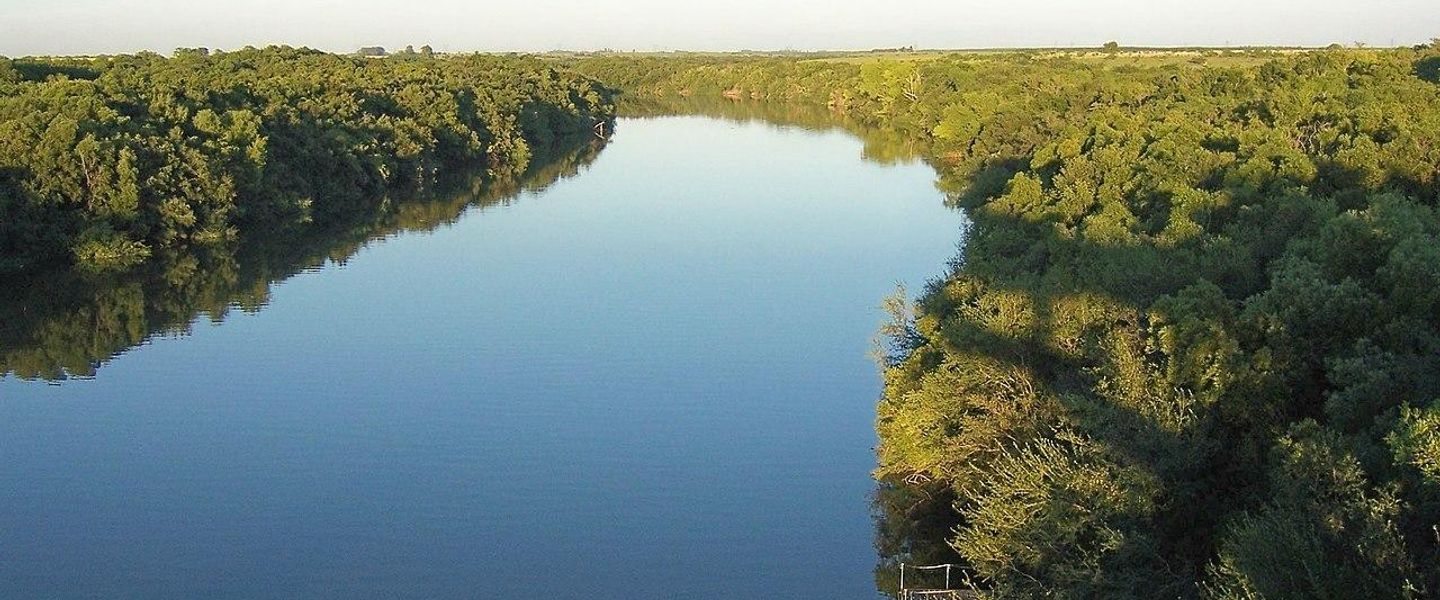


Explore Queguay in western Uruguay for native river forests, wetlands, wildlife and quiet countryside near Paysandú.
Read more about Queguay
When is the best time to visit Queguay?
Best: March–April, November · 24–27°C| Month | High (°C) | Rainfall (mm) |
|---|---|---|
| January | 30 | 100 |
| February | 29 | 90 |
| March (best) | 27 | 90 |
| April (best) | 24 | 100 |
| May | 20 | 90 |
| June | 17 | 90 |
| July | 17 | 80 |
| August | 18 | 80 |
| September | 21 | 80 |
| October | 23 | 90 |
| November (best) | 26 | 100 |
| December | 29 | 100 |
Getting to and around Queguay
How to get there
Transportation
Best attractions in Queguay
The principal attraction in Queguay is the Área Protegida Montes del Queguay, where native river forest, wetlands, grassland and waterways form a landscape of considerable ecological importance. Visitors come for quiet walks, birdwatching, nature photography and the chance to see how the Queguay Grande and its tributaries shape the surrounding countryside. The experience is exploratory rather than highly curated: interpretive facilities and marked visitor circuits are limited compared with Uruguay’s larger urban or coastal destinations. The river corridors are particularly rewarding for observing contrasts between dense monte and open campo, while wet areas can attract varied birdlife depending on season and water levels. Rural roads and working landscapes are also part of the region’s appeal, revealing the relationship between conservation and cattle country. Access must be arranged responsibly, as some land is private and conditions change after rain. Queguay is not a destination for amusement parks or a long list of indoor museums; its attraction lies in habitat, silence, landscape scale and the opportunity to experience a less commercialised part of western Uruguay.
-
Visitor center
Centro de Visitantes Montes del Queguay
Discover the natural beauty and biodiversity of Uruguay at Centro de Visitantes Montes del Queguay, your gateway to the stunning Montes del Queguay region.
-
Canoeing area
Montes del Queguay
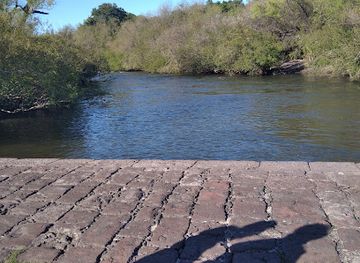
Discover the tranquil beauty of Montes del Queguay, Uruguay's premier canoeing area, where adventure meets serenity amidst nature's splendor.
-
Water
Rio Oueguay Grande
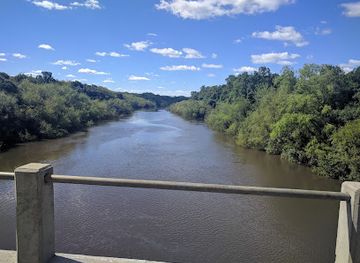
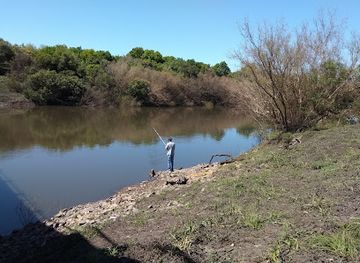
Experience the serenity of Rio Oueguay Grande, a picturesque river in Paysandú Department, perfect for relaxation and outdoor adventures.
-
Adventure sports
Queguay Aventuras del Uruguay
Experience the thrill of adventure sports and immerse yourself in nature at Queguay Aventuras del Uruguay in Paysandú.
Best landmarks in Queguay
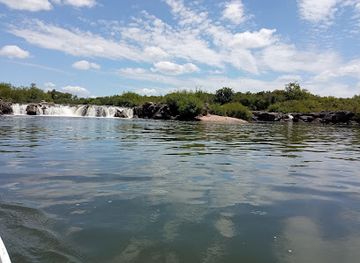
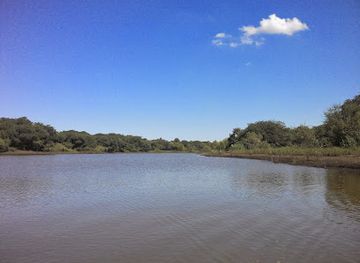
The defining landmark of Queguay is the river landscape itself: the Queguay Grande, its tributaries and the native forest corridors that have given the area its name. Within the Área Protegida Montes del Queguay, the meeting of wooded banks, wetlands and open grassland creates a recognisable landscape unlike the denser urban environment of nearby Paysandú. The native monte is significant not because of a single monumental structure but because it preserves one of the important remaining wooded systems of Uruguay’s interior. River bends, crossings and forest edges provide the most visually distinctive points, although their accessibility varies with weather and land ownership. Rural fences, tracks and working properties add a human dimension without replacing the natural landmarks. Visitors should avoid treating every riverbank as public land and should obtain guidance before approaching particular sites. Queguay’s landmarks are therefore best read as a connected ecological and cultural setting: water, woodland, pasture and the long history of movement through western Uruguay.
-
Historical landmark
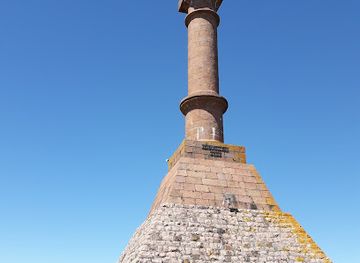
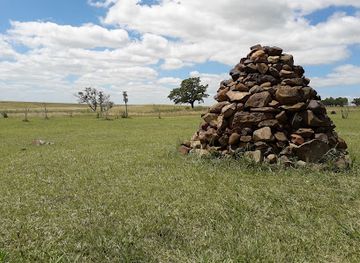
Artigas Plateau
Explore the historical significance and natural beauty of the Artigas Plateau, a serene landmark in Uruguay's Paysandú Department.
-
Toll booth
Peaje Queguay
Discover Peaje Queguay, the essential toll booth on Ruta 3 connecting you to Uruguay's stunning landscapes and cultural treasures.
-
Island
Isla del Queguay Grande
Experience the serene beauty of Isla del Queguay Grande, a tranquil island paradise in Uruguay's Paysandú Department, perfect for nature lovers and relaxation seekers.
-
Visitor center
Centro de Visitantes Montes del Queguay
Explore the breathtaking nature and biodiversity of the Queguay Mountains at the Centro de Visitantes Montes del Queguay in Paysandú, a perfect starting point for your adventure.
Explore Queguay on the map
Plan your trip on one map. See where the top cities, national parks and sights are, and book hotels and experiences in a few clicks.
Best hotels in Queguay
Best restaurants in Queguay
Queguay itself has very few dedicated dining facilities, so visitors should plan meals in advance and use Paysandú, outside the region, for the widest choice of restaurants, bakeries, cafés and food shops. The surrounding countryside reflects Uruguay’s broader interior food culture, with beef, grilled meats, bread, pasta, empanadas and mate forming familiar parts of everyday life. In rural areas, meals may be arranged through accommodation, guides or working properties rather than selected from a conventional restaurant menu. Local supplies are most useful for a day in the protected landscape: buy water, fruit, sandwiches and other provisions before leaving the city. Visitors should not assume that a remote track leads to a café or that card payment will be available. A picnic beside the countryside, where permitted and without lighting fires or leaving waste, suits Queguay better than searching for a formal dining scene. Regional produce and home-style cooking are best understood through local hosts and Paysandú’s markets and shops.
-
Pizza
Pan Z
Experience authentic Italian cuisine at Pan Z in Paysandú—home to delicious gourmet pizzas and warm hospitality.
-
Restaurant
La Kinta avenida
Experience the vibrant flavors of Uruguay at La Kinta Avenida—where every meal tells a story.
-
Fast Food
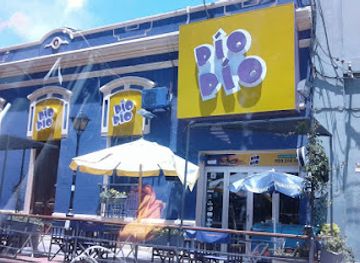
Pío Pío
Discover the vibrant flavors of Pío Pío in Paysandú—your go-to spot for delicious hamburgers and pizzas in a welcoming atmosphere.
-
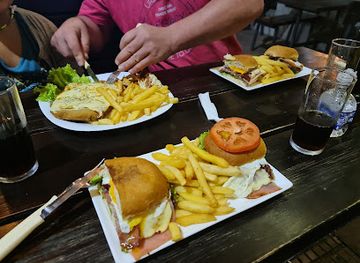
Hamburger
Carrito La Nueva Terminal
Discover Paysandú's culinary gem with mouthwatering hamburgers at Carrito La Nueva Terminal, where flavor meets local culture.
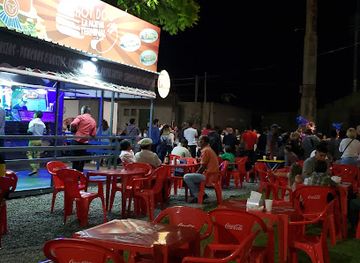
Best bars in Queguay
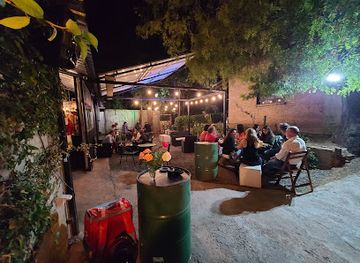
Queguay has no concentrated nightclub district and little conventional evening entertainment. After dark, the countryside is largely quiet, with social life centred on rural homes, occasional community gatherings and the accommodation used by visitors. The nearest substantial choice of pubs, bars, cafés and evening restaurants is in Paysandú, outside the region. There, visitors can experience Uruguay’s unhurried social rhythm, order a drink or meal and make practical arrangements for the following day. Alcohol should not be combined with driving on rural roads, where lighting, signage and mobile coverage may be limited. In Queguay itself, the evening appeal is natural rather than commercial: open skies, nocturnal sounds and the changing atmosphere of the river forest. Visitors staying in the countryside should confirm arrangements for meals, transport and check-in before sunset, as distances are considerable and services are sparse.
-
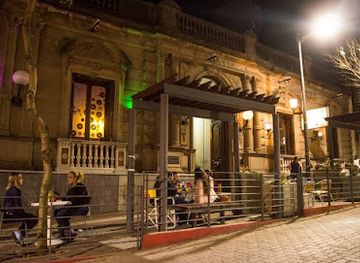
Bar
El Bar
Experience the vibrant nightlife at El Bar in Paysandú, where great drinks and lively atmosphere come together for an unforgettable experience.
-
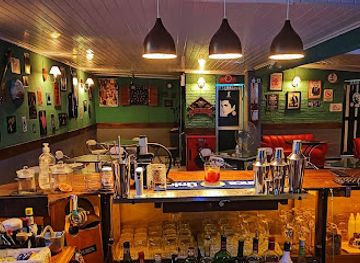
Bar
Chucho's Vintage Bar
Experience the unique charm of Chucho's Vintage Bar in Paysandú, where retro decor meets a lively nightlife and a diverse drink menu.
-
Gastropub
Deli Bar
Experience the vibrant culinary culture at Deli Bar, a premier gastropub in Paysandú blending local flavors with a lively atmosphere.
-
Beer Garden
Jack Beer Cerveza Artesanal
Discover the vibrant craft beer scene at Jack Beer Cerveza Artesanal in Paysandú, where quality brews meet a lively atmosphere.
Best nightclubs in Queguay
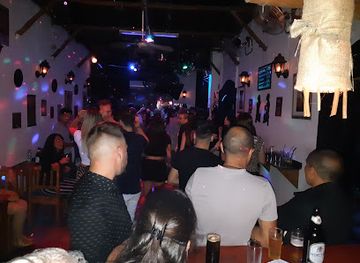
Queguay has no concentrated nightclub district and little conventional evening entertainment. After dark, the countryside is largely quiet, with social life centred on rural homes, occasional community gatherings and the accommodation used by visitors. The nearest substantial choice of pubs, bars, cafés and evening restaurants is in Paysandú, outside the region. There, visitors can experience Uruguay’s unhurried social rhythm, order a drink or meal and make practical arrangements for the following day. Alcohol should not be combined with driving on rural roads, where lighting, signage and mobile coverage may be limited. In Queguay itself, the evening appeal is natural rather than commercial: open skies, nocturnal sounds and the changing atmosphere of the river forest. Visitors staying in the countryside should confirm arrangements for meals, transport and check-in before sunset, as distances are considerable and services are sparse.
-
Disco club
Il Tempo
Experience the vibrant nightlife of Montevideo at Il Tempo, a premier disco club where music, dance, and culture collide in a lively atmosphere.
-
Pub
Viajeros Disco
Discover the vibrant nightlife of Montevideo at Viajeros Disco, a lively pub and dance club perfect for dancing and socializing.
-
Disco club
Lotus Club
Dive into Montevideo's vibrant nightlife at Lotus Club, where electrifying beats and stylish ambiance create unforgettable experiences.
-
Night club
La Bodeguita del Sur
Discover the vibrant nightlife of Montevideo at La Bodeguita del Sur, where music, dance, and local culture come together in an unforgettable experience.


Best shops in Queguay
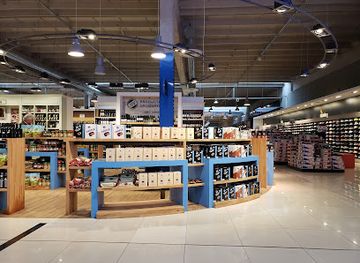
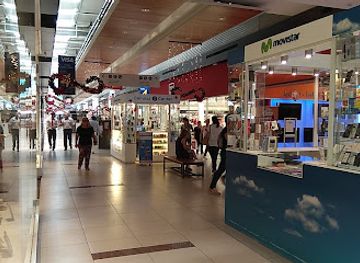
Shopping in Queguay is limited and practical rather than destination-oriented. Visitors should buy fuel, food, water, insect repellent and other supplies in Paysandú, outside the region, before travelling into the rural landscape. Small rural shops may serve local communities, but their stock, opening arrangements and payment facilities should not be assumed. The most appropriate regional purchases are Uruguayan food products and practical provisions rather than a specialised Queguay souvenir industry. In Paysandú, visitors can look for mate-related goods, leather items, regional foods, wine, preserves, baked products and crafts sold through ordinary shops or local markets, subject to changing retail arrangements. Any wildlife products, archaeological objects, native plants or materials taken from the protected landscape should be avoided. Queguay’s strongest souvenir is often a photograph or field notebook recording the river forest, while responsible visitors leave the protected area exactly as they found it.
-
Duty free store
Siñeriz Shopping y free shop
Explore Siñeriz Shopping y Free Shop in Rivera, Uruguay - a duty-free haven with shopping, dining, and entertainment for all.
-
Shopping mall
Paysandú Shopping - Terminal
Explore the Paysandú Shopping Mall: A dynamic shopping experience with diverse stores, dining, and entertainment options in the heart of Paysandú.
-
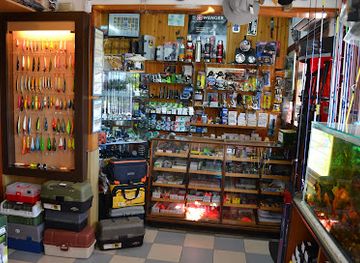
Store
Lo De Jorge (Pesca, Caza y Camping)
Discover the ultimate hub for fishing, hunting, and camping gear at Lo De Jorge in Paysandú, where adventure meets expert advice and quality products.
-
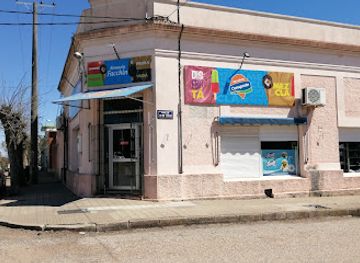
Grocery store
Almacén Facchin
Explore Almacén Facchin in Guichón for authentic local flavors and artisanal goods reflecting Uruguay's rich culinary heritage.
Get your free copy of our complete guide to Queguay, delivered straight to you.
Everything on this page, from attractions and restaurants to essentials and local phrases, in one PDF you can read offline, print or share.
Already have an account? Sign in
Your Queguay guide is ready.
We'll send it to · Not you? Sign out

Getting your guide ready…
We are putting together a fresh copy of the Queguay guide. This can take up to a minute.
This can take a few moments. If your browser asks, choose Allow so the download can start. You'll find the guide in your Downloads folder.
Nothing happened? Download it again
Sorry, the guide is taking longer than usual. Please try again in a minute, or get it by email instead.
Queguay essentials
Currency and Payment
Safety
Emergency Situations
Do's and Don'ts
Local Tips
From Eve
Local phrases worth knowing
You don't need to get them perfect. A few words go a long way, and locals appreciate the effort.
Basics
| English | Local | Say it |
|---|---|---|
| Hello | Hola | [OH-lah] |
| Goodbye | Adiós | [ah-DYOS] |
| Yes | Sí | [SEE] |
| No | No | [NO] |
| Please/You're welcome | Por favor | [por fah-VOR] |
| Thank you | Gracias | [GRAH-syahs] |
| Excuse me/Sorry | Perdón | [pehr-DON] |
| How are you? | ¿Cómo estás? | [KOH-moh es-TAS] |
| Fine. And you? | Bien. ¿Y tú? | [BYEN. ee TOO] |
| Do you speak English? | ¿Hablas inglés? | [AH-blahs een-GLES] |
| I don't understand | No entiendo | [NO en-TYEN-doh] |
Eating & Drinking
| English | Local | Say it |
|---|---|---|
| I'd like to see the menu, please | Me gustaría ver el menú, por favor | [meh goos-TAH-ree-ah VER el meh-NOO, por fah-VOR] |
| I don't eat meat | No como carne | [NO KOH-moh KAR-neh] |
| Cheers! | ¡Salud! | [sah-LOOD] |
| I would like to pay, please | Me gustaría pagar, por favor | [meh goos-TAH-ree-ah pah-GAR, por fah-VOR] |
Emergencies
| English | Local | Say it |
|---|---|---|
| Help! | ¡Ayuda! | [ah-YOO-dah] |
| Go away! | ¡Vete! | [VEH-teh] |
| Call the Police! | ¡Llama a la policía! | [YAH-mah ah lah poh-lee-SEE-ah] |
| Call a doctor! | ¡Llama a un doctor! | [YAH-mah ah oon dok-TOR] |
| I'm lost | Estoy perdido | [es-TOY pehr-DI-doh] |
| I'm ill | Estoy enfermo | [es-TOY en-FER-mo] |
Shopping
| English | Local | Say it |
|---|---|---|
| I'd like to buy... | Quisiera comprar... | [kee-SYE-rah kom-PRAR] |
| I'm just looking | Solo estoy mirando | [SO-lo es-TOY mee-RAN-doh] |
| How much is it? | ¿Cuánto cuesta? | [KWAN-toh KWES-tah] |
| That's too expensive | Es demasiado caro | [es deh-mah-SYAH-doh KAH-roh] |
| Can you lower the price? | ¿Puedes bajar el precio? | [PWEH-des bah-HAR el PREH-syo] |
Time & Numbers
| English | Local | Say it |
|---|---|---|
| What time is it? | ¿Qué hora es? | [KEH OR-ah es] |
| It's one o'clock | Es la una | [es lah OO-nah] |
| Half past (10) | Y diez y media | [ee DYAS ee MEH-dyah] |
| Morning | Mañana | [mah-NYAH-nah] |
| Afternoon | Tarde | [TAR-deh] |
| Evening | Noche | [NO-cheh] |
| Yesterday | Ayer | [ah-YER] |
| Today | Hoy | [OY] |
| Tomorrow | Mañana | [mah-NYAH-nah] |
| 1 | Uno | [OO-no] |
| 2 | Dos | [DOS] |
| 3 | Tres | [TRES] |
| 4 | Cuatro | [KWAT-roh] |
| 5 | Cinco | [SEEN-koh] |
| 6 | Seis | [SAYS] |
| 7 | Siete | [SYEH-teh] |
| 8 | Ocho | [OH-choh] |
| 9 | Nueve | [NWEH-beh] |
| 10 | Diez | [DYAS] |
Transport & Directions
| English | Local | Say it |
|---|---|---|
| Where's a/the...? | ¿Dónde hay un/una...? | [DON-deh ai oon/OO-nah] |
| What's the address? | ¿Cuál es la dirección? | [KWAL es lah dee-rek-SYON] |
| Can you show me (on the map)? | ¿Puedes mostrarme (en el mapa)? | [PWEH-des mos-TRAR-me (en el MAH-pah)] |
| When's the next (bus)? | ¿Cuándo es el próximo (autobús)? | [KWAN-doh es el PROK-see-mo (au-toh-BOOS)] |
| A ticket (to ....) | Un boleto (a ....) | [OON boh-LEH-toh (ah ....)] |
History of Queguay
Indigenous river-corridor heritage
Before European colonisation, the rivers and grasslands of western Uruguay were used by Indigenous peoples, including Charrúa and related communities whose seasonal movements followed water, game and other resources. The Queguay waterways formed part of a wider interior landscape rather than a fixed political frontier. Archaeological traces in the region and across the Uruguay River basin point to long occupation, although many sites are not marked for casual visitation. Understanding this earlier history helps place the protected forests and wetlands within a much older human landscape.
The colonial and frontier period
During the Spanish colonial era, the interior of present-day Uruguay remained comparatively lightly settled when measured against the coastal cities. Cattle, horses, river crossings and control of routes were central to frontier life. The Queguay area lay within a broad zone shaped by movement between the Uruguay River and the interior, with settlement gradually expanding through ranching and landholding. Rather than leaving a dense concentration of monumental buildings, this period established the rural structure and transport patterns that still characterise the countryside.
The nineteenth-century ranching economy
After Uruguayan independence, western Uruguay became increasingly associated with extensive livestock raising and the development of large rural properties. The Queguay rivers supplied water and created natural corridors through cattle country, while native woodland provided shelter and fuel. Rural labour, fencing, stock movement and seasonal work shaped local society. Many of the region’s present contrasts—the open campo, working farms and remaining stands of monte—reflect the long interaction between commercial ranching and the riverine environment.
Paysandú and the western interior
The historical development of Queguay cannot be separated from Paysandú, the principal city of the surrounding department and an important centre on Uruguay’s western frontier. Paysandú’s growth as a port, commercial town and regional service centre connected the interior to the Uruguay River and to wider national markets. Although the Queguay landscape itself remained rural, roads, agricultural trade and administrative links increasingly tied its farms and waterways to the city and to Uruguay’s national economy.
Native woodland under pressure
The expansion and intensification of agriculture and livestock production reduced or fragmented many native habitats in Uruguay. River forests and wetlands were particularly important as surviving ecological corridors, but they were also vulnerable to clearing, altered drainage, fire and unregulated access. In Queguay, the conservation value of the remaining monte became increasingly recognised not only for its scenery but for its role in supporting wildlife, protecting river margins and preserving a representative part of the country’s interior ecosystems.
Protection of Montes del Queguay
The creation of the Área Protegida Montes del Queguay brought national conservation attention to the river forests, wetlands, grasslands and associated habitats of the Queguay basin. Its protected status reflects a shift from viewing rural land solely as productive space towards managing ecological and cultural values alongside agriculture. Conservation here depends on cooperation among public authorities, landowners, residents and visitors. The area’s significance is therefore both biological and social: it preserves native landscapes while remaining part of a working rural region.
Queguay in Photos
Browse through our photo collection highlighting the charm and character of the destination.
Neighbouring regions of Queguay
The closest regions to Queguay, if you have time for more than one.
-

-

-

-

-


Swipe for more regions
Explore more

Explore more of Uruguay
Discover Uruguay: Rich culture, stunning beaches, and a warm, welcoming atmosphere await in this hidden gem of South America.
Explore Uruguay