

Free Litoral Travel Guide & Mobile App
Explore Litoral with free travel guides. Discover regional history, expert tips, proposed trips, and audio guides on web or mobile app.


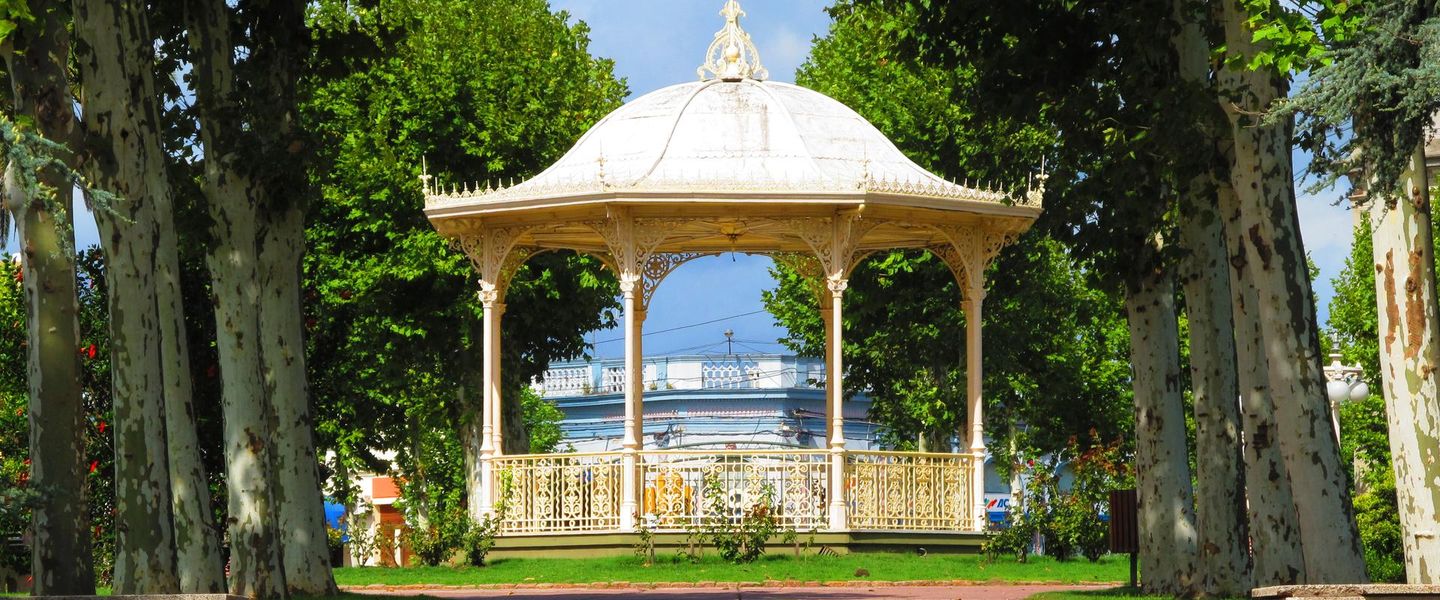


Explore Uruguay’s Litoral for hot springs, river towns, wetlands, frontier history, rural landscapes and the industrial heritage of Fray Bentos.
Read more about Litoral
When is the best time to visit Litoral?
Best: April, October–November · 23–26°C| Month | High (°C) | Rainfall (mm) |
|---|---|---|
| January | 31 | 100 |
| February | 30 | 100 |
| March | 28 | 100 |
| April (best) | 24 | 100 |
| May | 20 | 100 |
| June | 17 | 100 |
| July | 16 | 100 |
| August | 17 | 100 |
| September | 20 | 100 |
| October (best) | 23 | 100 |
| November (best) | 26 | 100 |
| December | 30 | 100 |
Getting to and around Litoral
How to get there
Transportation
Top city travel guides in Litoral
The cities of Litoral, and the easiest places to base yourself.
-

-


Swipe for more cities
Destinations in Litoral
Resorts, valleys and scenic spots worth a trip of their own.
-

-


Swipe for more destinations
Best attractions in Litoral
The Litoral’s attractions range from thermal recreation to river ecology and industrial history. Around Salto, the Daymán and Arapey thermal areas provide heated pools, gardens and resort facilities, while the city itself offers museums, public spaces and a substantial regional cultural scene. Paysandú combines riverfront leisure with museums and sites associated with the nineteenth-century defence of the city. Fray Bentos is the region’s most distinctive heritage destination: the former Liebig’s-Anglo complex preserves factories, machinery, workers’ housing and a landscape that explains the global history of refrigerated meat. South of it, Mercedes and Soriano provide access to quieter river scenery, rural roads and local cultural institutions. In Río Negro, Esteros de Farrapos e Islas del Río Uruguay National Park protects wetlands, islands and bird habitat, although access requires attention to local conditions and conservation rules. Artigas offers a different experience through its northern landscape and long association with amethyst and agate, reflected in regional lapidary traditions. Across the region, fishing, boating, birdwatching, cycling and riverside walks are strongest when planned around weather, water levels and available local services.
-
Tourist attraction
Termas de San José
Discover the healing thermal baths and thrilling water park at Termas de San José, a top destination for relaxation and family fun in Entre Ríos, Argentina.
-
Tourist attraction
El Faro del Cabo Santa Maria
Discover the breathtaking Cabo Santa Maria Lighthouse, a historic gem along La Paloma's stunning coastline, offering panoramic ocean views and rich maritime heritage.
-
Beach
Playa Ramirez
Experience the vibrant atmosphere and serene beauty of Playa Ramirez, a must-visit beach destination in Montevideo, Uruguay.
-
Tourist attraction
Museo del Mar
Discover the maritime history and culture of Uruguay at Museo del Mar in La Barra, a captivating museum for all ages.
Best landmarks in Litoral
The Fray Bentos Industrial Landscape is the Litoral’s most internationally recognisable landmark, with its meat-processing buildings, chimneys, machinery and associated workers’ settlement recording the industrial scale of the nineteenth- and twentieth-century beef trade. Paysandú’s Basilica of Our Lady of the Rosary and Saint Benedict of Palermo is a prominent religious and architectural reference in the city, while the Monumento Perpetuidad cemetery preserves funerary art and memories of local civic and military history. Near Paysandú, the Meseta de Artigas is associated with José Artigas and Uruguay’s federalist past and combines a commemorative monument with an elevated river landscape. Salto’s waterfront and historic urban buildings reflect the city’s position as a major port and commercial centre, even where individual structures have changed use. In the south, Mercedes’ riverfront setting at the Río Negro and the old urban core express the importance of navigation and trade. The Uruguay River itself is a defining natural landmark throughout the region, forming broad horizons, islands, beaches and wetlands rather than a single monumental viewpoint.
-
Sculpture
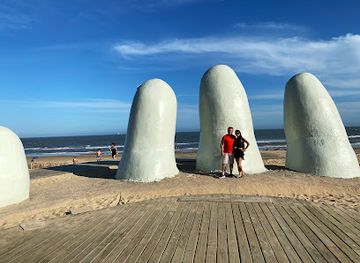
The Fingers of Punta del Este
Discover the stunning Fingers of Punta del Este, a monumental sculpture symbolizing art and nature along Uruguay's beautiful coastline.
-
Park
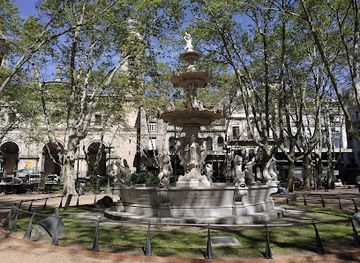
Constitution Plaza
Discover Constitution Plaza, a historical park in Montevideo, where lush gardens and cultural landmarks create a serene urban oasis for tourists.
-
Park
Plaza Virgilio
Discover the beauty of Montevideo at Plaza Virgilio, a tranquil park perfect for relaxation, picnics, and stunning river views.
-
Tourist attraction
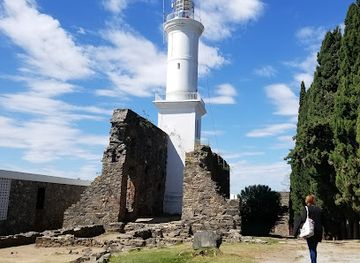
Colonia del Sacramento Lighthouse
Explore the Colonia del Sacramento Lighthouse and experience breathtaking views and rich maritime history in this charming UNESCO World Heritage site.
Explore Litoral on the map
Plan your trip on one map. See where the top cities, national parks and sights are, and book hotels and experiences in a few clicks.
Best hotels in Litoral
Best restaurants in Litoral
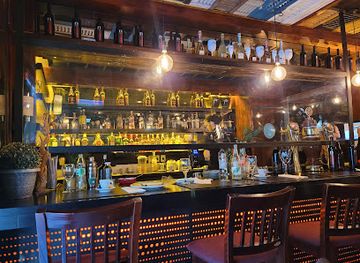
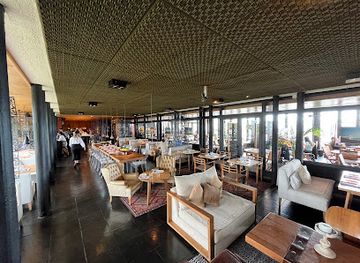
Dining in the Litoral reflects Uruguay’s cattle-raising culture, river geography and agricultural production. Parrillas and straightforward grills are common in the larger towns, with beef, sausages and offal prepared in the country’s familiar open-fire tradition. River fish appears seasonally and locally, while citrus from the northern departments contributes to juices, preserves and desserts. Salto and Paysandú offer the broadest choice of cafés, bakeries, pizzerias and contemporary restaurants; thermal resorts add dining rooms and casual venues aimed at visitors. In smaller towns, traditional cafés, family-run restaurants and neighbourhood bars often provide the most practical meals, though opening patterns can be limited outside peak periods. Look for local cheeses, preserves, pastries and produce at markets or specialist food shops, and sample Uruguayan wine, mate culture and craft beer without assuming that every regional speciality is exclusive to the Litoral. In rural areas, carrying provisions is sensible when travelling between settlements.
-
Seafood
El Italiano
Experience exquisite seafood at El Italiano in Montevideo—where fresh flavors meet coastal charm for an unforgettable dining adventure.
-
Restaurant
Don Andres
Experience authentic Uruguayan cuisine at Don Andres in Montevideo - where flavor meets tradition in a vibrant dining atmosphere.
-
Restaurant
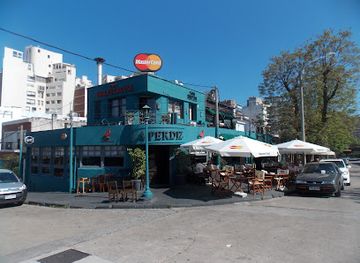
La Perdiz
Discover La Perdiz in Montevideo: where traditional Uruguayan flavors meet modern culinary artistry for an unforgettable dining experience.
-
Restaurant
Parador Imarangatu
Experience the vibrant flavors of Uruguay at Parador Imarangatu – where exceptional cuisine meets lively ambiance in Punta del Este.

Best bars in Litoral
Evening life in the Litoral is centred on cafés, parrillas, traditional bars and social clubs rather than a dense nightclub circuit. Salto and Paysandú have the largest selection of restaurants, pubs, live-music settings and late-opening venues, with activity shaped by students, regional events and the local calendar. Mercedes also has a sizeable cultural and evening scene for a city of its scale, while smaller river towns generally become quieter after dinner. Thermal resorts offer a self-contained evening rhythm, with restaurants, hotel bars and relaxed social spaces rather than major clubbing. In summer, waterfront promenades and outdoor seating become more important, but conditions and programming vary. Check locally for current concerts and events instead of relying on permanent nightlife listings, and remember that Uruguay’s evening schedules often begin later than those of many northern European countries.
-
Brewpub
Capi Bar
Discover the vibrant flavors of Punta del Este at Capi Bar, where craft beer and delicious grilled dishes create an unforgettable dining experience.
-
Pub
Moby Dick
Experience the vibrant atmosphere and diverse menu at Moby Dick, Punta del Este's premier pub and restaurant, where culinary delights meet coastal charm.
-
Irish pub
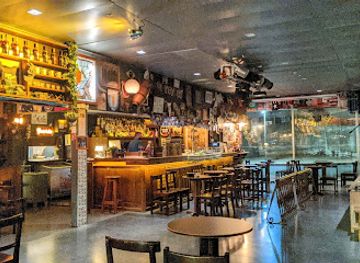
Gallagher's
Gallagher's is Montevideo's premier Irish pub, offering authentic cuisine, a lively atmosphere, and a vast selection of beverages for a memorable experience.
-
Bar
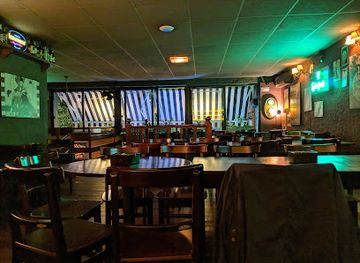
Baar Fun Fun
Explore the vibrant nightlife of Montevideo at Baar Fun Fun, where music, cocktails, and culture come together for an unforgettable experience.


Best nightclubs in Litoral
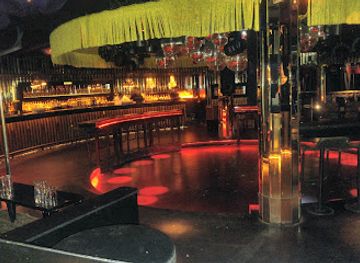
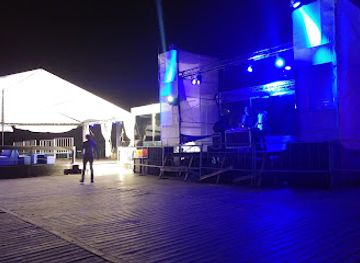
Evening life in the Litoral is centred on cafés, parrillas, traditional bars and social clubs rather than a dense nightclub circuit. Salto and Paysandú have the largest selection of restaurants, pubs, live-music settings and late-opening venues, with activity shaped by students, regional events and the local calendar. Mercedes also has a sizeable cultural and evening scene for a city of its scale, while smaller river towns generally become quieter after dinner. Thermal resorts offer a self-contained evening rhythm, with restaurants, hotel bars and relaxed social spaces rather than major clubbing. In summer, waterfront promenades and outdoor seating become more important, but conditions and programming vary. Check locally for current concerts and events instead of relying on permanent nightlife listings, and remember that Uruguay’s evening schedules often begin later than those of many northern European countries.
-
Disco club
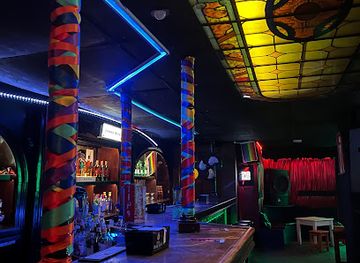
Il Tempo
Discover the heart of Montevideo's nightlife at Il Tempo, a premier disco club offering an unforgettable dancing experience with vibrant music and lively crowds.
-
Bar
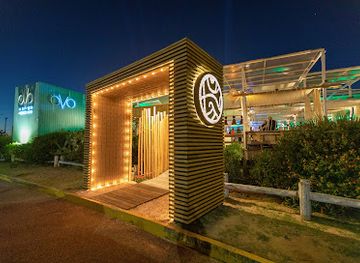
Ovo Beach
Discover the vibrant nightlife at Ovo Beach, a premier bar and disco club in Punta del Este, where stunning views and great music come together.
-
Disco club
Lotus Club
Dance the night away at Lotus Club, Montevideo's premier disco destination offering vibrant energy, top DJs, and unforgettable nightlife experiences.
-
Disco club
Ocean Club
Experience the vibrant nightlife at Ocean Club in Punta del Este, where lively music and stunning ocean views come together for an unforgettable night out.
Best shops in Litoral
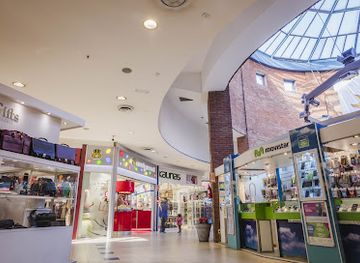
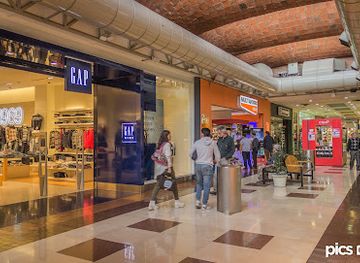
Shopping in the Litoral is practical and town-based, with central streets, municipal markets, supermarkets and independent shops serving both residents and visitors. Salto and Paysandú have the broadest retail choice, including clothing, household goods, books, cafés and regional food shops, while Mercedes and Fray Bentos provide smaller but useful high-street centres. Near Artigas, amethyst and agate are the most distinctive regional purchases; buy from established sellers and ask about the stone’s origin and workmanship rather than treating every display as locally mined. Thermal resorts sell swimwear, wellness products, souvenirs and regional foods, but their retail areas are generally compact. Look for citrus preserves, cheeses, dulce de leche, wines and handmade objects at markets or specialist stores, and consider locally made leather goods or simple craftwork as durable souvenirs. Border towns may offer cross-border shopping, but prices, product availability and customs rules change, so the Uruguayan side’s ordinary markets and independent businesses often give a more reliable sense of local commerce.
-
Shopping mall
Tres Cruces Shopping
Discover the vibrant shopping hub of Tres Cruces in Montevideo, where diverse retail, dining, and entertainment options await every visitor.
-
Shopping mall
Montevideo Shopping Center
Discover the vibrant shopping experience at Montevideo Shopping Center, featuring top brands, diverse dining options, and family-friendly entertainment.
-
Shopping mall
Nuevocentro Shopping
Experience the ultimate shopping and entertainment destination in Montevideo at Nuevocentro Shopping, where vibrant culture meets modern retail.
-
Shopping mall
Punta Carretas Shopping
Experience the best of shopping and dining at Punta Carretas Shopping, a must-visit destination in Montevideo, Uruguay.
Get your free copy of our complete guide to Litoral, delivered straight to you.
Everything on this page, from attractions and restaurants to essentials and local phrases, in one PDF you can read offline, print or share.
Already have an account? Sign in
Your Litoral guide is ready.
We'll send it to · Not you? Sign out

Getting your guide ready…
We are putting together a fresh copy of the Litoral guide. This can take up to a minute.
This can take a few moments. If your browser asks, choose Allow so the download can start. You'll find the guide in your Downloads folder.
Nothing happened? Download it again
Sorry, the guide is taking longer than usual. Please try again in a minute, or get it by email instead.
Litoral essentials
Currency and Payment
Safety
Emergency Situations
Do's and Don'ts
Local Tips
From Eve
Local phrases worth knowing
You don't need to get them perfect. A few words go a long way, and locals appreciate the effort.
Basics
| English | Local | Say it |
|---|---|---|
| Hello | Hola | [OH-lah] |
| Goodbye | Adiós | [ah-DYOS] |
| Yes | Sí | [SEE] |
| No | No | [NO] |
| Please/You're welcome | Por favor/De nada | [por fah-VOR/deh NAH-dah] |
| Thank you | Gracias | [GRAH-syahs] |
| Excuse me/Sorry | Perdón | [pair-DON] |
| How are you? | ¿Cómo estás? | [KOH-moh es-TAS] |
| Fine. And you? | Bien. ¿Y tú? | [BYEN. ee TOO] |
| Do you speak English? | ¿Hablas inglés? | [AH-blas een-GLES] |
| I don't understand | No entiendo | [NO en-TYEN-do] |
Eating & Drinking
| English | Local | Say it |
|---|---|---|
| I'd like to see the menu, please | Me gustaría ver el menú, por favor | [meh goos-tah-REE-ah ver el meh-NOO, por fah-VOR] |
| I don't eat meat | No como carne | [NO KOH-mo KAR-neh] |
| Cheers! | ¡Salud! | [sah-LOOD] |
| I would like to pay, please | Me gustaría pagar, por favor | [meh goos-tah-REE-ah pah-GAR, por fah-VOR] |
Emergencies
| English | Local | Say it |
|---|---|---|
| Help! | ¡Ayuda! | [ah-YOO-dah] |
| Go away! | ¡Vete! | [BEH-teh] |
| Call the Police! | ¡Llama a la policía! | [YAH-ma ah la poh-lee-SEE-ah] |
| Call a doctor! | ¡Llama a un doctor! | [YAH-ma ah oon dok-TOR] |
| I'm lost | Estoy perdido | [es-TOY pair-DEE-do] |
| I'm ill | Estoy enfermo/a | [es-TOY en-FER-mo/a] |
Shopping
| English | Local | Say it |
|---|---|---|
| I'd like to buy... | Me gustaría comprar... | [meh goos-tah-REE-ah kom-PRAR] |
| I'm just looking | Solo estoy mirando | [SO-lo es-TOY mee-RAN-do] |
| How much is it? | ¿Cuánto cuesta? | [KWAN-toh KWES-tah] |
| That's too expensive | Es demasiado caro | [es deh-ma-see-AH-doh KAH-ro] |
| Can you lower the price? | ¿Puedes bajar el precio? | [PWEH-des bah-HAR el PREH-syo] |
Time & Numbers
| English | Local | Say it |
|---|---|---|
| What time is it? | ¿Qué hora es? | [KEH OH-rah es] |
| It's one o'clock | Es la una | [es lah OO-nah] |
| Half past (10) | Y media (10) | [ee MEH-dyah (10)] |
| Morning | Mañana | [ma-NYAH-nah] |
| Afternoon | Tarde | [TAR-deh] |
| Evening | Noche | [NO-cheh] |
| Yesterday | Ayer | [ah-YER] |
| Today | Hoy | [OY] |
| Tomorrow | Mañana | [ma-NYAH-nah] |
| 1 | Uno | [OO-no] |
| 2 | Dos | [DOS] |
| 3 | Tres | [TRES] |
| 4 | Cuatro | [KWA-tro] |
| 5 | Cinco | [SEEN-koh] |
| 6 | Seis | [SAYS] |
| 7 | Siete | [SYEH-teh] |
| 8 | Ocho | [OH-cho] |
| 9 | Nueve | [NWEH-beh] |
| 10 | Diez | [DYEZ] |
Transport & Directions
| English | Local | Say it |
|---|---|---|
| Where's a/the...? | ¿Dónde está...? | [DON-deh es-TAH] |
| What's the address? | ¿Cuál es la dirección? | [KWAL es la dee-rek-SYON] |
| Can you show me (on the map)? | ¿Puedes mostrarme (en el mapa)? | [PWEH-des mos-TRAR-me (en el MAH-pah)] |
| When's the next (bus)? | ¿Cuándo es el próximo (bus)? | [KWAN-doh es el PROK-see-mo (boos)] |
| A ticket (to ....) | Un boleto (a ...) | [oon bo-LEH-to (ah ...)] |
History of Litoral
Indigenous societies and river archaeology
Long before European settlement, the western Uruguayan riverlands were occupied by Indigenous communities, including peoples associated in historical records with the Charrúa, Chaná and Guaraní worlds. Rivers provided routes for movement, fishing and exchange, while elevated ground and open plains supported seasonal activities. Archaeological evidence in the Litoral includes stone tools, pottery and earthwork or mound traditions, although interpretations vary by site and period. The region’s later colonial history often obscured these earlier landscapes, but museums and archaeological collections in western towns preserve evidence of a much older human presence along the Uruguay River and its tributaries.
Spanish and Portuguese frontier, seventeenth to eighteenth centuries
The Litoral developed as a contested frontier between Spanish and Portuguese imperial interests. River routes linked settlements and military positions, while livestock, hides and access to inland territory drove expansion. The foundation and growth of towns such as Paysandú and Salto occurred within this wider frontier environment, where formal boundaries were less stable than later maps suggest. Jesuit missions and Guaraní communities influenced the region’s cultural and economic networks, particularly farther north and across the river in areas now belonging to Argentina and Brazil. Fortifications, churches and settlement patterns across the wider Río de la Plata frontier reflect this period of rivalry and negotiation.
Independence and the formation of Uruguay
The western departments were deeply involved in the political conflicts that shaped modern Uruguay. José Artigas and the Federal League attracted support across the interior, while the region later became a theatre of fighting during the country’s struggle for independence and the civil conflicts of the nineteenth century. The strategic position of river towns made them valuable for moving troops, supplies and livestock. Paysandú’s defence during the Guerra Grande, particularly the siege of 1864–65, became one of the defining episodes in regional historical memory. Monuments, museums and commemorative sites continue to interpret the political and military importance of the Litoral.
River commerce and the growth of the port cities
During the nineteenth century, river navigation and expanding trade transformed the Litoral. Ports at Salto, Paysandú, Fray Bentos and Mercedes connected inland livestock and agricultural production with markets downstream towards Buenos Aires and the Atlantic. Urban growth brought warehouses, customs activity, commercial houses and new public buildings, while immigrant communities contributed to the development of schools, associations and businesses. The Uruguay River was not simply a boundary: it was a working transport corridor and a source of employment. Many streetscapes, cemeteries and waterfront areas still reveal the prosperity and ambitions of these river towns.
Refrigeration and the Fray Bentos meat industry
Fray Bentos became internationally important when large-scale meat processing and refrigeration allowed beef to be preserved and exported over long distances. The Liebig’s Extract of Meat Company began operations in the nineteenth century, and the later Anglo meat-processing complex employed thousands of people and developed its own industrial and residential infrastructure. Its products reached markets across Europe and beyond, linking the Río Negro to global food supply chains. The surviving complex, now interpreted as the Fray Bentos Industrial Landscape, demonstrates the relationship between cattle ranching, technology, labour and international commerce and is recognised as a UNESCO World Heritage Site.
Agriculture, railways and modern regional economies
From the late nineteenth century onwards, railways and improved roads strengthened links between the Litoral’s ports, farming districts and the rest of Uruguay. Cattle remained fundamental, but citrus, grains, rice and other agricultural activities became increasingly important in different parts of the region. Rail connections helped market towns such as Mercedes, Salto and Paysandú expand their commercial roles, while later road transport altered settlement patterns and reduced the importance of some river services. The modern Litoral retains this mixed economic character: urban services and industry sit alongside extensive farmland, forestry, horticulture and cross-border trade.
Thermal tourism and protected river landscapes
The discovery and development of deep hot-water resources around Salto created a new strand of the regional economy during the twentieth century. Thermal resorts at Daymán and Arapey turned the northern Litoral into a destination for bathing, recreation and domestic tourism, complementing the area’s agricultural and commercial role. At the same time, growing recognition of wetlands, islands and river ecosystems led to protected areas such as Esteros de Farrapos e Islas del Río Uruguay National Park. These developments reflect a broader transition in which the Litoral’s natural resources support not only farming and industry but also leisure, conservation and environmental education.
Litoral in Photos
Browse through our photo collection highlighting the charm and character of the destination.
Neighbouring regions of Litoral
The closest regions to Litoral, if you have time for more than one.
-
-

-

-

-


Swipe for more regions

