

Soriano, Uruguay Travel Guide
Discover Soriano, Uruguay's tranquil paradise filled with history, natural beauty, and vibrant culture. Perfect for a serene yet adventurous retreat.
Soriano, nestled in the lush landscapes of Uruguay, is a tranquil escape for tourists seeking a blend of rich history and natural beauty. This charming region, bordered by the Rio Negro, offers a serene retreat from the bustling city life with its picturesque countryside and welcoming locals. In Soriano, you will find a variety of attractions ranging from historic sites to beautiful natural reserves. The capital city, Mercedes, boasts a vibrant cultural scene with museums, art galleries, and traditional Uruguayan architecture. The region is also known for its agricultural roots, providing visitors with the opportunity to explore local farms and taste fresh, organic produce. Nature lovers will be enamored by the vast green spaces and pristine waterways. The Villa Soriano, one of the oldest towns in Uruguay, is a must-visit with its serene riverside setting and colonial charm. For those who enjoy outdoor activities, the region offers options for boating, fishing, and hiking, making it an ideal spot for an adventurous yet peaceful getaway.

Know before you go
Hi, I'm Eve. Here are a few practical things to know before exploring Soriano.
- Visit the local farms to enjoy fresh, organic produce and learn about Soriano's agricultural heritage.
- Explore Villa Soriano for a taste of colonial history and a peaceful riverside ambiance.
- Take a boat trip on the Rio Negro to experience the stunning natural scenery from a different perspective.
- Check out the local festivals and events in Mercedes to immerse yourself in the vibrant local culture.
- Pack comfortable walking shoes and outdoor gear to make the most of the region's hiking and nature trails.
Top City Travel Guides in Soriano
The cities of Soriano, and the easiest places to base yourself.


Explore Soriano: Things to Do, Places to Eat, Hotels & More
Handpicked recommendations for top attractions, local dining, accommodations, and more

Top Attractions & Sightseeing in Soriano
Top-rated picks
Best Attractions

Bartolomé Hidalgo Park
Explore Bartolomé Hidalgo Park, a serene national park in Uruguay's Soriano Department, where nature and adventure await every traveler.

Castillo Mauá
Discover the enchanting Castillo Mauá in Mercedes, Uruguay - a historical museum showcasing the megafauna and cultural heritage of the region.

JAZZ ON THE STREET
Experience the vibrant Jazz on the Street festival in Mercedes, Uruguay, where music, culture, and community come together for an unforgettable celebration.

Guernica Park
Experience the tranquility and natural beauty of Guernica Park in Mercedes, Uruguay, a perfect retreat for relaxation and recreation.

Best landmarks in Soriano
Top-rated picks
Best Landmarks

Prado Park
Explore the stunning natural beauty and vibrant culture of Prado Park, Montevideo's premier green space for relaxation and recreation.

The Fingers of Punta del Este
Experience the iconic Fingers of Punta del Este, a breathtaking sculpture that beautifully merges art with the natural beauty of the Uruguayan coast.

Plaza de toros Real de San Carlos
Explore the historic Plaza de Toros Real de San Carlos in Colonia del Sacramento, a stunning bullring reflecting Uruguay's rich cultural heritage and architectural beauty.

Colonia del Sacramento Lighthouse
Experience the historic charm and scenic views at the Colonia del Sacramento Lighthouse, a must-visit attraction in Uruguay's picturesque coastal town.

Best restaurants in Soriano
Top-rated picks
Best Restaurants

Café del Sol
Discover Café del Sol in Mercedes: A fast food gem offering delicious meals in a friendly atmosphere perfect for travelers.

Restaurant caramora
Experience authentic Uruguayan flavors at Restaurant Caramora in Dolores – a delightful dining destination with warm hospitality.

El Retorno
Discover authentic Uruguayan flavors at El Retorno in Dolores - where every meal tells a story.

Pizzería San Vicente SV
Savor authentic Italian pizzas at Pizzería San Vicente SV in Mercedes - where every slice is a taste of tradition.

Best bars in Soriano
Top-rated picks
Best Bars

Anyway
Discover the vibrant nightlife at Anyway, a trendy bar in Mercedes offering a lively atmosphere and creative cocktails for an unforgettable experience.

Monalisa - Bar & Grill
Experience the vibrant culinary scene at Monalisa - Bar & Grill, where delicious food and refreshing drinks create unforgettable moments in Mercedes, Uruguay.

Patio 679
Experience the vibrant nightlife at Patio 679, a lively pub in Mercedes with great drinks and an inviting atmosphere.

La Casona Resto Bar
Discover the heart of Mercedes nightlife at La Casona Resto Bar, where lively music, delicious drinks, and friendly faces await you.

Best nightclubs in Soriano
Top-rated picks
Best Nightclubs

Viajeros Disco
Experience the vibrant nightlife of Montevideo at Viajeros Disco, where music, dance, and unforgettable memories await you.

Chains Pub
Experience the lively nightlife of Montevideo at Chains Pub, where great drinks and a vibrant atmosphere await every visitor.

La Bodeguita del Sur
Discover the heart of Montevideo's nightlife at La Bodeguita del Sur, a vibrant night club featuring music, dance, and delightful cocktails.

Club Unión Dolores
Discover the vibrant nightlife at Club Unión Dolores, a social hub where locals and tourists unite for unforgettable fun and entertainment.

Best shops in Soriano
Top-rated picks
Best Shops

Ta-Ta
Experience the local flavors and convenience at Ta-Ta Supermarket in Mercedes, where shopping meets culture.

Supermercado El Rey
Discover local flavors and products at Supermercado El Rey in Mercedes, Uruguay - a supermarket offering a taste of the region's culinary diversity.

El Colmenar Online Shop
Explore El Colmenar Online Shop, a furniture paradise in Dolores, offering unique designs that blend modernity with Uruguayan tradition.

Departamento De Soriano Uruguay
Explore the charming bakeries of Departamento De Soriano, where traditional flavors and local hospitality come together to create unforgettable culinary experiences.

Explore Soriano on the Map
A handpicked selection of must-see spots in Soriano, mapped for you.
Soriano Essentials
-
Soriano is located in the southwestern part of Uruguay. The most convenient way to reach Soriano is by flying into Carrasco International Airport (MVD) in Montevideo, which is approximately 200 kilometers away. From Montevideo, you can take a bus or rent a car to reach Soriano. The bus journey takes around 3 to 4 hours and offers a comfortable and scenic route through the Uruguayan countryside. Alternatively, you can hire a taxi or use ride-sharing services for a more direct and flexible option.
-
Transportation within Soriano is convenient and varied. The town has a good network of buses and minibuses that connect different neighborhoods and nearby towns. Taxis are also readily available and can be hailed on the street or booked via phone. For those who prefer more flexibility, renting a car is a viable option, allowing you to explore the region at your own pace. Bicycles can be rented for a more eco-friendly and enjoyable way to tour the picturesque streets and countryside.
-
The official currency in Uruguay is the Uruguayan Peso (UYU). Credit cards are widely accepted in hotels, restaurants, and most shops in Soriano. However, it is advisable to carry some cash, especially when visiting smaller establishments or rural areas. ATMs are available throughout Soriano, and you can withdraw cash using international debit or credit cards. Ensure you have enough cash on hand for small purchases and emergencies.
-
Soriano is generally a safe destination for tourists. However, it is essential to take standard precautions. Avoid walking alone at night in poorly lit or unfamiliar areas, and keep an eye on your belongings in crowded places. While Soriano does not have specific high-crime areas targeting tourists, staying vigilant and aware of your surroundings is always best. Be cautious when using ATMs and avoid displaying large amounts of money or valuable items.
-
In case of an emergency, dial 911 for immediate assistance. Soriano has a local police station and medical facilities that can provide necessary support. It is highly recommended to have travel insurance that covers medical emergencies. For minor health issues, there are several pharmacies in the town where you can purchase over-the-counter medications. Keep a list of emergency contacts and the address of your accommodation handy at all times.
-
Fashion: Do dress comfortably and modestly, especially when visiting religious sites or local communities. Avoid overly revealing clothing. Religion: Do respect local customs and traditions. When visiting churches or religious sites, dress conservatively and behave respectfully. Public Transport: Do be courteous and offer your seat to elderly passengers. Don't eat or drink on public transport. Greetings: Do greet people with a friendly handshake. A warm smile and a 'Hola' go a long way in making a positive impression. Eating & Drinking: Do try the local cuisine and accept food offerings graciously. Don't refuse hospitality, as it is considered impolite.
-
To experience Soriano like a local, visit the local markets where you can buy fresh produce and traditional Uruguayan goods. Engage with locals, as they are often friendly and willing to share stories about the area's history and culture. Don't miss visiting the picturesque town of Mercedes, the capital of Soriano Department, and enjoying a stroll along the riverbank. For a unique experience, participate in local festivals and events, which offer a glimpse into the rich cultural heritage of Soriano.
When is the best time to visit Soriano?
Useful Local Phrases for Soriano
You don't need to speak the language perfectly. Even learning a few simple words can make conversations warmer—and locals usually appreciate the effort.
— Eve

Here are the phrases I use most often in Soriano. Try a few—you'll be surprised how far they go! 😊
❤️
-
- HelloHola
[Ola] - GoodbyeAdiós
[A-dios] - YesSí
[Si] - NoNo
[No] - Please/You're welcomePor favor/De nada
[Por fa-vor/De na-da] - Thank youGracias
[Gra-ci-as] - Excuse me/SorryDisculpe/Perdón
[Dis-cul-pe/Per-don] - How are you?¿Cómo estás?
[Co-mo es-tas] - Fine. And you?Bien. ¿Y tú?
[Bien. I tu] - Do you speak English?¿Hablas inglés?
[A-blas in-gles] - I don't understandNo entiendo
[No en-tien-do]
- HelloHola
-
- I'd like to see the menu, pleaseQuisiera ver el menú, por favor
[Ki-sie-ra ver el me-nu, por fa-vor] - I don't eat meatNo como carne
[No co-mo car-ne] - Cheers!¡Salud!
[Sa-lud] - I would like to pay, pleaseQuisiera pagar, por favor
[Ki-sie-ra pa-gar, por fa-vor]
- I'd like to see the menu, pleaseQuisiera ver el menú, por favor
-
- Help!¡Ayuda!
[A-yu-da] - Go away!¡Lárgate!
[Lar-ga-te] - Call the Police!¡Llama a la policía!
[Ya-ma a la po-li-ci-a] - Call a doctor!¡Llama a un doctor!
[Ya-ma a un doc-tor] - I'm lostEstoy perdido
[Es-toy per-di-do] - I'm illEstoy enfermo
[Es-toy en-fer-mo]
- Help!¡Ayuda!
-
- I'd like to buy...Quisiera comprar...
[Ki-sie-ra com-prar] - I'm just lookingSolo estoy mirando
[So-lo es-toy mi-ran-do] - How much is it?¿Cuánto cuesta?
[Cuan-to cues-ta] - That's too expensiveEso es demasiado caro
[E-so es de-ma-si-a-do ca-ro] - Can you lower the price?¿Puedes bajar el precio?
[Pue-des ba-har el pre-cio]
- I'd like to buy...Quisiera comprar...
-
- What time is it?¿Qué hora es?
[Ke o-ra es] - It's one o'clockEs la una
[Es la u-na] - Half past (10)Las diez y media
[Las diez i me-dia] - MorningMañana
[Ma-ña-na] - AfternoonTarde
[Tar-de] - EveningNoche
[No-che] - YesterdayAyer
[A-yer] - TodayHoy
[Oi] - TomorrowMañana
[Ma-ña-na] - 1Uno
[U-no] - 2Dos
[Dos] - 3Tres
[Tres] - 4Cuatro
[Cua-tro] - 5Cinco
[Cin-co] - 6Seis
[Seis] - 7Siete
[Siete] - 8Ocho
[O-cho] - 9Nueve
[Nue-ve] - 10Diez
[Diez]
- What time is it?¿Qué hora es?
-
- Where's a/the...?¿Dónde está...?
[Don-de es-ta] - What's the address?¿Cuál es la dirección?
[Cual es la di-rec-ción] - Can you show me (on the map)?¿Puedes mostrarme (en el mapa)?
[Pue-des mos-trar-me (en el ma-pa)] - When's the next (bus)?¿Cuándo pasa el próximo (bus)?
[Cuan-do pa-sa el pro-xi-mo (bus)] - A ticket (to ....)Un boleto (a ...)
[Un bo-le-to (a ...)]
- Where's a/the...?¿Dónde está...?
History of Soriano
-
Soriano, one of the oldest cities in Uruguay, was founded on June 4, 1624, by Jesuit missionaries. Originally named Santo Domingo de Soriano, it served as a mission for indigenous people and a strategic location for Spanish colonial efforts. The town's establishment marked the beginning of European settlement in the region.
-
Soriano played a significant role during the Oriental Revolution (1811-1828), which led to Uruguay's independence from Spanish rule. The region was a hotbed of revolutionary activity, with many of its inhabitants supporting José Gervasio Artigas, the national hero who led the fight for independence. The area witnessed several key battles and skirmishes during this period.
-
The Battle of Juncal took place on February 8-9, 1827, in the Rio de la Plata near Soriano. It was a naval engagement between the Argentine and Brazilian fleets during the Cisplatine War. The Argentine forces, led by Admiral Guillermo Brown, achieved a decisive victory, which bolstered the morale of the United Provinces of the Rio de la Plata and significantly impacted the course of the war.
-
Throughout the 19th century, Soriano experienced significant economic growth, primarily due to agriculture and livestock farming. The fertile lands of the region supported the cultivation of crops like wheat and corn, as well as the raising of cattle and sheep. This economic prosperity attracted immigrants from Europe, particularly from Spain and Italy, who contributed to the cultural and social fabric of the region.
-
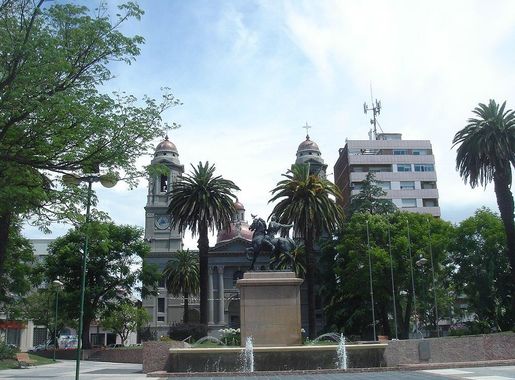
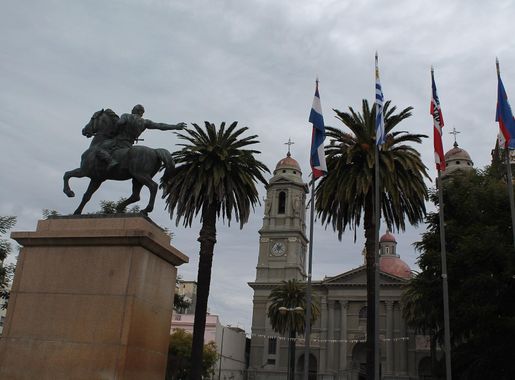
One of the most iconic landmarks in Soriano is the Mercedes Cathedral, which began construction in 1867 and was completed in 1907. The cathedral, dedicated to Our Lady of Mercy, features a stunning neoclassical architectural style and has become a symbol of the city. It stands as a testament to the religious devotion and artistic heritage of the region's inhabitants.
-
In the 20th and 21st centuries, Soriano has continued to thrive as a center of agriculture and culture in Uruguay. The region hosts several annual festivals, such as the 'Fiesta de la Primavera' (Spring Festival) and the 'Festival de la Cerveza' (Beer Festival), which celebrate local traditions, music, and cuisine. These events attract visitors from across the country and beyond, showcasing the vibrant cultural life of Soriano.
-
In recent years, Soriano has placed a strong emphasis on environmental conservation. The region is home to several natural reserves and protected areas, such as the 'Esteros de Farrapos' and 'Isla de Hornos' National Park, which preserve the unique biodiversity of the wetlands and islands along the Uruguay River. These efforts aim to ensure the sustainability of the region's natural resources for future generations.
Neighbouring Regions of Soriano
The closest regions to Soriano, if you have time for more than one.


Your all‑in‑one travel companion app
Explore expert travel guides, compare and book tours, experiences, hotels, and more—all from the palm of your hand. Download now for seamless trip planning wherever your wanderlust takes you.


Explore More of Uruguay

Looking beyond Soriano? Discover Uruguay for broader travel guides, local hot-spots, and regional highlights.
Explore UruguaySoriano in Photos
Browse through our photo collection highlighting the charm and character of the destination.





Soriano: Uruguay's Hidden Gem
Soriano, nestled in the lush landscapes of Uruguay, is a tranquil escape for tourists seeking a blend of rich history and natural beauty. This charming region, bordered by the Rio Negro, offers a serene retreat from the bustling city life with its picturesque countryside and welcoming locals. In Soriano, you will find a variety of attractions ranging from historic sites to beautiful natural reserves. The capital city, Mercedes, boasts a vibrant cultural scene with museums, art galleries, and traditional Uruguayan architecture. The region is also known for its agricultural roots, providing visitors with the opportunity to explore local farms and taste fresh, organic produce. Nature lovers will be enamored by the vast green spaces and pristine waterways. The Villa Soriano, one of the oldest towns in Uruguay, is a must-visit with its serene riverside setting and colonial charm. For those who enjoy outdoor activities, the region offers options for boating, fishing, and hiking, making it an ideal spot for an adventurous yet peaceful getaway.