

Free Durazno Travel Guide & Mobile App
Explore Durazno with free travel guides. Discover regional history, expert tips, proposed trips, and audio guides on web or mobile app.


Explore Durazno in central Uruguay for Río Yi landscapes, republican history, rural traditions, museums and relaxed riverfront culture.
Read more about Durazno
When is the best time to visit Durazno?
Best: April, October–November · 24–28°C| Month | High (°C) | Rainfall (mm) |
|---|---|---|
| January | 31 | 90 |
| February | 30 | 85 |
| March | 29 | 95 |
| April (best) | 24 | 100 |
| May | 20 | 105 |
| June | 18 | 110 |
| July | 18 | 105 |
| August | 20 | 100 |
| September | 22 | 95 |
| October (best) | 25 | 90 |
| November (best) | 28 | 90 |
| December | 29 | 95 |
Getting to and around Durazno
How to get there
Transportation
Best attractions in Durazno
Durazno’s attractions combine a historic departmental capital with river recreation and an expansive working landscape. In the city, the Casa de Rivera museum introduces the political history of the early republic, while the Iglesia de San Pedro, the Teatro Español and the surrounding civic streets provide architectural points of reference. The Río Yi gives the city an outdoor dimension: Balneario El Sauzal and nearby green areas are used for walking, picnicking and seasonal recreation, subject to river conditions. Parque de la Hispanidad is associated with large cultural and folk gatherings and helps explain Durazno’s role in Uruguay’s interior cultural calendar. Beyond the urban area, rural roads lead through cattle country, crop fields and small settlements where agricultural life remains visible. Birdwatching, landscape photography and informal countryside touring are more realistic here than a dense programme of ticketed attractions. Visitors should check local arrangements for museums and events, as the department’s appeal lies partly in its community-based cultural life rather than a continuously staffed tourism circuit.
-
Tourist attraction
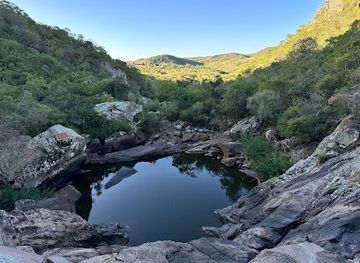
Salto del Penitente
Experience the stunning Salto del Penitente in Villa Serrana, a breathtaking waterfall and nature park perfect for adventure seekers and nature lovers alike.
-
National park
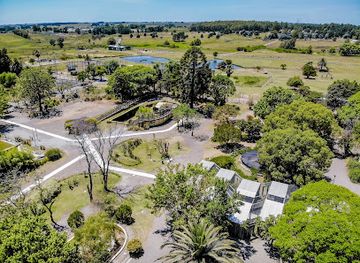
Hispanidad Park
Experience the lush beauty and serenity of Hispanidad Park, a national park in Durazno, Uruguay, perfect for nature lovers and families.
-
Tourist attraction
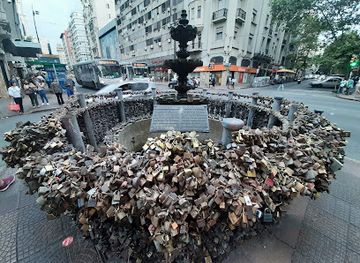
Fountain of the Padlocks
Experience the romance of the Fountain of the Padlocks in Montevideo, where love stories are locked in time amidst vibrant city life.
-
Nature preserve
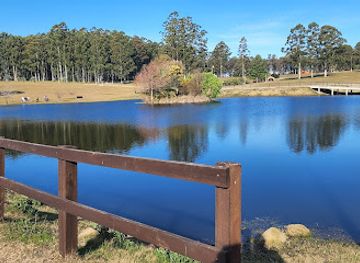
Bioparque OFICIAL Durazno
Explore the lush landscapes and diverse wildlife at Bioparque OFICIAL Durazno, a must-visit nature preserve in Uruguay for families and nature lovers alike.
Best landmarks in Durazno
The most recognisable landmarks in Durazno are concentrated around the departmental capital and its relationship with the Río Yi. Casa de Rivera is significant for its association with Fructuoso Rivera and the political formation of early republican Uruguay, while the Iglesia de San Pedro provides one of the city’s principal religious and architectural reference points. Teatro Español represents the civic and cultural development of the town and remains part of its historic centre. The Río Yi itself is a defining natural landmark: its banks, bridges and recreational waterfront distinguish Durazno from inland towns without a major river setting. Balneario El Sauzal expresses the river’s practical and social importance, especially in warmer months. Parque de la Hispanidad is a modern civic landmark rather than a historic monument, but its scale and use for national and regional cultural gatherings make it important to the department’s public identity. Together these places show how Durazno’s landmarks are rooted in republican history, community institutions and the landscape that shaped settlement.
-
Sculpture
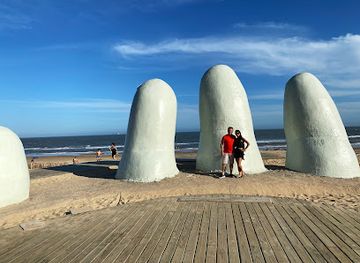
The Fingers of Punta del Este
Discover the iconic Fingers of Punta del Este, a breathtaking sculpture symbolizing human connection and nature, set against the stunning backdrop of Brava Beach.
-
Tourist attraction
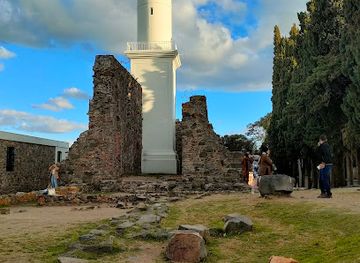
Colonia del Sacramento Lighthouse
Experience the rich history and breathtaking views at Colonia del Sacramento Lighthouse, a must-visit destination for all travelers in Uruguay.
-
Historical landmark
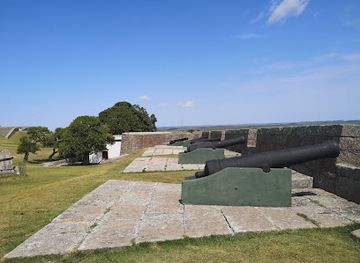
Fortress of Santa Teresa
Explore the Fortress of Santa Teresa: A Stunning Historical Landmark and Army Museum in the Beautiful Rocha Department of Uruguay.
-
Castle
Francisco Piria Castle
Explore the historical beauty of Francisco Piria Castle, a stunning architectural gem in Piriápolis surrounded by breathtaking landscapes.

Explore Durazno on the map
Plan your trip on one map. See where the top cities, national parks and sights are, and book hotels and experiences in a few clicks.
Best hotels in Durazno
Best restaurants in Durazno
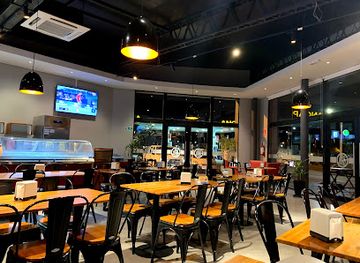
Dining in Durazno reflects the food culture of Uruguay’s central interior, with grilled beef, lamb, sausages and other parrilla staples prominent in restaurants, neighbourhood grills and traditional eateries. The Río Yi does not make Durazno a specialised seafood destination; menus are more closely connected to livestock production, seasonal vegetables, pasta, empanadas and familiar national comfort food. Bakeries and cafés are useful places to try sweet pastries, biscuits and mate-accompanied snacks, while rural communities may offer simple home-style cooking rather than elaborate menus. Local shops and markets can provide dulce de leche, preserves, cheeses and other products for a picnic or self-catering meal. Dining is concentrated in Durazno city, and visitors travelling through smaller settlements should expect fewer choices and earlier closing times. As elsewhere in Uruguay, lunch and dinner can be leisurely, and a modest tip is customary when service is satisfactory.
-
Lunch
Eatfull
Experience the essence of Uruguayan cuisine at Eatfull – where delightful lunches meet a cozy atmosphere in the heart of Durazno.
-
Restaurant
La Farola
Experience authentic Uruguayan cuisine at La Farola in Durazno – where every dish tells a story of tradition and flavor.
-
Restaurant
Pan y Vino
Experience authentic Uruguayan cuisine at Pan y Vino in Guernica - where tradition meets innovation in every dish.
-
Restaurant
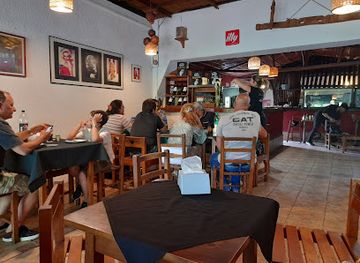
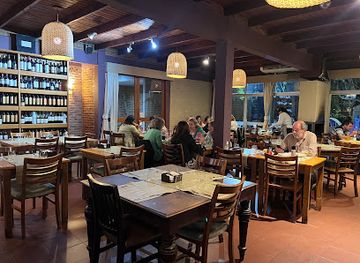
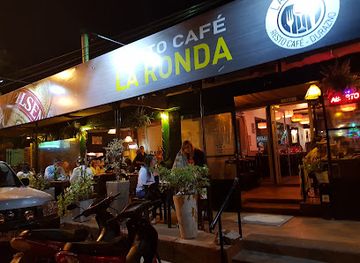
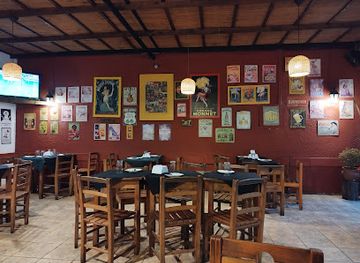
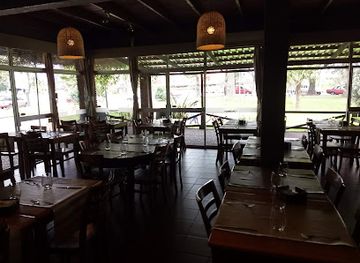
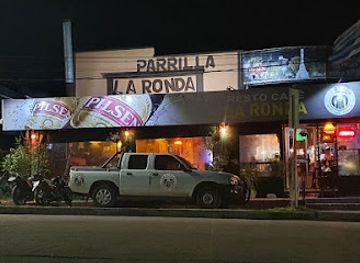
La ronda durazno
Discover authentic Uruguayan flavors at La Ronda Durazno – where tradition meets taste in a welcoming setting.
Best bars in Durazno
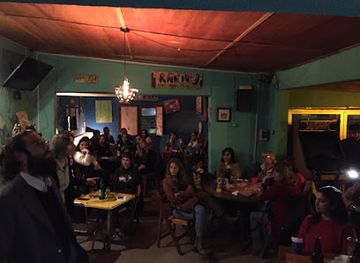
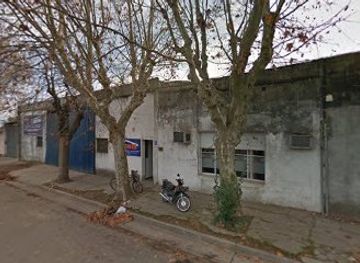
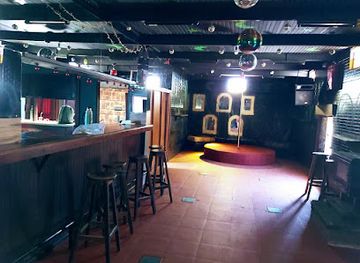
Durazno’s evening life is centred on traditional bars, cafés, restaurants and social clubs rather than a large nightclub circuit. In the city, residents and visitors gather for conversation, football, simple drinks and meals, with busier periods linked to weekends, public celebrations and cultural events. Folk music and community performances are more representative of the department’s character than late-night clubbing, while larger gatherings at Parque de la Hispanidad can bring a temporary increase in evening activity. Smaller towns and rural areas have a quieter rhythm, with local pubs and family-run eateries providing the principal social venues. Travellers should not expect extensive late-night transport or a broad choice of venues once they leave Durazno city, and should arrange a safe return to accommodation in advance. Alcohol is available, but it is not necessary to participate in the region’s social or cultural life.
-
Lunch
Eatfull
Discover Eatfull in Durazno: a cozy café offering a blend of local and international cuisine for an unforgettable dining experience.
-
Restaurant
La Farola
Experience the rich flavors of Uruguay at La Farola - a culinary gem in Durazno, known for its warm hospitality and delectable dishes.
-
Restaurant
Pan y Vino
Experience the best of Uruguayan cuisine at Pan y Vino, a cozy restaurant in Guernica offering delightful dishes and warm hospitality.
-
Restaurant
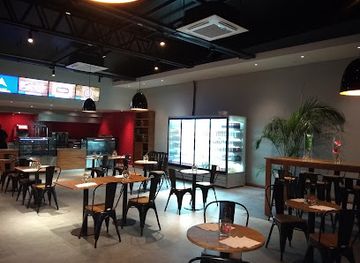
La ronda durazno
Discover the flavors of Uruguay at La Ronda Durazno, where authentic dishes and a warm atmosphere await every visitor.
Best nightclubs in Durazno
Durazno’s evening life is centred on traditional bars, cafés, restaurants and social clubs rather than a large nightclub circuit. In the city, residents and visitors gather for conversation, football, simple drinks and meals, with busier periods linked to weekends, public celebrations and cultural events. Folk music and community performances are more representative of the department’s character than late-night clubbing, while larger gatherings at Parque de la Hispanidad can bring a temporary increase in evening activity. Smaller towns and rural areas have a quieter rhythm, with local pubs and family-run eateries providing the principal social venues. Travellers should not expect extensive late-night transport or a broad choice of venues once they leave Durazno city, and should arrange a safe return to accommodation in advance. Alcohol is available, but it is not necessary to participate in the region’s social or cultural life.
-
Pub
La Casita Club
Experience the vibrant nightlife of Durazno at La Casita Club, where great drinks and lively atmosphere meet.
-
Disco club
1000ennium nightclub Federico Alvarez
Dive into the exhilarating nightlife of Durazno at 1000ennium nightclub, where rhythm meets revelry in an unforgettable disco experience.
-
Dance club
El Corredor Night
Dive into the heart of Durazno's nightlife at El Corredor Night, a premier dance club offering an unforgettable experience with vibrant music and lively crowds.
-
Night club
Whiskeria El Globo Rojo
Experience the vibrant nightlife of Durazno at Whiskeria El Globo Rojo, where great music, dancing, and cocktails create unforgettable nights.

Best shops in Durazno
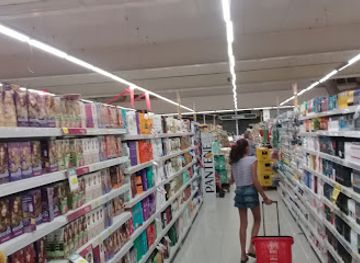
Shopping in Durazno is practical and local in character, with the greatest concentration of businesses in the city centre. High-street shops, supermarkets, bakeries, pharmacies and small specialist retailers serve both residents and the surrounding rural population, while cafés and food shops make useful stops between visits to museums and the riverfront. Look for Uruguayan food products such as dulce de leche, preserves, biscuits, cheeses and yerba mate, alongside leather goods and rural-style items associated with the country’s interior. Craft stalls and temporary market activity may appear during public celebrations or cultural events, although schedules vary. The department is not primarily a designer-shopping destination; its appeal lies in everyday commerce, regional produce and the chance to buy travel provisions from local businesses. In smaller communities, retail choice is limited and opening hours can be shorter, so purchase essentials in Durazno city before travelling into the countryside.
-
Supermarket
Ta-Ta
Discover the heart of Durazno at Ta-Ta, your one-stop supermarket for fresh produce and local flavors, open daily from 7 AM to 10 PM.
-
Pastries
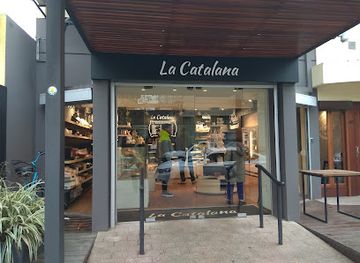
LA CATALANA
Discover the taste of Uruguay at La Catalana, a charming bakery in Durazno offering a delightful selection of pastries and local specialties.
-
Clothing store
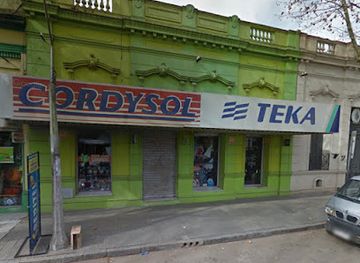
Cordysol S.A.
Explore Cordysol S.A., a premier clothing store in Durazno, offering a unique blend of contemporary fashion and local Uruguayan styles.
-
Home goods store
URUCENTRO ELDOM Durazno
Discover a diverse range of quality home goods at URUCENTRO ELDOM, the ultimate shopping destination in Durazno for all your household needs.
Get your free copy of our complete guide to Durazno, delivered straight to you.
Everything on this page, from attractions and restaurants to essentials and local phrases, in one PDF you can read offline, print or share.
Already have an account? Sign in
Your Durazno guide is ready.
We'll send it to · Not you? Sign out

Getting your guide ready…
We are putting together a fresh copy of the Durazno guide. This can take up to a minute.
This can take a few moments. If your browser asks, choose Allow so the download can start. You'll find the guide in your Downloads folder.
Nothing happened? Download it again
Sorry, the guide is taking longer than usual. Please try again in a minute, or get it by email instead.
Durazno essentials
Currency and Payment
Safety
Emergency Situations
Do's and Don'ts
Local Tips
From Eve
Local phrases worth knowing
You don't need to get them perfect. A few words go a long way, and locals appreciate the effort.
Basics
| English | Local | Say it |
|---|---|---|
| Hello | Hola | [OH-lah] |
| Goodbye | Adiós | [ah-DYOS] |
| Yes | Sí | [SEE] |
| No | No | [NO] |
| Please/You're welcome | Por favor | [por fah-VOR] |
| Thank you | Gracias | [GRAH-syahs] |
| Excuse me/Sorry | Disculpe | [dees-KOOL-peh] |
| How are you? | ¿Cómo estás? | [KOH-moh es-TAS] |
| Fine. And you? | Bien. ¿Y tú? | [BYEN. EE TOO] |
| Do you speak English? | ¿Hablas inglés? | [AH-blas een-GLES] |
| I don't understand | No entiendo | [NO en-TYEN-doh] |
Eating & Drinking
| English | Local | Say it |
|---|---|---|
| I'd like to see the menu, please | Me gustaría ver el menú, por favor | [meh goo-STAH-ree-ah BEHR el meh-NOO por fah-VOR] |
| I don't eat meat | No como carne | [NO KOH-moh KAR-neh] |
| Cheers! | ¡Salud! | [sah-LOOD] |
| I would like to pay, please | Me gustaría pagar, por favor | [meh goo-STAH-ree-ah pah-GAR por fah-VOR] |
Emergencies
| English | Local | Say it |
|---|---|---|
| Help! | ¡Ayuda! | [ah-YOO-dah] |
| Go away! | ¡Vete! | [VEH-teh] |
| Call the Police! | ¡Llama a la policía! | [YAH-mah ah lah poh-lee-SIA] |
| Call a doctor! | ¡Llama a un doctor! | [YAH-mah ah oon dok-TOR] |
| I'm lost | Estoy perdido | [es-TOY per-DID-oh] |
| I'm ill | Estoy enfermo/a | [es-TOY en-FER-mo/a] |
Shopping
| English | Local | Say it |
|---|---|---|
| I'd like to buy... | Me gustaría comprar... | [meh goo-STAH-ree-ah kohm-PRAR] |
| I'm just looking | Solo estoy mirando | [SOH-lo es-TOY mee-RAN-doh] |
| How much is it? | ¿Cuánto cuesta? | [KWAN-toh KWES-tah] |
| That's too expensive | Es demasiado caro | [es deh-mah-SYAH-doh KAH-roh] |
| Can you lower the price? | ¿Puedes bajar el precio? | [PWEH-des bah-HAR el PREH-syo] |
Time & Numbers
| English | Local | Say it |
|---|---|---|
| What time is it? | ¿Qué hora es? | [KEH OR-ah es] |
| It's one o'clock | Es la una | [es lah OO-nah] |
| Half past (10) | Y media (10) | [ee MEH-diah (10)] |
| Morning | Mañana | [mah-NYAH-nah] |
| Afternoon | Tarde | [TAR-deh] |
| Evening | Noche | [NOH-cheh] |
| Yesterday | Ayer | [ah-YER] |
| Today | Hoy | [OY] |
| Tomorrow | Mañana | [mah-NYAH-nah] |
| 1 | 1 | [uno] |
| 2 | 2 | [dos] |
| 3 | 3 | [tres] |
| 4 | 4 | [cuatro] |
| 5 | 5 | [cinco] |
| 6 | 6 | [seis] |
| 7 | 7 | [siete] |
| 8 | 8 | [ocho] |
| 9 | 9 | [nueve] |
| 10 | 10 | [diez] |
Transport & Directions
| English | Local | Say it |
|---|---|---|
| Where's a/the...? | ¿Dónde hay un/una...? | [DON-deh ai oon/una] |
| What's the address? | ¿Cuál es la dirección? | [KWAL es lah dee-rek-SYON] |
| Can you show me (on the map)? | ¿Puedes mostrarme (en el mapa)? | [PWEH-des mos-TRAR-me (en el MAH-pah)] |
| When's the next (bus)? | ¿Cuándo sale el próximo (bus)? | [KWAN-doh SAH-le el PROH-ksimo (bus)] |
| A ticket (to ....) | Un boleto (a ....) | [oon boh-LEH-to (ah ....)] |
History of Durazno
Indigenous Landscapes before European Settlement
Before the establishment of Uruguay’s colonial and republican towns, the area around the Río Yi was used and traversed by Indigenous peoples, including communities traditionally associated with the Charrúa and Chaná cultural worlds. Archaeological evidence from Uruguay’s interior, including stone tools, ceramics and traces of former occupation, shows that these landscapes were not empty spaces before European colonisation. River corridors, grasslands and access to water shaped movement and subsistence. Much of this early history is understood through archaeology and oral and historical records rather than through large surviving monuments, making regional museums important places for interpreting the department’s deeper past.
The Foundation of San Pedro del Durazno, 1821
Durazno city was founded in 1821 as San Pedro del Durazno during a turbulent period when the territory was being reorganised after years of Portuguese and Brazilian influence and regional conflict. Its position beside the Río Yi gave the settlement access to water, pasture and routes through the interior. The foundation formed part of a wider effort to establish stable towns and administrative control in Uruguay’s central lands. The city’s original name and early history remain visible in local historical interpretation, while its later association with Fructuoso Rivera gave it particular importance in the formation of the republic.
Fructuoso Rivera and the Early Republic
Durazno is strongly connected with Fructuoso Rivera, a military leader and the first constitutional president of Uruguay. During the early republican decades, the town served as an important centre in the political and military life of the new state. Conflicts between the country’s principal political factions repeatedly affected the interior, where control of roads, settlements and ranching territory mattered greatly. The Casa de Rivera museum and related civic heritage help explain this period, although the region’s history should also be understood within the wider national struggles that shaped Uruguay during the nineteenth century.
Rural Production and the Formation of the Department
As Uruguay consolidated its institutions, Durazno developed as a predominantly rural department whose economy rested on livestock, wool, hides, grains and the services required by large estancias and smaller farming communities. The open grasslands were transformed by fencing, new forms of land management and expanding commercial links, while the town became a marketplace and administrative centre for its hinterland. This agricultural background remains evident in the landscape today: ranches, stock routes, silos, rural schools and working farms are not simply scenery but part of the economic structure that has shaped Durazno for generations.
Railways and Interior Connections
The arrival of railway connections in the nineteenth century strengthened Durazno’s role as a link between Uruguay’s capital region and the interior. Rail transport made it easier to move livestock, agricultural products, people and information, encouraging urban growth and tying the department more closely to national markets. Although road travel is now more important for most visitors, the railway era remains part of the city’s historical identity and helps explain why Durazno became one of central Uruguay’s recognised service and transport centres rather than remaining solely a river settlement.
Twentieth-Century Rural Modernisation
During the twentieth century, improvements in roads, communications, agricultural techniques and public services changed the relationship between Durazno city and its rural districts. Cattle and sheep production remained fundamental, while crop cultivation and agricultural processing added further dimensions to the economy. Mechanisation reduced the isolation of some rural areas but also contributed to population concentration in the principal town and larger settlements. Contemporary Durazno reflects this transition: traditional ranching culture continues alongside modern farming, public institutions, local commerce and festivals that draw on the department’s interior identity.
Cultural Life and the Rural Interior Today
Modern Durazno has developed a cultural profile that links civic heritage with folk music, equestrian practice, local arts and public celebrations. Parque de la Hispanidad is associated with major gatherings, while the city’s museums, theatre and riverfront spaces support more regular community life. These traditions are not relics of an unchanging countryside; they coexist with schools, contemporary businesses and new patterns of travel. For visitors, they offer a way to see how a central Uruguayan department expresses national culture through local institutions and the continuing importance of its rural surroundings.
Durazno in Photos
Browse through our photo collection highlighting the charm and character of the destination.
Neighbouring regions of Durazno
The closest regions to Durazno, if you have time for more than one.
-

-

-

-

-


Swipe for more regions
Explore more

Explore more of Uruguay
Discover Uruguay: Rich culture, stunning beaches, and a warm, welcoming atmosphere await in this hidden gem of South America.
Explore Uruguay