
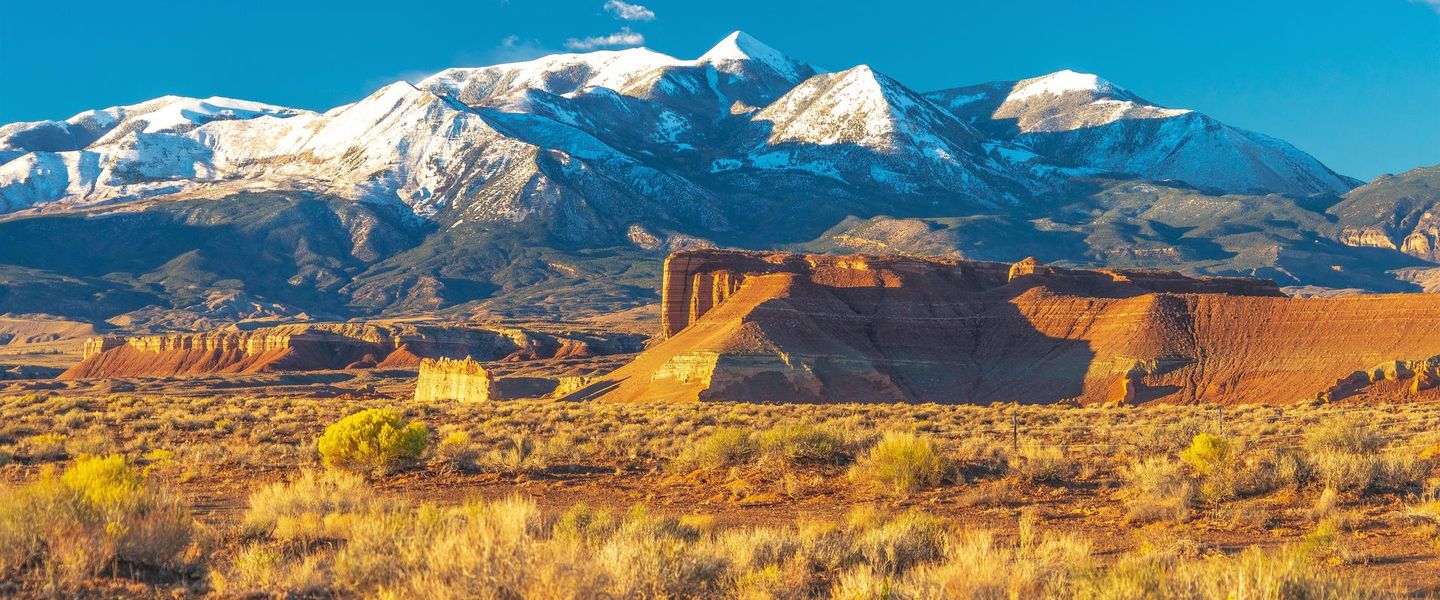
Henry Mountains, Utah Travel Guide
Discover the pristine wilderness and breathtaking landscapes of the Henry Mountains in Utah, a hidden gem for nature lovers and outdoor adventurers.
The Henry Mountains in Utah offer a serene escape into nature's untouched splendor. This remote mountain range is one of the last in the continental United States to be mapped and explored, providing an unspoiled environment for adventurers. The rugged terrain and stunning landscapes make it a perfect destination for outdoor enthusiasts looking to hike, camp, and explore. The mountains are home to diverse wildlife, including one of the few remaining herds of wild bison in North America. Bird watchers will be delighted by the variety of species that inhabit the area. The region’s geological features are equally impressive, with unique rock formations and vast, open spaces that stretch as far as the eye can see. Visitors can also delve into the rich history of the area, which includes tales of early explorers and native tribes. The Henry Mountains offer a rare chance to experience solitude and tranquility in a world that often feels overcrowded. Whether you’re seeking a challenging hike or a peaceful retreat, the Henry Mountains provide an unforgettable experience.

Know before you go
Hi, I'm Eve. Here are a few practical things to know before exploring Henry Mountains.
- Bring plenty of water and supplies, as there are no facilities in the area.
- Check weather conditions before your trip, as the region can experience sudden changes.
- A high-clearance vehicle is recommended for navigating the rugged roads.
- Respect wildlife and maintain a safe distance, especially from the wild bison.
- Leave no trace; pack out all trash and respect the natural environment.
Top City Travel Guides in Henry Mountains
The cities of Henry Mountains, and the easiest places to base yourself.

Destinations in Henry Mountains
Resorts, valleys and scenic spots worth a trip of their own.

Explore Henry Mountains: Things to Do, Places to Eat, Hotels & More
Handpicked recommendations for top attractions, local dining, accommodations, and more

Top Attractions & Sightseeing in Henry Mountains
Top-rated picks
Best Attractions

Glen Canyon National Recreation Area
Discover the breathtaking beauty of Glen Canyon National Recreation Area, where adventure meets nature amidst stunning landscapes in Utah.

Lower Calf Creek Falls
Experience the breathtaking beauty of Lower Calf Creek Falls in Utah's Grand Staircase-Escalante, a perfect hiking destination for nature lovers.

Anasazi State Park Museum
Discover the ancient Anasazi culture at Anasazi State Park Museum, where history and nature unite in stunning Utah landscapes.

Head of the Rocks Overlook
Discover the stunning vistas of the Head of the Rocks Overlook in Escalante, Utah, where nature's beauty leaves a lasting impression.

Best landmarks in Henry Mountains
Top-rated picks
Best Landmarks

Lower Calf Creek Falls
Explore Lower Calf Creek Falls: A breathtaking hiking spot in Utah's Grand Staircase-Escalante, featuring stunning landscapes and a majestic waterfall.

Peek-a-boo slot Canyon
Discover the enchanting beauty of Peek-a-boo Slot Canyon in Utah, a must-visit destination for outdoor enthusiasts and photographers alike.

Spooky Slot Canyon
Explore the breathtaking Spooky Slot Canyon in Utah, where nature's artistry meets thrilling adventure in a mesmerizing hiking experience.

Singing Canyon
Experience the enchanting echoes and stunning landscapes of Singing Canyon, a hidden gem in Utah perfect for nature lovers and adventure seekers.

Best restaurants in Henry Mountains
Top-rated picks
Best Restaurants

Hell's Backbone Grill & Farm
Discover farm-fresh flavors at Hell's Backbone Grill & Farm in Boulder, Utah – where organic meets extraordinary in every dish.

Burr Trail Grill
Experience delicious American cuisine at Burr Trail Grill in Boulder, Utah - where local flavors meet stunning landscapes.

Kiva Koffeehouse
Discover exceptional coffee and stunning vistas at Kiva Koffeehouse in Escalante, Utah – your perfect retreat amidst nature's beauty.

Sweetwater Kitchen
Experience exquisite local cuisine at Sweetwater Kitchen in Boulder, Utah—where farm-fresh ingredients meet breathtaking views.

Best bars in Henry Mountains
Top-rated picks
Best Bars
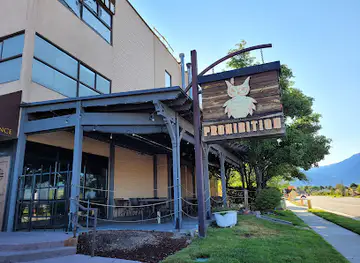
Prohibition
Discover Prohibition, Salt Lake City's premier bar and brunch restaurant, where fine dining meets a vibrant cocktail culture in a speakeasy-inspired setting.

The Blu Pig
Discover The Blu Pig in Moab, Utah, where barbecue meets live music for an unforgettable dining experience in a vibrant atmosphere.

Whiskey Street Cocktails & Dining
Discover the vibrant cocktail culture at Whiskey Street Cocktails & Dining, a premier destination for food and drink in Salt Lake City.

Lake Effect
Experience the perfect blend of handcrafted cocktails, live music, and a vibrant atmosphere at Lake Effect in downtown Salt Lake City.


Best shops in Henry Mountains
Top-rated picks
Best Shops

Kiva Koffeehouse
Discover Kiva Koffeehouse, where exceptional coffee meets breathtaking views in the heart of Utah's stunning landscapes.

Chuck Wagon General Store
Experience the charm of the Chuck Wagon General Store in Torrey, Utah—your destination for local goods and unique souvenirs.

Dark Sky Coffee
Discover the perfect blend of cozy ambiance and exceptional brews at Dark Sky Coffee in Torrey, Utah, a must-visit for coffee lovers.

Escalante Mercantile
Experience the best of Escalante with local delicacies and unique finds at Escalante Mercantile, your go-to grocery store and café in Utah.

Explore Henry Mountains on the Map
A handpicked selection of must-see spots in Henry Mountains, mapped for you.
Henry Mountains Essentials
-
The Henry Mountains are located in southeastern Utah. The nearest major airport is Salt Lake City International Airport, approximately 200 miles north. From Salt Lake City, you can rent a car and drive to the Henry Mountains, which will take around 4 to 5 hours. Alternatively, you can fly into Grand Junction Regional Airport in Colorado, which is about 150 miles east of the Henry Mountains. There are no direct public transportation options to the Henry Mountains, so renting a car is highly recommended.
-
The best way to explore the Henry Mountains is by car. The area is remote and public transportation options are limited. Roads can be rough and require a high-clearance vehicle, especially if you plan to venture off the main routes. Four-wheel drive is recommended for certain areas. Ensure your vehicle is in good condition and carry spare tires and emergency supplies. There are no taxi services or ride-sharing options available in this remote area.
-
The official currency of the United States is the US Dollar (USD). Credit and debit cards are widely accepted at gas stations and larger stores in nearby towns like Hanksville and Blanding. However, it is advisable to carry cash, as some remote areas and smaller establishments may not accept cards. ATMs are available in the nearby towns, but not within the Henry Mountains themselves.
-
The Henry Mountains are generally safe, but as with any remote area, certain precautions should be taken. Ensure you have adequate supplies of water, food, and fuel, as services are sparse. Always inform someone of your travel plans and expected return time. Cell phone service can be unreliable, so consider carrying a satellite phone for emergencies. There are no specific high-crime areas targeting tourists, but always stay vigilant and secure your belongings.
-
In case of an emergency, dial 911 for immediate assistance. The nearest medical facilities are located in Hanksville and Blanding. It is highly recommended to have travel insurance that covers medical emergencies. For minor health issues, carry a basic first aid kit and necessary medications. If you encounter vehicle trouble, be prepared with a spare tire, basic tools, and emergency supplies.
-
Fashion: Do wear comfortable and weather-appropriate clothing. Layers are recommended due to temperature fluctuations. Don’t wear open-toed shoes when hiking. Religion: Do respect the natural environment and any indigenous cultural sites. Public Transport: Do not rely on public transport; always have your own vehicle. Greetings: Do greet locals you encounter; a friendly wave or smile is appreciated. Eating & Drinking: Do carry sufficient food and water; don’t litter in the natural environment.
-
To experience the Henry Mountains like a local, consider visiting during the off-season to avoid crowds. Engage with local ranchers and residents for insights into the area's history and wildlife. Don’t miss the opportunity to explore the Burr Trail and Bull Creek Pass for stunning views. Always practice Leave No Trace principles to preserve the natural beauty of the area.
When is the best time to visit Henry Mountains?
Useful Local Phrases for Henry Mountains
You don't need to speak the language perfectly. Even learning a few simple words can make conversations warmer—and locals usually appreciate the effort.
— Eve

Here are the phrases I use most often in Henry Mountains. Try a few—you'll be surprised how far they go! 😊
❤️
-
- HelloHowdy
[haʊdi] - GoodbyeSee ya
[si jə] - YesYep
[jɛp] - NoNah
[nɑ] - Please/You're welcomeNo problem
[noʊ ˈprɑbləm] - Thank youThanks
[θæŋks] - Excuse me/SorryExcuse me
[ɪkˈskjuːz mi] - How are you?How's it going?
[haʊz ɪt ˈɡoʊɪŋ] - Fine. And you?Good. You?
[ɡʊd. ju?] - Do you speak English?You speakin' English?
[ju ˈspikɪn ˈɪŋɡlɪʃ] - I don't understandI ain't gettin' it
[aɪ eɪnt ˈɡɛtɪn ɪt]
- HelloHowdy
-
- I'd like to see the menu, pleaseCan I see the menu?
[kæn aɪ si ðə ˈmɛnju] - I don't eat meatI'm a vegetarian
[aɪm ə ˌvɛdʒəˈtɛriən] - Cheers!Cheers!
[ʧɪrz] - I would like to pay, pleaseCan I get the check?
[kæn aɪ ɡɛt ðə ʧɛk]
- I'd like to see the menu, pleaseCan I see the menu?
-
- Help!Help!
[hɛlp] - Go away!Get lost!
[ɡɛt lɔst] - Call the Police!Call the cops!
[kɔl ðə kɑps] - Call a doctor!Get a doctor!
[ɡɛt ə ˈdɑktər] - I'm lostI'm lost
[aɪm lɔst] - I'm illI'm feeling sick
[aɪm ˈfilɪŋ sɪk]
- Help!Help!
-
- I'd like to buy...I wanna buy...
[aɪ ˈwɑnə baɪ] - I'm just lookingJust browsing
[dʒʌst ˈbraʊzɪŋ] - How much is it?What’s the price?
[wʌts ðə praɪs] - That's too expensiveThat's pricy
[ðæts ˈpraɪsi] - Can you lower the price?Can you give me a deal?
[kæn ju ɡɪv mi ə dil]
- I'd like to buy...I wanna buy...
-
- What time is it?What time is it?
[wʌt taɪm ɪz ɪt] - It's one o'clockIt's one
[ɪts wʌn] - Half past (10)Half past ten
[hæf pæst tɛn] - MorningMorning
[ˈmɔrnɪŋ] - AfternoonAfternoon
[ˌæftərˈnun] - EveningEvening
[ˈivnɪŋ] - YesterdayYesterday
[ˈjɛstərdeɪ] - TodayToday
[təˈdeɪ] - TomorrowTomorrow
[təˈmɔroʊ] - 1One
[wʌn] - 2Two
[tu] - 3Three
[θri] - 4Four
[fɔr] - 5Five
[faɪv] - 6Six
[sɪks] - 7Seven
[ˈsɛvən] - 8Eight
[eɪt] - 9Nine
[naɪn] - 10Ten
[tɛn]
- What time is it?What time is it?
-
- Where's a/the...?Where's the...?
[wɛrz ðə...?] - What's the address?What's the address?
[wʌts ðə əˈdrɛs] - Can you show me (on the map)?Can you point it out?
[kæn ju pɔɪnt ɪt aʊt] - When's the next (bus)?When's the next bus?
[wɛn's ðə nɛkst bʌs] - A ticket (to ....)A ticket to...
[ə ˈtɪkɪt tə...]
- Where's a/the...?Where's the...?
History of Henry Mountains
-
The Henry Mountains were first documented by Western explorers in 1869 when John Wesley Powell, a geologist and explorer, charted the area. The mountains were named after Joseph Henry, a prominent American scientist and the first Secretary of the Smithsonian Institution, in recognition of his contributions to science and exploration.
-
The Henry Mountains are unique for being one of the last mountain ranges to be added to the map of the contiguous United States. They are formed primarily from igneous rock and are known for their laccolithic structures—domed formations created by magma intruding between layers of sedimentary rock. These geological features have made the Henry Mountains an important site for scientific study.
-
Before Western explorers arrived, the area around the Henry Mountains was inhabited by Native American tribes, including the Ute and Navajo peoples. These tribes utilized the mountains for hunting and gathering, and the area holds spiritual significance for them. Petroglyphs and other archaeological sites in the vicinity provide a glimpse into their rich cultural heritage.
-
In the late 19th and early 20th centuries, the Henry Mountains saw a flurry of mining activity. Prospectors were drawn to the area by reports of gold, silver, and other valuable minerals. The mining boom led to the establishment of several small settlements, although most were short-lived. Remnants of old mines and ghost towns can still be found scattered throughout the region.
-
One of the most remarkable aspects of the Henry Mountains is its free-roaming bison herd. In 1941, 18 bison were introduced to the area from Yellowstone National Park. Today, the herd has grown to several hundred animals and is one of the few genetically pure bison herds in North America. The management and conservation of this herd have become a crucial part of the region's ecological and cultural heritage.
-
In recent decades, the Henry Mountains have become a popular destination for outdoor enthusiasts. Activities such as hiking, camping, and off-roading attract visitors from around the world. The rugged terrain and remote location offer a sense of adventure and solitude, making the mountains a cherished destination for those seeking to explore the natural beauty and historical significance of the area.
Neighbouring Regions of Henry Mountains
The closest regions to Henry Mountains, if you have time for more than one.



Your all‑in‑one travel companion app
Explore expert travel guides, compare and book tours, experiences, hotels, and more—all from the palm of your hand. Download now for seamless trip planning wherever your wanderlust takes you.


Explore More of Utah

Looking beyond Henry Mountains? Discover Utah for broader travel guides, local hot-spots, and regional highlights.
Explore UtahHenry Mountains in Photos
Browse through our photo collection highlighting the charm and character of the destination.





The Untamed Beauty of Henry Mountains
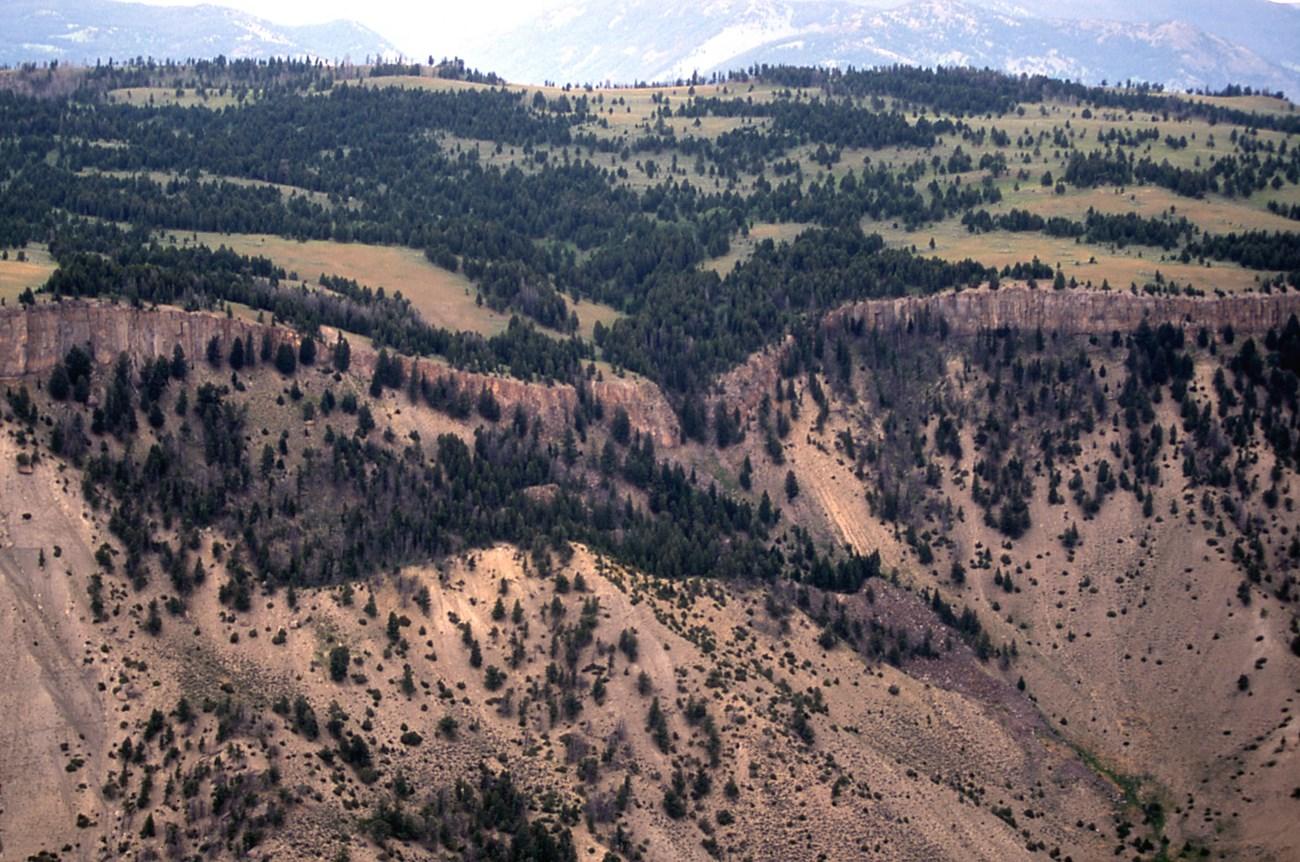
The Henry Mountains in Utah offer a serene escape into nature's untouched splendor. This remote mountain range is one of the last in the continental United States to be mapped and explored, providing an unspoiled environment for adventurers. The rugged terrain and stunning landscapes make it a perfect destination for outdoor enthusiasts looking to hike, camp, and explore. The mountains are home to diverse wildlife, including one of the few remaining herds of wild bison in North America. Bird watchers will be delighted by the variety of species that inhabit the area. The region’s geological features are equally impressive, with unique rock formations and vast, open spaces that stretch as far as the eye can see. Visitors can also delve into the rich history of the area, which includes tales of early explorers and native tribes. The Henry Mountains offer a rare chance to experience solitude and tranquility in a world that often feels overcrowded. Whether you’re seeking a challenging hike or a peaceful retreat, the Henry Mountains provide an unforgettable experience.