

Colorado Plateau, Utah Travel Guide
Explore the breathtaking landscapes, rich cultural history, and thrilling outdoor adventures of Utah's Colorado Plateau, a geological wonderland in the American Southwest.
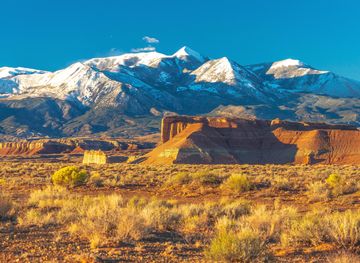
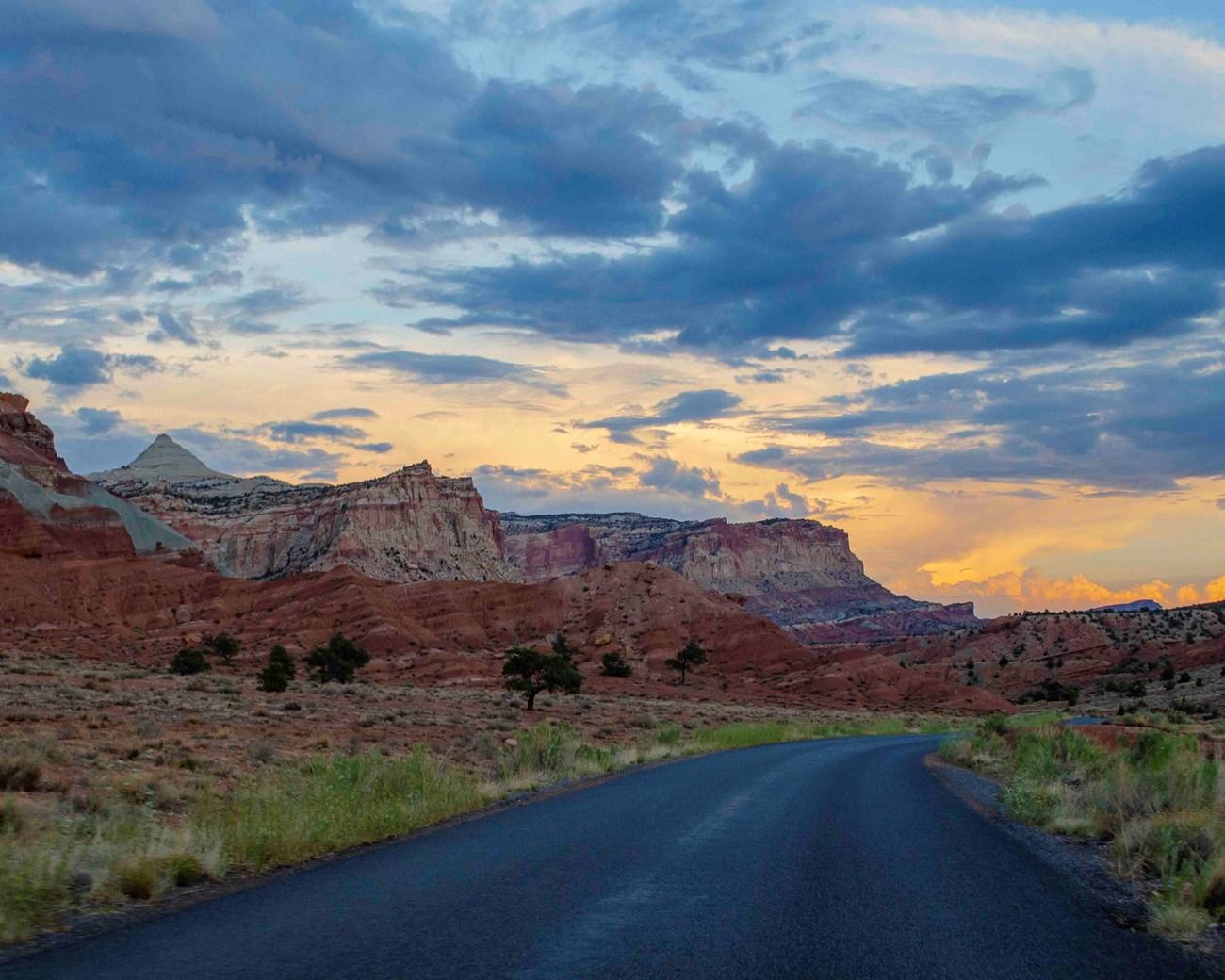
The Colorado Plateau in Utah is a geological wonderland, offering some of the most stunning landscapes in the United States. This vast area is known for its breathtaking red rock formations, deep canyons, and expansive desert vistas. It's a perfect destination for nature lovers, adventure seekers, and photographers alike. Whether you're hiking through the iconic Zion National Park, exploring the mysterious slot canyons of Antelope Canyon, or marveling at the natural arches in Arches National Park, the Colorado Plateau will leave you in awe of its natural beauty. The region boasts a rich cultural history, with numerous Native American sites and petroglyphs that tell the stories of ancient civilizations. Visiting these sites offers a glimpse into the past and a deeper understanding of the area's heritage. The Colorado Plateau is also home to some unique flora and fauna, adapted to the harsh desert environment. Keep an eye out for the desert bighorn sheep, peregrine falcons, and a variety of cacti and wildflowers that add splashes of color to the otherwise arid landscape. For those seeking adventure, the Colorado Plateau offers a plethora of outdoor activities. From hiking and rock climbing to rafting down the Colorado River, there's something for everyone. The region's dark skies also make it a prime location for stargazing. At night, the Milky Way stretches across the sky, providing a mesmerizing backdrop for campers and astronomy enthusiasts. With so much to see and do, the Colorado Plateau is a must-visit destination for anyone looking to experience the rugged beauty of the American Southwest.

Know before you go
Hi, I'm Eve. Here are a few practical things to know before exploring Colorado Plateau.
- Visit in spring or fall for the best weather and fewer crowds.
- Pack plenty of water and sun protection, as the desert climate can be harsh.
- Explore lesser-known parks like Capitol Reef for a more tranquil experience.
- Check local guides for the best times to visit popular spots to avoid peak hours.
- Consider hiring a local guide for a more in-depth exploration of cultural sites.
- Bring sturdy hiking boots, as many trails are rocky and uneven.
- Don't miss the opportunity to stargaze; the dark skies are perfect for it.
Top City Travel Guides in Colorado Plateau
The cities of Colorado Plateau, and the easiest places to base yourself.

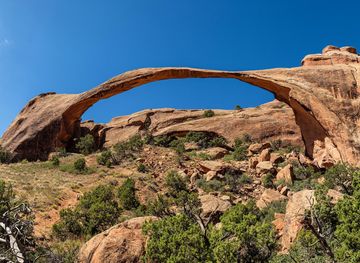


Destinations in Colorado Plateau
Resorts, valleys and scenic spots worth a trip of their own.
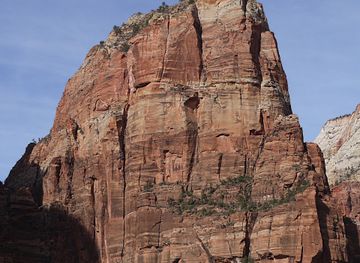


Explore Colorado Plateau: Things to Do, Places to Eat, Hotels & More
Handpicked recommendations for top attractions, local dining, accommodations, and more

Top Attractions & Sightseeing in Colorado Plateau
Top-rated picks
Best Attractions

Grand Staircase-Escalante National Monument
Explore the breathtaking landscapes of Grand Staircase-Escalante National Monument, a gem in Utah's natural heritage, perfect for adventure seekers.

John Ford Point
Explore John Ford Point in Monument Valley, Utah, where cinematic history meets breathtaking natural beauty amidst stunning red rock formations.

Kanab Visitor Center
Explore Kanab's natural wonders and cultural heritage at the Kanab Visitor Center, your essential guide to Utah's stunning landscapes.

Natural Bridges National Monument
Experience the breathtaking beauty of Natural Bridges National Monument in Utah, home to stunning rock formations and rich history.

Best landmarks in Colorado Plateau
Top-rated picks
Best Landmarks

Grand Staircase-Escalante National Monument
Explore the stunning landscapes, rich biodiversity, and outdoor adventures of Grand Staircase-Escalante National Monument in Utah.

Wilson Arch
Discover the breathtaking beauty of Wilson Arch, a stunning natural landmark near Moab, Utah, offering picturesque views and a glimpse into geological history.

John Ford Point
Explore John Ford Point, a stunning scenic spot in Monument Valley, where cinematic history meets breathtaking natural beauty in the heart of Utah.

Bluff Fort Historic Site
Explore the Bluff Fort Historic Site - A Journey Through Utah's Pioneering History and Culture.

Best restaurants in Colorado Plateau
Top-rated picks
Best Restaurants

Wilson Arch
Explore Wilson Arch: A Stunning Natural Landmark in Moab's Breathtaking Landscape

Escalante Petrified Forest State Park
Explore Escalante Petrified Forest State Park: A geological wonderland showcasing ancient petrified wood amidst stunning Utah landscapes.

Sego Restaurant
Experience the essence of New American cuisine at Sego Restaurant in Kanab – where local flavors meet creative culinary artistry.

Goulding's Stagecoach Dining Room
Experience authentic Native American cuisine surrounded by breathtaking landscapes at Goulding's Stagecoach Dining Room in Monument Valley.

Best bars in Colorado Plateau
Top-rated picks
Best Bars

Goulding's Lodge
Discover the beauty and culture of Monument Valley at Goulding's Lodge, featuring American cuisine, local crafts, and stunning views.

The Green Pig Pub
Experience the vibrant atmosphere at The Green Pig Pub, where delicious food meets a dynamic nightlife in downtown Salt Lake City.
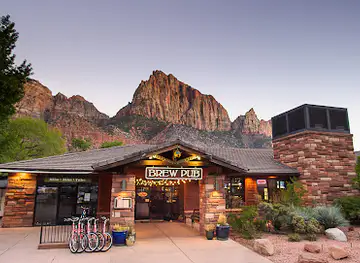
Zion Canyon Brew Pub
Experience the perfect blend of local brews and delicious food at Zion Canyon Brew Pub, nestled near the stunning Zion National Park.

Whiskey Street Cocktails & Dining
Experience the vibrant atmosphere and culinary excellence at Whiskey Street Cocktails & Dining – a premier spot for drinks and dining in Salt Lake City.

Best nightclubs in Colorado Plateau
Top-rated picks
Best Nightclubs

Regis Club
Discover the lively nightlife at Regis Club, Helper's premier destination for dancing, drinks, and unforgettable memories.

Private 4x4 Shop
Discover the heart-pounding adventures at Private 4x4 Shop in Moab, where thrilling off-road experiences meet stunning desert landscapes.

VFW
Discover the heart of Moab at VFW, a charming bar offering affordable drinks and a welcoming atmosphere for tourists and locals alike.

Best shops in Colorado Plateau
Top-rated picks
Best Shops

Escalante Outfitters
Experience the perfect blend of delectable dining and outdoor adventure at Escalante Outfitters in the heart of Utah.

Escalante Petrified Forest State Park
Explore the stunning petrified forests and breathtaking landscapes of Escalante Petrified Forest State Park, a Utah treasure for outdoor enthusiasts and history lovers.

Ofland Escalante - formerly Yonder
Experience modern glamping in Escalante, Utah, where luxury meets the great outdoors amid breathtaking landscapes.

Escalante Mercantile
Experience local flavors and community spirit at Escalante Mercantile, your go-to grocery store and café in the heart of Escalante, Utah.

Explore Colorado Plateau on the Map
A handpicked selection of must-see spots in Colorado Plateau, mapped for you.
Colorado Plateau Essentials
-
To reach the Colorado Plateau in Utah, the nearest major airports are Salt Lake City International Airport (SLC) and Grand Junction Regional Airport (GJT) in Colorado. From Salt Lake City, it's about a 4-5 hour drive to the Plateau. From Grand Junction, the drive is approximately 2-3 hours. Renting a car is highly recommended as public transportation options are limited. Major highways like I-70 and US-191 provide access to the region.
-
Within the Colorado Plateau, having a personal vehicle is the most convenient way to explore the area. Many of the attractions, such as national parks and monuments, are spread out and not easily accessible by public transport. There are some shuttle services within the parks (like Zion National Park) but check schedules in advance. Off-road vehicles or guided tours are recommended for remote areas.
-
The official currency is the United States Dollar (USD). Credit and debit cards are widely accepted in most establishments, including hotels, restaurants, and shops. However, carrying some cash is advisable for remote areas and smaller businesses that may not accept cards. ATMs are available in towns and cities but may be sparse in rural areas.
-
The Colorado Plateau is generally safe for tourists. However, it's important to take standard safety precautions. Always lock your vehicle and keep valuables out of sight. Avoid isolated areas after dark. Be cautious when hiking or exploring remote areas; tell someone your plans and carry sufficient water and supplies. Crime rates targeting tourists are low, but it's always good to stay vigilant.
-
In case of an emergency, dial 911 for immediate assistance. For non-life-threatening issues, local medical facilities are available in nearby towns. It's advisable to have travel insurance that covers medical emergencies. Be aware of your location and the nearest hospital or clinic. For minor health issues, pharmacies can be found in larger towns.
-
Fashion: Do wear comfortable, weather-appropriate clothing, especially for outdoor activities. Layers are recommended due to temperature variations. Avoid wearing flip-flops when hiking. Religion: Do respect any Native American sacred sites you visit. Follow posted guidelines and rules. Public Transport: Do plan ahead as public transport options are limited. Car rentals are highly recommended. Greetings: Do greet people with a friendly hello or a handshake. Locals are generally hospitable and welcoming. Eating & Drinking: Do try the local cuisine, especially regional specialties. Don't litter, and always clean up after yourself when picnicking or camping.
-
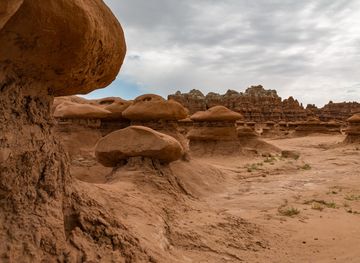
To experience the Colorado Plateau like a local, visit local diners and cafes for an authentic taste of the region. Engage with locals who can offer insights and stories about the area's history and culture. Don't miss out on visiting lesser-known spots like Goblin Valley State Park or the Vermilion Cliffs. For a unique experience, try stargazing in one of the remote areas, as the Plateau is known for its dark skies and stunning views of the Milky Way.
When is the best time to visit Colorado Plateau?
Useful Local Phrases for Colorado Plateau
You don't need to speak the language perfectly. Even learning a few simple words can make conversations warmer—and locals usually appreciate the effort.
— Eve

Here are the phrases I use most often in Colorado Plateau. Try a few—you'll be surprised how far they go! 😊
❤️
-
- HelloYá'át'ééh
[yah-tay-eh] - GoodbyeHágoónee'
[hah-go-nee] - YesAoo'
[ah-oh] - NoDooda
[doh-dah] - Please/You're welcomeT'áá shoodí
[tah-shoh-dee] - Thank youAhéhee'
[ah-hay-hee] - Excuse me/SorryNavajo: Nitsííh
[nit-see] - How are you?Yá'át'éh shí éí?
[yah-tay-eh shee ay] - Fine. And you?T'áá'íiyisí. Nitschíí?
[tah-ee-yee-see. nitch-ee] - Do you speak English?Dííjį' éí navajo?
[dee-jee' ay nah-vah-ho] - I don't understandDííjį' shí éí yá'át'ééh.
[dee-jee' shee ay yah-tay-eh]
- HelloYá'át'ééh
-
- I'd like to see the menu, pleaseT'áá shoodí yá'át'éh menu.
[tah-shoh-dee yah-tay-eh men-oo] - I don't eat meatDooda éí nitsííh.
[doh-dah ay nit-see] - Cheers!Ákót'éé' naashá.
[ah-koh-tay' nah-shah] - I would like to pay, pleaseT'áá shoodí yá'át'éh, nitsííh.
[tah-shoh-dee yah-tay-eh, nit-see]
- I'd like to see the menu, pleaseT'áá shoodí yá'át'éh menu.
-
- Help!Hólǫ́ǫ́!
[ho-lo-ho] - Go away!Hólǫ́ǫ́ k'ehjí.
[ho-lo-ho keh-ji] - Call the Police!Dííjį' hólǫ́ǫ́ naashá police!
[dee-jee' ho-lo-ho nah-shah po-lees] - Call a doctor!Dííjį' hólǫ́ǫ́ naashá dook'ee.
[dee-jee' ho-lo-ho nah-shah dook-ee] - I'm lostDííjį' shí éí hólǫ́ǫ́.
[dee-jee' shee ay ho-lo-ho] - I'm illDííjį' shí éí hólǫ́ǫ́.
[dee-jee' shee ay ho-lo-ho]
- Help!Hólǫ́ǫ́!
-
- I'd like to buy...T'áá shoodí yá'át'éh yíiyisí...
[tah-shoh-dee yah-tay-eh yee-yee-see] - I'm just lookingYá'át'éh, nitsííh.
[yah-tay-eh, nit-see] - How much is it?Hágoónee?
[hah-go-nee] - That's too expensiveHólǫ́ǫ́ji' dooł'ǫ́ǫ́?
[ho-lo-ho-ji doo-lo] - Can you lower the price?Dííjį' hólǫ́ǫ́ji' nitsííh?
[dee-jee' ho-lo-ho-ji nit-see]
- I'd like to buy...T'áá shoodí yá'át'éh yíiyisí...
-
- What time is it?Dííjį' éí hólǫ́ǫ́?
[dee-jee' ay ho-lo-ho] - It's one o'clockDííjį' éí naaki hólǫ́ǫ́.
[dee-jee' ay nah-kee ho-lo-ho] - Half past (10)T'áá shoodí hólǫ́ǫ́ (naaki).
[tah-shoh-dee ho-lo-ho (nah-kee)] - MorningT'áá'íiyisí.
[tah-ee-yee-see] - AfternoonT'áá'íiyisí hólǫ́ǫ́.
[tah-ee-yee-see ho-lo-ho] - EveningT'áá'íiyisí hólǫ́ǫ́.
[tah-ee-yee-see ho-lo-ho] - YesterdayDííjį' hólǫ́ǫ́.
[dee-jee' ho-lo-ho] - TodayDííjį' hólǫ́ǫ́.
[dee-jee' ho-lo-ho] - TomorrowDííjį' hólǫ́ǫ́.
[dee-jee' ho-lo-ho] - 1T'áá'íiyisí.
[tah-ee-yee-see] - 2Naaki.
[nah-kee] - 3T'áá'íiyisí naaki.
[tah-ee-yee-see nah-kee] - 4Dííjį' naaki.
[dee-jee' nah-kee] - 5Naaki naaki.
[nah-kee nah-kee] - 6Naaki naaki naaki.
[nah-kee nah-kee nah-kee] - 7Naaki naaki naaki naaki.
[nah-kee nah-kee nah-kee nah-kee] - 8Naaki naaki naaki naaki naaki.
[nah-kee nah-kee nah-kee nah-kee nah-kee] - 9Naaki naaki naaki naaki naaki naaki.
[nah-kee nah-kee nah-kee nah-kee nah-kee nah-kee] - 10Naaki naaki naaki naaki naaki naaki naaki.
[nah-kee nah-kee nah-kee nah-kee nah-kee nah-kee nah-kee]
- What time is it?Dííjį' éí hólǫ́ǫ́?
-
- Where's a/the...?Ha'íí hólǫ́ǫ́?
[ha-ee ho-lo-ho] - What's the address?Dííjį' hólǫ́ǫ́.
[dee-jee' ho-lo-ho] - Can you show me (on the map)?Dííjį' hólǫ́ǫ́ (dáá' naashá)?
[dee-jee' ho-lo-ho dah' nah-shah] - When's the next (bus)?Dííjį' hólǫ́ǫ́ (bus)?
[dee-jee' ho-lo-ho bus] - A ticket (to ....)Dííjį' hólǫ́ǫ́ (ticket).
[dee-jee' ho-lo-ho ticket]
- Where's a/the...?Ha'íí hólǫ́ǫ́?
History of Colorado Plateau
-
The Colorado Plateau in Utah was once home to the Ancient Puebloans, also known as the Anasazi, who thrived between 700 and 1300 AD. These early inhabitants built intricate cliff dwellings and multi-storied stone structures, such as those found in the Cedar Mesa and Bears Ears regions. Their sophisticated agricultural practices, pottery, and petroglyphs provide a glimpse into their advanced society and spiritual life.
-
The Fremont people, contemporaries of the Ancient Puebloans, also inhabited the Colorado Plateau from roughly 300 to 1300 AD. Known for their unique rock art, including petroglyphs and pictographs, the Fremont culture left behind numerous artifacts and granaries that can be explored today. Sites like Capitol Reef National Park and Nine Mile Canyon showcase the remarkable legacy of the Fremont people.
-
In 1776, the Spanish explorers Fathers Francisco Atanasio Domínguez and Silvestre Vélez de Escalante embarked on an expedition across the Colorado Plateau in an attempt to find a route from Santa Fe, New Mexico, to Monterey, California. Though the journey was ultimately unsuccessful, it marked one of the first European explorations of the region and provided valuable information about the geography and indigenous peoples of the Plateau.
-
In the mid-19th century, members of The Church of Jesus Christ of Latter-day Saints (LDS Church) began settling in the Colorado Plateau. Led by Brigham Young, they established communities throughout the area, including in places like St. George and Cedar City. The settlers' efforts to irrigate and farm the arid land significantly shaped the development of the region and contributed to the diverse cultural tapestry of Utah.
-
The early 20th century saw the establishment of several national parks within the Colorado Plateau, driven by the need to preserve its unique landscapes and natural beauty. Zion National Park was designated in 1919, followed by Bryce Canyon National Park in 1928, and Capitol Reef National Park in 1971. These parks have since become major attractions, drawing millions of visitors each year to marvel at their stunning geological formations and pristine wilderness.
-
The Colorado Plateau is home to several Native American tribes, including the Navajo, Hopi, Ute, and Paiute. Each tribe has a rich cultural heritage and deep spiritual connection to the land. Today, visitors can explore Navajo Nation parks such as Monument Valley, learn about Hopi traditions and crafts, and experience Ute and Paiute cultural sites, gaining an appreciation for the enduring legacy and vibrant cultures of these indigenous peoples.
Neighbouring Regions of Colorado Plateau
The closest regions to Colorado Plateau, if you have time for more than one.
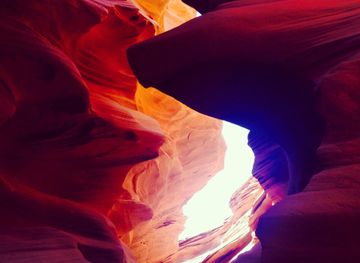


Your all‑in‑one travel companion app
Explore expert travel guides, compare and book tours, experiences, hotels, and more—all from the palm of your hand. Download now for seamless trip planning wherever your wanderlust takes you.


Explore More of Utah

Looking beyond Colorado Plateau? Discover Utah for broader travel guides, local hot-spots, and regional highlights.
Explore UtahColorado Plateau in Photos
Browse through our photo collection highlighting the charm and character of the destination.




The Majestic Colorado Plateau in Utah
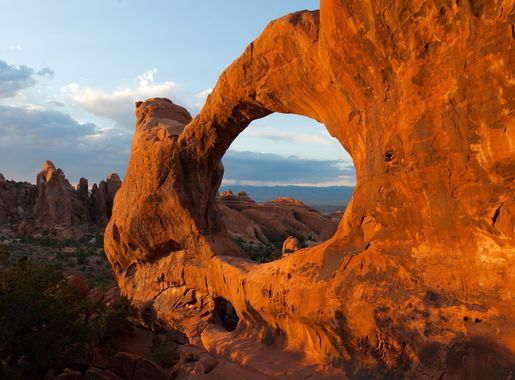
The Colorado Plateau in Utah is a geological wonderland, offering some of the most stunning landscapes in the United States. This vast area is known for its breathtaking red rock formations, deep canyons, and expansive desert vistas. It's a perfect destination for nature lovers, adventure seekers, and photographers alike. Whether you're hiking through the iconic Zion National Park, exploring the mysterious slot canyons of Antelope Canyon, or marveling at the natural arches in Arches National Park, the Colorado Plateau will leave you in awe of its natural beauty. The region boasts a rich cultural history, with numerous Native American sites and petroglyphs that tell the stories of ancient civilizations. Visiting these sites offers a glimpse into the past and a deeper understanding of the area's heritage. The Colorado Plateau is also home to some unique flora and fauna, adapted to the harsh desert environment. Keep an eye out for the desert bighorn sheep, peregrine falcons, and a variety of cacti and wildflowers that add splashes of color to the otherwise arid landscape. For those seeking adventure, the Colorado Plateau offers a plethora of outdoor activities. From hiking and rock climbing to rafting down the Colorado River, there's something for everyone. The region's dark skies also make it a prime location for stargazing. At night, the Milky Way stretches across the sky, providing a mesmerizing backdrop for campers and astronomy enthusiasts. With so much to see and do, the Colorado Plateau is a must-visit destination for anyone looking to experience the rugged beauty of the American Southwest.