

Free Surkhandarya Region Travel Guide & Mobile App
Explore Surkhandarya Region with free travel guides. Discover regional history, expert tips, proposed trips, and audio guides on web or mobile app.


Explore Surkhandarya for ancient Termez, Buddhist ruins, Boysun traditions, mountain landscapes and the warm cultural character of southern Uzbekistan.
Read more about Surkhandarya Region
When is the best time to visit Surkhandarya Region?
Best: April, September–October · 22–32°C| Month | High (°C) | Rainfall (mm) |
|---|---|---|
| January | 8 | 26 |
| February | 12 | 23 |
| March | 18 | 30 |
| April (best) | 25 | 20 |
| May | 32 | 13 |
| June | 37 | 8 |
| July | 40 | 4 |
| August | 38 | 4 |
| September (best) | 32 | 8 |
| October (best) | 22 | 13 |
| November | 14 | 18 |
| December | 8 | 21 |
Getting to and around Surkhandarya Region
How to get there
Transportation
Top city travel guides in Surkhandarya Region
The cities of Surkhandarya Region, and the easiest places to base yourself.

Swipe for more cities
Best attractions in Surkhandarya Region
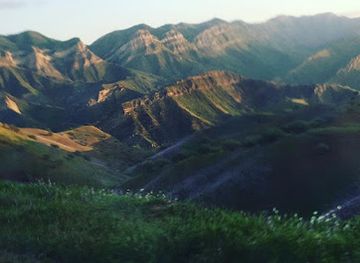
Surkhandarya’s attractions range from open-air archaeology to mountain culture. Around Termez, the remains of ancient and medieval settlements form the region’s principal historical landscape: Fayaz Tepa and Karatepa reveal Buddhist monastic life, while Old Termez, Kampir Tepe and Dalverzintepa place the area within the political and commercial networks of Bactria and the Kushan era. The Archaeological Museum in Termez provides useful context before visiting the dispersed ruins. Religious heritage remains active at the mausoleum of Hakim at-Termizi and the Sultan Saodat complex. Farther north, Boysun offers a different kind of attraction, centred on traditional music, crafts, ceremonies and village culture against a backdrop of rugged foothills. Hiking, scenic drives and rural excursions are most rewarding in spring and autumn, while the Hissar mountain areas near Sariosiyo provide greener landscapes and cooler elevations. Denov, Sherabad and smaller settlements add agricultural and market-town perspectives, although facilities become more limited away from Termez. The region is best suited to travellers interested in archaeology, living heritage, landscape and slow overland exploration rather than a tightly concentrated sightseeing itinerary.
-
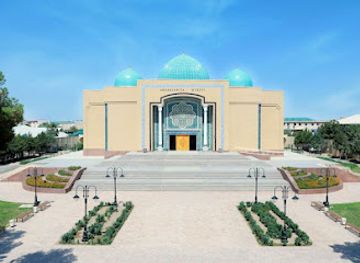
Archaeological museum
Archaeological Museum
Explore the rich cultural heritage of Uzbekistan at the Termez Archaeological Museum, where history comes alive through ancient artifacts and exhibits.
-
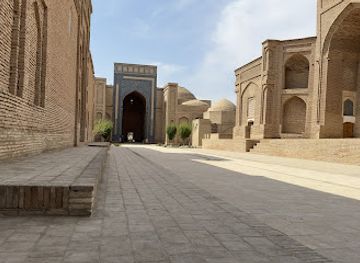
Religious destination
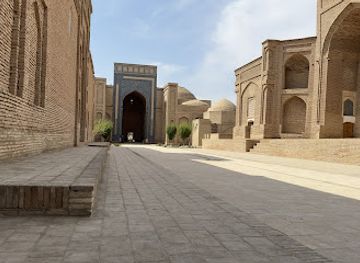
Sultan Saodat Mausoleum
Explore the Sultan Saodat Mausoleum, a stunning Islamic architectural marvel in Termez, Uzbekistan, reflecting the region's rich spiritual heritage.
-
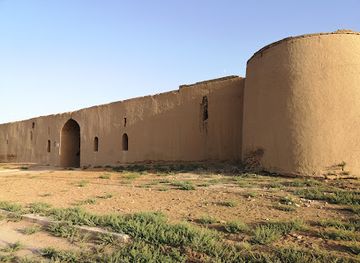
Fortress
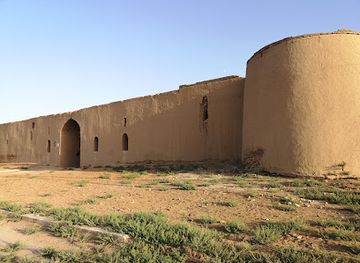
Kirk Kiz Fortress
Discover the historical grandeur of Kirk Kiz Fortress in Uzbekistan, a breathtaking site steeped in ancient stories and stunning landscapes.
-
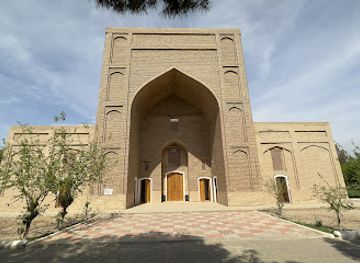
Tourist attraction
Kokildor-Ota Khanaka
Explore Kokildor-Ota Khanaka, a serene mausoleum in Uzbekistan's Surxondaryo Region, rich in history and tranquility for every traveler.
Best landmarks in Surkhandarya Region
The most recognisable landmarks of Surkhandarya reflect its unusual combination of Buddhist, Islamic and frontier heritage. The Zurmala stupa, an ancient brick Buddhist monument near Termez, is a powerful surviving marker of the region’s pre-Islamic religious history. Fayaz Tepa and Karatepa provide architectural and archaeological evidence of the monastic communities that once flourished around the ancient city. The mausoleum of Hakim at-Termizi gives the Termez landscape a different character, linking it with Islamic scholarship and pilgrimage, while the Sultan Saodat complex is distinguished by its domed chambers and association with the Termez Sayyids. Kampir Tepe, a fortified settlement connected with the ancient Oxus frontier, and Dalverzintepa, a major Kushan-period site, extend the region’s historical landmarks beyond the city. In the north, the Boysun mountains are the defining natural landmark: their ridges and valleys form the setting for a distinctive living cultural tradition rather than a single monumental structure. Together these places show how Surkhandarya’s identity has been shaped by rivers, routes, faiths and mountain geography.
-
Religious destination
Sultan Saodat Mausoleum
Discover the Sultan Saodat Mausoleum in Termez, a stunning religious destination that showcases Uzbekistan's rich history and exquisite architecture.
-
Fortress
Kirk Kiz Fortress
Discover the majestic Kirk Kiz Fortress, an ancient stronghold in Uzbekistan that showcases history and breathtaking views of the Surxondaryo Region.
-
River
Surkhandarya
Explore the breathtaking Surkhandarya River in Uzbekistan, where natural beauty meets rich cultural heritage for an unforgettable experience.
-
Tourist attraction
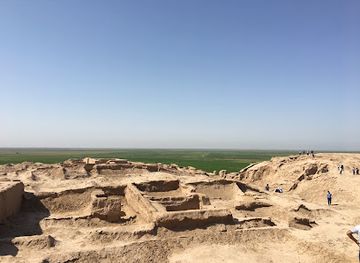
Oks Aleksandriya (Kampirtepa)
Explore the serene beauty and rich culture of Oks Aleksandriya (Kampirtepa) in Uzbekistan's Surxondaryo Region, a hidden gem for every traveler.
Explore Surkhandarya Region on the map
Plan your trip on one map. See where the top cities, national parks and sights are, and book hotels and experiences in a few clicks.
Best hotels in Surkhandarya Region
Best restaurants in Surkhandarya Region
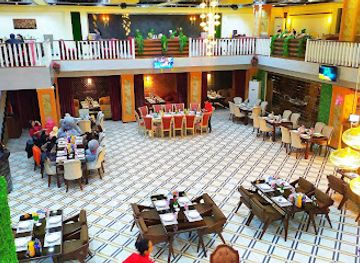
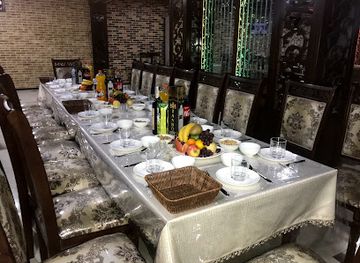
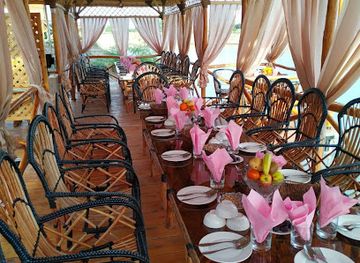
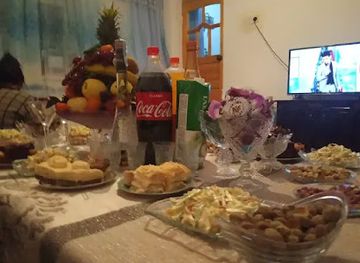
Dining in Surkhandarya is grounded in the wider Uzbek table but takes on the hearty character of the south. Termez restaurants and family-run cafés commonly serve plov, lagman, shashlik, soups, manti, fresh salads and round Uzbek flatbreads, with rice, meat and seasonal vegetables forming the basis of many meals. Southern agriculture supplies abundant grapes, melons, pomegranates and other fruit, particularly in the warmer irrigated districts around the river plain. Markets are useful for observing local produce and buying bread, dried fruit, nuts and dairy products, while roadside establishments may specialise in grilled meat and simple, filling dishes. Boysun and mountain communities offer a more homestyle eating experience, often built around bread, yoghurt, legumes and locally available produce rather than an extensive restaurant menu. Tea is a routine part of hospitality. Vegetarian visitors can usually find vegetable soups, salads, bread and rice-based dishes, but should explain dietary requirements clearly because meat stock or animal fat may be used in otherwise simple food.
-
Restaurant
Best Restaurant Termiz
Experience authentic Uzbek cuisine at Best Restaurant Termiz in Termez - where tradition meets flavor in every dish.
-
Restaurant
Restoran IDEAL SS
Discover authentic Uzbek cuisine at Restoran IDEAL SS in Shurchi – a must-visit destination for food lovers seeking local flavors.
-
Restaurant
Ekoturizm Maskani. Suv Buyidagi Restoran
Experience authentic Uzbek cuisine at Ekoturizm Maskani in Surxondaryo Region – where taste meets tradition amidst breathtaking landscapes.
-
Asian
Diplomat Restaurant
Discover authentic Asian flavors at Diplomat Restaurant in Termez - a culinary gem offering delicious dishes and warm hospitality.

Best bars in Surkhandarya Region
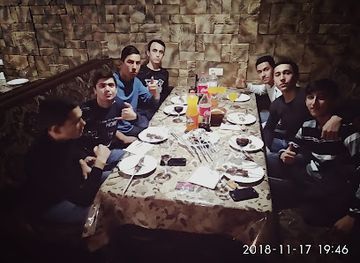
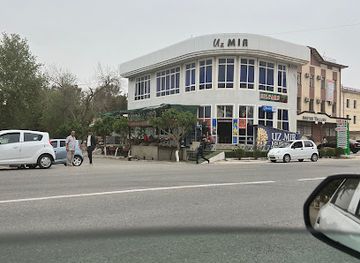
Surkhandarya has a modest evening scene rather than a concentrated nightlife district. In Termez, evenings are generally centred on hotel restaurants, cafés, tea houses and a limited selection of contemporary restaurants, with conversation and family gatherings more prominent than late-night clubbing. Some venues serve beer, wine or spirits, but alcohol is not central to the region’s cultural life and availability varies. Traditional tea houses provide a quieter setting, while occasional live music and celebrations may be encountered in restaurants or community venues. In Boysun, Denov and smaller towns, nightlife is chiefly local and tends to finish earlier, with evening meals, tea, weddings and informal social gatherings more important than bars or nightclubs. Visitors should avoid assuming that rural establishments keep fixed late hours and should arrange transport back to their accommodation in advance, particularly after travelling into the foothills.
-
Restaurant
Bar Zolotaya Bochka
Discover the flavors of Uzbekistan at Bar Zolotaya Bochka, a culinary treasure in Termez, blending local tradition with modern dining.
-
Bar
Savetabob
Discover the vibrant nightlife of Savetabob, a unique bar in Sovetabad, Uzbekistan, offering local drinks and a lively atmosphere.
-
Bar
UZMIR SOMSA
Experience the vibrant culture of Termez at UZMIR SOMSA, a lively bar offering local flavors and a warm, inviting atmosphere.
-
 Bar
BarShukrona
Experience the vibrant spirit of Bandixon at Shukrona, a local bar offering refreshing drinks and a welcoming atmosphere.
Best nightclubs in Surkhandarya Region
Surkhandarya has a modest evening scene rather than a concentrated nightlife district. In Termez, evenings are generally centred on hotel restaurants, cafés, tea houses and a limited selection of contemporary restaurants, with conversation and family gatherings more prominent than late-night clubbing. Some venues serve beer, wine or spirits, but alcohol is not central to the region’s cultural life and availability varies. Traditional tea houses provide a quieter setting, while occasional live music and celebrations may be encountered in restaurants or community venues. In Boysun, Denov and smaller towns, nightlife is chiefly local and tends to finish earlier, with evening meals, tea, weddings and informal social gatherings more important than bars or nightclubs. Visitors should avoid assuming that rural establishments keep fixed late hours and should arrange transport back to their accommodation in advance, particularly after travelling into the foothills.
-
Karaoke bar
Khanna
Experience the lively karaoke culture of Khanna in Termez, Uzbekistan – where music, fun, and friendship come together!
-
Night club
Bassiani night club
Experience the electrifying nightlife of Samarkand at Bassiani Night Club, where music, dance, and culture collide in an unforgettable celebration.
-
Night club
Oybek Golt
Immerse yourself in the vibrant nightlife of Komsomolabad at Oybek Golt, where music, dance, and unforgettable experiences await you.
-
Night club
Uzun
Experience the vibrant nightlife at Uzun, Ak-Mechet's premier night club, where unforgettable parties and electrifying music await.


Best shops in Surkhandarya Region
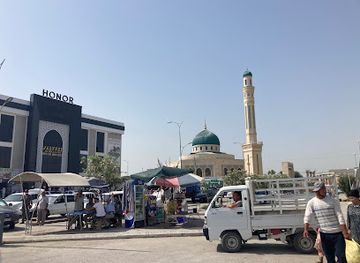
Shopping in Surkhandarya is strongest in bazaars and everyday market streets rather than large-scale retail districts. Termez offers the broadest choice of food, household goods, clothing and souvenirs, while Denov, Sherabad and Boysun provide more local market-town perspectives. Look for regional fruit, dried produce, nuts, spices, bread and other edible gifts, bearing in mind customs restrictions when taking food across borders. Boysun is associated with traditional textile work, embroidery, woven goods, musical traditions and handicrafts, although availability and quality vary and genuine handmade pieces may require local guidance. Small craft shops and cultural institutions can be better places to ask about provenance than informal stalls. Archaeological replicas, Uzbek ceramics, carved objects and embroidered textiles are more appropriate souvenirs than anything resembling an antiquity; removing archaeological material is illegal. Bargaining may be customary in bazaars, but it should remain courteous and good-humoured, while fixed-price shops and supermarkets generally require straightforward payment in soʻm.
-
Shopping mall
Qumqo'rg'on dehqon bozori
Explore the vibrant Qumqo'rg'on Dehqon Bozori, a hub of local culture, flavors, and craftsmanship in Surxondaryo Region, Uzbekistan.
-
Clothing store
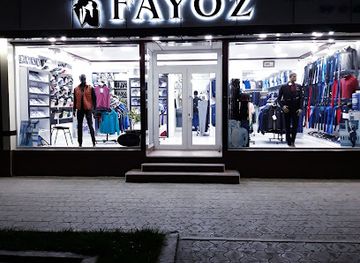
Fayoz Erkaklar Kiyim Doʻkoni
Discover unique men's fashion at Fayoz Erkaklar Kiyim Doʻkoni in Termez, showcasing a blend of traditional and modern styles.
-
Dress store
BRONZA BRAND
Explore the latest fashion trends at BRONZA BRAND in Termez, Uzbekistan, where quality meets style in a delightful shopping experience.
-
Home goods store
Magazin
Explore the charm of Uzbekistan at Magazin, where unique home goods and local artistry await every traveler.

Get your free copy of our complete guide to Surkhandarya Region, delivered straight to you.
Everything on this page, from attractions and restaurants to essentials and local phrases, in one PDF you can read offline, print or share.
Already have an account? Sign in
Your Surkhandarya Region guide is ready.
We'll send it to · Not you? Sign out

Getting your guide ready…
We are putting together a fresh copy of the Surkhandarya Region guide. This can take up to a minute.
This can take a few moments. If your browser asks, choose Allow so the download can start. You'll find the guide in your Downloads folder.
Nothing happened? Download it again
Sorry, the guide is taking longer than usual. Please try again in a minute, or get it by email instead.
Surkhandarya Region essentials
Currency and Payment
Safety
Emergency Situations
Do's and Don'ts
Local Tips
From Eve
Local phrases worth knowing
You don't need to get them perfect. A few words go a long way, and locals appreciate the effort.
Basics
| English | Local | Say it |
|---|---|---|
| Hello | Салом | [Salom] |
| Goodbye | Хайр | [Khair] |
| Yes | Ҳа | [Ha] |
| No | Йўқ | [Yoq] |
| Please/You're welcome | Илтимос/Марҳамат | [Iltimos/Marhamat] |
| Thank you | Раҳмат | [Rahmat] |
| Excuse me/Sorry | Кечиринг | [Kechiring] |
| How are you? | Қандайсиз? | [Qandaysiz?] |
| Fine. And you? | Яхши. Сиз呢? | [Yaxshi. Siz ne?] |
| Do you speak English? | Сиз инглизча гапиришасизми? | [Siz inglizcha gapirishingizmi?] |
| I don't understand | Мен тушунмайман | [Men tushunmayman] |
Eating & Drinking
| English | Local | Say it |
|---|---|---|
| I'd like to see the menu, please | Менюни кўрмоқчи бўламан, илтимос | [Menyuni ko'rmoqchi bo'laman, iltimos] |
| I don't eat meat | Мен гўшт емайман | [Men go'sht yemayman] |
| Cheers! | Саломатлик учун! | [Salomatlik uchun!] |
| I would like to pay, please | Мен тўлашни истайман, илтимос | [Men to'lashni istayman, iltimos] |
Emergencies
| English | Local | Say it |
|---|---|---|
| Help! | Ёрдам беринг! | [Yordam bering!] |
| Go away! | Кетинг! | [Keting!] |
| Call the Police! | Полицияни чақиринг! | [Politsiyani chaqiring!] |
| Call a doctor! | Докторни чақиринг! | [Doktorni chaqiring!] |
| I'm lost | Мен йўқолдим | [Men yo'qoldim] |
| I'm ill | Мен касалман | [Men kasalman] |
Shopping
| English | Local | Say it |
|---|---|---|
| I'd like to buy... | Мен ... сотиб олмоқчи бўламан | [Men ... sotib olmoqchi bo'laman] |
| I'm just looking | Мен фақат кўряпман | [Men faqat ko'rayapman] |
| How much is it? | Бу қанча? | [Bu qancha?] |
| That's too expensive | Бу жуда қиммат | [Bu juda qimmat] |
| Can you lower the price? | Нарҳини пасайтирсаңиз бўладими? | [Narhini pasaytirishingiz bo'ladimi?] |
Time & Numbers
| English | Local | Say it |
|---|---|---|
| What time is it? | Саат неча? | [Saat necha?] |
| It's one o'clock | Бир соат | [Bir soat] |
| Half past (10) | Ундан ўтган (10) | [Undan o'tgan (10)] |
| Morning | Эрталаб | [Ertalab] |
| Afternoon | Кундуз | [Kunduz] |
| Evening | Кеча | [Kechasi] |
| Yesterday | Кеча | [Kechasi] |
| Today | Бугун | [Bugun] |
| Tomorrow | Эртага | [Ertaga] |
| 1 | Бир | [Bir] |
| 2 | Икки | [Ikki] |
| 3 | Уч | [Uch] |
| 4 | Тўрт | [To'rt] |
| 5 | Беш | [Besh] |
| 6 | Алти | [Alti] |
| 7 | Етти | [Yetti] |
| 8 | Сегиз | [Segiz] |
| 9 | Тўққиз | [To'qqiz] |
| 10 | Он | [O'n] |
Transport & Directions
| English | Local | Say it |
|---|---|---|
| Where's a/the...? | Нерда ...? | [Nerda ...?] |
| What's the address? | Манзил не? | [Manzil ne?] |
| Can you show me (on the map)? | Менга кўрсатасизми (хартасида)? | [Meng ko'rsatasizmi (hartasida)?] |
| When's the next (bus)? | Кейинги (автобус) қачон? | [Keyingi (avtobus) qachon?] |
| A ticket (to ....) | Билет (.... га) | [Bilet (...ga)] |
History of Surkhandarya Region
Ancient Bactria and the Oxus Frontier
Surkhandarya forms part of ancient Bactria, a historic region centred on the upper and middle Amu Darya, known in antiquity as the Oxus. Its irrigated plains and river crossings supported settlements long before the modern Uzbek state. The area stood at a meeting point between the Iranian world, Central Asian steppe routes and territories to the south, making it a zone of commerce and military movement. Archaeological remains around Termez, Kampir Tepe and other sites reveal planned settlements, fortifications, agricultural systems and material connections extending across the region.
Hellenistic and Kushan Influences
Following the campaigns of Alexander the Great, Greek political and artistic influences entered Bactria, although they became part of a much broader Central Asian culture. Later, the Kushan Empire made southern Uzbekistan an important political and commercial area. Dalverzintepa, near modern Shurchi, is among the region’s major Kushan-period archaeological sites, while the Termez area preserves evidence of urban life and long-distance exchange. The period is especially significant for the development of Buddhist institutions and the circulation of artistic ideas between India, Bactria, Iran and China.
Buddhism and the Ancient City of Termez
Between the early centuries BCE and the first centuries CE, Buddhism established a substantial presence around ancient Termez. Monastic complexes at Fayaz Tepa and Karatepa included shrines, courtyards and spaces for religious communities, while the Zurmala stupa remains one of the region’s most recognisable Buddhist-era structures. Their remains show that southern Central Asia was not merely a passageway but also a place where Buddhism developed local architectural and artistic forms. The sites are an important reminder of the religious diversity that preceded the region’s later Islamic identity.
Islamic Termez and Scholarly Traditions
Islam spread through southern Central Asia over several centuries, and Termez became an important centre of Islamic learning and pilgrimage. The ninth-century mystic and scholar Hakim at-Termizi is closely associated with the city and is commemorated at a mausoleum complex near Old Termez. The Sultan Saodat ensemble developed as a dynastic and religious centre for the Termez Sayyids, while the Kokildor Khanaka reflects the architectural culture of Sufi institutions. These monuments illustrate how sacred authority, scholarship and regional political influence became intertwined.
Termez under the Timurids and Later Central Asian Rule
The medieval city and surrounding territory experienced the changing fortunes of Central Asian dynasties, including the Timurids and later khanates. Termez’s position on the Amu Darya made it strategically valuable, but also exposed it to warfare, political shifts and changes in river transport. The surviving religious monuments and archaeological layers indicate repeated rebuilding and adaptation rather than a single uninterrupted urban form. In the wider region, irrigation, caravan movement and settled agriculture continued to shape life between the river plain and the mountain foothills.
Russian Expansion and Soviet Transformation
During the nineteenth century, Russian imperial expansion reached southern Central Asia, and the Amu Darya frontier acquired renewed military and strategic importance. Under Soviet rule, Surkhandarya was reorganised within the Uzbek Soviet Socialist Republic, with agriculture, irrigation, transport and state-managed industry reshaping the regional economy. New administrative centres and infrastructure developed alongside older settlements. The Soviet period also brought systematic archaeological work at sites around Termez and elsewhere, helping establish the modern understanding of the region’s pre-Islamic and medieval heritage.
Contemporary Surkhandarya and the Boysun Cultural Heritage
Since Uzbekistan’s independence in 1991, Surkhandarya has increasingly presented its archaeological and living cultural traditions as part of the country’s national heritage. Boysun is particularly notable for the continuity of local music, crafts, ceremonies, oral traditions and community customs; the Boysun Cultural Space was inscribed by UNESCO in 2008 on the Representative List of the Intangible Cultural Heritage of Humanity. Contemporary Surkhandarya remains strongly agricultural and regionally connected, while tourism is gradually developing around Termez’s antiquities, Boysun’s cultural traditions and the southern mountains.
Surkhandarya Region in Photos
Browse through our photo collection highlighting the charm and character of the destination.
Neighbouring regions of Surkhandarya Region
The closest regions to Surkhandarya Region, if you have time for more than one.
-

-

-

-

-


Swipe for more regions
Explore more
Explore more of Uzbekistan
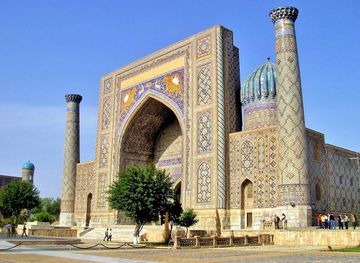
Discover Uzbekistan: A land of ancient cities, vibrant culture, and breathtaking landscapes, where history comes alive along the legendary Silk Road.
Explore Uzbekistan