

Free Sanma Travel Guide & Mobile App
Explore Sanma with free travel guides. Discover regional history, expert tips, proposed trips, and audio guides on web or mobile app.


Explore Sanma in Vanuatu for Santo’s blue holes, World War Two relics, reef-fringed beaches, forest adventures and village culture.
Read more about Sanma
When is the best time to visit Sanma?
Best: June–August · 26–27°C| Month | High (°C) | Rainfall (mm) |
|---|---|---|
| January | 30 | 300 |
| February | 30 | 280 |
| March | 30 | 250 |
| April | 29 | 220 |
| May | 28 | 190 |
| June (best) | 27 | 140 |
| July (best) | 26 | 120 |
| August (best) | 27 | 130 |
| September | 27 | 160 |
| October | 28 | 200 |
| November | 29 | 240 |
| December | 29 | 270 |
Getting to and around Sanma
How to get there
Transportation
Top city travel guides in Sanma
The cities of Sanma, and the easiest places to base yourself.

Swipe for more cities
Destinations in Sanma
Resorts, valleys and scenic spots worth a trip of their own.
-

-


Swipe for more destinations
Best attractions in Sanma
-
SCUBA tour agency
Pacific Dive
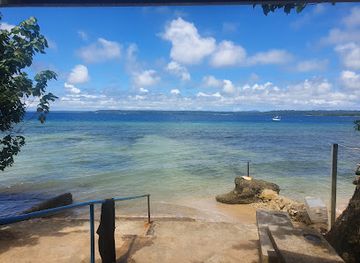
Explore the vibrant underwater world of Vanuatu with Pacific Dive – the premier scuba tour agency in Luganville, offering unforgettable diving experiences.
-
Museum
South Pacific WWII Museum
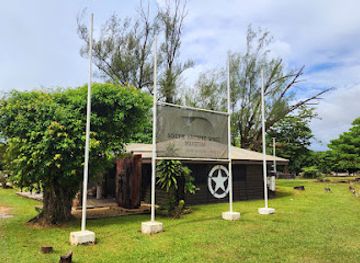
Explore the South Pacific WWII Museum in Luganville for a captivating journey through history, honoring the bravery and sacrifices of those who served.
-
Visitor center
Vanuatu Tourism Office
Explore Vanuatu with insights from the Tourism Office, your essential guide to the islands' culture, adventures, and natural beauty.
-
Tourist attraction
Lapita Beach Aore Island
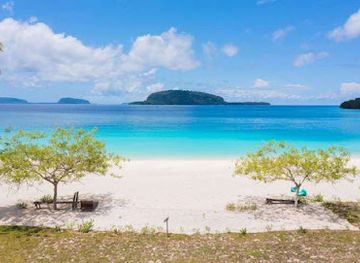
Experience paradise at Lapita Beach, Aore Island - where pristine sands meet crystal-clear waters for the perfect getaway in Vanuatu.
Best landmarks in Sanma
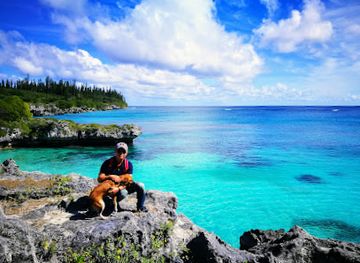
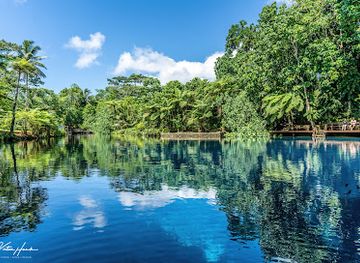
Luganville’s waterfront and surviving wartime landscape are among Sanma’s most recognisable historical markers, reflecting the scale of the Allied base established on Espiritu Santo during the Second World War. Million Dollar Point is particularly distinctive: submerged vehicles and equipment remain visible offshore, although the site should be approached as a historical and marine environment rather than a collection of souvenirs. Inland, the blue holes are natural landmarks formed by clear freshwater emerging through Santo’s limestone and underground water systems, with Nanda and Matevulu offering contrasting settings along the island’s roads. Mount Tabwemasana, in Santo’s central range, is Vanuatu’s highest summit and a significant geographical reference, even though reaching its remote terrain requires preparation and local support. Champagne Beach and Port Olry give the north-east coast a strong visual identity through pale sand, reef-fringed water and coastal vegetation. Malo’s village landscapes and shoreline provide a quieter counterpart to Santo’s better-known sites.
-
 Resort hotel
Tamanu on the beach
Discover the serene beauty and luxurious comforts of Tamanu on the Beach, the ideal resort for relaxation and unforgettable experiences in Vanuatu.
-
National museum
Vanuatu National Museum
Discover Vanuatu's vibrant history and culture at the National Museum in Port Vila, showcasing artifacts and traditions from across the islands.
-
Tourist attraction
Nanda Blue Hole
Nanda Blue Hole: A breathtaking oasis in Sanma Province, Vanuatu, known for its crystal-clear waters and stunning natural beauty, perfect for adventure and relaxation.
-
Resort hotel
Turtle Bay Lodge, Restaurant and PADI Dive Centre
Experience the Best of Adventure and Relaxation at Turtle Bay Lodge: Dive, Dine, and Discover the Beauty of Santo.
Explore Sanma on the map
Plan your trip on one map. See where the top cities, national parks and sights are, and book hotels and experiences in a few clicks.
Best hotels in Sanma
Best restaurants in Sanma
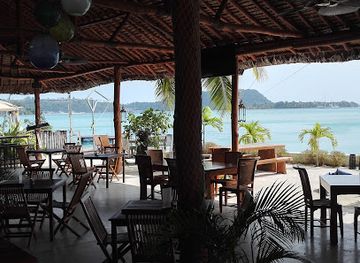
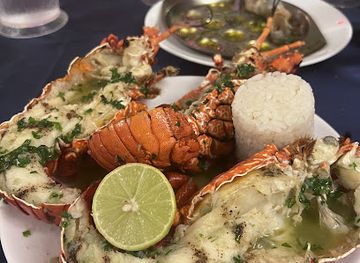
Dining in Sanma is centred on Luganville’s hotels, cafés, restaurants and small local eateries, with simpler food options available in villages and around excursions. Menus commonly draw on Vanuatu’s staples: root crops such as cassava, taro and yam, coconut, tropical fruit, island-grown vegetables, reef fish and locally raised meat. Laplap, a customary baked dish made from grated root crops and coconut milk with meat or fish, is associated with Vanuatu’s wider culinary heritage and may appear at community meals or special occasions. Fresh seafood is most relevant in coastal settings, while markets and roadside stalls can provide fruit and prepared snacks when available. Travellers should not assume that isolated beaches have dining facilities, so carrying water and a simple snack is practical. Dining styles range from informal local meals to resort-oriented international menus, with supply and choice more limited outside Luganville.
-
Family-friendly
The Beach Bar
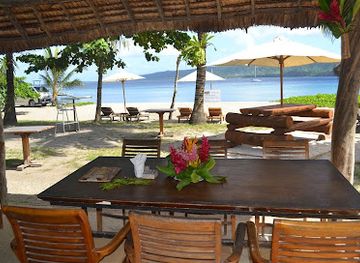
Experience family-friendly fun at The Beach Bar in Vanuatu – where delicious food meets stunning ocean views.
-
Restaurant
The Stonegrill Restaurant
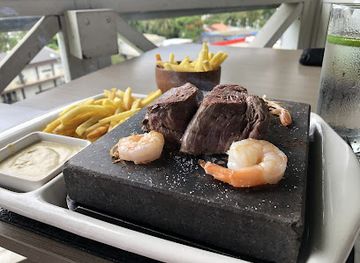
Experience a unique dining adventure at The Stonegrill Restaurant in Port Vila with sizzling meals cooked on hot stones amidst stunning views.
-
Restaurant
Reefers Restaurant & Rum Bar
Experience delicious local cuisine and refreshing cocktails at Reefers Restaurant & Rum Bar in Port Vila, Vanuatu's culinary gem.
-
Restaurant
L'Houstalet Restaurant
Experience exquisite French cuisine blended with local flavors at L'Houstalet Restaurant in Port Vila - A true culinary delight.
Best bars in Sanma
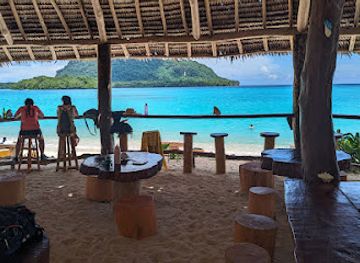
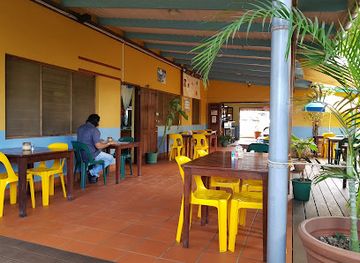
Sanma’s evening life is modest and concentrated in Luganville rather than spread across a large nightlife district. Hotel bars, local pubs and casual restaurants provide places for a drink, conversation and occasional live music, while some venues cater to visitors staying near the waterfront or airport. Rural Santo and Malo generally become quiet after dark, with evening social life organised around homes, community gatherings, village events or small local establishments rather than nightclubs. Kava, a traditional drink made from the kava plant, is part of social life in Vanuatu and is usually consumed in dedicated nakamals; visitors should follow local etiquette and understand that it is not an alcoholic drink. Opening arrangements and entertainment vary, so ask locally rather than relying on outdated listings, and take transport plans seriously after dark.
-
Bar
Turtle Bay Lodge, Restaurant and PADI Dive Centre
Experience the breathtaking beauty and adventure of Turtle Bay Lodge, a top-notch resort with dining and diving experiences in Vanuatu.
-
Restaurant
Chez Louis Restaurant
Savor the best of Vanuatu's culinary scene at Chez Louis Restaurant, where every dish tells a story of flavor and tradition.
-
Cafe
Natangora Cafe
Discover the vibrant flavors of Vanuatu at Natangora Cafe, a local gem in Luganville offering delicious food and a warm atmosphere.
-
Bar
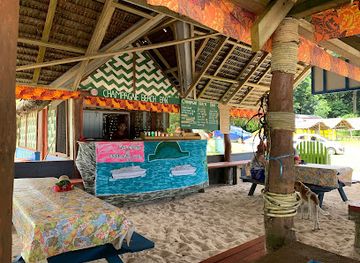
Champagne Beach Bar
Discover the tranquil charm of Champagne Beach Bar, where refreshing drinks meet breathtaking ocean views in Hog Harbour, Vanuatu.
Best nightclubs in Sanma
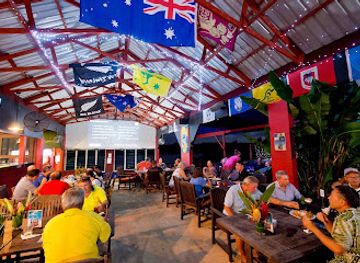
Sanma’s evening life is modest and concentrated in Luganville rather than spread across a large nightlife district. Hotel bars, local pubs and casual restaurants provide places for a drink, conversation and occasional live music, while some venues cater to visitors staying near the waterfront or airport. Rural Santo and Malo generally become quiet after dark, with evening social life organised around homes, community gatherings, village events or small local establishments rather than nightclubs. Kava, a traditional drink made from the kava plant, is part of social life in Vanuatu and is usually consumed in dedicated nakamals; visitors should follow local etiquette and understand that it is not an alcoholic drink. Opening arrangements and entertainment vary, so ask locally rather than relying on outdated listings, and take transport plans seriously after dark.
-
Bar
Banyan Beach Bar
Discover the vibrant atmosphere of Banyan Beach Bar in Port Vila, where stunning views and tropical cocktails create unforgettable moments.
-
Sports bar
The Retreat Seaside Sports Bar & Resort
Discover the vibrant atmosphere of The Retreat Seaside Sports Bar & Resort, a perfect blend of relaxation, delicious food, and entertainment in Port Vila.
-
Cocktail bar
Stone Lounge
Discover the vibrant nightlife of Port Vila at Stone Lounge, where expertly crafted cocktails meet a lively atmosphere in Vanuatu's premier cocktail bar.
-
Bar
Sano's Kava Bar
Unwind and immerse yourself in Vanuatu's culture at Sano's Kava Bar, offering a serene atmosphere and traditional kava drinks.



Best shops in Sanma
Shopping in Sanma is practical and locally focused rather than centred on large retail complexes. Luganville has the province’s broadest choice of small shops, supermarkets, market stalls, pharmacies and stores supplying travellers, while rural areas offer fewer opportunities and more limited stock. Produce markets and roadside sellers may carry seasonal fruit, vegetables, coconuts and prepared food, though availability varies by day and location. Locally made baskets, carvings, woven items and other handicrafts can often be bought through markets, accommodation providers or community-based visits; purchasing directly and agreeing the price respectfully supports makers more clearly than treating customary objects as ordinary souvenirs. Kava may be available through local channels, but visitors should ask how it is prepared and transported rather than assuming that every product is suitable for taking home. Bring cash in vatu, especially for small purchases, and avoid buying coral, shells, archaeological material or wartime relics.
-
Grocery store
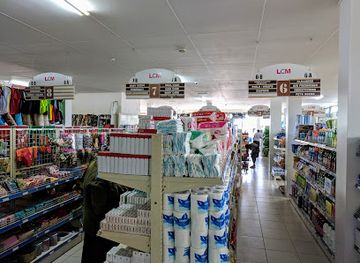
LCM
Explore Luganville's LCM Grocery Store: A Local Treasure for Fresh Produce and Unique Vanuatu Delicacies
-
Home goods store
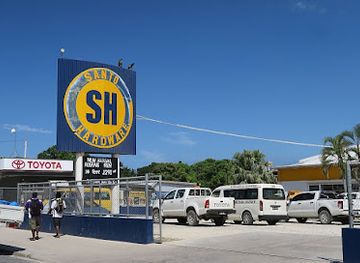
Santo Hardware
Explore Santo Hardware in Luganville for all your home goods and DIY needs, offering local crafts and essential supplies.
-
Grocery store
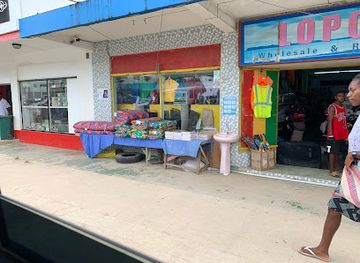
Lopo Store
Explore Lopo Store in Luganville for a taste of local culture and the best grocery finds to enhance your travel experience.
-
Grocery store
Daming Supermarket
Explore the flavors of Vanuatu at Daming Supermarket, where local and international products come together in a vibrant shopping experience.
Get your free copy of our complete guide to Sanma, delivered straight to you.
Everything on this page, from attractions and restaurants to essentials and local phrases, in one PDF you can read offline, print or share.
Already have an account? Sign in
Your Sanma guide is ready.
We'll send it to · Not you? Sign out

Getting your guide ready…
We are putting together a fresh copy of the Sanma guide. This can take up to a minute.
This can take a few moments. If your browser asks, choose Allow so the download can start. You'll find the guide in your Downloads folder.
Nothing happened? Download it again
Sorry, the guide is taking longer than usual. Please try again in a minute, or get it by email instead.
Sanma essentials
Currency and Payment
Safety
Emergency Situations
Do's and Don'ts
Local Tips
From Eve
Local phrases worth knowing
You don't need to get them perfect. A few words go a long way, and locals appreciate the effort.
Basics
| English | Local | Say it |
|---|---|---|
| Hello | Olokos | [oh-loh-kohs] |
| Goodbye | Tata | [tah-tah] |
| Yes | Yes | [yes] |
| No | No | [no] |
| Please/You're welcome | Plis | [plees] |
| Thank you | Tenkyu | [ten-kyoo] |
| Excuse me/Sorry | Sori | [soh-ree] |
| How are you? | Yu ora? | [yoo oh-rah] |
| Fine. And you? | Mi gud. Yu? | [mee good. yoo?] |
| Do you speak English? | Yu tok Inglis? | [yoo tok ing-lis?] |
| I don't understand | Mi no save | [mee noh sah-veh] |
Eating & Drinking
| English | Local | Say it |
|---|---|---|
| I'd like to see the menu, please | Mi wantem lukim menu, plis | [mee wahn-tem loo-keem meh-noo, plees] |
| I don't eat meat | Mi no kaek mit | [mee noh kai-ehk meet] |
| Cheers! | Cheers! | [cheers] |
| I would like to pay, please | Mi wantem pei, plis | [mee wahn-tem pay, plees] |
Emergencies
| English | Local | Say it |
|---|---|---|
| Help! | Help! | [help] |
| Go away! | Go we | [go weh] |
| Call the Police! | Kol Polisi! | [kohl poh-lee-see] |
| Call a doctor! | Kol dokta! | [kohl dok-tah] |
| I'm lost | Mi los | [mee lohs] |
| I'm ill | Mi sik | [mee seek] |
Shopping
| English | Local | Say it |
|---|---|---|
| I'd like to buy... | Mi wantem bai... | [mee wahn-tem bye] |
| I'm just looking | Mi luk nomo | [mee look noh-moh] |
| How much is it? | Hao mak? | [how mahk?] |
| That's too expensive | I too big price | [ee too big prahys] |
| Can you lower the price? | Yu save reduse price? | [yoo sah-veh reh-doos prahys?] |
Time & Numbers
| English | Local | Say it |
|---|---|---|
| What time is it? | Hao taem? | [how tah-em?] |
| It's one o'clock | I wan klok | [ee wan klok] |
| Half past (10) | Haf pas (10) | [haf pas (ten)] |
| Morning | Mornin | [morn-in] |
| Afternoon | Aftanun | [af-tah-noon] |
| Evening | Ivening | [ee-ven-ing] |
| Yesterday | Yestide | [yes-ti-deh] |
| Today | Tudei | [too-day] |
| Tomorrow | Tomo | [toh-mo] |
| 1 | Wan | [wan] |
| 2 | Tu | [too] |
| 3 | Tri | [tree] |
| 4 | Foa | [foh-ah] |
| 5 | Faef | [fayf] |
| 6 | Siks | [siks] |
| 7 | Sev | [sev] |
| 8 | Eit | [ayt] |
| 9 | Nain | [nine] |
| 10 | Ten | [ten] |
Transport & Directions
| English | Local | Say it |
|---|---|---|
| Where's a/the...? | Wea a/the...? | [wea ah/the?] |
| What's the address? | Hao nao address? | [how nah-oh ad-dress?] |
| Can you show me (on the map)? | Yu save showim mi (long map)? | [yoo sah-veh show-im mee (long map)?] |
| When's the next (bus)? | Hao taem next (bus)? | [how tah-em next (bus)?] |
| A ticket (to ....) | Wan tiket (go ....) | [wan tee-ket (go ....)] |
History of Sanma
Lapita Settlement and Ancient Island Communities
The islands of the Sanma province were settled within the wider Lapita expansion across the western Pacific more than three thousand years ago. Archaeological evidence from Vanuatu records early seafaring communities whose descendants contributed to the country’s diverse cultures and languages. Over subsequent centuries, people developed agricultural systems suited to volcanic and limestone landscapes, established customary land relationships and maintained exchange networks between islands. Present-day kastom traditions should not be treated as unchanged survivals from the past, but they are rooted in long histories of community organisation, ceremony and relationship with land and sea.
European Voyages and the New Hebrides
The islands now known as Vanuatu entered European charts during the voyages of Pedro Fernandes de Queirós in 1606 and James Cook in 1774. Cook gave the wider archipelago the name New Hebrides, which remained in common use during the colonial period. European contact brought new forms of trade, missionary activity and disease, while local communities continued to control much of daily life and land. The early record is shaped by outside naming and exploration, so it does not represent the full history of the Santo and Malo communities who already occupied and managed these islands.
Missions, Labour and Colonial Rivalry
During the nineteenth century, Presbyterian, Catholic and other Christian missions expanded their influence in the New Hebrides, alongside commercial activity and the coercive recruitment of islanders for labour elsewhere in the Pacific. French and British interests competed for authority, producing an unusual colonial arrangement. Mission stations, plantations, trading posts and new patterns of education altered social and economic life, but customary institutions and local languages remained significant. Santo’s large land area and strategic harbours later made it especially important to outside commercial and administrative interests.
The Anglo-French Condominium
From 1906 until independence, the New Hebrides were governed by the Anglo-French Condominium, under which British and French administrations operated side by side rather than through a single colonial government. The arrangement created separate legal, educational and administrative systems and was often difficult for residents to navigate. Its legacy remains visible in Vanuatu’s use of English and French alongside Bislama and in the country’s plural institutional traditions. Luganville grew as an important settlement during this period, although Sanma’s rural communities retained strong connections to customary land and local authority.
Espiritu Santo in the Second World War
After Japan’s advance through the western Pacific, Espiritu Santo became a major Allied military base from 1942. Luganville and the surrounding south-eastern coast received airfields, roads, warehouses, hospitals, wharves and large numbers of troops and support personnel. The military presence transformed the island’s infrastructure and economy, while bringing disruption and new forms of contact for local communities. After the war, equipment that could not be removed was dumped offshore, creating the underwater wreckage site now known as Million Dollar Point. Roads and other wartime traces remain part of Santo’s historical landscape.
Independence and the Santo Rebellion
Vanuatu became independent from the Anglo-French Condominium in 1980, adopting its present name and a political system that recognised both parliamentary government and the importance of customary leadership. The transition was accompanied by the Santo rebellion, when opponents of the independence government declared a separate republic on Espiritu Santo. The rebellion was suppressed with assistance from Papua New Guinea, and the island was reintegrated into the new state. This episode remains a sensitive part of Sanma’s modern history and helps explain some of the political distinctiveness associated with Santo.
Sanma in Photos
Browse through our photo collection highlighting the charm and character of the destination.
Neighbouring regions of Sanma
The closest regions to Sanma, if you have time for more than one.
-

-

-

-

-


Swipe for more regions
Explore more

Explore more of Vanuatu
Discover Vanuatu, a pristine South Pacific paradise with breathtaking beaches, vibrant culture, thrilling adventures, and some of the world's best diving spots.
Explore Vanuatu