

Free Aore Island Travel Guide & Mobile App
Explore Aore Island with free travel guides. Discover regional history, expert tips, proposed trips, and audio guides on web or mobile app.


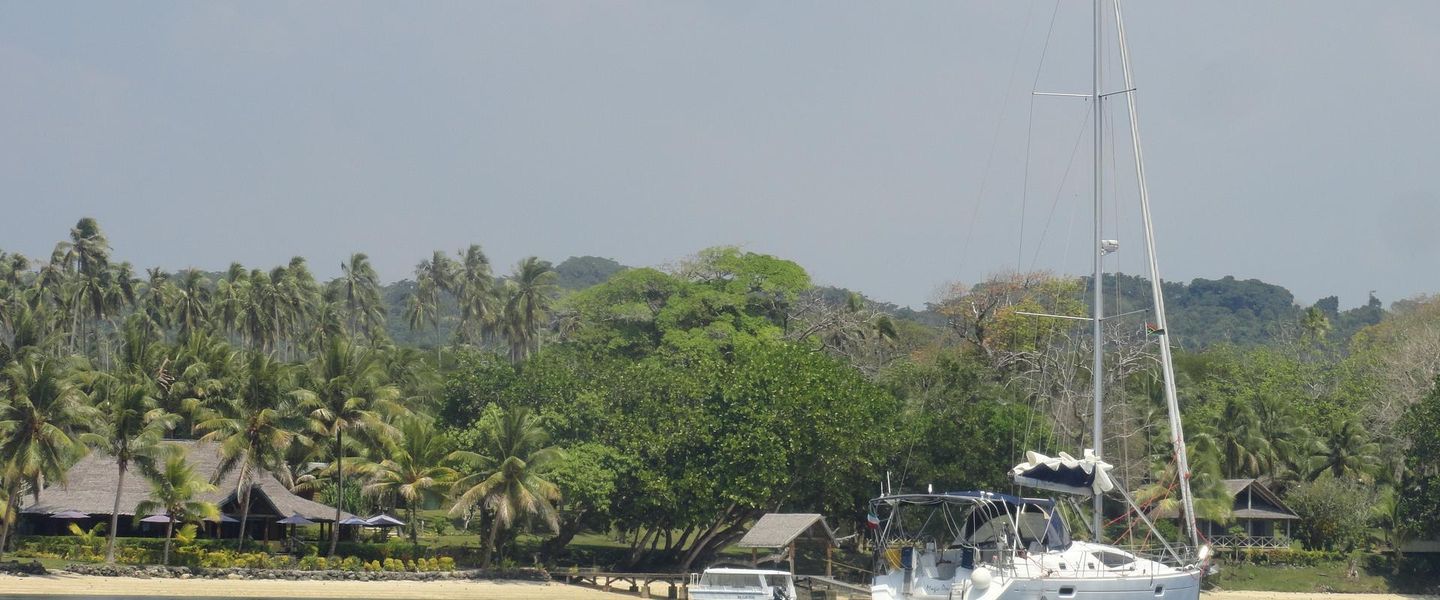

Aore Island in Vanuatu offers reef swimming, forested shores, quiet beaches and easy access to the natural and wartime heritage of Espiritu Santo.
Read more about Aore Island
When is the best time to visit Aore Island?
Best: June–August · 27–28°C| Month | High (°C) | Rainfall (mm) |
|---|---|---|
| January | 30 | 251 |
| February | 30 | 231 |
| March | 30 | 211 |
| April | 29 | 191 |
| May | 28 | 171 |
| June (best) | 28 | 151 |
| July (best) | 27 | 141 |
| August (best) | 28 | 131 |
| September | 28 | 151 |
| October | 29 | 171 |
| November | 30 | 191 |
| December | 30 | 211 |
Getting to and around Aore Island
How to get there
Transportation
Top city travel guides in Aore Island
The cities of Aore Island, and the easiest places to base yourself.

Swipe for more cities
Best attractions in Aore Island
Aore Island’s attractions are primarily natural and maritime rather than urban or museum-based. The shoreline offers opportunities for swimming, snorkelling, kayaking and quiet beach time, with shallow reefs and clear tropical water in suitable weather. Forested interior areas and coastal vegetation provide a setting for short walks and birdwatching, although routes and access should be confirmed locally rather than treated as formal public trails. Fishing and boat excursions can be arranged through local providers or accommodation, subject to tides, weather and equipment availability. Aore is also a useful base for selected excursions around Espiritu Santo, including diving, freshwater features and wartime heritage on the main island, but these are separate trips rather than attractions on Aore itself. Luganville’s shops, markets and practical services add an urban contrast across the channel. The island’s appeal lies in combining reef access and quiet surroundings with proximity to Santo’s much broader landscape, rather than in a high concentration of ticketed attractions.
-
Tourist attraction
Riri Blue Hole
Experience the breathtaking beauty of Riri Blue Hole in Vanuatu, a tropical paradise perfect for swimming, snorkeling, and relaxation.
-
Tourist attraction
Million Dollar Point
Explore Million Dollar Point in Vanuatu for a captivating blend of history, adventure, and stunning underwater landscapes.
-
Hiking area
Millennium Cave
Discover the breathtaking beauty of Millennium Cave in Vanuatu, where adventure meets stunning natural landscapes and rich cultural experiences.
-
Diving center
Aore Adventure Sports & Lodge
Experience unparalleled diving and breathtaking beauty at Aore Adventure Sports & Lodge, your ultimate escape in Vanuatu.


Best landmarks in Aore Island
Aore’s most recognisable landmark is its position across the Segond Channel from Espiritu Santo, a narrow maritime setting that explains both the island’s access arrangements and its close relationship with Luganville. The island’s forested coastline, reef-fringed shallows and small sandy coves form its principal visual markers, although many are natural settings rather than formally named monuments. Across the water, the outline of Santo’s shore provides a constant geographical reference. Aore does not possess the concentration of monumental churches, civic buildings or preserved wartime structures found in larger settlements elsewhere in the country. The most important historic landmarks associated with a visit are therefore reached by excursion on Espiritu Santo, where Luganville and the surrounding area retain evidence of the Second World War and the island’s colonial past. On Aore itself, the significance lies in the landscape: a lived Pacific island shaped by customary relationships with land and sea, tropical vegetation and the channels used for everyday movement.
-
Tourist attraction
Nanda Blue Hole
Discover the serene beauty of Nanda Blue Hole in Vanuatu, a tropical paradise perfect for relaxation and adventure amidst stunning natural landscapes.
-
 Resort hotel
Aore Island Resort
Experience the tranquility and adventure of Aore Island Resort, the perfect tropical getaway in Vanuatu, surrounded by stunning beaches and vibrant marine life.
-
Tourist attraction
Matevulu Blue Hole
Experience the mesmerizing beauty of Matevulu Blue Hole, a tranquil oasis in Vanuatu, perfect for swimming and relaxation amidst nature's splendor.
-
Tourist attraction
Riri Blue Hole
Experience the enchanting beauty of Riri Blue Hole, a serene oasis in Luganville, Vanuatu, perfect for swimming and snorkeling amidst lush nature.


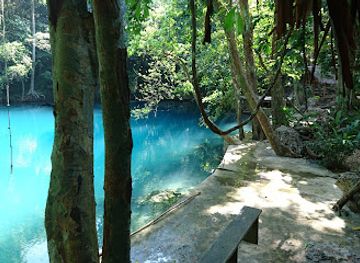
Explore Aore Island on the map
Plan your trip on one map. See where the top cities, national parks and sights are, and book hotels and experiences in a few clicks.
Best hotels in Aore Island
Best restaurants in Aore Island
Dining on Aore is generally centred on accommodation-based meals and small-scale hospitality rather than a broad restaurant scene. Menus may combine locally available fish and seafood with rice, root crops such as taro and yam, coconut, seasonal fruit and familiar international dishes. Laplap, a traditional Vanuatu dish of grated root crops or banana cooked with meat or fish and coconut cream, is part of the country’s wider culinary heritage, although its availability depends on the kitchen and occasion. Visitors should not expect a choice of cafés or late-opening restaurants on the island. Luganville is the better place to buy snacks, fresh supplies and additional drinks before a boat crossing, while produce availability can vary with weather and transport. Ask whether meals need to be reserved in advance, particularly for smaller accommodation, and respect local advice concerning drinking water and seafood. The most distinctive aspect of eating here is the setting: simple meals are often linked to the day’s catch, tropical produce and views across the channel rather than to an elaborate dining circuit.
-
Resort hotel
Aore Island Resort
Experience unparalleled relaxation and adventure at Aore Island Resort – where stunning beaches meet luxurious accommodations in Vanuatu.
-
Restaurant
Chez Louis Restaurant
Experience exquisite dining with breathtaking ocean views at Chez Louis Restaurant on Vanuatu's Champagne Coast.
-
Cafe
Natangora Cafe
Experience local flavors at Natangora Cafe in Luganville – where every meal tells a story of Vanuatu's rich culinary heritage.
-
Diving center
Aore Adventure Sports & Lodge
Experience unparalleled adventure at Aore Adventure Sports & Lodge – your gateway to diving and relaxation in Vanuatu's pristine waters.


Best bars in Aore Island
Aore Island does not have a major nightclub district or a dense late-night entertainment scene. Evening life is normally associated with accommodation bars, relaxed meals and conversation, with occasional music or informal gatherings rather than a programme of clubs and venues. Beer, soft drinks and selected spirits may be available through guest facilities, but visitors should confirm stock and payment arrangements before relying on them. Luganville offers a broader choice of bars, restaurants and social venues across the channel, although it remains a small regional centre rather than a large-city nightlife destination. Boat transfers after dark should never be improvised, and alcohol should not be combined with swimming, boating or reef activities. Quiet evenings, sunset views and the sound of the water are more characteristic of Aore than late-night entertainment.
-
Resort hotel
Aore Island Resort
Discover the enchanting Aore Island Resort, where stunning beaches meet vibrant marine life in a tropical paradise experience.
-
Cafe
Natangora Cafe
Experience authentic local flavors and a warm, inviting atmosphere at Natangora Cafe in Luganville, a must-visit for every tourist.
-
Bar
Champagne Beach Bar
Discover the vibrant ambiance and stunning views of Champagne Beach Bar, a perfect retreat for relaxation and enjoyment in Hog Harbour.
-
Restaurant
Freshwater Plantation - Aore Island
Discover the essence of Aore Island at Freshwater Plantation, where farm-to-table dining meets stunning natural beauty in a tropical paradise.


Best nightclubs in Aore Island
Aore Island does not have a major nightclub district or a dense late-night entertainment scene. Evening life is normally associated with accommodation bars, relaxed meals and conversation, with occasional music or informal gatherings rather than a programme of clubs and venues. Beer, soft drinks and selected spirits may be available through guest facilities, but visitors should confirm stock and payment arrangements before relying on them. Luganville offers a broader choice of bars, restaurants and social venues across the channel, although it remains a small regional centre rather than a large-city nightlife destination. Boat transfers after dark should never be improvised, and alcohol should not be combined with swimming, boating or reef activities. Quiet evenings, sunset views and the sound of the water are more characteristic of Aore than late-night entertainment.
-
Resort hotel
Aore Island Resort
Experience the idyllic beauty of Aore Island Resort, where luxury meets nature in the heart of Vanuatu’s stunning landscapes.
-
Bar
Champagne Beach Bar
Discover the serenity of Champagne Beach Bar in Hog Harbour, where stunning views meet a vibrant local culture, creating the perfect retreat for tourists.
-
Diving center
Aore Adventure Sports & Lodge
Explore the wonders of Aore Adventure Sports & Lodge, a premier diving center on Aore Island, offering thrilling water sports and unmatched natural beauty.
-
Island
Aore
Explore Aore Island: A hidden gem in Vanuatu with stunning beaches, vibrant coral reefs, and rich cultural experiences.
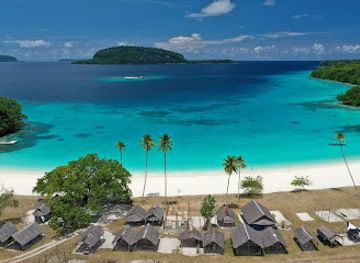


Best shops in Aore Island
Shopping on Aore Island is very limited, with little reason to expect a conventional high street, supermarket or craft market. Visitors should purchase cash, medicines, snacks, toiletries, phone credit and any specialist equipment in Luganville before crossing the channel. Small accommodation outlets may sell selected drinks, souvenirs or locally made items, but stock and payment methods vary. Luganville provides the area’s main choice of shops and practical supplies, while local produce and handmade goods may sometimes be available through community contacts or markets rather than permanent retail premises. Useful purchases include Vanuatu-grown coffee, cocoa, spices, woven items, carvings and packaged local foods, provided they are bought legally and with respect for cultural ownership. Never remove coral, shells, archaeological material or natural objects from the island. In practical terms, Aore is a place to arrive prepared, not a destination for extensive retail browsing.
-
Resort hotel
Aore Island Resort
Discover the serene beauty and adventure of Aore Island Resort, a tropical paradise in Vanuatu with pristine beaches and vibrant marine life.
-
Diving center
Aore Adventure Sports & Lodge
Discover adventure and relaxation at Aore Adventure Sports & Lodge, a premier diving destination in Espiritu Santo, Vanuatu.
-
Tourist attraction
Freshwater Plantation - Aore Island
Discover Freshwater Plantation on Aore Island, a stunning tourist attraction blending vibrant agriculture with delicious local dining amidst breathtaking natural beauty.
-
Grocery store
LCM
Explore local flavors and essentials at LCM, Luganville's premier grocery store, where convenience meets vibrant culture.


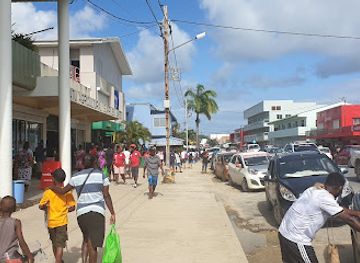
Get your free copy of our complete guide to Aore Island, delivered straight to you.
Everything on this page, from attractions and restaurants to essentials and local phrases, in one PDF you can read offline, print or share.
Already have an account? Sign in
Your Aore Island guide is ready.
We'll send it to · Not you? Sign out

Getting your guide ready…
We are putting together a fresh copy of the Aore Island guide. This can take up to a minute.
This can take a few moments. If your browser asks, choose Allow so the download can start. You'll find the guide in your Downloads folder.
Nothing happened? Download it again
Sorry, the guide is taking longer than usual. Please try again in a minute, or get it by email instead.
Aore Island essentials
Currency and Payment
Safety
Emergency Situations
Do's and Don'ts
Local Tips
From Eve
Local phrases worth knowing
You don't need to get them perfect. A few words go a long way, and locals appreciate the effort.
Basics
| English | Local | Say it |
|---|---|---|
| Hello | Halo | [ha-lo] |
| Goodbye | Bai | [bye] |
| Yes | Yes | [yes] |
| No | No | [no] |
| Please/You're welcome | Plis | [plees] |
| Thank you | Tenkyu | [ten-kyu] |
| Excuse me/Sorry | Sori | [so-ree] |
| How are you? | Olsem wanem? | [ol-sem wa-nem] |
| Fine. And you? | Oke. Yu? | [o-ke. yu] |
| Do you speak English? | Yu save tok English? | [yu sa-ve tok in-glish] |
| I don't understand | Mi no save | [mi no sa-ve] |
Eating & Drinking
| English | Local | Say it |
|---|---|---|
| I'd like to see the menu, please | Mi wantem lukim menu, plis | [mi wan-tem lu-kim me-nu, plees] |
| I don't eat meat | Mi no eatem mit | [mi no ee-tem mit] |
| Cheers! | Cheers! | [cheers] |
| I would like to pay, please | Mi wantem pai, plis | [mi wan-tem pai, plees] |
Emergencies
| English | Local | Say it |
|---|---|---|
| Help! | Help! | [help] |
| Go away! | Go awei! | [go a-wei] |
| Call the Police! | Kolim Polisi! | [ko-lim po-li-si] |
| Call a doctor! | Kolim dokta! | [ko-lim dok-ta] |
| I'm lost | Mi i los | [mi i los] |
| I'm ill | Mi sik | [mi sik] |
Shopping
| English | Local | Say it |
|---|---|---|
| I'd like to buy... | Mi wantem bai... | [mi wan-tem bai] |
| I'm just looking | Mi jus lukim | [mi jus lu-kim] |
| How much is it? | Hao mak it? | [hao mak it] |
| That's too expensive | Dat i tu ekspensiv | [dat i tu eks-pen-siv] |
| Can you lower the price? | Yu save reducem pris? | [yu sa-ve re-du-cem pris] |
Time & Numbers
| English | Local | Say it |
|---|---|---|
| What time is it? | Hao taem i? | [hao ta-em i] |
| It's one o'clock | I wan o'klok | [i wan o-klok] |
| Half past (10) | Haf pas (10) | [haf pas (ten)] |
| Morning | Mornin | [mor-ning] |
| Afternoon | Aftanun | [af-ta-nun] |
| Evening | Ivening | [i-ve-ning] |
| Yesterday | Yestede | [yes-te-de] |
| Today | Tude | [tu-de] |
| Tomorrow | Tumoro | [tu-mo-ro] |
| 1 | Wan | [wan] |
| 2 | Tu | [tu] |
| 3 | Tri | [tri] |
| 4 | Foa | [fo-a] |
| 5 | Faef | [fa-ef] |
| 6 | Siks | [siks] |
| 7 | Sev | [sev] |
| 8 | Eit | [eit] |
| 9 | Nain | [nain] |
| 10 | Ten | [ten] |
Transport & Directions
| English | Local | Say it |
|---|---|---|
| Where's a/the...? | Wea i ...? | [we-a i ...?] |
| What's the address? | Hao i nem? | [hao i nem?] |
| Can you show me (on the map)? | Yu save shoem mi (long map)? | [yu sa-ve sho-em mi (long map)?] |
| When's the next (bus)? | Hao taem i nem (bus)? | [hao ta-em i nem (bus)?] |
| A ticket (to ....) | Wan tiket (go ...) | [wan ti-ket (go ...)] |
History of Aore Island
Lapita Settlement and Early Island Communities
The islands of Vanuatu were settled by seafaring Austronesian peoples during the broad period associated with Lapita expansion across the western Pacific. Archaeological evidence from the wider Santo region records early communities who cultivated crops, fished, made pottery and maintained connections between islands. Aore forms part of this ancient maritime landscape, although it is not principally known to visitors for a single major archaeological monument. The island’s position beside Espiritu Santo illustrates how communities in Vanuatu traditionally used nearby islands, reefs and channels as interconnected environments rather than as isolated territories.
Custom, Land and Maritime Life
For centuries, ni-Vanuatu communities developed distinctive languages, customary institutions and systems of land stewardship across Santo and its offshore islands. Gardening, fishing, collecting marine resources and inter-island exchange were closely linked to seasonal conditions and customary permissions. These relationships remain important in Vanuatu, where land and coastal resources are not simply commercial assets. Visitors on Aore should understand that access to beaches, forest paths, reefs and privately managed areas may depend on local arrangements, and that customary ownership continues to shape everyday life beyond the accommodation areas.
European Contact and the Nineteenth-Century Trade Economy
European navigators reached the New Hebrides, the former name for Vanuatu, from the late eighteenth century, but sustained outside involvement intensified during the nineteenth century. Sandalwood extraction, labour recruitment, missionary activity and commercial shipping affected Espiritu Santo and neighbouring islands. These processes brought new goods, religions and political pressures while also causing violence, disease and disruption. Aore’s location beside Santo placed it within the same maritime and economic system, even though the most prominent trading and administrative activity developed at larger settlements on Espiritu Santo.
Missions, Plantations and Colonial Rule
Christian missions expanded across the New Hebrides during the nineteenth and early twentieth centuries, alongside plantations and other colonial enterprises. Communities on Santo and nearby islands experienced changes to religious practice, labour patterns, education and relations with foreign traders. From 1906, the Anglo-French Condominium administered the New Hebrides through parallel British and French systems, an unusual arrangement that produced overlapping courts, officials and institutions. The legacy of this period can still be seen across Luganville and Espiritu Santo in colonial-era buildings, church communities and the island’s multilingual cultural history.
The Second World War in Espiritu Santo
Espiritu Santo became a major Allied military and logistics base during the Second World War, particularly after the United States established extensive facilities around what is now Luganville. Airfields, roads, hospitals, warehouses and naval installations transformed the local economy and landscape, while the surrounding waters became strategically important. Aore lay close to this activity across the channel, but the principal surviving wartime sites and interpretations are on Espiritu Santo rather than concentrated on the island itself. The period accelerated urban growth and left a substantial historical imprint on the region.
Independence and Contemporary Vanuatu
The New Hebrides became the independent Republic of Vanuatu in 1980 after a period of political mobilisation and constitutional change. Since independence, communities on Espiritu Santo and Aore have combined customary landholding and ni-Vanuatu cultural practices with tourism, agriculture, fishing and service-sector work. Luganville remains the main commercial gateway for the area, while Aore’s contemporary identity is shaped by small-scale accommodation, marine recreation and its close relationship with the channel and nearby communities. Development remains influenced by infrastructure limits, climate vulnerability and the importance of customary land and sea rights.
Aore Island in Photos
Browse through our photo collection highlighting the charm and character of the destination.
Neighbouring regions of Aore Island
The closest regions to Aore Island, if you have time for more than one.
-

-

-

-

-


Swipe for more regions
Explore more

Explore more of Vanuatu
Discover Vanuatu, a pristine South Pacific paradise with breathtaking beaches, vibrant culture, thrilling adventures, and some of the world's best diving spots.
Explore Vanuatu