

Torres Islands, Vanuatu Travel Guide
Discover the untouched wonders of Torres Islands, Vanuatu - a paradise of pristine beaches, vibrant marine life, and rich cultural heritage.
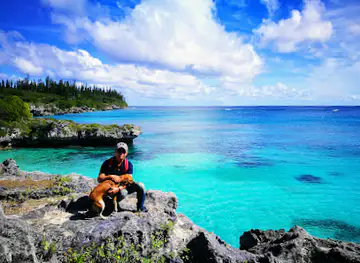
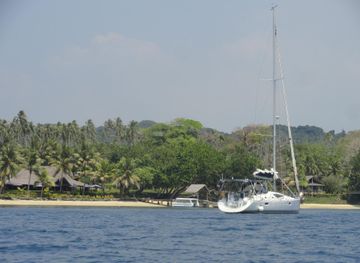
The Torres Islands in Vanuatu offer an experience unlike any other. This remote archipelago, located in the northernmost part of the country, is known for its pristine beaches, crystal-clear waters, and lush greenery. The islands are a perfect escape for those seeking tranquility and natural beauty, away from the hustle and bustle of more crowded tourist destinations. The Torres Islands are rich in cultural heritage. Visitors have the unique opportunity to immerse themselves in the traditional lifestyle of the local communities. The islanders are known for their warm hospitality, and you can witness age-old customs, dances, and ceremonies that have been passed down through generations. The local cuisine, primarily based on fresh seafood and tropical fruits, is a treat for the taste buds. Adventure enthusiasts will find plenty to do in the Torres Islands. The waters surrounding the islands are ideal for snorkeling and diving, with vibrant coral reefs and diverse marine life. Hiking trails through lush forests lead to stunning viewpoints and hidden waterfalls. Birdwatchers can spot rare and exotic species that inhabit the islands. Whether you're looking to relax on a secluded beach or embark on an adventurous journey, the Torres Islands offer a unique and unforgettable experience.

Know before you go
Hi, I'm Eve. Here are a few practical things to know before exploring Torres Islands.
- Pack light and breathable clothing, as the climate is tropical and humid.
- Bring snorkeling gear to explore the vibrant coral reefs.
- Respect local customs and traditions; always ask for permission before taking photos of people.
- Carry insect repellent to protect against mosquitoes.
- Try the local seafood dishes for an authentic culinary experience.
- Plan your visit during the dry season (May to October) for the best weather conditions.
Explore Torres Islands: Things to Do, Places to Eat, Hotels & More
Handpicked recommendations for top attractions, local dining, accommodations, and more

Top Attractions & Sightseeing in Torres Islands
Top-rated picks
Best Attractions

Evergreen Cascades Waterfall
Experience the natural beauty of Evergreen Cascades Waterfall in Vanuatu, a tranquil oasis perfect for relaxation and adventure in lush surroundings.
Vanuatu National Museum
Explore Vanuatu's vibrant culture and history at the National Museum in Port Vila, a must-visit destination for every traveler.

Eden on the River
Explore Eden on the River in Vanuatu, a stunning tourist attraction featuring nature tours, crystal-clear waters, and vibrant local culture in a tropical paradise.

Top Rock
Discover the awe-inspiring views and thrilling adventures at Top Rock, a must-see tourist attraction in Saama, Vanuatu.


Best bars in Torres Islands
Top-rated picks
Best Bars

The Beach Bar
Discover the ultimate family-friendly beachside dining at The Beach Bar in Mele, Vanuatu, where delicious food meets stunning ocean views.

Iririki Island Resort
Discover the serene beauty and luxury of Iririki Island Resort, a tropical getaway in Vanuatu with stunning views and endless adventures.

Nambawan Café
Discover the seaside culinary delight of Nambawan Café in Port Vila, where stunning views meet delicious local flavors for an unforgettable experience.

Breakas Beach Resort
Discover the ultimate tropical paradise at Breakas Beach Resort in Vanuatu, where relaxation meets adventure on the stunning shores of Efate.


Best shops in Torres Islands
Top-rated picks
Best Shops

Iririki Island Resort
Discover the enchanting beauty of Iririki Island Resort, a serene escape in Vanuatu with stunning views, luxurious accommodations, and thrilling water sports.

Nambawan Café
Discover the vibrant flavors and stunning views at Nambawan Café in Port Vila, Vanuatu, where every meal is a delightful experience.

Fung Kuei Duty Free
Explore the best of Port Vila at Fung Kuei Duty Free, where you can find unique souvenirs, luxury items, and unbeatable prices.

Nasama Resort
Discover the beauty and tranquility of Nasama Resort, a stunning beachfront getaway in Port Vila, Vanuatu, perfect for relaxation and adventure.

Explore Torres Islands on the Map
A handpicked selection of must-see spots in Torres Islands, mapped for you.
Torres Islands Essentials
-
The Torres Islands are located in the northern part of Vanuatu. The most convenient way to get there is by flying into Vanuatu's main international gateway, Bauerfield International Airport (VLI) in Port Vila. From Port Vila, you can take a domestic flight to the Torres Islands, typically via the island of Espiritu Santo. Regular flights are operated by Air Vanuatu. Alternatively, you can charter a boat from Espiritu Santo or Port Vila, but be prepared for a long journey.
-
Transportation within the Torres Islands is limited. The primary means of getting around is by small boats, locally known as 'banana boats,' which connect the various islands. Walking is also a common mode of transport, as the islands are small and many areas are accessible on foot. There are no formal taxi services, but locals often offer rides for a fee. Renting a vehicle is not an option due to the lack of infrastructure.
-
The official currency of Vanuatu is the Vanuatu Vatu (VUV). Credit cards are rarely accepted in the Torres Islands, so it is essential to carry enough cash for your needs. ATMs are not available on the islands, so make sure to withdraw sufficient cash before leaving Port Vila or Espiritu Santo. It's also advisable to carry small denominations, as making change can sometimes be difficult.
-
The Torres Islands are generally safe for tourists. However, standard precautions should be taken, such as not walking alone at night and being mindful of your belongings. There are no high-crime areas targeting tourists specifically, but it's always wise to stay vigilant. Be cautious around water, as currents can be strong, and always check with locals about safe swimming areas.
-
In case of an emergency, medical facilities are limited on the Torres Islands. It is crucial to have comprehensive travel insurance that includes medical evacuation. For medical emergencies, you may need to be transported to a larger island or back to Port Vila. The local emergency contact number is 112. It's also a good idea to bring a basic first aid kit and any essential medications.
-
Fashion: Do dress modestly, especially when visiting villages. Avoid wearing revealing clothing. Religion: Do respect local customs and traditions. Always ask for permission before entering sacred sites. Public Transport: Do be patient, as transport schedules can be unpredictable. Don't expect Western standards of punctuality. Greetings: Do greet locals with a smile and a friendly 'Halo.' It is polite to ask about someone's well-being. Eating & Drinking: Do try local foods and be respectful when offered a meal. Don't refuse food, as it can be considered impolite.
-
To experience the Torres Islands like a local, engage with the community and participate in traditional activities such as fishing or weaving. Attend local ceremonies if invited, and always show respect for local customs. Learning a few phrases in Bislama, the local language, can go a long way in building rapport with the residents. Don’t miss visiting the beautiful coral reefs and exploring the lush landscapes.
When is the best time to visit Torres Islands?
Useful Local Phrases for Torres Islands
You don't need to speak the language perfectly. Even learning a few simple words can make conversations warmer—and locals usually appreciate the effort.
— Eve

Here are the phrases I use most often in Torres Islands. Try a few—you'll be surprised how far they go! 😊
❤️
-
- HelloHalo
[ha-lo] - GoodbyeSore
[so-re] - YesYes
[yes] - NoNo
[no] - Please/You're welcomePlis
[plees] - Thank youTenkyu
[ten-kyu] - Excuse me/SorrySori
[so-ri] - How are you?Olsem wanem?
[ol-sem wa-nem] - Fine. And you?Sikrin. Na yu?
[si-kreen na yu] - Do you speak English?Yu save tok English?
[yu sa-ve tok in-glish] - I don't understandMi no save.
[mi no sa-ve]
- HelloHalo
-
- I'd like to see the menu, pleaseMi wantem lukim menu, plis.
[mi wan-tem lu-kim me-nu plis] - I don't eat meatMi no kaek meat.
[mi no kaek meet] - Cheers!Tukim!
[tu-kim] - I would like to pay, pleaseMi wantem pay, plis.
[mi wan-tem pay plis]
- I'd like to see the menu, pleaseMi wantem lukim menu, plis.
-
- Help!Help!
[help] - Go away!Go awei!
[go a-wei] - Call the Police!Kolim Polisi!
[ko-lim po-li-si] - Call a doctor!Kolim dokta!
[ko-lim dok-ta] - I'm lostMi lus.
[mi lus] - I'm illMi sik.
[mi sik]
- Help!Help!
-
- I'd like to buy...Mi wantem bai...
[mi wan-tem bai] - I'm just lookingMi so-ting.
[mi so-ting] - How much is it?Hao mak it?
[hao mak it] - That's too expensiveI to mahal.
[i to ma-hal] - Can you lower the price?Yu save lukim price?
[yu sa-ve lu-kim price]
- I'd like to buy...Mi wantem bai...
-
- What time is it?Hao taem nao?
[hao taem nao] - It's one o'clockI wan o'clock.
[i wan o-clock] - Half past (10)Half past (10).
[half past ten] - MorningMornin.
[mor-nin] - AfternoonAftanun.
[af-ta-nun] - EveningIvinin.
[i-vin-in] - YesterdayYestede.
[yes-te-de] - TodayTude.
[tu-de] - TomorrowTumoro.
[tu-mo-ro] - 1Wan
[wan] - 2Tu
[tu] - 3Tri
[tri] - 4Foa
[fo-a] - 5Faev
[faev] - 6Siks
[siks] - 7Sev
[sev] - 8Eit
[eit] - 9Nain
[nain] - 10Ten
[ten]
- What time is it?Hao taem nao?
-
- Where's a/the...?Wea a/the...?
[we-a a/the] - What's the address?Hao address?
[hao ad-dres] - Can you show me (on the map)?Yu save soim mi (long mapa)?
[yu sa-ve so-im mi long ma-pa] - When's the next (bus)?Hao taem next (bus)?
[hao taem next bus] - A ticket (to ....)Wan tiket (go ....)
[wan ti-ket go]
- Where's a/the...?Wea a/the...?
History of Torres Islands
-
The Torres Islands, part of the northernmost islands in Vanuatu, were first settled by Melanesian peoples thousands of years ago. The indigenous communities developed a rich culture with unique languages, customs, and traditions. Archaeological evidence suggests that these early settlers were adept at navigation, agriculture, and fishing, which were vital for their survival on these remote islands.
-
The first recorded European contact with the Torres Islands occurred in 1606 when Portuguese explorer Pedro Fernandes de Queirós sighted the islands. However, it wasn't until the late 18th century that more detailed encounters took place. In 1781, French explorer Jean-François de Galaup, comte de Lapérouse, passed by the islands during his Pacific expedition. These early encounters were usually brief and did not lead to significant interactions with the local populations.
-
In the late 19th century, the Torres Islands came under the influence of European colonial powers, primarily the British and French. The islands became part of the Anglo-French Condominium of the New Hebrides in 1906, a unique colonial arrangement where both countries shared administrative control. During this period, the indigenous communities experienced significant changes due to missionary activities, the introduction of new crops, and the impact of European diseases.
-
World War II had a considerable impact on the Torres Islands, as the Pacific Theater saw intense military activity. Although the Torres Islands were not a major battleground, the presence of Allied forces in Vanuatu brought about infrastructure developments and increased interactions with the outside world. The war also led to the construction of airstrips and other facilities, some remnants of which can still be seen today.
-
The mid-20th century saw growing movements for independence across the Pacific region. For the Torres Islands, this period was marked by increasing political activism and the push for self-governance. Vanuatu eventually gained independence from the Anglo-French Condominium on July 30, 1980. The Torres Islands became part of the newly established Republic of Vanuatu, and the local communities began to navigate their path in the post-colonial era.
-
In recent decades, there has been a strong focus on preserving and reviving the cultural heritage of the Torres Islands. Efforts have been made to document traditional practices, rituals, and languages, ensuring that the rich cultural tapestry of the islands is passed down to future generations. Festivals and cultural events celebrate the unique identity of the Torres Islanders, drawing visitors who are eager to experience their vibrant traditions.
-
Today, the Torres Islands are a fascinating blend of tradition and modernity. While the communities maintain their traditional way of life, they are also adapting to the challenges and opportunities of the 21st century. Tourism is emerging as a vital part of the local economy, with visitors drawn to the islands' pristine natural beauty, rich history, and cultural experiences. The Torres Islands continue to be a testament to the resilience and adaptability of their people.
Neighbouring Regions of Torres Islands
The closest regions to Torres Islands, if you have time for more than one.



Your all‑in‑one travel companion app
Explore expert travel guides, compare and book tours, experiences, hotels, and more—all from the palm of your hand. Download now for seamless trip planning wherever your wanderlust takes you.


Explore More of Vanuatu

Looking beyond Torres Islands? Discover Vanuatu for broader travel guides, local hot-spots, and regional highlights.
Explore VanuatuTorres Islands in Photos
Browse through our photo collection highlighting the charm and character of the destination.


Exploring the Untouched Beauty of Torres Islands
The Torres Islands in Vanuatu offer an experience unlike any other. This remote archipelago, located in the northernmost part of the country, is known for its pristine beaches, crystal-clear waters, and lush greenery. The islands are a perfect escape for those seeking tranquility and natural beauty, away from the hustle and bustle of more crowded tourist destinations. The Torres Islands are rich in cultural heritage. Visitors have the unique opportunity to immerse themselves in the traditional lifestyle of the local communities. The islanders are known for their warm hospitality, and you can witness age-old customs, dances, and ceremonies that have been passed down through generations. The local cuisine, primarily based on fresh seafood and tropical fruits, is a treat for the taste buds. Adventure enthusiasts will find plenty to do in the Torres Islands. The waters surrounding the islands are ideal for snorkeling and diving, with vibrant coral reefs and diverse marine life. Hiking trails through lush forests lead to stunning viewpoints and hidden waterfalls. Birdwatchers can spot rare and exotic species that inhabit the islands. Whether you're looking to relax on a secluded beach or embark on an adventurous journey, the Torres Islands offer a unique and unforgettable experience.