

Free Banks Islands Travel Guide & Mobile App
Explore Banks Islands with free travel guides. Discover regional history, expert tips, proposed trips, and audio guides on web or mobile app.


Explore Vanuatu’s Banks Islands for volcanic landscapes, remote villages, coral waters, customary culture and adventurous island travel.
Read more about Banks Islands
When is the best time to visit Banks Islands?
Best: June–August · 26–27°C| Month | High (°C) | Rainfall (mm) |
|---|---|---|
| January | 29 | 300 |
| February | 29 | 250 |
| March | 29 | 250 |
| April | 29 | 200 |
| May | 28 | 150 |
| June (best) | 27 | 120 |
| July (best) | 26 | 120 |
| August (best) | 26 | 120 |
| September | 27 | 150 |
| October | 28 | 200 |
| November | 29 | 250 |
| December | 29 | 300 |
Getting to and around Banks Islands
How to get there
Transportation
Top city travel guides in Banks Islands
The cities of Banks Islands, and the easiest places to base yourself.

Swipe for more cities
Best attractions in Banks Islands
The Banks Islands’ attractions are primarily landscapes, community experiences and outdoor journeys rather than developed sightseeing complexes. On Gaua, Lake Letas occupies the caldera of the island’s volcanic interior, while Mount Gharat and the surrounding rainforest create a demanding setting for guided walks. Waterfalls, hot or mineral-rich springs and remote coastal settlements add variety, although access depends on local knowledge and weather. Vanua Lava combines the practical base of Sola with forested volcanic country, coastal villages and views towards Mount Suretamatai. Its beaches and reefs are suited to locally arranged swimming, snorkelling and fishing outings where conditions permit. Ureparapara’s flooded caldera is an exceptional natural harbour, best appreciated from the water or from carefully planned shore excursions. Mota Lava offers open beaches, gardens and village life, while Mota and Merelava have an even more secluded character. Across the group, visitors may encounter traditional agriculture, canoe travel, reef environments and church or community gatherings. Facilities are basic, trails may be unmarked and independent exploration can create cultural or safety problems, so guides and hosts are central to responsible access.
-
Historical landmark
Ekasup Cultural Village
Experience the vibrant traditions and rich cultural heritage of Vanuatu at Ekasup Cultural Village, a historical landmark in Port Vila.
-
Hiking area
Crocodile River
Explore the breathtaking hiking trails and stunning landscapes of Crocodile River on Vanua Lava, a paradise for nature lovers and adventure seekers alike.
-
Tourist attraction
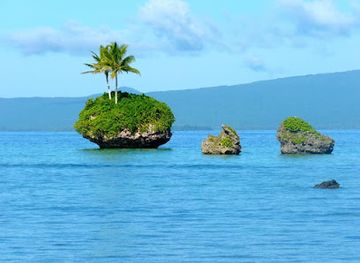
Rah Island
Explore Rah Island, Vanuatu's hidden paradise, where pristine beaches and vibrant culture await your discovery.
-
Tourist attraction
Yemen Conservation Park
Explore Yemen Conservation Park, a natural gem in Vanuatu with rich biodiversity, stunning landscapes, and serene trails perfect for nature lovers and adventurers.
Best landmarks in Banks Islands
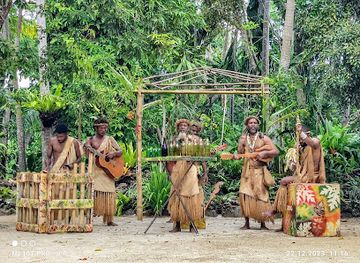
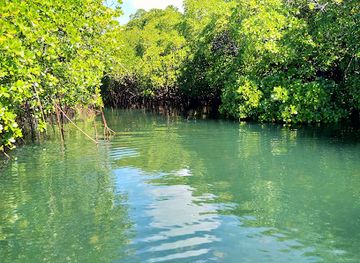
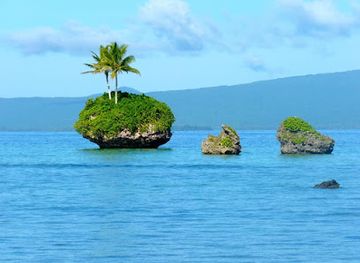
The most recognisable landmarks of the Banks Islands are geological and cultural rather than monumental. Lake Letas, set within Gaua’s volcanic interior, is one of the group’s defining natural features, with Mount Gharat rising from the same powerful volcanic landscape. On Vanua Lava, Mount Suretamatai forms a prominent volcanic presence above the island’s forests and settlements. Ureparapara’s flooded caldera is perhaps the most visually distinctive formation in the archipelago: steep outer slopes enclose a sheltered bay that reveals the island’s volcanic origins. The reefs, beaches and forested volcanic ridges of Mota Lava provide a contrasting landscape of lower relief and open coastal scenery. Village churches, nakamals, canoes and traditional gardens are also important cultural landmarks, although their significance belongs to the communities that use them and should be approached respectfully. There are few grand built monuments, and the meaning of these places lies in the relationship between customary land, living communities and an active island environment.
-
Tourist attraction
Rah Island
Explore the natural beauty and rich culture of Rah Island in Vanuatu, a perfect destination for adventure and relaxation.
-
Island
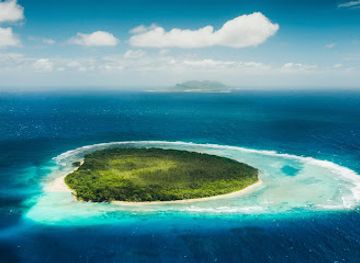
Ravenga
Explore Ravenga Island, a hidden paradise in Vanuatu with stunning beaches, lush landscapes, and vibrant marine life—perfect for adventure and relaxation.
Explore Banks Islands on the map
Plan your trip on one map. See where the top cities, national parks and sights are, and book hotels and experiences in a few clicks.
Best hotels in Banks Islands
Best restaurants in Banks Islands
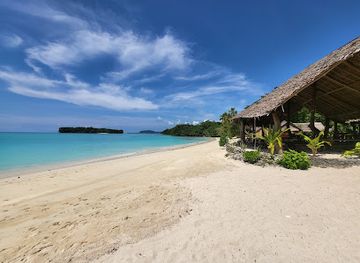
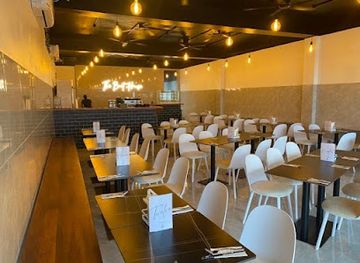
Dining in the Banks Islands is usually home-cooked or arranged through small guesthouses, village hosts and locally organised stays rather than presented as a formal restaurant scene. Meals commonly draw on garden produce such as yam, taro, manioc, sweet potato, bananas and leafy vegetables, with coconut, reef fish and other seafood where available. Laplap, a baked dish of grated root crops and other ingredients, belongs to the wider culinary culture of Vanuatu and may appear at communal or family meals, while fresh tropical fruit is often seasonal. Chicken and tinned or imported foods may supplement local produce in remote settlements. On larger islands, ask hosts about market days and what has been landed or harvested locally; supplies can vary considerably with boats, weather and crop cycles. Visitors staying in simple accommodation should confirm whether meals are included and advise hosts of dietary needs well in advance. Pomelo, coconut products and other northern Vanuatu produce may be encountered, but availability is local and seasonal rather than guaranteed.
-
Restaurant
The Stonegrill Restaurant
Discover an interactive dining experience at The Stonegrill Restaurant in Port Vila, where you cook your meal on sizzling hot stones.
-
Restaurant
Three Pigs
Experience Vanuatu's culinary delights at Three Pigs - home of gourmet burgers, tacos & pizzas with stunning views in Port Vila.
-
Restaurant
Chez Louis Restaurant
Discover exquisite dining at Chez Louis Restaurant in Port Olry, where breathtaking ocean views meet exceptional local cuisine.
-
Restaurant
The Boat House - Cafe - Restaurant - Bar
Discover the taste of Vanuatu at The Boat House - where great food meets stunning ocean views in Port Vila.
Best bars in Banks Islands
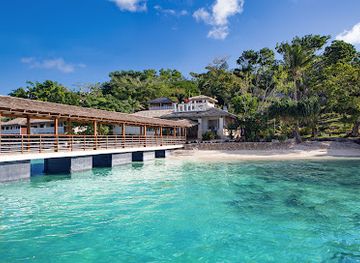
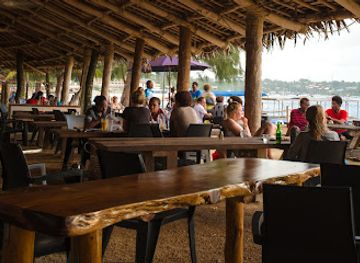
The Banks Islands do not have a conventional nightclub circuit. Evening life is centred on family homes, village gatherings, churches, small kava venues and modest local nakamals, where kava may be prepared and consumed in a setting governed by local custom. Sola offers the greatest concentration of practical services on Vanua Lava, but nightlife remains quiet and informal. Elsewhere, guesthouse dinners, community events, conversation and occasional music provide the main evening activities. Alcohol is available in some settings but should not be assumed to be widely stocked, and visitors should follow local expectations about where and when it is appropriate to drink. Bring a torch for walking after dark, as street lighting is limited or absent beyond settlement centres. On remote islands, the night is more likely to be shaped by sea conditions, village routines and an early start than by late entertainment.
-
Family-friendly
The Beach Bar
Discover the charm of The Beach Bar in Mele, Vanuatu, where families can savor delicious cuisine amidst breathtaking ocean views.
-
Resort hotel
Iririki Island Resort
Experience the beauty of Vanuatu at Iririki Island Resort, where luxury meets nature in a tropical paradise.
-
Cafe
Nambawan Café
Experience delectable local and international cuisine with stunning ocean views at Nambawan Café in Port Vila, Vanuatu.
-
 Bar
BarErakor Island Resort
Experience the beauty of Vanuatu at Erakor Island Resort, where luxury meets nature in a tropical paradise.

Best nightclubs in Banks Islands
The Banks Islands do not have a conventional nightclub circuit. Evening life is centred on family homes, village gatherings, churches, small kava venues and modest local nakamals, where kava may be prepared and consumed in a setting governed by local custom. Sola offers the greatest concentration of practical services on Vanua Lava, but nightlife remains quiet and informal. Elsewhere, guesthouse dinners, community events, conversation and occasional music provide the main evening activities. Alcohol is available in some settings but should not be assumed to be widely stocked, and visitors should follow local expectations about where and when it is appropriate to drink. Bring a torch for walking after dark, as street lighting is limited or absent beyond settlement centres. On remote islands, the night is more likely to be shaped by sea conditions, village routines and an early start than by late entertainment.
-
Family-friendly
The Beach Bar
Discover family-friendly relaxation at The Beach Bar in Vanuatu, where stunning ocean views meet delicious cuisine and a vibrant atmosphere.
-
Bar
Banyan Beach Bar
Discover the laid-back charm of Banyan Beach Bar in Port Vila, where stunning ocean views and refreshing cocktails await you.
-
Bar
War Horse Saloon
Discover the vibrant nightlife and local flavor at War Horse Saloon in Port Vila, Vanuatu - a bar where fun and relaxation meet.
-
Sports bar
The Retreat Seaside Sports Bar & Resort
Experience the ultimate blend of relaxation and excitement at The Retreat Seaside Sports Bar & Resort in Port Vila, Vanuatu.

Best shops in Banks Islands
Shopping in the Banks Islands is limited and practical, with no large retail district or dependable range of tourist shops. Sola on Vanua Lava has the most useful local purchasing opportunities, while smaller island communities may offer produce, prepared food or occasional locally made items through personal arrangements rather than permanent market stalls. Visitors may find woven articles, carvings, baskets, mats, shell work or other handicrafts, but availability, materials and prices vary by island and maker. Ask before photographing or handling craftwork, and buy directly from the producer where possible. Fresh fruit, root crops, coconut products and fish may be available seasonally, although transport and weather affect supply. Bring specialist equipment, medicines, toiletries, batteries and other essentials from Port Vila or another larger centre. A respectful locally made craft or contribution for a community-arranged experience is generally more meaningful than mass-produced souvenirs, but do not purchase archaeological objects, protected wildlife products or items whose customary ownership is unclear.
-
Resort hotel
Iririki Island Resort
Discover the serene beauty and luxurious comforts of Iririki Island Resort, a tropical haven in the heart of Vanuatu.
-
Resort hotel
Warwick Le Lagon - Vanuatu
Experience luxury and tranquility at Warwick Le Lagon, a premier resort in Vanuatu with stunning lagoon views, golf, and spa amenities.
-
Gift shop
Fung Kuei Duty Free
Fung Kuei Duty Free: Experience the best shopping in Port Vila with exceptional duty-free prices on liquor, gifts, and luxury items.
-
Supermarket
Au Bon Marché Numbatu
Explore local flavors and products at Au Bon Marché Numbatu, Port Vila's vibrant supermarket showcasing Vanuatu's culinary culture.


Get your free copy of our complete guide to Banks Islands, delivered straight to you.
Everything on this page, from attractions and restaurants to essentials and local phrases, in one PDF you can read offline, print or share.
Already have an account? Sign in
Your Banks Islands guide is ready.
We'll send it to · Not you? Sign out

Getting your guide ready…
We are putting together a fresh copy of the Banks Islands guide. This can take up to a minute.
This can take a few moments. If your browser asks, choose Allow so the download can start. You'll find the guide in your Downloads folder.
Nothing happened? Download it again
Sorry, the guide is taking longer than usual. Please try again in a minute, or get it by email instead.
Banks Islands essentials
Currency and Payment
Safety
Emergency Situations
Do's and Don'ts
Local Tips
From Eve
Local phrases worth knowing
You don't need to get them perfect. A few words go a long way, and locals appreciate the effort.
Basics
| English | Local | Say it |
|---|---|---|
| Hello | Halo | [ha-lo] |
| Goodbye | Tata | [ta-ta] |
| Yes | Yes | [yes] |
| No | No | [no] |
| Please/You're welcome | Plis | [plees] |
| Thank you | Tenkyu | [ten-kyu] |
| Excuse me/Sorry | Sori | [so-ree] |
| How are you? | Yu stap gud? | [yu stap good] |
| Fine. And you? | Mi stap gud. Yu? | [mee stap good. yu] |
| Do you speak English? | Yu tok Pijin? | [yu tok pee-jin] |
| I don't understand | Mi no save | [mee no sa-veh] |
Eating & Drinking
| English | Local | Say it |
|---|---|---|
| I'd like to see the menu, please | Mi wantem luk menu, plis | [mee wan-tem look men-oo, plees] |
| I don't eat meat | Mi no kaek meat | [mee no kai-ik meet] |
| Cheers! | Kia ora! | [key-a or-a] |
| I would like to pay, please | Mi wantem pe, plis | [mee wan-tem pay, plees] |
Emergencies
| English | Local | Say it |
|---|---|---|
| Help! | Help! | [help] |
| Go away! | Go awei! | [go ah-way] |
| Call the Police! | Kol Poliz! | [call po-leez] |
| Call a doctor! | Kol dokta! | [call doc-ta] |
| I'm lost | Mi las | [mee las] |
| I'm ill | Mi sik | [mee seek] |
Shopping
| English | Local | Say it |
|---|---|---|
| I'd like to buy... | Mi wantem baem... | [mee wan-tem buy-em] |
| I'm just looking | Mi jast luk | [mee jast look] |
| How much is it? | Hao makem? | [how mak-em] |
| That's too expensive | Dat i tu ekspensiv | [dat ee too eks-pen-siv] |
| Can you lower the price? | Yu ken redusem prais? | [yu ken re-doo-sem price] |
Time & Numbers
| English | Local | Say it |
|---|---|---|
| What time is it? | Hao taem i? | [how time ee] |
| It's one o'clock | I wan o'klok | [ee wan oh-clock] |
| Half past (10) | Haf pas (10) | [half pas ten] |
| Morning | Mornin | [mor-ning] |
| Afternoon | Aftanun | [af-ta-noon] |
| Evening | Ivening | [ee-ven-ing] |
| Yesterday | Yestide | [yes-ti-de] |
| Today | Tude | [too-de] |
| Tomorrow | Tumoro | [too-mo-ro] |
| 1 | Wan | [wan] |
| 2 | Tu | [too] |
| 3 | Tri | [tree] |
| 4 | Foa | [foa] |
| 5 | Faev | [fayv] |
| 6 | Sik | [sik] |
| 7 | Seven | [sev-en] |
| 8 | Eit | [eight] |
| 9 | Nain | [nine] |
| 10 | Ten | [ten] |
Transport & Directions
| English | Local | Say it |
|---|---|---|
| Where's a/the...? | Wea i...? | [wea ee] |
| What's the address? | Hao i adres? | [how ee ah-dress] |
| Can you show me (on the map)? | Yu ken shoem mi (long map)? | [yu ken show-em mee (long map)] |
| When's the next (bus)? | Hao taem i nekst (bus)? | [how time ee next (bus)] |
| A ticket (to ....) | Wan tiket (go....) | [wan ticket (go)] |
History of Banks Islands
Lapita Settlement and Austronesian Voyaging
The Banks Islands were settled as part of the wider movement of Austronesian-speaking seafarers through the western Pacific. Archaeological evidence from Vanuatu shows that Lapita communities were established in the archipelago more than 3,000 years ago, bringing ocean-going navigation, pottery traditions, domesticated plants and animals, and new forms of social organisation. Over many generations, island communities adapted these foundations to local reefs, volcanic soils and forests. The remarkable linguistic diversity of the Banks Islands reflects a long history of independent village networks and interaction across short but sometimes difficult sea crossings.
Island Communities Before European Rule
Before sustained European involvement, Banks Islands societies were organised through customary authority, kinship, exchange and ceremonial obligations. Gardens supplied yams, taro, manioc, bananas and other crops, while reefs and surrounding waters provided fish and shellfish. Canoe travel connected villages and islands, although local seas could be hazardous. Customary knowledge governed land use, marriage, dispute settlement and relations with ancestors and sacred places. These systems were not uniform: Mota, Mota Lava, Vanua Lava, Gaua and Ureparapara developed distinct languages and traditions that remain important to community identity.
European Exploration and the Banks Name
European ships began charting the northern islands during the era of Pacific exploration. The Banks Islands are associated with Captain James Cook’s 1774 voyage, when the group was named in honour of the naturalist Joseph Banks, who had sailed with Cook on his first expedition. European maps gradually incorporated the islands, but charting did not mean effective control. For much of the nineteenth century, contact remained intermittent, and island communities continued to manage their own affairs through customary institutions and regional exchange.
Missionaries, Labour Trade and Colonial Administration
Christian missionaries became increasingly active in the New Hebrides during the nineteenth century, and conversion brought major changes to religious practice, education, settlement patterns and leadership. The period was also marked by coercive labour recruitment, commonly known as blackbirding, which took workers from many Melanesian islands for plantations elsewhere. European commercial interests and missionary influence expanded unevenly across the Banks Islands. Britain and France later administered the New Hebrides through the unusual Anglo-French Condominium, established in 1906, creating overlapping legal and administrative systems that lasted until independence.
The New Hebrides Condominium
Under the Condominium, the Banks Islands were part of a colonial territory in which British and French authorities operated alongside one another. Administration, schooling, church affiliation and commercial links could therefore follow different channels, while local communities continued to rely heavily on customary governance. Copra production and small-scale agriculture connected the islands to external markets, though distance and rough seas limited development. The colonial period also brought new transport routes, introduced goods and forms of education, but it did not erase the authority of local landholding and customary institutions.
Independence and Torba Province
The country became independent as Vanuatu in 1980 after political mobilisation and negotiations that ended the Condominium. The Banks and Torres Islands were placed within Torba Province, whose name combines Torres and Banks. Since independence, communities have balanced customary land rights and local languages with national administration, schooling, church life and increasingly mobile livelihoods. The islands remain among Vanuatu’s least urbanised areas. Their contemporary identity is shaped by resilience, subsistence and commercial agriculture, strong community obligations, and cautious engagement with tourism and outside development.
Banks Islands in Photos
Browse through our photo collection highlighting the charm and character of the destination.
Neighbouring regions of Banks Islands
The closest regions to Banks Islands, if you have time for more than one.
-

-

-

-

-


Swipe for more regions
Explore more

Explore more of Vanuatu
Discover Vanuatu, a pristine South Pacific paradise with breathtaking beaches, vibrant culture, thrilling adventures, and some of the world's best diving spots.
Explore Vanuatu