

Free Belvedere Courtyard Travel Guide & Mobile App
Explore Belvedere Courtyard with free travel guides. Discover regional history, expert tips, proposed trips, and audio guides on web or mobile app.


Belvedere Courtyard in Vatican City combines Renaissance architecture, classical sculpture and access to the Vatican Museums within Rome.
Read more about Belvedere Courtyard
When is the best time to visit Belvedere Courtyard?
Best: May–June, September · 24–29°C| Month | High (°C) | Rainfall (mm) |
|---|---|---|
| January | 11 | 70 |
| February | 12 | 61 |
| March | 16 | 65 |
| April | 19 | 57 |
| May (best) | 24 | 46 |
| June (best) | 29 | 26 |
| July | 32 | 15 |
| August | 32 | 25 |
| September (best) | 28 | 49 |
| October | 21 | 65 |
| November | 15 | 81 |
| December | 11 | 75 |
Getting to and around Belvedere Courtyard
How to get there
Transportation
Top city travel guides in Belvedere Courtyard
The cities of Belvedere Courtyard, and the easiest places to base yourself.
-

-

-

-

-

-


Swipe for more cities
Destinations in Belvedere Courtyard
Resorts, valleys and scenic spots worth a trip of their own.
-

-


Swipe for more destinations
Best attractions in Belvedere Courtyard
The principal attraction is the Vatican Museums, of which Belvedere Courtyard is an architectural and historical component rather than an isolated visitor site. The museum route leads through galleries of Greek and Roman sculpture, Renaissance rooms, tapestries, maps and other collections assembled under successive popes. The Belvedere area is particularly important for understanding how ancient sculpture was displayed and studied during the Renaissance. Nearby within Vatican City, but accessed separately, are St Peter's Basilica, the dome, St Peter's Square and the Vatican Gardens, each requiring attention to its own entrance arrangements and dress expectations. The wider experience is cultural and architectural rather than recreational: visitors come to examine works of art, ritual spaces, papal rooms and the evolution of a major European collection. Because the museums are extensive, the most rewarding approach is selective rather than attempting to see every gallery at speed. Temporary exhibitions, room closures and circulation arrangements can change, so current official information should be checked before arrival.
-
Basilica
St. Peter's Basilica
Explore the grandeur of St. Peter's Basilica, a masterpiece of Renaissance architecture and a spiritual haven in Vatican City.
-
 Art museum
Vatican Museums
Discover the artistic marvels and historical treasures of the Vatican Museums, a cultural gem in the heart of Vatican City.
-
Catholic church
Sistine Chapel
Explore the Sistine Chapel in Vatican City, a breathtaking blend of art and spirituality, featuring Michelangelo's iconic masterpieces.
-
Tourist attraction
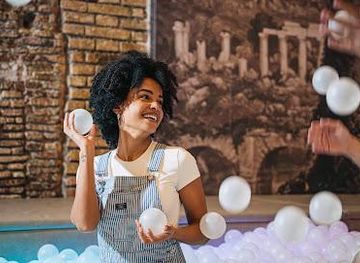
IKONO Roma
Explore IKONO Roma for an unforgettable blend of immersive art experiences and cultural exploration in the heart of Rome.


Best landmarks in Belvedere Courtyard
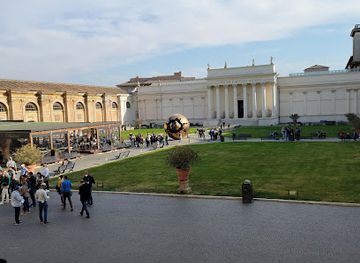
Belvedere Courtyard is itself the defining landmark of this compact destination: its Renaissance terraces and carefully controlled perspectives reveal Bramante's attempt to connect the Vatican Palace with the older Belvedere Palace. The associated Belvedere Palace now forms part of the Vatican Museums and is closely linked with the display history of major classical sculptures. Within the same sovereign territory, St Peter's Basilica and its vast piazza provide the most recognisable architectural setting, although neither is entered directly from the museum courtyard. The Vatican Museums also contain the Sistine Chapel, whose painted interior is a landmark of Renaissance art rather than an exterior monument. The Vatican walls, elevated gardens and palace façades complete the area's distinctive profile. Together these places show how the Vatican combines religious authority, papal residence, museum culture and architectural patronage within a very small territory. Each landmark has separate access rules, and visitors should avoid treating a museum admission as permission to enter every Vatican site.
-
Basilica
St. Peter's Basilica
Explore the breathtaking St. Peter's Basilica, a masterpiece of Renaissance architecture and the spiritual heart of Catholicism.
-
Art museum
Vatican Museums
Discover the unparalleled art and history at Vatican Museums, a must-visit attraction for every traveler in Vatican City.
-
Catholic church
Sistine Chapel
Explore the Sistine Chapel, a breathtaking blend of art and spirituality, showcasing Michelangelo's masterpieces in the heart of Vatican City.
-
Garden
Gardens of Vatican City
Discover the tranquil beauty of the Gardens of Vatican City, a serene retreat filled with history, art, and stunning landscapes in the heart of Rome.


Explore Belvedere Courtyard on the map
Plan your trip on one map. See where the top cities, national parks and sights are, and book hotels and experiences in a few clicks.
Best hotels in Belvedere Courtyard
Best restaurants in Belvedere Courtyard
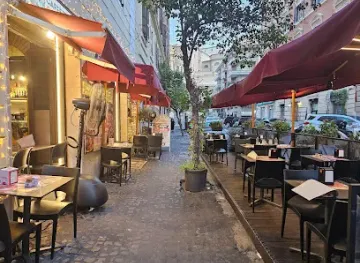
Belvedere Courtyard itself is a museum space and is not a dining quarter. Food options are concentrated outside the Vatican Museums in the surrounding Roman streets, particularly around Prati and Borgo, with cafés, pizzerias, trattorias, gelaterias and casual places serving Roman specialities. Visitors will commonly encounter dishes such as carbonara, amatriciana, cacio e pepe and supplì, which belong to the culinary tradition of Rome and Lazio rather than being foods unique to Vatican City. Espresso, pastries and gelato suit a short break, while a longer meal is better planned away from the busiest museum approaches. Menus close to major attractions can be designed for international visitors and may carry higher prices, so reading the menu and service charges carefully is sensible. The Vatican Museums may have limited food facilities within the visitor route, but arrangements can change; do not rely on them as a substitute for a planned meal.
-
Restaurant
Ristorante dei Musei
Experience authentic Italian flavors at Ristorante dei Musei, where delectable pizzas meet warm hospitality in the heart of Rome.
-
Restaurant
Caffè Delle Commari
Discover Caffè Delle Commari: A cozy restaurant near Vatican City serving exquisite Italian coffee and cocktails.
-
Italian
L'Isola della Pizza
Experience authentic Italian flavors at L'Isola della Pizza, renowned for its exquisite pizzas and Roman dishes near Vatican City.
-
Italian
Hostaria Dino e Tony
Discover authentic Italian flavors at Hostaria Dino e Tony—where every meal tells a story steeped in tradition and taste.


Best bars in Belvedere Courtyard
Belvedere Courtyard has no nightlife of its own and closes as part of the Vatican Museums. Evening activity takes place in Rome, especially in the nearby Prati and Borgo areas, where visitors can find wine bars, cafés, traditional restaurants and hotel bars rather than a concentrated nightclub district. Historic Roman bars often suit an aperitivo or a quiet drink, while livelier late-night options are found elsewhere in the city and require a journey beyond the Vatican area. Alcohol is not necessary to experience the neighbourhood, and visitors should remember that the Vatican's religious and museum character calls for considerate behaviour. Check current closing arrangements for individual establishments, as commercial businesses and seasonal schedules change more frequently than the museum's permanent architecture.
-
Bar
Caffè Delle Commari
Experience the best of Roman café culture at Caffè Delle Commari, where delightful drinks and a cozy atmosphere await near the Vatican.
-
Pizza
Forno Feliziani
Discover Rome's authentic pizza experience at Forno Feliziani, where every slice brings the taste of Italy to your plate.
-
Restaurant
La Locanda di Pietro
Experience authentic Italian cuisine at La Locanda di Pietro, a charming restaurant near the Vatican, perfect for takeout or a cozy meal.
-
Bar
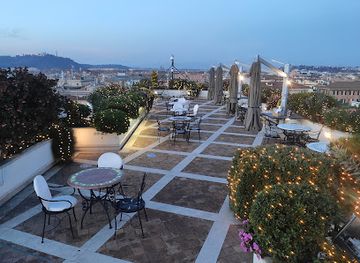
Terrazza Les Étoiles Roma
Experience luxury dining with breathtaking views at Terrazza Les Étoiles, Rome's premier rooftop bar and bistro.


Best nightclubs in Belvedere Courtyard
Belvedere Courtyard has no nightlife of its own and closes as part of the Vatican Museums. Evening activity takes place in Rome, especially in the nearby Prati and Borgo areas, where visitors can find wine bars, cafés, traditional restaurants and hotel bars rather than a concentrated nightclub district. Historic Roman bars often suit an aperitivo or a quiet drink, while livelier late-night options are found elsewhere in the city and require a journey beyond the Vatican area. Alcohol is not necessary to experience the neighbourhood, and visitors should remember that the Vatican's religious and museum character calls for considerate behaviour. Check current closing arrangements for individual establishments, as commercial businesses and seasonal schedules change more frequently than the museum's permanent architecture.
-
Basilica
St. Peter's Basilica
Explore the breathtaking St. Peter's Basilica in Vatican City, a pinnacle of Renaissance art and architecture, steeped in history and spirituality.
-
Art museum
Vatican Museums
Explore the Vatican Museums, home to priceless art and history, including Michelangelo's stunning Sistine Chapel.
-
Catholic church
Sistine Chapel
Explore the Sistine Chapel: A Masterpiece of Renaissance Art and Spiritual Significance in Vatican City.
-
Garden
Gardens of Vatican City
Discover the serene beauty of the Gardens of Vatican City, a tranquil retreat filled with lush greenery and historical treasures in the heart of the Vatican.

Best shops in Belvedere Courtyard
Shopping around Belvedere Courtyard is primarily connected with museum retail and the wider Roman streets outside Vatican City. Museum shops offer art books, exhibition catalogues, postcards, reproductions and design-led gifts related to classical sculpture, Renaissance painting and Vatican collections. Around the Vatican boundary, visitors will also find religious imagery, rosaries, medals and other devotional products, alongside ordinary Roman souvenirs; quality and provenance vary, so compare items rather than buying solely because a shop is close to a landmark. Prati provides a broader selection of everyday shops, food stores, cafés and independent retail than the immediate museum approach. Vatican euro coins are popular souvenirs, but they are collector items rather than a separate currency. Receipts, card security and luggage capacity matter, since museum visits involve screening and substantial walking.
-
Ice Cream
Old Bridge Gelateria
Discover the delightful flavors of authentic Italian gelato at Old Bridge Gelateria in Rome, a sweet escape for every traveler.
-
Market
Mercato Trionfale
Explore Mercato Trionfale, Rome's vibrant market offering fresh produce, local delicacies, and a taste of authentic Italian culture.
-
Collectibles store
History and Magic
Explore the enchanting world of collectibles and costume jewelry at History and Magic, a unique shop in the heart of Rome.
-
Souvenir store
Murano Max Murano Glass Rome
Explore the exquisite craftsmanship of authentic Murano glass in Rome, where each piece reflects Italian artistry and heritage.



Get your free copy of our complete guide to Belvedere Courtyard, delivered straight to you.
Everything on this page, from attractions and restaurants to essentials and local phrases, in one PDF you can read offline, print or share.
Already have an account? Sign in
Your Belvedere Courtyard guide is ready.
We'll send it to · Not you? Sign out

Getting your guide ready…
We are putting together a fresh copy of the Belvedere Courtyard guide. This can take up to a minute.
This can take a few moments. If your browser asks, choose Allow so the download can start. You'll find the guide in your Downloads folder.
Nothing happened? Download it again
Sorry, the guide is taking longer than usual. Please try again in a minute, or get it by email instead.
Belvedere Courtyard essentials
Currency and Payment
Safety
Emergency Situations
Do's and Don'ts
Local Tips
From Eve
Local phrases worth knowing
You don't need to get them perfect. A few words go a long way, and locals appreciate the effort.
Basics
| English | Local | Say it |
|---|---|---|
| Hello | Ciao | [chow] |
| Goodbye | Arrivederci | [ah-ree-veh-DER-chee] |
| Yes | Sì | [see] |
| No | No | [no] |
| Please/You're welcome | Per favore/Prego | [per fah-VOH-ray/PREH-go] |
| Thank you | Grazie | [GRAH-tsee-eh] |
| Excuse me/Sorry | Scusi/Mi dispiace | [SKOO-zee/Mee dee-SPYAH-che] |
| How are you? | Come stai? | [KOH-meh stai] |
| Fine. And you? | Bene. E tu? | [BEH-neh. eh too?] |
| Do you speak English? | Parli inglese? | [PAR-lee een-GLEH-zeh] |
| I don't understand | Non capisco | [non kah-PEE-skoh] |
Eating & Drinking
| English | Local | Say it |
|---|---|---|
| I'd like to see the menu, please | Vorrei vedere il menu, per favore | [vohr-RAY veh-DEH-ray eel meh-NOO, per fah-VOH-ray] |
| I don't eat meat | Non mangio carne | [non MAHN-joh KAR-neh] |
| Cheers! | Salute! | [sah-LOO-tay] |
| I would like to pay, please | Vorrei pagare, per favore | [vohr-RAY pah-GAH-ray, per fah-VOH-ray] |
Emergencies
| English | Local | Say it |
|---|---|---|
| Help! | Aiuto! | [ah-YOO-toh] |
| Go away! | Vai via! | [vye VEE-ah] |
| Call the Police! | Chiama la Polizia! | [KYAH-mah lah poh-leet-TSEE-ah] |
| Call a doctor! | Chiama un dottore! | [KYAH-mah oon doh-TOH-reh] |
| I'm lost | Mi sono perso | [mee SOH-noh PEHR-soh] |
| I'm ill | Sono malato | [SOH-noh mah-LAH-toh] |
Shopping
| English | Local | Say it |
|---|---|---|
| I'd like to buy... | Vorrei comprare... | [vohr-RAY kom-PRAR-eh] |
| I'm just looking | Sto solo guardando | [stoh SOH-loh gwahr-DAHN-doh] |
| How much is it? | Quanto costa? | [KWAN-toh KOH-stah] |
| That's too expensive | È troppo costoso | [eh TROH-poh koh-STOH-zoh] |
| Can you lower the price? | Puoi abbassare il prezzo? | [pwoy ahb-BAH-sah-ray eel PREHT-soh] |
Time & Numbers
| English | Local | Say it |
|---|---|---|
| What time is it? | Che ore sono? | [keh OH-reh SOH-noh] |
| It's one o'clock | È l'una | [eh LOO-nah] |
| Half past (10) | Dieci e mezzo | [DEE-eh-chee eh MEH-tso] |
| Morning | Mattina | [maht-TEE-nah] |
| Afternoon | Pomeriggio | [poh-meh-REE-joh] |
| Evening | Sera | [SEH-rah] |
| Yesterday | Ieri | [YAY-ree] |
| Today | Oggi | [OHJ-ee] |
| Tomorrow | Domani | [doh-MAH-nee] |
| 1 | Uno | [OO-noh] |
| 2 | Due | [DOO-eh] |
| 3 | Tre | [TREH] |
| 4 | Quattro | [KWAHT-troh] |
| 5 | Cinque | [CHEEN-kweh] |
| 6 | Sei | [SAY] |
| 7 | Sette | [SET-teh] |
| 8 | Otto | [OHT-toh] |
| 9 | Nove | [NOH-veh] |
| 10 | Dieci | [DEE-eh-chee] |
Transport & Directions
| English | Local | Say it |
|---|---|---|
| Where's a/the...? | Dove si trova...? | [DOH-veh see TROH-vah] |
| What's the address? | Qual è l'indirizzo? | [kwahl eh leen-DEE-ree-tsoh] |
| Can you show me (on the map)? | Puoi mostrarmi (sulla mappa)? | [pwoy mows-TRAR-mee (SOOL-lah MAHP-pah)] |
| When's the next (bus)? | Quando passa il prossimo (autobus)? | [KWAN-doh PAH-sah eel PROH-ssee-mo (OW-toh-boos)] |
| A ticket (to ....) | Un biglietto (per ...) | [oon bee-LYET-toh (per ...)] |
History of Belvedere Courtyard
The Vatican Hill and the Early Christian Legacy
The Vatican area developed on the west bank of the Tiber, outside ancient Rome's republican and imperial centre. Christian tradition associated the nearby site of St Peter's burial with the emperor Constantine's basilica, built in the fourth century. Although the present Belvedere complex belongs to a much later period, this early Christian landscape established the religious importance of the Vatican and helped make it a centre of pilgrimage and papal authority.
The Papacy Returns to Rome
After the papacy's residence in Avignon from 1309 to 1377, the popes returned to Rome and gradually rebuilt the Vatican as a permanent administrative and ceremonial centre. The Lateran had previously been the principal papal residence, but the Vatican's position beside St Peter's increasingly shaped the life of the Roman Church. This shift created the institutional setting from which the palace, gardens and courtyards of the later Vatican developed.
Julius II and Bramante's Belvedere Design
At the start of the sixteenth century, Pope Julius II commissioned Donato Bramante to link the Vatican Palace with the existing Belvedere Palace, built for Pope Innocent VIII. Bramante's design used a long ascending axis, terraces, ramps and formal garden spaces to unite buildings separated by changing ground levels. The project expressed Renaissance interest in classical order, perspective and the architectural display of papal power, and it established the essential framework of the Belvedere Courtyard.
The Vatican's Classical Collections
The Vatican became one of Europe's most influential centres for the study and display of ancient sculpture. Works such as the Apollo Belvedere and the Laocoön, discovered in Rome in the early sixteenth century, were placed in the Belvedere complex and helped shape Renaissance artistic ideals. Their presence influenced artists and scholars far beyond Rome. The collections continued to expand under successive popes, eventually forming the basis of the Vatican Museums.
Alterations to the Original Courtyard
The Belvedere's unified Renaissance composition changed over time. Later construction, including the long building associated with the Vatican Library, divided the original open axis into distinct courtyards and altered the way the complex was used. These changes reflect the Vatican's continuing growth as a papal residence, administrative centre and museum. The surviving spaces therefore combine Bramante's original architectural ambition with layers of later institutional development.
Vatican City as a Sovereign State
The Lateran Treaty of 1929 established Vatican City as an independent state and settled the territorial relationship between the Holy See and Italy. The Vatican Museums and Belvedere Courtyard consequently lie within a sovereign enclave, even though they are physically surrounded by Rome. This modern political arrangement explains the distinction between crossing into Vatican City for the museum visit and using Rome's wider transport, hotel and restaurant infrastructure.
Belvedere Courtyard in Photos
Browse through our photo collection highlighting the charm and character of the destination.
Neighbouring regions of Belvedere Courtyard
The closest regions to Belvedere Courtyard, if you have time for more than one.
-
-


Swipe for more regions
Explore more
Explore more of Vatican City
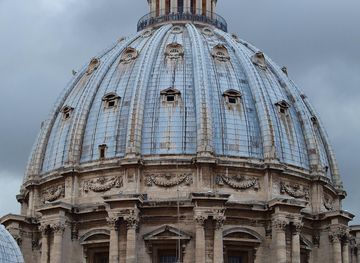
Explore Vatican City, the spiritual heart of Catholicism, home to St. Peter's Basilica, the Vatican Museums, and the serene Vatican Gardens, where art and faith converge.
Explore Vatican City