

Free Vatican Grottoes Travel Guide & Mobile App
Explore Vatican Grottoes with free travel guides. Discover regional history, expert tips, proposed trips, and audio guides on web or mobile app.


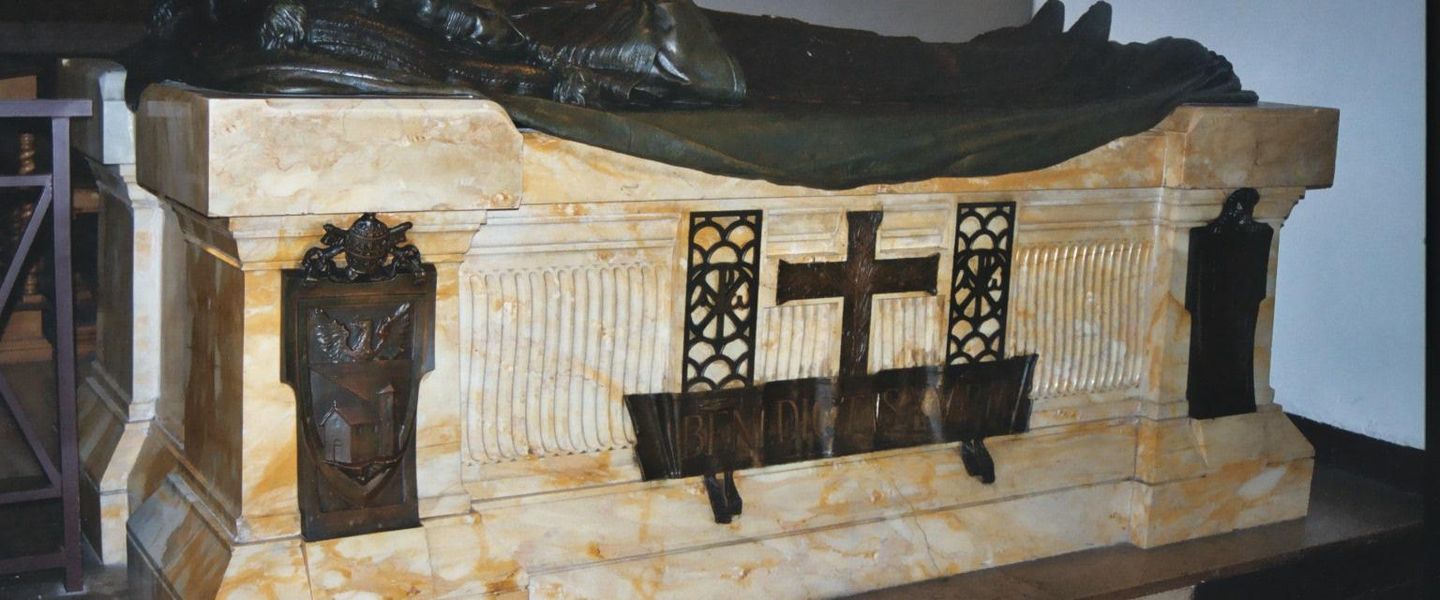


Explore the Vatican Grottoes beneath Saint Peter’s Basilica, where papal tombs, sacred memory and layers of Vatican history meet.
Read more about Vatican Grottoes
When is the best time to visit Vatican Grottoes?
Best: May–June, September · 24–29°C| Month | High (°C) | Rainfall (mm) |
|---|---|---|
| January | 12 | 71 |
| February | 14 | 61 |
| March | 16 | 65 |
| April | 20 | 56 |
| May (best) | 24 | 49 |
| June (best) | 29 | 40 |
| July | 31 | 27 |
| August | 31 | 34 |
| September (best) | 28 | 50 |
| October | 23 | 86 |
| November | 16 | 101 |
| December | 13 | 75 |
Getting to and around Vatican Grottoes
How to get there
Transportation
Top city travel guides in Vatican Grottoes
The cities of Vatican Grottoes, and the easiest places to base yourself.
-

-

-

-

-

-


Swipe for more cities
Destinations in Vatican Grottoes
Resorts, valleys and scenic spots worth a trip of their own.
-

-

-


Swipe for more destinations
Best attractions in Vatican Grottoes
The principal attraction is the underground route beneath Saint Peter’s Basilica, where visitors encounter papal tombs, memorial chapels, inscriptions, fragments of earlier churches and views into the layered history of the Vatican site. The experience complements the basilica above, whose nave, chapels, artworks and dome provide the monumental Renaissance and Baroque setting for the grottoes. At selected points, visitors may gain a sense of the relationship between the present church and the earlier Constantinian foundations, although the deeper Vatican Necropolis is a separate archaeological visit with restricted access. The grottoes are especially compelling for visitors interested in Christian history, funerary art, architecture and archaeology rather than conventional entertainment. Their compact scale makes them suitable for a focused visit, but uneven surfaces and narrow passages mean that some travellers should check accessibility in advance. The broader Vatican complex also includes Saint Peter’s Square and the basilica’s exterior colonnades, offering a contrasting open-air setting after the dim underground galleries. Because the grottoes are part of an active sacred institution, access can change for religious observances, conservation or security reasons, and visitors should regard official arrangements on the day as decisive.
-
Basilica
St. Peter's Basilica
Explore the breathtaking St. Peter's Basilica, an architectural masterpiece and spiritual heart of Vatican City, home to remarkable art and deep history.
-
Art museum
Vatican Museums
Explore the Vatican Museums, a world-class collection of art and history showcasing masterpieces that define Renaissance and ancient art.
-
Castle
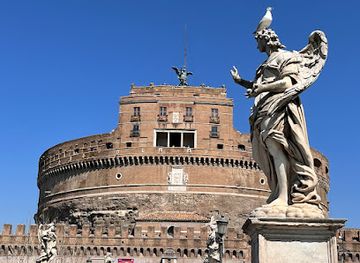
Castel Sant'Angelo
Discover the historical marvel of Castel Sant'Angelo, a fortress steeped in history, art, and breathtaking views over Rome and the Vatican.
-
 Catholic church
Sistine Chapel
Explore the breathtaking Sistine Chapel in Vatican City, home to Michelangelo's masterpieces and a significant site of Catholic tradition.


Best landmarks in Vatican Grottoes
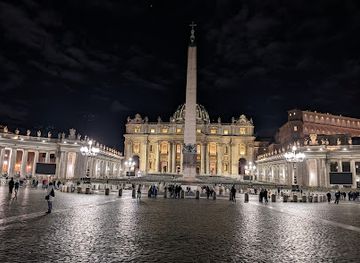
The defining landmark is Saint Peter’s Basilica, whose enormous dome, Renaissance structure and Baroque interior rise directly above the grottoes. Beneath it, the underground passages form a less visible but historically essential counterpart to the church’s monumental exterior. The traditional tomb of Saint Peter gives the site its deepest religious significance, while the papal tombs create a continuous memorial landscape spanning many centuries. Saint Peter’s Square, with its sweeping colonnades designed by Gian Lorenzo Bernini, forms the principal approach and frames the basilica within one of Europe’s most recognisable urban spaces. The Vatican Grottoes also preserve the physical relationship between the present basilica, the earlier Constantinian church and the Roman burial ground below, even where visitors cannot enter every archaeological layer. The Vatican Necropolis, deeper beneath the basilica, is an important related landmark but should not be confused with the ordinary grottoes route or described as freely accessible. Together, these structures make the Vatican site significant not only for religious history but also for the study of Roman urban development, Renaissance architecture, papal power and the continuing shaping of a place of pilgrimage.
-
Basilica
St. Peter's Basilica
Explore the breathtaking St. Peter's Basilica, a pinnacle of Renaissance architecture and a spiritual haven in Vatican City.
-
Art museum
Vatican Museums
Explore the Vatican Museums, a treasure trove of art and history featuring masterpieces by Michelangelo, Raphael, and more in the heart of Vatican City.
-
Catholic church
Sistine Chapel
Experience the breathtaking artistry of the Sistine Chapel, home to Michelangelo's masterpieces and a cornerstone of Vatican City's rich cultural heritage.
-
Plaza
Saint Peter's Square
Explore the awe-inspiring beauty and rich history of Saint Peter's Square, the iconic heart of Vatican City and a must-visit destination for every traveler.


Explore Vatican Grottoes on the map
Plan your trip on one map. See where the top cities, national parks and sights are, and book hotels and experiences in a few clicks.
Best hotels in Vatican Grottoes
Best restaurants in Vatican Grottoes
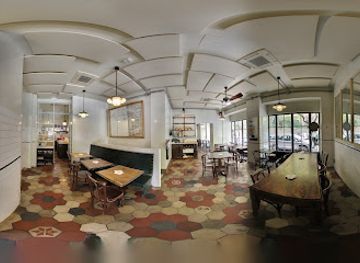
The Vatican Grottoes have no independent restaurant district, and visitors normally eat in the surrounding Borgo, Prati and central Roman streets outside Vatican City. Nearby dining ranges from espresso bars and bakeries to pizzerias, trattorias and more formal restaurants, reflecting Roman culinary traditions rather than a separate cuisine of the grottoes. Useful specialities to look for include Roman pasta dishes such as carbonara, amatriciana and cacio e pepe, thin-crust Roman pizza, supplì, seasonal vegetables and traditional pastries. Cafés are convenient before or after the basilica, while restaurants in the wider Vatican area provide fuller meals, though streets closest to major entrances can be busy and oriented towards visitors. The district also offers gelato shops, wine bars and shops selling Italian food products. For a quieter meal, walking away from Saint Peter’s Square towards residential parts of Prati generally provides a broader choice of everyday Roman establishments. Dining customs, service charges and tipping follow Italian practice rather than a distinct Vatican Grottoes tradition.
-
Basilica
St. Peter's Basilica
Explore St. Peter's Basilica: A breathtaking fusion of art, faith, and history nestled in the heart of Vatican City.
-
Art museum
Vatican Museums
Explore centuries of artistic brilliance at the Vatican Museums - a must-visit destination for every art lover.
-
Catholic church
Sistine Chapel
Explore the breathtaking beauty of the Sistine Chapel in Vatican City—home to Michelangelo's iconic frescoes and a beacon of Renaissance art.
-
Pizza
Ristorante Pizzeria Castello
Discover authentic Roman cuisine at Ristorante Pizzeria Castello—famous for its wood-fired pizzas and fresh seafood in the heart of Rome.


Best bars in Vatican Grottoes
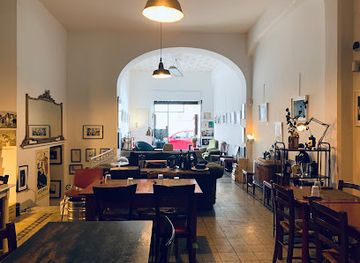
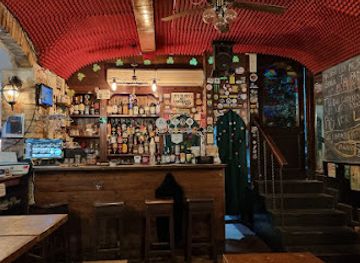
Evening life around the Vatican Grottoes is restrained compared with Rome’s major nightlife quarters. The immediate area is centred on religious visits, tourism and daytime sightseeing, with cafés, wine bars, hotel bars and restaurants providing most of the evening activity. The neighbouring Prati and Borgo districts offer places for an aperitivo, a casual drink or dinner, while central Rome provides a much wider range of live music, cocktail bars and late-night venues. The Vatican Grottoes themselves are not a nightlife destination and are normally experienced during the basilica’s visitor hours or religious access periods. Visitors should remember that the surrounding streets serve a working residential and religious community, so quiet conduct is appropriate at night. Alcohol is not necessary to appreciate the area, and anyone returning late should use well-lit routes and established public transport or licensed taxis.
-
Basilica
St. Peter's Basilica
Explore the awe-inspiring St. Peter's Basilica, a masterpiece of Renaissance architecture and a symbol of faith in the heart of Vatican City.
-
Art museum
Vatican Museums
Discover the artistic legacy and cultural treasures of the Vatican Museums, a must-visit destination for all art and history lovers.
-
Catholic church
Sistine Chapel
Discover the awe-inspiring Sistine Chapel in Vatican City, home to Michelangelo's divine masterpieces and a cornerstone of Renaissance art and spirituality.
-
Bistro
La Zanzara
Experience the essence of Roman cuisine at La Zanzara, a charming bistro and cocktail bar offering innovative dishes and delightful drinks.


Best nightclubs in Vatican Grottoes
Evening life around the Vatican Grottoes is restrained compared with Rome’s major nightlife quarters. The immediate area is centred on religious visits, tourism and daytime sightseeing, with cafés, wine bars, hotel bars and restaurants providing most of the evening activity. The neighbouring Prati and Borgo districts offer places for an aperitivo, a casual drink or dinner, while central Rome provides a much wider range of live music, cocktail bars and late-night venues. The Vatican Grottoes themselves are not a nightlife destination and are normally experienced during the basilica’s visitor hours or religious access periods. Visitors should remember that the surrounding streets serve a working residential and religious community, so quiet conduct is appropriate at night. Alcohol is not necessary to appreciate the area, and anyone returning late should use well-lit routes and established public transport or licensed taxis.
-
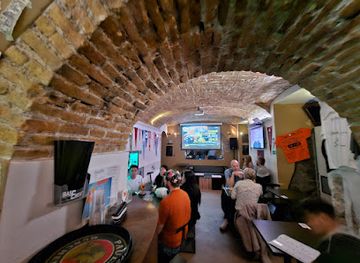
Pub
The Basement - Pub. Cocktail Bar. Events
Discover The Basement, Rome's lively pub and cocktail bar, offering creative drinks and vibrant nightlife in the heart of the Eternal City.
-
Bistro
Bukowski's Bar
Discover Bukowski's Bar, a cozy bistro near the Vatican, offering a delightful mix of Italian cuisine and innovative cocktails in a charming atmosphere.
-
Irish pub
Derry Rock Pub
Experience the vibrant atmosphere of Derry Rock Pub in Rome, where Irish charm meets live music and delightful cocktails in a cozy setting.
-
Piano bar
NEW KING CLUB
Discover the enchanting nightlife of Rome at New King Club, where live piano music and vibrant atmosphere create an unforgettable experience.
Best shops in Vatican Grottoes
Shopping around the Vatican Grottoes is concentrated in the streets outside Vatican City, particularly around the Borgo and Prati areas, rather than inside the underground complex. Visitors can find bookshops, religious-art outlets, devotional objects, postcards, rosaries and reproductions connected with the Vatican and Saint Peter’s, alongside ordinary Roman cafés and independent retailers. Nearby food shops offer Italian specialities such as pasta, olive oil, confectionery and wine, while broader Roman shopping streets provide clothing, leather goods, stationery and contemporary design. The most meaningful purchases are usually small, durable items linked to religious art, church history or Italian craftsmanship rather than products specific to the grottoes themselves. Visitors should distinguish official or established retail outlets from aggressive street sellers, and should check import restrictions before buying religious artefacts or antiquities. The surrounding district is more useful for practical souvenirs and everyday Italian goods than for luxury shopping; Rome’s central commercial areas provide a wider choice when that is the main purpose of the day.
-
Clothing store
The Rock Shop
Experience the fusion of fashion and music at The Rock Shop in Rome, where every item tells a story and celebrates legendary artists.
-
Restaurant
Bottega Vittoria
Discover Bottega Vittoria in Rome, where authentic Italian cuisine meets a warm and inviting atmosphere.
-
Religious goods store
Savelli Religious (Savelli Art and Tradition)
Discover the essence of spirituality at Savelli Religious, your go-to destination for sacred art and unique gifts near the Vatican.
-
Book store
Libreria Ancora Store - Roma
Explore Rome's Libreria Ancora Store, a captivating bookstore offering a rich collection of literature, religious goods, and a unique cultural experience.


Get your free copy of our complete guide to Vatican Grottoes, delivered straight to you.
Everything on this page, from attractions and restaurants to essentials and local phrases, in one PDF you can read offline, print or share.
Already have an account? Sign in
Your Vatican Grottoes guide is ready.
We'll send it to · Not you? Sign out

Getting your guide ready…
We are putting together a fresh copy of the Vatican Grottoes guide. This can take up to a minute.
This can take a few moments. If your browser asks, choose Allow so the download can start. You'll find the guide in your Downloads folder.
Nothing happened? Download it again
Sorry, the guide is taking longer than usual. Please try again in a minute, or get it by email instead.
Vatican Grottoes essentials
Currency and Payment
Safety
Emergency Situations
Do's and Don'ts
Local Tips
From Eve
Local phrases worth knowing
You don't need to get them perfect. A few words go a long way, and locals appreciate the effort.
Basics
| English | Local | Say it |
|---|---|---|
| Hello | Salve | [sal-veh] |
| Goodbye | Vale | [vah-leh] |
| Yes | Sì | [see] |
| No | No | [noh] |
| Please/You're welcome | Per favore | [per fah-vo-reh] |
| Thank you | Grazie | [grah-tsee-eh] |
| Excuse me/Sorry | Scusi | [skoo-zee] |
| How are you? | Come stai? | [koh-meh stah-ee] |
| Fine. And you? | Bene. E tu? | [beh-neh. eh too] |
| Do you speak English? | Parli inglese? | [par-lee een-gleh-zeh] |
| I don't understand | Non capisco | [non kah-pees-koh] |
Eating & Drinking
| English | Local | Say it |
|---|---|---|
| I'd like to see the menu, please | Vorrei vedere il menù, per favore | [vor-ray veh-deh-reh eel meh-noo, per fah-vo-reh] |
| I don't eat meat | Non mangio carne | [non mahn-joh kar-neh] |
| Cheers! | Salute! | [sah-loo-teh] |
| I would like to pay, please | Vorrei pagare, per favore | [vor-ray pah-gah-reh, per fah-vo-reh] |
Emergencies
| English | Local | Say it |
|---|---|---|
| Help! | Aiuto! | [ah-yoo-toh] |
| Go away! | Vattene! | [vaht-teh-neh] |
| Call the Police! | Chiama la polizia! | [kyah-mah lah poh-leet-zee-ah] |
| Call a doctor! | Chiama un dottore! | [kyah-mah oon doht-toh-reh] |
| I'm lost | Mi sono perso | [mee soh-noh pehr-soh] |
| I'm ill | Sono malato | [soh-noh mah-lah-toh] |
Shopping
| English | Local | Say it |
|---|---|---|
| I'd like to buy... | Vorrei comprare... | [vor-ray kom-prah-reh] |
| I'm just looking | Sto solo guardando | [stoh soh-loh gwar-dahn-doh] |
| How much is it? | Quanto costa? | [kwan-toh koh-stah] |
| That's too expensive | È troppo costoso | [eh troh-poh koh-stoh-soh] |
| Can you lower the price? | Puoi abbassare il prezzo? | [pwo-ee ah-bah-sah-reh eel pret-zo] |
Time & Numbers
| English | Local | Say it |
|---|---|---|
| What time is it? | Che ore sono? | [keh oh-reh soh-noh] |
| It's one o'clock | È l'una | [eh loo-nah] |
| Half past (10) | Dieci e mezzo | [dyeh-chee eh meh-tso] |
| Morning | Mattina | [maht-tee-nah] |
| Afternoon | Pomeriggio | [poh-meh-reed-joh] |
| Evening | Sera | [seh-rah] |
| Yesterday | Ieri | [yeh-ree] |
| Today | Oggi | [oh-jjee] |
| Tomorrow | Domani | [doh-mah-nee] |
| 1 | Uno | [oo-noh] |
| 2 | Due | [doo-eh] |
| 3 | Tre | [treh] |
| 4 | Quattro | [kwah-troh] |
| 5 | Cinque | [cheen-kweh] |
| 6 | Sei | [say] |
| 7 | Sette | [seht-teh] |
| 8 | Otto | [oht-toh] |
| 9 | Nove | [noh-veh] |
| 10 | Dieci | [dyeh-chee] |
Transport & Directions
| English | Local | Say it |
|---|---|---|
| Where's a/the...? | Dove si trova...? | [doh-veh see troh-vah] |
| What's the address? | Qual è l'indirizzo? | [kwal eh leen-dee-reet-soh] |
| Can you show me (on the map)? | Puoi mostrarmi (sulla mappa)? | [pwo-ee mohs-trar-mee (soo-lah mahp-pah)] |
| When's the next (bus)? | Quando passa il prossimo (autobus)? | [kwan-doh pah-sah eel proh-ssee-mo (ow-toh-boos)] |
| A ticket (to ....) | Un biglietto (per ....) | [oon bee-lyet-toh (per ....)] |
History of Vatican Grottoes
The Vatican Hill and the Roman cemetery
Before the present basilica was built, the Vatican Hill contained Roman burial grounds and other funerary remains. Christian tradition places the martyrdom and burial of Saint Peter in this general area during the first century, although the precise archaeological interpretation of the site has developed through successive excavations. The cemetery beneath Saint Peter’s became important because it preserved the memory of an early Christian apostle within a landscape that had once been associated with pagan burial customs and Roman urban life.
Constantine’s basilica in the fourth century
In the fourth century, the Emperor Constantine supported the construction of a large basilica over the traditional tomb of Saint Peter. The building transformed the Vatican Hill into a major Christian pilgrimage destination and established the physical relationship between the apostle’s shrine and the church above it. Remains and memories of this earlier basilica survive in the structures and archaeological layers beneath the Renaissance church, helping explain why the modern grottoes are historically more than a collection of papal tombs.
Medieval pilgrimage and papal burial
During the medieval period, Saint Peter’s remained one of western Christianity’s principal pilgrimage churches. Popes and other important ecclesiastical figures were buried in and around the basilica, creating a dense memorial landscape beneath the church. The Vatican site was affected by the political and religious changes of medieval Rome, yet its association with Saint Peter continued to draw pilgrims. Later rebuilding incorporated, displaced or preserved elements of these earlier arrangements, leaving the grottoes with a layered architectural character.
The Renaissance rebuilding of Saint Peter’s
The old Constantinian basilica was gradually replaced by the present Saint Peter’s Basilica from the early sixteenth century, in one of the most ambitious architectural projects of Renaissance and Baroque Rome. Architects including Bramante, Michelangelo and Carlo Maderno contributed to the new building over more than a century. Construction altered the levels and circulation beneath the church, while earlier tombs, chapels and fragments were retained where possible. The present grottoes are therefore closely tied to the making of the basilica above them.
Excavations and the search for Saint Peter’s tomb
Archaeological investigations beneath Saint Peter’s, especially those undertaken in the twentieth century, revealed sections of the Roman necropolis and remains associated with early Christian commemorative structures. Excavation and study focused on the traditional tomb of Saint Peter, and the Vatican announced the identification of relics it regarded as belonging to the apostle. Scholarly discussion has continued over the evidence and its interpretation, but the work significantly expanded understanding of the Vatican site’s ancient layers.
The modern Vatican and the papal memorial landscape
The Vatican Grottoes acquired their modern institutional context after the Lateran Treaty of 1929 recognised Vatican City as an independent state and settled its relationship with Italy. The grottoes continue to serve as a place of papal remembrance, pilgrimage and historical interpretation beneath the basilica. Tombs of recent popes stand alongside older memorials, showing how the site has remained an active part of Catholic life rather than becoming solely an archaeological monument.
Vatican Grottoes in Photos
Browse through our photo collection highlighting the charm and character of the destination.
Neighbouring regions of Vatican Grottoes
The closest regions to Vatican Grottoes, if you have time for more than one.
-

-


Swipe for more regions
Explore more
Explore more of Vatican City
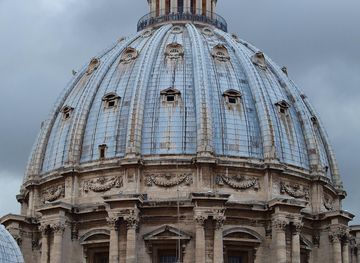
Explore Vatican City, the spiritual heart of Catholicism, home to St. Peter's Basilica, the Vatican Museums, and the serene Vatican Gardens, where art and faith converge.
Explore Vatican City