

Free Stowe Travel Guide & Mobile App
Plan your Stowe trip with Evendo. Get free guides to top attractions, restaurants, hotels, and bars. Web access or download the mobile app.


Stowe, Vermont pairs Mount Mansfield scenery with ski trails, village heritage, craft food, outdoor adventures and four-season New England culture.
Mountain Setting
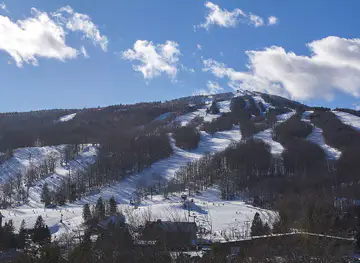
Stowe lies in northern Vermont between the wooded slopes of Mount Mansfield and the broad valley of the Little River. The town is best known as a year-round mountain destination, but its appeal extends well beyond skiing. Forest roads, hiking trails, covered bridges, farms and open meadows create a landscape in which outdoor recreation remains closely connected to rural New England traditions. Mount Mansfield, Vermont’s highest peak, forms the dramatic backdrop to the town and brings a changing rhythm of snow sports, summer walks, autumn foliage and quiet spring landscapes.Read more about Stowe
Village and Local Character
Culture and Four-Season Life
When is the best time to visit Stowe?
Best: June, August–September · 22–27°C| Month | High (°C) | Rainfall (mm) |
|---|---|---|
| January | 0 | 73 |
| February | 1 | 65 |
| March | 7 | 83 |
| April | 13 | 90 |
| May | 21 | 100 |
| June (best) | 25 | 110 |
| July | 28 | 110 |
| August (best) | 27 | 100 |
| September (best) | 22 | 90 |
| October | 15 | 80 |
| November | 7 | 70 |
| December | 1 | 73 |
Getting to and around Stowe
How to get there
Transportation
Best attractions in Stowe
Stowe’s attractions combine mountain scenery with a compact village landscape and a strong outdoor focus. The Stowe Recreation Path follows the West Branch of the Little River through woodland, meadows and residential sections, making it one of the most accessible ways to experience the valley. Mount Mansfield provides the town’s defining backdrop, with hiking routes, winter ski terrain and seasonal access by the historic Toll Road and the resort’s gondola area. In the village, the Vermont Ski and Snowboard Museum traces the region’s winter-sports history, while the Stowe Historical Society offers insight into local buildings, families and community development. Trapp Family Lodge adds an Austrian-American dimension through its grounds, hospitality traditions and von Trapp story. Nearby farms, covered bridges, craft producers and scenic drives broaden the experience beyond the main resort corridor, particularly during autumn foliage season.
-
Brewery
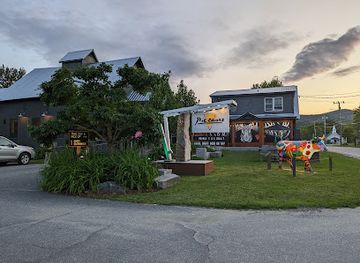
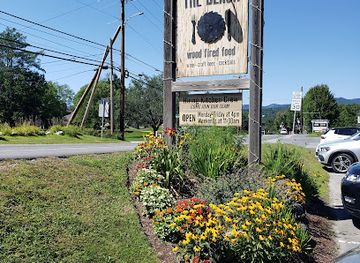
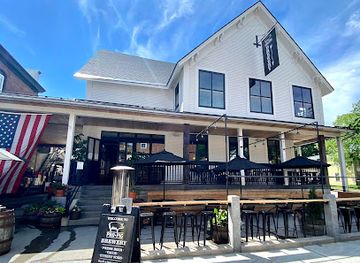
Idletyme Tap & Tavern
Experience the best of Vermont's craft brewery scene at Idletyme Tap & Tavern, where local flavors and stunning mountain views await.
7 min drive · 2.4 km from city centre
-
Resort hotel
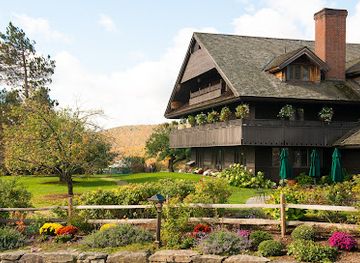
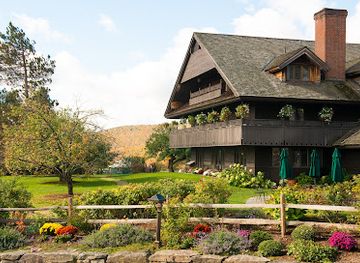
Trapp Family Lodge
Experience the enchanting blend of adventure, history, and breathtaking views at the Trapp Family Lodge, a unique resort in Stowe, Vermont.
14 min drive · 4.7 km from city centre
-
Cheese shop
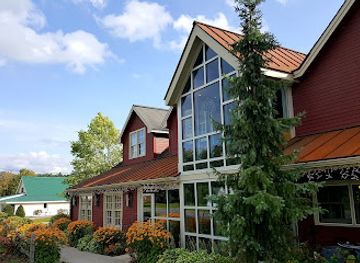
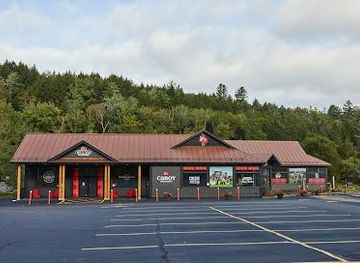
Cabot Creamery Store - Waterbury
Explore the delicious world of handcrafted cheeses at Cabot Creamery Store, Vermont's cheese destination offering tastings and local gourmet delights.
31 min drive · 11 km from city centre
-
Tourist attraction
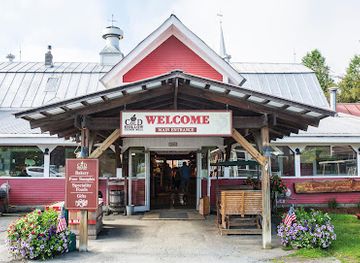
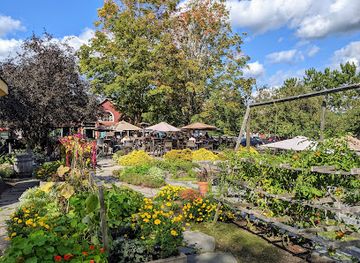
Cold Hollow Cider Mill
Experience the taste of Vermont at Cold Hollow Cider Mill, where cider-making traditions come to life with delicious baked goods and local products.
29 min drive · 9.8 km from city centre

Best landmarks in Stowe
Stowe’s landmarks express the town’s relationship with both civic tradition and the Green Mountains. Stowe Community Church, with its prominent white steeple, is the most recognisable architectural feature of the village and a long-standing centre of local community life. The cluster of historic homes, churches and civic buildings around Stowe Village preserves the visual character of a Vermont settlement shaped by nineteenth-century farming and commerce. The Mount Mansfield Toll Road is a historic mountain route as well as an access point to high-elevation scenery, while the slopes of Mount Mansfield remain the town’s defining natural landmark. Trapp Family Lodge represents a different layer of local identity: its Austrian associations connect Stowe’s rural landscape with the twentieth-century story of the von Trapp family and the growth of international tourism.
-
Brewery
Idletyme Tap & Tavern
Experience the best of craft brewing and American cuisine at Idletyme Tap & Tavern, a cozy gem nestled in the heart of Stowe, Vermont.
7 min drive · 2.4 km from city centre
-
Resort hotel
Trapp Family Lodge
Discover the enchanting Trapp Family Lodge in Stowe, Vermont, where Alpine charm meets outdoor adventure and culinary delights.
14 min drive · 4.7 km from city centre
-
Pizza
Piecasso
Experience the best of Italian cuisine with unique pizzas and a warm atmosphere at Piecasso in beautiful Stowe, Vermont.
8 min drive · 2.5 km from city centre
-
Restaurant
The Bench
Experience the heart of American cuisine at The Bench in Stowe, Vermont, where delicious food and a warm atmosphere await every visitor.
9 min walk · 0.7 km from city centre
Explore Stowe on the map
Plan your Stowe trip on one map. See where the top attractions, landmarks, restaurants, bars and hotels are, find what's near where you're staying, and book hotels and experiences in a few clicks.
Best hotels in Stowe
Best restaurants in Stowe
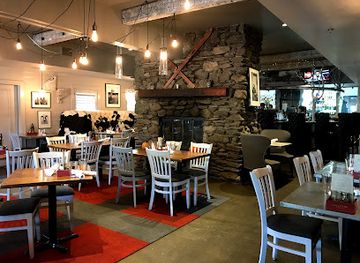
Stowe’s dining scene reflects Vermont’s farm-based food culture and its long history as a mountain resort. Restaurants along the Mountain Road and around Stowe Village range from relaxed cafés and bakeries to polished dining rooms, brewpubs and après-ski venues. Menus commonly draw on local dairy, apples, maple, seasonal vegetables, mushrooms, meat and craft beer, while breakfast with pancakes, maple syrup or hearty egg dishes suits the town’s outdoor rhythm. Vermont cheddar, cider and maple products are familiar regional flavours, and farm shops and seasonal stands provide a more informal way to eat locally. The influence of the von Trapp family is also visible in Austrian-inspired dishes and hospitality at Trapp Family Lodge. Dining patterns vary with the seasons, so rural businesses and smaller establishments may keep more limited schedules outside peak periods.
-
Brewery
Idletyme Tap & Tavern
Discover the best craft brews and American cuisine at Idletyme Tap & Tavern in Stowe, Vermont—a haven for foodies and beer enthusiasts alike.
7 min drive · 2.4 km from city centre
-
American
Prohibition Pig - Restaurant & Brewery
Experience the perfect blend of craft beer and American cuisine at Prohibition Pig in scenic Waterbury.
35 min drive · 15 km from city centre
-
Restaurant
Trapp Family Lodge
Discover the enchanting blend of Austrian charm and Vermont's natural beauty at Trapp Family Lodge - your perfect getaway for relaxation and adventure.
14 min drive · 4.7 km from city centre
-
Pizza
Piecasso
Discover authentic Italian flavors at Piecasso in Stowe—where delicious pizza meets Vermont's stunning scenery.
8 min drive · 2.5 km from city centre
Best bars in Stowe
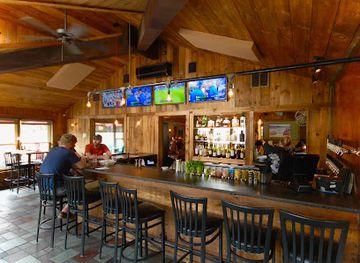
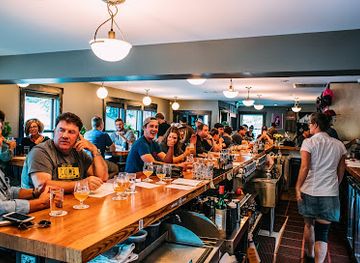
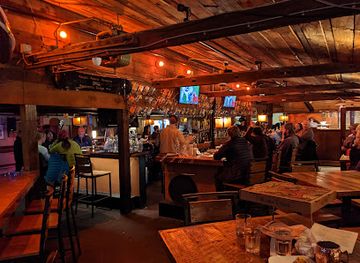
Stowe’s evening scene is sociable and seasonal rather than built around large nightclubs. Après-ski venues, brewpubs, taverns and hotel bars along the Mountain Road provide places for local beer, cocktails, live music and conversation after a day outdoors, while Stowe Village offers quieter restaurants and bars in a more traditional setting. Some establishments feature acoustic performances, folk music or community events, reflecting Vermont’s small-scale cultural life. The resort area is generally liveliest during winter weekends, whereas summer and autumn evenings tend to centre on dining, outdoor concerts and relaxed drinks. Visitors should expect venues to vary with the season and should arrange transport carefully if staying away from the village, since distances are significant and rural roads can be dark or icy.
-
Brewery
Idletyme Tap & Tavern
Experience the heart of Vermont at Idletyme Tap & Tavern, where craft beer meets delicious American cuisine amidst stunning mountain views.
7 min drive · 2.4 km from city centre
-
Bar
The Bench
Discover the heart of Stowe at The Bench, where American cuisine meets a vibrant bar atmosphere and local charm.
9 min walk · 0.7 km from city centre
-
Bar
Doc Ponds
Discover the perfect blend of craft cocktails and local cuisine at Doc Ponds, Stowe's favorite bar and restaurant for a cozy dining experience.
6 min walk · 0.5 km from city centre
-
Grill
Matterhorn
Experience the perfect blend of grill dining and nightlife at Matterhorn in Stowe, Vermont, where fun and flavor collide.
21 min drive · 6.9 km from city centre
Best nightclubs in Stowe
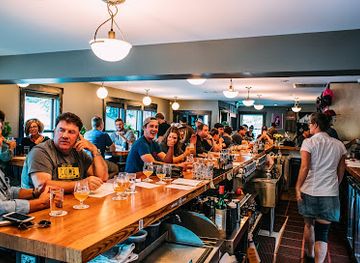
Stowe’s evening scene is sociable and seasonal rather than built around large nightclubs. Après-ski venues, brewpubs, taverns and hotel bars along the Mountain Road provide places for local beer, cocktails, live music and conversation after a day outdoors, while Stowe Village offers quieter restaurants and bars in a more traditional setting. Some establishments feature acoustic performances, folk music or community events, reflecting Vermont’s small-scale cultural life. The resort area is generally liveliest during winter weekends, whereas summer and autumn evenings tend to centre on dining, outdoor concerts and relaxed drinks. Visitors should expect venues to vary with the season and should arrange transport carefully if staying away from the village, since distances are significant and rural roads can be dark or icy.
-
Restaurant
Doc Ponds
Discover the vibrant flavors at Doc Ponds, a beloved restaurant in Stowe, VT, where comfort food meets craft cocktails in a cozy atmosphere.
6 min walk · 0.5 km from city centre
-
Night club
Matterhorn
Experience the vibrant nightlife at Matterhorn, Stowe's top nightclub and bar & grill, where delicious food and unforgettable entertainment await.
21 min drive · 6.9 km from city centre
-
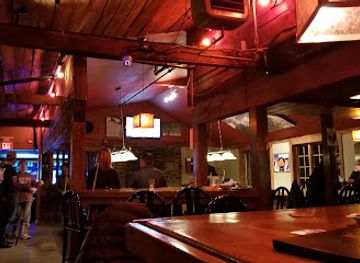
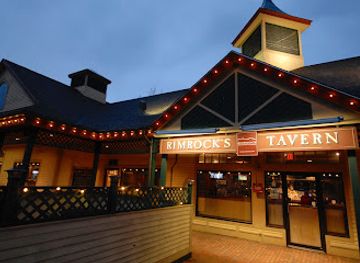
Pub
Rimrock's Mountain Tavern
Experience the cozy charm and delicious American cuisine at Rimrock's Mountain Tavern in Stowe, Vermont, a perfect spot for relaxation and good food.
8 min walk · 0.6 km from city centre
-
Bowling alley
Stowe Bowl
Enjoy a unique blend of bowling, dining, and socializing at Stowe Bowl in the heart of Vermont's scenic Stowe.
6 min drive · 2.0 km from city centre

Best shops in Stowe
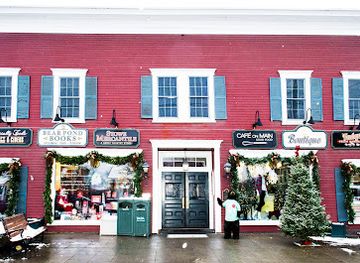
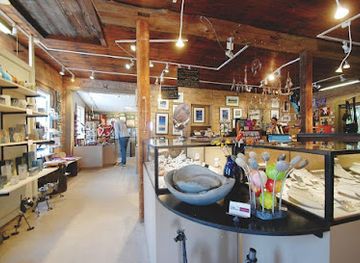
Shopping in Stowe is concentrated around Stowe Village and the Mountain Road, with independent boutiques, outdoor outfitters, galleries, craft shops, food retailers and small general stores reflecting the town’s resort economy. Local products often include maple syrup, maple sweets, Vermont cheese, cider, preserves, woollen goods, pottery, woodwork and artworks inspired by the surrounding mountains. The village is better suited to browsing heritage-style shops and galleries, while the Mountain Road offers practical outdoor equipment, clothing and provisions for hiking or skiing. Farm stands and seasonal markets provide a more direct connection with the agricultural landscape, although their locations and opening patterns can vary through the year. Visitors should distinguish locally made goods from generic souvenirs, particularly when looking for crafts or food products associated with Vermont.
-
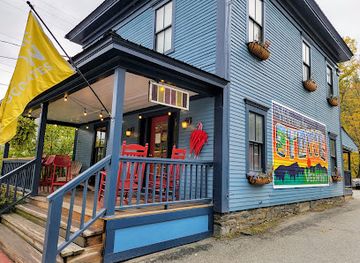
Gift shop
Black Cap Coffee & Bakery - espresso, lattes, sandwiches, pastries
Experience the heartwarming flavors of Vermont at Black Cap Coffee & Bakery, your go-to spot for coffee, pastries, and local gifts in Stowe.
1 min walk · 0.1 km from city centre
-
Chocolate shop
Lake Champlain Chocolates
Discover the sweet charm of Lake Champlain Chocolates in Stowe, Vermont, where artisanal chocolates and delightful treats await every visitor.
4 min walk · 0.3 km from city centre
-
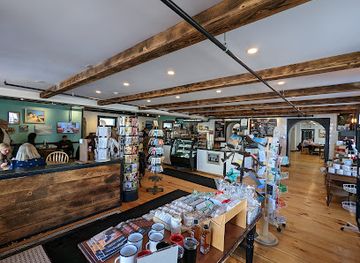
Souvenir store
Stowe Mercantile
Discover the charm of Stowe Mercantile, where unique gifts, local treats, and Vermont's spirit come together in a delightful shopping experience.
2 min walk · 0.1 km from city centre
-
Gift shop
Remarkable Things at Stowe Craft
Explore Stowe Craft, a vibrant gift shop and art gallery in Stowe, Vermont, showcasing unique handcrafted items and local artistry.
3 min walk · 0.2 km from city centre
Get your free copy of our complete guide to Stowe, delivered straight to you.
Everything on this page, from attractions and restaurants to essentials and local phrases, in one PDF you can read offline, print or share.
Already have an account? Sign in
Your Stowe guide is ready.
We'll send it to · Not you? Sign out

Getting your guide ready…
We are putting together a fresh copy of the Stowe guide. This can take up to a minute.
This can take a few moments. If your browser asks, choose Allow so the download can start. You'll find the guide in your Downloads folder.
Nothing happened? Download it again
Sorry, the guide is taking longer than usual. Please try again in a minute, or get it by email instead.
Stowe essentials
Currency and Payment
Safety
Emergency Situations
Do's and Don'ts
Local Tips
From Eve
Local phrases worth knowing
You don't need to get them perfect. A few words go a long way, and locals appreciate the effort.
Basics
| English | Local | Say it |
|---|---|---|
| Hello | Howdy | [HOU-dee] |
| Goodbye | See ya | [SEE yuh] |
| Yes | Yup | [YUHP] |
| No | Nah | [NAH] |
| Please/You're welcome | Please and thank you | [PLEEZ and THANGK yuh] |
| Thank you | Thanks a heap | [THANKS-uh-HEEP] |
| Excuse me/Sorry | Pardon me | [PAR-d'n ME] |
| How are you? | Howdy | [HOU-dee] |
| Fine. And you? | Just dandy. Y'all? | [JUST DAND-ee. YAWL?] |
| Do you speak English? | Y'all speak English? | [YAWL speak ING-glish?] |
| I don't understand | I don't reckon | [I don't REK-uhn] |
Eating & Drinking
| English | Local | Say it |
|---|---|---|
| I'd like to see the menu, please | I reckon I'll take a gander at the menu, iffin' ya please | [I REK-uhn I'll take uh GAN-dur at the MEN-yoo, IF-fin' yuh PLEASE] |
| I don't eat meat | I ain't no meat eater | [I ain't no MEET EAT-er] |
| Cheers! | Bottoms up! | [BOT-uhms UP] |
| I would like to pay, please | I reckon I'll settle up now, iffin' ya please | [I REK-uhn I'll SET-ul up now, IF-fin' yuh PLEASE] |
Emergencies
| English | Local | Say it |
|---|---|---|
| Help! | Help a body out! | [Help uh BAH-dee out!] |
| Go away! | Git on outta here! | [Git on OUT-uh here!] |
| Call the Police! | Ring up the sheriff! | [Ring up the SHER-iff!] |
| Call a doctor! | Summon the doc! | [SUM-mun the DOC!] |
| I'm lost | I'm plumb lost | [I'm PLUM lost] |
| I'm ill | I'm feelin' poorly | [I'm FEEL-in' POOR-lee] |
Shopping
| English | Local | Say it |
|---|---|---|
| I'd like to buy... | I reckon I'll purchase... | [I REK-uhn I'll PUR-chuss...] |
| I'm just looking | I'm just browsin' | [I'm just BRO-zin'] |
| How much is it? | How much ya askin'? | [How much yuh AS-kin'?] |
| That's too expensive | That's a mite pricey | [That's uh MYT PRY-see] |
| Can you lower the price? | Kin ya do it cheaper? | [Kin yuh do it CHEE-per?] |
Time & Numbers
| English | Local | Say it |
|---|---|---|
| What time is it? | What's the hour? | [What's the OUR?] |
| It's one o'clock | It's one by the clock | [It's one by the CLOCK] |
| Half past (10) | Ten-thirty | [TEN-thur-tee] |
| Morning | Mornin' | [MORN-in'] |
| Afternoon | Afternoon | [AF-ter-NOON] |
| Evening | Evenin' | [EVE-nin'] |
| Yesterday | Yest'day | [YEST-duh] |
| Today | Today | [Tuh-DAY] |
| Tomorrow | Morrow | [MAR-uh] |
| 1 | One | [WUN] |
| 2 | Two | [TOO] |
| 3 | Three | [THREE] |
| 4 | Four | [FOR] |
| 5 | Five | [FIVE] |
| 6 | Six | [SIX] |
| 7 | Seven | [SEV-in'] |
| 8 | Eight | [ATE] |
| 9 | Nine | [NINE] |
| 10 | Ten | [TEN] |
Transport & Directions
| English | Local | Say it |
|---|---|---|
| Where's a/the...? | Where's the... | [Where's the...] |
| What's the address? | Where's it located? | [Where's it LOC-ay-ted?] |
| Can you show me (on the map)? | Can ya point it out? | [Can yuh POINT it OUT?] |
| When's the next (bus)? | When's the next one comin'? | [When's the NEXT one COM-in'?] |
| A ticket (to ....) | A pass (to ...) | [Uh PASS (to ...)] |
History of Stowe
Abenaki Homeland and Colonial Grants
The Stowe area lies within the traditional homeland of the Western Abenaki, whose communities travelled through and made use of the valleys, forests and waterways of what is now northern Vermont. In the eighteenth century, colonial land grants and surveying opened the region to European-American settlement, with Stowe associated with a 1763 New Hampshire charter. Permanent settlement developed gradually after the American Revolution, as families cleared land for farms and established roads, mills and local institutions. The town’s early economy depended on mixed agriculture, timber and small-scale manufacturing, while the surrounding mountains remained a formidable presence rather than a recreational resource.
Farming, Timber and Village Growth
During the nineteenth century, Stowe developed as a rural town shaped by dairy farming, logging and commerce. The valley supported farmsteads and mills, while roads connected the settlement with Waterbury and other communities in central Vermont. Churches, schools and civic buildings gave Stowe Village a more defined public centre, many of whose traditional forms still contribute to the town’s appearance. Timber extraction altered the surrounding hills, but farming remained central to local life. The area’s scenery also began to attract travellers, helped by improved roads and the growing nineteenth-century fashion for visiting mountain landscapes.
The Mountain Road and Early Tourism
Improved access to Mount Mansfield helped transform Stowe from an agricultural settlement into a seasonal destination. The Mount Mansfield Toll Road, constructed in the nineteenth century, created a route towards the mountain’s upper slopes and encouraged sightseeing as well as practical travel. Hotels, inns and boarding houses developed to accommodate visitors seeking cooler summer air and mountain scenery. Stowe’s landscape became part of the wider cultural appeal of the Green Mountains, where walking, carriage travel and later motoring connected rural scenery with emerging tourism. This early visitor economy laid the foundation for the town’s later reputation as a resort.
Skiing and the Modern Resort
Skiing became increasingly important in Stowe during the twentieth century, supported by the development of trails, lifts and organised winter recreation on Mount Mansfield. The growth of the ski area brought new employment, accommodation and infrastructure, while the mountain became a defining symbol of the town. Stowe’s winter identity was reinforced by the professionalisation of skiing in New England and by improvements in road access after the Second World War. Although the resort economy expanded, the town retained a strong connection to its older village, farm and landscape traditions, creating the combination of heritage and outdoor recreation visible today.
The von Trapp Legacy and Four-Season Stowe
The von Trapp family arrived in the United States in the early 1940s after leaving Austria, and eventually established a home and hospitality business in Stowe. Their presence added an international cultural dimension to the town and helped link local tourism with the family’s musical history. During the later twentieth century, Stowe broadened its appeal beyond winter sports through hiking, cycling, foliage tourism, cultural events and culinary businesses. Conservation of traditional buildings and landscapes became increasingly important as visitor numbers and development grew. Contemporary Stowe therefore reflects several overlapping histories: Abenaki presence, rural settlement, mountain tourism, skiing and the continuing evolution of a seasonal resort community.
Stowe in Photos
Browse through our photo collection highlighting the charm and character of the destination.
Cities near Stowe
The closest cities to Stowe, if you have time for more than one stop.
-

-

-

-

-


Swipe for more cities
Explore more

Explore more of Vermont
Discover Vermont: A year-round haven of natural beauty, charming towns, and rich heritage in the Green Mountain State.
Explore Vermont