

Free Windham County Travel Guide & Mobile App
Explore Windham County with free travel guides. Discover regional history, expert tips, proposed trips, and audio guides on web or mobile app.


Windham County, Vermont, combines Green Mountain forests, river towns, covered bridges, winter resorts, arts, farm food and year-round outdoor recreation.
Read more about Windham County
Getting to and around Windham County
How to get there
Transportation
Top city travel guides in Windham County
The cities of Windham County, and the easiest places to base yourself.
-

-


Swipe for more cities
Destinations in Windham County
Resorts, valleys and scenic spots worth a trip of their own.
-
-

-

-

-


Swipe for more destinations
Best attractions in Windham County
Windham County’s attractions range from cultural institutions in Brattleboro to forested recreation areas and winter resorts in the western hills. The Brattleboro Museum & Art Center presents changing exhibitions in a former railway station, while the town’s galleries, performance spaces and independent arts venues give an urban focus to the county’s cultural life. Putney adds studios, craft traditions and a long-established creative community. For outdoor recreation, Jamaica State Park follows the West River and provides access to walking, picnicking, fishing and paddling, while Townshend State Park offers a quieter setting around a historic recreational landscape. The Green Mountain National Forest contains extensive trails and backcountry scenery, and Mount Snow and Stratton are major centres for skiing and summer mountain activities. History-focused visits can include the Rockingham Meeting House, Bellows Falls’ canal and industrial corridor, historic village centres and covered bridges around Dummerston and nearby communities. Farms, sugarhouses, reservoirs and scenic roads complete an attraction landscape that is more about combining places and activities than visiting one single monumental sight.
-
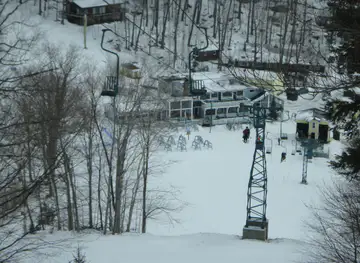
Ski resort
Stratton Mountain Resort
Discover the all-season allure of Stratton Mountain Resort, where skiing, hiking, and golfing meet stunning landscapes in Vermont's picturesque Green Mountains.
-
Tourist attraction
Magic Mountain Ski Area
Experience thrilling skiing, live music, and beautiful views at Magic Mountain Ski Area, Vermont's top destination for winter fun and adventure.
-
Tourist attraction
Creamery Covered Bridge
Experience the historical beauty of Creamery Covered Bridge in Brattleboro, Vermont, a picturesque landmark surrounded by nature's charm.
-
State park
Jamaica State Park
Experience the serene beauty of Jamaica State Park in Vermont, where lush landscapes and outdoor adventures await every visitor.


Best landmarks in Windham County
The Connecticut River and the falls at Bellows Falls are among Windham County’s defining geographical landmarks, with the town’s canal, bridges and surviving industrial structures recording the power of water and transport. In Brattleboro, the Connecticut River corridor, historic commercial streets and the former railway station now housing the Brattleboro Museum & Art Center reflect the town’s role as a regional centre. The Rockingham Meeting House, built in the eighteenth century, is one of Vermont’s important surviving examples of early New England meeting-house architecture. Covered bridges, including the West Dummerston Covered Bridge, are characteristic features of the county’s rural landscape, linking practical engineering with local history. In the uplands, the wooded summits and ski slopes of Mount Snow and Stratton mark the transition from river valleys to the Green Mountains. Jamaica State Park’s West River gorge and the county’s forested ridgelines are natural landmarks whose significance lies in their scale, geology and role in outdoor recreation rather than in monumental construction.
-
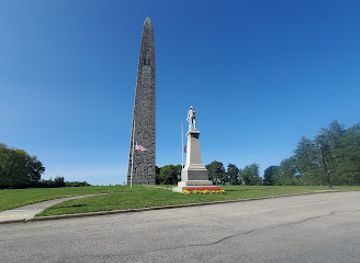
Monument
Bennington Battle Monument
Discover the Bennington Battle Monument, a historic tribute to the American Revolution with stunning views and rich history in Vermont.
-
Historical place museum
Hildene, The Lincoln Family Home- Welcome Center
Explore Hildene, The Lincoln Family Home, a historical treasure in Vermont blending heritage, stunning gardens, and captivating architecture.
-
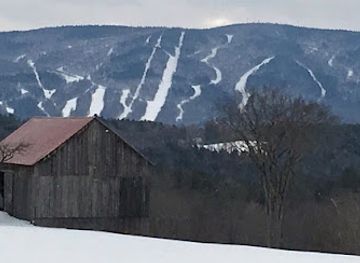
Ski resort
Magic Mountain Ski Area
Experience thrilling skiing, vibrant nightlife, and breathtaking views at Magic Mountain Ski Area in Londonderry, Vermont, the ultimate winter getaway.
-
Tourist attraction
Marsh-Billings-Rockefeller National Historical Park
Experience the beauty and history of Marsh-Billings-Rockefeller National Historical Park, a remarkable blend of nature, conservation, and cultural heritage in Vermont.

Explore Windham County on the map
Plan your trip on one map. See where the top cities, national parks and sights are, and book hotels and experiences in a few clicks.
Best hotels in Windham County
Best restaurants in Windham County
Dining in Windham County reflects southern Vermont’s farms, forests and river towns. Brattleboro has the broadest range of restaurants, from cafés and bakeries to globally influenced cooking, vegetarian options, breweries and more formal dining, while Putney is known for a smaller but distinctive food and craft scene. In rural towns, country stores, diners, pubs and seasonal farm stands are often as useful to travellers as conventional restaurants. Look for maple products, apples, berries, pasture-raised meat, local cheeses, soups, breads and baked goods, with produce varying through the growing season. Farm-to-table cooking is common in the region, though the phrase covers a range of establishments rather than one fixed culinary style. Resort areas around Mount Snow and Stratton offer the widest selection in winter, while the Connecticut River towns provide additional places to eat along the main north-south corridor.
-
Seafood
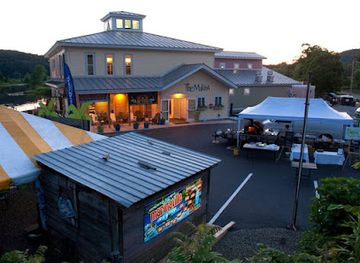
The Marina
Experience fresh seafood with stunning waterfront views at The Marina in Brattleboro, Vermont - your go-to destination for American cuisine.
-
American
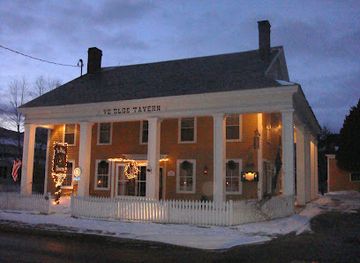
Ye Olde Tavern
Discover Ye Olde Tavern: A quintessential American dining experience blending rustic charm with gourmet flavors in Manchester Center.
-
Mediterranean
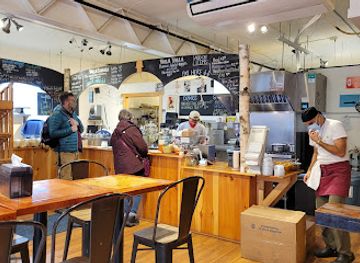
Yalla Vermont
Experience authentic Mediterranean flavors at Yalla Vermont in Brattleboro - where every dish tells a story.
-
Restaurant
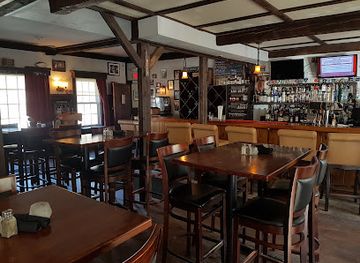
1846 Inn & Tavern
Experience rustic charm and culinary delights at 1846 Inn & Tavern in West Dover, Vermont – your gateway to adventure and relaxation.
Best bars in Windham County
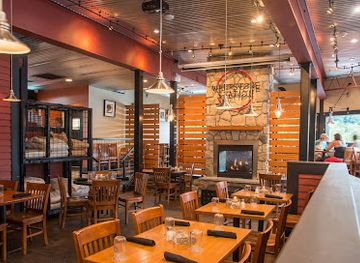
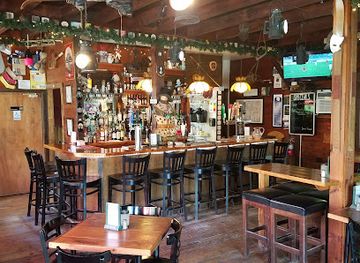
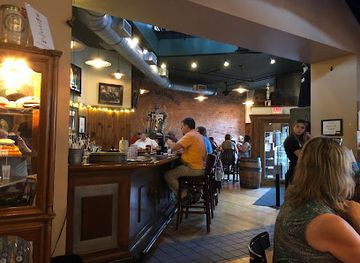
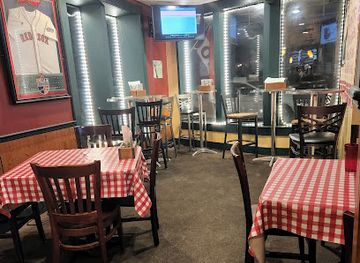
Evening life in Windham County is concentrated in Brattleboro, where pubs, cocktail bars, breweries, cafés, restaurants, music venues and theatres create the county’s most varied after-dark scene. Bellows Falls and Putney offer smaller clusters of pubs, restaurants and cultural events, while Wilmington and resort communities become busier during the ski season and summer holiday periods. Outside these centres, evenings generally revolve around local taverns, inn restaurants, community performances and quiet drinks rather than nightclubs. Live music, theatre and gallery events are important to the county’s cultural life, and schedules vary by season. Visitors should check current arrangements rather than expect late-night transport or a large choice of venues in rural areas, where driving distances and limited taxi availability make planning particularly important.
-
Restaurant
Rail and River Tavern
Experience Vermont's culinary charm at Rail and River Tavern, where hearty meals and local brews create the perfect dining escape.
-
American
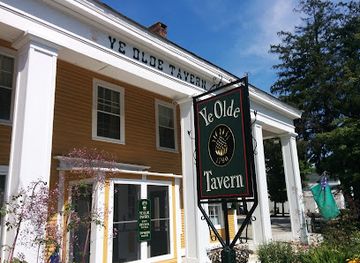
Ye Olde Tavern
Experience the flavor of Vermont at Ye Olde Tavern, a fine dining American restaurant offering locally-sourced dishes in a cozy setting.
-
Pub
MacLaomainn's Scottish Pub
Discover the charm of Scotland at MacLaomainn's Scottish Pub in Chester, Vermont, where delicious food and craft beers await.
-
Grill
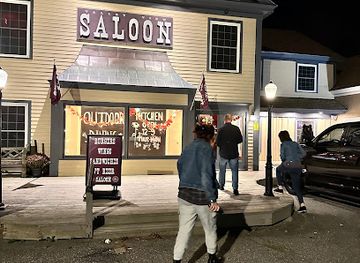
Valley View Saloon
Discover the vibrant flavors of Vermont at Valley View Saloon, a cozy grill and bar perfect for relaxation and enjoyment.
Best nightclubs in Windham County
-
Brewpub
Madison Brewing Company Pub & Restaurant
Discover the vibrant brewpub culture at Madison Brewing Company in Bennington, Vermont, featuring craft beers, delicious American cuisine, and live music.
-
Pizza
Ramunto's Brick Oven Pizza
Savor the authentic taste of Italy at Ramunto's Brick Oven Pizza in Bennington, where every bite is a delicious journey.
-
Restaurant
Echo Restaurant & Lounge
Discover the culinary delights of Echo Restaurant & Lounge in Brattleboro, Vermont, where American cuisine meets a vibrant lounge atmosphere.
-
Bar
Kipling's Tavern
Experience the warmth of Vermont at Kipling's Tavern, where hearty meals and local brews create memorable moments in Brattleboro.


Best shops in Windham County
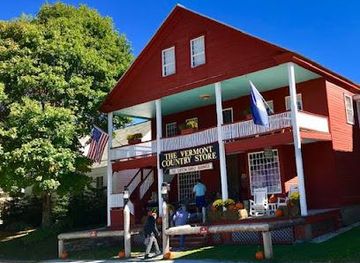
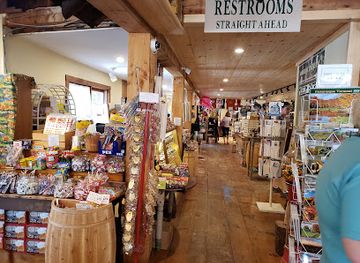
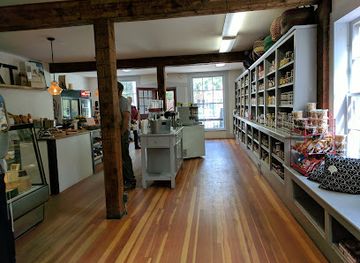
Brattleboro is Windham County’s principal shopping centre, with independent bookshops, clothing and gift shops, galleries, craft retailers, cafés and a walkable downtown that is more locally distinctive than a conventional suburban mall. Putney offers studios, pottery, textiles, artworks and other products associated with its creative community, while village stores across the county provide everyday goods alongside maple syrup, preserves, baked items and regional produce. Farmers’ markets and farm stands are seasonal sources of cheese, fruit, vegetables, honey and locally made foods; availability varies with the agricultural calendar. Wilmington and resort areas have outdoor clothing, ski equipment, galleries and visitor-oriented shops, particularly during winter and summer peaks. For souvenirs, locally made crafts and maple products are generally more representative of Windham County than generic Vermont-branded merchandise, and small businesses may have limited hours outside the main tourist seasons.
-
General store
The Vermont Country Store Rockingham
Experience the heart of Vermont at The Vermont Country Store, a general store offering local crafts, delicious treats, and a nostalgic shopping experience.
-
General store
The Vermont Country Store Weston
Experience the charm and nostalgia of The Vermont Country Store, a must-visit destination for unique crafts and local delicacies in Weston.
-
Gift shop
Hogback Mountain Country Store
Explore Hogback Mountain Country Store for unique Vermont gifts, local snacks, and stunning mountain views in a charming gift shop.
-
Gift shop
MKT: Grafton
Explore MKT: Grafton for unique gifts, local cheeses, and delicious meals in the heart of Vermont's picturesque countryside.

Get your free copy of our complete guide to Windham County, delivered straight to you.
Everything on this page, from attractions and restaurants to essentials and local phrases, in one PDF you can read offline, print or share.
Already have an account? Sign in
Your Windham County guide is ready.
We'll send it to · Not you? Sign out

Getting your guide ready…
We are putting together a fresh copy of the Windham County guide. This can take up to a minute.
This can take a few moments. If your browser asks, choose Allow so the download can start. You'll find the guide in your Downloads folder.
Nothing happened? Download it again
Sorry, the guide is taking longer than usual. Please try again in a minute, or get it by email instead.
Windham County essentials
Currency and Payment
Safety
Emergency Situations
Do's and Don'ts
Local Tips
From Eve
Local phrases worth knowing
You don't need to get them perfect. A few words go a long way, and locals appreciate the effort.
Basics
| English | Local | Say it |
|---|---|---|
| Hello | Howdy | [How-dee] |
| Goodbye | See ya later | [See ya lay-tur] |
| Yes | Yup | [Yup] |
| No | Nope | [Nope] |
| Please/You’re welcome | Sure thing | [Shur thing] |
| Thank you | Thanks a lot | [Thangs a lot] |
| Excuse me/Sorry | Pardon me | [Pardon me] |
| How are you? | How’s it going? | [How’s it goin'?] |
| Fine. And you? | Good. And you? | [Good. And you?] |
| Do you speak English? | Do ya speak English? | [Doo ya speak English?] |
| I don’t understand | I’m not following | [I’m not followin'] |
Eating & Drinking
| English | Local | Say it |
|---|---|---|
| I’d like to see the menu, please | Could I see the menu, please? | [Could I see the men-yoo, please?] |
| I don’t eat meat | I’m a vegetarian | [I’m a vege-tair-ee-an] |
| Cheers! | Cheers! | [Cheers!] |
| I would like to pay, please | Can I get the check, please? | [Can I get the check, please?] |
Emergencies
| English | Local | Say it |
|---|---|---|
| Help! | Help! | [Help!] |
| Go away! | Leave me alone! | [Leave me alone!] |
| Call the Police! | Call the cops! | [Call the cops!] |
| Call a doctor! | Get a doctor! | [Get a doctor!] |
| I’m lost | I can’t find my way | [I can’t find my way] |
| I’m ill | I’m not feeling well | [I’m not feelin' well] |
Shopping
| English | Local | Say it |
|---|---|---|
| I’d like to buy... | I’d like to grab... | [I’d like to grab...] |
| I’m just looking | Just browsing, thanks | [Just browsin', thanks] |
| How much is it? | What’s the price? | [What’s the price?] |
| That’s too expensive | That’s a bit pricey | [That’s a bit pricy] |
| Can you lower the price? | Can ya do any better on the price? | [Can ya do any better on the price?] |
Time & Numbers
| English | Local | Say it |
|---|---|---|
| What time is it? | What’s the time? | [What’s the time?] |
| It’s one o’clock | It’s one o'clock | [It’s one o'clock] |
| Half past (10) | Half past ten | [Half past ten] |
| Morning | Morning | [Morning] |
| Afternoon | Afternoon | [Afternoon] |
| Evening | Evening | [Evening] |
| Yesterday | Yesterday | [Yesterday] |
| Today | Today | [Today] |
| Tomorrow | Tomorrow | [Tomorrow] |
| 1 | One | [One] |
| 2 | Two | [Two] |
| 3 | Three | [Three] |
| 4 | Four | [Four] |
| 5 | Five | [Five] |
| 6 | Six | [Six] |
| 7 | Seven | [Seven] |
| 8 | Eight | [Eight] |
| 9 | Nine | [Nine] |
| 10 | Ten | [Ten] |
Transport & Directions
| English | Local | Say it |
|---|---|---|
| Where's a/the...? | Where’s the nearest...? | [Where’s the nearest...?] |
| What’s the address? | What’s the address? | [What’s the address?] |
| Can you show me (on the map)? | Can ya point it out on the map? | [Can ya point it out on the map?] |
| When's the next (bus)? | When’s the next bus? | [When’s the next bus?] |
| A ticket (to ....) | A ticket to... | [A ticket to...] |
History of Windham County
Abenaki Homeland and Indigenous Landscapes
Before European settlement, the valleys and mountains of present-day Windham County were part of the homeland and travel landscape of Western Abenaki communities, including peoples associated with the Sokoki. Rivers provided routes for movement and fishing, while forests supplied game, plants and materials. European settlement, warfare, disease and land dispossession profoundly disrupted Indigenous life. The county’s later colonial and agricultural history should therefore be understood as developing on an already inhabited landscape, even though relatively few visible historic sites interpret that earlier period in detail.
Fort Dummer and Colonial Conflict, 1724
Fort Dummer was established in 1724 near present-day Brattleboro during a period of conflict and insecurity on the colonial frontier. Built by Massachusetts, it was the first permanent English settlement in what is now Vermont and became a strategic point on the Connecticut River. The fort itself no longer survives, but its establishment influenced later settlement and boundary disputes. Brattleboro’s position at the river crossing helped it develop into one of southern Vermont’s most important communities.
Town Formation and Vermont Statehood
During the eighteenth and early nineteenth centuries, settlers established farms, mills, churches and villages across the county’s river valleys and uplands. Windham County was part of the Vermont Republic before Vermont joined the United States in 1791. Town centres such as Newfane, Putney and Townshend developed around civic buildings, meeting houses and commercial routes, while the Connecticut River and mountain passes shaped connections with New Hampshire and Massachusetts. Many surviving village greens, churches and houses date from this period of agricultural expansion.
River Industry and the Rise of Bellows Falls
The Connecticut River’s falls at Bellows Falls provided water power and helped make the settlement a major industrial and transport centre. A canal and later railways improved the movement of goods, while paper, textile and other manufacturing enterprises used the river corridor. Brattleboro likewise grew through mills, trade and transportation. The surviving canal works, industrial buildings, bridges and compact commercial streets express a period when southern Vermont’s economy depended on water power, rail connections and regional manufacturing.
Railways and Regional Connection
Nineteenth-century railway construction transformed Windham County by linking river towns and mountain communities with Boston, New York and other New England markets. Bellows Falls became an important junction, and Brattleboro gained greater access for manufacturing, commerce and visitors. Rail also supported the movement of agricultural products, timber and manufactured goods. Although the county no longer has the extensive railway network of that era, passenger service on the Connecticut River corridor remains a practical and historic way to reach Brattleboro and Bellows Falls.
Agriculture, Maple and Rural Industry
Small farms, dairying, timber production and maple sugaring shaped the landscape beyond the main towns. Steep slopes and limited valley farmland encouraged a dispersed pattern of barns, sugarhouses and pasture rather than large-scale plantation agriculture. Some farms later closed or consolidated, but maple production, local agriculture and craft food businesses remain important parts of the county’s identity. Seasonal farm stands, markets and sugarhouses provide a contemporary connection to an economy that has long depended on the relationship between forests, fields and village communities.
Skiing and the Modern Mountain Economy
The development of ski areas in the western part of the county, particularly at Mount Snow and Stratton, changed Windham County’s tourism economy after the mid-twentieth century. Winter sport brought new accommodation, restaurants, roads and employment, while the mountains increasingly attracted summer visitors for hiking, cycling and other outdoor activities. Resort development exists alongside older villages and working landscapes, creating a marked contrast between the busy winter slopes and the quieter agricultural and river communities elsewhere in the county.
Arts, Education and Cultural Renewal
Brattleboro and Putney developed influential arts, music, theatre, craft and educational communities during the twentieth century, adding a cultural dimension to the county’s rural economy. Organisations such as the Brattleboro Museum & Art Center, arts venues and independent studios reflect this continuing development. The movement has not erased the county’s industrial or agricultural past; instead, former commercial buildings, village spaces and rural properties often accommodate contemporary creative work, helping explain why Windham County combines traditional New England architecture with a notably active arts scene.
Windham County in Photos
Browse through our photo collection highlighting the charm and character of the destination.
Neighbouring regions of Windham County
The closest regions to Windham County, if you have time for more than one.
-

-

-

-
-


Swipe for more regions
Explore more

Explore more of Vermont
Discover Vermont: A year-round haven of natural beauty, charming towns, and rich heritage in the Green Mountain State.
Explore Vermont