

Free Upper Valley Travel Guide & Mobile App
Explore Upper Valley with free travel guides. Discover regional history, expert tips, proposed trips, and audio guides on web or mobile app.


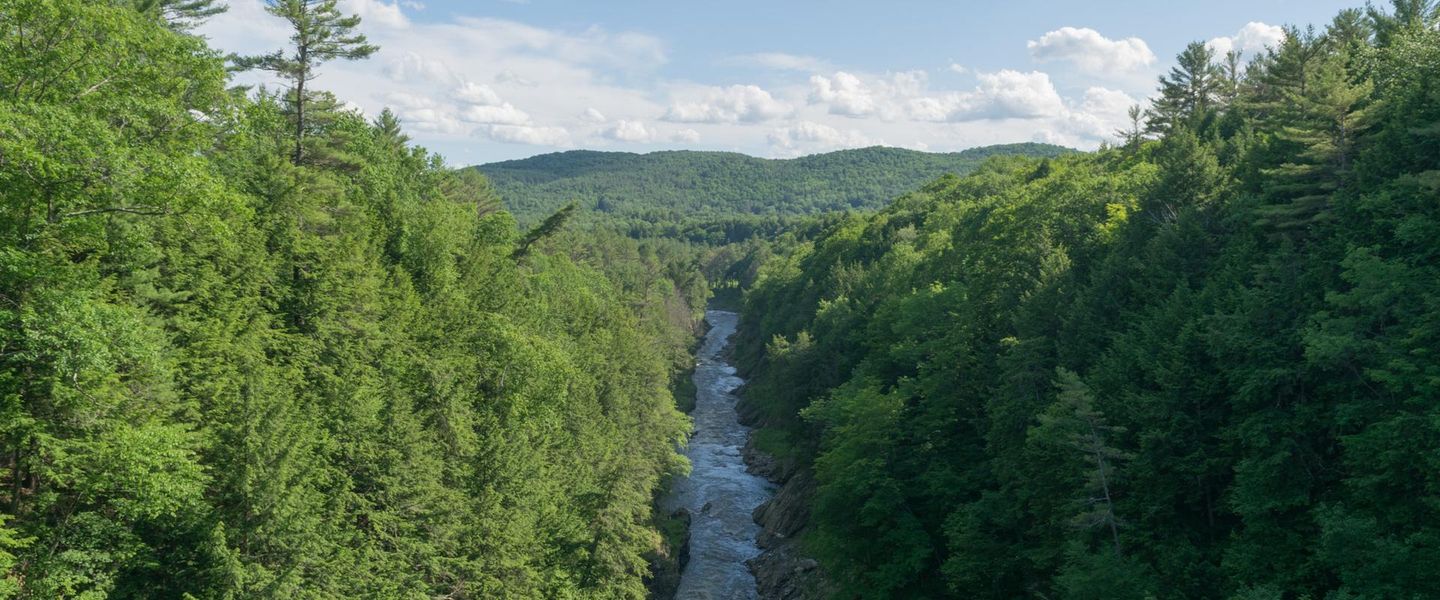


Explore Vermont’s Upper Valley for river scenery, covered bridges, village history, creative culture, farm produce and four-season outdoor activities.
Read more about Upper Valley
Getting to and around Upper Valley
How to get there
Transportation
Top city travel guides in Upper Valley
The cities of Upper Valley, and the easiest places to base yourself.
-

-

-
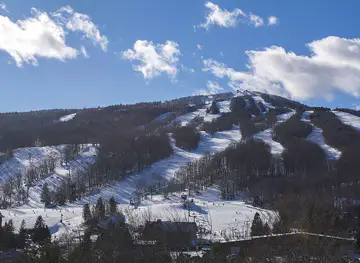


Swipe for more cities
Destinations in Upper Valley
Resorts, valleys and scenic spots worth a trip of their own.
-

-
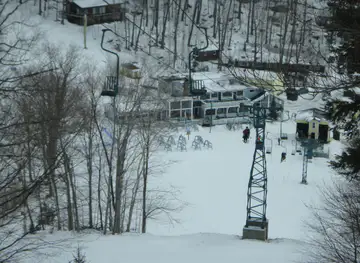
-

-

-


Swipe for more destinations
Best attractions in Upper Valley
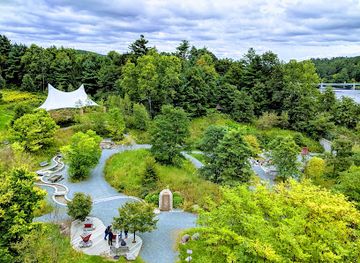
The Upper Valley’s attractions combine accessible nature with a remarkably concentrated collection of museums, historic properties and cultural venues. The Montshire Museum of Science in Norwich is designed around hands-on learning and outdoor installations, making it particularly suitable for families, while the Vermont Institute of Natural Science in Quechee interprets regional wildlife and conservation through exhibits, trails and raptor programmes. Quechee Gorge and its surrounding recreation areas provide the region’s best-known natural outing, with walks, viewpoints and access to the dramatic Ottauquechee River valley. In and around Hartford, visitors can explore the restored railway character of White River Junction, local galleries and performance spaces. Historic villages and farms add a different dimension: Woodstock’s nearby Billings Farm & Museum presents working agricultural traditions, while the Marsh-Billings-Rockefeller National Historical Park preserves an important landscape of conservation, forestry and estate history. Covered bridges, riverside paths, small museums, craft workshops and seasonal farm visits fill the spaces between larger sites. The most rewarding itineraries mix one principal museum or heritage property with a walk, scenic drive or locally produced meal rather than treating the Upper Valley as a checklist of isolated attractions.
-
Tourist attraction
Killington Resort
Experience the thrill of skiing and the beauty of nature at Killington Resort, Vermont's ultimate destination for year-round outdoor adventure.
-
Tourist attraction
Montshire Museum of Science
Explore the Montshire Museum of Science in Norwich, Vermont: A hands-on science adventure for families and curious minds alike.
-
Farm
Sugarbush Farm
Discover the charm of Sugarbush Farm in Woodstock, Vermont, where local cheese, stunning views, and farm adventures await every visitor.
-
Tourist attraction
VINS Nature Center
Discover the beauty of nature and art at VINS Nature Center, a unique destination for environmental education and wildlife encounters in Vermont.
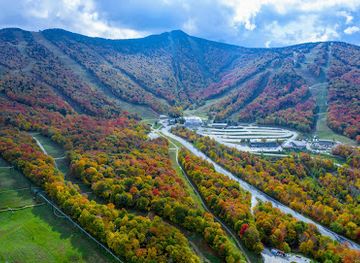

Best landmarks in Upper Valley
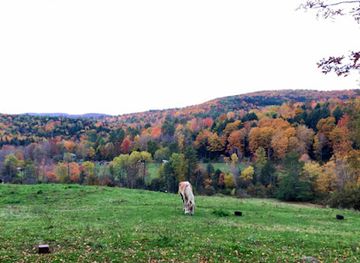
Quechee Gorge is the Upper Valley’s defining natural landmark, where the Ottauquechee River cuts through a narrow, forested ravine and the surrounding roads, bridges and viewpoints reveal the relationship between settlement and landscape. White River Junction’s historic railway buildings are equally significant in cultural terms: their brick construction, platforms and industrial scale record the era when rail made Hartford one of Vermont’s important transport centres. Covered bridges around the eastern Vermont villages are smaller landmarks but important expressions of nineteenth-century engineering and rural mobility. In Windsor, the historic village setting and surviving industrial heritage reflect the town’s role in early Vermont manufacturing. Woodstock’s courthouse square, churches and carefully preserved civic buildings form one of the region’s most recognisable townscapes, while nearby historic farm and estate landscapes show how agriculture, conservation and wealth shaped the countryside. The Connecticut River itself is a geographical landmark, defining the eastern edge of Vermont’s Upper Valley and connecting its towns to a much larger New England river system.
-
 Tourist attraction
Jay Peak Resort
Discover year-round excitement at Jay Peak Resort with skiing, golfing, and an indoor water park amidst Vermont's stunning landscapes.
-
Historical landmark
Fort Ticonderoga
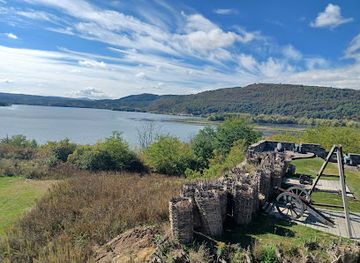
Visit Fort Ticonderoga, a stunning historical landmark that reveals America’s Revolutionary War past amidst breathtaking landscapes and engaging exhibits.
-
Tourist attraction
Montshire Museum of Science
Explore the Montshire Museum of Science in Vermont for an unforgettable journey through interactive exhibits and the wonders of nature.
-
Historical place
Bennington Battle Monument
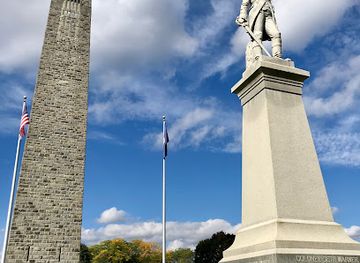
Discover the Bennington Battle Monument, Vermont's tallest structure and a vital piece of Revolutionary War history, offering breathtaking views and rich historical narratives.

Explore Upper Valley on the map
Plan your trip on one map. See where the top cities, national parks and sights are, and book hotels and experiences in a few clicks.
Best hotels in Upper Valley
Best restaurants in Upper Valley
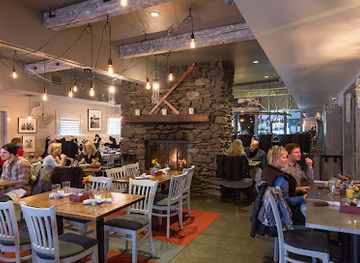
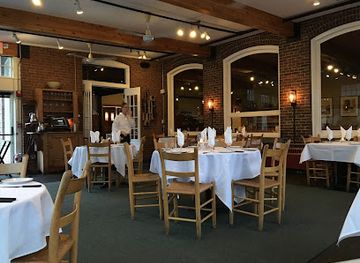
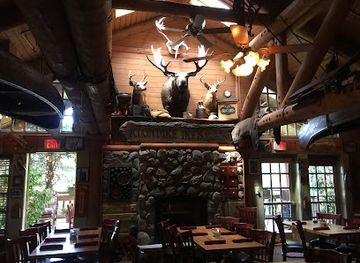
Dining in Vermont’s Upper Valley reflects the surrounding farms and forests as much as the region’s cross-border professional economy. Restaurants, cafés, bakeries and classic diners are concentrated in White River Junction, Norwich, Woodstock, Quechee and nearby village centres, while rural inns and farm shops extend the choice along country roads. Menus often draw on Vermont dairy, apples, maple syrup, seasonal vegetables, pasture-raised meat, trout and locally made bread, with contemporary cooking sitting alongside burgers, soups, pancakes and other New England staples. Cheese, cider, craft beer and maple products are useful regional purchases, and farmers’ markets provide a direct introduction to the agricultural calendar. Food traditions are not confined to one Upper Valley dish: the area’s identity is built more from small producers, seasonal cooking and farm-to-table supply than from a single signature recipe. Some establishments close or reduce service outside the main season, so check current arrangements when visiting smaller communities or planning a meal in a rural area.
-
Brewery
Idletyme
Experience exceptional craft beers and delicious American cuisine at Idletyme Brewing in beautiful Stowe, Vermont.
-
Restaurant
Simon Pearce
Discover culinary artistry at Simon Pearce in Quechee, Vermont – where fine dining meets exquisite craftsmanship amidst stunning natural beauty.
-
Steak
Jesse's Steakhouse
Experience the best of American cuisine with exceptional steaks and seafood at Jesse's Steakhouse in Hanover, NH.
-
American
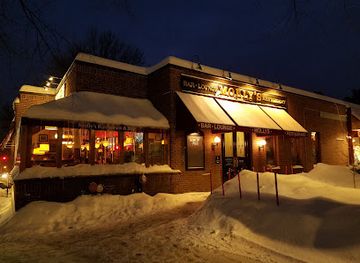
Molly's Restaurant & Bar
Discover delicious American cuisine at Molly's Restaurant & Bar in Hanover - where taste meets tradition in a welcoming atmosphere.
Best bars in Upper Valley
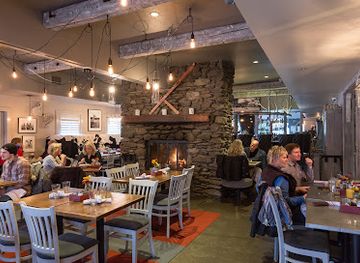
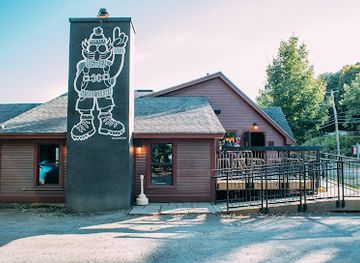
Evening life in Vermont’s Upper Valley is modest in scale and centred on pubs, restaurants, breweries, cafés, theatres and live performances rather than a large nightclub scene. White River Junction has the region’s strongest concentration of arts-oriented evening activity, with performances, galleries and informal places to eat and drink, while Norwich, Woodstock and Quechee offer quieter dining and bar options. The area’s breweries and taprooms provide locally made beer in a social setting, but drinking is only one element of the evening culture. College-related nightlife is more prominent across the river in Hanover, New Hampshire, and should not be confused with Vermont’s own communities. Rural venues may have limited late-night transport and irregular schedules, so visitors should arrange a safe return journey rather than assume that taxis or rideshares will be immediately available. Summer events and foliage season can increase activity, while winter evenings generally favour restaurants, performances and early closing times.
-
Brewery
Idletyme
Experience the best of craft brewing and American cuisine at Idletyme Brewing in Stowe, Vermont, surrounded by breathtaking mountain views.
-
Bar
Doc Ponds
Discover the vibrant atmosphere of Doc Ponds, a bar and restaurant in Stowe, Vermont, known for its craft cocktails and local brews.
-
Turkish
Tuckerbox
Discover the authentic flavors of Turkey at Tuckerbox, where Mediterranean meets Vermont in a delightful dining experience.
-
Pub
Salt Hill Pub - Lebanon
Experience the local taste at Salt Hill Pub in Lebanon, NH, where cozy atmosphere meets delicious food and a great selection of drinks.


Best nightclubs in Upper Valley
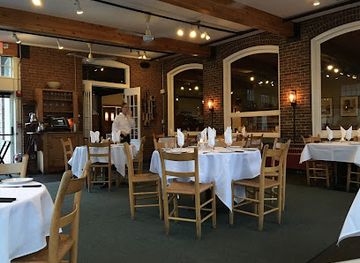
Evening life in Vermont’s Upper Valley is modest in scale and centred on pubs, restaurants, breweries, cafés, theatres and live performances rather than a large nightclub scene. White River Junction has the region’s strongest concentration of arts-oriented evening activity, with performances, galleries and informal places to eat and drink, while Norwich, Woodstock and Quechee offer quieter dining and bar options. The area’s breweries and taprooms provide locally made beer in a social setting, but drinking is only one element of the evening culture. College-related nightlife is more prominent across the river in Hanover, New Hampshire, and should not be confused with Vermont’s own communities. Rural venues may have limited late-night transport and irregular schedules, so visitors should arrange a safe return journey rather than assume that taxis or rideshares will be immediately available. Summer events and foliage season can increase activity, while winter evenings generally favour restaurants, performances and early closing times.
-
Bar
Simon Pearce
Experience the perfect blend of exquisite cuisine and stunning artistry at Simon Pearce, Quechee's premier dining destination.
-
Country club
Quechee Club
Discover the Quechee Club, where luxury meets recreation in the heart of Vermont's breathtaking landscapes.
-
Bar
Babes Bar
Discover the lively ambiance and local entertainment at Babes Bar in Bethel, Vermont, a favorite nightlife spot for tourists and locals.
-
Bar
Wolf Tree
Discover Wolf Tree, the vibrant bar in White River Junction, known for its strong drinks and welcoming atmosphere, perfect for both locals and tourists.


Best shops in Upper Valley
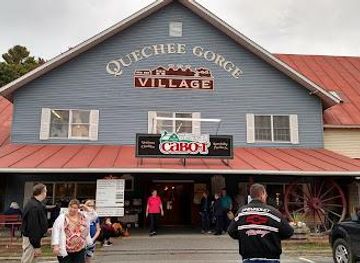
Shopping in the Upper Valley is strongest in village centres and market towns rather than conventional retail districts. White River Junction combines independent galleries, books, vintage goods, design-led businesses and railway-era streetscapes, while Norwich has specialist shops and food-oriented businesses close to its green. Woodstock and Quechee attract visitors to craft galleries, antiques, homewares, books, clothing and locally made gifts, though the retail character is more small-scale than metropolitan. Farm shops and seasonal markets are the best places to find Vermont maple syrup, cheese, apple products, preserves, baked goods, honey and craft beverages. Pottery, woodwork, textiles, jewellery and artwork are common regional purchases, often sold through galleries or studio shops rather than large centres. Market days vary by town and season, and some rural businesses operate limited hours outside summer and autumn, so it is sensible to check locally before making a special journey. Products labelled as made in Vermont provide more meaningful souvenirs than generic New England merchandise.
-
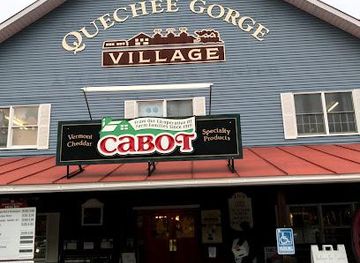
Shopping mall
Quechee Gorge Village
Experience the beauty of Vermont at Quechee Gorge Village, a charming shopping destination nestled in nature's embrace, perfect for all travelers.
-
Antique store
Vermont Antique Mall
Explore a vast collection of antiques and unique treasures at Vermont Antique Mall, a vintage paradise in Quechee, Vermont.
-
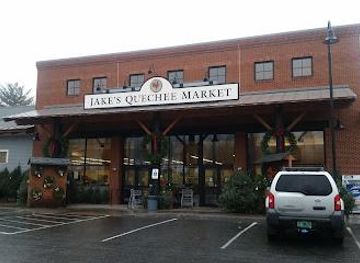
Grocery store
Jake's Quechee Market
Explore Vermont's culinary delights at Jake's Quechee Market, where fresh local produce meets artisanal products in a charming grocery store.
-
Dairy store
Quechee General Store - Cabot Station
Experience the essence of Vermont at Quechee General Store - Cabot Station, your go-to destination for local dairy and gourmet delights.

Get your free copy of our complete guide to Upper Valley, delivered straight to you.
Everything on this page, from attractions and restaurants to essentials and local phrases, in one PDF you can read offline, print or share.
Already have an account? Sign in
Your Upper Valley guide is ready.
We'll send it to · Not you? Sign out

Getting your guide ready…
We are putting together a fresh copy of the Upper Valley guide. This can take up to a minute.
This can take a few moments. If your browser asks, choose Allow so the download can start. You'll find the guide in your Downloads folder.
Nothing happened? Download it again
Sorry, the guide is taking longer than usual. Please try again in a minute, or get it by email instead.
Upper Valley essentials
Currency and Payment
Safety
Emergency Situations
Do's and Don'ts
Local Tips
From Eve
Local phrases worth knowing
You don't need to get them perfect. A few words go a long way, and locals appreciate the effort.
Basics
| English | Local | Say it |
|---|---|---|
| Hello | Hiya | [Hii-ya] |
| Goodbye | See ya | [See ya] |
| Yes | Yup | [Yup] |
| No | Nah | [Nah] |
| Please/You're welcome | Sure thing | [Shur thing] |
| Thank you | Thanks a lot | [Thanks a lot] |
| Excuse me/Sorry | Pardon me | [Pardon me] |
| How are you? | How ya doin'? | [How ya doin'?] |
| Fine. And you? | Good. And you? | [Good. And you?] |
| Do you speak English? | Ya speak English? | [Ya speak English?] |
| I don't understand | I don’t get it | [I don’t get it] |
Eating & Drinking
| English | Local | Say it |
|---|---|---|
| I'd like to see the menu, please | Can I see the menu, please? | [Can I see the menu, please?] |
| I don't eat meat | I’m a vegetarian | [I’m a vege-tarian] |
| Cheers! | Cheers! | [Cheers!] |
| I would like to pay, please | Can I get the check, please? | [Can I get the check, please?] |
Emergencies
| English | Local | Say it |
|---|---|---|
| Help! | Help! | [Help!] |
| Go away! | Leave me alone! | [Leave me alone!] |
| Call the Police! | Call the cops! | [Call the cops!] |
| Call a doctor! | Get a doctor! | [Get a doctor!] |
| I'm lost | I can’t find my way | [I can’t find my way] |
| I'm ill | I’m not feeling well | [I’m not feeling well] |
Shopping
| English | Local | Say it |
|---|---|---|
| I'd like to buy... | I wanna buy... | [I wanna buy...] |
| I'm just looking | Just browsing, thanks | [Just browsing, thanks] |
| How much is it? | What’s the price? | [What’s the price?] |
| That's too expensive | That’s a bit pricey | [That’s a bit pricey] |
| Can you lower the price? | Can you make it cheaper? | [Can you make it cheaper?] |
Time & Numbers
| English | Local | Say it |
|---|---|---|
| What time is it? | What’s the time? | [What’s the time?] |
| It's one o'clock | It's one o'clock | [It's one o'clock] |
| Half past (10) | Half past ten | [Half past ten] |
| Morning | Morning | [Morning] |
| Afternoon | Afternoon | [Afternoon] |
| Evening | Evening | [Evening] |
| Yesterday | Yesterday | [Yesterday] |
| Today | Today | [Today] |
| Tomorrow | Tomorrow | [Tomorrow] |
| 1 | One | [One] |
| 2 | Two | [Two] |
| 3 | Three | [Three] |
| 4 | Four | [Four] |
| 5 | Five | [Five] |
| 6 | Six | [Six] |
| 7 | Seven | [Seven] |
| 8 | Eight | [Eight] |
| 9 | Nine | [Nine] |
| 10 | Ten | [Ten] |
Transport & Directions
| English | Local | Say it |
|---|---|---|
| Where's a/the...? | Where’s the...? | [Where’s the...?] |
| What's the address? | What’s the address? | [What’s the address?] |
| Can you show me (on the map)? | Can you point it out on the map? | [Can you point it out on the map?] |
| When's the next (bus)? | When’s the next bus? | [When’s the next bus?] |
| A ticket (to ....) | A ticket to ... | [A ticket to ...] |
History of Upper Valley
Abenaki Homeland and River Networks
The Upper Valley lies within the wider homeland and travel landscape of the Western Abenaki, whose communities used the Connecticut River and its tributaries for movement, fishing, hunting and exchange. European settlement later transformed these waterways and displaced Indigenous societies, but Abenaki history remains an essential part of the region’s past rather than a prelude to it. The river corridor’s geography helps explain why later communities, roads and railway lines developed in the same general area.
Eighteenth-Century Colonial Settlement
English colonial settlement expanded along the Connecticut River during the eighteenth century, although conflict and political uncertainty repeatedly interrupted development. Towns on the Vermont side, including Norwich, Hartford and Windsor, grew around farms, mills, ferries and river landings. The establishment of Vermont as an independent republic in 1777, followed by statehood in 1791, gave these settlements a changing political setting as the new state negotiated its place within the United States.
Farming, Mills and Early Industry
During the nineteenth century, the Upper Valley developed as a farming and manufacturing corridor. Water-powered mills processed timber, grain and other materials, while farms supplied nearby settlements and regional markets. Windsor became associated with industrial activity and machinery, and villages across the region acquired the churches, meetinghouses, commercial blocks and substantial houses that still shape their historic streetscapes. Dairy farming later became particularly important in Vermont’s agricultural economy.
Railways and White River Junction
Railway construction in the nineteenth century changed the scale and direction of Upper Valley commerce. White River Junction grew at the meeting of important rail routes and became a significant interchange, bringing passengers, freight, hotels, workshops and warehouses to the town of Hartford. Rail transport connected the region with Boston, Montreal and other New England centres, while also accelerating the movement of agricultural goods and manufactured products. Remaining railway buildings and tracks preserve this phase of the region’s history.
Conservation and the Working Landscape
In the twentieth century, concern for historic buildings, farmland and scenic landscapes encouraged a strong conservation movement in the Upper Valley. The preservation of village centres, covered bridges, working farms and rural views became part of the region’s cultural identity. Historic properties around Woodstock and Quechee, along with protected natural areas and river corridors, demonstrate how conservation has sought to retain both architectural heritage and an active agricultural landscape rather than creating a landscape of monuments alone.
A Modern Educational and Creative Economy
The Upper Valley’s contemporary identity has been shaped by education, healthcare, technology and the arts, particularly around the cross-river towns of Hanover and Lebanon in New Hampshire and Vermont communities such as White River Junction and Norwich. Vermont’s side has developed galleries, theatres, museums, food businesses and craft enterprises alongside farms and small manufacturers. This economic mix explains why the region combines a rural appearance with an unusually active cultural life for a sparsely settled part of the state.
Upper Valley in Photos
Browse through our photo collection highlighting the charm and character of the destination.
Neighbouring regions of Upper Valley
The closest regions to Upper Valley, if you have time for more than one.
-

-

-
-

-


Swipe for more regions
Explore more

Explore more of Vermont
Discover Vermont: A year-round haven of natural beauty, charming towns, and rich heritage in the Green Mountain State.
Explore Vermont