

Free Green Mountains Travel Guide & Mobile App
Explore Green Mountains with free travel guides. Discover regional history, expert tips, proposed trips, and audio guides on web or mobile app.


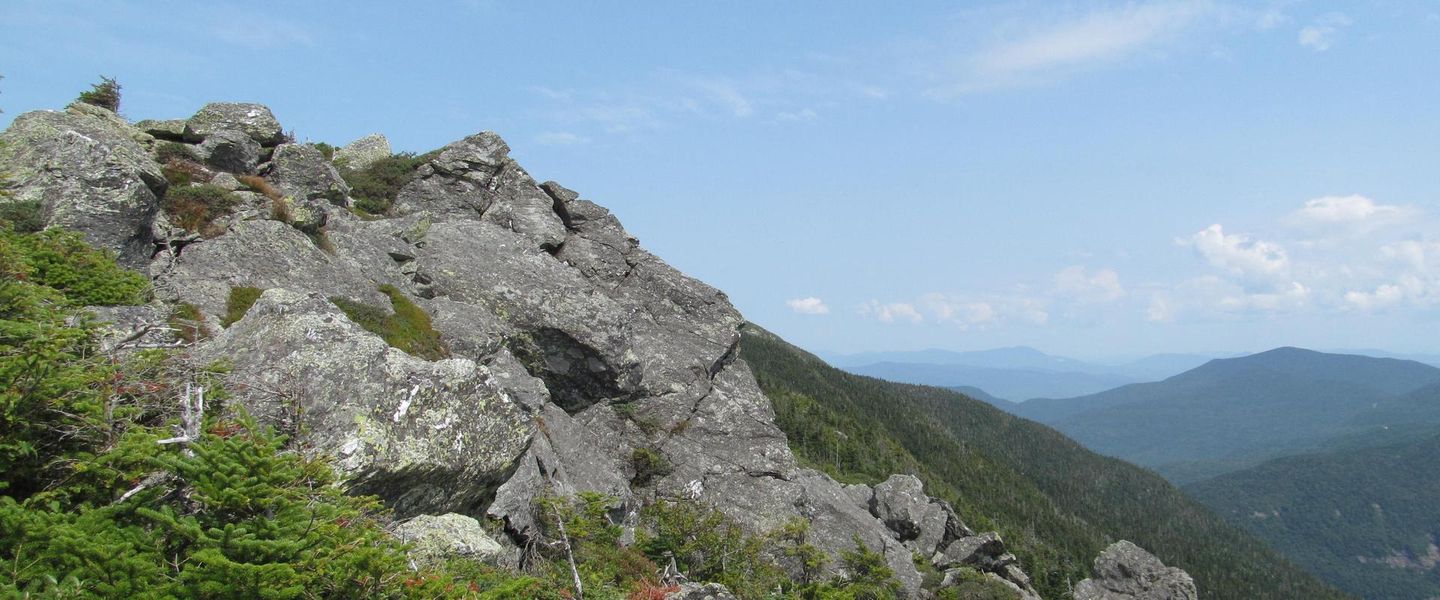


Explore Vermont’s Green Mountains for forested trails, ski slopes, maple farms, historic villages and wide-ranging outdoor adventures.
Read more about Green Mountains
Getting to and around Green Mountains
How to get there
Transportation
Top city travel guides in Green Mountains
The cities of Green Mountains, and the easiest places to base yourself.
-

-

-

-

-

-


Swipe for more cities
Destinations in Green Mountains
Resorts, valleys and scenic spots worth a trip of their own.
-

-

-
-

-

-


Swipe for more destinations
Best attractions in Green Mountains
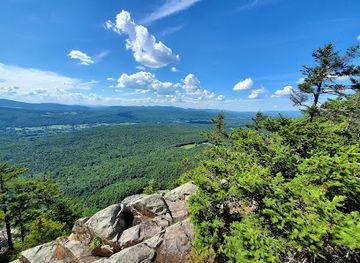
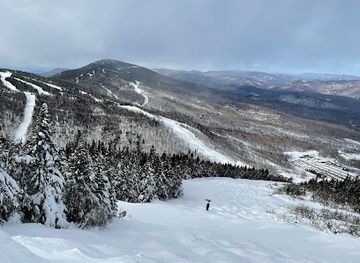
The Green Mountains offer a broad outdoor and cultural landscape rather than a concentrated collection of ticketed sights. The Long Trail and the Appalachian Trail provide the region’s defining long-distance walking routes, while shorter paths climb Camel’s Hump, Mount Abraham, Killington Peak and Mount Mansfield. The Green Mountain National Forest adds extensive opportunities for hiking, camping, wildlife observation, fishing and scenic drives, although facilities vary between sites. In winter, ski areas at Stowe, Sugarbush, Killington, Stratton, Okemo, Bromley and other mountain communities support skiing, snowboarding and related activities; several also operate in summer for hiking, biking or lift access. Valley towns such as Stowe, Waitsfield, Warren, Ludlow, Manchester and Woodstock’s nearby mountain approaches offer galleries, historic buildings, general stores and local food businesses. Farm visits, maple producers, covered bridges, swimming holes and small museums provide lower-key alternatives to strenuous activity. The best itineraries combine a mountain walk with time in a village or agricultural valley, while recognising that attractions are dispersed and seasonal.
-
Ice Cream
Ben & Jerry’s
Visit Ben & Jerry's in Waterbury, Vermont, for a delightful ice cream experience with unique flavors and a charming atmosphere.
-
National forest
Green Mountain National Forest
Experience the breathtaking beauty and adventurous spirit of Green Mountain National Forest, a pristine natural paradise in Vermont.
-
Museum
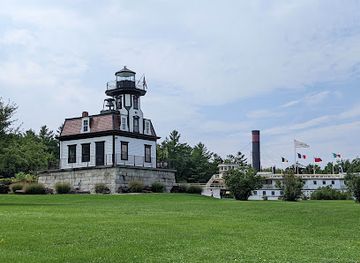
Shelburne Museum
Explore the Shelburne Museum: A Unique Open-Air Museum Celebrating American Art and History in Beautiful Vermont.
-
Science museum
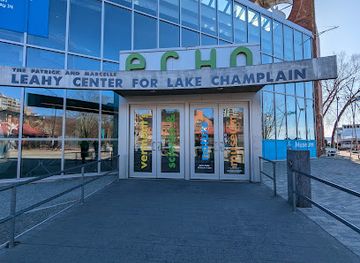
ECHO, Leahy Center for Lake Champlain
Explore ECHO, Leahy Center for Lake Champlain—a science museum where fun meets education on ecology and sustainability in Burlington, Vermont.
Best landmarks in Green Mountains
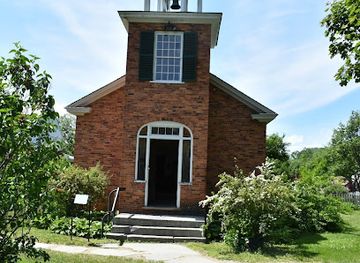
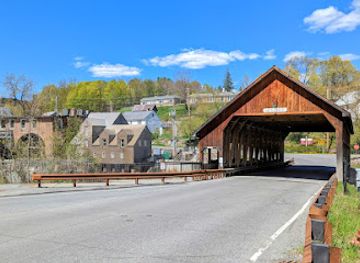
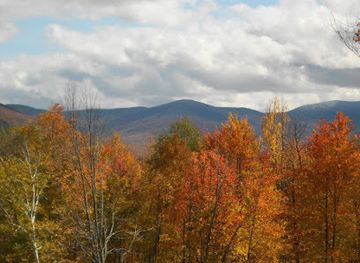
Mount Mansfield is the highest summit in Vermont and the most recognisable mountain landmark in the northern Green Mountains; its distinctive ridgeline includes features known as the Forehead, Nose, Lips and Chin. Camel’s Hump, south-east of Burlington and within the central range, is another emblematic peak, recognised for its abrupt profile and summit views. Killington Peak anchors one of the southern range’s best-known highland landscapes, while the long crest of the Green Mountains gives the region its defining geographical identity. The Long Trail is itself a landmark of Vermont’s outdoor heritage, following the mountain spine for much of the state. In the valleys, historic village greens, covered bridges, white-steepled churches and nineteenth-century commercial buildings express the region’s settlement history. The Calvin Coolidge Historic Site at Plymouth Notch, in the eastern Green Mountain foothills, preserves the birthplace and family homestead of the US president and provides an important connection between local rural life and national political history. Forested slopes, high passes and river valleys together form a landmark landscape rather than a single monumental attraction.
-
 Resort hotel
Jay Peak Resort
Discover the ultimate year-round escape at Jay Peak Resort in Vermont, where adventure and relaxation go hand in hand.
-
Historical landmark
Fort Ticonderoga
Explore Fort Ticonderoga, a historic fortress and museum, where America's military history comes alive on the shores of Lake Champlain.
-
Museum
Shelburne Museum
Discover the rich tapestry of American art and history at Shelburne Museum, where historic buildings and artifacts come to life in a beautiful setting.
-
Monument
Bennington Battle Monument
Experience the grandeur of the Bennington Battle Monument, a historic tribute to American freedom and a stunning viewpoint in Vermont.

Explore Green Mountains on the map
Plan your trip on one map. See where the top cities, national parks and sights are, and book hotels and experiences in a few clicks.
Best hotels in Green Mountains
Best restaurants in Green Mountains
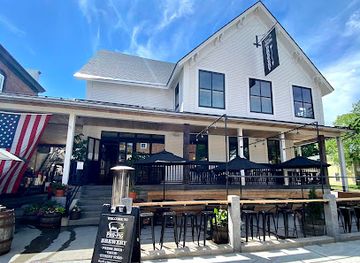
Dining in the Green Mountains reflects Vermont’s farms, forests and outdoor-tourism economy. Menus commonly feature local dairy products, Vermont cheeses, apples, berries, maple syrup and seasonal vegetables, alongside New England-influenced soups, baked goods and hearty fare suited to cold weather. Farm-to-table cooking is widely represented, but its form ranges from sophisticated dining rooms to informal cafés, general stores and roadside farm stands. Mountain towns such as Stowe, Waitsfield, Warren, Manchester, Killington and Ludlow offer the broadest choice, while rural inns and village pubs provide slower-paced meals outside resort centres. Breweries and taprooms are prominent in the wider Vermont food scene, and cider, maple products and artisanal cheese make practical edible souvenirs. Restaurant availability can narrow considerably outside the main towns, particularly between seasons, so advance planning is useful for remote valleys and busy winter or autumn weekends.
-
American
Prohibition Pig - Restaurant
Discover Prohibition Pig in Waterbury - where American cuisine meets local brews and handcrafted cocktails in a vibrant setting.
-
Bar
Simon Pearce
Discover exquisite American cuisine and stunning artisan glassworks at Simon Pearce in Quechee, Vermont – where craftsmanship meets culinary delight.
-
Restaurant
The Bench
Experience delicious American cuisine amidst the breathtaking landscapes of Stowe at The Bench - where flavor meets comfort.
-
American
Waterworks Food + Drink
Experience exquisite American cuisine at Waterworks Food + Drink in Winooski, Vermont – where flavor meets stunning views.
Best bars in Green Mountains
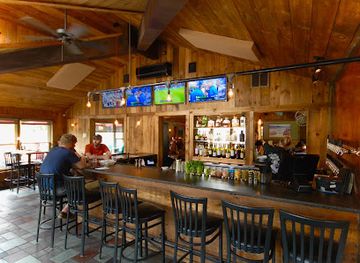
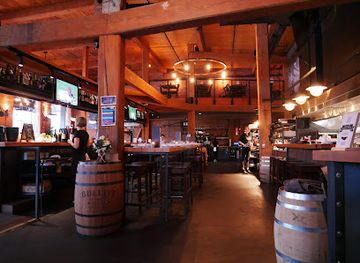
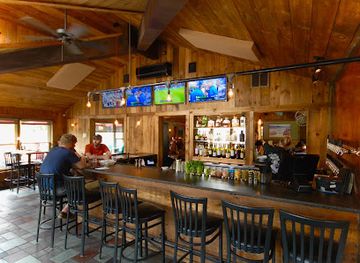
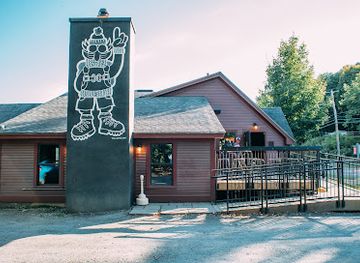
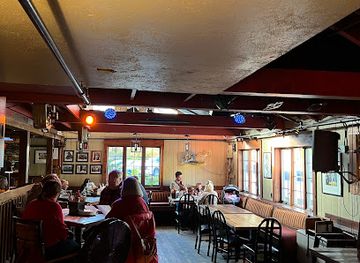
Evening life in the Green Mountains is generally shaped by pubs, breweries, restaurants, live music and après-ski gatherings rather than a large nightclub circuit. Stowe, Killington, Manchester, Ludlow and the Mad River Valley have the most concentrated choices, with resort villages offering bars and seasonal entertainment after a day outdoors. Historic inns, taverns and small breweries provide a more typical setting than late-night clubs, while some ski areas host live performances or evening events without maintaining a year-round programme. In smaller communities, dining rooms and local pubs may close earlier than visitors expect, and options can be limited outside weekends or the winter season. Alcohol is not the only focus: several towns have cinemas, galleries, theatre performances and community events, especially during summer and autumn.
-
Bar
The Bench
Experience the vibrant flavors of American cuisine at The Bench, Stowe's premier bar and grill, where local ingredients meet a lively atmosphere.
-
Bar
Doc Ponds
Experience the unique flavors and vibrant atmosphere of Doc Ponds, a premier bar and restaurant in Stowe, Vermont, perfect for every traveler.
-
Bar
The East Side Restaurant & Pub
Discover The East Side Restaurant & Pub in Newport, where culinary delights meet stunning waterfront views, ideal for every dining occasion.
-
Grill
Matterhorn
Discover the perfect blend of great food and vibrant nightlife at Matterhorn in Stowe, Vermont.
Best nightclubs in Green Mountains
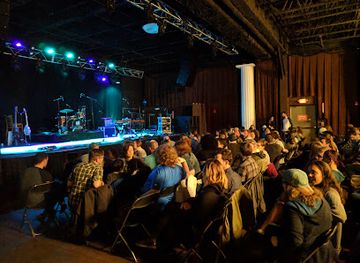
Evening life in the Green Mountains is generally shaped by pubs, breweries, restaurants, live music and après-ski gatherings rather than a large nightclub circuit. Stowe, Killington, Manchester, Ludlow and the Mad River Valley have the most concentrated choices, with resort villages offering bars and seasonal entertainment after a day outdoors. Historic inns, taverns and small breweries provide a more typical setting than late-night clubs, while some ski areas host live performances or evening events without maintaining a year-round programme. In smaller communities, dining rooms and local pubs may close earlier than visitors expect, and options can be limited outside weekends or the winter season. Alcohol is not the only focus: several towns have cinemas, galleries, theatre performances and community events, especially during summer and autumn.
-
Live Music
Higher Ground
Experience the best live music and vibrant nightlife at Higher Ground in South Burlington, Vermont, a must-visit for music enthusiasts.
-
Bar
Red Square
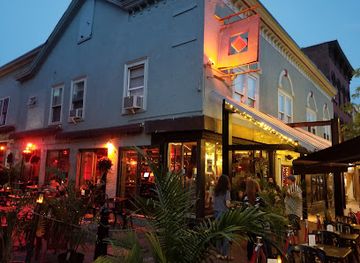
Discover Burlington's vibrant nightlife at Red Square, where lively music, delicious drinks, and unforgettable moments await you.
-
Bar
Monkey House
Unwind at Monkey House, Winooski's premier cocktail bar and live music venue offering great drinks, delicious pizza, and unforgettable nights.
-
Night club
Light Club Lamp Shop
Experience the vibrant nightlife at Light Club Lamp Shop in Burlington, VT, where eclectic decor meets live music and delicious food.


Best shops in Green Mountains
-
Shopping mall
Church Street Marketplace
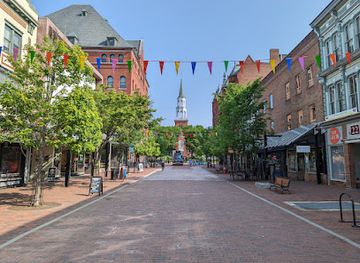
Experience the lively Church Street Marketplace in Burlington, Vermont, where shopping, dining, and entertainment come together in a vibrant pedestrian-friendly setting.
-
Ski resort
Killington Resort
Explore the exhilarating slopes and beautiful trails of Killington Resort, a top destination for skiing, hiking, and year-round outdoor adventures.
-
Ski resort
Okemo Mountain Resort
Okemo Mountain Resort: Your Ultimate Ski Adventure in Vermont with Thrilling Slopes and Year-Round Fun!
-
National forest
Green Mountain National Forest
Experience the breathtaking beauty and adventure of Green Mountain National Forest, Vermont's premier destination for nature lovers and outdoor enthusiasts.
Get your free copy of our complete guide to Green Mountains, delivered straight to you.
Everything on this page, from attractions and restaurants to essentials and local phrases, in one PDF you can read offline, print or share.
Already have an account? Sign in
Your Green Mountains guide is ready.
We'll send it to · Not you? Sign out

Getting your guide ready…
We are putting together a fresh copy of the Green Mountains guide. This can take up to a minute.
This can take a few moments. If your browser asks, choose Allow so the download can start. You'll find the guide in your Downloads folder.
Nothing happened? Download it again
Sorry, the guide is taking longer than usual. Please try again in a minute, or get it by email instead.
Green Mountains essentials
Currency and Payment
Safety
Emergency Situations
Do's and Don'ts
Local Tips
From Eve
Local phrases worth knowing
You don't need to get them perfect. A few words go a long way, and locals appreciate the effort.
Basics
| English | Local | Say it |
|---|---|---|
| Hello | Howdy | [Hau-dee] |
| Goodbye | See ya later | [See ya lay-ter] |
| Yes | Yup | [Yup] |
| No | Nope | [Nope] |
| Please/You're welcome | Sure thing | [Shoor thing] |
| Thank you | Thanks a lot | [Thanks a lot] |
| Excuse me/Sorry | Pardon me | [Par-don mee] |
| How are you? | How’s it going? | [Hau’s it goin'?] |
| Fine. And you? | Good. You? | [Good. You?] |
| Do you speak English? | Can you talk English? | [Can you talk English?] |
| I don't understand | I don’t get it | [I don’t get it] |
Eating & Drinking
| English | Local | Say it |
|---|---|---|
| I'd like to see the menu, please | Can I see the menu? | [Can I see the menu?] |
| I don't eat meat | I’m vegetarian | [I’m ve-juh-tay-ree-an] |
| Cheers! | Cheers! | [Cheers!] |
| I would like to pay, please | Can I get the check? | [Can I get the check?] |
Emergencies
| English | Local | Say it |
|---|---|---|
| Help! | Help! | [Help!] |
| Go away! | Leave me alone! | [Leave me uh-lone!] |
| Call the Police! | Call the cops! | [Call the cops!] |
| Call a doctor! | Get a doctor! | [Get a doctor!] |
| I'm lost | I can’t find my way | [I can’t find my way] |
| I'm ill | I’m not feeling well | [I’m not feelin' well] |
Shopping
| English | Local | Say it |
|---|---|---|
| I'd like to buy... | I want to buy... | [I want to buy...] |
| I'm just looking | Just browsing | [Just brow-sing] |
| How much is it? | What’s the price? | [What’s the price?] |
| That's too expensive | That’s a bit pricey | [That’s a bit pry-see] |
| Can you lower the price? | Can you make it cheaper? | [Can you make it cheaper?] |
Time & Numbers
| English | Local | Say it |
|---|---|---|
| What time is it? | What time is it? | [What time is it?] |
| It's one o'clock | It’s one o’clock | [It’s one o’clock] |
| Half past (10) | Half past ten | [Half past ten] |
| Morning | Morning | [Morning] |
| Afternoon | Afternoon | [Afternoon] |
| Evening | Evening | [Evening] |
| Yesterday | Yesterday | [Yesterday] |
| Today | Today | [Today] |
| Tomorrow | Tomorrow | [Tomorrow] |
| 1 | One | [One] |
| 2 | Two | [Two] |
| 3 | Three | [Three] |
| 4 | Four | [Four] |
| 5 | Five | [Five] |
| 6 | Six | [Six] |
| 7 | Seven | [Seven] |
| 8 | Eight | [Eight] |
| 9 | Nine | [Nine] |
| 10 | Ten | [Ten] |
Transport & Directions
| English | Local | Say it |
|---|---|---|
| Where's a/the...? | Where’s the...? | [Where’s the...?] |
| What's the address? | What’s the address? | [What’s the address?] |
| Can you show me (on the map)? | Can you point it out? | [Can you point it out?] |
| When's the next (bus)? | When’s the next bus? | [When’s the next bus?] |
| A ticket (to ....) | One ticket to... | [One ticket to...] |
History of Green Mountains
Abenaki Homelands and Indigenous Landscapes
The Green Mountains lie within the traditional homeland of Western Abenaki peoples, whose communities used the region’s rivers, forests and uplands for hunting, fishing, gathering and travel. The mountains were not an empty wilderness before European settlement: seasonal movement and knowledge of plants, waterways and routes shaped the landscape. Epidemics, warfare, colonial expansion and later land policies severely disrupted Indigenous communities, but Abenaki identity and cultural life continue in Vermont. Visitors should understand the mountains as a lived cultural landscape rather than simply a recreational wilderness.
Colonial Settlement and the Vermont Republic
European settlement expanded into the valleys and foothills during the eighteenth century, bringing farms, mills and roads while intensifying disputes over land claims involving New York and New Hampshire. Vermont declared independence in 1777 and functioned as the independent Vermont Republic until joining the United States in 1791. The Green Mountains gave the new polity its name and helped define its political identity. Early settlement remained concentrated in valleys, where rivers powered mills and fertile ground supported mixed farming.
Timber, Charcoal and Early Industry
During the nineteenth century, timber harvesting altered large areas of the mountain forests. Wood supplied construction, fuel and charcoal, while small ironworks, tanneries, sawmills and gristmills developed along streams. The region’s steep terrain made transport difficult, so settlements often grew at river crossings or beside workable passes. Deforestation was substantial in some districts before a combination of farm abandonment, changing markets and forest regrowth restored much of the wooded appearance now associated with the Green Mountains.
Railways and the Growth of Mountain Towns
Railways reached many Vermont valleys during the nineteenth century, linking farm communities and industrial settlements with markets beyond the mountains. Lines supported the movement of timber, marble, dairy products and manufactured goods, while also making the scenery more accessible to visitors. Tourism developed through hotels, summer boarding houses and scenic excursions. Although many former rail routes have disappeared or changed function, the pattern of valley towns, station communities and commercial main streets still reflects this period of transportation-led development.
Conservation and the Green Mountain National Forest
By the late nineteenth and early twentieth centuries, depleted forests, abandoned hill farms and concerns about erosion encouraged new approaches to land management. The federal Green Mountain National Forest was established in 1932, and later conservation efforts helped protect extensive forested uplands. Reforestation changed the appearance and ecology of the mountains, although modern forests are not identical to those that existed before intensive logging. Today the national forest and associated protected lands support hiking, wildlife habitat, forestry and recreation.
Skiing, Trails and the Modern Outdoor Economy
Organised skiing expanded in Vermont during the twentieth century, aided by improved roads, lifts and the popularity of winter holidays. Resorts such as Killington, Stratton, Okemo, Sugarbush, Bromley and Stowe helped establish the Green Mountains as a major North American winter destination. Summer hiking, mountain biking and scenic tourism later became increasingly important, reducing reliance on a single season. The modern region therefore combines working forests and farms with a developed outdoor economy whose environmental pressures and climate risks remain significant.
Green Mountains in Photos
Browse through our photo collection highlighting the charm and character of the destination.
Neighbouring regions of Green Mountains
The closest regions to Green Mountains, if you have time for more than one.
-

-

-

-

-


Swipe for more regions
Explore more

Explore more of Vermont
Discover Vermont: A year-round haven of natural beauty, charming towns, and rich heritage in the Green Mountain State.
Explore Vermont