

Free Bennington Travel Guide & Mobile App
Plan your Bennington trip with Evendo. Get free guides to top attractions, restaurants, hotels, and bars. Web access or download the mobile app.


Bennington, Vermont blends Revolutionary War history, covered bridges, museums, maple country and mountain scenery in a walkable New England town.
Revolutionary Heritage
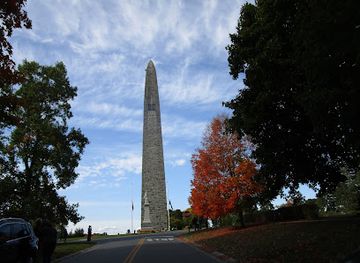
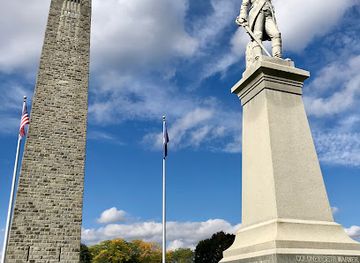
Bennington lies in south-western Vermont among wooded hills, working farms and the valleys of the Walloomsac and Walloomsac Rivers. Its identity is closely tied to the American Revolution: the Battle of Bennington was fought nearby in New York State in 1777, while the town became the site of the 306-foot Bennington Battle Monument, one of Vermont’s most recognisable landmarks. The monument rises above a historic district of quiet streets, old houses and civic buildings, giving the town a strong sense of place without the scale of a large tourist centre.Read more about Bennington
Museums, Craft and Village Life
Bridges and Green Mountains
When is the best time to visit Bennington?
Best: June–August · 24–28°C| Month | High (°C) | Rainfall (mm) |
|---|---|---|
| January | 1 | 70 |
| February | 2 | 60 |
| March | 8 | 70 |
| April | 14 | 80 |
| May | 20 | 90 |
| June (best) | 24 | 90 |
| July (best) | 28 | 90 |
| August (best) | 27 | 100 |
| September | 22 | 90 |
| October | 15 | 80 |
| November | 8 | 80 |
| December | 2 | 80 |
Getting to and around Bennington
How to get there
Transportation
Best attractions in Bennington
Bennington’s principal attractions combine Revolutionary history, regional art and a rural Vermont setting. The Bennington Battle Monument dominates the skyline and offers expansive views across the Walloomsac Valley, while the nearby Bennington Museum places the battle within a broader story of Indigenous heritage, settlement, craftsmanship and local art. Old First Church and its historic cemetery provide a quieter encounter with early community life, and the Robert Frost Stone House Museum in nearby Shaftsbury connects the area with one of America’s major poets. The town’s covered bridges, including the Silk Road Bridge and the Burt Henry Covered Bridge, make rewarding short drives through farmland and woodland. North Bennington adds the Bennington College campus and Bennington Potters, linking the region’s historic manufacturing culture with modern creativity. Downtown streets, independent galleries and seasonal markets complete a sightseeing experience that is more measured and exploratory than conventionally urban.
-
Tourist attraction
Bennington Battle Monument
Explore the Bennington Battle Monument, a historical landmark and scenic viewpoint commemorating a pivotal Revolutionary War battle in Vermont.
9 min drive · 3.0 km from city centre
-
Tourist attraction
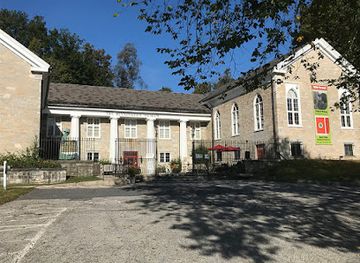
Bennington Museum
Explore the rich artistic heritage and historical treasures at Bennington Museum in Vermont, a unique cultural gem for travelers.
7 min drive · 2.2 km from city centre
-
Tourist attraction
Vermont Veterans Home Deer Park
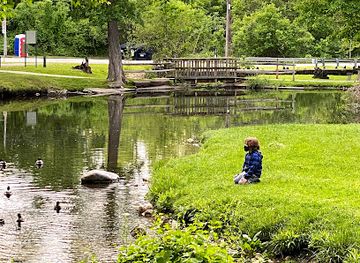
Explore the serene Vermont Veterans Home Deer Park: a tranquil escape filled with nature, wildlife, and a tribute to local heroes.
6 min drive · 1.8 km from city centre
-
Historical place
Downtown Bennington Historic District
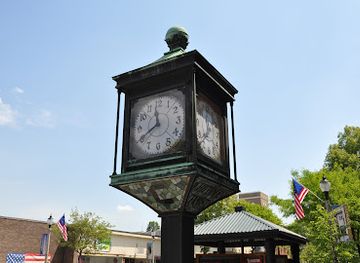
Explore the rich history and vibrant culture of the Downtown Bennington Historic District, a charming destination in Vermont with historic architecture and local experiences.
13 min walk · 1.1 km from city centre
Best landmarks in Bennington
The Bennington Battle Monument is the town’s defining landmark, a tall stone obelisk completed in 1891 to commemorate the 1777 Revolutionary War battle fought at nearby Walloomsac in New York. Old First Church, completed in 1806, represents the religious and civic institutions of early Vermont, while its cemetery preserves the graves of generations of local residents, including Robert Frost. The Bennington Center for the Arts and surrounding historic structures reflect the area’s continuing cultural life, though the town’s most significant architectural character is found in its collection of churches, civic buildings, houses and commercial premises rather than a single grand quarter. Covered bridges in the surrounding countryside, particularly the Silk Road and Burt Henry bridges, are functional landmarks that express Vermont’s nineteenth-century road-building tradition. Together these sites connect military memory, worship, settlement, literature and rural engineering.
-
Monument
Bennington Battle Monument
Explore the Bennington Battle Monument, a historic site celebrating American independence with stunning views and rich history in picturesque Vermont.
9 min drive · 3.0 km from city centre
-
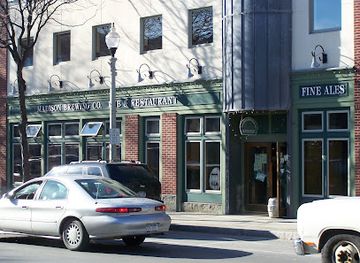
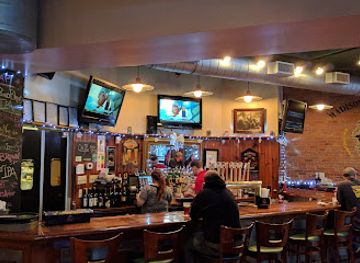
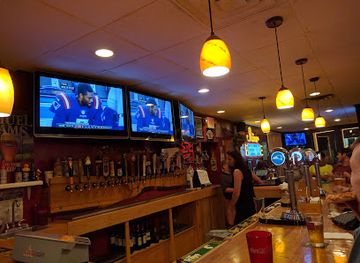
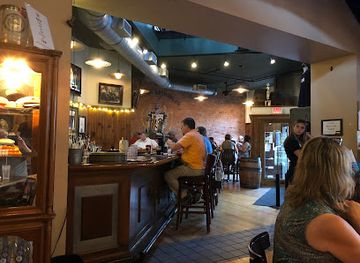
Brewpub
Madison Brewing Company Pub & Restaurant
Discover the flavors of Vermont at Madison Brewing Company, a brewpub offering delicious American cuisine and craft beers in a lively atmosphere.
13 min walk · 1.0 km from city centre
-
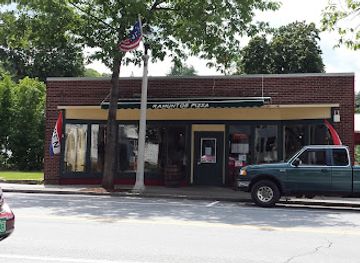
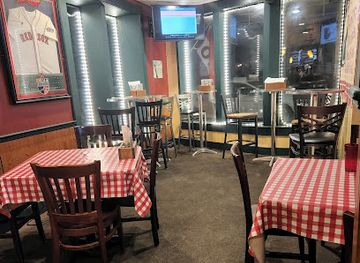
Pizza
Ramunto's Brick Oven Pizza
Experience the best of Bennington with delicious brick oven pizza and a lively atmosphere at Ramunto's, your go-to Italian restaurant and sports bar.
9 min walk · 0.7 km from city centre
-
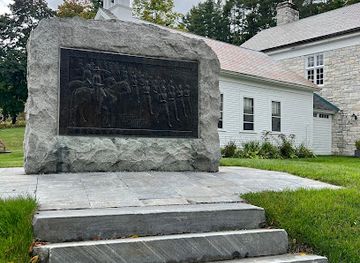
Museum
Bennington Museum
Explore the artistic and historical treasures of Vermont at the Bennington Museum, where local culture and creativity come to life.
7 min drive · 2.2 km from city centre
Explore Bennington on the map
Plan your Bennington trip on one map. See where the top attractions, landmarks, restaurants, bars and hotels are, find what's near where you're staying, and book hotels and experiences in a few clicks.
Best hotels in Bennington
Best restaurants in Bennington
Bennington’s dining scene reflects southern Vermont’s farm districts, New England traditions and a steady interest in locally sourced food. Menus commonly draw on Vermont cheddar, apples, maple, seasonal vegetables, pasture-raised meat and regional craft beverages, while breakfast cafés, relaxed diners, pizzerias and family-run restaurants provide much of the everyday character. Downtown is the most convenient area for combining meals with museums, shops and historic streets, and North Bennington offers a smaller village setting. Farm stands and seasonal farmers’ markets are useful places to encounter local produce, maple syrup, baked goods and prepared foods. Craft-beer culture is represented by local brewing and taproom-style venues, while restaurants tend to favour informal hospitality over elaborate fine dining. In rural areas, distances and opening patterns can be greater than visitors expect, so dining plans benefit from checking current arrangements rather than assuming every venue serves late.
-
Breakfast
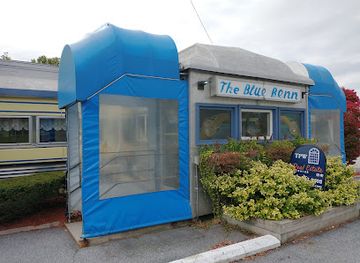
Blue Benn
Discover Blue Benn in Bennington - A beloved breakfast diner offering delicious meals in a charming retro atmosphere.
5 min drive · 1.5 km from city centre
-
Brewpub
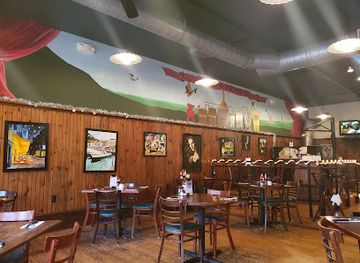
Madison Brewing Company Pub & Restaurant
Experience craft beer and delicious American cuisine at Madison Brewing Company in beautiful Bennington, Vermont – where every meal is a celebration!
13 min walk · 1.0 km from city centre
-
Pizza
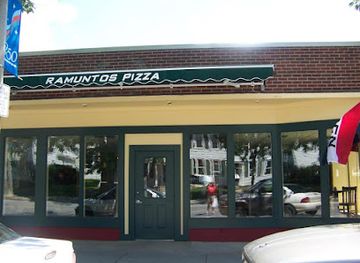
Ramunto's Brick Oven Pizza
Experience mouthwatering brick oven pizza and authentic Italian dishes at Ramunto's in Bennington - where flavor meets fun!
9 min walk · 0.7 km from city centre
-
Bakery
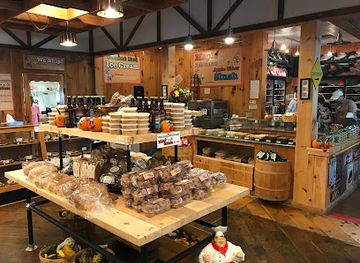
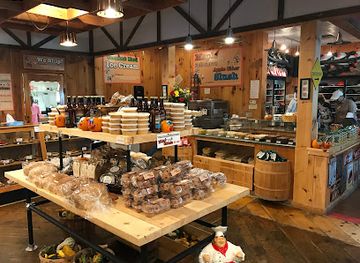
Apple Barn Country Bake Shop
Discover delicious homemade treats at Apple Barn Country Bake Shop - where Vermont's rich agricultural heritage meets delightful flavors.
6 min drive · 2.2 km from city centre
Best bars in Bennington
Bennington’s evening scene is intimate rather than club-oriented, with conversations in pubs, taverns, brewery spaces and relaxed restaurants forming the main after-dark activity. Local venues may host live music, trivia, community gatherings or seasonal performances, while the Bennington Performing Arts Center and other cultural organisations contribute theatre, film and arts programming beyond the bar scene. Downtown is the easiest area for moving between an evening meal and a drink, although the town’s dispersed layout means that a car or planned taxi journey may be useful. North Bennington and nearby villages can offer occasional music or performance events, but schedules vary. Visitors should expect earlier and quieter evenings than in a large American city, with nightlife shaped by local events, college activity and the seasons rather than a dense concentration of nightclubs.
-
Brewpub
Madison Brewing Company Pub & Restaurant
Experience the best of Vermont's craft beer and American cuisine at Madison Brewing Company, a lively brewpub in Bennington.
13 min walk · 1.0 km from city centre
-
Pizza
Ramunto's Brick Oven Pizza
Discover the charm of Ramunto's Brick Oven Pizza, where delicious handmade pizzas and a cozy atmosphere await every visitor in Bennington, Vermont.
9 min walk · 0.7 km from city centre
-
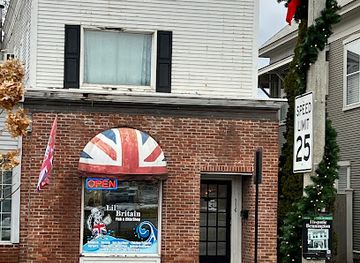
Fish & Chips
Lil' Britain
Experience authentic British fish and chips and gourmet delights at Lil' Britain, the charming eatery in Bennington, Vermont.
14 min walk · 1.1 km from city centre
-
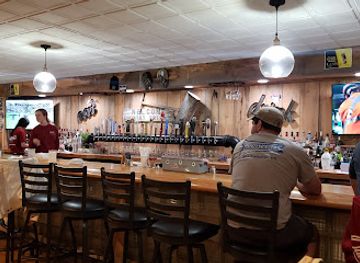
Restaurant
The Dutchman's Tavern
Savor local flavors and classic favorites at The Dutchman's Tavern, a charming restaurant in Bennington, Vermont, perfect for every traveler.
17 min walk · 1.3 km from city centre
Best nightclubs in Bennington
Bennington’s evening scene is intimate rather than club-oriented, with conversations in pubs, taverns, brewery spaces and relaxed restaurants forming the main after-dark activity. Local venues may host live music, trivia, community gatherings or seasonal performances, while the Bennington Performing Arts Center and other cultural organisations contribute theatre, film and arts programming beyond the bar scene. Downtown is the easiest area for moving between an evening meal and a drink, although the town’s dispersed layout means that a car or planned taxi journey may be useful. North Bennington and nearby villages can offer occasional music or performance events, but schedules vary. Visitors should expect earlier and quieter evenings than in a large American city, with nightlife shaped by local events, college activity and the seasons rather than a dense concentration of nightclubs.
-
Brewpub
Madison Brewing Company Pub & Restaurant
Discover the vibrant brewpub culture at Madison Brewing Company in Bennington, Vermont, featuring craft beers, delicious American cuisine, and live music.
13 min walk · 1.0 km from city centre
-
Pizza
Ramunto's Brick Oven Pizza
Savor the authentic taste of Italy at Ramunto's Brick Oven Pizza in Bennington, where every bite is a delicious journey.
9 min walk · 0.7 km from city centre
-
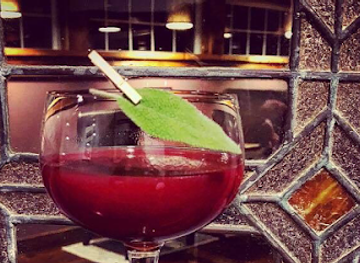
Lounge
THE MILLER'S TOLL DINNER CLUB & LOUNGE
Experience the best of Vermont's dining and nightlife at The Miller's Toll Dinner Club & Lounge in Bennington.
6 min walk · 0.5 km from city centre
-
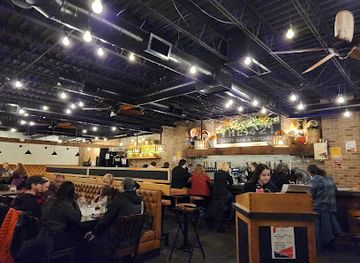
Restaurant
421 Craft Bar and Kitchen
Experience the flavors of Vermont at 421 Craft Bar and Kitchen, where fresh ingredients and a cozy atmosphere create memorable dining moments.
12 min walk · 1.0 km from city centre
Best shops in Bennington
Shopping in Bennington centres on independent businesses, local craft and products associated with Vermont’s agricultural and artistic traditions. Main Street and the surrounding downtown streets contain galleries, gift shops, booksellers, antiques and small retailers, while North Bennington adds a village-scale selection of creative businesses. Bennington Potters is the area’s best-known craft destination, offering American-made ceramic goods connected with the town’s long manufacturing history. Visitors will also find maple syrup, maple confectionery, woollen goods, woodwork, locally made food and practical outdoor products rather than a concentration of major fashion chains. Farmers’ markets and farm stands are especially useful for seasonal produce, baked goods and preserves. Retail hours can be shorter outside the busiest periods, and the most distinctive purchases are often tied to local makers, working farms and Vermont materials rather than mass-produced souvenirs.
-
Bakery
Apple Barn Country Bake Shop
Experience the best of Vermont at Apple Barn Country Bake Shop, where fresh produce and delicious baked goods create a delightful culinary escape.
6 min drive · 2.2 km from city centre
-
Grocery store
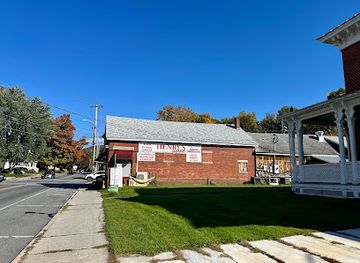
Henry's Market Inc
Discover the charm of Henry's Market Inc in Bennington, Vermont, where local produce and artisanal goods await your culinary exploration.
8 min walk · 0.6 km from city centre
-
Smoke shop
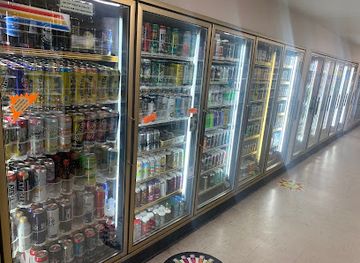
Beverage Den and Vape Shop
Explore Beverage Den and Vape Shop in Bennington, Vermont—your one-stop shop for beverages, tobacco, and vaping supplies in a welcoming atmosphere.
5 min drive · 1.8 km from city centre
-
Video game store
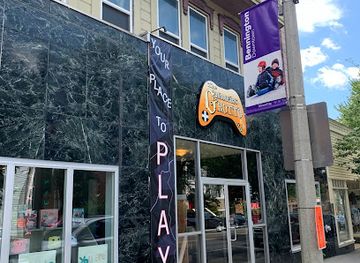
Gamers Grotto
Explore Gamers Grotto in Bennington, VT – a game lover's paradise with an extensive selection of video games, consoles, and a vibrant gaming community.
11 min walk · 0.9 km from city centre
Get your free copy of our complete guide to Bennington, delivered straight to you.
Everything on this page, from attractions and restaurants to essentials and local phrases, in one PDF you can read offline, print or share.
Already have an account? Sign in
Your Bennington guide is ready.
We'll send it to · Not you? Sign out

Getting your guide ready…
We are putting together a fresh copy of the Bennington guide. This can take up to a minute.
This can take a few moments. If your browser asks, choose Allow so the download can start. You'll find the guide in your Downloads folder.
Nothing happened? Download it again
Sorry, the guide is taking longer than usual. Please try again in a minute, or get it by email instead.
Bennington essentials
Currency and Payment
Safety
Emergency Situations
Do's and Don'ts
Local Tips
From Eve
Local phrases worth knowing
You don't need to get them perfect. A few words go a long way, and locals appreciate the effort.
Basics
| English | Local | Say it |
|---|---|---|
| Hello | Howdy | [haʊ-di] |
| Goodbye | See ya | [siː jə] |
| Yes | Yup | [jʌp] |
| No | Nah | [nɑː] |
| Please/You're welcome | Please/You're welcome | [pliːz/jʊr ˈwɛlkəm] |
| Thank you | Thanks | [θæŋks] |
| Excuse me/Sorry | Pardon me | [ˈpɑːrdən miː] |
| How are you? | Howdy | [haʊ-di] |
| Fine. And you? | Doin' alright. How 'bout you? | [dɔɪn ɔːˈraɪt haʊ baʊt jʊ] |
| Do you speak English? | Ya speak English? | [jə spiːk ˈɪŋɡlɪʃ] |
| I don't understand | I ain't gettin' ya | [aɪ eɪnt ˈɡɛtɪn jə] |
Eating & Drinking
| English | Local | Say it |
|---|---|---|
| I'd like to see the menu, please | Can I take a peek at the menu? | [kæn aɪ teɪk ə piːk æt ðə ˈmɛnjuː] |
| I don't eat meat | I'm a veggie | [aɪm ə ˈvɛdʒi] |
| Cheers! | Cheers! | [ʧɪrz] |
| I would like to pay, please | Can I settle up, please | [kæn aɪ ˈsɛtəl ʌp pliːz] |
Emergencies
| English | Local | Say it |
|---|---|---|
| Help! | Help! | [hɛlp] |
| Go away! | Git outta here! | [ɡɪt ˈaʊtə hɪr] |
| Call the Police! | Call the cops! | [kɔl ðə kɑps] |
| Call a doctor! | Get a doc! | [ɡɛt ə dɑk] |
| I'm lost | I'm all turned around | [aɪm ɔːl tɜrnd əˈraʊnd] |
| I'm ill | I'm feelin' under the weather | [aɪm ˈfilɪn ˈʌndər ðə ˈwɛðər] |
Shopping
| English | Local | Say it |
|---|---|---|
| I'd like to buy... | I'm lookin' to buy... | [aɪm ˈlʊkɪn tə baɪ] |
| I'm just looking | Just browsin' | [ʤʌst ˈbraʊzɪn] |
| How much is it? | How much fer that? | [haʊ mʌʧ fər ðæt] |
| That's too expensive | That's steep | [ðæts stip] |
| Can you lower the price? | Can ya drop the price? | [kæn jə drɑp ðə prɑɪs] |
Time & Numbers
| English | Local | Say it |
|---|---|---|
| What time is it? | What's the time? | [wɑts ðə taɪm] |
| It's one o'clock | It's one | [ɪts wʌn] |
| Half past (10) | Half past (10) | [hæf pæst (ˈtɛn)] |
| Morning | Mornin' | [ˈmɔrnɪn] |
| Afternoon | Afternoon | [ˌæftərˈnun] |
| Evening | Evenin' | [ˈivnɪn] |
| Yesterday | Yest'day | [ˈjɛstdeɪ] |
| Today | Today | [təˈdeɪ] |
| Tomorrow | Tomorrah | [təˈmɑrə] |
| 1 | One | [wʌn] |
| 2 | Two | [tuː] |
| 3 | Three | [θriː] |
| 4 | Four | [fɔːr] |
| 5 | Five | [faɪv] |
| 6 | Six | [sɪks] |
| 7 | Seven | [ˈsɛvən] |
| 8 | Eight | [eɪt] |
| 9 | Nine | [naɪn] |
| 10 | Ten | [tɛn] |
Transport & Directions
| English | Local | Say it |
|---|---|---|
| Where's a/the...? | Where's the... | [wɛərz ðə] |
| What's the address? | What's the addy? | [wɑts ðə ˈædi] |
| Can you show me (on the map)? | Can you point it out (on the map)? | [kæn jə pɔɪnt ɪt aʊt ɒn ðə mæp] |
| When's the next (bus)? | When's the next one (bus)? | [wɛnz ðə nɛkst wʌn (bʌs)] |
| A ticket (to ....) | A ticket (to ....) | [ə ˈtɪkɪt (tə ....)] |
History of Bennington
A Colonial Charter in the Green Mountains
Bennington was chartered in 1749 by New Hampshire Governor Benning Wentworth, during a period when New Hampshire and New York both asserted claims in the area. Permanent settlement developed later, with families arriving from neighbouring New England communities and establishing farms, mills and local institutions. The town’s name commemorates Wentworth, while its early economy depended on agriculture, timber and water power. The landscape of streams and valleys helped determine where roads, workshops and settlements grew. These beginnings laid the foundations for a community that would become one of southern Vermont’s most important historic centres.
The Revolutionary War and Bennington
The Battle of Bennington took place on 16 August 1777 at Walloomsac, then in New York, roughly ten miles west of the present town centre. American militia under General John Stark defeated a British-led force seeking military supplies held at Bennington. Although the battle was not fought in Vermont’s town of Bennington, the community supplied men and resources and became closely associated with the victory. The outcome weakened the British position before the later American success at Saratoga. The Bennington Battle Monument, completed in 1891, commemorates this connection and remains the town’s dominant historic structure.
The Meetinghouse and Early Community
Old First Church, completed in 1806 after earlier meetinghouses had served the congregation, reflects the importance of religious institutions in early Vermont communities. Its cemetery contains the graves of settlers, public figures and poet Robert Frost, who lived in the region during the twentieth century. The church and surrounding burial ground also illustrate how worship, education, civic discussion and burial were closely linked in developing New England towns. Surviving houses and public buildings around the centre preserve the scale of the early settlement, even as later commerce and industry changed Bennington’s appearance.
Industry, Mills and Regional Commerce
During the nineteenth century, Bennington developed as a manufacturing and commercial community. Water-powered mills supported textile production, paper-making and other industries, while improved roads and railway connections strengthened links with Albany, Troy and other markets. The town’s prosperity was reflected in substantial homes, civic buildings and commercial premises. Manufacturing also encouraged immigration and altered local social life, creating a more varied workforce alongside established farming families. Many of the industries have disappeared or changed purpose, but the town’s built environment and surviving mill-related sites still bear the marks of this era.
Craft Traditions and Modern Institutions
Bennington’s cultural identity expanded in the twentieth century through museums, education and craft production. The Bennington Museum, established in 1852 as the Bennington Historical Association, developed collections that document the region’s material culture, political history and artistic life. Bennington College, founded in 1932 in North Bennington, introduced an influential liberal-arts model and strengthened the area’s connections with writers, artists and performers. The Bennington Potters, established in 1948, carried forward a modern American studio-pottery tradition rooted in local manufacturing skills. Together, these institutions helped broaden the town’s historical identity beyond its Revolutionary associations.
Preserving the Historic Landscape
In the later twentieth century, heritage conservation became increasingly important to Bennington’s civic character. The Battle Monument, Old First Church, historic cemeteries, covered bridges and surviving nineteenth-century buildings came to be understood as parts of a connected cultural landscape rather than isolated relics. Museums and local organisations interpreted the town’s Indigenous, colonial, Revolutionary, industrial and artistic histories for visitors and residents. Present-day Bennington therefore combines an active small-town economy with an unusually visible historical record, while the surrounding farms, forests and waterways continue to shape its regional identity.
Bennington in Photos
Browse through our photo collection highlighting the charm and character of the destination.
Cities near Bennington
The closest cities to Bennington, if you have time for more than one stop.
-

-
-

-

-


Swipe for more cities
Explore more

Explore more of Vermont
Discover Vermont: A year-round haven of natural beauty, charming towns, and rich heritage in the Green Mountain State.
Explore Vermont