

Free Windsor County Travel Guide & Mobile App
Explore Windsor County with free travel guides. Discover regional history, expert tips, proposed trips, and audio guides on web or mobile app.


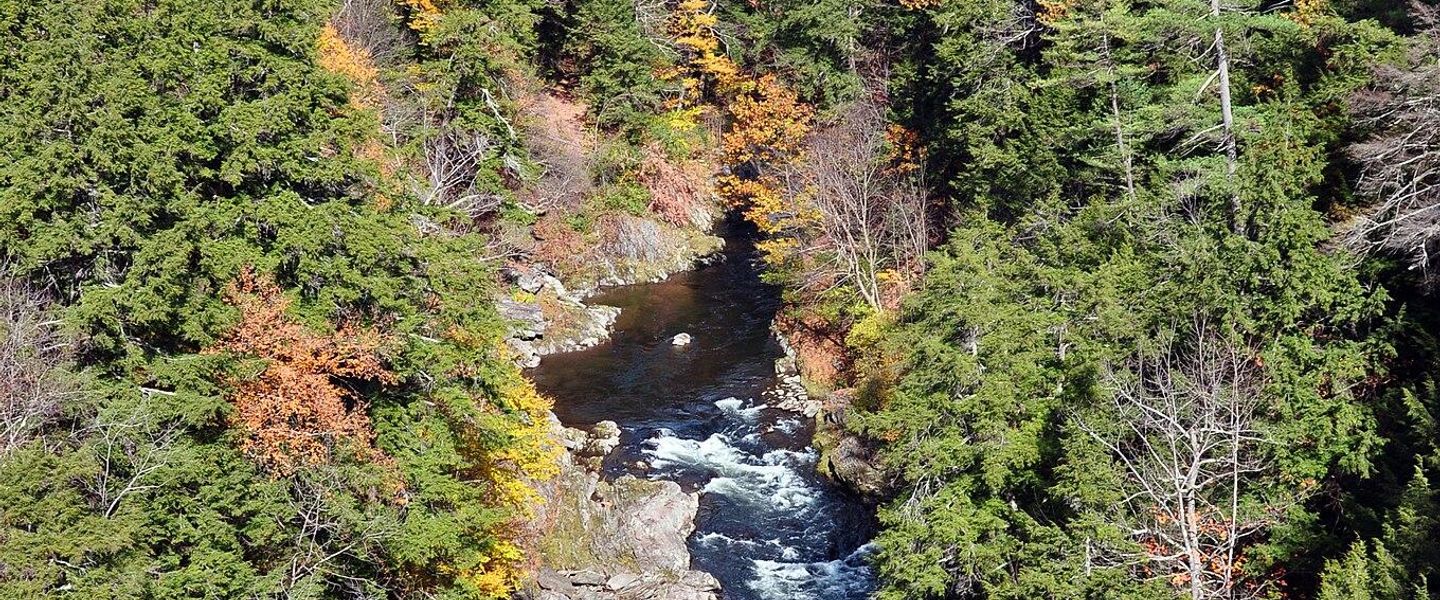


Explore Windsor County, Vermont, for historic villages, mountain resorts, covered bridges, river valleys, farm produce and four-season outdoor travel.
Read more about Windsor County
Getting to and around Windsor County
How to get there
Transportation
Top city travel guides in Windsor County
The cities of Windsor County, and the easiest places to base yourself.
-

-

-


Swipe for more cities
Destinations in Windsor County
Resorts, valleys and scenic spots worth a trip of their own.
-

-

-
-

-

-


Swipe for more destinations
Best attractions in Windsor County
Windsor County offers a varied set of attractions spread across river valleys, historic villages and the Green Mountains. In Woodstock, Marsh-Billings-Rockefeller National Historical Park combines a historic mansion, formal grounds, working landscapes and walking trails, while nearby Billings Farm & Museum interprets Vermont’s agricultural traditions. Quechee Gorge State Park provides an accessible view of the Ottauquechee River’s deep gorge, and the surrounding village has craft, retail and family-oriented attractions. Windsor’s Old Constitution House explains the 1777 founding document of the Vermont Republic, while White River Junction offers railway heritage and arts venues. Mount Ascutney State Park supports hiking and summit views, and the county’s western mountains provide skiing, snowboarding, mountain biking and summer hiking at Killington and Okemo. Rural roads lead to covered bridges, farm shops and historic settlements, while the Appalachian Trail passes through the eastern Green Mountains. The attraction landscape is therefore less about one concentrated sightseeing circuit than about combining heritage, landscape and outdoor activity across several distinct districts.
-
Ski resort
Killington Resort
Explore Killington Resort, Vermont’s premier destination for skiing, hiking, and stunning natural beauty all year round.
-
Ski resort
Okemo Mountain Resort
Discover unforgettable skiing and winter activities at Okemo Mountain Resort in Vermont, perfect for adventurers and families alike.
-
National forest
Green Mountain National Forest
Discover the natural beauty and adventurous spirit of Green Mountain National Forest, a premier destination for outdoor activities in Vermont.
-
Science museum
Montshire Museum of Science
Explore hands-on science exhibits and beautiful nature trails at Montshire Museum of Science, a top educational attraction in Vermont.


Best landmarks in Windsor County
Windsor County’s landmarks express its political history, mountain geography and village architecture. The Old Constitution House in Windsor marks the place where Vermont’s 1777 constitution was adopted and is one of the county’s most important civic sites. In Woodstock, the clustered buildings around the village green, covered bridges and historic churches create a notable ensemble of nineteenth-century Vermont architecture. Marsh-Billings-Rockefeller National Historical Park is significant not only for its mansion but also for its designed landscapes and long history of land stewardship. Quechee Gorge is the county’s most recognisable natural landmark, where the Ottauquechee River cuts through rock below bridges and viewing points. Mount Ascutney forms a prominent isolated summit above the Connecticut River valley, while the ski mountains around Killington and Ludlow define the western horizon and the county’s modern recreational identity. Historic railway buildings in White River Junction provide a contrasting reminder of the infrastructure that connected rural Vermont to wider markets.
-
Bridge
Quechee Gorge Bridge
Discover the stunning views and rich history at Quechee Gorge Bridge, Vermont's iconic natural attraction perfect for outdoor enthusiasts and history buffs alike.
-
History museum
Billings Farm & Museum
Experience Vermont's agricultural heritage at Billings Farm & Museum, a historic dairy farm and interactive museum in Woodstock.
-
Tourist attraction
Marsh-Billings-Rockefeller National Historical Park
Experience tranquility and history at Marsh-Billings-Rockefeller National Historical Park, a scenic gem in Vermont's beautiful landscape.
-
Historical landmark
Saint-Gaudens National Historical Park
Explore the serene beauty of Saint-Gaudens National Historical Park, a historic landmark celebrating the artistry of sculptor Augustus Saint-Gaudens in New Hampshire.


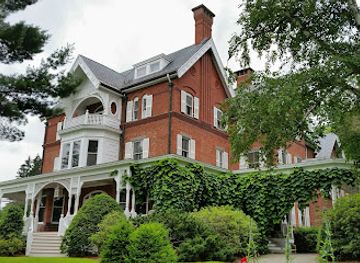

Explore Windsor County on the map
Plan your trip on one map. See where the top cities, national parks and sights are, and book hotels and experiences in a few clicks.
Best hotels in Windsor County
Best restaurants in Windsor County
Dining in Windsor County reflects Vermont’s farming, forestry and mountain-resort economy. Village cafés, traditional inns and independent restaurants commonly feature local cheese, maple syrup, seasonal vegetables, apples, pumpkins, mushrooms and pasture-raised meat, while farm stands and markets provide opportunities to buy produce directly. In Woodstock and surrounding villages, meals often sit within historic buildings and range from casual breakfasts to contemporary cooking; White River Junction has a more informal arts-town food scene. Killington and Ludlow offer the broadest concentration of restaurants for visitors staying near the slopes, including taverns, pizza places, cafés and more ambitious dining rooms. Vermont-made beer, cider and maple products are widely encountered, and farm-to-table language is common, though menus change with supply and season. Visitors should expect some rural establishments to close on particular days or operate limited hours outside peak periods, making advance checking sensible.
-
Bar
Simon Pearce
Experience exquisite American cuisine and stunning handcrafted glass art at Simon Pearce in Quechee, Vermont.
-
American
The Common Man Restaurant Claremont
Experience authentic American cuisine at The Common Man Restaurant Claremont, where every meal feels like home.
-
American
Frazer's Place
Experience authentic American breakfasts at Frazer's Place in Windsor, Vermont - where every dish tells a delicious story.
-
Restaurant
Casey's Caboose
Discover Casey's Caboose in Killington - where exquisite seafood meets perfectly grilled steaks in a cozy setting.


Best bars in Windsor County
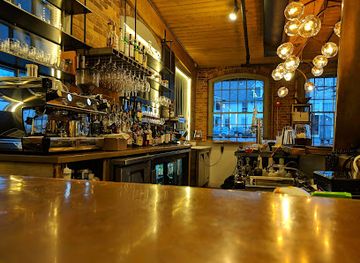
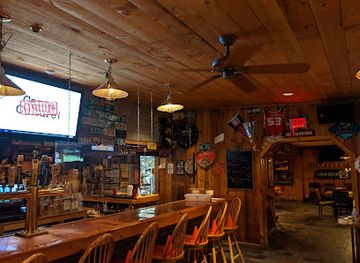
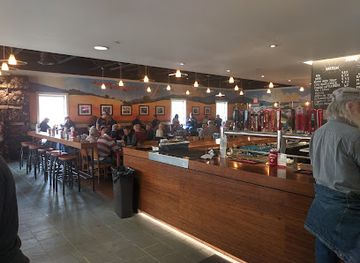
Evening life in Windsor County is generally centred on pubs, taverns, restaurants, breweries and live entertainment rather than a large nightclub circuit. Killington has the most concentrated après-ski and late-evening scene, with bars and casual venues serving resort visitors during the winter season and remaining active during busier summer periods. Ludlow also has a selection of places for drinks and meals around the Okemo area, while Woodstock and Windsor favour quieter inns, cocktail-led restaurants and traditional village establishments. White River Junction contributes theatre, music and arts-oriented evenings alongside its bars and restaurants. Rural communities tend to become quiet earlier, and opening patterns can vary by season, weather and day of the week. The county’s evening culture is best approached as a complement to skiing, dining, performance and conversation rather than as a destination for extensive clubbing.
-
Bar
Simon Pearce
Discover Simon Pearce: A Culinary Gem in Quechee, Vermont, Blending Fine Dining with Artisanal Craftsmanship.
-
American
Worthy Kitchen
Experience the best of American comfort food at Worthy Kitchen in Woodstock, Vermont - where local ingredients meet delicious flavors.
-
Bar
The Lookout Tavern
Discover The Lookout Tavern in Killington, Vermont – a delightful bar and restaurant with breathtaking views and a welcoming atmosphere.
-
Brewery
Harpoon Brewery Taproom and Beer Garden
Experience the best of Vermont's craft beer scene at Harpoon Brewery Taproom and Beer Garden, where flavor meets community in a picturesque setting.

Best nightclubs in Windsor County
Evening life in Windsor County is generally centred on pubs, taverns, restaurants, breweries and live entertainment rather than a large nightclub circuit. Killington has the most concentrated après-ski and late-evening scene, with bars and casual venues serving resort visitors during the winter season and remaining active during busier summer periods. Ludlow also has a selection of places for drinks and meals around the Okemo area, while Woodstock and Windsor favour quieter inns, cocktail-led restaurants and traditional village establishments. White River Junction contributes theatre, music and arts-oriented evenings alongside its bars and restaurants. Rural communities tend to become quiet earlier, and opening patterns can vary by season, weather and day of the week. The county’s evening culture is best approached as a complement to skiing, dining, performance and conversation rather than as a destination for extensive clubbing.
-
Motel
Main + Mountain Bar & Motel
Experience the perfect blend of comfort and adventure at Main + Mountain Bar & Motel in Ludlow, Vermont, your ideal base for exploring the Green Mountains.
-
Live Music
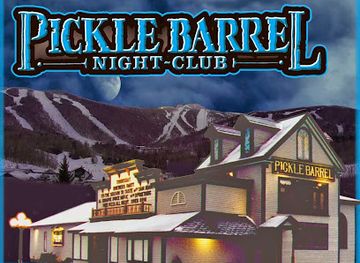
Pickle Barrel Nightclub
Dive into an unforgettable night of live music, dancing, and vibrant energy at Pickle Barrel Nightclub in Killington, Vermont.
-
Fraternal organization
Windsor Elks Club Inc
Experience Vermont's community spirit at the Windsor Elks Club, a welcoming fraternal organization with a rich tradition of fellowship.


Best shops in Windsor County
Shopping in Windsor County is concentrated in historic village centres, resort areas and small market communities rather than large urban malls. Woodstock offers galleries, bookshops, craft retailers, antiques and locally made homewares among its preserved streets, while Quechee is associated with artisan and gift-oriented shopping. Windsor and White River Junction provide more everyday high-street services alongside independent shops, galleries and second-hand or vintage outlets. Around Killington and Ludlow, businesses focus on outdoor equipment, winter clothing, sporting goods and practical supplies for mountain visitors. Farm stands and seasonal markets are good places to look for Vermont maple products, cheese, cider, preserves, baked goods and locally produced crafts. Pottery, wooden goods, textiles, jewellery and artwork make more distinctive souvenirs than generic resort merchandise. Many small retailers keep seasonal hours, so visitors should allow for changes outside summer, autumn foliage and winter-sport periods.
-
General store
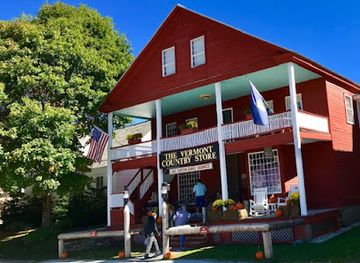
The Vermont Country Store Weston
Explore The Vermont Country Store in Weston for unique gifts, delicious local treats, and a taste of authentic Vermont charm.
-
Grocery store
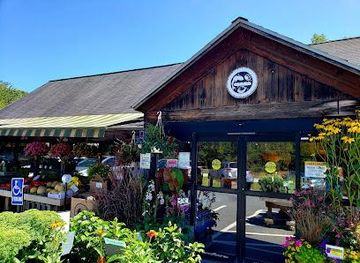
Woodstock Farmers' Market
Explore the vibrant Woodstock Farmers' Market for fresh produce and local delicacies in the heart of Vermont's picturesque landscape.
-
Ski resort
Jackson Gore Inn at Okemo Mountain Resort
Jackson Gore Inn at Okemo Mountain Resort: Your All-Season Retreat for Skiing, Golfing, and Luxurious Relaxation in Vermont.
-
Gift shop
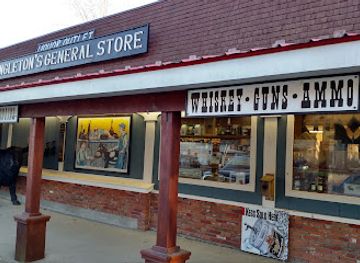
Singleton's General Store
Explore Singleton's General Store in Proctorsville, VT: Your one-stop shop for local foods, unique gifts, and a taste of Vermont's charm.

Get your free copy of our complete guide to Windsor County, delivered straight to you.
Everything on this page, from attractions and restaurants to essentials and local phrases, in one PDF you can read offline, print or share.
Already have an account? Sign in
Your Windsor County guide is ready.
We'll send it to · Not you? Sign out

Getting your guide ready…
We are putting together a fresh copy of the Windsor County guide. This can take up to a minute.
This can take a few moments. If your browser asks, choose Allow so the download can start. You'll find the guide in your Downloads folder.
Nothing happened? Download it again
Sorry, the guide is taking longer than usual. Please try again in a minute, or get it by email instead.
Windsor County essentials
Currency and Payment
Safety
Emergency Situations
Do's and Don'ts
Local Tips
From Eve
Local phrases worth knowing
You don't need to get them perfect. A few words go a long way, and locals appreciate the effort.
Basics
| English | Local | Say it |
|---|---|---|
| Hello | Howdy | [Haud-ee] |
| Goodbye | See ya | [See yah] |
| Yes | Yeah | [Yeh] |
| No | Nope | [Nohp] |
| Please/You're welcome | Sure thing | [Shur thing] |
| Thank you | Thanks a lot | [Thangs a lot] |
| Excuse me/Sorry | Pardon me | [Pardon mee] |
| How are you? | How ya doin'? | [How yah doin'?] |
| Fine. And you? | Good. You? | [Good. You?] |
| Do you speak English? | Do ya speak English? | [Doo yah speak English?] |
| I don't understand | I don’t get it | [I dont get it] |
Eating & Drinking
| English | Local | Say it |
|---|---|---|
| I'd like to see the menu, please | Can I see the menu? | [Can I see the menu?] |
| I don't eat meat | I’m a vegetarian | [I’m a vege-tair-ee-an] |
| Cheers! | Cheers! | [Cheers!] |
| I would like to pay, please | Can I get the check? | [Can I get the check?] |
Emergencies
| English | Local | Say it |
|---|---|---|
| Help! | Help! | [Help!] |
| Go away! | Get lost! | [Get lost!] |
| Call the Police! | Call the cops! | [Call the cops!] |
| Call a doctor! | Get a doctor! | [Get a doctor!] |
| I'm lost | I’m lost | [I’m lost] |
| I'm ill | I’m sick | [I’m sick] |
Shopping
| English | Local | Say it |
|---|---|---|
| I'd like to buy... | I want to buy... | [I want to buy...] |
| I'm just looking | Just browsing | [Just brows-ing] |
| How much is it? | What’s the price? | [What’s the price?] |
| That's too expensive | That costs too much | [That costs too much] |
| Can you lower the price? | Can you make it cheaper? | [Can you make it cheaper?] |
Time & Numbers
| English | Local | Say it |
|---|---|---|
| What time is it? | What time ya got? | [What time yah got?] |
| It's one o'clock | It's one | [It's one] |
| Half past (10) | Half past ten | [Half past ten] |
| Morning | Morning | [Morning] |
| Afternoon | Afternoon | [Afternoon] |
| Evening | Evening | [Evening] |
| Yesterday | Yesterday | [Yesterday] |
| Today | Today | [Today] |
| Tomorrow | Tomorrow | [Tomorrow] |
| 1 | One | [One] |
| 2 | Two | [Two] |
| 3 | Three | [Three] |
| 4 | Four | [Four] |
| 5 | Five | [Five] |
| 6 | Six | [Six] |
| 7 | Seven | [Seven] |
| 8 | Eight | [Eight] |
| 9 | Nine | [Nine] |
| 10 | Ten | [Ten] |
Transport & Directions
| English | Local | Say it |
|---|---|---|
| Where's a/the...? | Where’s a ...? | [Where’s a ...?] |
| What's the address? | What’s the address? | [What’s the address?] |
| Can you show me (on the map)? | Can ya show me on the map? | [Can yah show me on the map?] |
| When's the next (bus)? | When’s the next bus? | [When’s the next bus?] |
| A ticket (to ....) | A ticket to ... | [A ticket to ...] |
History of Windsor County
Indigenous Abenaki Homeland
Before European settlement, the valleys and waterways of present-day Windsor County formed part of the homeland and travel networks of Western Abenaki peoples. Rivers such as the Connecticut and Ottauquechee supported movement, fishing and seasonal resource use, while the surrounding forests provided food and materials. Indigenous history remains an essential part of the region’s story, even though later colonial settlement reshaped land ownership and obscured many earlier places and routes.
Colonial Settlement and the Connecticut River
European American settlement expanded in the eighteenth century along the Connecticut River and its tributaries. Windsor, Woodstock and other communities developed around farms, mills, roads and river crossings. The terrain made settlement uneven: productive valleys supported agriculture, while uplands remained heavily forested. Many of the county’s town centres and road patterns reflect this early combination of farming, commerce and water-powered industry.
The Vermont Constitution of 1777
Windsor is one of the most consequential places in Vermont’s political history. In 1777, delegates met at the Old Constitution House to draft and adopt the constitution of the independent Vermont Republic. The document established a republican government and included unusually broad language on political rights for its era, including the abolition of adult male slavery. Vermont later joined the United States in 1791, but Windsor’s constitutional legacy remains central to the county’s identity.
Mills, Timber and Nineteenth-Century Industry
During the nineteenth century, rivers and streams powered sawmills, gristmills, woollen mills and other small industries throughout the county. Timber extraction and farming shaped the surrounding countryside, while towns such as Windsor, Woodstock and White River Junction became commercial centres. Industrial buildings, mill sites, village streets and watercourses still reveal how the region’s economy developed before modern tourism became a major source of income.
Railways and White River Junction
The arrival and expansion of railways in the nineteenth century transformed eastern Windsor County. White River Junction grew where important lines met, connecting Vermont with Boston, Montreal and other regional markets. The railway supported manufacturing, trade and passenger travel, and it remains visible in the area’s historic buildings and transport-oriented layout. Although rail’s economic role has changed, White River Junction continues to draw on its railway heritage through cultural and performing-arts activity.
Conservation and the Historic Landscape
By the late nineteenth and twentieth centuries, parts of the county attracted wealthy summer residents, landscape designers and conservationists. The estate now preserved as Marsh-Billings-Rockefeller National Historical Park in Woodstock illustrates this shift, combining a working farm, designed landscapes and ideas about stewardship. Historic preservation also protected village centres, covered bridges, churches and farm buildings, helping maintain the visual character that now defines much of Windsor County.
Skiing and the Four-Season Economy
From the mid-twentieth century, the Green Mountain slopes helped establish Windsor County as a major destination for skiing and other outdoor recreation. Killington and Ludlow developed substantial resort economies, while hiking, mountain biking, foliage travel and second-home tourism expanded the visitor season. This transformation did not replace farming, forestry or historic-town life, but it added a powerful service and hospitality economy whose rhythms vary sharply between winter, summer and the quieter shoulder seasons.
Windsor County in Photos
Browse through our photo collection highlighting the charm and character of the destination.
Neighbouring regions of Windsor County
The closest regions to Windsor County, if you have time for more than one.
-
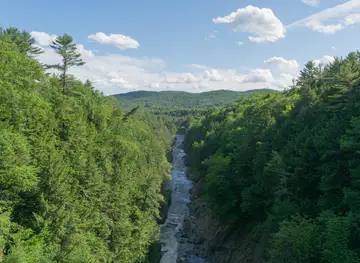
-

-
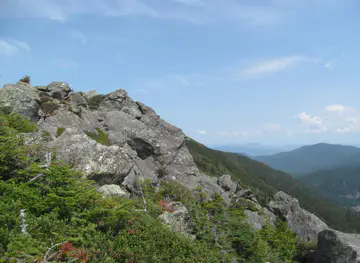
-

-


Swipe for more regions
Explore more

Explore more of Vermont
Discover Vermont: A year-round haven of natural beauty, charming towns, and rich heritage in the Green Mountain State.
Explore Vermont