

Free Killington Travel Guide & Mobile App
Plan your Killington trip with Evendo. Get free guides to top attractions, restaurants, hotels, and bars. Web access or download the mobile app.


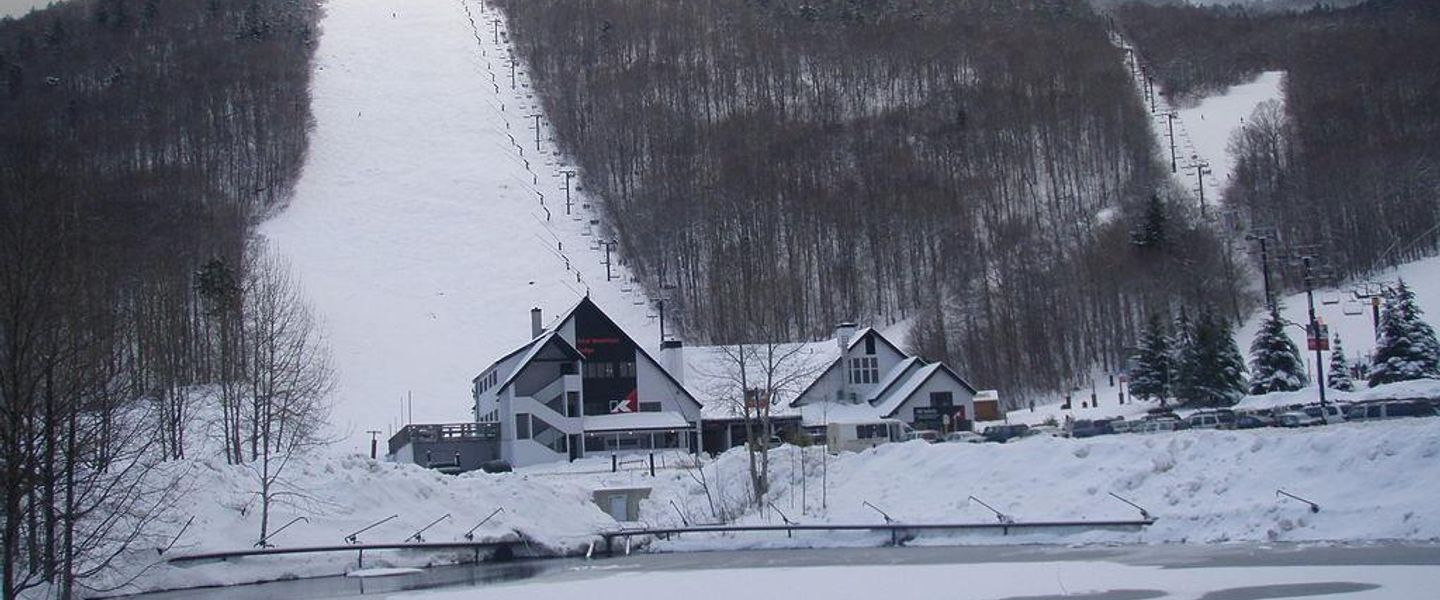


Killington, Vermont pairs Green Mountain scenery with major ski slopes, hiking trails, four-season adventure, local food and a lively resort atmosphere.
Green Mountain Setting
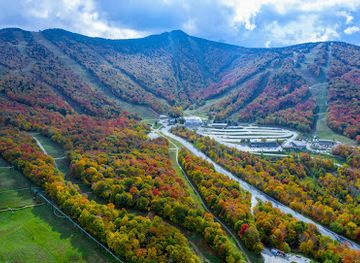
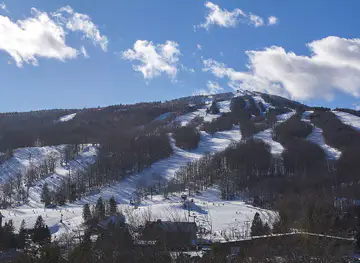
Killington lies in central Vermont, where the Green Mountains rise into a broad landscape of spruce forests, open ridges and winding country roads. The town is best known for Killington Resort, one of the largest ski areas in the eastern United States, but its appeal extends well beyond winter. Killington Peak, at 4,241 feet, dominates the skyline, while the Appalachian Trail and Long Trail cross the surrounding highlands. In warmer months, wooded paths, mountain-bike routes, swimming holes and quiet state-park trails reveal a slower, more natural side of the valley.Read more about Killington
A Resort Town with Rural Roots
When is the best time to visit Killington?
Best: June–August · 20–22°C| Month | High (°C) | Rainfall (mm) |
|---|---|---|
| January | -4 | 71 |
| February | -2 | 63 |
| March | 4 | 79 |
| April | 9 | 78 |
| May | 16 | 84 |
| June (best) | 20 | 90 |
| July (best) | 22 | 95 |
| August (best) | 21 | 92 |
| September | 18 | 85 |
| October | 12 | 82 |
| November | 5 | 86 |
| December | 0 | 82 |
Getting to and around Killington
How to get there
Transportation
Best attractions in Killington
Killington’s principal attraction is its extensive mountain resort, where visitors can ski and snowboard in winter and find lift-served sightseeing, hiking and biking opportunities in warmer seasons, subject to seasonal operations. Nearby Pico Mountain offers a more compact ski environment with its own trails and mountain character. Gifford Woods State Park, close to Route 4, protects mature northern hardwood forest and provides a gentler introduction to Vermont’s upland landscape. The Appalachian Trail and Long Trail pass through the wider area, attracting walkers to wooded paths and open mountain sections. Killington Peak supplies the defining geographical backdrop, while the Green Mountain National Forest offers further scope for hiking, wildlife observation and scenic drives. Along Killington Road, specialist outdoor shops, cafés and informal gathering places reflect the town’s role as a base for four-season recreation rather than a conventional historic centre.
-
Tourist attraction
Killington Resort
Experience the ultimate outdoor adventure at Killington Resort, where skiing, hiking, and breathtaking scenery await you year-round in Vermont's Green Mountains.
5 min drive · 1.7 km from city centre
-
Tourist attraction
Green Mountain National Forest
Explore Green Mountain National Forest, a stunning natural paradise in Vermont, offering hiking, biking, and boating amid breathtaking landscapes and diverse wildlife.
25 min drive · 8.4 km from city centre
-
Tourist attraction
Thundering Brook Falls Trail
Explore the breathtaking Thundering Brook Falls Trail in Killington, Vermont, where cascading waterfalls and lush trails await nature enthusiasts.
19 min drive · 6.4 km from city centre
-
History museum
Calvin Coolidge State Historic Site
Explore the Calvin Coolidge State Historic Site in Vermont, a captivating journey into the life of America's 30th president amidst beautiful landscapes.
32 min drive · 12 km from city centre


Best landmarks in Killington
Killington Peak is the town’s defining natural landmark, rising above the surrounding Green Mountains and giving its name to the community and ski resort. The lift systems, base areas and trail network of Killington Resort form a modern recreational landmark whose development changed the local economy after skiing began there in 1958. Pico Mountain, also within Killington, represents a smaller and more traditionally scaled ski landscape. Gifford Woods State Park is significant for its mature northern hardwood forest and its connection to the Appalachian Trail corridor, while the Long Trail reinforces the area’s importance in Vermont’s mountain geography. Unlike towns built around a prominent village green, Killington has no single historic civic centre; its identity is expressed through scattered rural settlement, mountain infrastructure, forest reserves and the roads that connect them.
-
Ski resort
Killington Resort
Experience year-round adventure at Killington Resort, Vermont's premier skiing and outdoor recreation destination for families and thrill-seekers alike.
5 min drive · 1.7 km from city centre
-
Hotel
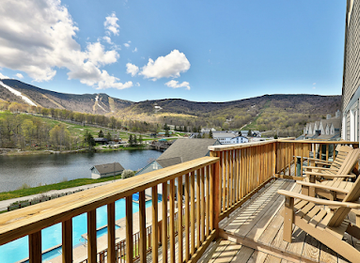
Killington Grand Resort Hotel
Discover the ultimate retreat at Killington Grand Resort Hotel, where luxury meets adventure in the heart of Vermont's breathtaking mountains.
7 min walk · 0.6 km from city centre
-
Restaurant
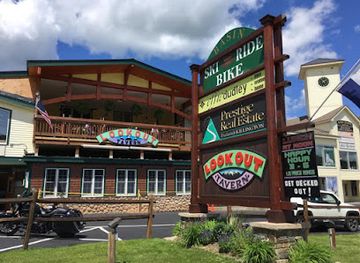
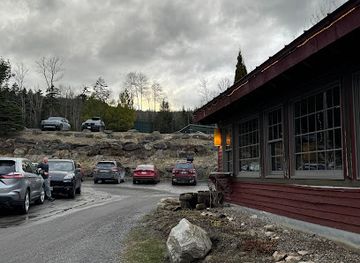
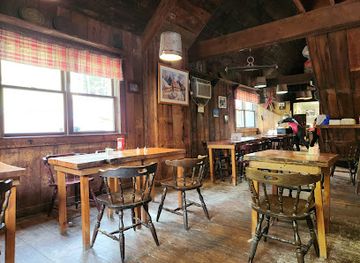
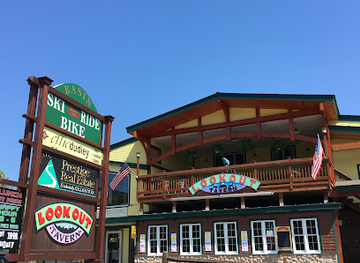
The Lookout Tavern
Experience the vibrant atmosphere and delicious locally sourced cuisine at The Lookout Tavern in Killington, Vermont – a must-visit for culinary enthusiasts.
18 min walk · 1.4 km from city centre
-
Italian
The Garlic
Experience the best of Italian and Mediterranean cuisine at The Garlic in Killington, where every dish is crafted with passion and fresh ingredients.
8 min drive · 2.8 km from city centre
Explore Killington on the map
Plan your Killington trip on one map. See where the top attractions, landmarks, restaurants, bars and hotels are, find what's near where you're staying, and book hotels and experiences in a few clicks.
Best hotels in Killington
Best restaurants in Killington
Killington’s dining scene is concentrated along Route 4 and Killington Road, with restaurants and cafés serving skiers, hikers, mountain bikers and local residents. The range includes casual American cooking, pizza, burgers, sandwiches, breakfast cafés, après-ski food and more substantial sit-down meals, while bars and taprooms often provide a social setting after a day outdoors. Vermont’s agricultural identity appears through locally produced dairy, maple products, craft beverages and seasonal ingredients, although menus vary from establishment to establishment. The resort’s dispersed layout means dining is generally reached by car or seasonal shuttle rather than by strolling between a dense collection of streets. Visitors can also find provisions for self-catering in the resort area, useful for accommodation in the surrounding hills and for longer stays during the ski season.
-
Breakfast
Maple Sugar & Vermont Spice
Discover delicious local flavors at Maple Sugar & Vermont Spice - A charming breakfast spot in Mendon showcasing Vermont's culinary delights.
31 min drive · 11 km from city centre
-
Japanese
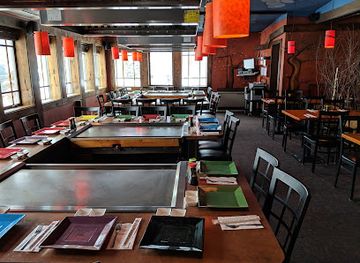
Sushi Yoshi
Discover authentic Japanese cuisine at Sushi Yoshi in Killington – where flavor meets tradition in every dish.
8 min drive · 2.7 km from city centre
-
Restaurant
Killington Grand Resort Hotel
Discover year-round adventure and luxurious relaxation at Killington Grand Resort Hotel in scenic Vermont.
7 min walk · 0.6 km from city centre
-
Restaurant
The Lookout Tavern
Experience Vermont's culinary delights at The Lookout Tavern in Killington, where great food meets breathtaking views.
18 min walk · 1.4 km from city centre
Best bars in Killington
Killington’s evening life is shaped by the ski calendar and the town’s outdoor-tourism economy, with activity focused along Killington Road and around resort accommodation. Après-ski bars, pubs, taprooms and casual venues provide places for drinks, live music and informal gatherings, while some restaurants become lively evening meeting points. The atmosphere is generally relaxed and seasonal rather than centred on a large nightclub district, with the busiest periods occurring during winter weekends and holiday breaks. In summer, evenings are quieter but may include music, brewery visits and social events associated with mountain activities. Because the town is spread out and roads can be dark or icy, visitors should plan a safe ride between venues and avoid driving after drinking. Local establishments may operate on changing seasonal schedules.
-
Bar
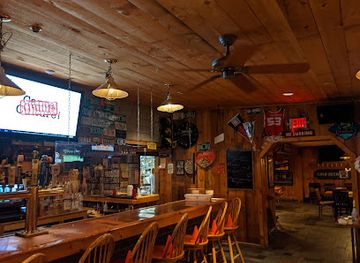
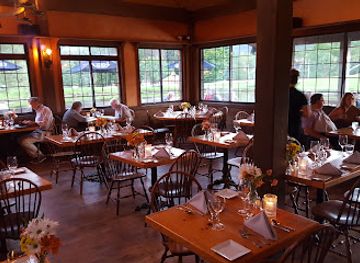
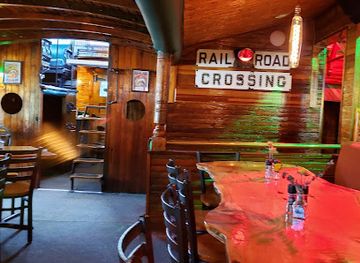
The Lookout Tavern
Discover The Lookout Tavern in Killington, Vermont - where delicious cuisine meets stunning mountain views for an unforgettable dining experience.
18 min walk · 1.4 km from city centre
-
Fine Dining
The Foundry at Summit Pond
Discover culinary excellence and vibrant live music at The Foundry at Summit Pond in Killington, Vermont, where every meal is a memorable experience.
11 min drive · 3.6 km from city centre
-
Bar
Casey's Caboose
Discover Casey's Caboose, where fresh seafood and prime steaks meet in a cozy bar setting, perfect for food lovers in Killington, Vermont.
7 min drive · 2.5 km from city centre
-
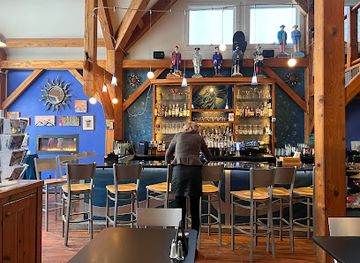
Bar
Liquid Art
Experience the artistic ambiance, delicious cuisine, and craft cocktails at Liquid Art, the ultimate destination in Killington, Vermont.
7 min drive · 2.4 km from city centre
Best nightclubs in Killington
Killington’s evening life is shaped by the ski calendar and the town’s outdoor-tourism economy, with activity focused along Killington Road and around resort accommodation. Après-ski bars, pubs, taprooms and casual venues provide places for drinks, live music and informal gatherings, while some restaurants become lively evening meeting points. The atmosphere is generally relaxed and seasonal rather than centred on a large nightclub district, with the busiest periods occurring during winter weekends and holiday breaks. In summer, evenings are quieter but may include music, brewery visits and social events associated with mountain activities. Because the town is spread out and roads can be dark or icy, visitors should plan a safe ride between venues and avoid driving after drinking. Local establishments may operate on changing seasonal schedules.
-
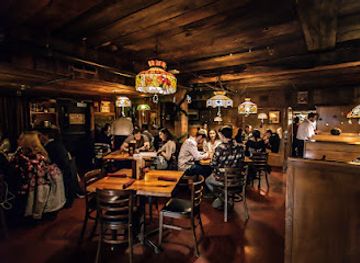
Bar
The Lookout Tavern
Experience the cozy charm of The Lookout Tavern in Killington, where delicious food, great drinks, and stunning mountain views await.
18 min walk · 1.4 km from city centre
-
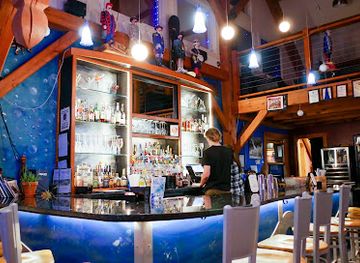
Bar
Liquid Art
Experience a creative blend of art and cuisine at Liquid Art in Killington, where every visit is a feast for the senses.
7 min drive · 2.4 km from city centre
-
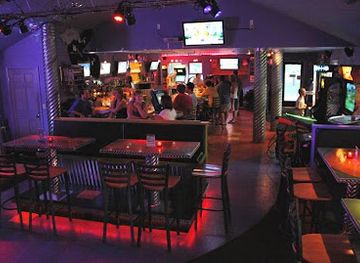
Night club
Wobbly Barn
Experience vibrant nightlife and delicious dining at Wobbly Barn, Killington's premier night club and steakhouse in Vermont.
6 min drive · 2.1 km from city centre
-
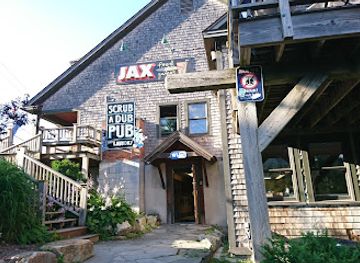
Bar
JAX Food & Games
Experience the perfect blend of delicious food, live music, and vibrant entertainment at JAX Food & Games in Killington, Vermont.
9 min drive · 2.9 km from city centre

Best shops in Killington
Shopping in Killington is primarily practical and outdoor-oriented, with equipment retailers, rental businesses, clothing shops and specialist stores serving skiing, snowboarding, hiking and mountain biking. Most are located along Route 4 and Killington Road, close to accommodation and resort access points. Visitors can also find groceries, prepared food, Vermont-made products and gifts suited to a mountain stay, including maple items, craft beverages and locally produced foods where individual retailers stock them. The town is not a major destination for department stores or dense independent-boutique shopping, and its dispersed layout means browsing usually involves short drives between businesses. For a broader traditional town-centre shopping experience, visitors may look towards nearby Rutland or Woodstock, which are outside Killington and should be treated as separate excursions.
-
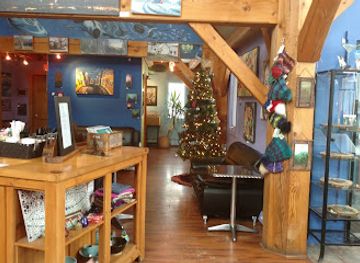
Coffee shop
Liquid Art
Experience the vibrant fusion of art and cuisine at Liquid Art, a must-visit coffee shop, restaurant, and gallery in Killington, Vermont.
7 min drive · 2.4 km from city centre
-
Restaurant
JAX Food & Games
Discover the perfect blend of delicious dining, exciting games, and vibrant entertainment at JAX Food & Games in Killington.
9 min drive · 2.9 km from city centre
-
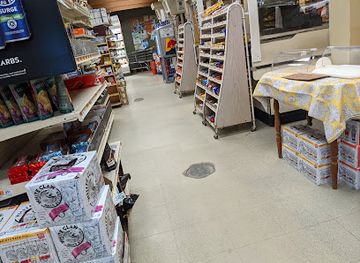
Grocery store
Killington Market and Deli
Discover the flavors of Vermont at Killington Market and Deli, your go-to for fresh groceries, delicious deli sandwiches, and local craft beer.
7 min drive · 2.4 km from city centre
-
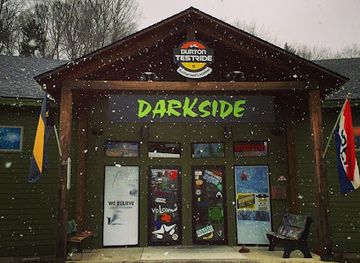
Snowboard shop
Darkside Snowboards, Killington, Vermont
Discover the ultimate snowboarding experience at Darkside Snowboards in Killington, Vermont, your go-to for gear and rentals in a winter paradise.
8 min drive · 2.6 km from city centre
Get your free copy of our complete guide to Killington, delivered straight to you.
Everything on this page, from attractions and restaurants to essentials and local phrases, in one PDF you can read offline, print or share.
Already have an account? Sign in
Your Killington guide is ready.
We'll send it to · Not you? Sign out

Getting your guide ready…
We are putting together a fresh copy of the Killington guide. This can take up to a minute.
This can take a few moments. If your browser asks, choose Allow so the download can start. You'll find the guide in your Downloads folder.
Nothing happened? Download it again
Sorry, the guide is taking longer than usual. Please try again in a minute, or get it by email instead.
Killington essentials
Currency and Payment
Safety
Emergency Situations
Do's and Don'ts
Local Tips
From Eve
Local phrases worth knowing
You don't need to get them perfect. A few words go a long way, and locals appreciate the effort.
Basics
| English | Local | Say it |
|---|---|---|
| Hello | Howdy | [hao-dee] |
| Goodbye | See ya | [see-yah] |
| Yes | Yup | [yuhp] |
| No | Nah | [nah] |
| Please/You're welcome | Please | [pleez] |
| Thank you | Thanks | [thanks] |
| Excuse me/Sorry | Sorry | [sor-ee] |
| How are you? | How ya doin'? | [hao ya doo-in] |
| Fine. And you? | Good. You? | [good. yoo] |
| Do you speak English? | You speak English? | [yoo speek ing-glish] |
| I don't understand | I don't get it | [ai dohn't get it] |
Eating & Drinking
| English | Local | Say it |
|---|---|---|
| I'd like to see the menu, please | Menu, please | [men-yoo pleez] |
| I don't eat meat | No meat for me | [noh meet for mee] |
| Cheers! | Cheers! | [cheers] |
| I would like to pay, please | Check, please | [chek pleez] |
Emergencies
| English | Local | Say it |
|---|---|---|
| Help! | Help! | [help] |
| Go away! | Leave me be! | [leev mee bee] |
| Call the Police! | Cops! | [kahps] |
| Call a doctor! | Doctor! | [dok-ter] |
| I'm lost | Lost | [lost] |
| I'm ill | Sick | [sik] |
Shopping
| English | Local | Say it |
|---|---|---|
| I'd like to buy... | I wanna buy... | [ai wahn-uh buy] |
| I'm just looking | Just lookin' | [just look-in] |
| How much is it? | How much? | [hao much] |
| That's too expensive | Too pricey | [too prahy-see] |
| Can you lower the price? | Discount? | [dis-kownt] |
Time & Numbers
| English | Local | Say it |
|---|---|---|
| What time is it? | What time? | [what time] |
| It's one o'clock | One o'clock | [wuhn oh-klok] |
| Half past (10) | Half ten | [haf ten] |
| Morning | Mornin' | [morn-in] |
| Afternoon | Afternoon | [af-ter-noon] |
| Evening | Evening | [ee-ven-ing] |
| Yesterday | Yest'day | [yest-day] |
| Today | Today | [toh-day] |
| Tomorrow | Tomorrah | [toh-mor-rah] |
| 1 | One | [wuhn] |
| 2 | Two | [too] |
| 3 | Three | [three] |
| 4 | Four | [fawr] |
| 5 | Five | [fahyv] |
| 6 | Six | [siks] |
| 7 | Seven | [sev-uhn] |
| 8 | Eight | [ayt] |
| 9 | Nine | [nahyn] |
| 10 | Ten | [ten] |
Transport & Directions
| English | Local | Say it |
|---|---|---|
| Where's a/the...? | Where's the...? | [wheres the] |
| What's the address? | Address? | [ad-dress] |
| Can you show me (on the map)? | Show me | [show mee] |
| When's the next (bus)? | Next (bus)? | [nekst bus] |
| A ticket (to ....) | Ticket (to ...) | [ti-kit to] |
History of Killington
A New Hampshire Grant Settlement
Killington’s colonial history began with a New Hampshire Grant charter issued in 1761, during a period when competing claims were being made over the territory that became Vermont. The town developed in the Green Mountains, where early settlers cleared small farms and connected isolated homesteads by rough roads. Farming, timber and local trade shaped the community more than urban commerce, and the dispersed settlement pattern still distinguishes Killington from Vermont’s village-centred towns. The surrounding mountains also influenced everyday life, limiting agriculture while providing forests, streams and routes through the interior.
From Killington to Sherburne
The community was first known as Killington, a name associated with the mountain and the original grant. In 1800, the town was renamed Sherburne, a name it retained for much of the nineteenth and twentieth centuries. During this period, residents relied on mixed farming, logging and small-scale local industries typical of rural Vermont. Improved roads gradually connected the settlement with Rutland and other towns, although the rugged terrain continued to restrict large-scale development. Churches, farmsteads and working landscapes formed the principal cultural landscape rather than grand civic architecture.
Timber, Farms and Mountain Roads
Through the nineteenth century, Sherburne remained a rural mountain community shaped by agriculture and forestry. Hay, dairy farming and timber were important economic activities, while seasonal work and trade linked residents to nearby valleys. The construction and improvement of roads made the area more accessible, but the town’s geography kept development scattered across valleys and slopes. Much of the surrounding forest later became part of the Green Mountain National Forest, helping preserve the landscape that now supports hiking, skiing and wildlife recreation. The modern visitor economy grew from this earlier relationship between settlement and mountain resources.
The Rise of Killington Ski Area
A major transformation began in the mid-twentieth century when the Killington ski area opened in 1958. Its lifts and trails brought a new form of seasonal tourism to a town previously associated mainly with farming, timber and rural life. Ski development expanded over subsequent decades, creating employment in hospitality, transport, equipment retail and construction and encouraging new lodging and dining businesses along Route 4 and Killington Road. The resort also helped establish central Vermont as a significant destination for visitors from the northeastern United States, particularly during the winter season.
A Return to the Killington Name
In 1999, residents voted to restore the town’s historic name, replacing Sherburne with Killington. The change reflected the community’s long association with Killington Mountain and the identity that had become widely recognised through the ski resort. Today, tourism is central to the local economy, but the town remains geographically dispersed and closely connected to its forests, trails and mountain roads. Winter skiing and snowboarding are complemented by summer hiking, mountain biking and outdoor recreation, while the region’s working landscape and rural traditions continue to frame the visitor experience.
Killington in Photos
Browse through our photo collection highlighting the charm and character of the destination.
Cities near Killington
The closest cities to Killington, if you have time for more than one stop.
-
-

-

-

-


Swipe for more cities
Explore more

Explore more of Vermont
Discover Vermont: A year-round haven of natural beauty, charming towns, and rich heritage in the Green Mountain State.
Explore Vermont