

Free Orange County Travel Guide & Mobile App
Explore Orange County with free travel guides. Discover regional history, expert tips, proposed trips, and audio guides on web or mobile app.


Orange County, Vermont, combines wooded hills, river villages, farm roads, historic sites, lakes and local arts in central New England.
Read more about Orange County
Getting to and around Orange County
How to get there
Transportation
Top city travel guides in Orange County
The cities of Orange County, and the easiest places to base yourself.
-

-


Swipe for more cities
Destinations in Orange County
Resorts, valleys and scenic spots worth a trip of their own.
-

-

-


Swipe for more destinations
Best attractions in Orange County
Orange County’s attractions are varied but generally small-scale and closely connected to the landscape. Randolph provides arts, independent shops and community events, with the Chandler Center for the Arts as a notable cultural anchor. History is interpreted at the Justin Smith Morrill Homestead in Strafford, while the county’s villages preserve churches, civic buildings, old commercial streets and farm architecture. Allis State Park, on a wooded elevation near Randolph, is suited to camping, picnicking and views across central Vermont. Lake Morey in Fairlee brings summer boating and swimming as well as winter activities, subject to seasonal conditions. The Connecticut River and the White and Waits rivers support fishing, paddling and riverside exploration where public access is available. Scenic back roads, cycling routes, maple farms and working landscapes are attractions in their own right, although visitors should distinguish public recreation areas from private land. The Elizabeth Mine in Strafford offers an important industrial and environmental history, but it is not a conventional open-access sightseeing site and visitors should follow current local guidance.
-
Park
Flume Gorge
Experience the breathtaking beauty of Flume Gorge in New Hampshire's White Mountains, a stunning natural park perfect for adventure and relaxation.
-
Tourist attraction
Ausable Chasm
Discover the breathtaking Ausable Chasm, a stunning natural gorge in New York offering thrilling adventures and serene landscapes for every traveler.
-
Brewery
Idletyme
Explore Idletyme Brewing in Stowe, Vermont for craft beer, delicious American dishes, and a welcoming atmosphere amidst stunning mountain views.
-
 Resort hotel
Smugglers' Notch Resort
Experience the ultimate year-round adventure at Smugglers' Notch Resort, a premier family-friendly destination in Vermont's stunning Green Mountains.


Best landmarks in Orange County
The Justin Smith Morrill Homestead in Strafford is Orange County’s most important nationally recognised historic landmark, preserving the home associated with the senator whose land-grant legislation reshaped American higher education. The village greens and historic buildings of Strafford, Chelsea, Randolph and Bradford illustrate the compact civic architecture that developed around Vermont’s county towns. In Randolph, the Chandler Center for the Arts is a prominent contemporary cultural building within the village’s civic life. Lake Morey is a geographical landmark as well as a recreation setting, occupying a long basin near Fairlee and the New Hampshire border. The Connecticut River forms the county’s eastern edge and remains its strongest natural line, while the White River and Waits River explain the location of several older settlements and transport routes. Farmhouses, covered bridges and working landscapes add visual character, but their access and ownership vary; they should be viewed respectfully from public roads unless a site is clearly open to visitors.
-
Tourist attraction
Ausable Chasm
Discover the breathtaking beauty and thrilling adventures of Ausable Chasm, the Grand Canyon of the East, perfect for outdoor enthusiasts and nature lovers.
-
Brewery
Idletyme
Discover the best of Vermont's craft beer and American cuisine at Idletyme Brewing Company in Stowe, where every meal is a celebration of local flavors.
-
Historical landmark
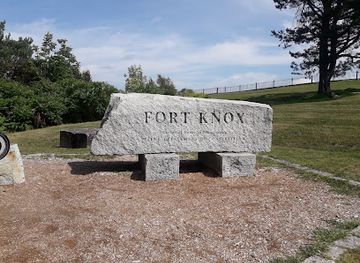
Fort Knox and Penobscot Narrows Observatory
Uncover history and enjoy breathtaking views at Fort Knox and Penobscot Narrows Observatory, a must-visit landmark in Maine.
-
Resort hotel
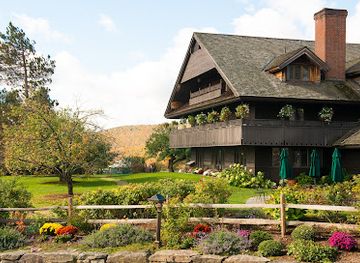
Trapp Family Lodge
Experience the unique blend of Austrian heritage and stunning natural beauty at the Trapp Family Lodge in Stowe, Vermont.


Explore Orange County on the map
Plan your trip on one map. See where the top cities, national parks and sights are, and book hotels and experiences in a few clicks.
Best hotels in Orange County
Best restaurants in Orange County
Dining in Orange County reflects Vermont’s rural economy and the practical scale of its villages. Randolph, Bradford, Fairlee and other communities offer cafés, bakeries, taverns, traditional inns and independent restaurants, while farm stands and seasonal markets provide opportunities to buy maple products, vegetables, fruit, baked goods and locally produced meat. Dairy farming remains an important influence, and Vermont cheeses, milk and cream appear widely in regional cooking. Menus often draw on New England comfort food alongside contemporary dishes using seasonal produce; locally brewed beer and cider are common accompaniments. In the Connecticut River corridor, lakeside and village dining may be more prominent in summer, whereas inland establishments serve residents, commuters and visitors throughout the year. Restaurant choice is more limited than in Vermont’s larger towns, so travellers staying in rural areas should check evening opening arrangements and avoid assuming that every village has late dining.
-
Brewery
Idletyme
Discover Idletyme Brewing: A premier brewery in Stowe offering exceptional craft beers and delicious American cuisine amidst stunning mountain views.
-
Restaurant
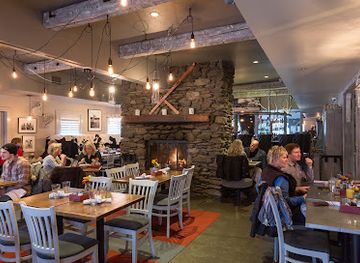
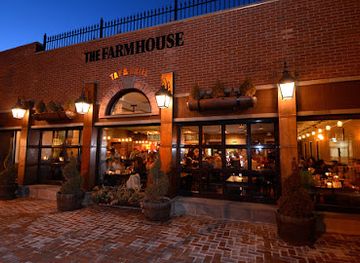
Farmhouse Tap & Grill (Vermont)
Experience the flavors of Vermont at Farmhouse Tap & Grill—where local ingredients meet craft brews in a cozy setting.
-
Restaurant
Simon Pearce
Discover exquisite American cuisine paired with handcrafted glass art at Simon Pearce in Quechee, Vermont.
-
Restaurant
The Bench
Experience delightful American cuisine and vibrant nightlife at The Bench in Stowe – your culinary haven amidst stunning mountain views.
Best bars in Orange County
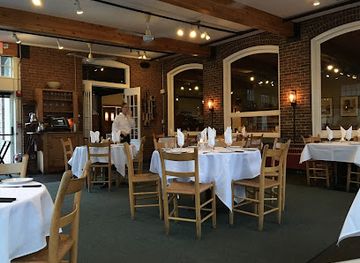
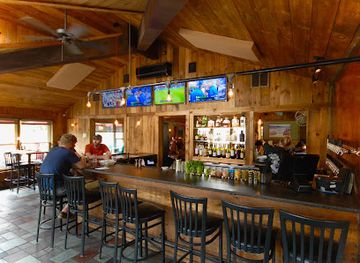
Evenings in Orange County are centred on traditional pubs, taverns, restaurant bars, breweries and community arts rather than a large nightclub scene. Randolph is the most reliable place to find a choice of restaurants, occasional live music and performances at the Chandler Center for the Arts, while Bradford, Fairlee and other villages have smaller-scale social venues. Historic inns and local bars can provide a relaxed setting for Vermont beer, cider or spirits, but opening patterns vary and many places finish earlier than urban nightlife districts. In summer, the Lake Morey area becomes more active through accommodation, outdoor recreation and seasonal events; elsewhere, evening culture is shaped by theatre, concerts, community gatherings and dining. A designated driver or pre-arranged taxi is sensible because rural distances, limited public transport and darkness make walking between venues impractical.
-
Bar
Simon Pearce
Discover a unique blend of fine dining and exquisite glass artistry at Simon Pearce in Quechee, Vermont, where culinary excellence meets craftsmanship.
-
Bar
Worthy Burger
Discover Worthy Burger in South Royalton: a delightful fusion of local ingredients and creative burger creations, all served in a cozy atmosphere.
-
American
Ladder 1 Grill
Experience the best of traditional American cuisine at Ladder 1 Grill in Barre, Vermont, where comfort food meets local flavors.
-
Grill
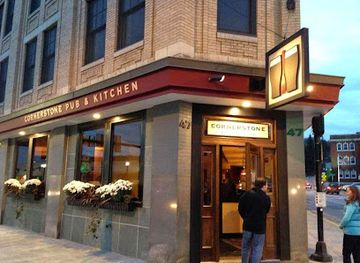
Cornerstone Pub & Kitchen
Experience Vermont's culinary charm at Cornerstone Pub & Kitchen, where delicious food meets an extensive selection of craft beverages.

Best nightclubs in Orange County
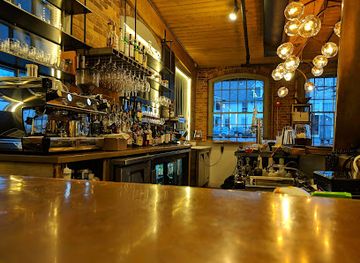
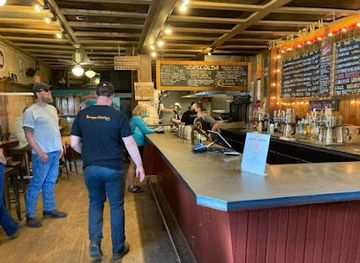
Evenings in Orange County are centred on traditional pubs, taverns, restaurant bars, breweries and community arts rather than a large nightclub scene. Randolph is the most reliable place to find a choice of restaurants, occasional live music and performances at the Chandler Center for the Arts, while Bradford, Fairlee and other villages have smaller-scale social venues. Historic inns and local bars can provide a relaxed setting for Vermont beer, cider or spirits, but opening patterns vary and many places finish earlier than urban nightlife districts. In summer, the Lake Morey area becomes more active through accommodation, outdoor recreation and seasonal events; elsewhere, evening culture is shaped by theatre, concerts, community gatherings and dining. A designated driver or pre-arranged taxi is sensible because rural distances, limited public transport and darkness make walking between venues impractical.
-
Bar
Simon Pearce
Experience the culinary artistry of Simon Pearce, where American cuisine meets handcrafted glass and pottery in the heart of Quechee, Vermont.
-
Bar
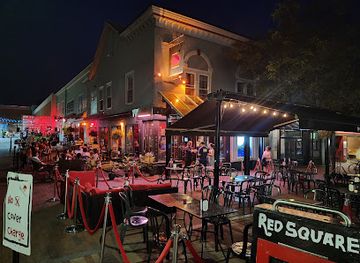
Red Square
Discover the heart of Burlington's nightlife at Red Square, a lively bar and nightclub offering live music, great drinks, and an unforgettable atmosphere.
-
Bar
Babes Bar
Unwind at Babes Bar in Bethel, Vermont – where lively events meet great drinks in a welcoming atmosphere.
-
Live music bar
Charlie O's
Experience Montpelier's vibrant live music scene at Charlie O's, where local talent and a welcoming atmosphere create unforgettable nights out.

Best shops in Orange County
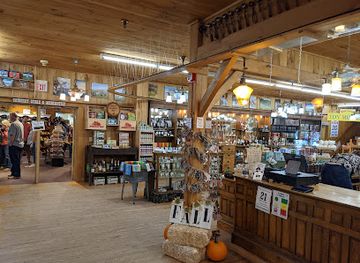
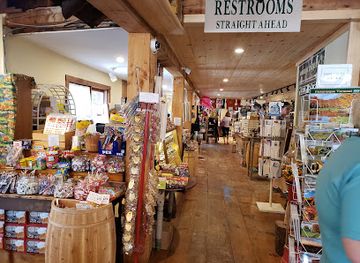
Shopping in Orange County is concentrated in the village centres of Randolph, Bradford, Chelsea and Fairlee rather than in large retail complexes. Independent bookshops, galleries, craft outlets, antique dealers, cafés and practical local stores reflect the county’s community scale. Farm stands and seasonal markets are the best places to look for maple syrup, honey, preserves, vegetables, baked goods, cider and other Vermont-made provisions, while arts organisations and galleries may offer ceramics, textiles, prints and woodwork. Larger everyday shopping needs are served by Randolph and Bradford, but visitors should not expect extensive late-night or luxury retail. Shopping is often seasonal, with more farm sales and outdoor markets in warmer months and fewer rural outlets operating on a daily basis in winter. Buying directly from a producer is a useful way to support the county’s agricultural economy, provided visitors respect posted opening arrangements and payment preferences.
-
Shopping mall
Quechee Gorge Village
Explore unique shops and local delights at Quechee Gorge Village, where Vermont's natural beauty meets charming shopping experiences.
-
Gift shop
Hogback Mountain Country Store
Explore the charm of Hogback Mountain Country Store - a unique gift shop offering local treasures and breathtaking views in Marlboro, Vermont.
-
Clothing store
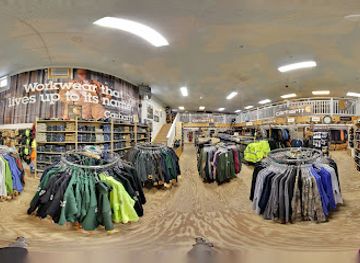
Farm-Way Inc / Vermont Gear
Explore Vermont Gear for the best in outdoor clothing, equipment, and unique local treasures in the heart of beautiful Bradford, Vermont.
-
Antique store
Vermont Antique Mall
Explore Vermont Antique Mall: A treasure trove of vintage finds and timeless antiques in the heart of Quechee, Vermont.

Get your free copy of our complete guide to Orange County, delivered straight to you.
Everything on this page, from attractions and restaurants to essentials and local phrases, in one PDF you can read offline, print or share.
Already have an account? Sign in
Your Orange County guide is ready.
We'll send it to · Not you? Sign out

Getting your guide ready…
We are putting together a fresh copy of the Orange County guide. This can take up to a minute.
This can take a few moments. If your browser asks, choose Allow so the download can start. You'll find the guide in your Downloads folder.
Nothing happened? Download it again
Sorry, the guide is taking longer than usual. Please try again in a minute, or get it by email instead.
Orange County essentials
Currency and Payment
Safety
Emergency Situations
Do's and Don'ts
Local Tips
From Eve
Local phrases worth knowing
You don't need to get them perfect. A few words go a long way, and locals appreciate the effort.
Basics
| English | Local | Say it |
|---|---|---|
| Hello | Hey there | [Hey thair] |
| Goodbye | See ya | [See yah] |
| Yes | Yup | [Yup] |
| No | Nah | [Nah] |
| Please/You're welcome | Sure thing | [Shur thing] |
| Thank you | Thanks a lot | [Thangs a lot] |
| Excuse me/Sorry | Oops, sorry | [Oops, sorree] |
| How are you? | How's it goin'? | [How's it goin'?] |
| Fine. And you? | I'm good. You? | [I'm good. You?] |
| Do you speak English? | Ya speak English? | [Ya speak English?] |
| I don't understand | I don't get it | [I don't git it] |
Eating & Drinking
| English | Local | Say it |
|---|---|---|
| I'd like to see the menu, please | Can I see the menu, please? | [Can I see tha menu, pleez?] |
| I don't eat meat | I’m a vegetarian | [I’m a vege-tarian] |
| Cheers! | Cheers! | [Cheers!] |
| I would like to pay, please | Can I get the check, please? | [Can I get tha check, pleez?] |
Emergencies
| English | Local | Say it |
|---|---|---|
| Help! | Help! | [Help!] |
| Go away! | Leave me alone! | [Leave me alone!] |
| Call the Police! | Call the cops! | [Call tha cops!] |
| Call a doctor! | Get a doctor! | [Get a doctor!] |
| I'm lost | I’m lost | [I’m lost] |
| I'm ill | I'm not feeling well | [I'm not feelin' well] |
Shopping
| English | Local | Say it |
|---|---|---|
| I'd like to buy... | I wanna buy... | [I wanna buy...] |
| I'm just looking | Just browsing, thanks | [Just browsin', thangs] |
| How much is it? | What's the price? | [What's tha price?] |
| That's too expensive | That's a bit pricey | [That's a bit pricy] |
| Can you lower the price? | Can ya knock down the price? | [Can ya knock down tha price?] |
Time & Numbers
| English | Local | Say it |
|---|---|---|
| What time is it? | What time is it? | [What time is it?] |
| It's one o'clock | It's one o'clock | [It's one o'clock] |
| Half past (10) | Half past ten | [Half past ten] |
| Morning | Morning | [Mornin'] |
| Afternoon | Afternoon | [Afternoon] |
| Evening | Evening | [Evenin'] |
| Yesterday | Yesterday | [Yesturday] |
| Today | Today | [Today] |
| Tomorrow | Tomorrow | [Tommorow] |
| 1 | One | [One] |
| 2 | Two | [Two] |
| 3 | Three | [Three] |
| 4 | Four | [Four] |
| 5 | Five | [Five] |
| 6 | Six | [Six] |
| 7 | Seven | [Seven] |
| 8 | Eight | [Eight] |
| 9 | Nine | [Nine] |
| 10 | Ten | [Ten] |
Transport & Directions
| English | Local | Say it |
|---|---|---|
| Where's a/the...? | Where's the nearest...? | [Where's tha nearest...?] |
| What's the address? | What's the address? | [What's tha address?] |
| Can you show me (on the map)? | Can ya point it out on the map? | [Can ya point it out on tha map?] |
| When's the next (bus)? | When's the next bus? | [When's tha next bus?] |
| A ticket (to ....) | A ticket to... | [A ticket to...] |
History of Orange County
Abenaki Homelands and River Travel
The Connecticut River valley and the uplands of central Vermont formed part of the wider homeland and travel network of Western Abenaki peoples. Rivers, lakes and established paths connected hunting grounds, settlements and trading routes long before European colonisation. The modern county contains no simple boundary for this earlier history: its eastern river corridor and western hills belonged to a broader cultural landscape shared across what is now Vermont and New Hampshire. Acknowledging this continuity provides essential context for understanding later settlement, land use and the names of local waterways.
Colonial Grants and Eighteenth-Century Settlement
Many Orange County towns were laid out through eighteenth-century land grants, followed by settlement that expanded after the American Revolution. Early communities developed around clearable upland farms, river crossings and small mills. Chelsea became the county seat, while villages such as Randolph, Bradford, Fairlee and Newbury grew as local centres for courts, trade and agriculture. Settlement was difficult in the heavily forested terrain, and the pattern of scattered farms connected by winding roads remains visible in the county’s landscape.
Farming, Mills and Village Commerce
During the nineteenth century, Orange County’s economy combined subsistence and commercial farming with sawmills, gristmills, workshops and small factories. The White River, Waits River and other waterways supplied power, while village stores and inns served farmers travelling from surrounding hills. Dairy farming later became particularly important, reflecting Vermont’s wider shift towards milk production. Historic farmsteads, village greens, churches and compact commercial streets preserve aspects of this period, although the county’s economy has since become more diversified.
Railways and the Connecticut River Corridor
Railways transformed the movement of people, timber, agricultural goods and manufactured products through Orange County during the nineteenth century. Lines followed valleys and linked communities with larger regional markets, reducing the isolation created by difficult hill roads. The Connecticut River corridor became especially important as a transport route and commercial edge, with bridges and connected settlements tying eastern Orange County to New Hampshire. Although rail travel is less dominant than it once was, the corridor’s settlement pattern and surviving transport infrastructure reflect that formative era.
Copper Mining at Strafford
The Elizabeth Mine in Strafford developed around copper deposits and became one of Vermont’s most significant historic mining sites. Mining activity expanded in the nineteenth century and continued into the twentieth, bringing employment and industrial infrastructure to a predominantly agricultural area. The mine’s environmental consequences have required extensive remediation, so it should be understood as a historic and industrial landscape rather than treated as an unrestricted recreational site. Its story illustrates both the economic ambitions and lasting environmental costs of resource extraction in rural New England.
Justin Smith Morrill and Land-Grant Education
Justin Smith Morrill was born in Strafford in 1810 and became a prominent United States congressman and senator. The Morrill Land-Grant Acts, especially the 1862 act, helped establish a national system of colleges centred on agriculture and the mechanical arts. The Justin Smith Morrill Homestead in Strafford preserves the family home and interprets his life, political work and educational legacy. His influence reached far beyond Vermont, but the surviving homestead gives Orange County a direct connection with a major development in American higher education.
Twentieth-Century Change and Rural Continuity
The twentieth century brought mechanisation, population shifts, changes in farming and the decline of many small industries, while improved roads made larger regional centres more accessible. Some villages lost commercial functions, but others retained schools, arts organisations, farms and civic institutions that sustain community life. Tourism, outdoor recreation, heritage conservation and small-scale food production now complement agriculture. Orange County’s contemporary identity therefore reflects adaptation rather than a complete break with its working rural past.
Orange County in Photos
Browse through our photo collection highlighting the charm and character of the destination.
Neighbouring regions of Orange County
The closest regions to Orange County, if you have time for more than one.
-

-
-
-

-


Swipe for more regions
Explore more

Explore more of Vermont
Discover Vermont: A year-round haven of natural beauty, charming towns, and rich heritage in the Green Mountain State.
Explore Vermont