

Free North Central Coast Travel Guide & Mobile App
Explore North Central Coast with free travel guides. Discover regional history, expert tips, proposed trips, and audio guides on web or mobile app.


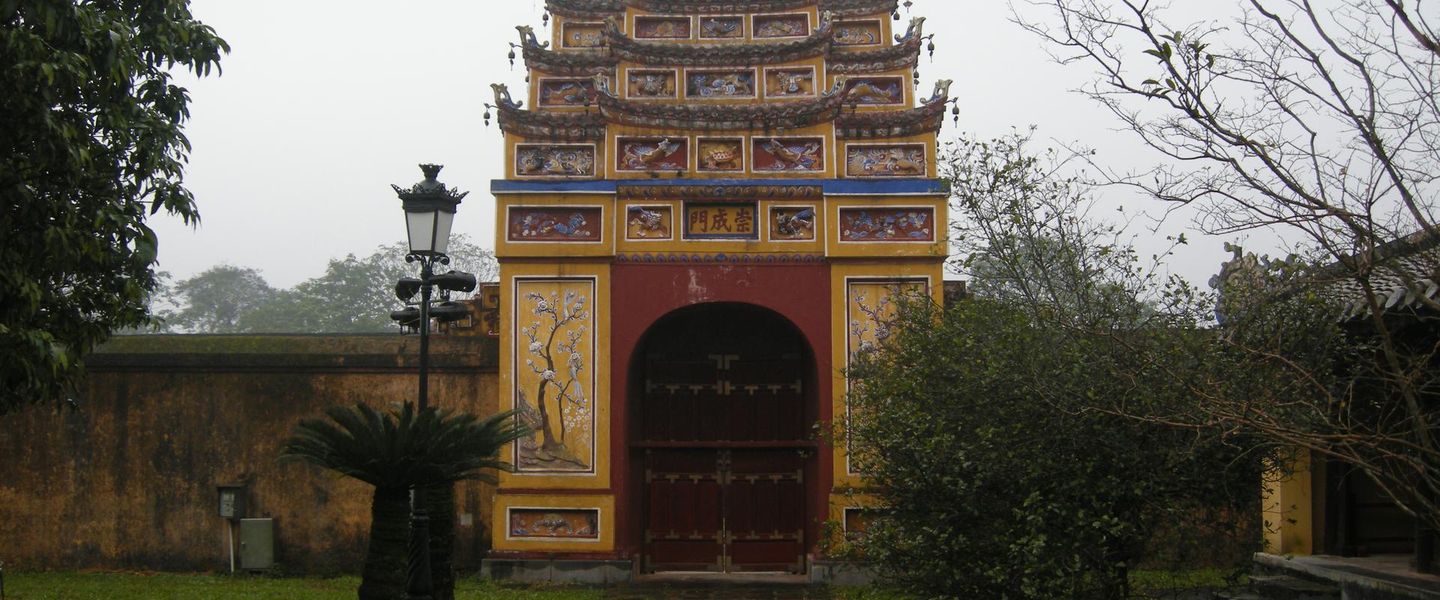


Explore North Central Coast Vietnam for imperial Hue, Phong Nha caves, wartime history, river plains, mountain scenery and long sandy beaches.
Read more about North Central Coast
When is the best time to visit North Central Coast?
Best: January–March · 23–26°C| Month | High (°C) | Rainfall (mm) |
|---|---|---|
| January (best) | 23 | 50 |
| February (best) | 24 | 40 |
| March (best) | 26 | 40 |
| April | 28 | 50 |
| May | 30 | 60 |
| June | 31 | 70 |
| July | 32 | 70 |
| August | 32 | 70 |
| September | 31 | 90 |
| October | 29 | 100 |
| November | 27 | 90 |
| December | 24 | 80 |
Getting to and around North Central Coast
How to get there
Transportation
Top city travel guides in North Central Coast
The cities of North Central Coast, and the easiest places to base yourself.
-

-

-

-


Swipe for more cities
Destinations in North Central Coast
Resorts, valleys and scenic spots worth a trip of their own.
-

-


Swipe for more destinations
Best attractions in North Central Coast
The North Central Coast offers a varied collection of historic, natural and cultural attractions rather than a single concentrated resort zone. Hue’s Imperial City, royal tombs, pagodas and riverfront heritage form the region’s principal architectural experience, while surrounding lagoon and coastal landscapes provide opportunities for cycling, boat trips and quieter excursions. Phong Nha-Ke Bang National Park is the leading nature destination, with guided visits to major caves, underground rivers, forest trails and limestone scenery; access arrangements and seasonal conditions vary between sites. Thanh Hoa combines the Lam Son historical area with Sam Son beach and the unusual karst landscape of Ben En National Park, while Nghe An offers the coastal resort of Cua Lo and access to rural cultural landscapes. Ha Tinh has beaches and wooded inland scenery, including the Huong Son area. In Quang Tri, museums, memorials, tunnels and former military sites explain the human and strategic history of the Demilitarised Zone. Across the region, markets, craft traditions, river settlements and provincial museums add local context to the better-known attractions.
-
Theme park
Ba Na Hills SunWorld
Explore the breathtaking Ba Na Hills SunWorld in Da Nang, Vietnam, featuring stunning landscapes, cultural attractions, and thrilling adventures for every traveler.
-
Tourist attraction
Ba Na Hills
Experience the breathtaking beauty of Ba Na Hills in Da Nang, Vietnam, where adventure meets stunning natural landscapes and rich culture.
-
Scenic spot
The Marble Mountains
Explore the enchanting Marble Mountains in Da Nang, Vietnam – a stunning blend of nature, culture, and breathtaking views that captivates every traveler.
-
Night market
Hội An Night Market
Explore the enchanting Hoi An Night Market, where vibrant culture meets delicious street food and unique handicrafts under a canopy of colorful lanterns.


Best landmarks in North Central Coast
Hue’s Citadel and Imperial City are the region’s defining architectural landmarks, enclosed within substantial defensive walls and associated with the Nguyen court. South of the city, the tombs of emperors Minh Mang, Tu Duc and Khai Dinh display contrasting approaches to landscape design, symbolism and architecture. The covered Thanh Toan Bridge, east of Hue, represents the region’s enduring village heritage, while the Perfume River remains a central geographical and cultural reference. In Quang Binh, the limestone mountains and cave entrances of Phong Nha-Ke Bang form a natural landmark of international importance. Quang Tri’s Hiền Lương Bridge and the Ben Hai River mark the former dividing line of Vietnam, while the Vinh Moc Tunnels reveal how civilians lived underground during wartime. Further north, the Lam Kinh complex in Thanh Hoa commemorates the Later Le dynasty and the Lam Son uprising. These places differ sharply in age and purpose, but together they show how imperial power, geology, village life and modern conflict have shaped the region.
-
 Scenic spot
The Marble Mountains
Explore the breathtaking Marble Mountains in Da Nang, Vietnam, where nature meets spirituality and history unfolds at every turn.
-
Tourist attraction
Ba Na Hills
Discover the breathtaking beauty of Ba Na Hills, Vietnam, where stunning landscapes, cultural heritage, and unforgettable experiences await every visitor.
-
Heritage preservation
My Son
Discover the ancient wonders of My Son, a UNESCO World Heritage Site showcasing the rich heritage of the Cham civilization in Vietnam.
-
Tourist attraction
Paradise Cave
Explore the breathtaking beauty of Paradise Cave, a UNESCO World Heritage site in Vietnam's Quang Binh Province, featuring stunning limestone formations and vast caverns.


Explore North Central Coast on the map
Plan your trip on one map. See where the top cities, national parks and sights are, and book hotels and experiences in a few clicks.
Best hotels in North Central Coast
Best restaurants in North Central Coast
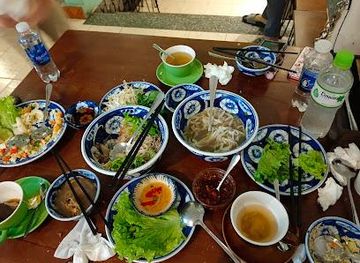
Food along the North Central Coast is based on rice, noodles, seafood, freshwater fish, herbs, fermented sauces and the produce of narrow coastal plains. Hue has the most distinctive culinary identity, with dishes such as bun bo Hue, banh beo, banh khoai and delicate steamed rice cakes reflecting both courtly presentation and everyday street cooking. Quang Binh offers local noodle and seafood dishes, while the northern provinces are known for their own rice preparations, grilled seafood and strongly seasoned regional specialities. Markets and modest family eateries are often the best places to encounter provincial cooking, although menus may be limited and ordering can require patience. In beach towns, seafood restaurants commonly display the day’s catch; in inland districts, meals may focus more on vegetables, pork, poultry and river fish. Coffee, fresh fruit drinks and small cafés are widespread, while vegetarian food is readily available near Buddhist centres and in Hue.
-
Resort hotel
InterContinental Danang Sun Peninsula Resort
Luxury peninsula retreat blending Bill Bensley design with Vietnamese heritage on pristine private beach.
-
Vietnamese
Thìa Gỗ Restaurant Da Nang
Discover Michelin Bib Gourmand bliss at Thìa Gỗ: crispy bánh xèo, aromatic phở, and vegan delights in a lush, wooden haven of authentic Da Nang Vietnamese cuisine.
-
Restaurant
Restaurant & Cafe Tuấn Rich Flavor of Hoi An Vietnamese Familly Restaurant
Experience authentic Vietnamese flavors at Tuấn Rich Flavor in Hoi An, where tradition meets taste in every dish.
-
Vietnamese
Morning Glory Original
Discover authentic Vietnamese flavors at Morning Glory Original in Hoi An – where tradition meets culinary excellence.



Best bars in North Central Coast
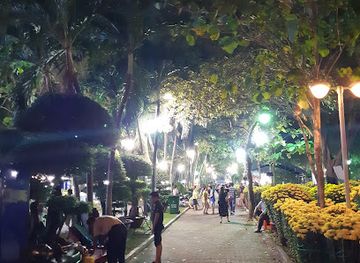
Evening life is generally low-key outside Hue and the larger provincial cities. Hue has the region’s broadest choice of riverside restaurants, cafés, beer venues, live-music spaces and late-opening bars, particularly around the central tourist area, although the atmosphere is more relaxed than that of Vietnam’s largest cities. Vinh and Thanh Hoa offer local beer restaurants, cafés and karaoke venues, while Dong Hoi and Cua Lo develop livelier waterfront scenes during domestic holiday periods and the summer beach season. In Phong Nha, nightlife centres on informal bars, restaurants and traveller-oriented social spaces rather than large clubs. Rural areas settle early, and many visitors spend evenings eating, walking beside the river or enjoying the cooler air after sunset. Check local arrangements rather than assuming that venues keep metropolitan hours, especially outside peak coastal periods.
-
Cocktail bar
Chill Skybar & Dining
Experience the ultimate nightlife and dining at Chill Skybar & Dining, where stunning views meet exquisite fusion cuisine in Ho Chi Minh City.
-
Bar
Hair of the dog bar Hoi An
Discover vibrant nightlife at Hair of the Dog Bar in Hoi An, where great drinks, live music, and unforgettable moments await you.
-
Bar
Valley Beach Club - beach
Experience the ultimate beach escape at Valley Beach Club in Hạ Long, where lively entertainment meets breathtaking ocean views.
-
Bar
Soul Kitchen
Experience the vibrant flavors and rhythms of Hội An at Soul Kitchen, a top bar and restaurant offering delicious food and live music entertainment.


Best nightclubs in North Central Coast
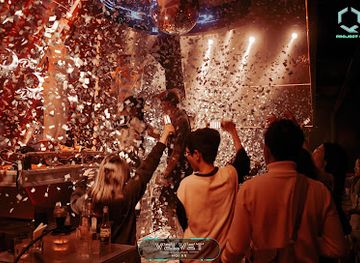
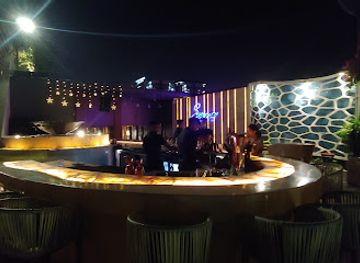
Evening life is generally low-key outside Hue and the larger provincial cities. Hue has the region’s broadest choice of riverside restaurants, cafés, beer venues, live-music spaces and late-opening bars, particularly around the central tourist area, although the atmosphere is more relaxed than that of Vietnam’s largest cities. Vinh and Thanh Hoa offer local beer restaurants, cafés and karaoke venues, while Dong Hoi and Cua Lo develop livelier waterfront scenes during domestic holiday periods and the summer beach season. In Phong Nha, nightlife centres on informal bars, restaurants and traveller-oriented social spaces rather than large clubs. Rural areas settle early, and many visitors spend evenings eating, walking beside the river or enjoying the cooler air after sunset. Check local arrangements rather than assuming that venues keep metropolitan hours, especially outside peak coastal periods.
-
Bar
Hair of the dog bar Hoi An
Discover the vibrant nightlife at Hair of the Dog Bar in Hoi An, where flavorful cocktails and a lively atmosphere await every visitor.
-
Night club
New Oriental Nightclub
Discover the electrifying nightlife at New Oriental Nightclub in Da Nang, where vibrant music and lively crowds create an unforgettable experience.
-
Bar
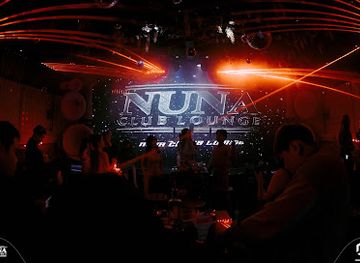
Nuna Lounge
Experience the vibrant nightlife of Da Nang at Nuna Lounge, where exquisite cocktails and electrifying music create unforgettable evenings.
-
Cocktail bar
Why Not Club Bar Hoi An
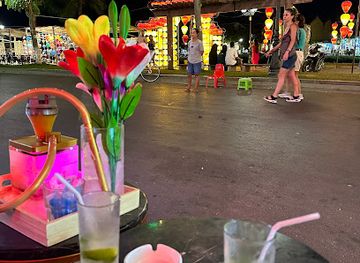
Discover the vibrant nightlife at Why Not Club Bar in Hoi An, where exceptional cocktails and an energetic atmosphere await every visitor.
Best shops in North Central Coast
Shopping in the North Central Coast is centred on traditional markets, provincial high streets, food products and practical local crafts rather than large luxury districts. Hue is the strongest retail base, with markets and independent shops selling conical hats, embroidered goods, incense, ceramics, textiles and packaged specialities, although quality and provenance vary. Dong Ba Market is one of the city’s best-known places for local foods, household goods and souvenirs. Provincial markets in Thanh Hoa, Vinh, Dong Hoi and Quang Tri are useful for observing everyday commerce and buying dried seafood, rice products, sweets, coffee and regional condiments. Coastal towns offer shell products and beach merchandise, but visitors should avoid purchasing items made from protected wildlife or coral. Around rural craft communities, buy directly where possible and ask whether goods are locally made. Bargaining may be expected in some markets, but it should remain polite; fixed-price shops, supermarkets and department stores provide a simpler option for packaged gifts.
-
Shopping mall
Takashimaya Ho Chi Minh City
Explore Takashimaya Ho Chi Minh City, where luxury shopping meets delightful dining in the heart of Vietnam's vibrant capital.
-
Market
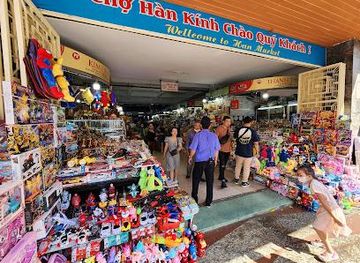
Han Market
Explore Han Market in Da Nang for an authentic taste of Vietnamese culture, food, and vibrant local life.
-
Shopping mall
Van Hanh Mall
Discover the excitement of shopping, dining, and entertainment at Van Hanh Mall in Ho Chi Minh City, a must-visit destination for all tourists.
-
Shopping mall
Crescent Mall
Explore Crescent Mall in Ho Chi Minh City: a shopping paradise with diverse brands, delightful dining, and entertainment for all ages.



Get your free copy of our complete guide to North Central Coast, delivered straight to you.
Everything on this page, from attractions and restaurants to essentials and local phrases, in one PDF you can read offline, print or share.
Already have an account? Sign in
Your North Central Coast guide is ready.
We'll send it to · Not you? Sign out

Getting your guide ready…
We are putting together a fresh copy of the North Central Coast guide. This can take up to a minute.
This can take a few moments. If your browser asks, choose Allow so the download can start. You'll find the guide in your Downloads folder.
Nothing happened? Download it again
Sorry, the guide is taking longer than usual. Please try again in a minute, or get it by email instead.
North Central Coast essentials
Currency and Payment
Safety
Emergency Situations
Do's and Don'ts
Local Tips
From Eve
Local phrases worth knowing
You don't need to get them perfect. A few words go a long way, and locals appreciate the effort.
Basics
| English | Local | Say it |
|---|---|---|
| Hello | Chào bạn | [Chao ban] |
| Goodbye | Tạm biệt | [Tam biet] |
| Yes | Có | [Co] |
| No | Không | [Khong] |
| Please/You're welcome | Xin vui lòng/Cảm ơn | [Xin vui long/Cam on] |
| Thank you | Cảm ơn | [Cam on] |
| Excuse me/Sorry | Xin lỗi | [Xin loi] |
| How are you? | Bạn khỏe không? | [Ban khoe khong?] |
| Fine. And you? | Khỏe. Còn bạn? | [Khoe. Con ban?] |
| Do you speak English? | Bạn có nói tiếng Anh không? | [Ban co noi tieng Anh khong?] |
| I don't understand | Tôi không hiểu | [Toi khong hieu] |
Eating & Drinking
| English | Local | Say it |
|---|---|---|
| I'd like to see the menu, please | Tôi muốn xem thực đơn, xin vui lòng | [Toi muon xem thuc don, xin vui long] |
| I don't eat meat | Tôi không ăn thịt | [Toi khong an thit] |
| Cheers! | Cạn ly! | [Can ly!] |
| I would like to pay, please | Tôi muốn thanh toán, xin vui lòng | [Toi muon thanh toan, xin vui long] |
Emergencies
| English | Local | Say it |
|---|---|---|
| Help! | Cứu tôi! | [Cuu toi!] |
| Go away! | Biến đi! | [Bien di!] |
| Call the Police! | Gọi cảnh sát! | [Goi canh sat!] |
| Call a doctor! | Gọi bác sĩ! | [Goi bac si!] |
| I'm lost | Tôi bị lạc | [Toi bi lac] |
| I'm ill | Tôi bị ốm | [Toi bi om] |
Shopping
| English | Local | Say it |
|---|---|---|
| I'd like to buy... | Tôi muốn mua... | [Toi muon mua...] |
| I'm just looking | Tôi chỉ đang xem | [Toi chi dang xem] |
| How much is it? | Cái này giá bao nhiêu? | [Cai nay gia bao nhieu?] |
| That's too expensive | Cái đó đắt quá | [Cai do dat qua] |
| Can you lower the price? | Bạn có thể hạ giá không? | [Ban co the ha gia khong?] |
Time & Numbers
| English | Local | Say it |
|---|---|---|
| What time is it? | Mấy giờ rồi? | [May gio roi?] |
| It's one o'clock | Đây là một giờ | [Day la mot gio] |
| Half past (10) | Mười rưỡi | [Muoi ruoi] |
| Morning | Buổi sáng | [Buoi sang] |
| Afternoon | Buổi chiều | [Buoi chieu] |
| Evening | Buổi tối | [Buoi toi] |
| Yesterday | Hôm qua | [Hom qua] |
| Today | Hôm nay | [Hom nay] |
| Tomorrow | Ngày mai | [Ngay mai] |
| 1 | Một | [Mot] |
| 2 | Hai | [Hai] |
| 3 | Ba | [Ba] |
| 4 | Bốn | [Bon] |
| 5 | Năm | [Nam] |
| 6 | Sáu | [Sau] |
| 7 | Bảy | [Bay] |
| 8 | Tám | [Tam] |
| 9 | Chín | [Chin] |
| 10 | Mười | [Muoi] |
Transport & Directions
| English | Local | Say it |
|---|---|---|
| Where's a/the...? | Ở đâu có...? | [O dau co...?] |
| What's the address? | Địa chỉ là gì? | [Dia chi la gi?] |
| Can you show me (on the map)? | Bạn có thể chỉ cho tôi (trên bản đồ)? | [Ban co the chi cho toi (tren ban do)?] |
| When's the next (bus)? | Khi nào có (xe buýt) tiếp theo? | [Khi nao co (xe buyt) tiep theo?] |
| A ticket (to ....) | Một vé (đến....) | [Mot ve (den....)] |
History of North Central Coast
Early Kingdoms and the Sa Huynh Cultural Sphere
Archaeological evidence from central Vietnam records societies engaged in rice cultivation, fishing, craft production and maritime exchange long before the modern Vietnamese state. The Sa Huynh cultural tradition, which flourished across parts of central Vietnam during the first millennium BCE and early centuries CE, is associated with distinctive burial practices and wide trading connections. In the North Central Coast, river valleys and coastal plains provided routes between the interior and the sea. Later political influence came from the Cham polities to the south and from expanding Vietnamese states to the north, leaving the region as a long-standing zone of cultural contact.
Vietnamese Expansion Southwards
From the medieval period, Vietnamese settlement and administration gradually extended south from the Red River delta into the central coastal plains. This process brought new agricultural communities, administrative centres and military settlements, while also creating prolonged interaction and conflict with Champa. The narrow geography of the North Central Coast made its river crossings, mountain passes and coastal plains strategically important. Many later towns and routes developed along lines established during this southward expansion, although the region’s culture retained influences from Cham, upland and maritime communities.
The Lam Son Uprising, 1418–1427
The Lam Son uprising began in the Lam Son area of present-day Thanh Hoa under Le Loi, who led resistance against Ming Chinese occupation. After years of campaigning through difficult terrain and building a broader political alliance, the movement succeeded and Le Loi became the founding emperor of the Later Le dynasty. Lam Son is therefore central to Vietnamese national history, not merely a local historical site. The episode also illustrates the strategic importance of Thanh Hoa’s forests, valleys and routes between the coast and the interior.
Hue and the Nguyen Imperial Capital
Hue became the imperial capital of the Nguyen dynasty in 1802, when Emperor Gia Long consolidated Vietnam and established the court on the Perfume River. The dynasty built the Citadel, the Imperial City and a series of royal tombs set among hills and waterways south of the modern centre. Court ritual, Confucian administration, Buddhist practice and specialised crafts shaped Hue’s culture. Although the capital moved to Hanoi after the August Revolution of 1945, the surviving monuments and culinary traditions continue to define Hue as one of Vietnam’s most important historic cities.
Colonial Rule and Economic Change
During French colonial rule, the central coast was reorganised through new administrative systems, roads, railways, ports and commercial agriculture. Towns such as Vinh acquired greater importance as regional centres, while the railway connected the coastal plain with Hanoi, Saigon and intervening provinces. Colonial institutions also altered education, taxation and patterns of landholding. The period brought economic and social pressures as well as new infrastructure, and its legacy remains visible in selected urban buildings, transport corridors and the political history of central Vietnam.
The Vietnam War and the Demilitarised Zone
Quang Tri was a principal theatre of the Vietnam War because the seventeenth parallel and the Ben Hai River formed the Demilitarised Zone after the 1954 Geneva settlement. The area around the former dividing line, Khe Sanh and the coastal plain saw intense fighting, bombardment and displacement. Sites such as the Hiền Lương–Bến Hải area, Vinh Moc Tunnels and Khe Sanh carry the memory of civilians and combatants on both sides. War history remains a defining part of Quang Tri’s landscape, alongside continuing land clearance and memorial work.
Reconstruction, Conservation and Tourism
After reunification, the North Central Coast faced extensive war damage, economic difficulty and the challenge of rebuilding transport and agriculture. Since the late twentieth century, heritage conservation and nature-based tourism have become increasingly important. Hue’s monuments gained international recognition, while Phong Nha-Ke Bang’s caves and karst forests developed into a major conservation and visitor area. Improved roads, airports and rail connections have linked provincial centres more closely, although typhoons, flooding, erosion and rural economic disparities continue to influence development along the coast.
North Central Coast in Photos
Browse through our photo collection highlighting the charm and character of the destination.
Neighbouring regions of North Central Coast
The closest regions to North Central Coast, if you have time for more than one.
-

-
-

-

-


Swipe for more regions
Explore more

Explore more of Vietnam
Discover Vietnam's enchanting landscapes, vibrant cities, and rich cultural heritage. Experience the perfect blend of history, nature, and cuisine in this Southeast Asian gem.
Explore Vietnam