

Free Northeast Travel Guide & Mobile App
Explore Northeast with free travel guides. Discover regional history, expert tips, proposed trips, and audio guides on web or mobile app.


Explore Northeast Vietnam for karst passes, ethnic markets, forested lakes, frontier history and the coastal limestone landscapes of Quang Ninh.
Read more about Northeast
When is the best time to visit Northeast?
Best: May–June, September · 24–29°C| Month | High (°C) | Rainfall (mm) |
|---|---|---|
| January | 9 | 51 |
| February | 11 | 45 |
| March | 14 | 60 |
| April | 19 | 65 |
| May (best) | 24 | 70 |
| June (best) | 29 | 75 |
| July | 31 | 80 |
| August | 30 | 80 |
| September (best) | 26 | 75 |
| October | 19 | 65 |
| November | 13 | 60 |
| December | 9 | 55 |
Getting to and around Northeast
How to get there
Transportation
Top city travel guides in Northeast
The cities of Northeast, and the easiest places to base yourself.
-

-


Swipe for more cities
Destinations in Northeast
Resorts, valleys and scenic spots worth a trip of their own.
-

-

-


Swipe for more destinations
Best attractions in Northeast
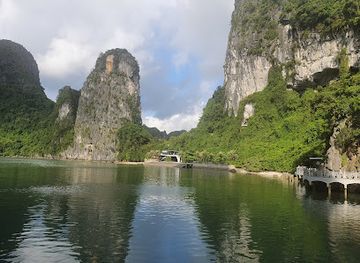
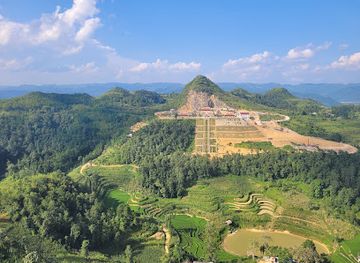
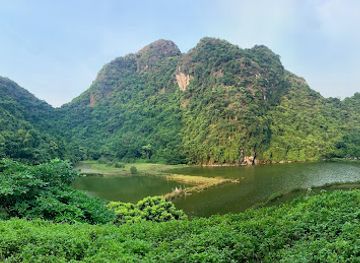
The Northeast's attractions range from high mountain roads and ethnic market towns to caves, lakes, waterfalls and a heavily industrialised coast. Ha Giang's Dong Van Karst Plateau Geopark offers dramatic limestone scenery, the historic town of Dong Van, the Ma Pi Leng Pass and views over the Nho Que River. Cao Bang combines Ban Gioc Waterfall, the Quay Son valley, Nguom Ngao Cave and the revolutionary heritage of Pac Bo. Ba Be National Park in Bac Kan is suited to boat trips, forest walks and quiet exploration around Ba Be Lake. Lang Son brings frontier history, temples and caves within easier reach of northern Vietnam's transport network. Thai Nguyen adds tea culture and museums, while Tuyen Quang has important revolutionary sites and forested landscapes. In Quang Ninh, the limestone islands of Ha Long Bay and Bai Tu Long Bay dominate the coastal tourism offer, complemented by Cat Ba National Park nearby across the provincial boundary and therefore not part of the Northeast's Quang Ninh attractions. Outdoor plans should be adapted to seasonal rain, road conditions and conservation rules.
-
Tourist attraction
Sung Sot Cave
Explore Sung Sot Cave in Ha Long Bay: a breathtaking natural wonder filled with stunning rock formations and mesmerizing scenery.
-
Tourist attraction
Lung Cu Flag Point
Experience the breathtaking beauty and cultural richness of Lung Cu Flag Point, Vietnam's northernmost landmark, where adventure meets history.
-
National park
Cat Ba National Park
Explore the breathtaking landscapes and rich biodiversity of Cat Ba National Park, a must-visit destination for nature lovers and adventurers in Vietnam.
-
Ethnographic museum
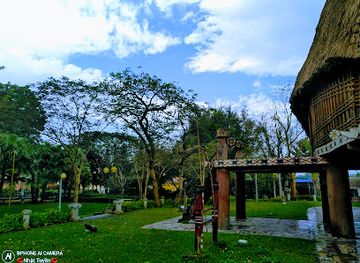
Cultural museum of Vietnam ethnic minority groups
Discover the vibrant cultures of Vietnam's ethnic minorities at the Cultural Museum in Thai Nguyen, showcasing traditions, artifacts, and immersive experiences.
Best landmarks in Northeast
The Northeast's most recognisable landmarks are often inseparable from its geology. The Ma Pi Leng Pass in Ha Giang cuts through the Dong Van Karst Plateau above the Nho Que River, while the old quarter of Dong Van preserves a cluster of historic buildings shaped by frontier trade. Ban Gioc Waterfall in Cao Bang forms a broad cascade in a striking borderland valley, and nearby Nguom Ngao Cave reveals the region's extensive limestone formations. Pac Bo, also in Cao Bang, is associated with Ho Chi Minh's return to Vietnam in 1941 and remains an important historical landscape. Ba Be Lake is the defining natural landmark of Bac Kan, enclosed by forested limestone country within Ba Be National Park. In Quang Ninh, Ha Long Bay's dense groups of limestone karsts and islands form Vietnam's best-known northeastern seascape, while the coastal province's coal-mining sites and working ports represent a different, industrial layer of regional identity. Lang Son's Tam Thanh and Nhi Thanh caves, together with the town's frontier position, provide further evidence of the close relationship between landscape, pilgrimage and trade.
-
 Scenic spot
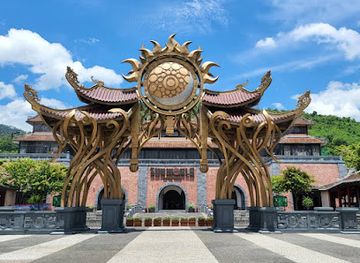
The Marble Mountains
Discover the breathtaking beauty and rich cultural heritage of the Marble Mountains in Da Nang, Vietnam, a must-visit scenic spot for tourists.
-
Tourist attraction
Ba Na Hills
Discover the enchanting beauty and thrilling adventures of Ba Na Hills, a must-visit destination near Da Nang, Vietnam.
-
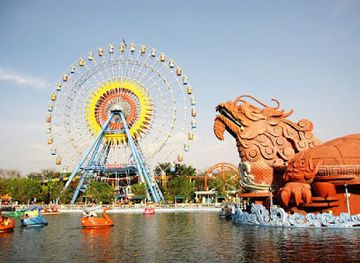
Amusement park
Suoi Tien Theme Park
Discover the thrills and cultural wonders of Suoi Tien Theme Park in Ho Chi Minh City, where adventure meets Vietnamese heritage.
-
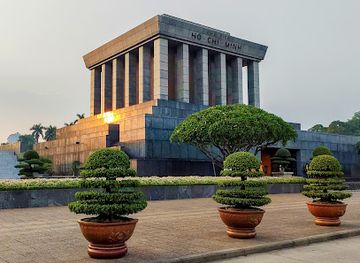
Historical landmark
Ho Chi Minh's Mausoleum
Explore the rich history and cultural significance of Ho Chi Minh's Mausoleum in Hanoi, a tribute to Vietnam's beloved leader.
Explore Northeast on the map
Plan your trip on one map. See where the top cities, national parks and sights are, and book hotels and experiences in a few clicks.
Best hotels in Northeast
Best restaurants in Northeast
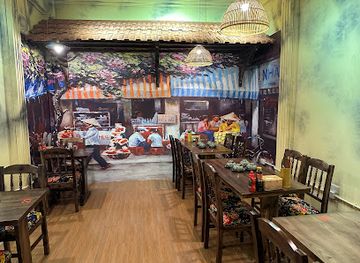
Food in the Northeast reflects upland farming, frontier exchange and the coastal economy of Quang Ninh. In mountain provinces, visitors encounter dishes based on rice, maize, pork, poultry, river fish, bamboo shoots, forest herbs and fermented ingredients, with preparation varying between communities rather than forming one single regional cuisine. Lang Son is known for local specialities including roast duck and stuffed rice noodles, while Cao Bang is associated with distinctive sour noodle soup and smoked or grilled meats. Thai Nguyen's tea is a major regional product and is often served simply rather than incorporated into elaborate menus. Quang Ninh adds seafood from the Gulf of Tonkin, while markets and harbour towns offer shellfish, squid and fish prepared in straightforward styles. Rural inns, market stalls, cafés and family-run restaurants are often the most useful places to try regional food; in remote areas, menus may be short and meal times may need to be arranged in advance at homestays.
-
Vietnamese
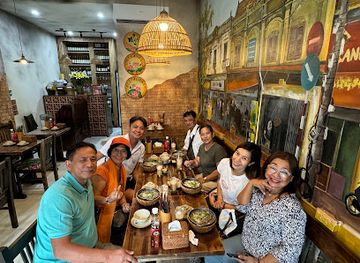
MẸT Vietnamese restaurant & Vegetarian Food 1
Experience authentic Vietnamese cuisine with exceptional vegetarian options at MẸT Restaurant in Hanoi.
-
Vietnamese
MẸT Vietnamese Restaurant & Vegetarian Met 2
Experience the best of Vietnamese cuisine at MẸT Restaurant & Vegetarian Met 2 in Hanoi - where tradition meets flavor!
-
Vietnamese
MẸT Vietnamese restaurant & Vegetarian Met 4
Discover authentic Vietnamese cuisine at MẸT Restaurant in Hanoi, offering delicious traditional dishes and exceptional vegetarian options.
-
Vietnamese
MẸT Vietnamese restaurant & Vegetarian Food 5
Experience authentic Vietnamese flavors at MẸT Restaurant & Vegetarian Food in Hanoi - a culinary delight for every traveler.


Best bars in Northeast
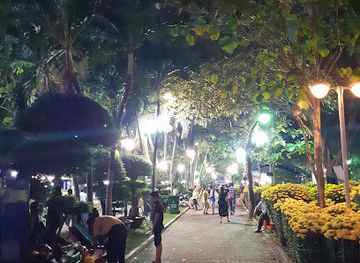
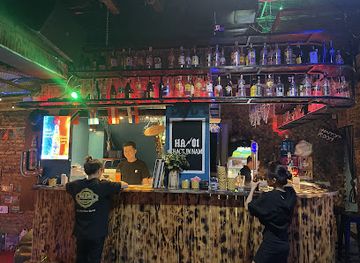
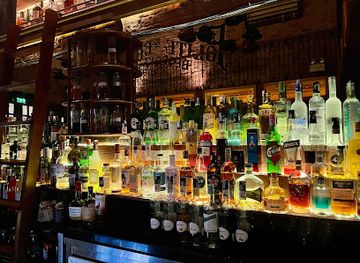
Evening life in the Northeast is generally low-key outside Ha Long and the larger provincial towns. Ha Long has the broadest selection of hotel lounges, seafood restaurants, cafés, karaoke venues and bars, with activity concentrated around the waterfront and tourist areas, although individual businesses and opening arrangements change. Lang Son, Thai Nguyen and Tuyen Quang offer urban cafés, beer restaurants, karaoke and occasional live entertainment rather than a large club scene. In Ha Giang, Cao Bang and Bac Kan, evenings more often centre on local restaurants, small bars, homestays and conversations over tea or regional rice spirits; remote villages may have little nightlife after dinner. Night markets and seasonal events can add colour, but they should not be assumed to operate every night. Visitors should drink responsibly, arrange transport before travelling into rural areas and avoid treating alcohol as a requirement for engaging with local communities.
-
Cocktail bar
Chill Skybar & Dining
Experience breathtaking views and exquisite fusion cuisine at Chill Skybar & Dining, Ho Chi Minh City's premier cocktail bar and nightlife hotspot.
-
Bar
Cloud Sky Bar Hanoi
Discover the breathtaking views and vibrant atmosphere of Cloud Sky Bar Hanoi, a perfect spot for relaxation and socializing.
-
Cocktail bar
Hanoi Blues Bar _ Tạ Hiện
Experience the vibrant nightlife at Hanoi Blues Bar, where delightful cocktails and a lively atmosphere await in the heart of Hanoi.
-
Cocktail bar
Polite & Co
Experience Hanoi's nightlife at Polite & Co, where expertly crafted cocktails and a vibrant atmosphere await every visitor.

Best nightclubs in Northeast
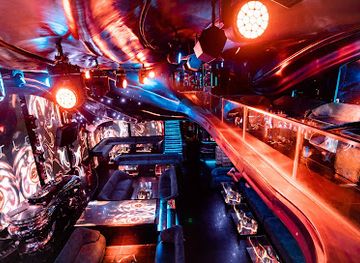
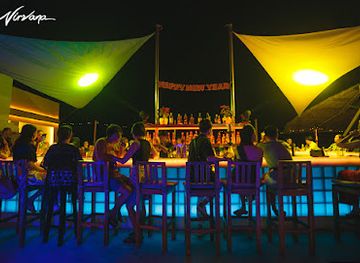
Evening life in the Northeast is generally low-key outside Ha Long and the larger provincial towns. Ha Long has the broadest selection of hotel lounges, seafood restaurants, cafés, karaoke venues and bars, with activity concentrated around the waterfront and tourist areas, although individual businesses and opening arrangements change. Lang Son, Thai Nguyen and Tuyen Quang offer urban cafés, beer restaurants, karaoke and occasional live entertainment rather than a large club scene. In Ha Giang, Cao Bang and Bac Kan, evenings more often centre on local restaurants, small bars, homestays and conversations over tea or regional rice spirits; remote villages may have little nightlife after dinner. Night markets and seasonal events can add colour, but they should not be assumed to operate every night. Visitors should drink responsibly, arrange transport before travelling into rural areas and avoid treating alcohol as a requirement for engaging with local communities.
-
Night club
New Oriental Nightclub
Discover the thrilling nightlife of Da Nang at New Oriental Nightclub, where vibrant music and a lively crowd create unforgettable memories.
-
Bar
Oslo Club
Discover Oslo Club, a premier nightlife destination in Ho Chi Minh City with exquisite drinks, lively music, and an unforgettable atmosphere.
-
Cocktail bar
Nirvana Beach Club
Discover Nirvana Beach Club, a vibrant cocktail bar and restaurant in Phan Thiết, offering stunning ocean views, delicious food, and unforgettable nightlife.
-
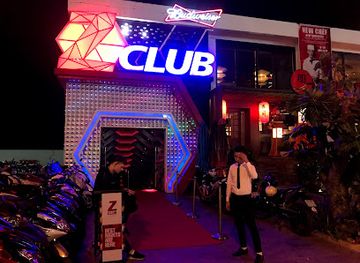
Night club
Z Club
Discover the electrifying nightlife at Z Club in Nha Trang, where unforgettable dance experiences and top DJs await you.

Best shops in Northeast
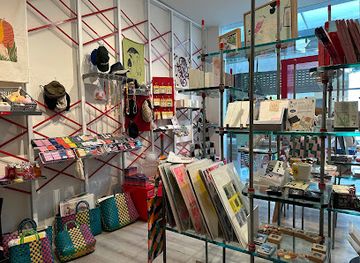
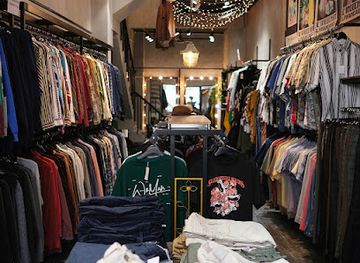
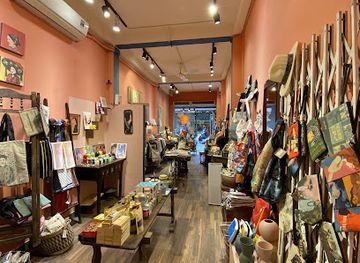
Shopping varies considerably between the Northeast's provincial capitals, upland markets and coastal tourism centres. Ha Giang, Cao Bang and Bac Kan are useful places to buy tea, dried foods, honey, spices, woven textiles and locally made handicrafts, though quality and authenticity vary and visitors should ask about materials and production rather than assuming every textile is handmade locally. Weekly markets in upland districts sell farm produce, livestock, clothing and household goods primarily for residents, making them places for observation as well as purchases. Thai Nguyen is the region's principal tea-shopping centre, with products ranging from everyday green tea to carefully processed leaf tea. Lang Son has a long trading tradition and larger markets with Vietnamese and Chinese goods, while Ha Long offers seafood products, tea, crafts and conventional tourist souvenirs. Buy responsibly, avoid products made from protected wildlife or plants, and pack perishable foods securely when travelling onward.
-
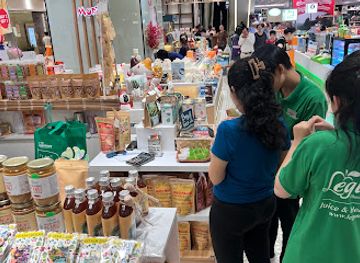
Souvenir store
Légumes Takashimaya - Vietnamese Specialty Gifts / ベトナム特産品ギフト/ 베트남 특산품 선물 / 越南特产礼品
Explore authentic Vietnamese flavors and unique gifts at Légumes Takashimaya, a must-visit souvenir store in Ho Chi Minh City.
-
Gift shop
OHQUAO Concept Store
Explore OHQUAO Concept Store in Ho Chi Minh City for unique gifts, stylish clothing, and a taste of Vietnamese culture.
-
Vintage clothing store
Mayhem Saigon Vintage Store
Discover unique vintage clothing at Mayhem Saigon Vintage Store, a treasure trove for fashion enthusiasts in the heart of Ho Chi Minh City.
-
Gift shop
Collective Memory - The House of Curios
Explore a treasure trove of unique Vietnamese gifts at Collective Memory - The House of Curios, where every item tells a story.
Get your free copy of our complete guide to Northeast, delivered straight to you.
Everything on this page, from attractions and restaurants to essentials and local phrases, in one PDF you can read offline, print or share.
Already have an account? Sign in
Your Northeast guide is ready.
We'll send it to · Not you? Sign out

Getting your guide ready…
We are putting together a fresh copy of the Northeast guide. This can take up to a minute.
This can take a few moments. If your browser asks, choose Allow so the download can start. You'll find the guide in your Downloads folder.
Nothing happened? Download it again
Sorry, the guide is taking longer than usual. Please try again in a minute, or get it by email instead.
Northeast essentials
Currency and Payment
Safety
Emergency Situations
Do's and Don'ts
Local Tips
From Eve
Local phrases worth knowing
You don't need to get them perfect. A few words go a long way, and locals appreciate the effort.
Basics
| English | Local | Say it |
|---|---|---|
| Hello | Hi | [hai] |
| Goodbye | Bye | [bai] |
| Yes | Yeah | [yea] |
| No | Nope | [nohp] |
| Please/You're welcome | Please | [pleez] |
| Thank you | Thanks | [thangs] |
| Excuse me/Sorry | Excuse me | [ex-kyoos mee] |
| How are you? | How's it going? | [howz it goin] |
| Fine. And you? | Good. You? | [gud. yoo?] |
| Do you speak English? | Do you speak English? | [do yoo speak ing-glish?] |
| I don't understand | I don't get it | [I dont get it] |
Eating & Drinking
| English | Local | Say it |
|---|---|---|
| I'd like to see the menu, please | Can I see the menu? | [kan I see the men-yoo?] |
| I don't eat meat | I'm vegetarian | [I'm vege-tair-ee-an] |
| Cheers! | Cheers! | [cheerz] |
| I would like to pay, please | Can I get the check, please? | [kan I get the chek pleez?] |
Emergencies
| English | Local | Say it |
|---|---|---|
| Help! | Help! | [help] |
| Go away! | Leave me alone! | [leave mee uh-lone] |
| Call the Police! | Call 911! | [call nine-one-one] |
| Call a doctor! | Get a doctor! | [get a dok-ter] |
| I'm lost | I can't find my way | [I cant find my way] |
| I'm ill | I'm not feeling well | [I'm not feel-ing wel] |
Shopping
| English | Local | Say it |
|---|---|---|
| I'd like to buy... | I want to buy... | [I want to buy...] |
| I'm just looking | Just browsing | [just brows-ing] |
| How much is it? | What’s the price? | [whats the prys?] |
| That's too expensive | That's pricey | [thats pry-see] |
| Can you lower the price? | Can you give me a discount? | [kan yoo giv mee a dis-kount?] |
Time & Numbers
| English | Local | Say it |
|---|---|---|
| What time is it? | What time is it? | [what time is it?] |
| It's one o'clock | It's one o'clock | [its one o'clock] |
| Half past (10) | Half past ten | [half past ten] |
| Morning | Morning | [mor-ning] |
| Afternoon | Afternoon | [af-ter-noon] |
| Evening | Evening | [eev-ning] |
| Yesterday | Yesterday | [yes-ter-day] |
| Today | Today | [to-day] |
| Tomorrow | Tomorrow | [to-mor-row] |
| 1 | 1 | [one] |
| 2 | 2 | [two] |
| 3 | 3 | [three] |
| 4 | 4 | [four] |
| 5 | 5 | [five] |
| 6 | 6 | [six] |
| 7 | 7 | [seven] |
| 8 | 8 | [eight] |
| 9 | 9 | [nine] |
| 10 | 10 | [ten] |
Transport & Directions
| English | Local | Say it |
|---|---|---|
| Where's a/the...? | Where's the...? | [where's the...?] |
| What's the address? | What’s the address? | [whats the ad-dress?] |
| Can you show me (on the map)? | Can you show me on the map? | [kan yoo show mee on the map?] |
| When's the next (bus)? | When's the next bus? | [when's the next bus?] |
| A ticket (to ....) | One ticket to ... | [one tik-et to ...] |
History of Northeast
Prehistoric Communities and Early Agriculture
The Northeast contains important prehistoric evidence from caves and rock shelters, including sites in the Bac Son and Ha Long archaeological traditions. Communities lived by hunting, gathering, fishing and increasingly settled cultivation long before the emergence of historic states. The limestone landscapes that attract visitors today also created natural shelters and routes through the mountains. Archaeological work in the region helps explain the long human history of northern Vietnam and the movement of peoples between the Red River basin, the uplands and southern China.
Early States and Frontier Societies
For much of its history, the Northeast was a zone where lowland Vietnamese states, upland communities and Chinese dynasties interacted. Local societies including Tay, Nung, Dao, Hmong and other groups developed their own languages, customs and systems of land use, while trade routes crossed the passes around Lang Son and Cao Bang. The frontier was therefore not an empty margin but a politically important region in which taxation, commerce, migration and military power continually reshaped local life.
Chinese Rule and Vietnamese Kingdoms
Northern Vietnam experienced long periods of Chinese administration before the formation and consolidation of independent Vietnamese dynasties. Later rulers maintained fortified routes and border settlements in the Northeast, particularly around Lang Son and the approaches to Cao Bang. The region's geography made it strategically important: passes connected the Red River plain with China, while rivers and valleys supported trade and military movement. Remnants of citadels, temples and older settlement patterns reflect this layered frontier history.
Colonial Borderlands and the 1885 Conflict
French control of northern Vietnam brought new administrative boundaries, roads, military posts and commercial networks to the Northeast. Lang Son became particularly prominent as a gateway and garrison town. The Sino-French War of 1884–1885 and later colonial military campaigns demonstrated the strategic importance of the border passes. Colonial rule also altered taxation, mining and trade, drawing the region more closely into wider economic systems while leaving upland communities subject to disruptive political and land changes.
Revolutionary Bases and the August Revolution
The mountains of the Northeast played an important role in the revolutionary movement against French colonial rule. Tuyen Quang and neighbouring upland areas served as centres of the Viet Minh administration during the later resistance period, and the region became associated with the August Revolution of 1945. Historic sites around Tuyen Quang and Thai Nguyen preserve memories of political organisation, communication networks and the participation of local communities in the struggle that led to the establishment of the Democratic Republic of Vietnam.
War, Reconstruction and Border Change
The Northeast was affected by the Indochina Wars, including military activity around the northern border and the 1979 Sino-Vietnamese conflict. Infrastructure, settlements and border commerce were disrupted, while mining and heavy industry expanded in areas such as Quang Ninh and Thai Nguyen. Since economic reforms began in the late twentieth century, the region has seen stronger trade links, growing domestic tourism and improved roads, although remote upland communities still face different opportunities from the industrial and coastal centres.
Mining, Tea and Contemporary Tourism
Modern Northeast Vietnam combines several economic identities. Quang Ninh's coal industry helped shape its towns, ports and working landscapes, while Thai Nguyen became nationally recognised for tea production. In the uplands, small-scale farming, livestock, cross-border trade and community-based tourism remain important. Ha Long Bay, the Dong Van Karst Plateau and Ban Gioc Waterfall have brought international attention, creating new income while also making conservation, waste management and respectful tourism increasingly important regional concerns.
Northeast in Photos
Browse through our photo collection highlighting the charm and character of the destination.
Neighbouring regions of Northeast
The closest regions to Northeast, if you have time for more than one.
-

-

-

-

-


Swipe for more regions
Explore more

Explore more of Vietnam
Discover Vietnam's enchanting landscapes, vibrant cities, and rich cultural heritage. Experience the perfect blend of history, nature, and cuisine in this Southeast Asian gem.
Explore Vietnam