

Free South Central Coast Travel Guide & Mobile App
Explore South Central Coast with free travel guides. Discover regional history, expert tips, proposed trips, and audio guides on web or mobile app.


Explore Vietnam’s South Central Coast for Cham heritage, historic ports, seafood, dry landscapes, island waters and long sandy bays.
Read more about South Central Coast
When is the best time to visit South Central Coast?
Best: December–February · 25–26°C| Month | High (°C) | Rainfall (mm) |
|---|---|---|
| January (best) | 25 | 1 |
| February (best) | 26 | 2 |
| March | 27 | 12 |
| April | 30 | 26 |
| May | 31 | 50 |
| June | 32 | 100 |
| July | 32 | 151 |
| August | 32 | 151 |
| September | 31 | 101 |
| October | 29 | 76 |
| November | 27 | 26 |
| December (best) | 25 | 5 |
Getting to and around South Central Coast
How to get there
Transportation
Top city travel guides in South Central Coast
The cities of South Central Coast, and the easiest places to base yourself.
-

-

-

-

-


Swipe for more cities
Destinations in South Central Coast
Resorts, valleys and scenic spots worth a trip of their own.

Swipe for more destinations
Best attractions in South Central Coast
The South Central Coast offers a broad mix of heritage, scenery and outdoor activities rather than one concentrated attraction circuit. Hoi An’s preserved merchant quarter and the forested temple complex at My Son provide the region’s most significant historic experiences, while Da Nang combines museums, beaches and access to the Marble Mountains. Further south, Binh Dinh is known for the legacy of the Tây Sơn movement, coastal landscapes and Cham towers; Phu Yen offers quieter bays, fishing communities and dramatic rock formations; and Nha Trang provides boat trips, diving, island excursions and urban seaside facilities. Ninh Thuan adds vineyards, dry-country scenery, salt production and Cham cultural sites, while Binh Thuan is associated with beaches, dunes, fishing settlements and the red-sand landscapes around Mui Ne. Visitors should allow for seasonal sea conditions, strong heat and lengthy travel distances between provinces.
-
Tourist attraction
Paradise Cave
Explore the breathtaking beauty of Paradise Cave, a natural wonder in Quang Binh Province, Vietnam, and a must-visit destination for nature enthusiasts.
-
Tourist attraction
Dat Mui Landmark
Explore the natural beauty and biodiversity of Dat Mui Landmark in Ca Mau, Vietnam, where the river meets the sea in a stunning landscape.
-
Da Dia Reef
Explore the stunning hexagonal basalt formations and vibrant marine life at Da Dia Reef, a natural wonder in Phú Yên, Vietnam, perfect for adventure and relaxation.
-
Mountain pass
Hải Vân Pass
Discover the stunning landscapes and rich culture at Hảo Vân Pass, a must-visit mountain pass in Thua Thien Hue, Vietnam.



Best landmarks in South Central Coast
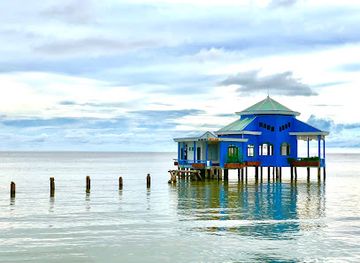
The South Central Coast’s most recognisable landmarks reflect both Cham history and the region’s maritime geography. Hoi An’s Japanese Covered Bridge, merchant houses and Chinese assembly halls form an unusually coherent historic townscape shaped by centuries of trade. Inland, the red-brick towers of My Son stand in a wooded valley and represent the religious architecture of Champa, while the Marble Mountains near Da Nang combine limestone peaks, caves and Buddhist sanctuaries. Binh Dinh’s Thap Doi and Banh It towers preserve important Cham architecture, and Po Nagar in Nha Trang remains an active sacred site with a long Cham legacy. Ganh Da Dia in Phu Yen is a striking natural formation of regularly jointed basalt beside the sea. In Ninh Thuan, the Po Klong Garai towers and surrounding Cham cultural landscape connect a visible monument with a living community and religious tradition.
-
Museum
Independence Palace
Discover the Independence Palace, a historical landmark in Ho Chi Minh City, showcasing Vietnam's rich history and exquisite architecture.
-
 Scenic spot
The Marble Mountains
Explore the breathtaking Marble Mountains in Da Nang, Vietnam—a stunning blend of nature, spirituality, and adventure that captivates every traveler.
-
Tourist attraction
Ba Na Hills
Discover the breathtaking beauty and thrilling adventures of Ba Na Hills, Vietnam's iconic mountain retreat with stunning views and rich culture.
-
Tourist attraction
Ponagar Temple
Discover the ancient beauty and spiritual significance of Ponagar Temple, an iconic Cham shrine nestled in the hills of Nha Trang, Vietnam.


Explore South Central Coast on the map
Plan your trip on one map. See where the top cities, national parks and sights are, and book hotels and experiences in a few clicks.
Best hotels in South Central Coast
Best restaurants in South Central Coast
Dining along the South Central Coast is shaped by the sea, rice cultivation and the distinct culinary traditions of its provinces. Hoi An and Quang Nam are known for dishes such as cao lầu, mì Quảng and delicate rice-flour specialities, while Binh Dinh has its own versions of steamed rice cakes and noodle dishes. Coastal markets and family restaurants serve grilled squid, prawns, crab, clams, fish and shellfish with herbs, rice paper and strongly flavoured dipping sauces. Nha Trang is particularly associated with seafood and fish-based broths, while Ninh Thuan contributes grapes, salt and Cham-influenced food traditions. In Binh Thuan, fish sauce production and fresh seafood are prominent. Urban centres offer cafés, contemporary Vietnamese cooking and international food, but smaller towns are best for simple local meals, busy morning markets and informal eateries where dishes are prepared close to serving time.
-
Restaurant
Restaurant & Cafe Tuấn Rich Flavor of Hoi An Vietnamese Familly Restaurant
Experience authentic Vietnamese cuisine at Tuấn Rich Flavor Restaurant in Hoi An - where every dish tells a story.
-
Restaurant
Nhan's kitchen
Discover authentic Vietnamese flavors at Nhan's Kitchen in Hoi An – where every meal is a celebration of culinary heritage.
-
Restaurant
Nom nom
Discover authentic Vietnamese cuisine at Nom Nom in Nha Trang – where every dish tells a story.
-
Restaurant
Nữ Eatery
Experience authentic Vietnamese flavors at Nữ Eatery in Hội An - where every dish tells a story.


Best bars in South Central Coast
Evening life varies greatly along the coast. Da Nang, Hoi An and Nha Trang have the broadest selection of cocktail bars, beer venues, live music, cafés and late-night entertainment, with Nha Trang and parts of Da Nang offering the most developed resort nightlife. Hoi An’s evenings are generally more atmospheric than club-oriented, centred on riverside restaurants, bars and illuminated historic streets. Quy Nhon, Tuy Hoa and Phan Thiet have a more relaxed scene built around seafood restaurants, cafés, local beer venues and seafront establishments, while smaller coastal communities usually quieten early. Mui Ne has a concentration of resort bars and casual evening venues, though its character can change with visitor numbers and season. Night markets, music events and operating arrangements are time-sensitive, so check locally rather than assuming that a venue remains open year-round.
-
Cocktail bar
Chill Skybar & Dining
Experience the vibrant nightlife and exquisite fusion dining at Chill Skybar, Ho Chi Minh City's premier rooftop destination with breathtaking views.
-
Bar
Layla - Eatery & Bar
Discover the vibrant flavors of Australia at Layla - Eatery & Bar, your ultimate destination for cocktails and delicious tapas in Ho Chi Minh City.
-
Bar
The View Rooftop Bar
Experience stunning views and delightful cuisine at The View Rooftop Bar in Ho Chi Minh City, the perfect blend of relaxation and nightlife.
-
Night club
Sky36
Experience the vibrant nightlife of Da Nang at Sky36, where breathtaking views and electrifying beats create an unforgettable atmosphere.


Best nightclubs in South Central Coast
Evening life varies greatly along the coast. Da Nang, Hoi An and Nha Trang have the broadest selection of cocktail bars, beer venues, live music, cafés and late-night entertainment, with Nha Trang and parts of Da Nang offering the most developed resort nightlife. Hoi An’s evenings are generally more atmospheric than club-oriented, centred on riverside restaurants, bars and illuminated historic streets. Quy Nhon, Tuy Hoa and Phan Thiet have a more relaxed scene built around seafood restaurants, cafés, local beer venues and seafront establishments, while smaller coastal communities usually quieten early. Mui Ne has a concentration of resort bars and casual evening venues, though its character can change with visitor numbers and season. Night markets, music events and operating arrangements are time-sensitive, so check locally rather than assuming that a venue remains open year-round.
-
Night club
Skylight Nha Trang
Discover Skyline Nha Trang: A vibrant rooftop night club with stunning coastal views, fine dining, and unforgettable nightlife experiences.
-
Night club
New Oriental Nightclub
Discover the electrifying nightlife at New Oriental Nightclub in Da Nang, where music, dance, and unforgettable experiences await.
-
Night club
Sky36
Experience the vibrant nightlife at Sky36, Da Nang's premier rooftop bar with stunning views and exquisite cocktails.
-
Bar
Dragon Beach - Lounge Bar & Club
Discover the electric nightlife of Dragon Beach - Lounge Bar & Club, where vibrant music meets stunning beach views in Phan Thiết.


Best shops in South Central Coast
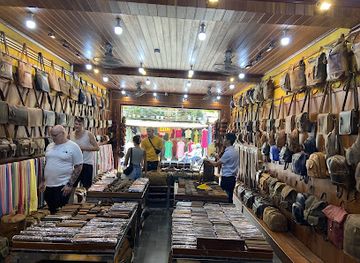
Shopping ranges from historic-town crafts to practical regional produce. Hoi An is known for its tailoring, lanterns, ceramics, textiles, leather goods and independent craft shops, although visitors should allow time for fittings and quality checks rather than relying on rushed orders. Da Nang and Nha Trang offer modern malls, supermarkets and urban boutiques alongside markets selling clothing, gifts, dried seafood and coffee. Quy Nhon and Tuy Hoa are more useful for local food products, everyday goods and small-scale craft shopping than for luxury retail. Ninh Thuan is associated with grapes, raisins, wine-related products, pottery and Cham textiles, while coastal markets throughout the region sell fish sauce, dried seafood, rice products and regional snacks. Bargaining is common in some traditional markets, but fixed-price shops and galleries generally provide a clearer basis for comparison; pack food products carefully and check customs rules before taking them overseas.
-
Shopping mall
Takashimaya Ho Chi Minh City
Discover Takashimaya Ho Chi Minh City – a vibrant shopping mall offering a mix of luxury brands, local boutiques, and diverse dining options in the heart of Vietnam.
-
Shopping mall
Nha Trang Center
Discover the vibrant Nha Trang Center, where shopping, dining, and entertainment converge in a beautiful coastal setting.
-
Leather goods store
Da Bao Real Leather
Explore exquisite craftsmanship at Da Bao Real Leather, where quality meets tradition in the heart of Hội An.
-
Souvenir store
L STORE
Explore L STORE in Nha Trang for authentic Vietnamese souvenirs and gifts that capture the essence of your travels in Vietnam.



Get your free copy of our complete guide to South Central Coast, delivered straight to you.
Everything on this page, from attractions and restaurants to essentials and local phrases, in one PDF you can read offline, print or share.
Already have an account? Sign in
Your South Central Coast guide is ready.
We'll send it to · Not you? Sign out

Getting your guide ready…
We are putting together a fresh copy of the South Central Coast guide. This can take up to a minute.
This can take a few moments. If your browser asks, choose Allow so the download can start. You'll find the guide in your Downloads folder.
Nothing happened? Download it again
Sorry, the guide is taking longer than usual. Please try again in a minute, or get it by email instead.
South Central Coast essentials
Currency and Payment
Safety
Emergency Situations
Do's and Don'ts
Local Tips
From Eve
Local phrases worth knowing
You don't need to get them perfect. A few words go a long way, and locals appreciate the effort.
Basics
| English | Local | Say it |
|---|---|---|
| Hello | Chào | [chow] |
| Goodbye | Tạm biệt | [tahm byet] |
| Yes | Có | [kaw] |
| No | Không | [khong] |
| Please/You're welcome | Xin vui lòng | [sin vooee long] |
| Thank you | Cảm ơn | [kahm un] |
| Excuse me/Sorry | Xin lỗi | [sin loy] |
| How are you? | Bạn khỏe không? | [bahn kweh khong] |
| Fine. And you? | Khỏe. Còn bạn? | [kweh. kon bahn] |
| Do you speak English? | Bạn có nói tiếng Anh không? | [bahn kaw noy tee-ung anh khong] |
| I don't understand | Tôi không hiểu | [toy khong hee-u] |
Eating & Drinking
| English | Local | Say it |
|---|---|---|
| I'd like to see the menu, please | Tôi muốn xem thực đơn, làm ơn | [toy muon sem thook don, lam un] |
| I don't eat meat | Tôi không ăn thịt | [toy khong an thit] |
| Cheers! | Một ly! | [mot lee] |
| I would like to pay, please | Tôi muốn thanh toán, làm ơn | [toy muon thanh toan, lam un] |
Emergencies
| English | Local | Say it |
|---|---|---|
| Help! | Giúp tôi! | [zoop toy] |
| Go away! | Đi đi! | [dee dee] |
| Call the Police! | Gọi cảnh sát! | [goy kanh sat] |
| Call a doctor! | Gọi bác sĩ! | [goy bak see] |
| I'm lost | Tôi bị lạc | [toy bee lak] |
| I'm ill | Tôi bị bệnh | [toy bee benh] |
Shopping
| English | Local | Say it |
|---|---|---|
| I'd like to buy... | Tôi muốn mua... | [toy muon mua] |
| I'm just looking | Tôi chỉ đang xem | [toy chee dang sem] |
| How much is it? | Cái này bao nhiêu? | [kai nai bao nyew] |
| That's too expensive | Cái đó đắt quá | [kai daw dat kwa] |
| Can you lower the price? | Bạn có thể giảm giá không? | [bahn kaw tay zam za khong] |
Time & Numbers
| English | Local | Say it |
|---|---|---|
| What time is it? | Bây giờ mấy giờ? | [bay zuh may zuh] |
| It's one o'clock | Bây giờ là một giờ | [bay zuh lah mot zuh] |
| Half past (10) | Mười rưỡi | [moo-ee roo-ee] |
| Morning | Buổi sáng | [boo-ee sahng] |
| Afternoon | Buổi chiều | [boo-ee chee-ow] |
| Evening | Buổi tối | [boo-ee toy] |
| Yesterday | Hôm qua | [hohm kwah] |
| Today | Hôm nay | [hohm nai] |
| Tomorrow | Ngày mai | [ngai mai] |
| 1 | Một | [mot] |
| 2 | Hai | [hai] |
| 3 | Ba | [ba] |
| 4 | Bốn | [bon] |
| 5 | Năm | [nam] |
| 6 | Sáu | [sow] |
| 7 | Bảy | [bye] |
| 8 | Tám | [tam] |
| 9 | Chín | [cheen] |
| 10 | Mười | [moo-ee] |
Transport & Directions
| English | Local | Say it |
|---|---|---|
| Where's a/the...? | Ở đâu...? | [uh dow] |
| What's the address? | Địa chỉ là gì? | [dee-a chee lah zee] |
| Can you show me (on the map)? | Bạn có thể chỉ cho tôi (trên bản đồ)? | [bahn kaw tay chee cho toy (tren ban doh)] |
| When's the next (bus)? | Khi nào xe buýt tiếp theo? | [kee now seh bwit tee-ep theo] |
| A ticket (to ....) | Một vé (đi ....) | [mot veh (dee ....)] |
History of South Central Coast
Sa Huynh Culture, c. 1000 BC–AD 200
The South Central Coast was a major centre of the Sa Huynh culture, an Iron Age society known through cemeteries, pottery, ornaments and distinctive jar burials. Archaeological discoveries around Quang Ngai and neighbouring coastal areas show that communities here were connected to wider maritime networks long before the formation of modern Vietnam. Their material culture reflects exchange across mainland and island Southeast Asia, while the region’s river mouths and sheltered bays supported fishing, farming and trade. Sa Huynh remains especially important because it provides an early archaeological foundation for understanding the later societies that developed along central Vietnam’s coast.
Champa and the Central Coast, c. 2nd–17th Centuries
For much of the first and second millennia, the coastline formed the heartland of Champa, a collection of Cham polities shaped by Indian Ocean religious, artistic and commercial links. Cham builders created brick temple towers and sanctuaries, including the My Son complex in Quang Nam and the Po Nagar temple in Nha Trang. Champa’s influence remains visible in architecture, sculpture, place names and the living culture of Cham communities, particularly in Ninh Thuan. Relations with Đại Việt to the north involved trade, diplomacy and conflict, and the political map of the coast changed gradually over several centuries.
Hoi An and Maritime Trade, 16th–19th Centuries
Hoi An, historically known as Faifo, developed into a prominent trading port under the Nguyễn lords, who governed much of central Vietnam from the early modern period. Merchants from China, Japan and other parts of Asia established commercial and residential connections there, dealing in silk, ceramics, spices and regional produce. The surviving old town reflects this cosmopolitan past through narrow streets, timber houses, assembly halls, temples and bridges. Although changes in river channels and regional trade eventually reduced the port’s importance, Hoi An’s historic fabric preserves the commercial character of a port where local and international influences met.
The Tây Sơn Movement, Late 18th Century
Binh Dinh was the home region of the Tây Sơn brothers, whose uprising began in the 1770s and grew into a movement that overturned the established political order in Vietnam. The Tây Sơn forces defeated powerful regional rivals and later resisted Siamese and Qing intervention, although the dynasty was short-lived. The movement is central to the historical identity of Binh Dinh, where museums, commemorative sites and martial-arts traditions recall its military and political legacy. Its story also illustrates the strategic importance of the central coast and its connections to inland routes.
Nguyễn Rule and Imperial Integration, 19th Century
Under the Nguyễn dynasty, central coastal provinces became more closely integrated into the administration of a unified Vietnamese state. Roads, official settlements, military posts, religious institutions and tax systems linked coastal ports with the imperial capital at Huế and the interior. Local economies continued to rely on rice, fishing, salt, forest products and craft production, while waterways and mountain passes shaped movement between the coast and highlands. The period left a legacy of communal houses, temples, tombs, citadels and administrative sites, although many were later altered by conflict and modern urban development.
French Colonial Rule and Coastal Infrastructure, 1880s–1945
French rule introduced new systems of taxation, administration and transport while reshaping major coastal towns and economic activity. Roads, railways and port facilities improved connections between the coast and the rest of Indochina, and urban centres acquired colonial civic buildings alongside older Vietnamese and Cham religious structures. Commercial agriculture and extractive industries developed unevenly, while fishing and small-scale trade remained fundamental to coastal communities. The colonial period is still visible in selected streetscapes, railway infrastructure and administrative architecture, but it also brought economic inequalities and political opposition that fed the wider independence movement.
War, Reunification and Coastal Development, 1945–Present
The region experienced intense disruption during the First Indochina War and the Vietnam War, with military bases, airfields, displaced communities and contested transport routes affecting many coastal areas. Da Nang became a major military centre during the later conflict, while other provinces saw fighting and the destruction or abandonment of historic sites. After reunification in 1975, coastal cities gradually expanded through fishing, manufacturing, transport and tourism. Hoi An’s conservation, the growth of Nha Trang and the development of resorts, vineyards and marine tourism further south illustrate the region’s continuing economic transformation.
South Central Coast in Photos
Browse through our photo collection highlighting the charm and character of the destination.
Neighbouring regions of South Central Coast
The closest regions to South Central Coast, if you have time for more than one.
-
-
-

-

-


Swipe for more regions
Explore more

Explore more of Vietnam
Discover Vietnam's enchanting landscapes, vibrant cities, and rich cultural heritage. Experience the perfect blend of history, nature, and cuisine in this Southeast Asian gem.
Explore Vietnam