

Free Southeast Travel Guide & Mobile App
Explore Southeast with free travel guides. Discover regional history, expert tips, proposed trips, and audio guides on web or mobile app.


Explore Southeast Vietnam through Ho Chi Minh City, Củ Chi, mangrove forests, coastal Vũng Tàu, Côn Đảo and Tây Ninh’s sacred landscapes.
Read more about Southeast
When is the best time to visit Southeast?
Best: December–February · 27–28°C| Month | High (°C) | Rainfall (mm) |
|---|---|---|
| January (best) | 27 | 20 |
| February (best) | 28 | 25 |
| March | 30 | 30 |
| April | 32 | 50 |
| May | 33 | 70 |
| June | 34 | 80 |
| July | 34 | 90 |
| August | 34 | 90 |
| September | 33 | 80 |
| October | 32 | 60 |
| November | 30 | 30 |
| December (best) | 28 | 20 |
Getting to and around Southeast
How to get there
Transportation
Top city travel guides in Southeast
The cities of Southeast, and the easiest places to base yourself.
-

-

-

-

-


Swipe for more cities
Best attractions in Southeast
Southeast Vietnam offers a broad mixture of urban culture, wartime history, religious heritage, protected landscapes and coastal recreation. Ho Chi Minh City contains major museums, markets, galleries, historic buildings and riverfront districts, while the Củ Chi Tunnels provide a carefully interpreted look at an underground wartime network outside the metropolitan centre. Cần Giờ, at the city’s southern edge, introduces visitors to mangrove forest, tidal waterways and coastal ecology. Tây Ninh combines the Cao Đài Holy See with Núi Bà Đen, whose wooded slopes and elevated viewpoints form one of the region’s most recognisable natural settings. Đồng Nai provides access to Cát Tiên National Park and the broad waters of hồ Trị An, with opportunities for guided walks, wildlife observation and rural excursions. Bà Rịa–Vũng Tàu brings together beaches, seafood, seaside hills and maritime history, while Côn Đảo offers forest trails, beaches, coral-rich waters and important memorial sites. In Bình Phước, the slower agricultural landscape and rubber and cashew-growing areas provide a different perspective on the southeast, although facilities are more dispersed and independent travel requires additional planning.
-
Market
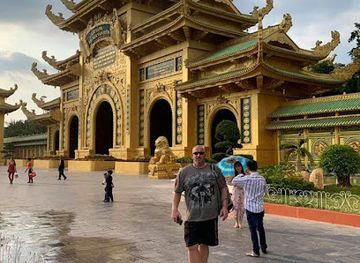
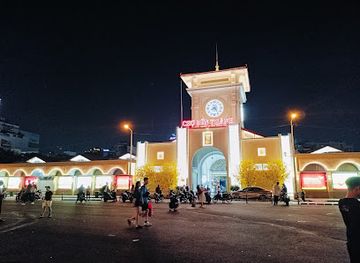
Ben Thanh Market
Experience the vibrant culture of Vietnam at Ben Thanh Market, a bustling marketplace filled with unique crafts, delicious street food, and local treasures.
-
Historical place
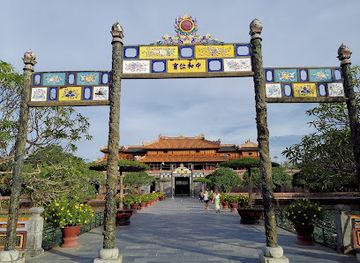
Hue Historic Citadel
Explore the grandeur of the Hue Historic Citadel, a UNESCO World Heritage site reflecting Vietnam's imperial legacy and rich cultural history.
-
War museum
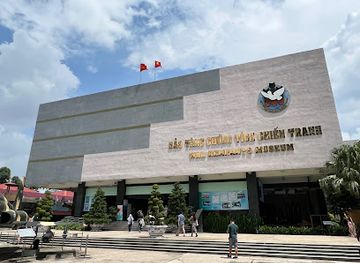
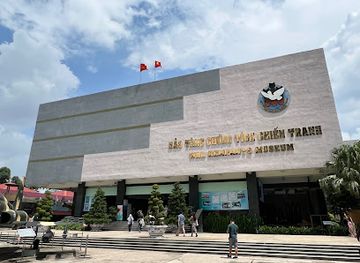
War Remnants Museum
Explore the War Remnants Museum in Ho Chi Minh City for a deep dive into Vietnam's turbulent history through powerful exhibits and moving narratives.
-
Museum
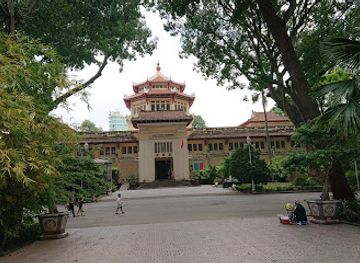
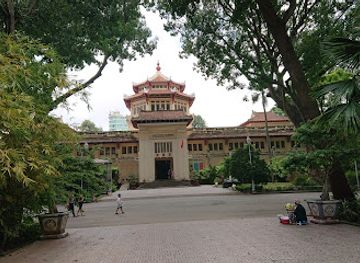
Independence Palace
Explore the Independence Palace in Ho Chi Minh City, a historical landmark that reflects Vietnam's rich heritage and resilience through its stunning architecture and exhibits.
Best landmarks in Southeast
The most recognisable landmark in Southeast Vietnam is the urban ensemble of central Ho Chi Minh City, where the former Hôtel de Ville, the Central Post Office and Notre-Dame Cathedral Basilica express different layers of the colonial-era civic landscape; the cathedral has undergone long-running restoration, so access and views may vary. The Reunification Palace is a powerful modern political landmark and the site associated with the end of the Vietnam War in 1975. Outside the centre, the Củ Chi Tunnels are a defining physical reminder of wartime life and military engineering. In Tây Ninh, the Cao Đài Holy See is distinguished by its colourful religious architecture and importance to Cao Đài followers, while Núi Bà Đen rises prominently above the surrounding plain. Vũng Tàu’s coastal hills, the statue of Christ the King and the lighthouse form a familiar skyline above the resort city, although access conditions can change. On Côn Đảo, the former prison complex and memorial sites carry considerable historical weight. The mangrove channels of Cần Giờ and the forested landscapes of Cát Tiên are natural landmarks whose significance lies in their ecological rather than monumental character.
-
Market
Ben Thanh Market
Experience the vibrant culture and culinary delights at Ben Thanh Market in Ho Chi Minh City, a must-visit destination for every traveler.
-
War museum
War Remnants Museum
Explore the War Remnants Museum for an insightful journey into Vietnam's history, culture, and the lingering impact of conflict on its people.
-
Museum
Independence Palace
Discover the historic Independence Palace in Ho Chi Minh City, a landmark symbolizing Vietnam's rich heritage and cultural legacy.
-
Scenic spot
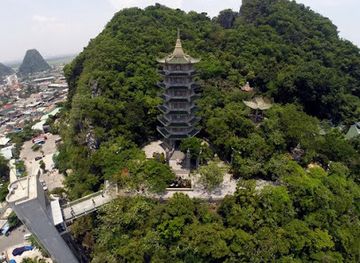
The Marble Mountains
Explore the breathtaking Marble Mountains, a scenic gem in Vietnam known for its stunning views, ancient caves, and rich cultural heritage.
Explore Southeast on the map
Plan your trip on one map. See where the top cities, national parks and sights are, and book hotels and experiences in a few clicks.
Best hotels in Southeast
Best restaurants in Southeast
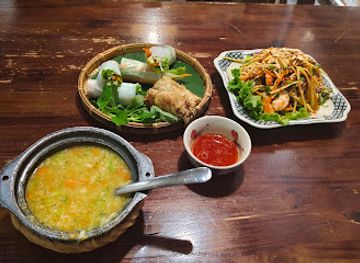
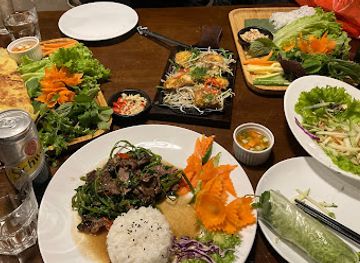
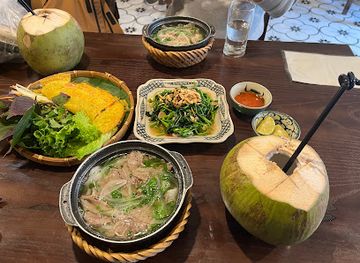
The region’s food is rooted in the fertile southern lowlands, where rice, freshwater fish, tropical fruit, herbs and an abundance of vegetables shape everyday cooking. Ho Chi Minh City is the best place to sample the full range, from breakfast stalls and market counters to modern restaurants, while provincial towns offer a more local and often less formal dining culture. Cơm tấm, broken rice served with grilled pork and accompaniments, is closely associated with southern urban life, and hủ tiếu, a noodle soup with roots in the Mekong region, is widely eaten across the southeast. Vũng Tàu and Côn Đảo are known for seafood, although menus and prices vary with season and location. Other common regional flavours include sweet-sour broths, grilled river fish, fresh herbs and dishes using coconut and tamarind. Cà phê sữa đá, strong coffee with condensed milk over ice, is a routine refreshment rather than a special occasion. Markets, food streets, family-run eateries, cafés and southern-style restaurants provide more representative experiences than relying only on hotel dining rooms.
-
Vietnamese
MẸT Vietnamese restaurant & Vegetarian Food 1
Experience authentic Vietnamese flavors at MẸT Restaurant in Hanoi – where tradition meets taste.
-
Vietnamese
Hoang's Restaurant - Vietnamese Cuisine & Vegan Food
Experience authentic Vietnamese flavors and innovative vegan dishes at Hoang's Restaurant in the heart of Hanoi.
-
Vietnamese
MẸT Vietnamese Restaurant & Vegetarian Met 2
Experience authentic Vietnamese cuisine at MẸT Restaurant - a must-visit culinary gem in Hanoi's vibrant Hoàn Kiếm district.
-
Vietnamese
MẸT Vietnamese restaurant & Vegetarian Food 5
Experience authentic Vietnamese cuisine at MẸT Restaurant in Hanoi—where traditional flavors meet modern dining.
Best bars in Southeast
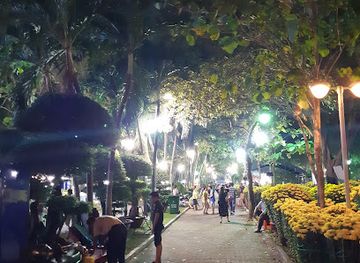
Nightlife is concentrated in Ho Chi Minh City, where the central districts offer rooftop venues, cocktail bars, craft-beer rooms, live music, cafés and late-opening restaurants alongside the city’s long-established street-food culture. The scale and style range from informal plastic-stool gatherings to polished hotel and rooftop settings, and prices vary considerably. Vũng Tàu has a more relaxed evening scene based on seafood restaurants, cafés, hotel bars and seafront activity, with busier periods at weekends and holidays. Tây Ninh, Bình Phước and rural Đồng Nai generally favour family restaurants, coffee shops, local beer venues and small karaoke establishments rather than a large club circuit. Côn Đảo is quieter still, with evenings centred on restaurants, accommodation and the atmosphere of a small island community. Visitors should check local closing arrangements and transport options before staying out late, particularly outside Ho Chi Minh City.
-
Cocktail bar
Chill Skybar & Dining
Discover the elegance of Chill Skybar & Dining, where stunning views, exquisite fusion cuisine, and crafted cocktails create unforgettable moments in Ho Chi Minh City.
-
Bar
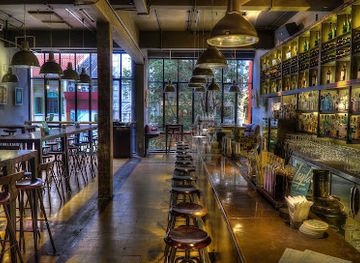
Layla - Eatery & Bar
Discover the vibrant fusion of Australian cuisine and innovative cocktails at Layla - Eatery & Bar in the heart of Ho Chi Minh City.
-
Bar
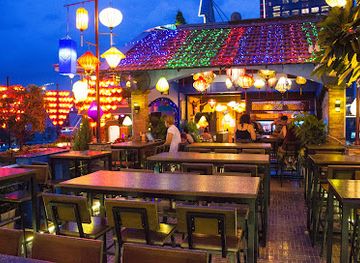
The View Rooftop Bar
Experience breathtaking views and vibrant nightlife at The View Rooftop Bar in Ho Chi Minh City, where great drinks meet stunning cityscapes.
-
Cocktail bar
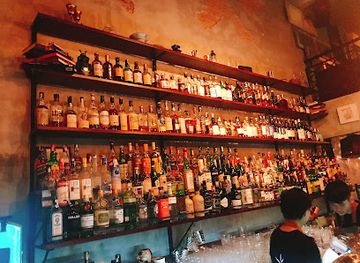
The Alley Cocktail Bar & Kitchen
Experience the ultimate cocktail adventure at The Alley Cocktail Bar & Kitchen, where mixology meets culinary artistry in Ho Chi Minh City.
Best nightclubs in Southeast
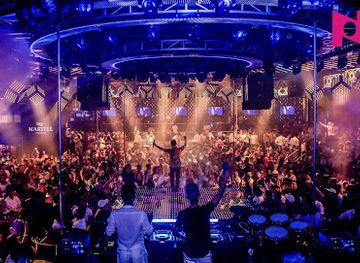
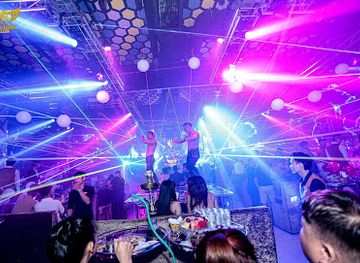
Nightlife is concentrated in Ho Chi Minh City, where the central districts offer rooftop venues, cocktail bars, craft-beer rooms, live music, cafés and late-opening restaurants alongside the city’s long-established street-food culture. The scale and style range from informal plastic-stool gatherings to polished hotel and rooftop settings, and prices vary considerably. Vũng Tàu has a more relaxed evening scene based on seafood restaurants, cafés, hotel bars and seafront activity, with busier periods at weekends and holidays. Tây Ninh, Bình Phước and rural Đồng Nai generally favour family restaurants, coffee shops, local beer venues and small karaoke establishments rather than a large club circuit. Côn Đảo is quieter still, with evenings centred on restaurants, accommodation and the atmosphere of a small island community. Visitors should check local closing arrangements and transport options before staying out late, particularly outside Ho Chi Minh City.
-
Night club
New Oriental Nightclub
Discover Da Nang's nightlife at New Oriental Nightclub, a vibrant venue offering live music, dancing, and a lively atmosphere until dawn.
-
Bar
Paradise Club
Experience Nha Trang's vibrant nightlife at Paradise Club, where creative cocktails and lively atmosphere create unforgettable moments.
-
Bar
Oslo Club
Experience the vibrant nightlife of Ho Chi Minh City at Oslo Club, a dynamic bar and wine club with an electric atmosphere and exquisite drinks.
-
Night club
Z Club
Explore the electrifying nightlife of Nha Trang at Z Club, where vibrant music meets unforgettable experiences in a stylish setting.


Best shops in Southeast
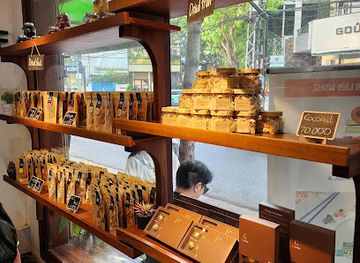
Ho Chi Minh City provides the southeast’s widest range of shopping, from traditional markets and independent food stalls to department stores, shopping centres, bookshops, design boutiques and air-conditioned malls. Bến Thành Market is a prominent central market, but visitors should also explore neighbourhood markets for a less souvenir-focused view of everyday commerce. Vietnamese coffee, tea, dried fruit, cashews, pepper, packaged sweets and regional sauces are practical food gifts, though travellers should check import rules in their destination country. Tây Ninh is associated with local food products including bánh tráng, rice paper used in southern cooking, while the provinces around the city offer cashews, fruit and agricultural goods. Vũng Tàu and Côn Đảo have small-scale souvenir shops, craft items and seafood products, but retail choice is more limited than in Ho Chi Minh City. Rural markets in Bình Phước and Đồng Nai are useful for observing local trade, although opening days and locations can vary.
-
Market
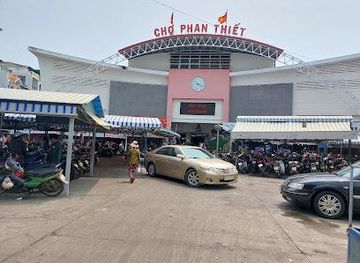
Phan Thiet Market
Explore Phan Thiet Market, a vibrant local hub filled with fresh produce, authentic cuisine, and unique handicrafts in the heart of Vietnam.
-
Souvenir store
L STORE
Discover authentic Vietnamese souvenirs at L STORE, where culture meets craftsmanship in the heart of Nha Trang.
-
Souvenir store
KOKONIC - The Gift of Vietnam
Explore KOKONIC in Ho Chi Minh City for authentic Vietnamese crafts and unique souvenirs that reflect the spirit and artistry of Vietnam.
-
Gift shop
The Craft House Original
Explore the heart of Vietnam through unique handicrafts and artisanal souvenirs at The Craft House Original in Ho Chi Minh City.
Get your free copy of our complete guide to Southeast, delivered straight to you.
Everything on this page, from attractions and restaurants to essentials and local phrases, in one PDF you can read offline, print or share.
Already have an account? Sign in
Your Southeast guide is ready.
We'll send it to · Not you? Sign out

Getting your guide ready…
We are putting together a fresh copy of the Southeast guide. This can take up to a minute.
This can take a few moments. If your browser asks, choose Allow so the download can start. You'll find the guide in your Downloads folder.
Nothing happened? Download it again
Sorry, the guide is taking longer than usual. Please try again in a minute, or get it by email instead.
Southeast essentials
Currency and Payment
Safety
Emergency Situations
Do's and Don'ts
Local Tips
From Eve
Local phrases worth knowing
You don't need to get them perfect. A few words go a long way, and locals appreciate the effort.
Basics
| English | Local | Say it |
|---|---|---|
| Hello | Chào | [Chow] |
| Goodbye | Tạm biệt | [Tahm byet] |
| Yes | Có | [Koh] |
| No | Không | [Khong] |
| Please/You're welcome | Xin vui lòng | [Sin voo-ee long] |
| Thank you | Cảm ơn | [Gahm un] |
| Excuse me/Sorry | Xin lỗi | [Sin loy] |
| How are you? | Bạn có khỏe không? | [Bahn koh kweh khong?] |
| Fine. And you? | Tốt. Còn bạn? | [Toht. Kohn bahn?] |
| Do you speak English? | Bạn có nói tiếng Anh không? | [Bahn koh noi tee-ehng Anh khong?] |
| I don't understand | Tôi không hiểu | [Toy khong hee-u] |
Eating & Drinking
| English | Local | Say it |
|---|---|---|
| I'd like to see the menu, please | Xin vui lòng cho tôi xem thực đơn | [Sin voo-ee long cho toy sem thook doon] |
| I don't eat meat | Tôi không ăn thịt | [Toy khong an theet] |
| Cheers! | Một ly! | [Moht lee!] |
| I would like to pay, please | Xin vui lòng cho tôi thanh toán | [Sin voo-ee long cho toy thanh toan] |
Emergencies
| English | Local | Say it |
|---|---|---|
| Help! | Cứu! | [Kew!] |
| Go away! | Đi đi! | [Dee dee!] |
| Call the Police! | Gọi cảnh sát! | [Goi kahnh saht!] |
| Call a doctor! | Gọi bác sĩ! | [Goi bahk see!] |
| I'm lost | Tôi bị lạc | [Toy bee lahk] |
| I'm ill | Tôi bị ốm | [Toy bee ohm] |
Shopping
| English | Local | Say it |
|---|---|---|
| I'd like to buy... | Tôi muốn mua... | [Toy muon mua...] |
| I'm just looking | Tôi chỉ đang xem | [Toy chee dahng sem] |
| How much is it? | Cái này giá bao nhiêu? | [Kah-ee nai zah bao nyew?] |
| That's too expensive | Cái đó đắt quá | [Kah-ee dah dat kwah] |
| Can you lower the price? | Bạn có thể giảm giá không? | [Bahn koh tay zahm zah khong?] |
Time & Numbers
| English | Local | Say it |
|---|---|---|
| What time is it? | Mấy giờ rồi? | [May yuh roi?] |
| It's one o'clock | Bây giờ là một giờ | [Bay yuh lah moht yuh] |
| Half past (10) | Mười rưỡi | [Moo-ee roo-ee] |
| Morning | Buổi sáng | [Boo-ee sahng] |
| Afternoon | Buổi chiều | [Boo-ee chee-ehw] |
| Evening | Buổi tối | [Boo-ee toy] |
| Yesterday | Hôm qua | [Hom kwah] |
| Today | Hôm nay | [Hom nai] |
| Tomorrow | Ngày mai | [Ngai mai] |
| 1 | Một | [Moht] |
| 2 | Hai | [Hai] |
| 3 | Ba | [Bah] |
| 4 | Bốn | [Bohn] |
| 5 | Năm | [Nahm] |
| 6 | Sáu | [Sow] |
| 7 | Bảy | [Bye] |
| 8 | Tám | [Tahm] |
| 9 | Chín | [Cheen] |
| 10 | Mười | [Moo-ee] |
Transport & Directions
| English | Local | Say it |
|---|---|---|
| Where's a/the...? | Ở đâu có...? | [Uh dow koh...?] |
| What's the address? | Địa chỉ là gì? | [Dee-uh chee lah zee?] |
| Can you show me (on the map)? | Bạn có thể chỉ cho tôi (trên bản đồ)? | [Bahn koh tay chee cho toy (tren ban doh)?] |
| When's the next (bus)? | Khi nào có (xe buýt) tiếp theo? | [Khee now koh (se boot) teep theo?] |
| A ticket (to ....) | Một vé (đến ....) | [Moht veh (den....)] |
History of Southeast
Early Southern Settlements and Trade
The lowlands and waterways of Southeast Vietnam have long supported rice cultivation, fishing and regional trade. Archaeological evidence from the wider southern delta region is associated with ancient communities linked to the Óc Eo cultural sphere, whose commercial networks connected inland settlements with maritime routes across mainland and island Southeast Asia. The region’s rivers, estuaries and coastal access shaped settlement patterns well before the emergence of modern Ho Chi Minh City, while later communities continued to use the same fertile plains and transport corridors.
Khmer and Vietnamese Expansion into the South
For much of the medieval period, parts of southern Vietnam were connected culturally and politically to Khmer territories and communities. From the seventeenth century, Vietnamese settlement expanded southwards through a gradual process involving migration, agricultural development, trade and administration. This history remains visible in the region’s religious diversity, place names, foodways and continuing Khmer cultural presence. The waterways and productive soils of the southeast attracted settlers, merchants and military authorities, helping to transform a frontier zone into an increasingly integrated part of Vietnam.
Nguyễn Rule and the Rise of Gia Định
The settlement that became Saigon developed as an important centre of administration and commerce under the Nguyễn lords and, later, the Nguyễn dynasty. Its position near the Sài Gòn River and its connections with the Mekong Delta and the coast encouraged trade in rice and other agricultural goods. Gia Định, the broader historical area around the city, became one of southern Vietnam’s principal political and economic centres. The period established the urban and commercial importance that Ho Chi Minh City retains within the modern southeast.
French Colonial Saigon and Cochinchina
French forces captured Saigon in 1859, and the city became the capital of the colony of Cochinchina. Colonial administration brought new roads, ports, railways, civic buildings and commercial institutions, while also imposing land and labour systems that benefited colonial interests. Central Ho Chi Minh City still contains major nineteenth- and early twentieth-century structures, including the former Central Post Office, the former Hôtel de Ville and Notre-Dame Cathedral Basilica, although the surrounding urban landscape has changed substantially. Colonial development also deepened the region’s role as a major export and administrative centre.
War, Division and Reunification
During the wars of the mid-twentieth century, the southeast was a decisive military and political theatre. Saigon served as the capital of South Vietnam from 1954 until 1975, while the surrounding countryside contained important routes, bases and tunnel systems, including those at Củ Chi. The Fall of Saigon in April 1975 marked the end of the Vietnam War and was followed by national reunification. Museums, memorial sites and preserved wartime landscapes across the region present different aspects of this deeply contested history.
Economic Reform and Metropolitan Transformation
Since the Đổi Mới economic reforms began in 1986, Southeast Vietnam has experienced rapid industrialisation, urban growth and international investment. Ho Chi Minh City became Vietnam’s principal commercial centre, while Bình Dương, Đồng Nai and Bà Rịa–Vũng Tàu developed major manufacturing, logistics and port economies. New roads, suburban districts and industrial parks have reshaped the landscape, sometimes placing pressure on farmland, waterways and wetlands. At the same time, heritage conservation, ecotourism and the revival of regional food and cultural traditions have become increasingly important to the region’s public identity.
Southeast in Photos
Browse through our photo collection highlighting the charm and character of the destination.
Neighbouring regions of Southeast
The closest regions to Southeast, if you have time for more than one.
-

-

-

-

-


Swipe for more regions
Explore more

Explore more of Vietnam
Discover Vietnam's enchanting landscapes, vibrant cities, and rich cultural heritage. Experience the perfect blend of history, nature, and cuisine in this Southeast Asian gem.
Explore Vietnam