

Free Red River Delta Travel Guide & Mobile App
Explore Red River Delta with free travel guides. Discover regional history, expert tips, proposed trips, and audio guides on web or mobile app.


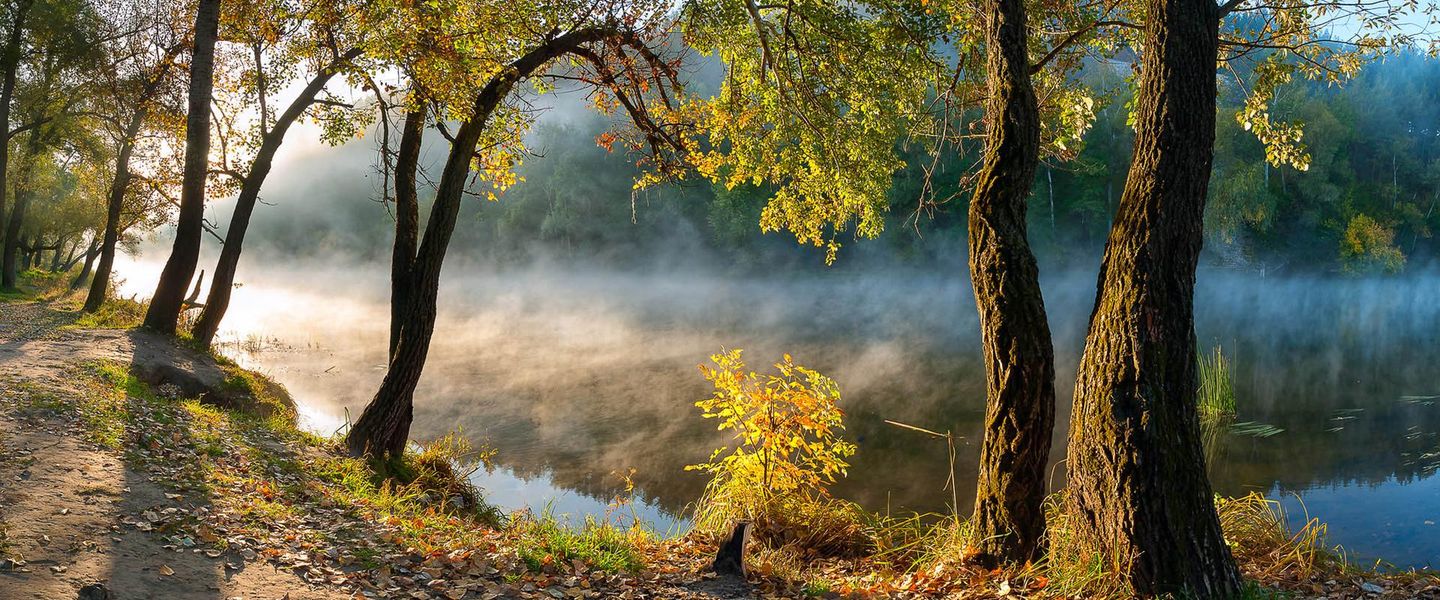


Explore Vietnam’s Red River Delta for Hanoi’s heritage, rice landscapes, craft villages, limestone scenery, river culture and coastal history.
Read more about Red River Delta
When is the best time to visit Red River Delta?
Best: February–March, November · 22–25°C| Month | High (°C) | Rainfall (mm) |
|---|---|---|
| January | 21 | 19 |
| February (best) | 22 | 22 |
| March (best) | 25 | 28 |
| April | 28 | 34 |
| May | 31 | 45 |
| June | 33 | 51 |
| July | 33 | 58 |
| August | 33 | 55 |
| September | 32 | 49 |
| October | 29 | 41 |
| November (best) | 25 | 29 |
| December | 22 | 24 |
Getting to and around Red River Delta
How to get there
Transportation
Top city travel guides in Red River Delta
The cities of Red River Delta, and the easiest places to base yourself.
-

-


Swipe for more cities
Destinations in Red River Delta
Resorts, valleys and scenic spots worth a trip of their own.
-

-

-


Swipe for more destinations
Best attractions in Red River Delta
The Red River Delta offers a varied collection of urban, rural and natural attractions. Hanoi provides the region’s richest concentration of museums, historic streets, lakes, theatres and imperial remains, including the Imperial Citadel of Thang Long and the Temple of Literature. In Ninh Binh, boat journeys through Trang An, Tam Coc and Van Long reveal limestone peaks rising from wetlands and cultivated valleys, while nearby Hoa Lu preserves the memory of Vietnam’s tenth-century capital. The delta’s many pagodas, communal houses and village festivals offer insight into local religious and social traditions. Craft villages around Hanoi and in neighbouring provinces specialise in ceramics, silk, lacquerware, woodwork and food production, although workshops vary in their visitor arrangements. Haiphong combines port history with access to the coast and islands, while coastal wetlands in Nam Dinh and Thai Binh are important habitats for migratory birds. Museums, industrial heritage, performance arts and food markets add contemporary dimensions to the region, but distances, traffic and seasonal conditions mean that rural excursions are best planned around a small number of areas rather than attempted as hurried day trips.
-
Tourist attraction
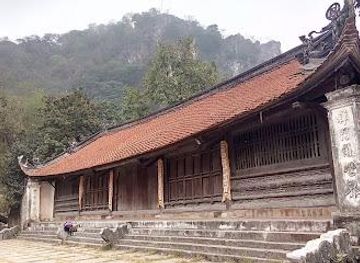
Chùa Thầy
Explore Chùa Thầy: A serene and historic pagoda in Hanoi, offering breathtaking views and a glimpse into Vietnam's rich Buddhist heritage.
-
Buddhist temple
One Pillar Pagoda
Discover the tranquility and cultural significance of the One Pillar Pagoda, a unique Buddhist temple in Hanoi that symbolizes purity and enlightenment.
-
Museum
Hanoi Museum
Discover Vietnam's vibrant history and culture at the Hanoi Museum, where ancient artifacts and modern art come together to tell a captivating story.
-
Boat tour agency
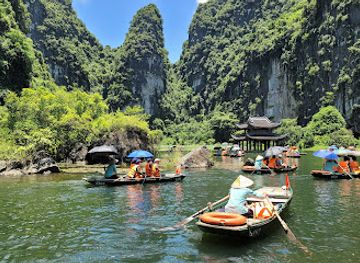
Trang An Departure Boat Ticket
Experience the serene beauty of Trang An's limestone landscapes and cultural heritage on an unforgettable boat tour in Ninh Binh, Vietnam.

Best landmarks in Red River Delta
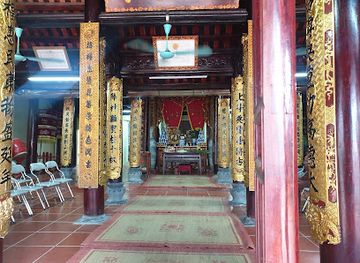
The Imperial Citadel of Thang Long in Hanoi is the delta’s foremost political landmark, preserving archaeological layers associated with centuries of Vietnamese royal power. Nearby, the Temple of Literature represents the Confucian educational tradition that shaped the historic capital. In Ninh Binh, the temple complex at Hoa Lu marks the site of the tenth-century Đại Cồ Việt capital, while the limestone towers and waterways of Trang An form one of the region’s most recognisable natural landscapes. Bai Dinh, also in Ninh Binh, is a major modern Buddhist complex whose scale contrasts with the older religious sites scattered through the countryside. Haiphong’s municipal architecture and port infrastructure reflect the city’s colonial-era development and continuing maritime role. Across the rural delta, communal houses, pagodas and village gates are smaller but deeply significant landmarks, often marking long-established settlements. Coastal mangroves, mudflats and estuaries provide a less monumental form of landscape heritage, revealing the environmental systems on which the delta’s agriculture, fisheries and communities depend.
-
Historical landmark
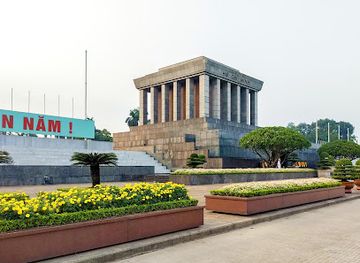
Ho Chi Minh's Mausoleum
Explore Ho Chi Minh's Mausoleum, a significant historical landmark in Hanoi, where Vietnam's founding father is honored in a tranquil and respectful environment.
-
 Historical landmark
Imperial Citadel of Thang Long
Discover the rich history and cultural significance of the Imperial Citadel of Thang Long, a UNESCO World Heritage Site in Hanoi, Vietnam.
-
Tourist attraction
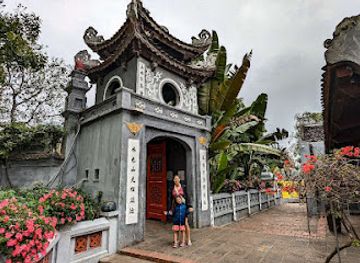
Ngoc Son Temple
Explore the historical and spiritual significance of Ngoc Son Temple, a stunning landmark nestled in the heart of Hanoi's picturesque Hoan Kiem Lake.
-
Tourist attraction
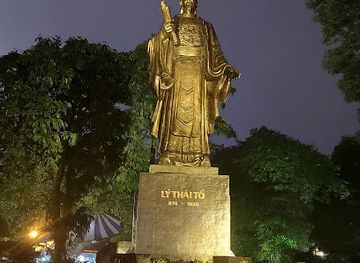
Emperor Ly Thai To Monument Statue
Discover the Emperor Ly Thai To Monument in Hanoi, a stunning tribute to Vietnam's history set in a tranquil park, perfect for relaxation and reflection.
Explore Red River Delta on the map
Plan your trip on one map. See where the top cities, national parks and sights are, and book hotels and experiences in a few clicks.
Best hotels in Red River Delta
Best restaurants in Red River Delta
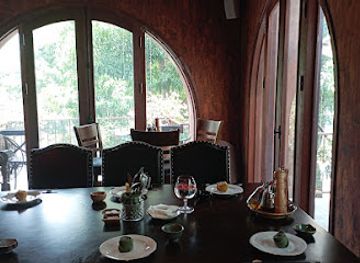
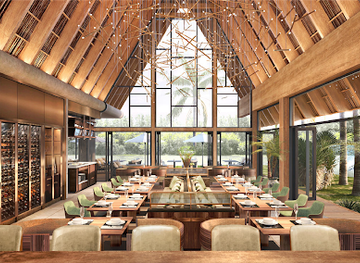
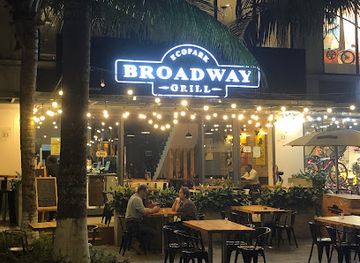
Dining in the Red River Delta is grounded in rice, noodles, freshwater fish, crab, vegetables, herbs and fermented ingredients, with Hanoi acting as the region’s most diverse culinary centre. Phở, bún chả, bún thang and chả cá are strongly associated with the capital’s food culture, while everyday eateries also serve rice plates, noodles and seasonal soups. Ninh Binh is known for goat dishes and mountain-region ingredients, though preparation varies between restaurants; Haiphong brings a stronger coastal influence, including seafood and distinctive noodle dishes. Village markets and provincial towns offer steamed cakes, sticky rice preparations, fruit, pickles and locally made snacks that may not appear on tourist menus. Dining ranges from pavement stalls and family-run cafés to traditional restaurants, modern Vietnamese kitchens and hotel dining rooms. Freshness and seasonality are central, and the best food experiences often come from busy local establishments rather than formal settings. Visitors with dietary restrictions should explain them clearly, as fish sauce, shrimp paste and seafood may appear in otherwise vegetable-based dishes.
-
Cooking class
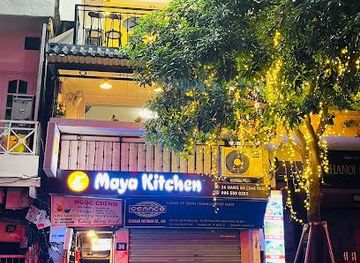
Maya Kitchen
Immerse in Hanoi's culinary soul at Maya Kitchen: market-fresh ingredients, hands-on classes crafting spring rolls, pho, salads, and egg coffee in the lively Old Quarter.
-
Restaurant
Puro House
Experience exceptional dining at Puro House in Ecopark - where local flavors meet international cuisine amidst serene surroundings.
-
Restaurant
The Island Restaurant
Discover culinary excellence amidst nature at The Island Restaurant in Ecopark Township, Hung Yen - where every meal is an unforgettable experience.
-
Restaurant
Broadway Diner & Pub
Experience exceptional cuisine at Broadway Diner & Pub - where fine dining meets casual comfort in Văn Giang, Vietnam.
Best bars in Red River Delta
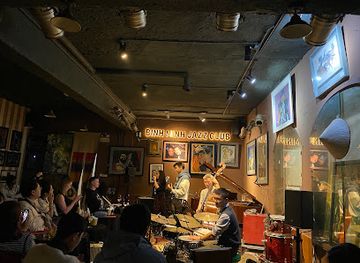
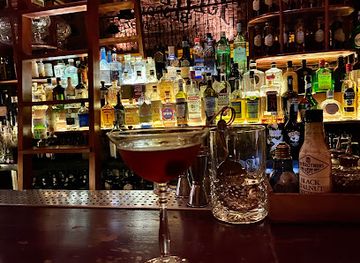
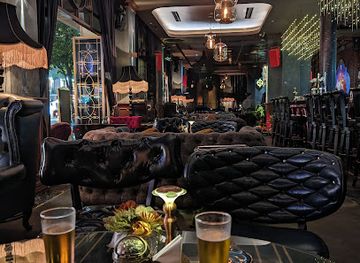
Hanoi has the delta’s broadest evening scene, ranging from historic beer corners and traditional cafés to cocktail bars, live-music venues, hotel lounges and late-night restaurants. The Old Quarter is particularly active after dark, although its atmosphere changes according to street regulations, weather and local licensing arrangements. Haiphong offers a smaller urban choice of bars, cafés, breweries and live entertainment, while provincial towns generally centre their nightlife on beer restaurants, family eateries, coffee shops and evening markets rather than large clubs. In Ninh Binh and other rural destinations, evenings are comparatively quiet, with visitors more likely to gather at hotel restaurants or riverside cafés. Seasonal festivals may add performances and local food stalls, but programmes vary. Drink responsibly, use reputable transport for the journey back to accommodation and remember that the delta’s evening culture is not defined solely by alcohol: tea, coffee, conversation and late meals are equally common.
-
Jazz
Binh Minh Jazz Club
Discover Hanoi's vibrant jazz scene at Binh Minh Jazz Club, where live music and a cozy atmosphere create unforgettable experiences.
-
Cocktail bar
Polite & Co
Discover the art of mixology at Polite & Co, Hanoi's premier cocktail bar, where creativity and flavor come together in every sip.
-
Bar
Standing Bar
Discover the vibrant atmosphere of Standing Bar, a lakeside retreat in Hanoi perfect for beer lovers and sunset seekers.
-
Bar
Si Lounge Hanoi
Experience the best rooftop bar in Hanoi with stunning views, exquisite cocktails, and vibrant nightlife at Si Lounge.

Best nightclubs in Red River Delta
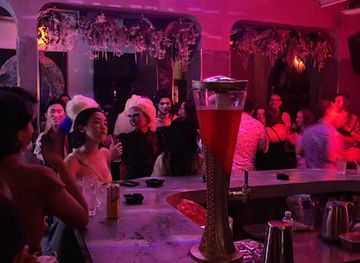
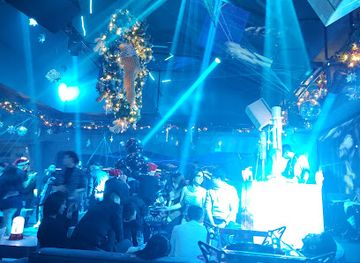
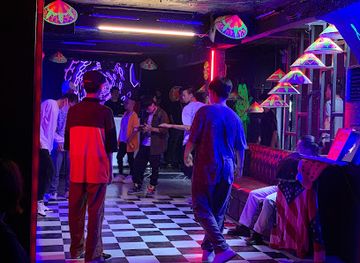
Hanoi has the delta’s broadest evening scene, ranging from historic beer corners and traditional cafés to cocktail bars, live-music venues, hotel lounges and late-night restaurants. The Old Quarter is particularly active after dark, although its atmosphere changes according to street regulations, weather and local licensing arrangements. Haiphong offers a smaller urban choice of bars, cafés, breweries and live entertainment, while provincial towns generally centre their nightlife on beer restaurants, family eateries, coffee shops and evening markets rather than large clubs. In Ninh Binh and other rural destinations, evenings are comparatively quiet, with visitors more likely to gather at hotel restaurants or riverside cafés. Seasonal festivals may add performances and local food stalls, but programmes vary. Drink responsibly, use reputable transport for the journey back to accommodation and remember that the delta’s evening culture is not defined solely by alcohol: tea, coffee, conversation and late meals are equally common.
-
Night club
Savage Hanoi
Discover the electric nightlife of Savage Hanoi - where beats, vibes, and unforgettable memories collide in the heart of Vietnam.
-
Night club
SHARK CLUB
Experience the vibrant nightlife at Shark Club, Hanoi’s premier destination for dancing, cocktails, and unforgettable parties until dawn.
-
Night club
The Bunker Club
Discover Hanoi's nightlife at The Bunker Club, a vibrant night club featuring energetic music, delicious cocktails, and a lively dance floor.
-
Night club
The Lighthouse Bar
The Lighthouse Bar in Hanoi: A must-visit night club offering pulsating music, vibrant atmosphere, and unforgettable nightlife experiences.

Best shops in Red River Delta
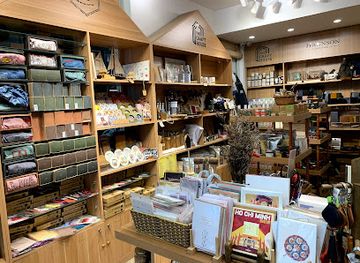
Shopping in the Red River Delta ranges from Hanoi’s dense urban retail districts to village workshops and provincial markets. Hanoi’s Old Quarter remains useful for textiles, handicrafts, books, lacquerware, coffee and food products, while independent galleries and design shops present contemporary interpretations of Vietnamese craft. The surrounding delta is known for specialist craft villages, including ceramics at Bat Trang and silk production at Van Phuc, although visitors should distinguish working production centres from shops aimed primarily at tourists. Provincial markets in Bac Ninh, Hung Yen, Nam Dinh, Thai Binh and Ninh Binh sell seasonal fruit, snacks, household goods and locally made foods rather than a uniform range of souvenirs. Good regional purchases include tea, coffee, dried ingredients, rice-based sweets, woven goods and ceramics, subject to airline and customs rules. Bargaining may be appropriate in informal markets, but fixed-price shops and artisan studios generally expect straightforward payment.
-
Gift shop
The Craft House Cathedral
Explore the heart of Hanoi at The Craft House Cathedral, your go-to destination for authentic Vietnamese gifts and handicrafts.
-
Gift shop
Tranh Thêu Tay Truyền Thống Quất Động - Vietnamese Handmade Embroidery Art
Explore exquisite handmade Vietnamese embroidery at Tranh Thêu Tay Truyền Thống Quất Động, a treasure trove of cultural artistry in Hanoi.
-
Gift shop
Craft Viet
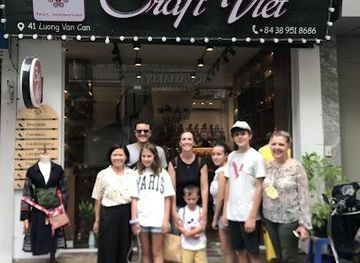
Discover the essence of Vietnamese culture at Craft Viet, where authentic handicrafts and local artistry meet in the heart of Hanoi.
-
Store
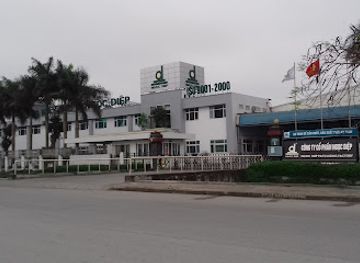
Nhà Máy Bao Bì Ngọc Diệp
Explore the fascinating world of packaging at Nhà Máy Bao Bì Ngọc Diệp in Hưng Yên, Vietnam, where tradition meets modern industry.
Get your free copy of our complete guide to Red River Delta, delivered straight to you.
Everything on this page, from attractions and restaurants to essentials and local phrases, in one PDF you can read offline, print or share.
Already have an account? Sign in
Your Red River Delta guide is ready.
We'll send it to · Not you? Sign out

Getting your guide ready…
We are putting together a fresh copy of the Red River Delta guide. This can take up to a minute.
This can take a few moments. If your browser asks, choose Allow so the download can start. You'll find the guide in your Downloads folder.
Nothing happened? Download it again
Sorry, the guide is taking longer than usual. Please try again in a minute, or get it by email instead.
Red River Delta essentials
Currency and Payment
Safety
Emergency Situations
Do's and Don'ts
Local Tips
From Eve
Local phrases worth knowing
You don't need to get them perfect. A few words go a long way, and locals appreciate the effort.
Basics
| English | Local | Say it |
|---|---|---|
| Hello | Xin chào | [Sin chow] |
| Goodbye | Tạm biệt | [Tam byeht] |
| Yes | Có | [Kaw] |
| No | Không | [Kong] |
| Please/You're welcome | Xin vui lòng | [Sin vooee lahng] |
| Thank you | Cảm ơn | [Gahm uhn] |
| Excuse me/Sorry | Xin lỗi | [Sin loy] |
| How are you? | Bạn khỏe không? | [Bahn kweh kong?] |
| Fine. And you? | Tốt. Còn bạn? | [Toht. Kawn bahn?] |
| Do you speak English? | Bạn có nói tiếng Anh không? | [Bahn kaw noy teeeng Anh kong?] |
| I don't understand | Tôi không hiểu | [Toy kong hee-u] |
Eating & Drinking
| English | Local | Say it |
|---|---|---|
| I'd like to see the menu, please | Tôi muốn xem thực đơn | [Toy moohn sem thook duhn] |
| I don't eat meat | Tôi không ăn thịt | [Toy kong ahn theeht] |
| Cheers! | Một ly! | [Moht lee!] |
| I would like to pay, please | Tôi muốn thanh toán | [Toy moohn thanh toahn] |
Emergencies
| English | Local | Say it |
|---|---|---|
| Help! | Cứu tôi! | [Kew toy!] |
| Go away! | Đi đi! | [Dee dee!] |
| Call the Police! | Gọi cảnh sát! | [Goy kahn sahht!] |
| Call a doctor! | Gọi bác sĩ! | [Goy bahk see!] |
| I'm lost | Tôi bị lạc | [Toy bee lahk] |
| I'm ill | Tôi bị ốm | [Toy bee ohm] |
Shopping
| English | Local | Say it |
|---|---|---|
| I'd like to buy... | Tôi muốn mua... | [Toy moohn moo-ah...] |
| I'm just looking | Tôi chỉ xem | [Toy chee sem] |
| How much is it? | Cái này bao nhiêu? | [Guy nai bao nyew?] |
| That's too expensive | Cái đó đắt quá | [Guy daw daht kwah] |
| Can you lower the price? | Bạn có thể giảm giá không? | [Bahn kaw tay zahm zah kong?] |
Time & Numbers
| English | Local | Say it |
|---|---|---|
| What time is it? | Bây giờ là mấy giờ? | [Bay zuh lah may zuh?] |
| It's one o'clock | Bây giờ là một giờ | [Bay zuh lah moht zuh] |
| Half past (10) | Mười rưỡi | [Muee roo-ee] |
| Morning | Buổi sáng | [Boo-ee sahng] |
| Afternoon | Buổi chiều | [Boo-ee chee-uh] |
| Evening | Buổi tối | [Boo-ee toy] |
| Yesterday | Hôm qua | [Home kwah] |
| Today | Hôm nay | [Home nai] |
| Tomorrow | Ngày mai | [Nghai mai] |
| 1 | Một | [Moht] |
| 2 | Hai | [High] |
| 3 | Ba | [Bah] |
| 4 | Bốn | [Bohn] |
| 5 | Năm | [Nuhm] |
| 6 | Sáu | [Sow] |
| 7 | Bảy | [Bye] |
| 8 | Tám | [Tahm] |
| 9 | Chín | [Cheen] |
| 10 | Mười | [Muee] |
Transport & Directions
| English | Local | Say it |
|---|---|---|
| Where's a/the...? | Ở đâu có...? | [Uh dow kaw...?] |
| What's the address? | Địa chỉ là gì? | [Dee-ah chee lah zee?] |
| Can you show me (on the map)? | Bạn có thể chỉ cho tôi (trên bản đồ)? | [Bahn kaw tay chee cho toy (tren ban doh)?] |
| When's the next (bus)? | Khi nào có (xe buýt) tiếp theo? | [Khee now kaw (seh bweet) tee-eh thow?] |
| A ticket (to ....) | Một vé (đến....) | [Moht veh (den....)] |
History of Red River Delta
The Dong Son Culture and Early River Civilisation
The Red River basin was a centre of the Dong Son culture, which flourished in northern Vietnam during the late Bronze Age and early Iron Age. Archaeological evidence includes sophisticated bronze drums, weapons, tools and burial objects, reflecting advanced metalworking and organised agricultural communities. Wet-rice cultivation and control of the delta’s waters supported increasingly complex settlements. Dong Son sites are found across northern Vietnam, and the culture’s artistic motifs, particularly its drums and depictions of boats and ceremonies, remain important evidence of early societies that developed before the formation of the Vietnamese state.
Chinese Rule and the Formation of Đại Việt
For much of the first millennium BCE and CE, northern Vietnam was governed by successive Chinese dynasties, although local resistance and cultural adaptation continued. The region’s river plain became the political base of an emerging Vietnamese kingdom after independence was consolidated in the tenth century. In 1010, the Ly dynasty established its capital at Đại La, renamed Thăng Long, on the site of present-day Hanoi. The choice reflected the delta’s agricultural wealth, waterways and strategic position, setting the foundation for Hanoi’s continuing political importance.
Hoa Lư and the Medieval Vietnamese Kingdom
Before Thăng Long became the permanent capital, Hoa Lư in today’s Ninh Binh province served as the capital of Đại Cồ Việt during the tenth century. Its limestone mountains provided a naturally defensible setting for the Đinh and Early Lê dynasties as they consolidated an independent state after centuries of Chinese domination. Temples at Hoa Lư commemorate Đinh Tiên Hoàng and Lê Đại Hành, while the surrounding karst landscape still explains the site’s strategic value. The capital later moved to Thăng Long, but Hoa Lư remains a defining monument of early Vietnamese statehood.
Dykes, Rice Agriculture and Village Institutions
The delta’s prosperity has always depended on managing water. Over many centuries, communities and governments built and maintained dykes, canals, sluices and embankments to protect settlements and rice fields from the Red River’s seasonal flooding. These works transformed a naturally shifting floodplain into one of Southeast Asia’s most productive agricultural regions. Village communal houses, pagodas, ancestral worship and local festivals developed alongside this rural economy. Although industrial estates and urban growth now occupy much farmland, the geometry of fields, dykes and waterways remains a visible legacy of communal water management.
Thăng Long, Trade and the Imperial Landscape
Thăng Long grew into the political and cultural centre of successive Vietnamese dynasties, while waterways connected the capital with craft villages, farming districts and ports. The Imperial Citadel and its archaeological remains reveal layers of royal administration, religion and craftsmanship, including traces from the Ly, Trần, Lê and later periods. Around the delta, Buddhist and Confucian institutions shaped education and public life, and specialist villages produced ceramics, textiles, metalwork and foodstuffs. The region’s dense network of settlements helped link court culture with a productive and commercially active countryside.
French Colonial Transformation
French colonial rule altered the delta’s administration, transport and urban form from the late nineteenth century. Hanoi developed broad boulevards, civic buildings, villas and railway connections, while Haiphong expanded as a major port and industrial centre. Railways and improved waterways strengthened the movement of rice, coal and manufactured goods, but colonial economic policies also imposed heavy burdens on rural communities. The architectural legacy is especially visible in Hanoi and Haiphong, where European planning exists alongside older streets, markets, temples and densely inhabited neighbourhoods.
Independence, War and Contemporary Industrial Growth
The Red River Delta was central to Vietnam’s struggle for independence and to the political history of the twentieth century. Hanoi became the capital of the Democratic Republic of Vietnam in 1945 and later the capital of reunified Vietnam. The region experienced wartime disruption, including bombing of transport and industrial infrastructure, before reconstruction and the economic reforms known as Đổi Mới from 1986. Since then, Hanoi, Haiphong and surrounding provinces have seen rapid growth in manufacturing, logistics, housing and services, creating new prosperity while placing pressure on farmland, waterways and historic settlements.
Red River Delta in Photos
Browse through our photo collection highlighting the charm and character of the destination.
Neighbouring regions of Red River Delta
The closest regions to Red River Delta, if you have time for more than one.
-

-

-

-

-


Swipe for more regions
Explore more

Explore more of Vietnam
Discover Vietnam's enchanting landscapes, vibrant cities, and rich cultural heritage. Experience the perfect blend of history, nature, and cuisine in this Southeast Asian gem.
Explore Vietnam