

Free Central Highlands Travel Guide & Mobile App
Explore Central Highlands with free travel guides. Discover regional history, expert tips, proposed trips, and audio guides on web or mobile app.


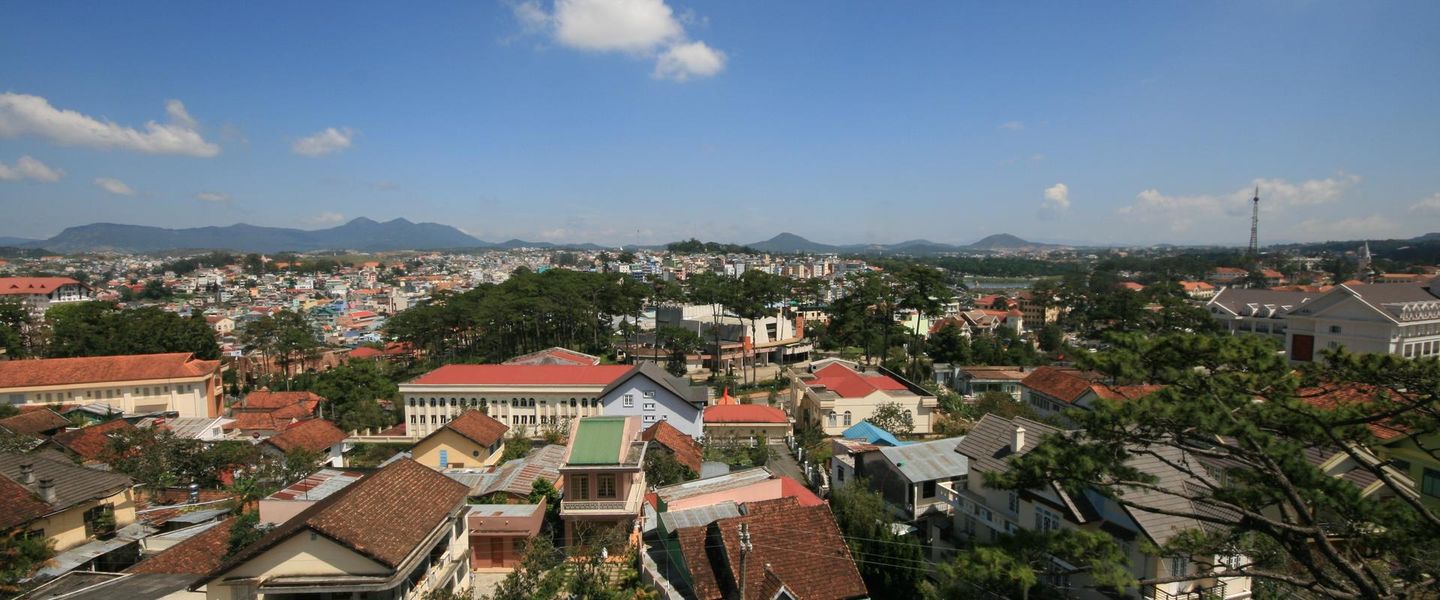


Discover the Central Highlands of Vietnam: a blend of stunning nature, rich culture, and adventurous experiences in the heart of the country.
Read more about Central Highlands
When is the best time to visit Central Highlands?
Best: January, March–April · 22–26°C| Month | High (°C) | Rainfall (mm) |
|---|---|---|
| January (best) | 22 | 10 |
| February | 23 | 20 |
| March (best) | 24 | 25 |
| April (best) | 26 | 30 |
| May | 28 | 50 |
| June | 26 | 100 |
| July | 26 | 120 |
| August | 25 | 140 |
| September | 25 | 130 |
| October | 24 | 100 |
| November | 22 | 40 |
| December | 22 | 20 |
Getting to and around Central Highlands
How to get there
Transportation
Top city travel guides in Central Highlands
The cities of Central Highlands, and the easiest places to base yourself.
-

-

-

-

-


Swipe for more cities
Destinations in Central Highlands
Resorts, valleys and scenic spots worth a trip of their own.

Swipe for more destinations
Best attractions in Central Highlands
The Central Highlands of Vietnam is a treasure trove of cultural richness and natural beauty, offering visitors an enchanting blend of lush coffee plantations, cascading waterfalls, and vibrant ethnic villages. Adventurers can explore the ancient forests of Yok Don National Park, home to diverse wildlife and rare flora, or marvel at the pristine beauty of Lak Lake, where traditional longhouses dot the landscape. The highlands are also steeped in history, with the haunting remnants of French colonial outposts and the poignant War Memorials at Pleiku, providing a glimpse into Vietnam's past. For a taste of local culture, the bustling markets of Buon Ma Thuot offer an array of indigenous crafts, while the Gong culture, an UNESCO Intangible Cultural Heritage, invites you to partake in traditional music and dance ceremonies. Whether you are seeking adrenaline-pumping outdoor adventures or a serene retreat into nature and tradition, the Central Highlands promises an unforgettable journey.
-
Tourist attraction
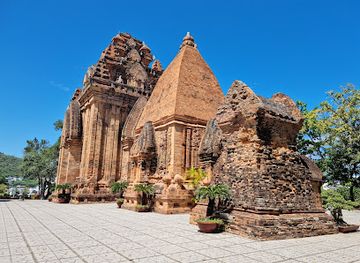
Ponagar Temple
Explore Ponagar Temple, a historical landmark and shrine in Nha Trang, Vietnam, showcasing stunning Cham architecture and rich spiritual heritage.
-
Tourist attraction
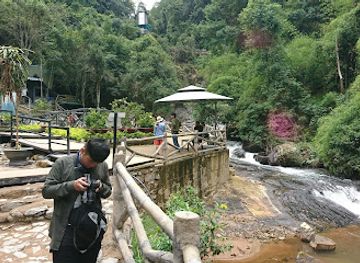
Datanla Waterfall
Explore the stunning Datanla Waterfall in Dalat, Vietnam, a perfect blend of nature's beauty and thrilling outdoor activities.
-
Tourist attraction
An Bang Beach
Discover the serene beauty of An Bang Beach, a perfect blend of relaxation and vibrant local culture along Vietnam's stunning coastline.
-
Tourist attraction
Long Son Pagoda
Discover the serene beauty of Long Son Pagoda, a stunning Buddhist temple in Nha Trang featuring breathtaking views and a monumental statue of Buddha.

Best landmarks in Central Highlands
The Central Highlands of Vietnam, a realm of misty mountains and lush green valleys, offers visitors a captivating blend of natural beauty and cultural richness. Adventure seekers can trek through the verdant forests of Yok Đôn National Park, home to rare wildlife and ancient trees, while history enthusiasts can delve into the past at the hauntingly beautiful Dray Sap and Dray Nur waterfalls, cascading over volcanic rocks. The historic town of Buon Ma Thuot, famous for its robust coffee, invites exploration of its bustling markets and the Ethnographic Museum, which showcases the vibrant traditions of the region's diverse ethnic groups. The serene Lak Lake, surrounded by traditional stilt houses, offers tranquil boat rides and the chance to experience the unique culture of the M'nong people. For a spiritual retreat, the majestic Linh Quy Phap An Pagoda, perched atop a hill, provides panoramic views that capture the soul. Each landmark in the Central Highlands promises a unique adventure, rich with stories waiting to be discovered.
-
Museum
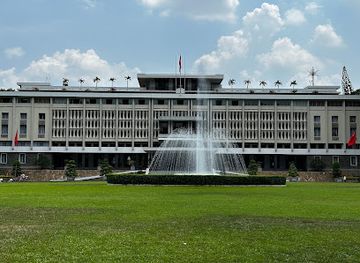
Independence Palace
Discover the historic Independence Palace in Ho Chi Minh City, a symbol of Vietnam's rich history and architectural beauty, perfect for history buffs and curious travelers.
-
 Scenic spot
The Marble Mountains
Explore the mystical Marble Mountains in Da Nang, Vietnam, where natural beauty meets rich history and spiritual significance.
-
Tourist attraction
Ba Na Hills
Discover the enchanting Ba Na Hills in Da Nang, Vietnam, where stunning views, cultural wonders, and thrilling attractions await every traveler.
-
Historical landmark
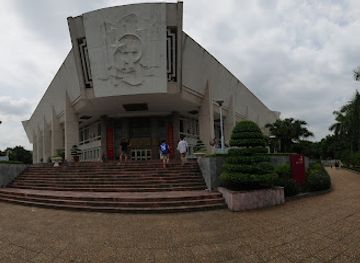
Ho Chi Minh's Mausoleum
Explore Ho Chi Minh's Mausoleum, a vital historical landmark in Hanoi, and delve into Vietnam's rich heritage and revolutionary spirit.

Explore Central Highlands on the map
Plan your trip on one map. See where the top cities, national parks and sights are, and book hotels and experiences in a few clicks.
Best hotels in Central Highlands
Best restaurants in Central Highlands
The Central Highlands of Vietnam offers a vibrant and diverse dining scene that tantalizes the taste buds with a harmonious blend of local and ethnic flavors. Visitors can expect to savor traditional dishes like 'com lam' (bamboo-tube rice) and 'canh chua ca lang' (sour fish soup), crafted with fresh, locally-sourced ingredients. The region's culinary landscape is also peppered with street food stalls serving piping hot bowls of 'pho' and spicy 'bun bo Hue,' as well as bustling markets where the aroma of grilled meats and freshly-brewed coffee fills the air. Adventurous eaters can explore the unique flavors of ethnic minority cuisines, such as the savory 'thit xien' (grilled meat skewers) of the Ede people or the hearty 'thang co' (horsemeat stew) of the Hmong. With its rich tapestry of tastes and textures, dining in the Central Highlands is an unforgettable journey through Vietnam's cultural and culinary heritage.
-
Vegetarian
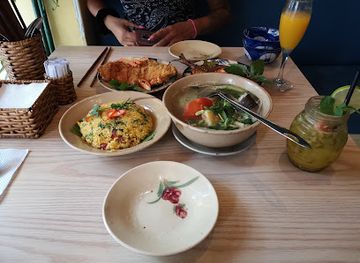
Hum, Cafe & Restaurant
Discover the vibrant flavors of vegetarian cuisine at Hum Cafe & Restaurant in Ho Chi Minh City - where health meets taste.
-
Vietnamese
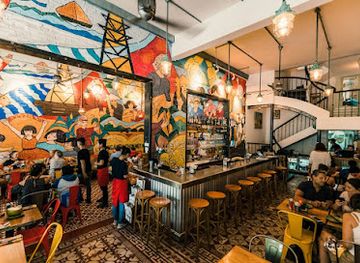
Propaganda Vietnamese Bistro
Experience authentic Vietnamese cuisine at Propaganda Vietnamese Bistro in Ho Chi Minh City - where tradition meets modernity.
-
Vietnamese
Den Long - Home Cooked Vietnamese Restaurant
Experience authentic Vietnamese home cooking at Den Long in Ho Chi Minh City - where every dish tells a story.
-
Restaurant
Noir. Dining in the Dark
Experience culinary innovation like never before at Noir. Dining in the Dark – where taste reigns supreme amidst complete darkness.

Best bars in Central Highlands
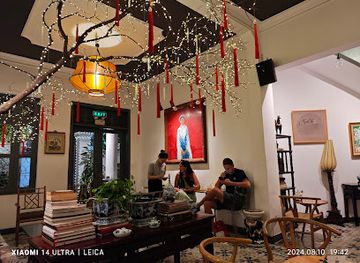
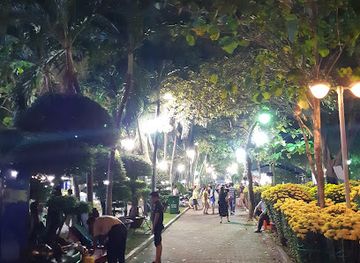
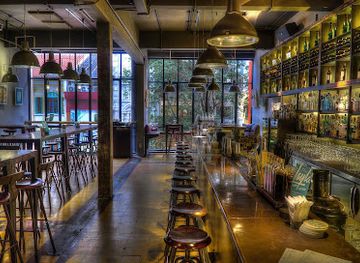
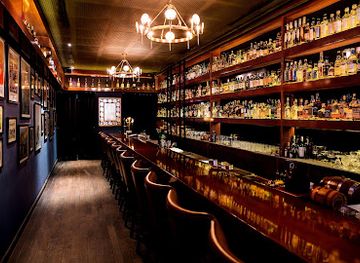
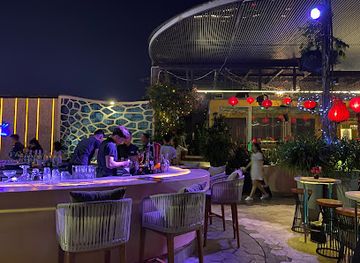
As the sun sets over the lush landscapes of Vietnam's Central Highlands, the region transforms into a vibrant tapestry of nightlife experiences that cater to all tastes. From the buzzing streets of Da Lat where quaint cafes and rooftop bars offer stunning views and local brews, to Buon Ma Thuot’s lively beer gardens where you can sample the region’s famed coffee-infused cocktails, the area promises a captivating blend of modern and traditional entertainment. Night markets come alive with colorful stalls selling handmade crafts and tantalizing street food, while cultural performances featuring traditional gongs and dance provide an immersive glimpse into the rich heritage of the local ethnic communities. Whether you're in the mood for a laid-back evening or a night of dancing and exploration, the Central Highlands' nightlife scene is a mesmerizing adventure waiting to be discovered.
-
Cocktail bar
Chill Skybar & Dining
Discover Chill Skybar & Dining, where spectacular skyline views meet exquisite fusion cuisine and vibrant nightlife in Ho Chi Minh City.
-
Bar
Layla - Eatery & Bar
Discover the vibrant atmosphere and exquisite Australian cuisine at Layla - Eatery & Bar, a must-visit spot in the heart of Ho Chi Minh City.
-
Cocktail bar
Firkin Bar
Experience the vibrant nightlife at Firkin Bar, where innovative cocktails and a chic ambiance create the perfect escape in Ho Chi Minh City.
-
Cocktail bar
The Iron Bank - Cocktail Vault
Experience the vibrant cocktail culture at The Iron Bank - Cocktail Vault, a must-visit bar in Ho Chi Minh City for unique drinks and a lively atmosphere.

Best nightclubs in Central Highlands
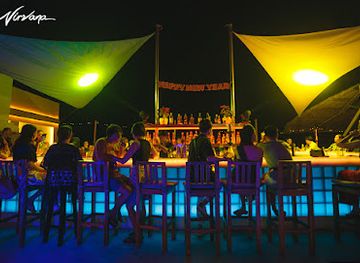
As the sun sets over the lush landscapes of Vietnam's Central Highlands, the region transforms into a vibrant tapestry of nightlife experiences that cater to all tastes. From the buzzing streets of Da Lat where quaint cafes and rooftop bars offer stunning views and local brews, to Buon Ma Thuot’s lively beer gardens where you can sample the region’s famed coffee-infused cocktails, the area promises a captivating blend of modern and traditional entertainment. Night markets come alive with colorful stalls selling handmade crafts and tantalizing street food, while cultural performances featuring traditional gongs and dance provide an immersive glimpse into the rich heritage of the local ethnic communities. Whether you're in the mood for a laid-back evening or a night of dancing and exploration, the Central Highlands' nightlife scene is a mesmerizing adventure waiting to be discovered.
-
Night club
New Oriental Nightclub
Discover the electrifying atmosphere of New Oriental Nightclub, Da Nang's top destination for nightlife, music, and cultural experiences.
-
Night club
Nirvana Beach Club
Experience the vibrant nightlife of Mui Ne at Nirvana Beach Club, where cocktails, music, and the beach unite for an unforgettable evening.
-
Night club
Z Club
Discover the ultimate nightlife experience at Z Club in Nha Trang, where vibrant beats and stunning ambiance create unforgettable memories.
-
Night club
ATMOS CLUB
Discover the pulsating nightlife of Ho Chi Minh City at ATMOS CLUB, where electrifying music and vibrant energy create an unforgettable experience.


Best shops in Central Highlands
The shopping scene in the Central Highlands of Vietnam is a vibrant tapestry of local culture and traditions, offering visitors an immersive experience like no other. Wander through bustling markets where the air is filled with the rich aromas of exotic spices and freshly brewed coffee, a specialty of the region. Discover intricate handwoven textiles and beautifully crafted pottery, each piece telling a story of the indigenous communities who have honed these crafts for generations. From the lively street vendors selling fresh produce and unique street food, to the quaint boutiques showcasing the talents of local artisans, shopping in the Central Highlands is a sensory delight that promises to leave visitors with unforgettable memories and unique souvenirs.
-
Stained glass studio
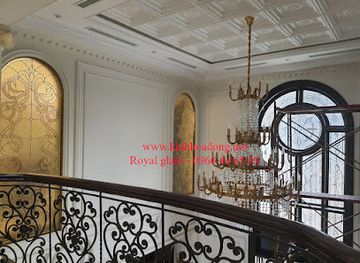
KÍNH HOA ĐỒNG ROYAL GLASS
Explore KÍNH HOA ĐỒNG ROYAL GLASS: A stained glass studio showcasing exquisite craftsmanship and unique decorative pieces.
-
Store
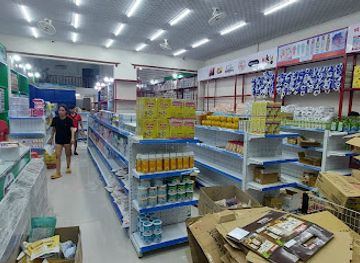
Văn Phòng Đại Diện Kệ Siêu Thị Đồng Nai
Experience the essence of Vietnamese shopping culture at Văn Phòng Đại Diện Kệ Siêu Thị Đồng Nai, where local flavors meet friendly service.
-
Supermarket
4F Mart 3
Discover local flavors and essentials at 4F Mart 3, the ultimate supermarket experience in the heart of the city.
-
Store
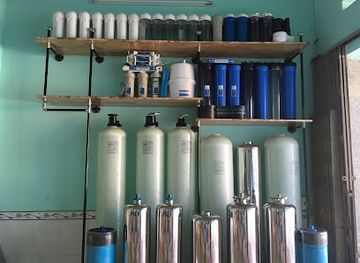
Thiết bị lọc nước, xử lý nước Aqualife
Explore Aqualife for cutting-edge water filtration solutions that ensure clean, safe drinking water for your travels.
Get your free copy of our complete guide to Central Highlands, delivered straight to you.
Everything on this page, from attractions and restaurants to essentials and local phrases, in one PDF you can read offline, print or share.
Already have an account? Sign in
Your Central Highlands guide is ready.
We'll send it to · Not you? Sign out

Getting your guide ready…
We are putting together a fresh copy of the Central Highlands guide. This can take up to a minute.
This can take a few moments. If your browser asks, choose Allow so the download can start. You'll find the guide in your Downloads folder.
Nothing happened? Download it again
Sorry, the guide is taking longer than usual. Please try again in a minute, or get it by email instead.
Central Highlands essentials
Currency and Payment
Safety
Emergency Situations
Do's and Don'ts
Local Tips
From Eve
Local phrases worth knowing
You don't need to get them perfect. A few words go a long way, and locals appreciate the effort.
Basics
| English | Local | Say it |
|---|---|---|
| Hello | Xin chào | [Sin chow] |
| Goodbye | Tạm biệt | [Tam biet] |
| Yes | Vâng | [Vang] |
| No | Không | [Khong] |
| Please/You're welcome | Xin vui lòng | [Sin vui long] |
| Thank you | Cảm ơn | [Cahm un] |
| Excuse me/Sorry | Xin lỗi | [Sin loi] |
| How are you? | Bạn khỏe không? | [Ban khoe khong] |
| Fine. And you? | Tốt. Còn bạn? | [Tot. Con ban] |
| Do you speak English? | Bạn có nói tiếng Anh không? | [Ban co noi tieng Anh khong] |
| I don't understand | Tôi không hiểu | [Toi khong hieu] |
Eating & Drinking
| English | Local | Say it |
|---|---|---|
| I'd like to see the menu, please | Tôi muốn xem thực đơn, xin vui lòng | [Toi muon xem thuc don, sin vui long] |
| I don't eat meat | Tôi không ăn thịt | [Toi khong an thit] |
| Cheers! | Chúc sức khỏe! | [Chuc suc khoe] |
| I would like to pay, please | Tôi muốn thanh toán, xin vui lòng | [Toi muon thanh toan, sin vui long] |
Emergencies
| English | Local | Say it |
|---|---|---|
| Help! | Cứu tôi! | [Cuu toi] |
| Go away! | Đi đi! | [Di di] |
| Call the Police! | Gọi cảnh sát! | [Goi canh sat] |
| Call a doctor! | Gọi bác sĩ! | [Goi bac si] |
| I'm lost | Tôi bị lạc | [Toi bi lac] |
| I'm ill | Tôi bị ốm | [Toi bi om] |
Shopping
| English | Local | Say it |
|---|---|---|
| I'd like to buy... | Tôi muốn mua... | [Toi muon mua] |
| I'm just looking | Tôi chỉ xem thôi | [Toi chi xem thoi] |
| How much is it? | Cái này giá bao nhiêu? | [Cai nay gia bao nhieu] |
| That's too expensive | Cái đó quá đắt | [Cai do qua dat] |
| Can you lower the price? | Bạn có thể giảm giá không? | [Ban co the giam gia khong] |
Time & Numbers
| English | Local | Say it |
|---|---|---|
| What time is it? | Mấy giờ rồi? | [May gio roi] |
| It's one o'clock | Bây giờ là một giờ | [Bay gio la mot gio] |
| Half past (10) | Mười rưỡi | [Muoi ruoi] |
| Morning | Buổi sáng | [Buoi sang] |
| Afternoon | Buổi chiều | [Buoi chieu] |
| Evening | Buổi tối | [Buoi toi] |
| Yesterday | Hôm qua | [Hom qua] |
| Today | Hôm nay | [Hom nay] |
| Tomorrow | Ngày mai | [Ngay mai] |
| 1 | Một | [Mot] |
| 2 | Hai | [Hai] |
| 3 | Ba | [Ba] |
| 4 | Bốn | [Bon] |
| 5 | Năm | [Nam] |
| 6 | Sáu | [Sau] |
| 7 | Bảy | [Bay] |
| 8 | Tám | [Tam] |
| 9 | Chín | [Chin] |
| 10 | Mười | [Muoi] |
Transport & Directions
| English | Local | Say it |
|---|---|---|
| Where's a/the...? | Ở đâu có...? | [O dau co] |
| What's the address? | Địa chỉ là gì? | [Dia chi la gi] |
| Can you show me (on the map)? | Bạn có thể chỉ cho tôi (trên bản đồ)? | [Ban co the chi cho toi (tren ban do)] |
| When's the next (bus)? | Khi nào có (xe buýt) tiếp theo? | [Khi nao co (xe buyt) tiep theo] |
| A ticket (to....) | Một vé (đến....) | [Mot ve (den)] |
History of Central Highlands
Ancient Beginnings and Ethnic Diversity
The Central Highlands of Vietnam, known as Tây Nguyên, have been home to a rich tapestry of ethnic groups for thousands of years. The indigenous peoples, including the Ede, Jarai, Bahnar, and K'ho, have cultivated distinct cultures, languages, and ways of life. Archaeological finds, such as stone tools and pottery, indicate that human settlement in the region dates back to the Neolithic period. These communities have traditionally lived in longhouses, practiced shifting cultivation, and maintained vibrant oral traditions and folklore.
French Colonial Era
The late 19th and early 20th centuries saw the arrival of French colonialists in the Central Highlands. The French were drawn to the region's cool climate and fertile lands, ideal for growing coffee, tea, and rubber. They established plantations and introduced new agricultural techniques, which significantly altered the landscape and local economies. The French also built infrastructure, including roads and railways, to facilitate the export of these crops. However, this period was marked by resistance from the indigenous populations, who were often exploited and displaced.
The First Indochina War
During the First Indochina War (1946-1954), the Central Highlands became a strategic battleground between the Viet Minh and French forces. The rugged terrain and dense forests provided a natural stronghold for the Viet Minh guerrillas. Key battles, such as the Battle of Đắk Pơ in 1954, highlighted the region's significance in the struggle for Vietnamese independence. The war left deep scars on the landscape and its people, with many villages destroyed and communities disrupted.
American War and the Ho Chi Minh Trail
The Central Highlands played a crucial role during the Vietnam War (1955-1975), particularly as a segment of the Ho Chi Minh Trail, a network of supply routes used by the North Vietnamese Army. The area witnessed intense fighting, including the Battle of Đắk Tô in 1967 and the Easter Offensive in 1972. The war had a devastating impact on the region, with widespread deforestation due to bombing and the use of chemical defoliants. The local population suffered greatly, with many displaced and communities fragmented.
Post-War Era and Economic Transformation
Following the end of the Vietnam War, the Central Highlands underwent significant changes as the Vietnamese government aimed to integrate the region into the national economy. State-led initiatives promoted the cultivation of cash crops such as coffee, which has since become a major export product. The region has also seen efforts to improve infrastructure and promote tourism. However, these developments have brought challenges, including land disputes and environmental concerns, as well as ongoing issues related to the rights and well-being of the indigenous populations.
Cultural Revival and Modern Day
In recent years, there has been a growing movement to preserve and celebrate the unique cultural heritage of the Central Highlands. Festivals, traditional music, and dances are increasingly promoted, attracting both domestic and international tourists. Efforts are also being made to document and revive indigenous languages and crafts. The region's natural beauty, with its stunning landscapes, waterfalls, and biodiversity, continues to draw visitors, offering a glimpse into both its rich past and dynamic present.
Central Highlands in Photos
Browse through our photo collection highlighting the charm and character of the destination.
Neighbouring regions of Central Highlands
The closest regions to Central Highlands, if you have time for more than one.
-

-

-

-

-


Swipe for more regions
Explore more

Explore more of Vietnam
Discover Vietnam's enchanting landscapes, vibrant cities, and rich cultural heritage. Experience the perfect blend of history, nature, and cuisine in this Southeast Asian gem.
Explore Vietnam