

Free Phu Quoc Travel Guide & Mobile App
Plan your Phu Quoc trip with Evendo. Get free guides to top attractions, restaurants, hotels, and bars. Web access or download the mobile app.


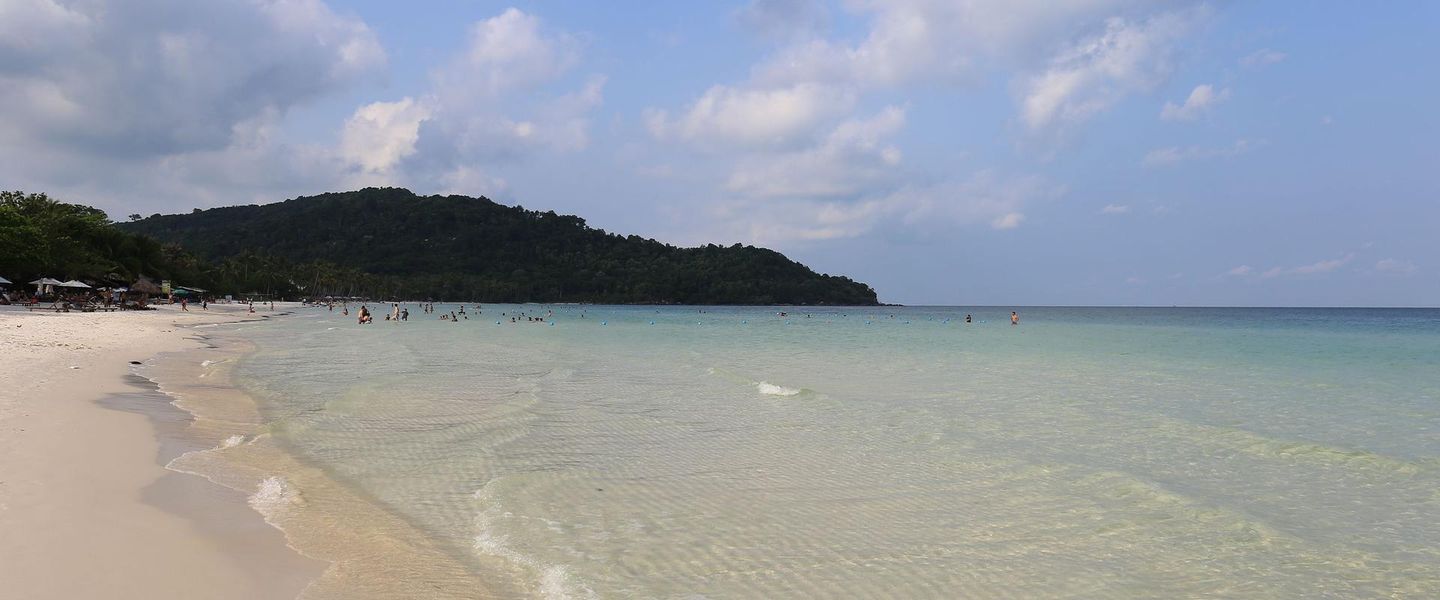


Phu Quoc, Vietnam, pairs white-sand beaches and coral-rich waters with pepper farms, seafood markets, island history and relaxed tropical sightseeing.
An Island with Many Landscapes
Phu Quoc lies in the Gulf of Thailand, off Vietnam’s south-western coast and close to the Cambodian mainland. Although widely known for its beaches, the island has a more varied character than its resort image suggests. Long Beach stretches south from Duong Dong, while quieter shores such as Ong Lang and Bai Dai offer different settings for swimming, sunsets and seaside walks. Inland, red-earth roads pass pepper plantations, small farms and villages before reaching the dense forest of Phu Quoc National Park in the north. The An Thoi archipelago, scattered off the southern tip, adds clear-water excursions and snorkelling grounds to the island’s geography.Read more about Phu Quoc
Heritage and Island Life
Exploring Phu Quoc
When is the best time to visit Phu Quoc?
Best: February–April · 32°C| Month | High (°C) | Rainfall (mm) |
|---|---|---|
| January | 31 | 90 |
| February (best) | 32 | 46 |
| March (best) | 32 | 31 |
| April (best) | 32 | 53 |
| May | 33 | 131 |
| June | 33 | 227 |
| July | 33 | 233 |
| August | 32 | 218 |
| September | 32 | 357 |
| October | 32 | 469 |
| November | 32 | 310 |
| December | 31 | 142 |
Getting to and around Phu Quoc
How to get there
Transportation
Best attractions in Phu Quoc
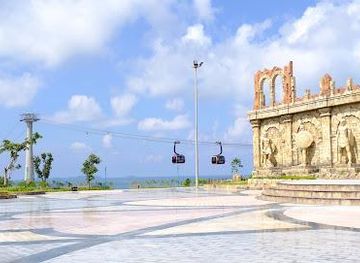
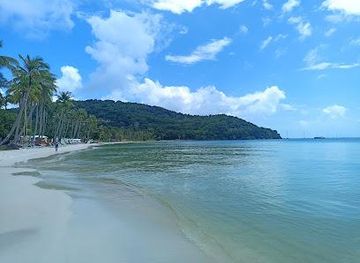
Phu Quoc’s attractions range from broad beaches to forested interiors and working island communities. Long Beach is the best-known western shoreline, with a long stretch of sand and easy access from Duong Dong, while Ong Lang and Sao Beach offer different coastal settings. In the north, Phu Quoc National Park protects dense tropical forest and supports nature-oriented excursions, although trails and access conditions vary. Dinh Cau, a small shrine beside the sea in Duong Dong, combines local religious life with a popular sunset setting. The southern town of An Thoi provides access to boat journeys around the An Thoi archipelago, where snorkelling and swimming are shaped by weather and sea conditions. Ham Ninh village offers a glimpse of the island’s fishing culture, and the Hon Thom cable car provides an elevated journey towards the southern islands. The Phu Quoc Prison historical site adds a sober wartime dimension to sightseeing.
-
Mountain cable car
Hon Thom Departure Terminal - Sun World Hon Thom Nature Park
Discover the stunning beauty and thrilling adventures of Hon Thom Departure Terminal, the gateway to Sun World Hon Thom Nature Park in Phu Quoc, Vietnam.
42 min drive · 22 km from city centre
-
Tourist attraction
Grand World Phu Quoc
Experience the vibrant beauty of Grand World Phu Quoc, where stunning beaches meet cultural richness and endless entertainment options.
37 min drive · 17 km from city centre
-
History museum
Phu Quoc Prison History Museum
Explore the Phu Quoc Prison History Museum to uncover the resilient spirit of Vietnam's past amidst the island's serene beauty.
40 min drive · 20 km from city centre
-
Beach
Sao Beach
Discover the breathtaking beauty of Sao Beach in Phu Quoc, Vietnam, where pristine sands meet crystal-clear waters for an unforgettable experience.
39 min drive · 19 km from city centre

Best landmarks in Phu Quoc
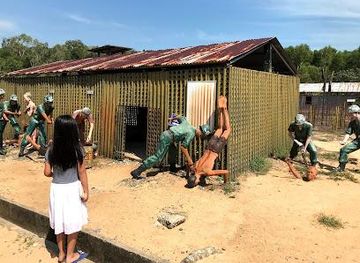
Phu Quoc’s landmarks express religious life, wartime history and the island’s changing relationship with the sea. Dinh Cau, set on rocks beside the Dương Đông River mouth, is a small temple and harbour shrine dedicated to local maritime protection; its position makes it one of the island’s most recognisable visual markers. Nearby Dinh Ba Thuy Long Thanh Mau honours a mother goddess associated with local belief and community tradition. The Phu Quoc Prison historical site near An Thoi preserves a difficult chapter of twentieth-century history through reconstructed structures and exhibits about wartime detention. In the south, the Hon Thom cable car is a modern infrastructural landmark linking the mainland area near An Thoi with Hon Thom island. Ham Ninh’s old-style fishing-village setting is less monumental, but its stilted coastal character and working harbour help represent Phu Quoc’s historic maritime economy.
-
Mountain cable car
Hon Thom Departure Terminal - Sun World Hon Thom Nature Park
Discover the stunning views and thrilling experiences at Hon Thom Departure Terminal, your gateway to Sun World Hon Thom Nature Park in Phu Quoc.
42 min drive · 22 km from city centre
-
History museum
Phu Quoc Prison History Museum
Discover the profound history of Vietnam at the Phu Quoc Prison History Museum, where resilience and remembrance come together in a compelling narrative.
40 min drive · 20 km from city centre
-
Amusement park
VinWonders Phú Quốc
Discover adventure and thrills at VinWonders Phú Quốc, Vietnam's leading amusement park, where fun and culture unite in a tropical paradise.
38 min drive · 18 km from city centre
-
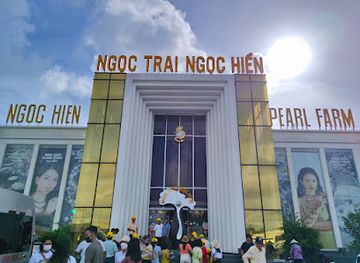
Jewelry store
Ngoc Hien Pearl Farm
Unveil the beauty of pearls at Ngoc Hien Pearl Farm, a captivating destination in Phu Quoc showcasing the art of pearl cultivation and exquisite jewelry.
16 min drive · 5.2 km from city centre


Explore Phu Quoc on the map
Plan your Phu Quoc trip on one map. See where the top attractions, landmarks, restaurants, bars and hotels are, find what's near where you're staying, and book hotels and experiences in a few clicks.
Best hotels in Phu Quoc
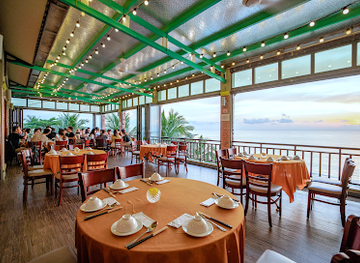
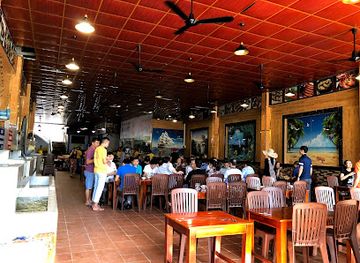
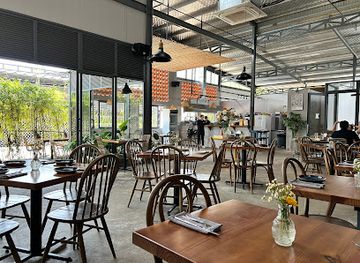
Best restaurants in Phu Quoc
Phu Quoc’s food culture is rooted in the sea, with local menus shaped by fishing, tropical produce and the island’s renowned black pepper. Herring salad, usually served with herbs, coconut and rice paper, is a distinctive speciality, while grilled squid, crab, prawns and sea urchin appear in markets and waterfront eateries when available. Bún quậy, a quick noodle dish associated with Phu Quoc, is prepared with seafood paste and noodles, often in informal local restaurants. Fish sauce remains one of the island’s defining products, and tastings or visits to established producers reveal how anchovies are fermented and bottled. Duong Dong Market and Phu Quoc Night Market offer the broadest concentration of casual food, whereas resort areas along Long Beach provide Vietnamese and international dining. Pepper, tropical fruit and local sim wine add further depth to the island’s culinary identity.
-
Seafood
Xin Chao seafood restaurant
Experience authentic Vietnamese seafood at Xin Chao Seafood Restaurant in Phu Quoc – where every bite tells a story of flavor and freshness.
12 min walk · 1.0 km from city centre
-
Seafood
Ra Khoi Restaurant
Experience authentic Vietnamese seafood at Ra Khoi Restaurant in Phú Quốc – where fresh flavors meet island charm.
5 min walk · 0.4 km from city centre
-
Asian Fusion
Saigonese Eatery
Discover the essence of Asian Fusion at Saigonese Eatery - where traditional flavors meet modern dining in Phu Quoc.
6 min drive · 2.1 km from city centre
-
Seafood
Crab House
Discover Crab House in Phú Quốc - where fresh seafood meets authentic flavors in a vibrant coastal setting.
9 min walk · 0.7 km from city centre
Best bars in Phu Quoc
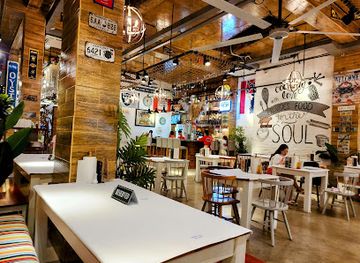
Phu Quoc’s evening life is concentrated rather than city-scale, with sunset bars, hotel lounges, casual beach venues and seafood restaurants providing the main social settings. Long Beach has the broadest choice of places for drinks after dark, while Duong Dong offers a more local atmosphere around the market and harbour. Phu Quoc Night Market is primarily a food and shopping destination, but its evening crowds give central Duong Dong much of the island’s nocturnal energy. In the south, newer developments around An Thoi and Sunset Town provide organised evening entertainment and waterfront settings, although the character of the area differs from older fishing communities. Live music and relaxed cocktails are more common than large club culture, and many venues follow the island’s resort rhythm rather than staying active until dawn. Sea conditions, weather and seasonal tourism can affect evening activity.
-
Bar
OCSEN Beach Bar & Club
Experience the vibrant nightlife and delicious Vietnamese cuisine at OCSEN Beach Bar & Club in Phú Quốc, the perfect beachside retreat.
8 min drive · 2.6 km from city centre
-
Bar
Sunset Beach Bar & Restaurant
Experience the vibrant atmosphere and stunning sunsets at Sunset Beach Bar & Restaurant in Phu Quoc, Vietnam—a top destination for tourists seeking fun and flavor.
6 min drive · 1.9 km from city centre
-
Bar
House No. 1
Discover the vibrant nightlife of Phú Quốc at House No. 1, a lively bar and lounge with crafted cocktails and live music for an unforgettable experience.
11 min walk · 0.9 km from city centre
-
Sports bar
The Rabbit Hole Irish Bar
Experience the vibrant atmosphere of The Rabbit Hole Irish Bar in Phú Quốc, blending sports, live music, and Irish hospitality for an unforgettable night.
7 min drive · 2.4 km from city centre


Best nightclubs in Phu Quoc
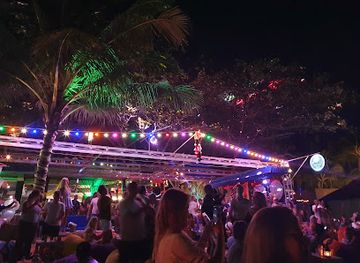
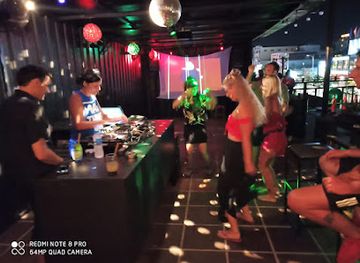
Phu Quoc’s evening life is concentrated rather than city-scale, with sunset bars, hotel lounges, casual beach venues and seafood restaurants providing the main social settings. Long Beach has the broadest choice of places for drinks after dark, while Duong Dong offers a more local atmosphere around the market and harbour. Phu Quoc Night Market is primarily a food and shopping destination, but its evening crowds give central Duong Dong much of the island’s nocturnal energy. In the south, newer developments around An Thoi and Sunset Town provide organised evening entertainment and waterfront settings, although the character of the area differs from older fishing communities. Live music and relaxed cocktails are more common than large club culture, and many venues follow the island’s resort rhythm rather than staying active until dawn. Sea conditions, weather and seasonal tourism can affect evening activity.
-
Bar
OCSEN Beach Bar & Club
Discover the ultimate beachside escape at OCSEN Beach Bar & Club in Phú Quốc, where vibrant nightlife meets stunning ocean views.
8 min drive · 2.6 km from city centre
-
Bar
House No. 1
Explore the vibrant nightlife of Phu Quoc at House No. 1, where cocktails, live music, and a lively atmosphere create unforgettable memories.
11 min walk · 0.9 km from city centre
-
Night club
INK 360 Rooftop Bar
Discover the exquisite INK 360 Rooftop Bar in Phu Quoc, where luxury meets stunning panoramic views and vibrant nightlife.
32 min drive · 12 km from city centre
-
Dance club
Happy Buddha Club - Hilltop Bar & Electronic Music Club
Discover the electrifying atmosphere of Happy Buddha Club, where vibrant electronic music meets stunning hilltop views in Phú Quốc.
6 min drive · 2.0 km from city centre


Best shops in Phu Quoc
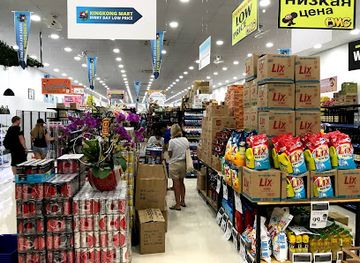
Shopping in Phu Quoc centres on food products, island crafts and practical local markets rather than extensive urban retail. Duong Dong Market is the main place to see fresh seafood, fruit, spices and everyday goods, while Phu Quoc Night Market combines souvenirs with street food and evening browsing. Packaged fish sauce, locally grown pepper, dried seafood and sim wine are among the island’s characteristic purchases, although travellers should check airline and customs rules before carrying liquids or animal products abroad. Pearl products are widely marketed, and reputable shops should provide clear information about provenance, quality and certification; caution is appropriate with unverified claims. Small producers and farm visits can offer a more direct connection to pepper and wine traditions than souvenir stalls. Resort areas contain boutiques and convenience shops, but Duong Dong remains the most useful district for comparing local products and observing ordinary commerce.
-
Grocery store
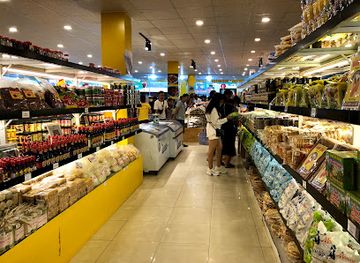
Kingkong Mart - Phu Quoc Specialties Store
Explore the authentic flavors of Phu Quoc at Kingkong Mart, your go-to grocery store for local specialties and gourmet delights.
7 min drive · 2.4 km from city centre
-
Jewelry store
Long Beach Center
Explore the elegance and craftsmanship of exquisite jewelry at Long Beach Center in Phú Quốc, Vietnam.
9 min drive · 2.9 km from city centre
-
Jewelry store
Quoc An Pearl
Explore Quoc An Pearl, a jewelry store in Phú Quốc, Vietnam, showcasing stunning pearl creations and local craftsmanship in a warm, inviting atmosphere.
13 min drive · 4.3 km from city centre
-
Supermarket
Siêu thị Đặc sản Phú Quốc Hương Đảo
Explore the vibrant local flavors and unique souvenirs at Phú Quốc's specialty supermarket, a must-visit for culinary enthusiasts and travelers.
5 min drive · 1.8 km from city centre


Get your free copy of our complete guide to Phu Quoc, delivered straight to you.
Everything on this page, from attractions and restaurants to essentials and local phrases, in one PDF you can read offline, print or share.
Already have an account? Sign in
Your Phu Quoc guide is ready.
We'll send it to · Not you? Sign out

Getting your guide ready…
We are putting together a fresh copy of the Phu Quoc guide. This can take up to a minute.
This can take a few moments. If your browser asks, choose Allow so the download can start. You'll find the guide in your Downloads folder.
Nothing happened? Download it again
Sorry, the guide is taking longer than usual. Please try again in a minute, or get it by email instead.
Phu Quoc essentials
Currency and Payment
Safety
Emergency Situations
Do's and Don'ts
Local Tips
From Eve
Local phrases worth knowing
You don't need to get them perfect. A few words go a long way, and locals appreciate the effort.
Basics
| English | Local | Say it |
|---|---|---|
| Hello | Xin chào | [sin chow] |
| Goodbye | Tạm biệt | [tam byet] |
| Yes | Có | [koh] |
| No | Không | [khom] |
| Please/You're welcome | Xin vui lòng | [sin vui long] |
| Thank you | Cám ơn | [kahm un] |
| Excuse me/Sorry | Xin lỗi | [sin loy] |
| How are you? | Bạn khỏe không? | [bun kweh khom?] |
| Fine. And you? | Khỏe. Còn bạn? | [kweh. kuhn bun?] |
| Do you speak English? | Bạn có nói tiếng Anh không? | [bun koh noy tyeng ang khom?] |
| I don't understand | Tôi không hiểu | [toy khom hye-oo] |
Eating & Drinking
| English | Local | Say it |
|---|---|---|
| I'd like to see the menu, please | Tôi muốn xem thực đơn, làm ơn | [toy muon sem took dun, lam un] |
| I don't eat meat | Tôi không ăn thịt | [toy khom un tit] |
| Cheers! | Chúc sức khỏe! | [chuk sook kweh] |
| I would like to pay, please | Tôi muốn thanh toán, làm ơn | [toy muon tanh toan, lam un] |
Emergencies
| English | Local | Say it |
|---|---|---|
| Help! | Cứu! | [kyoo] |
| Go away! | Đi đi! | [dee dee] |
| Call the Police! | Gọi cảnh sát! | [goy kang sat] |
| Call a doctor! | Gọi bác sĩ! | [goy bak see] |
| I'm lost | Tôi lạc đường | [toy lak doong] |
| I'm ill | Tôi ốm | [toy om] |
Shopping
| English | Local | Say it |
|---|---|---|
| I'd like to buy... | Tôi muốn mua... | [toy muon mwa] |
| I'm just looking | Tôi chỉ xem thôi | [toy chi sem toy] |
| How much is it? | Nó giá bao nhiêu? | [no zha bao nyew?] |
| That's too expensive | Đắt quá | [dat kwa] |
| Can you lower the price? | Bạn có thể giảm giá không? | [bun koh thee zem zha khom?] |
Time & Numbers
| English | Local | Say it |
|---|---|---|
| What time is it? | Bây giờ là mấy giờ? | [bay zwa la may zwa?] |
| It's one o'clock | Bây giờ là một giờ | [bay zwa la moot zwa] |
| Half past (10) | Mười giờ rưỡi | [moo-ee zwa roo-ee] |
| Morning | Buổi sáng | [bwoy sang] |
| Afternoon | Buổi chiều | [bwoy chyoo] |
| Evening | Buổi tối | [bwoy toy] |
| Yesterday | Hôm qua | [hom kwa] |
| Today | Hôm nay | [hom nigh] |
| Tomorrow | Ngày mai | [nyigh my] |
| 1 | Một | [moot] |
| 2 | Hai | [high] |
| 3 | Ba | [bah] |
| 4 | Bốn | [bun] |
| 5 | Năm | [nahm] |
| 6 | Sáu | [sow] |
| 7 | Bảy | [by] |
| 8 | Tám | [tam] |
| 9 | Chín | [jin] |
| 10 | Mười | [moo-ee] |
Transport & Directions
| English | Local | Say it |
|---|---|---|
| Where's a/the...? | Cái...ở đâu? | [kai...uh doh?] |
| What's the address? | Địa chỉ là gì? | [dee-ah chi la zee?] |
| Can you show me (on the map)? | Bạn có thể chỉ cho tôi (trên bản đồ) không? | [bun koh thee chee chow toy (trayn bahn doh) khom?] |
| When's the next (bus)? | Khi nào là chuyến (xe buýt) tiếp theo? | [kee now la chweng (say buet) tyep thow?] |
| A ticket (to ....) | Một vé (đến ...) | [moot vee (dehn ...)] |
History of Phu Quoc
Early Island Communities
Phu Quoc’s earliest history was shaped by communities living from the sea, forests and small-scale cultivation rather than by a large urban settlement. Its position in the Gulf of Thailand connected the island to maritime networks linking the Mekong region, Cambodia and the Malay world. The island has long been associated with Khmer cultural and political influence, while Vietnamese settlement and administration expanded over later centuries. Fishing, pepper growing and forest products became enduring elements of the local economy. This layered past helps explain why Phu Quoc’s identity is not solely a resort identity: villages, shrines, coastal markets and working harbours continue to reflect an island society formed through movement across the Gulf.
Vietnamese Administration and Settlement
Vietnamese influence became more firmly established on Phu Quoc during the early modern period, as the Nguyễn lords and later the Nguyễn dynasty strengthened their authority in the far south. The island’s location made it strategically relevant during periods of rivalry around the Gulf of Thailand and the Mekong Delta. Settlers developed agricultural plots and fishing communities, while religious sites and local shrines provided a focus for village life. Dương Đông grew as a harbour and trading centre, a role it retains today. The island’s pepper cultivation and fish-sauce production also developed into defining economic traditions, linking local households to wider coastal markets.
Colonial Rule and Coastal Commerce
During the French colonial period, Phu Quoc formed part of the administrative world of Cochinchina and remained primarily a rural, maritime island. Colonial authorities and commercial interests were drawn to its strategic position and agricultural potential, but the island did not develop into a major colonial city. Fishing, pepper and other local products continued to support settlements, while Dương Đông retained importance as a landing place. The period also contributed to the administrative and transport patterns that connected Phu Quoc more closely with mainland southern Vietnam. Much of the island’s visible built heritage remains modest, making its cultural history easier to encounter through food traditions, family businesses, temples and working coastal communities than through grand colonial architecture.
Wartime Phu Quoc
Phu Quoc became an important detention site during the conflicts of the twentieth century. The facility now known as Phu Quoc Prison, or Coconut Tree Prison, was established during the First Indochina War and later used by the government of South Vietnam during the Vietnam War. Its historical site near An Thoi preserves reconstructions and displays concerning the treatment of prisoners and the wider wartime experience. The island was also affected by regional conflict after 1975, when tensions along the south-western border brought insecurity to coastal communities. These events form a difficult but essential part of Phu Quoc’s modern history, distinct from the island’s more familiar image of beaches and resorts.
From Fishing Island to Tourism Centre
After national reunification, Phu Quoc remained dependent on fishing, agriculture and small-scale trade, but improved transport gradually brought it into Vietnam’s expanding domestic tourism economy. The opening and development of Phu Quoc International Airport in the early twenty-first century accelerated access from mainland Vietnam and overseas markets. Roads, resorts, cable-car infrastructure and entertainment districts subsequently transformed parts of the coastline, particularly around Long Beach and An Thoi. At the same time, Phu Quoc National Park, traditional producers and long-established villages remain central to the island’s identity. Contemporary Phu Quoc therefore reflects both rapid tourism investment and older economic traditions that continue to shape its food, landscapes and communities.
Travel experiences inspired by this city


Swipe for more travel diaries
Phu Quoc in Photos
Browse through our photo collection highlighting the charm and character of the destination.
Cities near Phu Quoc
The closest cities to Phu Quoc, if you have time for more than one stop.
-

-

-

-

-


Swipe for more cities
Explore more

Explore more of Vietnam
Discover Vietnam's enchanting landscapes, vibrant cities, and rich cultural heritage. Experience the perfect blend of history, nature, and cuisine in this Southeast Asian gem.
Explore Vietnam