

Free Middle Peninsula Travel Guide & Mobile App
Explore Middle Peninsula with free travel guides. Discover regional history, expert tips, proposed trips, and audio guides on web or mobile app.


Explore Virginia’s Middle Peninsula for Chesapeake waterways, colonial history, seafood, wildlife and quiet coastal communities between the York and Rappahannock rivers.
Read more about Middle Peninsula
Getting to and around Middle Peninsula
How to get there
Transportation
Top city travel guides in Middle Peninsula
The cities of Middle Peninsula, and the easiest places to base yourself.
-
-


Swipe for more cities
Destinations in Middle Peninsula
Resorts, valleys and scenic spots worth a trip of their own.
-

-


Swipe for more destinations
Best attractions in Middle Peninsula
The Middle Peninsula’s attractions are spread across a landscape of rivers, creeks, farms and tidal marshes. Historic properties provide the strongest cultural thread: Rosewell Ruins in Gloucester County reveals the remains of a major eighteenth-century plantation, while Warner Hall offers insight into Tidewater architecture and colonial landholding. Gloucester Point is associated with the Virginia Institute of Marine Science, whose public-facing education helps explain the ecology of the Chesapeake estuary. In Mathews County, New Point Comfort and the surrounding shoreline offer birdwatching, coastal scenery and views shaped by erosion and changing water levels, while Gwynn’s Island adds a distinctly maritime setting. Urbanna and Tappahannock reward walking through their historic cores and browsing their small museums, galleries and independent businesses. Deltaville is a practical base for sailing, boating and marine services on the Piankatank River. Paddling, fishing, wildlife observation and scenic driving are central experiences, although many natural areas have limited facilities and require visitors to plan for weather, tides and rural distances.
-
Theme park
Busch Gardens Williamsburg
Explore the wonders of Busch Gardens Williamsburg, a world-class theme park filled with thrilling rides, captivating shows, and beautiful gardens.
-
Escape room center
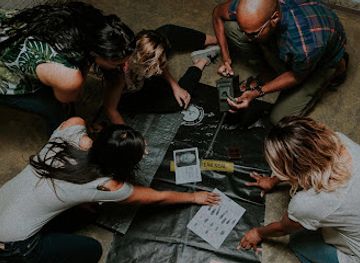
Breakout Games - Virginia Beach
Experience the thrill of adventure and teamwork at Breakout Games - Virginia Beach, where every escape room is a new challenge waiting to be solved.
-
National park
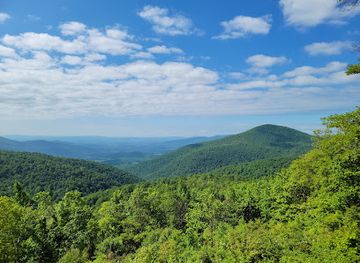
Shenandoah National Park
Explore the natural wonders of Shenandoah National Park, a breathtaking escape featuring majestic mountains, diverse wildlife, and unforgettable outdoor experiences.
-
Park
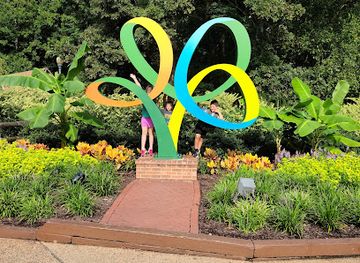
Maymont
Explore Maymont, Richmond's stunning 100-acre estate featuring beautiful gardens, wildlife, and rich history for visitors of all ages.

Best landmarks in Middle Peninsula
The Middle Peninsula’s most recognisable landmarks reflect its colonial past and its dependence on water. Rosewell Ruins in Gloucester County, with its imposing surviving brick walls, is one of the region’s clearest reminders of eighteenth-century plantation wealth and architectural ambition. Warner Hall, also in Gloucester County, represents the Tidewater plantation tradition through its formal grounds and historic buildings. Historic Christ Church in Middlesex County is an important example of colonial Anglican architecture and the parish network that shaped early Virginia communities. In Urbanna, the compact historic town and its relationship with the Rappahannock preserve the outline of a former colonial port. Tappahannock’s historic streets and river setting likewise express the commercial role of small Tidewater towns. New Point Comfort in Mathews County is a natural and navigational landmark where shoreline, marsh and Chesapeake waters meet, while the working boatyards of Deltaville provide a living rather than monumental symbol of the peninsula’s maritime economy. Together these places show how architecture and geography remain inseparable here.
-
History museum
Colonial Williamsburg
Explore the rich history of Colonial Williamsburg, a living museum where the spirit of 18th-century America comes alive through immersive experiences and engaging activities.
-
Battle site
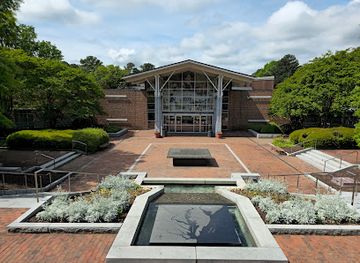
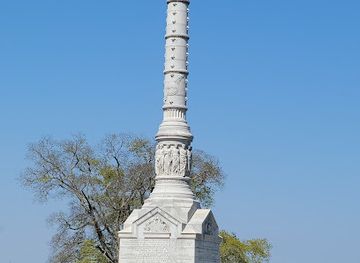
Yorktown Battlefield
Explore Yorktown Battlefield, a historic site where the American Revolution reached its climax, featuring scenic parks, engaging exhibits, and rich history.
-
Historical landmark
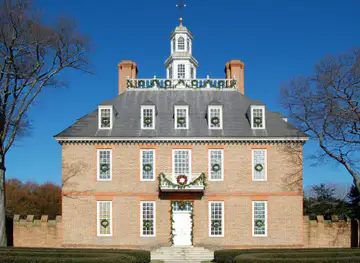
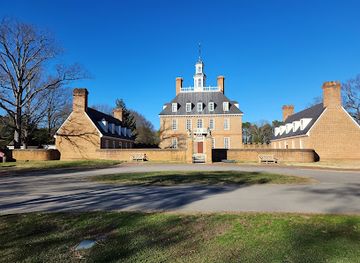
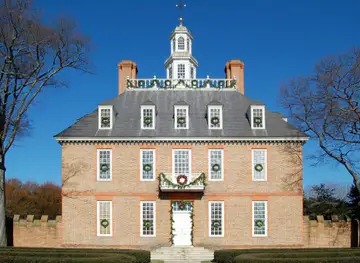
Governor's Palace
Explore the grandeur of the Governor's Palace in Williamsburg, a historical landmark that brings to life the colonial era with its stunning architecture and gardens.
-
Archaeological museum
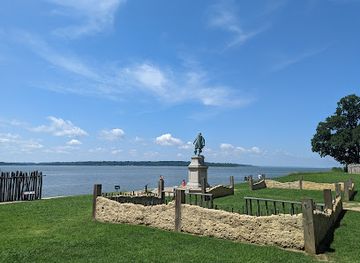
Historic Jamestowne
Discover the birthplace of America at Historic Jamestowne, a captivating archaeological museum that unveils the stories of the first English settlers.
Explore Middle Peninsula on the map
Plan your trip on one map. See where the top cities, national parks and sights are, and book hotels and experiences in a few clicks.
Best hotels in Middle Peninsula
Best restaurants in Middle Peninsula
Dining in the Middle Peninsula is grounded in the Chesapeake rather than in a single formal cuisine. Oysters, blue crab, clams, local fish and shrimp appear seasonally in waterfront restaurants, seafood markets, casual crab houses and community events, with preparations ranging from simple steamed or fried offerings to more contemporary plates. Tappahannock, Gloucester, Urbanna, Mathews and Deltaville provide the broadest choice of restaurants and cafés, while rural roads lead to country stores, farm stands and informal places serving straightforward regional food. Virginia ham, locally grown vegetables, baked goods and barbecue reflect wider Tidewater and Southern traditions, but the peninsula’s strongest culinary identity comes from its estuarine harvest and working-waterfront culture. Diners should ask what is locally caught and what is in season, particularly for shellfish. Portions, service customs and tipping follow standard American practice, and smaller establishments may keep limited hours or accept cash more readily than larger businesses.
-
Seafood
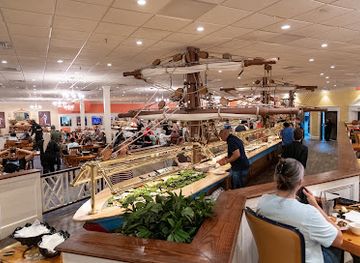
Captain George's Seafood Restaurant
Experience exquisite seafood dining at Captain George's in Williamsburg - where quality meets tradition in every delicious bite.
-
Restaurant
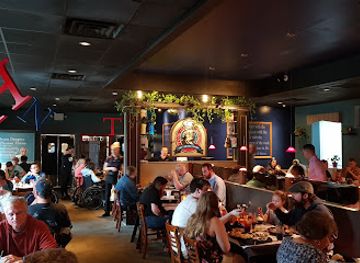
Food For Thought
Savor innovative American cuisine at Food For Thought in Williamsburg - where every meal is a creative delight!
-
American
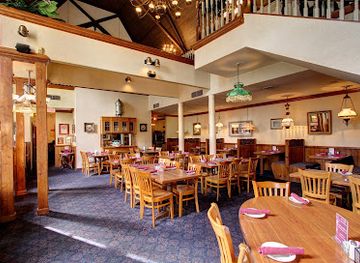
Freemason Abbey Restaurant
Experience the rich flavors of American cuisine in a historic setting at Freemason Abbey Restaurant in Norfolk.
-
Breakfast
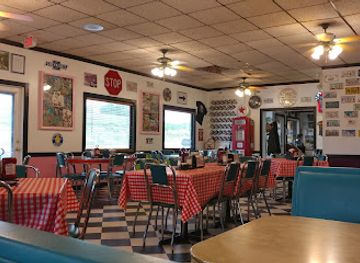
The Pink Cadillac Diner
Experience retro charm at The Pink Cadillac Diner in Natural Bridge, VA - where delicious breakfasts meet nostalgic vibes.
Best bars in Middle Peninsula
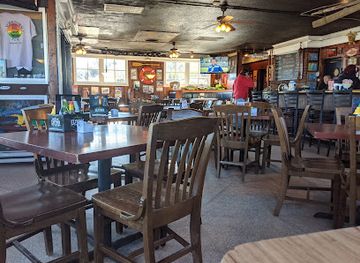
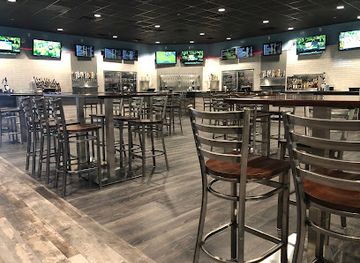
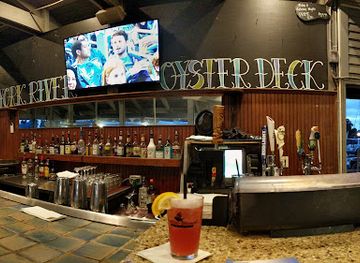
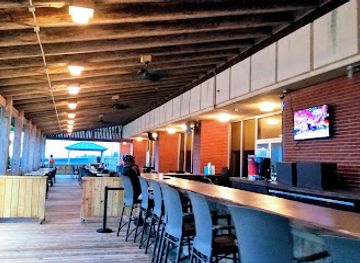
Evenings in the Middle Peninsula generally revolve around pubs, taverns, restaurant bars, breweries and live music rather than a concentrated nightclub scene. Gloucester and Tappahannock offer the widest choice of places for a drink after dinner, while Urbanna, Mathews and Deltaville have a smaller-scale social life linked to restaurants, marinas and seasonal waterfront activity. Local bars may attract residents, boaters and visitors together, and some venues host music or community events without operating as formal entertainment districts. In rural areas, distances between establishments make a designated driver or a planned taxi arrangement important, since rideshare coverage can be limited. Beer, American whiskey, cocktails and Virginia wines are commonly available, but no particular drinking culture is required to enjoy the region’s evening life; a seafood dinner, sunset by the water or a quiet walk through a historic town can be equally characteristic experiences.
-
Seafood
Yorktown Pub
Discover the best seafood and pub dining at Yorktown Pub, a waterfront haven in Virginia's historic Yorktown.
-
Restaurant
Craft 60 Taphouse & Grill
Experience the best of Newport News at Craft 60 Taphouse & Grill, where craft beer meets delicious American cuisine in a vibrant setting.
-
Seafood
YROC Coastal Bar & Grill
Experience the freshest seafood and American cuisine at YROC Coastal Bar & Grill, Gloucester Point's ultimate waterfront dining destination.
-
Event venue
Paradise Ocean Club
Discover the charm of Paradise Ocean Club in Fort Monroe, VA, where ocean views meet exquisite dining and vibrant events for an unforgettable experience.
Best nightclubs in Middle Peninsula
Evenings in the Middle Peninsula generally revolve around pubs, taverns, restaurant bars, breweries and live music rather than a concentrated nightclub scene. Gloucester and Tappahannock offer the widest choice of places for a drink after dinner, while Urbanna, Mathews and Deltaville have a smaller-scale social life linked to restaurants, marinas and seasonal waterfront activity. Local bars may attract residents, boaters and visitors together, and some venues host music or community events without operating as formal entertainment districts. In rural areas, distances between establishments make a designated driver or a planned taxi arrangement important, since rideshare coverage can be limited. Beer, American whiskey, cocktails and Virginia wines are commonly available, but no particular drinking culture is required to enjoy the region’s evening life; a seafood dinner, sunset by the water or a quiet walk through a historic town can be equally characteristic experiences.
-
Night club
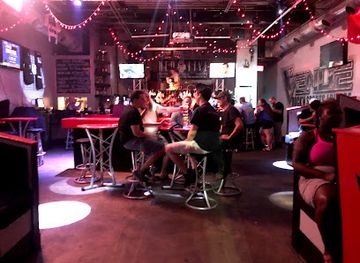
Venue 112
Dive into the vibrant nightlife of Virginia Beach at Venue 112, where exceptional drinks and infectious energy await every night.
-
Night club
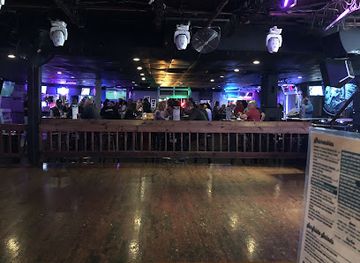
Peabody's Nightclub
Experience the pulse of Virginia Beach nightlife at Peabody's Nightclub, featuring live music, dancing, and a vibrant atmosphere for all.
-
Night club
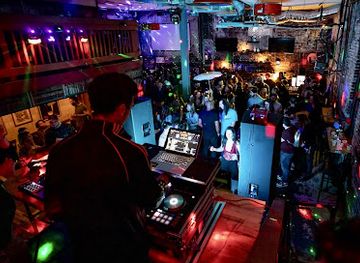
The Alley
Experience the dynamic nightlife of Newport News at The Alley, where live music and great drinks create unforgettable memories.
-
Night club
The Back Nightclub
Experience the vibrant nightlife at The Back Nightclub in Portsmouth, VA, where music, dance, and community collide for unforgettable nights.

Best shops in Middle Peninsula
-
Shopping mall
Colonial Williamsburg's Merchants Square
Discover the unique blend of shopping, dining, and history at Colonial Williamsburg's Merchants Square, a vibrant hub for tourists.
-
Shopping mall
Patrick Henry Mall
Experience the excitement of Patrick Henry Mall, a shopping haven in Newport News offering diverse retail, dining, and entertainment options for the whole family.
-
Shopping mall
Jefferson Commons
Explore Jefferson Commons, a lively shopping mall in Newport News, offering diverse stores and delightful dining options for an unforgettable experience.
-
Shopping mall
Marketplace at Tech Center
Discover a shopping haven in Newport News, Virginia, with diverse stores, dining options, and family-friendly activities at Marketplace at Tech Center.


Get your free copy of our complete guide to Middle Peninsula, delivered straight to you.
Everything on this page, from attractions and restaurants to essentials and local phrases, in one PDF you can read offline, print or share.
Already have an account? Sign in
Your Middle Peninsula guide is ready.
We'll send it to · Not you? Sign out

Getting your guide ready…
We are putting together a fresh copy of the Middle Peninsula guide. This can take up to a minute.
This can take a few moments. If your browser asks, choose Allow so the download can start. You'll find the guide in your Downloads folder.
Nothing happened? Download it again
Sorry, the guide is taking longer than usual. Please try again in a minute, or get it by email instead.
Middle Peninsula essentials
Currency and Payment
Safety
Emergency Situations
Do's and Don'ts
Local Tips
From Eve
Local phrases worth knowing
You don't need to get them perfect. A few words go a long way, and locals appreciate the effort.
Basics
| English | Local | Say it |
|---|---|---|
| Hello | Howdy | [Ha-dee] |
| Goodbye | Take care | [Tayk kayr] |
| Yes | Yep | [Yep] |
| No | Nope | [Nope] |
| Please/You're welcome | Please | [Pleeze] |
| Thank you | Thanks | [Thayngks] |
| Excuse me/Sorry | Excuse me | [Ex-kyoos mee] |
| How are you? | How ya doin'? | [How ya doin'?] |
| Fine. And you? | Good. And you? | [Guhd. An' you?] |
| Do you speak English? | You speakin' English? | [Yoo speekin' Ing-lish?] |
| I don't understand | I ain't followin' | [I ain't fol-owin'] |
Eating & Drinking
| English | Local | Say it |
|---|---|---|
| I'd like to see the menu, please | Can I see the menu? | [Can I see the men-yoo?] |
| I don't eat meat | I ain't eatin' meat | [I ain't eatin' meet] |
| Cheers! | Cheers! | [Cheers!] |
| I would like to pay, please | Can I pay, please? | [Can I pay, pleeze?] |
Emergencies
| English | Local | Say it |
|---|---|---|
| Help! | Help! | [Help!] |
| Go away! | Leave me be! | [Leev me bee!] |
| Call the Police! | Call the cops! | [Call the cops!] |
| Call a doctor! | Get a doctor! | [Get a dock-ter!] |
| I'm lost | I’m lost | [I'm lost] |
| I'm ill | I ain't feelin' good | [I ain't feelin' gud] |
Shopping
| English | Local | Say it |
|---|---|---|
| I'd like to buy... | I wanna buy... | [I wanna bye...] |
| I'm just looking | Just lookin' | [Juhst lookin'] |
| How much is it? | What’s the price? | [What's the pryce?] |
| That's too expensive | That’s too pricey | [That's too pry-see] |
| Can you lower the price? | Can ya bring down the price? | [Can ya bring down the pryce?] |
Time & Numbers
| English | Local | Say it |
|---|---|---|
| What time is it? | What time ya got? | [What time ya got?] |
| It's one o'clock | It's one | [It's wun] |
| Half past (10) | Half past ten | [Half past ten] |
| Morning | Mornin' | [Mornin'] |
| Afternoon | Afternoon | [Afternoone] |
| Evening | Evenin' | [Evenin'] |
| Yesterday | Yest'day | [Yest'day] |
| Today | Today | [Today] |
| Tomorrow | Tomorrah | [Tomor-rah] |
| 1 | One | [Wun] |
| 2 | Two | [Too] |
| 3 | Three | [Three] |
| 4 | Four | [For] |
| 5 | Five | [Fiv] |
| 6 | Six | [Siks] |
| 7 | Seven | [Sev-en] |
| 8 | Eight | [Ayt] |
| 9 | Nine | [Nyn] |
| 10 | Ten | [Ten] |
Transport & Directions
| English | Local | Say it |
|---|---|---|
| Where's a/the...? | Where’s the...? | [Where's the...?] |
| What's the address? | What’s the address? | [What's the ad-dress?] |
| Can you show me (on the map)? | Can ya point it out? | [Can ya point it out?] |
| When's the next (bus)? | When’s the next bus? | [When's the next bus?] |
| A ticket (to ....) | A ticket to... | [A tick-it to...] |
History of Middle Peninsula
Powhatan Homelands and Early Contact
Before English settlement, the Middle Peninsula formed part of the homeland of Indigenous peoples associated with the Powhatan paramount chiefdom, whose communities used the rivers, forests, marshes and estuaries for farming, hunting and fishing. The York, Rappahannock and smaller tidal rivers were important routes through the landscape. English explorers and colonists encountered these established societies from the early seventeenth century onwards, beginning a period of trade, conflict, disease and territorial change. Indigenous place names and the region’s continuing dependence on its waterways remain reminders that Tidewater Virginia’s history began long before the colonial plantation era.
English Settlement and Tobacco Plantations
English settlement expanded along the Middle Peninsula’s navigable rivers during the seventeenth and eighteenth centuries. Tobacco became the dominant export crop, and plantations developed around landings that connected farms to Chesapeake commerce. This economy depended on enslaved African labour as well as the labour of free and indentured people, creating a social order whose influence remained visible in landholding patterns, architecture and local institutions. Historic properties such as Rosewell and Warner Hall preserve evidence of the wealth generated by Tidewater agriculture, while colonial churches and courthouse communities reflect the administrative structure imposed by Virginia’s county system.
Colonial Ports and Maritime Trade
Small ports grew where rivers met navigable creeks and the bay. Urbanna on the Rappahannock and Tappahannock farther upriver served as commercial points for tobacco, farm produce and imported goods, while smaller landings supported local trade. The waterways also encouraged shipbuilding, fishing and movement between rural settlements. Although many colonial wharves disappeared or changed function, the compact street plans of Urbanna and Tappahannock, together with surviving churches, houses and waterfront connections, reveal how closely everyday life was tied to the Chesapeake before railways and paved highways altered regional travel.
Revolution, Early Republic and Changing Agriculture
The Middle Peninsula participated in Virginia’s transition from colony to state during the American Revolution and the early republic. County governments, churches and plantation households continued to organise local life, but the tobacco economy faced changing markets and soil exhaustion. Mixed farming, timber, fisheries and river commerce became increasingly important. In the nineteenth century, free Black communities, enslaved labourers and later emancipated families all shaped the region’s farms, churches and maritime trades. The area’s historic buildings should therefore be read not only as the residences of wealthy planters, but also within the much larger history of the people whose labour sustained them.
Civil War in the Tidewater Peninsula
The Middle Peninsula’s rivers and roads gave it military importance during the American Civil War. Gloucester Point, at the York River, was fortified and occupied during the conflict, and the surrounding waterways formed part of the strategic approaches to the riverside settlements and the Confederate capital. The region experienced military movement, disruption to agriculture, occupation and the destruction or alteration of transport links. Its wartime history is less concentrated in a single battlefield than in a network of river crossings, fortifications, roads and communities affected by the campaigns in eastern Virginia.
Seafood, Boatbuilding and Chesapeake Industries
After the Civil War, the Middle Peninsula retained a strongly maritime economy. Oystering, crabbing, fishing, seafood packing, boatbuilding and repair developed alongside farming and timber. Communities in Mathews and Middlesex became particularly associated with watermen and working boats, while Deltaville grew into an important centre for boatbuilding and marine services. These industries were influenced by changing oyster stocks, conservation rules, mechanisation and wider market shifts, yet they remain part of the region’s identity. Working docks, marinas, seafood businesses and traditional vessel designs continue to connect present-day communities with the Chesapeake economy.
Twentieth-Century Roads, Research and Conservation
Improved roads and bridges brought the Middle Peninsula into easier reach of Hampton Roads, Richmond and Washington while leaving much of its rural settlement pattern intact. The establishment and expansion of marine research at the Virginia Institute of Marine Science in Gloucester Point strengthened the region’s role in studying estuaries, fisheries and coastal change. Conservation of historic properties, wetlands, shorelines and wildlife habitat also became increasingly important as development pressures grew. Today, tourism, recreation, marine science, agriculture and seafood operate alongside long-established communities, producing a region that is rural in character but closely connected to the wider Chesapeake economy.
Middle Peninsula in Photos
Browse through our photo collection highlighting the charm and character of the destination.
Neighbouring regions of Middle Peninsula
The closest regions to Middle Peninsula, if you have time for more than one.
-

-

-
-

-


Swipe for more regions
Explore more

Explore more of Virginia
Discover Virginia: A blend of historic landmarks, natural beauty, and vibrant culture perfect for history buffs, nature lovers, and culture seekers.
Explore Virginia