

Tidewater, Virginia Travel Guide
Discover the captivating blend of history, nature, and coastal charm in Tidewater, Virginia, where the Chesapeake Bay meets the Atlantic Ocean.
Tidewater, Virginia, is a beautiful region known for its stunning coastal scenery and rich history. This area is where the Chesapeake Bay meets the Atlantic Ocean, offering visitors a unique blend of natural beauty and historical significance. Tidewater is home to several charming cities, including Norfolk, Virginia Beach, and Williamsburg, each with its own distinct character and attractions. Visitors can explore the historic Jamestown Settlement, the first permanent English colony in America, or stroll through the Colonial Williamsburg, a living-history museum that transports you back to the 18th century. For those who love the outdoors, the region boasts numerous parks, beaches, and wildlife refuges. The Great Dismal Swamp National Wildlife Refuge is a must-see for nature enthusiasts, offering miles of trails and opportunities to see diverse wildlife. For a taste of culture, Tidewater does not disappoint. The Chrysler Museum of Art in Norfolk and the Virginia Aquarium & Marine Science Center in Virginia Beach are just a few of the many cultural attractions. Foodies will appreciate the region's seafood, with fresh catches available at local restaurants and markets. Whether you're interested in history, nature, or just relaxing by the water, Tidewater, Virginia, has something for everyone.

Know before you go
Hi, I'm Eve. Here are a few practical things to know before exploring Tidewater.
- Visit during the spring or fall for pleasant weather and fewer crowds.
- Check out local seafood restaurants for the freshest catches.
- Wear comfortable shoes for exploring historic sites and nature trails.
- Take a guided tour at Colonial Williamsburg for an immersive historical experience.
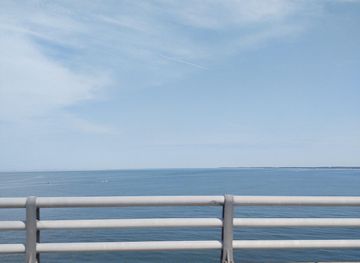
- Don't miss the sunset views from the Chesapeake Bay Bridge-Tunnel.
Top City Travel Guides in Tidewater
The cities of Tidewater, and the easiest places to base yourself.



Destinations in Tidewater
Resorts, valleys and scenic spots worth a trip of their own.


Explore Tidewater: Things to Do, Places to Eat, Hotels & More
Handpicked recommendations for top attractions, local dining, accommodations, and more

Top Attractions & Sightseeing in Tidewater
Top-rated picks
Best Attractions

Shenandoah National Park
Explore the stunning landscapes and diverse wildlife of Shenandoah National Park, a breathtaking escape in Virginia's Blue Ridge Mountains.

Ocean City Boardwalk
Discover the charm of the Ocean City Boardwalk, where seaside fun, delicious treats, and vibrant entertainment await every visitor.

Assateague Island National Seashore
Explore Assateague Island National Seashore: Wild ponies, pristine beaches, and diverse ecosystems await your adventure.

Norfolk Botanical Garden
Discover the breathtaking Norfolk Botanical Garden, a serene oasis of flora and fauna in Virginia, perfect for a peaceful escape and outdoor enjoyment.

Best landmarks in Tidewater
Top-rated picks
Best Landmarks

George Washington's Mount Vernon
Explore the historic estate of George Washington's Mount Vernon, a captivating journey through America's founding history and stunning landscapes.

Virginia Aquarium & Marine Science Center
Explore the ocean's wonders at the Virginia Aquarium & Marine Science Center, where education and adventure meet in Virginia Beach.

Norfolk Botanical Garden
Experience the beauty and tranquility of Norfolk Botanical Garden, where nature blooms in stunning displays throughout the seasons.

Mount Trashmore Park
Explore Mount Trashmore Park: Virginia Beach's stunning urban park with beautiful landscapes, recreational activities, and family-friendly amenities.

Best restaurants in Tidewater
Top-rated picks
Best Restaurants

Waterman's Surfside Grille
Experience fresh seafood and stunning ocean views at Waterman's Surfside Grille in Virginia Beach – your perfect beachside dining spot.

Island Creamery
Discover the delightful flavors at Island Creamery in Chincoteague – where every scoop tells a story!
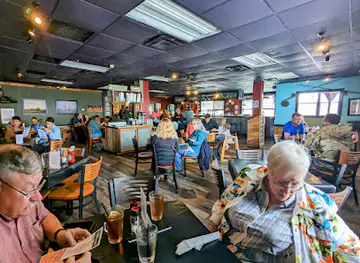
The Deadrise
Experience fresh seafood delights at The Deadrise in Hampton, Virginia – where every meal is a taste of coastal charm.

Blue Moon Taphouse
Experience waterfront dining at Blue Moon Taphouse in Norfolk - where American cuisine meets craft beer in a vibrant setting.

Best bars in Tidewater
Top-rated picks
Best Bars

Yard House
Discover the vibrant Yard House in Virginia Beach, where an extensive beer selection meets an innovative New American menu in a lively atmosphere.

Brass Balls Saloon
Experience the best of American cuisine at Brass Balls Saloon, a family-friendly restaurant in Ocean City, MD, perfect for all ages.

Repeal Bourbon & Burgers
Discover delightful gourmet burgers and craft cocktails at Repeal Bourbon & Burgers in Virginia Beach, where great taste meets a vibrant atmosphere.

Shenanigan's Irish Pub
Discover the delightful Shenanigan's Irish Pub in Ocean City, MD, offering authentic Irish cuisine and a vibrant atmosphere for every traveler.

Best nightclubs in Tidewater
Top-rated picks
Best Nightclubs

Chincoteague National Wildlife Refuge
Discover the serene beauty of Chincoteague National Wildlife Refuge, where nature lovers can explore diverse ecosystems and encounter unique wildlife.

Purple Moose Saloon
Discover the lively nightlife at Purple Moose Saloon, a premier night club in Ocean City combining great music, vibrant cocktails, and coastal charm.

Cowboy Coast Saloon
Discover the lively Cowboy Coast Saloon in Ocean City, MD - a perfect blend of delicious dining, live entertainment, and vibrant nightlife.

Hampton Inn & Suites Chincoteague-Waterfront
Discover the charm of Chincoteague at Hampton Inn & Suites, where comfort meets scenic waterfront views for an unforgettable getaway.

Best shops in Tidewater
Top-rated picks
Best Shops

Williamsburg Premium Outlets
Explore Williamsburg Premium Outlets: Your one-stop shopping destination for designer brands at unbeatable prices in Virginia.

Town Center of Virginia Beach
Discover the Town Center of Virginia Beach, a vibrant shopping mall with diverse dining, retail, and entertainment options in a modern setting.

Norfolk Premium Outlets
Discover unbeatable deals at Norfolk Premium Outlets, where fashion meets affordability in a stunning shopping environment.

Janaf Shopping Center
Explore the vibrant Janaf Shopping Center in Norfolk, Virginia, a perfect blend of shopping and dining experiences for every traveler.

Explore Tidewater on the Map
A handpicked selection of must-see spots in Tidewater, mapped for you.
Tidewater Essentials
-
Tidewater, Virginia, is accessible by various means of transportation. The nearest major airports are Norfolk International Airport (ORF), Newport News/Williamsburg International Airport (PHF), and Richmond International Airport (RIC). From these airports, you can rent a car, take a taxi, or use shuttle services to reach different parts of Tidewater. Amtrak also operates train services to cities like Norfolk and Newport News, offering a scenic and comfortable ride. For those driving, major highways such as I-64 and US-17 provide direct access to the Tidewater region.
-
Once in Tidewater, you have several transportation options. Renting a car is a popular choice for the flexibility it offers. Public transportation is available through Hampton Roads Transit (HRT), which operates buses, light rail, and ferry services throughout the area. Taxis and ride-sharing services like Uber and Lyft are also readily available. For short distances or exploring historic areas, biking and walking are convenient options.
-
The United States Dollar (USD) is the official currency in Tidewater. Credit and debit cards are widely accepted in hotels, restaurants, and shops. ATMs are plentiful, and you can easily withdraw cash if needed. It's advisable to carry a small amount of cash for use in smaller establishments or local markets where card payment may not be accepted.
-
Tidewater is generally safe for tourists, but it's important to exercise standard precautions. Avoid walking alone at night in poorly lit areas and keep an eye on your belongings in crowded places. Areas with higher crime rates targeting tourists include certain neighborhoods in Norfolk and Newport News. Always stay aware of your surroundings and avoid displaying valuables openly.
-
In case of emergency, dial 911 for immediate assistance. Tidewater has numerous medical facilities, including Sentara Norfolk General Hospital and Riverside Regional Medical Center. It's recommended to have travel insurance that covers medical emergencies. For minor health issues, pharmacies are widely available where you can purchase over-the-counter medications.
-
Fashion: Do dress comfortably and appropriately for the weather. Summers can be hot and humid, so lightweight clothing is recommended. Avoid overly casual attire in upscale restaurants. Religion: Do respect local religious customs, especially when visiting churches or historical sites. Public Transport: Do be courteous to fellow passengers, and offer your seat to elderly individuals. Don't eat or drink on public transport. Greetings: Do greet people with a friendly 'hello' or 'hi'. A handshake is also common. Eating & Drinking: Do try local seafood delicacies, especially blue crabs and oysters. Don't leave a small tip as it may be considered rude; 15-20% is standard.
-
To experience Tidewater like a local, visit the historic Colonial Williamsburg and the Virginia Beach Boardwalk. Enjoy a seafood feast at a local crab shack, and don't miss the Chesapeake Bay Bridge-Tunnel for scenic views. Engage with locals at farmers' markets or community events to learn more about the area's rich history and culture. Taking a guided tour of naval installations can also provide unique insights into the region's significance.
When is the best time to visit Tidewater?
Useful Local Phrases for Tidewater
You don't need to speak the language perfectly. Even learning a few simple words can make conversations warmer—and locals usually appreciate the effort.
— Eve

Here are the phrases I use most often in Tidewater. Try a few—you'll be surprised how far they go! 😊
❤️
-
- HelloHey ya
[Hay yah] - GoodbyeSee ya later
[See yah lay-tah] - YesUh-huh
[Uh-huh] - NoNaw
[Naw] - Please/You're welcomeNo problem
[No prob-lum] - Thank youThanks a lot
[Thanks a lot] - Excuse me/SorryPardon me
[Par-don me] - How are you?How ya doin'?
[How yah doin'?] - Fine. And you?I'm good. And you?
[I'm good. An' you?] - Do you speak English?Do ya talk English?
[Do yah talk English?] - I don't understandI ain't followin'
[I ain't fol-lowin']
- HelloHey ya
-
- I'd like to see the menu, pleaseCan I see the menu, please?
[Can I see the men-oo, please?] - I don't eat meatI ain't eatin' meat
[I ain't eatin' meat] - Cheers!Cheers!
[Cheers!] - I would like to pay, pleaseCan I pay, please?
[Can I pay, please?]
- I'd like to see the menu, pleaseCan I see the menu, please?
-
- Help!Help!
[Help!] - Go away!Get outta here!
[Git outta here!] - Call the Police!Call the cops!
[Call the cops!] - Call a doctor!Get a doctor!
[Get a doc-tah!] - I'm lostI’m lost
[I’m lost] - I'm illI ain't feelin' well
[I ain't feelin' well]
- Help!Help!
-
- I'd like to buy...I wanna buy...
[I wanna buy...] - I'm just lookingI'm just browsin'
[I'm just browsin'] - How much is it?What's it cost?
[What's it cost?] - That's too expensiveThat's a bit pricey
[That's a bit pricy] - Can you lower the price?Can ya bring down the price?
[Can yah bring down the price?]
- I'd like to buy...I wanna buy...
-
- What time is it?What time ya got?
[What time yah got?] - It's one o'clockIt's one o'clock
[It's one o'clock] - Half past (10)Half past ten
[Half past ten] - MorningMornin'
[Mornin'] - AfternoonAfternoon
[Afternoon] - EveningEvenin'
[Evenin'] - YesterdayYest'day
[Yest'day] - TodayToday
[Today] - TomorrowTomorra'
[Tomorra'] - 1One
[One] - 2Two
[Two] - 3Three
[Three] - 4Four
[Four] - 5Five
[Five] - 6Six
[Six] - 7Seven
[Seven] - 8Eight
[Eight] - 9Nine
[Nine] - 10Ten
[Ten]
- What time is it?What time ya got?
-
- Where's a/the...?Where's the...?
[Where's the...?] - What's the address?What's the addy?
[What's the addy?] - Can you show me (on the map)?Can you point it out on the map?
[Can you point it out on the map?] - When's the next (bus)?When's the next bus?
[When's the next bus?] - A ticket (to ....)A ticket to...
[A ticket to...]
- Where's a/the...?Where's the...?
History of Tidewater
-
The Tidewater region holds the distinction of being the location of the first permanent English settlement in America, Jamestown, established in 1607. This settlement became the cornerstone for British colonial expansion in North America. Despite facing numerous hardships such as famine, disease, and conflicts with Indigenous peoples, the settlers persevered, laying the foundation for what would become the United States.
-
Before European settlers arrived, the Tidewater region was home to the Powhatan Confederacy, a network of Algonquian-speaking tribes led by Chief Powhatan. The Powhatan people had a significant impact on the early survival of the Jamestown settlers through trade and occasional aid, though relations were often fraught with tension and conflict.
-
In 1619, the first recorded Africans were brought to the Tidewater region, landing at Point Comfort in present-day Hampton. They were initially treated as indentured servants, but this event marked the beginning of a social and economic structure based on racial slavery, which would profoundly shape the region and the nation for centuries.
-
Bacon’s Rebellion was a significant uprising in the Tidewater region, led by Nathaniel Bacon against the rule of Governor William Berkeley. The rebellion was fueled by settlers' frustrations over high taxes, declining tobacco prices, and Berkeley's policies towards Native Americans. Though the rebellion was ultimately quashed, it exposed deep divisions and led to a shift towards a harsher system of racial slavery.
-
The Tidewater region played a pivotal role in the American Revolution. It was here in Yorktown that General George Washington, with the aid of French forces, secured the decisive victory over British General Cornwallis in 1781. The Siege of Yorktown effectively ended the Revolutionary War, paving the way for American independence.
-
The Tidewater region was a significant theater during the American Civil War. The Battle of Hampton Roads, fought in March 1862, was particularly notable as it featured the first clash between ironclad warships, the USS Monitor and the CSS Virginia. This battle marked a turning point in naval warfare and demonstrated the obsolescence of wooden warships.
-
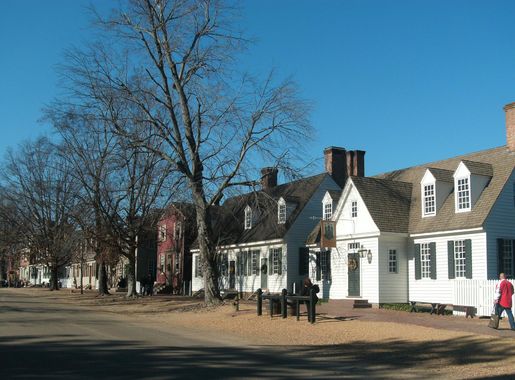
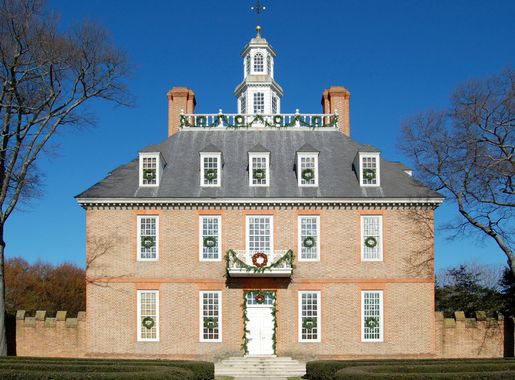
Colonial Williamsburg, located in the Tidewater region, is a living-history museum that offers a glimpse into 18th-century American life. The restored colonial capital of Virginia is home to numerous historical buildings, reenactments, and educational programs that provide a vivid portrayal of the social, political, and cultural life of the pre-Revolutionary period.
-
The Chesapeake Bay, which forms part of the Tidewater region, has been central to the area's economy and culture for centuries. The watermen of the bay, who harvest seafood such as crabs, oysters, and fish, have maintained a distinct and enduring culture. Their way of life, deeply connected to the rhythms of the bay, offers a unique insight into the region's maritime heritage.
Neighbouring Regions of Tidewater
The closest regions to Tidewater, if you have time for more than one.



Your all‑in‑one travel companion app
Explore expert travel guides, compare and book tours, experiences, hotels, and more—all from the palm of your hand. Download now for seamless trip planning wherever your wanderlust takes you.


Explore More of Virginia

Looking beyond Tidewater? Discover Virginia for broader travel guides, local hot-spots, and regional highlights.
Explore VirginiaTidewater in Photos
Browse through our photo collection highlighting the charm and character of the destination.




Tidewater, Virginia: A Coastal Haven of History and Nature
Tidewater, Virginia, is a beautiful region known for its stunning coastal scenery and rich history. This area is where the Chesapeake Bay meets the Atlantic Ocean, offering visitors a unique blend of natural beauty and historical significance. Tidewater is home to several charming cities, including Norfolk, Virginia Beach, and Williamsburg, each with its own distinct character and attractions. Visitors can explore the historic Jamestown Settlement, the first permanent English colony in America, or stroll through the Colonial Williamsburg, a living-history museum that transports you back to the 18th century. For those who love the outdoors, the region boasts numerous parks, beaches, and wildlife refuges. The Great Dismal Swamp National Wildlife Refuge is a must-see for nature enthusiasts, offering miles of trails and opportunities to see diverse wildlife. For a taste of culture, Tidewater does not disappoint. The Chrysler Museum of Art in Norfolk and the Virginia Aquarium & Marine Science Center in Virginia Beach are just a few of the many cultural attractions. Foodies will appreciate the region's seafood, with fresh catches available at local restaurants and markets. Whether you're interested in history, nature, or just relaxing by the water, Tidewater, Virginia, has something for everyone.