

Chesapeake Bay Region, Virginia Travel Guide
Discover the Chesapeake Bay Region in Virginia: A scenic escape with rich history, diverse wildlife, and mouth-watering seafood.
Nestled along the eastern coastline of the United States, the Chesapeake Bay Region in Virginia offers a serene escape into nature’s bounty. This picturesque area is renowned for its stunning waterways, rich history, and charming small towns. Whether you're keen on exploring vibrant marine life, indulging in fresh seafood, or soaking in the historical ambiance, Chesapeake Bay has something for everyone. One of the major highlights of the region is its breathtaking natural beauty. The bay itself is the largest estuary in the United States, providing endless opportunities for water-based activities such as sailing, kayaking, and fishing. Bird watchers and nature enthusiasts will revel in the diverse wildlife habitats, including marshes, forests, and beaches that are home to a variety of bird species and aquatic animals. History buffs will appreciate the region’s deep roots in American history. Colonial towns like Williamsburg offer a glimpse into the past with well-preserved architecture and engaging historical reenactments. The Chesapeake Bay Region is also dotted with historic lighthouses and museums that narrate tales of the area’s maritime heritage. No visit to Chesapeake Bay would be complete without savoring its culinary delights. The region is famous for its seafood, particularly the Chesapeake Bay blue crab. Local restaurants and quaint seafood shacks serve up fresh catches daily, providing a true taste of the bay. Whether you’re looking for adventure, relaxation, or a bit of both, the Chesapeake Bay Region in Virginia promises a memorable getaway filled with scenic views, cultural experiences, and delicious cuisine.

Know before you go
Hi, I'm Eve. Here are a few practical things to know before exploring Chesapeake Bay Region.
- Visit in the spring or fall for the best weather and fewer crowds.
- Don’t miss a crab feast at a local seafood shack.
- Explore the region by kayak for a unique perspective of the bay.
- Wear comfortable shoes for walking tours in historic towns.
- Consider a boat tour to fully appreciate the bay’s natural beauty.
Top City Travel Guides in Chesapeake Bay Region
The cities of Chesapeake Bay Region, and the easiest places to base yourself.

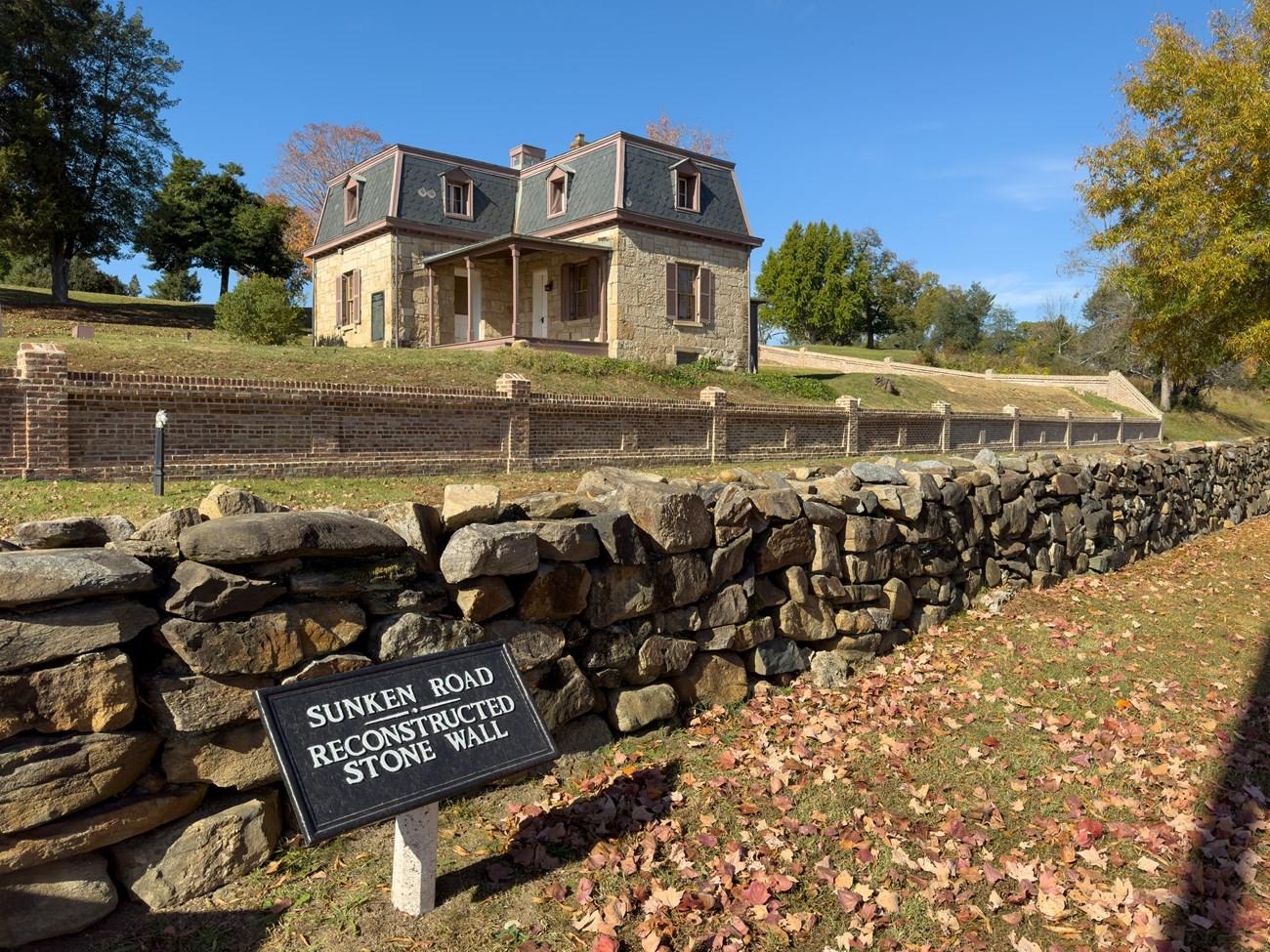


Destinations in Chesapeake Bay Region
Resorts, valleys and scenic spots worth a trip of their own.


Explore Chesapeake Bay Region: Things to Do, Places to Eat, Hotels & More
Handpicked recommendations for top attractions, local dining, accommodations, and more

Top Attractions & Sightseeing in Chesapeake Bay Region
Top-rated picks
Best Attractions

Busch Gardens Williamsburg
Experience the thrill of adventure and cultural festivities at Busch Gardens Williamsburg, a premier theme park in Virginia for families and thrill-seekers alike.

Breakout Games - Virginia Beach
Experience the thrill of escape rooms at Breakout Games - Virginia Beach, where adventure and excitement await for all ages in a fun-filled environment.

Virginia Aquarium & Marine Science Center
Explore marine wonders at the Virginia Aquarium & Marine Science Center - where education meets adventure in Virginia Beach.

Norfolk Botanical Garden
Explore the enchanting Norfolk Botanical Garden, a serene paradise in Virginia filled with diverse flora, seasonal displays, and immersive experiences for every nature lover.

Best landmarks in Chesapeake Bay Region
Top-rated picks
Best Landmarks

Shenandoah National Park
Discover the natural beauty and outdoor adventures in Shenandoah National Park, a stunning retreat in Virginia's Blue Ridge Mountains.

George Washington's Mount Vernon
Explore George Washington's Mount Vernon, a historical landmark and cultural center showcasing the life of America's first president amid stunning landscapes.

Colonial Williamsburg
Discover the rich history of America at Colonial Williamsburg, where 18th-century life comes alive in a captivating living museum.

Yorktown Battlefield
Visit Yorktown Battlefield, a historic site where the American Revolutionary War reached its climax, combining education with breathtaking views.

Best restaurants in Chesapeake Bay Region
Top-rated picks
Best Restaurants

The Deadrise
Experience fresh Chesapeake Bay seafood at The Deadrise in Hampton—where every dish tells a story of local flavors.

Pirate's Cove Restaurant
Discover the ultimate seafood experience at Pirate's Cove Restaurant in Chesapeake – where fresh flavors meet a charming atmosphere.

The Butcher's Son
Discover culinary excellence at The Butcher's Son, Chesapeake's top-rated steakhouse known for its prime cuts and inviting atmosphere.

Wicker's Crab Pot Seafood
Discover the finest seafood at Wicker's Crab Pot Seafood in Chesapeake, where fresh flavors meet friendly service for an unforgettable dining experience.

Best bars in Chesapeake Bay Region
Top-rated picks
Best Bars

Bubba's 33
Enjoy a lively atmosphere, delicious American cuisine, and sports action at Bubba's 33 in Chesapeake, Virginia.

Black Pelican Seafood Co. Greenbrier
Discover the best seafood dining experience in Chesapeake at Black Pelican Seafood Co., where fresh flavors and a welcoming atmosphere await you.

Woody's Raw Bar & Grill
Discover the vibrant flavors and lively atmosphere at Woody's Raw Bar & Grill in Chesapeake, VA - a must for food lovers and music enthusiasts.

Lockside Bar and Grill
Discover Chesapeake's culinary delight at Lockside Bar and Grill, where vibrant flavors meet a lively atmosphere for an unforgettable dining experience.

Best nightclubs in Chesapeake Bay Region
Top-rated picks
Best Nightclubs

Eagles Nest Rockin' Country Bar
Experience the vibrant nightlife at Eagles Nest Rockin' Country Bar in Chesapeake, where great food, drinks, and live music converge for a memorable night out.

Mermaids VB
Dive into the electrifying nightlife at Mermaids VB, Virginia Beach's top night club, with great music, drinks, and an unforgettable atmosphere.

Chemistry
Experience vibrant nightlife and culinary excellence at Chemistry Night Club in Virginia Beach, a perfect blend of dance, drinks, and dining.

Venue 112
Dance the night away at Venue 112, Virginia Beach's premier night club, featuring live music, great drinks, and an electrifying atmosphere.

Explore Chesapeake Bay Region on the Map
A handpicked selection of must-see spots in Chesapeake Bay Region, mapped for you.
Chesapeake Bay Region Essentials
-
The Chesapeake Bay Region in Virginia is accessible via several major airports, including Richmond International Airport (RIC) and Norfolk International Airport (ORF). Both airports offer numerous domestic and international flights. From these airports, you can rent a car or take a shuttle service to reach your destination. Additionally, Amtrak serves the region with several train stations, including those in Williamsburg and Newport News, providing an alternative mode of travel. For those driving, major highways such as I-64 and US Route 17 offer convenient access to the Chesapeake Bay area.
-
Getting around the Chesapeake Bay Region is easiest by car, as many attractions are spread out. Car rentals are available at major airports and within the region. Public transportation options include local bus services operated by Hampton Roads Transit (HRT) and Williamsburg Area Transit Authority (WATA). Taxis and rideshare services like Uber and Lyft are also widely available. For a more scenic route, consider taking a ferry ride across the bay; the Jamestown-Scotland Ferry offers a unique way to travel between Williamsburg and Surry County.
-
The official currency in the United States is the US Dollar (USD). Credit and debit cards are widely accepted throughout the Chesapeake Bay Region, including in restaurants, hotels, and shops. ATMs are readily available for cash withdrawals. It is advisable to carry some cash for small purchases or in rural areas where card payments may not be accepted.
-
The Chesapeake Bay Region is generally safe for tourists. However, it is advisable to take standard precautions. Avoid poorly lit areas at night, and keep an eye on your belongings in crowded places. While most areas are safe, some neighborhoods in larger cities like Norfolk and Newport News have higher crime rates, particularly for petty theft. Stay vigilant and aware of your surroundings.
-
In case of emergency, dial 911 for immediate assistance. Hospitals and urgent care facilities are available throughout the region, including Sentara Norfolk General Hospital and Riverside Regional Medical Center. It is recommended to have travel insurance that covers medical emergencies. Pharmacies are also widely available for minor health issues and over-the-counter medications.
-
Fashion: Do dress in comfortable, casual clothing. In summer, lightweight clothing is essential due to humidity. Don’t wear overly revealing clothing in historical or religious sites. Religion: Do respect local customs and traditions, especially when visiting churches or historical sites. Public Transport: Do be respectful and courteous to other passengers. Don’t eat or drink on public buses. Greetings: Do greet people with a handshake or a friendly nod. Southern hospitality is prevalent, so politeness is appreciated. Eating & Drinking: Do try local seafood delicacies like blue crabs and oysters. Don’t forget to tip your server, as it is customary in the United States.
-
To experience the Chesapeake Bay Region like a local, visit farmers' markets for fresh seafood and produce. Take part in local festivals such as the Urbanna Oyster Festival or the Virginia Beach Neptune Festival. Engage with locals, who are often friendly and eager to share stories about the region’s rich history and culture. For a unique experience, consider renting a kayak or paddleboard to explore the bay's waterways up close.
When is the best time to visit Chesapeake Bay Region?
Useful Local Phrases for Chesapeake Bay Region
You don't need to speak the language perfectly. Even learning a few simple words can make conversations warmer—and locals usually appreciate the effort.
— Eve

Here are the phrases I use most often in Chesapeake Bay Region. Try a few—you'll be surprised how far they go! 😊
❤️
-
- HelloHey there
[Hay thair] - GoodbyeSee ya later
[See ya lay-tur] - YesYep
[Yep] - NoNah
[Nah] - Please/You're welcomeNo problem
[No prob-lum] - Thank youThanks a bunch
[Thangs a bunch] - Excuse me/SorryPardon me
[Pardon me] - How are you?How ya doin'?
[How ya doin'?] - Fine. And you?I'm good. And you?
[I'm good. And you?] - Do you speak English?You speakin' English?
[You speakin' English?] - I don't understandI ain't followin'
[I ain't followin']
- HelloHey there
-
- I'd like to see the menu, pleaseCan I see the menu?
[Can I see the menu?] - I don't eat meatI don't eat no meat
[I don't eat no meat] - Cheers!Bottoms up!
[Bottoms up!] - I would like to pay, pleaseCan I get the check?
[Can I get the check?]
- I'd like to see the menu, pleaseCan I see the menu?
-
- Help!Help me!
[Help me!] - Go away!Get lost!
[Get lost!] - Call the Police!Call the cops!
[Call the cops!] - Call a doctor!Get a doctor!
[Get a doctor!] - I'm lostI can't find my way
[I can't find my way] - I'm illI'm feelin' sick
[I'm feelin' sick]
- Help!Help me!
-
- I'd like to buy...I wanna buy...
[I wanna buy...] - I'm just lookingJust browsin'
[Just browsin'] - How much is it?What’s the damage?
[What’s the damage?] - That's too expensiveThat’s a bit pricey
[That’s a bit pricey] - Can you lower the price?Can ya drop the price?
[Can ya drop the price?]
- I'd like to buy...I wanna buy...
-
- What time is it?What time ya got?
[What time ya got?] - It's one o'clockIt's one
[It's one] - Half past (10)Half past ten
[Half past ten] - MorningMornin'
[Mornin'] - AfternoonAfternooon
[Afternooon] - EveningEvenin'
[Evenin'] - YesterdayYest'day
[Yest'day] - TodayTo'day
[To'day] - TomorrowTomorrah
[Tomorrah] - 1One
[One] - 2Two
[Two] - 3Three
[Three] - 4Four
[Four] - 5Five
[Five] - 6Six
[Six] - 7Seven
[Seven] - 8Eight
[Eight] - 9Nine
[Nine] - 10Ten
[Ten]
- What time is it?What time ya got?
-
- Where's a/the...?Where's the closest...?
[Where's the closest...?] - What's the address?What’s the addy?
[What’s the addy?] - Can you show me (on the map)?Can ya point it out?
[Can ya point it out?] - When's the next (bus)?When's the next bus comin'?
[When's the next bus comin'?] - A ticket (to ....)A ticket to...
[A ticket to...]
- Where's a/the...?Where's the closest...?
History of Chesapeake Bay Region
-
Jamestown, founded in 1607, was the first permanent English settlement in North America. This landmark event marked the beginning of American history and laid the foundation for the development of the 13 original colonies. The settlers faced numerous challenges, including conflicts with Indigenous peoples, harsh environmental conditions, and food shortages.
-
The Powhatan Confederacy was a powerful alliance of Algonquian-speaking Native American tribes in the Chesapeake Bay area. Led by Chief Powhatan, this confederation played a critical role in the early years of the Jamestown settlement, engaging in both trade and conflict with the English settlers. The story of Pocahontas, Powhatan's daughter, and her interactions with the settlers is deeply intertwined with this history.
-
Bacon’s Rebellion was a significant uprising in 1676 led by Nathaniel Bacon against the rule of Governor William Berkeley. The rebellion was fueled by tensions between frontier settlers and Native American tribes, as well as dissatisfaction with the colonial government’s policies. The rebellion ultimately led to the burning of Jamestown and had lasting impacts on the colony’s governance and labor system.
-
The Chesapeake Bay region became a center for tobacco cultivation during the 17th and 18th centuries. Tobacco was a highly profitable cash crop that played a crucial role in the economy of Virginia. The labor-intensive nature of tobacco farming led to the growth of the indentured servant and later the enslaved African labor force, profoundly influencing the social and economic structures of the region.
-
The Chesapeake Bay region was a strategic area during the American Revolution. The port cities of Norfolk and Yorktown were significant sites of military action. The Siege of Yorktown in 1781, where British General Cornwallis surrendered to American and French forces, effectively ended the Revolutionary War and secured American independence.
-
During the War of 1812, the Chesapeake Bay region witnessed significant military engagements, including the British blockade and the burning of Washington D.C. The Battle of Craney Island in 1813 was a notable American victory that protected Norfolk from British invasion.
-
The Chesapeake Bay region played a critical role in the Civil War. Virginia was a central battleground with significant battles such as the Battle of Hampton Roads in 1862, where the ironclad ships USS Monitor and CSS Virginia clashed. The region’s waterways were vital for military strategy and supply routes for both the Union and Confederate forces.
-
After the Civil War, the Chesapeake Bay region underwent significant changes during the Reconstruction era. The abolition of slavery and the integration of formerly enslaved people into the economy and society marked a period of transformation. The region’s agricultural practices evolved, and new industries began to emerge.
-
Today, the Chesapeake Bay region is known for its rich cultural heritage and natural beauty. The area is celebrated for its maritime history, seafood industry, particularly blue crabs and oysters, and efforts to preserve and restore its unique ecosystem. The Chesapeake Bay Bridge Tunnel, completed in 1964, is a modern engineering marvel that connects the region and enhances its accessibility.
Neighbouring Regions of Chesapeake Bay Region
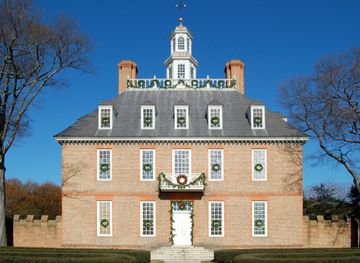
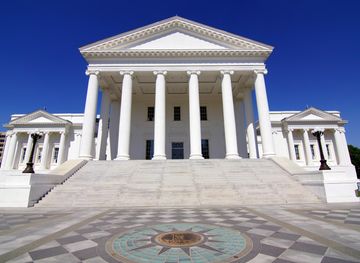
The closest regions to Chesapeake Bay Region, if you have time for more than one.



Your all‑in‑one travel companion app
Explore expert travel guides, compare and book tours, experiences, hotels, and more—all from the palm of your hand. Download now for seamless trip planning wherever your wanderlust takes you.


Explore More of Virginia

Looking beyond Chesapeake Bay Region? Discover Virginia for broader travel guides, local hot-spots, and regional highlights.
Explore VirginiaChesapeake Bay Region in Photos
Browse through our photo collection highlighting the charm and character of the destination.


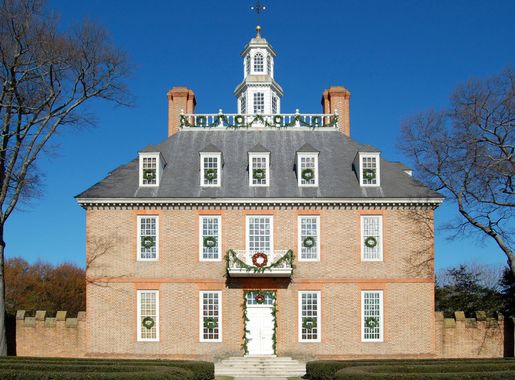


The Enchanting Chesapeake Bay Region of Virginia
Nestled along the eastern coastline of the United States, the Chesapeake Bay Region in Virginia offers a serene escape into nature’s bounty. This picturesque area is renowned for its stunning waterways, rich history, and charming small towns. Whether you're keen on exploring vibrant marine life, indulging in fresh seafood, or soaking in the historical ambiance, Chesapeake Bay has something for everyone. One of the major highlights of the region is its breathtaking natural beauty. The bay itself is the largest estuary in the United States, providing endless opportunities for water-based activities such as sailing, kayaking, and fishing. Bird watchers and nature enthusiasts will revel in the diverse wildlife habitats, including marshes, forests, and beaches that are home to a variety of bird species and aquatic animals. History buffs will appreciate the region’s deep roots in American history. Colonial towns like Williamsburg offer a glimpse into the past with well-preserved architecture and engaging historical reenactments. The Chesapeake Bay Region is also dotted with historic lighthouses and museums that narrate tales of the area’s maritime heritage. No visit to Chesapeake Bay would be complete without savoring its culinary delights. The region is famous for its seafood, particularly the Chesapeake Bay blue crab. Local restaurants and quaint seafood shacks serve up fresh catches daily, providing a true taste of the bay. Whether you’re looking for adventure, relaxation, or a bit of both, the Chesapeake Bay Region in Virginia promises a memorable getaway filled with scenic views, cultural experiences, and delicious cuisine.