

Free Northern Neck Travel Guide & Mobile App
Explore Northern Neck with free travel guides. Discover regional history, expert tips, proposed trips, and audio guides on web or mobile app.


Explore Virginia’s Northern Neck for Chesapeake waterways, colonial history, seafood, state parks and quiet coastal communities between two tidal rivers.
Read more about Northern Neck
Getting to and around Northern Neck
How to get there
Transportation
Best attractions in Northern Neck
The Northern Neck’s attractions combine colonial history, tidal landscapes and working-waterfront culture rather than forming a dense urban sightseeing circuit. In Westmoreland County, George Washington’s Birthplace National Monument interprets the first president’s early setting, while Stratford Hall explores the Lee family, plantation life and the people who lived and worked on the estate. Westmoreland State Park adds Potomac beaches, forest trails and fossil-bearing cliffs. Belle Isle State Park in Lancaster County provides a quieter setting for walking, paddling, fishing and observing marsh and river habitats. Small museums and historic sites in Reedville, Morattico, Kilmarnock and other communities illuminate fishing, oyster harvesting, local commerce and rural life. The peninsula is also suited to kayaking, boating, birdwatching, cycling and scenic driving, with access and conditions varying by season. Its most rewarding experiences often involve combining a major heritage property with a village, market, waterfront or conservation area, allowing visitors to see how the same rivers have supported Indigenous communities, plantations, fisheries and modern recreation.
-
Theme park
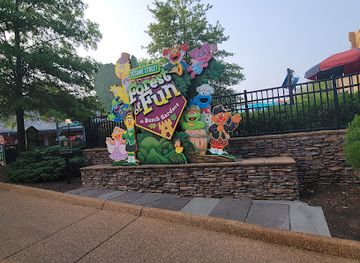
Busch Gardens Williamsburg
Discover the thrill of rides, captivating shows, and beautiful landscapes at Busch Gardens Williamsburg, a top theme park destination in Virginia.
-
 National park
Shenandoah National Park
Discover the breathtaking landscapes, diverse wildlife, and outdoor adventures at Shenandoah National Park in Virginia's Blue Ridge Mountains.
-
Historical landmark
George Washington's Mount Vernon
Experience the rich history at George Washington's Mount Vernon, a captivating estate showcasing America's first president's life and legacy.
-
Aquarium
Virginia Aquarium & Marine Science Center
Experience the wonders of the ocean at Virginia Aquarium & Marine Science Center, where education and adventure come together for a day of family fun.


Best landmarks in Northern Neck
The Northern Neck’s most recognisable landmarks are tied to its founding families, tidal geography and maritime economy. Stratford Hall in Westmoreland County is a major example of eighteenth-century plantation architecture and is associated with both the Lee family and Robert E. Lee’s birthplace. George Washington’s Birthplace National Monument, at Pope’s Creek, marks the early setting of the first US president and places national history within a riverine landscape. Westmoreland State Park’s Potomac shoreline, including its exposed fossil-bearing cliffs, is a natural landmark shaped by erosion and deep geological time. Historic courthouse and church landscapes in Warsaw and across the older counties reflect the peninsula’s colonial and civic development. At Reedville, working waterfronts and fishing-related buildings evoke the commercial life of Chesapeake Bay, while the Rappahannock and Potomac themselves remain the region’s defining geographical features, shaping settlement, recreation, transport and local livelihoods.
-
History museum
Colonial Williamsburg
Explore the rich history of 18th-century America at Colonial Williamsburg, a living history museum featuring restored buildings and engaging reenactments.
-
Historical landmark
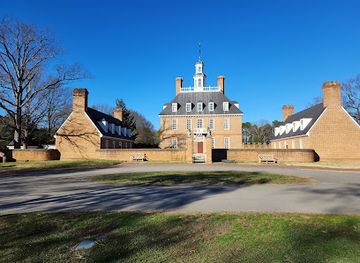
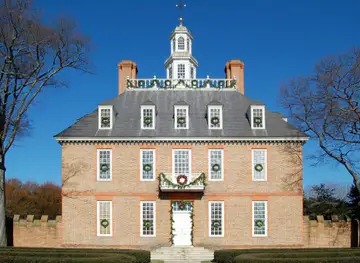
Governor's Palace
Explore the opulent lifestyle of colonial Virginia at the Governor's Palace, a historical landmark in Williamsburg showcasing stunning architecture and rich heritage.
-
Museum
American Revolution Museum at Yorktown
Discover the American Revolution Museum at Yorktown, where history comes alive through engaging exhibits and immersive experiences in Virginia.
-
Shopping mall
Riverwalk Landing
Explore Riverwalk Landing in Yorktown, VA - a delightful shopping and dining destination with scenic river views and rich historical significance.


Explore Northern Neck on the map
Plan your trip on one map. See where the top cities, national parks and sights are, and book hotels and experiences in a few clicks.
Best hotels in Northern Neck
Best restaurants in Northern Neck
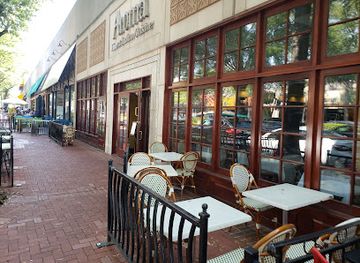
Dining in the Northern Neck is closely connected to the Chesapeake estuary and the farms that surround it. Oysters, blue crab, locally caught fish and other seafood appear in seasonal restaurant menus, informal seafood counters and waterfront dining rooms, while farm stands and small markets supply produce, baked goods and preserves. Traditional Virginia cooking can be found in country restaurants, cafés and pubs, alongside contemporary interpretations of regional ingredients. Around Reedville and the lower Rappahannock, maritime influences are especially apparent; in Kilmarnock, Irvington, Warsaw, Montross and Colonial Beach, visitors will find a broader mix of cafés, casual restaurants and inns. Harvest dates, fishing conditions and restaurant availability change, so menus are often more seasonal than visitors may expect. Local breweries, Virginia wines and small-producer goods can complement a meal, but the region’s culinary identity is best understood through its relationship with tidal water, agriculture and community markets rather than through a single signature dish.
-
Seafood
Captain George's Seafood Restaurant
Experience the finest seafood dining at Captain George's Seafood Restaurant in Williamsburg, VA - where ocean flavors meet exceptional hospitality.
-
Seafood
The Great Machipongo Clam Shack
Experience authentic coastal dining at The Great Machipongo Clam Shack in Nassawadox – home to delicious clam dishes and a friendly atmosphere.
-
Seafood
The Shanty
Experience the best seafood dining in Cape Charles at The Shanty—where fresh flavors meet live music for an unforgettable evening.
-
Seafood
Olivia's In the Village
Experience delicious seafood and Italian cuisine at Olivia's In the Village - where family dining meets culinary excellence in Gloucester.


Best bars in Northern Neck
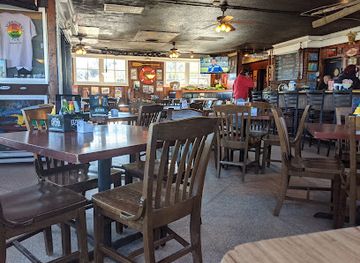
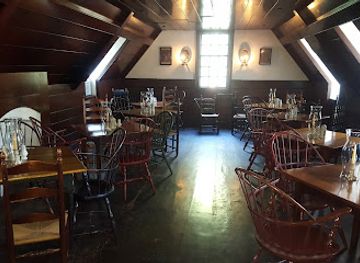
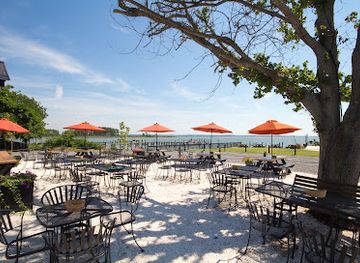
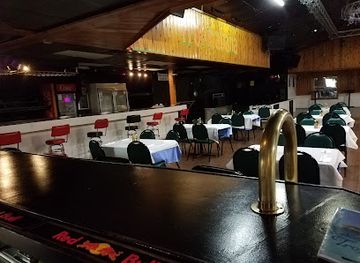
Evening life in the Northern Neck is generally relaxed and small-scale. Traditional pubs, restaurants, historic inns and waterfront bars provide the main social settings, particularly in Colonial Beach, Kilmarnock, Irvington, Reedville and the county-seat communities. Some venues offer live music or seasonal entertainment, while breweries and wine-focused establishments provide alternatives to conventional bar culture. The region does not have a concentrated nightclub district, and rural distances mean that visitors should arrange transport before drinking rather than relying on late public transit or rideshare availability. Summer weekends can bring more activity to Colonial Beach and boating communities, whereas winter evenings are quieter and centred on local restaurants and community events. Closing times and entertainment schedules vary, so checking locally is sensible.
-
Hamburger
NN Burger Tappahannock
Experience mouthwatering gourmet burgers and live music at NN Burger Tappahannock, a vibrant American restaurant in Virginia.
-
Seafood
Yorktown Pub
Experience the charm of Yorktown with fresh seafood and stunning river views at Yorktown Pub, a must-visit for all seafood lovers.
-
American
Chowning's Tavern
Experience the charm of colonial America at Chowning's Tavern, where history meets hearty American cuisine in a cozy pub atmosphere.
-
Seafood
Merroir Tasting Room
Discover Merroir Tasting Room, where fresh oysters and local seafood unite to offer an unforgettable dining experience in a coastal paradise.

Best nightclubs in Northern Neck
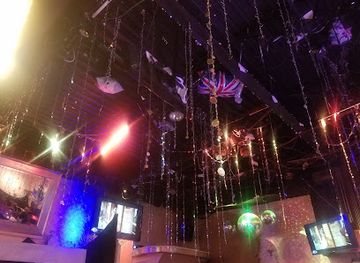
Evening life in the Northern Neck is generally relaxed and small-scale. Traditional pubs, restaurants, historic inns and waterfront bars provide the main social settings, particularly in Colonial Beach, Kilmarnock, Irvington, Reedville and the county-seat communities. Some venues offer live music or seasonal entertainment, while breweries and wine-focused establishments provide alternatives to conventional bar culture. The region does not have a concentrated nightclub district, and rural distances mean that visitors should arrange transport before drinking rather than relying on late public transit or rideshare availability. Summer weekends can bring more activity to Colonial Beach and boating communities, whereas winter evenings are quieter and centred on local restaurants and community events. Closing times and entertainment schedules vary, so checking locally is sensible.
-
Tapas Bar
Central 111 Tapas Lounge
Experience the vibrant flavors of Spain at Central 111 Tapas Lounge in Virginia Beach, where small plates and great company make every meal memorable.
-
Night club
Tropicabana
Discover the vibrant nightlife at Tropicabana, Richmond's premier night club offering energetic dance, cocktails, and unforgettable experiences.
-
Night club
Venue 112
Dive into the vibrant nightlife of Virginia Beach at Venue 112, where electrifying music and exquisite cocktails create unforgettable nights.
-
Night club
Fallout
Discover Richmond's vibrant nightlife at Fallout, a lively night club and live music venue offering delicious food and unforgettable entertainment.


Best shops in Northern Neck
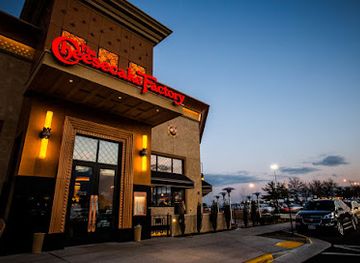
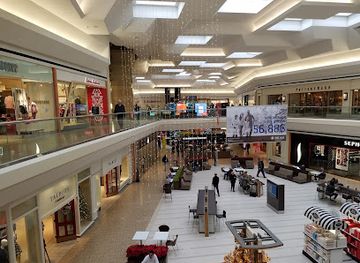
Shopping in the Northern Neck is centred on small town main streets, independent businesses, galleries, antiques, farm stands and seasonal markets rather than large retail complexes. Kilmarnock and nearby Irvington provide a useful concentration of cafés, gifts, books, art and locally oriented shops, while Warsaw, Montross, Reedville and Colonial Beach each offer their own smaller selection of services and speciality retailers. Visitors can look for Chesapeake seafood products, Virginia wine, preserves, baked goods, handmade crafts, artwork, nautical items and regional books. Farmers’ markets and roadside stands are particularly valuable for produce and homemade goods, but their days, seasons and payment methods vary. Antique shops and galleries suit the region’s historic and maritime character, and local museums often have the most informative souvenirs. Plan purchases around your route, as shopping is dispersed and many independent establishments keep more limited hours than suburban or city retailers.
-
Shopping mall
Potomac Mills
Explore Potomac Mills: Virginia's largest outlet mall with over 200 stores, dining options, and family-friendly entertainment for an unforgettable shopping experience.
-
Shopping mall
Fair Oaks Mall
Explore Fair Oaks Mall in Fairfax, VA - Your ultimate shopping destination featuring diverse stores, dining, and entertainment for all ages.
-
Outlet mall
Leesburg Premium Outlets
Explore unbeatable deals and an extensive range of stores at Leesburg Premium Outlets, the premier shopping destination in Virginia for fashion and home goods.
-
Shopping mall
Village at Shirlington
Experience a unique blend of shopping, dining, and entertainment at Village at Shirlington in Arlington, Virginia.

Get your free copy of our complete guide to Northern Neck, delivered straight to you.
Everything on this page, from attractions and restaurants to essentials and local phrases, in one PDF you can read offline, print or share.
Already have an account? Sign in
Your Northern Neck guide is ready.
We'll send it to · Not you? Sign out

Getting your guide ready…
We are putting together a fresh copy of the Northern Neck guide. This can take up to a minute.
This can take a few moments. If your browser asks, choose Allow so the download can start. You'll find the guide in your Downloads folder.
Nothing happened? Download it again
Sorry, the guide is taking longer than usual. Please try again in a minute, or get it by email instead.
Northern Neck essentials
Currency and Payment
Safety
Emergency Situations
Do's and Don'ts
Local Tips
From Eve
Local phrases worth knowing
You don't need to get them perfect. A few words go a long way, and locals appreciate the effort.
Basics
| English | Local | Say it |
|---|---|---|
| Hello | Howdy | [hau-dee] |
| Goodbye | See ya | [see yah] |
| Yes | Yup | [yuhp] |
| No | Nope | [nohp] |
| Please/You're welcome | Sure thing | [shur thing] |
| Thank you | Thanks a bunch | [thanks uh bunch] |
| Excuse me/Sorry | Pardon me | [par-dun me] |
| How are you? | How ya doin'? | [how yah doin'?] |
| Fine. And you? | I’m good, how 'bout you? | [I'm good, how bout yah?] |
| Do you speak English? | Can ya talk English? | [can yah talk English?] |
| I don't understand | I ain't followin' | [I ain't fol-lowin'] |
Eating & Drinking
| English | Local | Say it |
|---|---|---|
| I'd like to see the menu, please | Can I see the menu, please? | [can I see the menu, please?] |
| I don't eat meat | I ain't into meat | [I ain't in-ta meat] |
| Cheers! | Cheers! | [cheers] |
| I would like to pay, please | Can I get the bill, please? | [can I get the bill, please?] |
Emergencies
| English | Local | Say it |
|---|---|---|
| Help! | Help! | [help] |
| Go away! | Leave me be! | [leave me be] |
| Call the Police! | Call the cops! | [call the cops] |
| Call a doctor! | Get a doctor! | [get a doctor] |
| I'm lost | I’m lost | [I'm lost] |
| I'm ill | I ain't feelin' good | [I ain't feelin' good] |
Shopping
| English | Local | Say it |
|---|---|---|
| I'd like to buy... | I wanna buy... | [I wanna buy...] |
| I'm just looking | Just lookin' around | [just lookin' around] |
| How much is it? | What’s the price? | [what's the price?] |
| That's too expensive | That’s a bit pricey | [that’s a bit pricy] |
| Can you lower the price? | Can ya drop the price? | [can yah drop the price?] |
Time & Numbers
| English | Local | Say it |
|---|---|---|
| What time is it? | What time ya got? | [what time yah got?] |
| It's one o'clock | It’s one o’clock | [it's one o'clock] |
| Half past (10) | Half past ten | [half past ten] |
| Morning | Mornin' | [mornin'] |
| Afternoon | Afternoon | [afternoon] |
| Evening | Evenin' | [evenin'] |
| Yesterday | Yestiddy | [yes-tiddy] |
| Today | Today | [today] |
| Tomorrow | Tomorra | [to-mor-rah] |
| 1 | One | [wun] |
| 2 | Two | [too] |
| 3 | Three | [three] |
| 4 | Four | [for] |
| 5 | Five | [five] |
| 6 | Six | [six] |
| 7 | Seven | [sev-en] |
| 8 | Eight | [ate] |
| 9 | Nine | [nine] |
| 10 | Ten | [ten] |
Transport & Directions
| English | Local | Say it |
|---|---|---|
| Where's a/the...? | Where's a...? | [where's a...?] |
| What's the address? | What’s the address? | [what's the address?] |
| Can you show me (on the map)? | Can ya show me on the map? | [can yah show me on the map?] |
| When's the next (bus)? | When's the next bus? | [when's the next bus?] |
| A ticket (to ....) | A ticket to... | [a ticket to...] |
History of Northern Neck
Indigenous Chesapeake Communities
Long before European colonisation, the Northern Neck was inhabited and used by Indigenous peoples whose lives were closely connected to its rivers, forests and tidal marshes. The Rappahannock people maintained communities along the river that bears their name, while other Algonquian-speaking groups occupied or travelled through the wider Chesapeake region. Fishing, shellfish gathering, hunting, agriculture and river travel shaped settlement patterns. Indigenous place names remain part of the regional landscape, although colonial expansion, disease, land loss and political pressure profoundly disrupted Native communities. Contemporary interpretation increasingly acknowledges this earlier history rather than presenting the peninsula as beginning with English settlement.
Colonial Settlement and the Northern Neck Proprietary
English settlement expanded across the Northern Neck during the seventeenth century as Virginia’s colonial economy grew. In 1649, Charles II granted the Northern Neck Proprietary, a vast tract between the Potomac and Rappahannock, to a group of royalist supporters; ownership later passed through the Culpeper and Fairfax families. Tobacco cultivation encouraged the creation of large plantations and river landings, while enslaved Africans and their descendants formed an essential part of the region’s workforce and society. Surviving historic houses, church sites and town plans reflect this period, but they should be understood alongside the coercive labour system that sustained colonial wealth.
Washington’s Birthplace and Colonial Political Culture
The Northern Neck produced several influential figures in early American history. George Washington was born in 1732 at Pope’s Creek in what is now Westmoreland County, and the landscape of tidewater estates, farms and rivers formed part of his early world. Stratford Hall, also in Westmoreland County, was associated with the powerful Lee family and later became the birthplace of Robert E. Lee. These estates illustrate the political influence, architectural ambitions and agricultural wealth of Virginia’s colonial elite. They also offer opportunities to examine the lives of enslaved people whose labour and communities were central to plantation society.
Churches, Courthouses and Growing County Centres
As settlement became more established, county institutions, churches, ferries and market centres created a durable civic framework. Richmond County’s courthouse community at Warsaw, Lancaster County’s historic villages and the older churches scattered through the peninsula demonstrate how local government and Anglican, later Episcopal, institutions shaped public life. The waterways remained the principal transport routes, linking farms and landings with larger Chesapeake markets. Roads and later commercial centres gradually changed that pattern, but the region’s dispersed settlement is still visible in its courthouse towns, small crossroads communities, historic cemeteries and rural architecture.
Maritime Trade, Oysters and Commercial Fishing
The Northern Neck’s rivers and proximity to Chesapeake Bay supported a maritime economy that extended well beyond plantation agriculture. Oysters, fish, crabs and other resources were harvested, processed and transported through waterfront communities. Reedville became particularly associated with the menhaden fishing industry, while smaller landings supported oyster boats, seafood packing and local trade. Watermen developed specialised knowledge of tides, channels and seasonal fisheries, and their work remains part of the region’s identity. Museums and waterfront landscapes preserve aspects of this heritage, even as regulation, ecological change and economic pressures have altered the industry.
The Civil War and the Potomac Borderland
During the American Civil War, the Northern Neck occupied a strategically sensitive position between the Union capital and the Confederate capital, with the Potomac forming a contested boundary on its northern side. Troop movements, coastal and river patrols, local divided loyalties and wartime disruption affected communities across the peninsula. The region was not defined by a single major battlefield, but its roads, waterways and plantations were drawn into the wider conflict. The war and emancipation transformed landownership, labour and social relations, leaving a legacy explored through local histories, cemeteries and historic properties.
Twentieth-Century Roads and a Continuing Rural Identity
Improved roads and bridges in the twentieth century made the Northern Neck more accessible while reinforcing its role as a largely rural part of Virginia rather than a major urban centre. Automobile travel connected county seats, beaches, farms and historic sites, and Colonial Beach developed and retained a recreational identity on the Potomac. At the same time, fishing, farming, forestry and aquaculture remained important. Modern conservation areas and state parks reflect growing attention to shoreline habitats and public recreation. The region today balances heritage tourism and second-home development with working landscapes and longstanding waterfront communities.
Neighbouring regions of Northern Neck
The closest regions to Northern Neck, if you have time for more than one.
-

-

-

-
-


Swipe for more regions
Explore more

Explore more of Virginia
Discover Virginia: A blend of historic landmarks, natural beauty, and vibrant culture perfect for history buffs, nature lovers, and culture seekers.
Explore Virginia