

Free Greater Richmond Region Travel Guide & Mobile App
Explore Greater Richmond Region with free travel guides. Discover regional history, expert tips, proposed trips, and audio guides on web or mobile app.


Explore the Greater Richmond Region for Virginia history, James River trails, art museums, independent dining and countryside beyond the capital.
Read more about Greater Richmond Region
Getting to and around Greater Richmond Region
How to get there
Transportation
Top city travel guides in Greater Richmond Region
The cities of Greater Richmond Region, and the easiest places to base yourself.
-
-
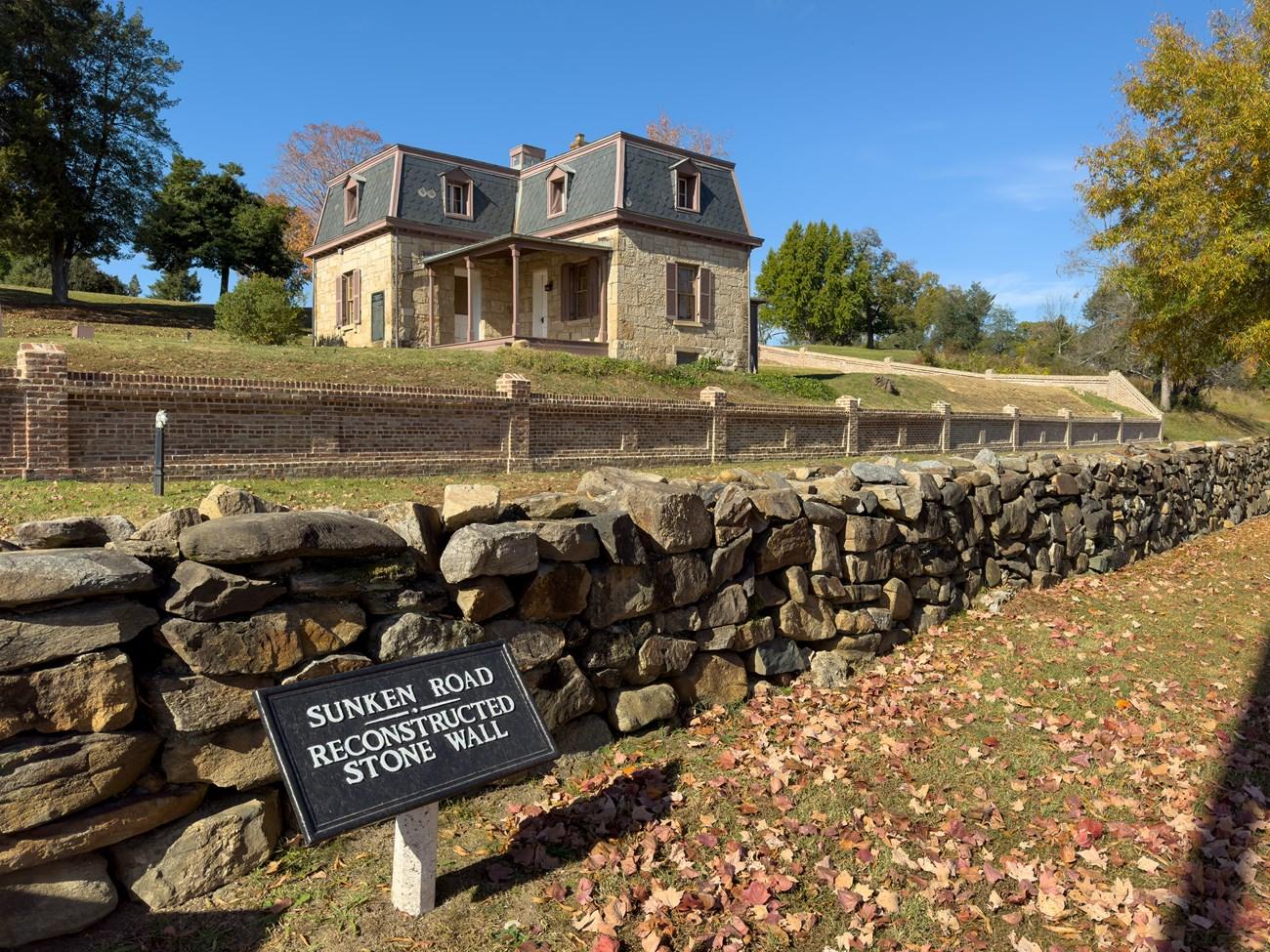 Fredericksburg
Discover Fredericksburg, Virginia: A historic gem with charming streets, vibrant arts, delicious cuisine, and natural beauty, perfect for history buffs, foodies, and nature lovers.
-

-

-

-


Swipe for more cities
Destinations in Greater Richmond Region
Resorts, valleys and scenic spots worth a trip of their own.
-

-


Swipe for more destinations
Best attractions in Greater Richmond Region
Greater Richmond’s attractions range from major museums to wooded river trails and Civil War landscapes. In the city, the Virginia Museum of Fine Arts presents collections spanning several continents and periods, while the Science Museum of Virginia offers hands-on exhibits in a former railway station. The American Civil War Museum and Richmond National Battlefield Park provide different approaches to the conflict, slavery, emancipation and military history. Maymont combines gardens, historic estate grounds and animal habitats, and Lewis Ginter Botanical Garden offers a carefully maintained landscape in Henrico County. The James River Park System threads through the urban area with trails, overlooks, bouldering areas and access to Belle Isle, although the river itself demands caution. South of Richmond, Pocahontas State Park provides forest, lakes, trails and outdoor recreation on a larger scale. Richmond Raceway hosts major motor-racing events, while the surrounding counties offer historic courthouses, rural roads, farms and occasional vineyard and brewery visits. The result is an attraction landscape in which substantial cultural institutions can be combined with short walks, cycling routes and countryside drives.
-
Park
Maymont
Explore the beauty and tranquility of Maymont, a stunning 100-acre estate in Richmond, Virginia, featuring gardens, wildlife, and historic architecture.
-
Art museum
Virginia Museum of Fine Arts
Explore timeless art collections at the Virginia Museum of Fine Arts, Richmond's premier destination for art lovers and cultural enthusiasts.
-
Escape room center
Breakout Games
Experience thrilling escape rooms at Breakout Games Richmond, where teamwork and adventure come together for an unforgettable challenge.
-
Performing arts theater
Altria Theater
Experience the magic of live performances at the historic Altria Theater, a cultural icon in Richmond's vibrant arts scene.


Best landmarks in Greater Richmond Region
The Virginia State Capitol is the region’s foremost civic landmark, occupying a prominent position in Richmond and reflecting the Commonwealth’s continuing political role. Nearby Monument Avenue contains a notable sequence of historic residences, monuments and public spaces, although its memorial landscape has changed substantially in recent years and is best understood in its full historical context. Church Hill is marked by St John’s Church, associated with Patrick Henry’s famous 1775 speech, and by elevated views towards the James River. The Old City Hall’s Victorian Gothic architecture and the streets of Jackson Ward represent different dimensions of Richmond’s civic and African American history. Along the river, the former Tredegar Iron Works provides an industrial landmark and a setting for Civil War interpretation, while Belle Isle’s bridges, rapids and historic remains show how industry and recreation overlap in the James River Park System. Outside the urban core, Hanover County Courthouse is one of Virginia’s oldest continuously used courthouses and gives the northern part of the region a distinctive colonial-era reference point. Pocahontas State Park’s forested lakes and ridges provide a natural counterpart to the city’s built landmarks.
-
Historical landmark
George Washington's Mount Vernon
Discover the rich history of George Washington at Mount Vernon, a beautifully preserved estate and museum that brings 18th-century America to life.
-
Historical landmark
Monticello
Discover the rich history and stunning architecture of Monticello, the iconic home of Thomas Jefferson in Virginia.
-
Escape room center
Breakout Games
Experience thrill and teamwork at Breakout Games, Richmond's premier escape room center offering immersive adventures for all ages.
-
History museum
Colonial Williamsburg
Experience the rich history of Colonial Williamsburg, where the past comes alive through restored buildings, engaging activities, and interactive storytelling.


Explore Greater Richmond Region on the map
Plan your trip on one map. See where the top cities, national parks and sights are, and book hotels and experiences in a few clicks.
Best hotels in Greater Richmond Region
Best restaurants in Greater Richmond Region
Richmond’s dining scene is broad for a regional capital, combining Southern and Mid-Atlantic traditions with contemporary cooking, international restaurants, bakeries, cafés and food-focused breweries. Menus often draw on Virginia produce, seasonal vegetables, seafood from the wider Chesapeake and coastal region, peanuts, ham and locally made bread, although not every dish served locally is uniquely Richmondian. Neighbourhoods such as the Fan, Carytown, Church Hill, Scott’s Addition and Shockoe contain particularly dense concentrations of restaurants and cafés, while Henrico and Chesterfield add suburban dining clusters. Traditional diners, barbecue restaurants and neighbourhood pubs sit alongside chef-led establishments and vegetarian-friendly venues. Farmers’ markets provide opportunities to buy fruit, vegetables, baked goods and Virginia-made products directly from producers. Visitors should expect American portion sizes and customary service charges or tipping practices to be handled separately from listed menu prices. The region’s craft-brewing culture is also closely connected with its food scene, providing casual settings for meals as well as drinks.
-
Seafood
The Boathouse at Rocketts Landing
Experience exquisite seafood dining with breathtaking waterfront views at The Boathouse at Rocketts Landing in Richmond.
-
Seafood
The Boathouse at Short Pump Town Center
Discover The Boathouse at Short Pump Town Center – where fresh seafood meets vibrant ambiance for an unforgettable dining experience.
-
Southern
LUNCH.SUPPER!
Experience authentic Southern cuisine at LUNCH.SUPPER! in Richmond's historic Scott's Addition district—where flavor meets hospitality.
-
Southern
Mama J's Kitchen
Savor authentic Southern cuisine at Mama J's Kitchen in Richmond—a culinary gem blending tradition with warmth.
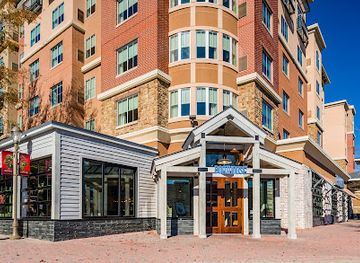
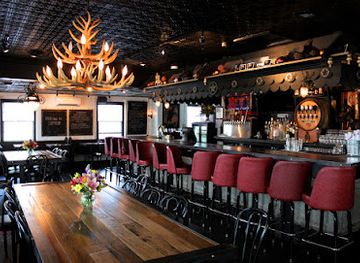

Best bars in Greater Richmond Region
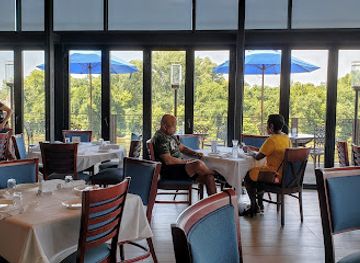
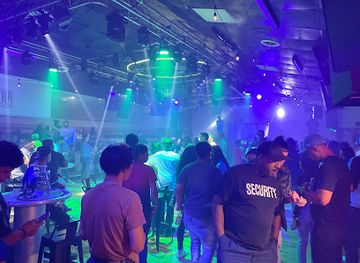
Evening life is concentrated mainly in Richmond rather than the more dispersed outer counties. Historic pubs and neighbourhood bars can be found around Church Hill, the Fan, Carytown and Shockoe, while Scott’s Addition is known for its collection of breweries, cider and spirits venues in converted industrial surroundings. The city also has cocktail bars, wine bars, live-music rooms, comedy and theatre venues, and restaurants that remain active into the evening. Nightclubs exist but do not define the entire region’s nightlife, and the atmosphere varies considerably by neighbourhood and day of the week. Henrico and Chesterfield offer suburban bars, breweries and restaurant-based evenings, while rural Goochland and Powhatan generally favour country inns, breweries, wineries and early-closing dining rather than late-night entertainment. Check current venue arrangements before travelling, particularly for performances and seasonal events, and plan a safe journey home rather than relying on a late public transport connection.
-
Bar
Capital Ale House
Discover the vibrant Capital Ale House in Richmond, VA – your go-to spot for craft beer, delicious German dishes, and lively entertainment.
-
Pub
Penny Lane Pub
Discover the lively atmosphere and delectable European cuisine at Penny Lane Pub, a must-visit destination in Richmond, Virginia.
-
Irish pub
Siné Irish Pub
Siné Irish Pub: A lively Irish-American pub in Richmond with delicious food, craft beers, and vibrant live music, perfect for every traveler.
-
Bar
Fall Line Kitchen & Bar
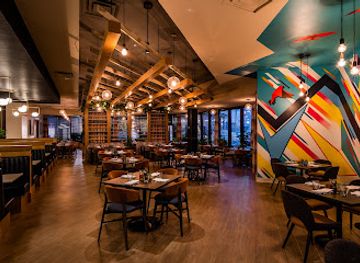
Experience the best of Richmond's culinary scene at Fall Line Kitchen & Bar, where local ingredients meet innovative cuisine in a vibrant atmosphere.
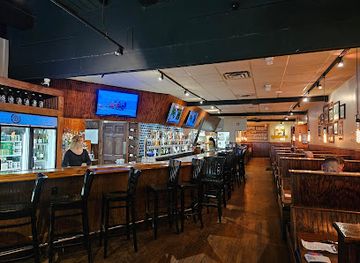
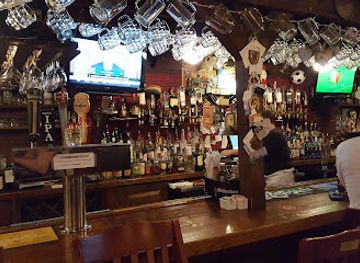

Best nightclubs in Greater Richmond Region
Evening life is concentrated mainly in Richmond rather than the more dispersed outer counties. Historic pubs and neighbourhood bars can be found around Church Hill, the Fan, Carytown and Shockoe, while Scott’s Addition is known for its collection of breweries, cider and spirits venues in converted industrial surroundings. The city also has cocktail bars, wine bars, live-music rooms, comedy and theatre venues, and restaurants that remain active into the evening. Nightclubs exist but do not define the entire region’s nightlife, and the atmosphere varies considerably by neighbourhood and day of the week. Henrico and Chesterfield offer suburban bars, breweries and restaurant-based evenings, while rural Goochland and Powhatan generally favour country inns, breweries, wineries and early-closing dining rather than late-night entertainment. Check current venue arrangements before travelling, particularly for performances and seasonal events, and plan a safe journey home rather than relying on a late public transport connection.
-
Fusion restaurant
Kabana Rooftop
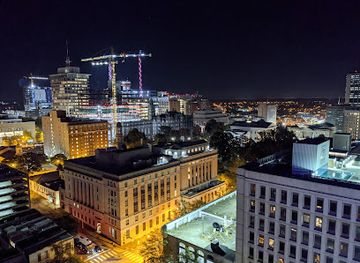
Experience a culinary adventure at Kabana Rooftop, where American flavors meet global influences against a stunning city skyline backdrop.
-
Gay bar
Babe's of Carytown
Discover the lively ambiance of Babe's of Carytown, a gay bar featuring karaoke, live music, and an inclusive community atmosphere in Richmond, VA.
-
Bar
Wonderland
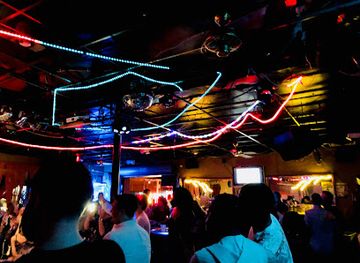
Discover the vibrant nightlife at Wonderland, a lively bar in Richmond's Shockoe Bottom with crafted cocktails, live music, and an unforgettable atmosphere.
-
Night club
Tropicabana
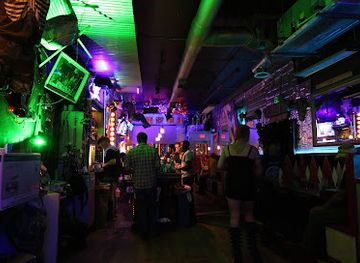
Experience the vibrant nightlife at Tropicabana in Richmond, VA, where music, dancing, and fun come together for an unforgettable evening.
Best shops in Greater Richmond Region
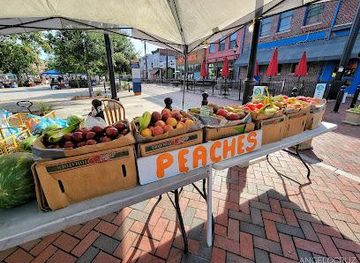
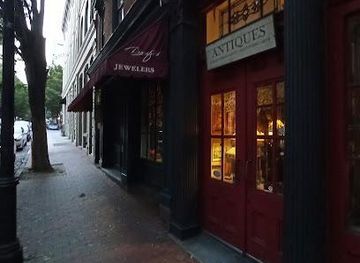
Shopping in Greater Richmond ranges from independent urban districts to suburban centres and open-air markets. Carytown is the best-known compact shopping area in the city, with specialist retailers, gifts, clothing, books, food and cafés along a walkable commercial strip. The Fan and nearby Museum District add independent boutiques, galleries and design-oriented shops, while Scott’s Addition combines retail with breweries and newer food businesses. Suburban Short Pump has a large concentration of national retailers and restaurants, making it more convenient for conventional department-store and brand shopping than for historic streetscapes. Farmers’ markets across the metropolitan area are useful for Virginia produce, baked goods, flowers and locally made products, although locations and seasonal schedules vary. Appropriate regional purchases include Virginia foodstuffs, locally produced drinks, crafts, artwork, books on the state’s history and small-batch pantry goods. Antique shops, galleries and independent makers are more characteristic of Richmond’s older neighbourhoods than of the major suburban retail corridors.
-
Gift shop
Virginia Museum of Fine Arts Shop
Explore the Virginia Museum of Fine Arts Shop for unique gifts and art-inspired treasures that capture the spirit of creativity.
-
Event venue
17th Street Market
Discover the heart of Richmond at the 17th Street Market, where local culture, food, and community come alive in a vibrant event venue.
-
Antique store
Antique Boutique & Delectable
Explore a unique blend of antiques and delightful treats at Antique Boutique & Delectable in Richmond, VA. A must-see for treasure hunters and food lovers alike.
Get your free copy of our complete guide to Greater Richmond Region, delivered straight to you.
Everything on this page, from attractions and restaurants to essentials and local phrases, in one PDF you can read offline, print or share.
Already have an account? Sign in
Your Greater Richmond Region guide is ready.
We'll send it to · Not you? Sign out

Getting your guide ready…
We are putting together a fresh copy of the Greater Richmond Region guide. This can take up to a minute.
This can take a few moments. If your browser asks, choose Allow so the download can start. You'll find the guide in your Downloads folder.
Nothing happened? Download it again
Sorry, the guide is taking longer than usual. Please try again in a minute, or get it by email instead.
Greater Richmond Region essentials
Currency and Payment
Safety
Emergency Situations
Do's and Don'ts
Local Tips
From Eve
Local phrases worth knowing
You don't need to get them perfect. A few words go a long way, and locals appreciate the effort.
Basics
| English | Local | Say it |
|---|---|---|
| Hello | Hey | [Hay] |
| Goodbye | See ya | [See yah] |
| Yes | Yep | [Yep] |
| No | Nope | [Nope] |
| Please/You're welcome | Sure thing | [Shur thing] |
| Thank you | Thanks | [Thangs] |
| Excuse me/Sorry | Pardon me | [Pardon me] |
| How are you? | How ya doin'? | [How ya doin'?] |
| Fine. And you? | Good. And you? | [Good. An' you?] |
| Do you speak English? | You speakin' English? | [You speakin' English?] |
| I don't understand | I ain't gettin' it | [I ain't gettin' it] |
Eating & Drinking
| English | Local | Say it |
|---|---|---|
| I'd like to see the menu, please | Can I see the menu? | [Can I see the menu?] |
| I don't eat meat | I'm a vegetarian | [I'm a vegetarian] |
| Cheers! | Cheers! | [Cheers!] |
| I would like to pay, please | Can I get the check? | [Can I get the check?] |
Emergencies
| English | Local | Say it |
|---|---|---|
| Help! | Help! | [Help!] |
| Go away! | Leave me alone! | [Leave me alone!] |
| Call the Police! | Call the cops! | [Call the cops!] |
| Call a doctor! | Call a doc! | [Call a doc!] |
| I'm lost | I'm turned around | [I'm turned around] |
| I'm ill | I'm not feelin' well | [I'm not feelin' well] |
Shopping
| English | Local | Say it |
|---|---|---|
| I'd like to buy... | I wanna buy... | [I wanna buy...] |
| I'm just looking | Just browsing | [Just browsing] |
| How much is it? | How much's this? | [How much's this?] |
| That's too expensive | That's real pricey | [That's real pricey] |
| Can you lower the price? | Can you knock down the price? | [Can you knock down the price?] |
Time & Numbers
| English | Local | Say it |
|---|---|---|
| What time is it? | What's the time? | [What's the time?] |
| It's one o'clock | It's one | [It's one] |
| Half past (10) | Half past ten | [Half past ten] |
| Morning | Mornin' | [Mornin'] |
| Afternoon | Afternoon | [Afternoon] |
| Evening | Evenin' | [Evenin'] |
| Yesterday | Yesterday | [Yesterday] |
| Today | Today | [Today] |
| Tomorrow | Tomorrow | [Tomorrow] |
| 1 | One | [One] |
| 2 | Two | [Two] |
| 3 | Three | [Three] |
| 4 | Four | [Four] |
| 5 | Five | [Five] |
| 6 | Six | [Six] |
| 7 | Seven | [Seven] |
| 8 | Eight | [Eight] |
| 9 | Nine | [Nine] |
| 10 | Ten | [Ten] |
Transport & Directions
| English | Local | Say it |
|---|---|---|
| Where's a/the...? | Where's a ...? | [Where's a ...?] |
| What's the address? | What's the address? | [What's the address?] |
| Can you show me (on the map)? | Can you show me on the map? | [Can you show me on the map?] |
| When's the next (bus)? | When's the next bus? | [When's the next bus?] |
| A ticket (to ....) | A ticket to ... | [A ticket to ...] |
History of Greater Richmond Region
Indigenous Peoples and the James River
Long before European settlement, the James River valley supported Indigenous communities, including peoples associated with the Powhatan paramount chiefdom. The river was a route for movement, fishing, trade and communication, while the fall line at Richmond marked an important change in river navigation. European colonisation transformed these landscapes through land appropriation, disease, warfare and new systems of labour and trade. The region’s modern cities, roads and historic sites occupy land with a much older human history, although that Indigenous past has often been underrepresented in traditional accounts.
Richmond’s Colonial Foundation and Capital Status
Richmond was established as a town in 1737 by William Byrd II and named after Richmond in England, whose view of the Thames was said to resemble the James River landscape. Its position at the river falls made it a useful point for commerce and transport between the Piedmont and Tidewater. Richmond became Virginia’s capital in 1780, replacing Williamsburg during the American Revolution. The Capitol and surrounding civic buildings helped establish the city as the political centre of the Commonwealth, a role it retains today.
Plantation Economy and Enslaved Labour
The wider Richmond region developed within Virginia’s tobacco-based plantation economy, which depended heavily on the labour and expertise of enslaved Africans and African Americans. Richmond’s river port and warehouses connected inland producers with Atlantic commerce, including the domestic trade in enslaved people. Historic landscapes in the surrounding counties preserve elements of plantation-era architecture and agriculture, but their interpretation must also address the coercion and family disruption behind the economy. Jackson Ward and other Black communities later became important centres of enterprise, culture and political organisation.
Industrial Growth at the Fall Line
The James River’s fall line supplied water power for mills and encouraged manufacturing in and around Richmond. Flour milling, ironworking, tobacco processing and other industries expanded during the nineteenth century, while canals, railways and bridges strengthened the city’s links with the interior. Tredegar Iron Works became one of the most important industrial sites in the region and supplied the Confederacy during the American Civil War. Much of Richmond’s later industrial landscape grew from this combination of river power, transport infrastructure and commercial access.
Civil War, Confederate Capital and Emancipation
Richmond served as the capital of the Confederate States of America from 1861 until its evacuation in April 1865. The city was a major political, industrial and military centre, and nearby battlefields formed part of the campaigns that eventually brought Union forces to the capital. The war ended slavery in the region through emancipation and the Union victory, although the transition to freedom was contested and incomplete. Richmond’s museums, battlefield earthworks, cemeteries and historic districts continue to interpret this period from multiple perspectives.
Reconstruction, Civil Rights and Jackson Ward
After the Civil War, Richmond became a significant centre of Black political life, education, business and journalism. Jackson Ward developed into a nationally important African American commercial district, supported by institutions such as banks, churches and professional offices. Segregation, discriminatory laws and later urban renewal damaged established communities, while twentieth-century civil rights campaigns challenged unequal schooling, housing and public services. The legacy of these struggles remains visible in the city’s neighbourhoods, museums, monuments and ongoing debates about memory and public space.
Modern Metropolitan and River Renewal
During the twentieth century, suburban growth spread beyond Richmond into Henrico, Chesterfield and Hanover counties, producing the region’s present metropolitan pattern of distinct municipalities and county communities. Former industrial sites and river infrastructure have increasingly been adapted for parks, trails, cultural venues, breweries and restaurants. The James River Park System became an important recreational resource within the urban area, while the region’s economy broadened into government, education, healthcare, finance, technology and creative industries. Contemporary Richmond reflects both its historic capital role and a changing metropolitan identity.
Greater Richmond Region in Photos
Browse through our photo collection highlighting the charm and character of the destination.
Neighbouring regions of Greater Richmond Region
The closest regions to Greater Richmond Region, if you have time for more than one.
-

-
-

-

-


Swipe for more regions
Explore more

Explore more of Virginia
Discover Virginia: A blend of historic landmarks, natural beauty, and vibrant culture perfect for history buffs, nature lovers, and culture seekers.
Explore Virginia