

Free Historic Triangle Travel Guide & Mobile App
Explore Historic Triangle with free travel guides. Discover regional history, expert tips, proposed trips, and audio guides on web or mobile app.


Explore Williamsburg, Jamestown and Yorktown for colonial history, Revolutionary battlefields, museums, riverside landscapes and Virginia dining.
Read more about Historic Triangle
Getting to and around Historic Triangle
How to get there
Transportation
Top city travel guides in Historic Triangle
The cities of Historic Triangle, and the easiest places to base yourself.

Swipe for more cities
Destinations in Historic Triangle
Resorts, valleys and scenic spots worth a trip of their own.
-

-


Swipe for more destinations
Best attractions in Historic Triangle
The Historic Triangle’s attractions are organised around three complementary historical environments. Colonial Williamsburg offers a large, walkable district of restored and reconstructed buildings, craft workshops, gardens, public spaces and interpretive programmes, while the nearby Art Museums of Colonial Williamsburg add important collections of American and British decorative and folk art. Jamestown divides into two distinct experiences: archaeological Jamestown Island within Colonial National Historical Park, with ruins, excavation areas and river landscapes, and Jamestown Settlement, whose galleries and full-scale replicas interpret the colony, Powhatan society and transatlantic arrival. Yorktown combines the American Revolution Museum at Yorktown with the National Park Service battlefield, where roads, fields and earthworks reveal the scale of the 1781 campaign. The York River waterfront adds walking, small-boat and maritime perspectives. Across the region, gardens, historic trades, seasonal programmes and living-history interpretation broaden the experience beyond conventional museum visits, while the area’s rivers, woods and open fields offer a strong sense of the landscape in which these events unfolded.
-
Tourist attraction
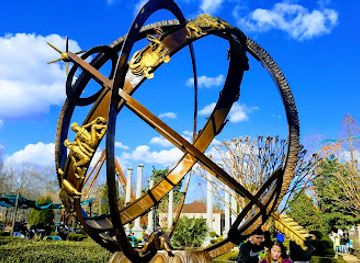
Busch Gardens Williamsburg
Experience the excitement of Busch Gardens Williamsburg, a captivating theme park with thrilling rides, stunning landscapes, and unforgettable entertainment.
-
Water park
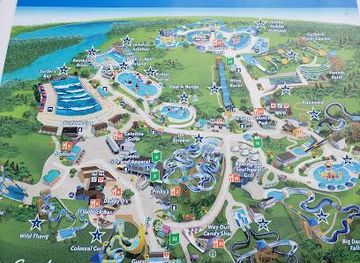
Water Country USA
Experience the excitement of Water Country USA, Virginia's premier water park, featuring thrilling rides, family-friendly attractions, and endless summer fun.
-
History museum
Colonial Williamsburg
Experience America's colonial past at Colonial Williamsburg, a vibrant historical museum with immersive reenactments and authentic 18th-century architecture.
-
History museum
Jamestown Settlement
Immerse yourself in early American history at Jamestown Settlement, where the story of the first permanent English settlement unfolds.

Best landmarks in Historic Triangle
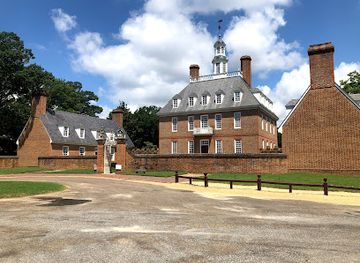
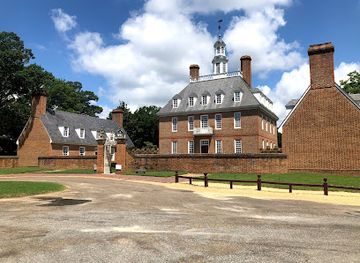
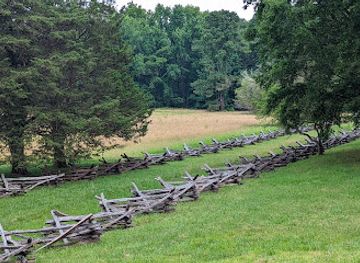
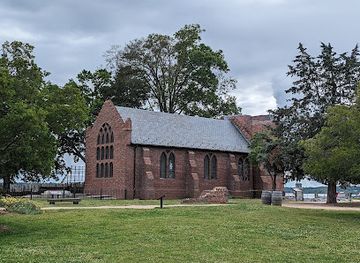
The most recognisable landmark group is Colonial Williamsburg’s restored eighteenth-century core, where the Capitol, Governor’s Palace, Bruton Parish Church and the College of William & Mary express the political, religious and educational importance of Virginia’s former capital. At Jamestown, the church tower and archaeological remains on Jamestown Island mark the first permanent English settlement, while the surrounding James River landscape explains both its strategic appeal and its environmental difficulties. Yorktown’s historic town, waterfront and reconstructed defensive features connect the community to the 1781 siege, and the battlefield’s surviving earthworks give physical form to the campaign’s military geography. The York River and James River are landmarks in their own right: navigable waterways that shaped settlement, trade, warfare and communication. The Colonial Parkway links the principal historic areas through woodland and estuarine scenery, creating a designed historic landscape rather than simply a road between attractions. Together these places show how architecture, archaeology, topography and water shaped the region’s place in American history.
-
Tourist attraction
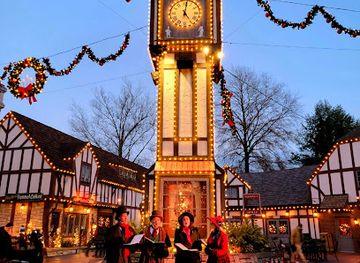
Busch Gardens Williamsburg
Discover the ultimate family-friendly amusement park experience at Busch Gardens Williamsburg, featuring thrilling rides, live entertainment, and delicious cuisine.
-
Historical landmark
Colonial Williamsburg
Discover the heart of America at Colonial Williamsburg, where history comes alive through immersive experiences and charming colonial architecture.
-
 History museum
Jamestown Settlement
Discover the origins of America at Jamestown Settlement, where history comes alive through immersive exhibits and engaging living history experiences.
-
Historical place
Yorktown Battlefield
Explore the historic Yorktown Battlefield, where the American Revolution came to a dramatic conclusion amidst stunning landscapes and rich heritage.
Explore Historic Triangle on the map
Plan your trip on one map. See where the top cities, national parks and sights are, and book hotels and experiences in a few clicks.
Best hotels in Historic Triangle
Best restaurants in Historic Triangle
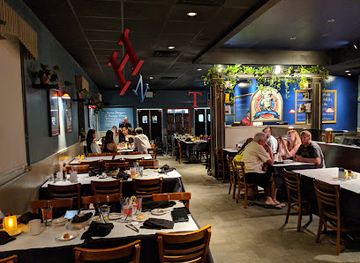
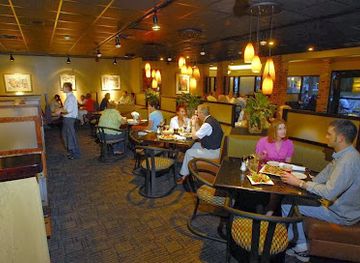
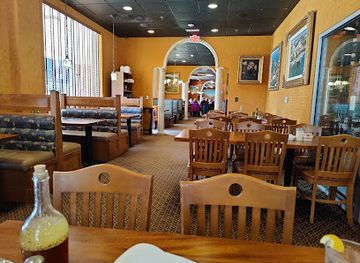
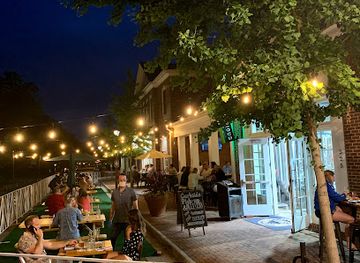
Dining in the Historic Triangle ranges from polished restaurants and independent cafés in Williamsburg to seafood-oriented establishments, traditional American cooking and relaxed waterfront meals in Yorktown. Virginia ingredients commonly appear in seasonal menus, including oysters and other seafood from the Chesapeake region, local vegetables, peanuts, corn, apples and regional meats. Williamsburg’s historic district and surrounding commercial areas provide the widest choice, from casual breakfast rooms and bakeries to restaurants drawing on colonial-era ingredients or modern Southern cooking; such interpretations should not be mistaken for a single preserved colonial cuisine. Yorktown offers a more compact dining scene, with river views and an emphasis on informal meals, while rural roads around the region lead to farm stands and occasional country-style establishments. Virginia wines and locally produced beers are widely available, and cider is another regional choice. Farmers’ markets and speciality food shops are useful for picnics, snacks and edible souvenirs, particularly when spending a full day at outdoor sites.
-
Restaurant
Food For Thought
Discover innovative American cuisine at Food For Thought in Williamsburg - where fresh ingredients meet creative dining.
-
American
Second Street American Bistro
Discover culinary excellence at Second Street American Bistro in Williamsburg - where tradition meets innovation in every dish.
-
Italian
Sal's By Victor
Experience authentic Italian flavors at Sal's By Victor in Williamsburg—where every meal is a celebration of tradition and taste.
-
American
Amber Ox Public House
Discover the flavors of Southern cuisine at Amber Ox Public House in Williamsburg – where farm-fresh ingredients meet culinary creativity.
Best bars in Historic Triangle
Evenings in the Historic Triangle are generally restrained rather than dominated by a large nightclub scene. Williamsburg has the broadest choice, including traditional pubs, hotel bars, craft-beer venues, cocktail-focused rooms, casual restaurants and occasional live music or theatrical programming. The presence of William & Mary creates a younger social culture around parts of the town, although the atmosphere varies with the academic calendar. Colonial Williamsburg and other heritage organisations may offer evening interpretation, performances or seasonal events, but arrangements change and should be checked in advance. Yorktown’s waterfront and historic streets are suited to an early dinner, a drink or a waterside stroll, while rural parts of the region are quieter and depend on inns and local restaurants. Visitors interested in Virginia beer, cider or wine can find regional products on drinks lists and at tasting venues, but responsible planning is important because attractions and accommodation are spread across a partially rural area.
-
Battle site
Yorktown Battlefield
Discover the historical significance of Yorktown Battlefield, where the American Revolution reached its climax, offering a blend of education and scenic beauty.
-
American
Second Street American Bistro
Savor the unique American flavors at Second Street American Bistro, a charming dining destination in Williamsburg, Virginia.
-
Seafood
Yorktown Pub
Discover the vibrant flavors of fresh seafood at Yorktown Pub, where coastal charm meets a lively atmosphere in beautiful Yorktown, Virginia.
-
Seafood
Berret's Seafood Restaurant and Taphouse Grill
Experience the vibrant flavors of Virginia's coastline at Berret's Seafood Restaurant and Taphouse Grill in historic Williamsburg.

Best nightclubs in Historic Triangle
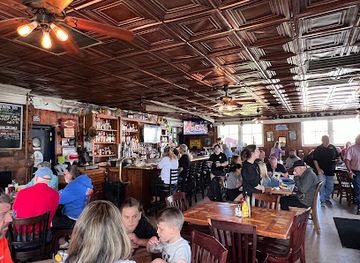
Evenings in the Historic Triangle are generally restrained rather than dominated by a large nightclub scene. Williamsburg has the broadest choice, including traditional pubs, hotel bars, craft-beer venues, cocktail-focused rooms, casual restaurants and occasional live music or theatrical programming. The presence of William & Mary creates a younger social culture around parts of the town, although the atmosphere varies with the academic calendar. Colonial Williamsburg and other heritage organisations may offer evening interpretation, performances or seasonal events, but arrangements change and should be checked in advance. Yorktown’s waterfront and historic streets are suited to an early dinner, a drink or a waterside stroll, while rural parts of the region are quieter and depend on inns and local restaurants. Visitors interested in Virginia beer, cider or wine can find regional products on drinks lists and at tasting venues, but responsible planning is important because attractions and accommodation are spread across a partially rural area.
-
Battle site
Yorktown Battlefield
Discover Yorktown Battlefield, a historic site where the American Revolution reached its climax, blending educational experiences with stunning natural beauty.
-
Historical place museum
Jamestown Glasshouse
Explore the historic Jamestown Glasshouse, where colonial glass artistry meets modern craftsmanship in Williamsburg, Virginia.
-
Sports bar
Brickhouse Tavern Williamsburg
Experience the lively atmosphere of Brickhouse Tavern in Williamsburg, where sports, food, and dancing unite for an unforgettable night out.
-
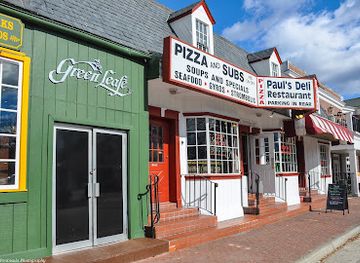
Restaurant
Green Leafe Cafe
Experience the warmth and flavor of Green Leafe Cafe in Williamsburg, VA, a perfect dining spot for tourists exploring this historic city.

Best shops in Historic Triangle
Williamsburg provides the Historic Triangle’s most varied shopping, with independent boutiques, bookshops, galleries, craft retailers, speciality food stores and the commercial areas surrounding the historic district. Colonial Williamsburg’s shops focus on historically inspired reproductions, decorative arts, clothing, pewter, pottery, books and traditional craft products; visitors should distinguish these contemporary goods from surviving eighteenth-century objects. The historic area and nearby merchants also offer Virginia foods, teas, preserves, sweets and regional drinks that travel well. Yorktown has a smaller selection of galleries, gift shops, antiques and locally themed retailers concentrated around the historic town and waterfront. Farm stands and seasonal markets in the surrounding countryside can be useful for fresh produce, peanuts, baked goods and other provisions, though availability varies by season. Shopping is generally strongest in independent and heritage-related goods rather than large-scale luxury retail, and specific market days, shop hours and seasonal offerings should be checked before making a special journey.
-
Shopping mall
Colonial Williamsburg's Merchants Square
Explore Merchants Square, a charming shopping destination in Colonial Williamsburg, blending rich history with delightful shops and dining options.
-
Archaeological museum
Historic Jamestowne
Discover the roots of American history at Historic Jamestowne, the site of the first permanent English settlement in the New World, nestled in Virginia.
-
Candy store
Wythe Candy & Gourmet Shop
Experience the sweet charm of Wythe Candy & Gourmet Shop in Williamsburg, where gourmet candies and unique gifts create unforgettable memories.
-
Nut store
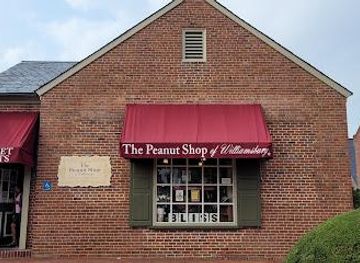
The Peanut Shop of Williamsburg
Explore The Peanut Shop of Williamsburg for a taste of deliciously roasted nuts and unique local gifts in a charming historic setting.

Get your free copy of our complete guide to Historic Triangle, delivered straight to you.
Everything on this page, from attractions and restaurants to essentials and local phrases, in one PDF you can read offline, print or share.
Already have an account? Sign in
Your Historic Triangle guide is ready.
We'll send it to · Not you? Sign out

Getting your guide ready…
We are putting together a fresh copy of the Historic Triangle guide. This can take up to a minute.
This can take a few moments. If your browser asks, choose Allow so the download can start. You'll find the guide in your Downloads folder.
Nothing happened? Download it again
Sorry, the guide is taking longer than usual. Please try again in a minute, or get it by email instead.
Historic Triangle essentials
Currency and Payment
Safety
Emergency Situations
Do's and Don'ts
Local Tips
From Eve
Local phrases worth knowing
You don't need to get them perfect. A few words go a long way, and locals appreciate the effort.
Basics
| English | Local | Say it |
|---|---|---|
| Hello | Howdy | [haʊdi] |
| Goodbye | Farewell | [fɛrˈwɛl] |
| Yes | Yup | [jʌp] |
| No | Nope | [noʊp] |
| Please/You're welcome | Sure thing | [ʃʊr θɪŋ] |
| Thank you | Thanks | [θæŋks] |
| Excuse me/Sorry | Pardon me | [ˈpɑrdən mi] |
| How are you? | How ya doin'? | [haʊ jə ˈduɪn] |
| Fine. And you? | Good. And you? | [ɡʊd ənd ju] |
| Do you speak English? | Do ya speak English? | [du jə spiːk ˈɪŋɡlɪʃ] |
| I don't understand | I ain't followin' | [aɪ eɪnt ˈfɑloʊɪn] |
Eating & Drinking
| English | Local | Say it |
|---|---|---|
| I'd like to see the menu, please | Can I see the menu, please? | [kæn aɪ si ðə ˈmɛnju pliz] |
| I don't eat meat | I ain't eatin' meat | [aɪ eɪnt ˈiːtɪn miːt] |
| Cheers! | Cheers! | [ʧɪrz] |
| I would like to pay, please | I'd like to settle up, please | [aɪd laɪk tə ˈsɛtəl ʌp pliz] |
Emergencies
| English | Local | Say it |
|---|---|---|
| Help! | Help! | [hɛlp] |
| Go away! | Beat it! | [biːt ɪt] |
| Call the Police! | Call the cops! | [kɔl ðə kɑps] |
| Call a doctor! | Get a doctor! | [ɡɛt ə ˈdɑktər] |
| I'm lost | I'm turned around | [aɪm tɜrnd əˈraʊnd] |
| I'm ill | I'm feelin' unwell | [aɪm ˈfiːlɪn ʌnˈwɛl] |
Shopping
| English | Local | Say it |
|---|---|---|
| I'd like to buy... | I wanna buy... | [aɪ ˈwɑnə baɪ] |
| I'm just looking | Just browsing | [dʒʌst ˈbraʊzɪŋ] |
| How much is it? | What's the price? | [wʌts ðə praɪs] |
| That's too expensive | That's a bit pricey | [ðæts ə bɪt ˈpraɪsi] |
| Can you lower the price? | Can ya bring the price down? | [kæn jə brɪŋ ðə praɪs daʊn] |
Time & Numbers
| English | Local | Say it |
|---|---|---|
| What time is it? | What time ya got? | [wʌt taɪm jə ɡɒt] |
| It's one o'clock | It's one o'clock | [ɪts wʌn əˈklɒk] |
| Half past (10) | Half past ten | [hæf pæst tɛn] |
| Morning | Mornin' | [ˈmɔrnɪn] |
| Afternoon | Afternoon | [ˌɑːftərˈnuːn] |
| Evening | Evenin' | [ˈiːvnɪn] |
| Yesterday | Yesterday | [ˈjɛstərdeɪ] |
| Today | Today | [təˈdeɪ] |
| Tomorrow | Tomorrow | [təˈmɔroʊ] |
| 1 | One | [wʌn] |
| 2 | Two | [tu] |
| 3 | Three | [θri] |
| 4 | Four | [fɔr] |
| 5 | Five | [faɪv] |
| 6 | Six | [sɪks] |
| 7 | Seven | [ˈsɛvən] |
| 8 | Eight | [eɪt] |
| 9 | Nine | [naɪn] |
| 10 | Ten | [tɛn] |
Transport & Directions
| English | Local | Say it |
|---|---|---|
| Where's a/the...? | Where's the...? | [wɛrz ðə] |
| What's the address? | What's the address? | [wʌts ði əˈdrɛs] |
| Can you show me (on the map)? | Can ya point it out? | [kæn jə pɔɪnt ɪt aʊt] |
| When's the next (bus)? | When's the next bus? | [wɛnəz ðə nɛkst bʌs] |
| A ticket (to ....) | A ticket to ... | [ə ˈtɪkɪt tə] |
History of Historic Triangle
Powhatan Tsenacommacah Before English Settlement
Long before Jamestown, the region formed part of Tsenacommacah, the political and cultural world of the Powhatan paramount chiefdom. Communities lived in established villages, cultivated crops including maize, hunted, fished and traded across the coastal plain and river systems. Werowocomoco, a major Powhatan centre on the York River, lay within the wider landscape of early colonial encounters. Understanding this Indigenous history is essential: the English arrival did not introduce civilisation to an empty wilderness, but inserted a new and often coercive power into an occupied and organised world.
Jamestown and the Virginia Colony, 1607
In 1607 the Virginia Company established Jamestown on an island in the James River, creating the first permanent English settlement in what became the United States. The location offered defensive advantages and access to navigable water, but disease, hunger, conflict and unstable supplies placed the colony under severe pressure. Archaeological work at Jamestown has transformed understanding of the settlement, revealing its changing fortifications, economy and population. The site also represents the beginning of sustained English colonisation in the region, with consequences for Powhatan communities and the Atlantic world.
Virginia’s Colonial Capital at Williamsburg
Williamsburg became Virginia’s capital in 1699, replacing Jamestown, whose island location had become increasingly inconvenient. Its position between the James and York rivers supported administration, commerce and political life. During the eighteenth century the town developed around the Capitol, the Governor’s Palace, the College of William & Mary and a network of residences and workshops. Williamsburg hosted debates over imperial authority, taxation and self-government before and during the American Revolution. The later preservation and reconstruction of the colonial town created one of the United States’ most influential living-history environments.
Slavery, Plantation Society and African American Life
Virginia’s colonial economy and political order depended heavily on enslaved African labour. Enslaved people worked in agriculture, domestic service, skilled trades and urban households, including in Williamsburg and the surrounding plantations. Africans and their descendants built communities, maintained cultural practices and shaped the region’s economy despite systematic denial of freedom and rights. The history of the Historic Triangle therefore extends beyond governors and revolutionary leaders to include resistance, family life, craft, religion and the continuing struggle for liberty. Museums and historic sites increasingly interpret these experiences as central rather than incidental to the region’s past.
Yorktown and the American Revolution, 1781
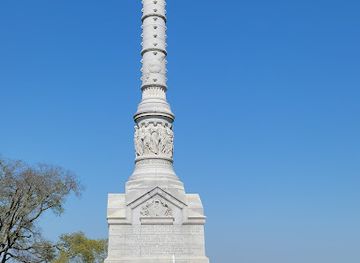
In the autumn of 1781, American and French forces trapped the British army commanded by Charles Cornwallis at Yorktown. The siege involved fortified lines, artillery and naval pressure on the York River, compelling the British surrender on 19 October. Fighting continued elsewhere afterwards, but the Yorktown campaign effectively ended major military operations in the American Revolutionary War and encouraged peace negotiations. The battlefield, town and surrounding earthworks preserve the physical setting of this turning point, while museums explain the international dimensions of the conflict and the unresolved question of who would enjoy the promised ideals of liberty.
Preservation and the Modern Historic Triangle
Interest in the region’s colonial past grew during the nineteenth and early twentieth centuries, culminating in major preservation initiatives. Colonial Williamsburg was established through the restoration and reconstruction of the old capital, supported by John D. Rockefeller Jr. and launched publicly in the 1930s. Jamestown and Yorktown became part of the National Colonial Park, later Colonial National Historical Park, in the twentieth century. These projects shaped American ideas about historic interpretation and tourism, while later scholarship broadened the narrative to include Indigenous peoples, enslaved Africans, women, labourers and the international context of colonisation and revolution.
Historic Triangle in Photos
Browse through our photo collection highlighting the charm and character of the destination.
Neighbouring regions of Historic Triangle
The closest regions to Historic Triangle, if you have time for more than one.
-

-

-

-

-


Swipe for more regions
Explore more

Explore more of Virginia
Discover Virginia: A blend of historic landmarks, natural beauty, and vibrant culture perfect for history buffs, nature lovers, and culture seekers.
Explore Virginia