

Free The Blue Mountains Travel Guide & Mobile App
Explore The Blue Mountains with free travel guides. Discover regional history, expert tips, proposed trips, and audio guides on web or mobile app.


Explore Washington’s Blue Mountains for forested wilderness, high-country trails, historic foothill towns and the agricultural landscapes of the southeast.
Read more about The Blue Mountains
Getting to and around The Blue Mountains
How to get there
Transportation
Best attractions in The Blue Mountains
The Blue Mountains offer a public-land landscape rather than a collection of concentrated visitor attractions. The Umatilla National Forest provides the broadest range of experiences, from forest roads and campgrounds to fishing, picnicking, wildlife observation and trails leading into quieter upland country. The Wenaha–Tucannon Wilderness is the region’s principal destination for experienced hikers seeking rugged canyons, open ridges and long-distance walking, with access and conditions varying by season. Around the margins, the Tucannon River corridor and the approaches above Asotin and Anatone provide opportunities for scenic driving, angling and informal exploration. Bluewood, near Dayton, adds winter skiing and snowboarding when conditions and operations permit. The smaller towns are attractions in their own right: Dayton’s historic streets and museums, Pomeroy’s agricultural setting and the foothill communities around Walla Walla reveal the human history behind the landscape. The region also works well as a complement to the Walla Walla Valley’s wineries, galleries and food culture, although the valley lies outside the most remote mountain interior. Visitors should distinguish maintained public recreation sites from primitive forest access, where facilities, signs and mobile reception may be limited.
-
Tourist attraction
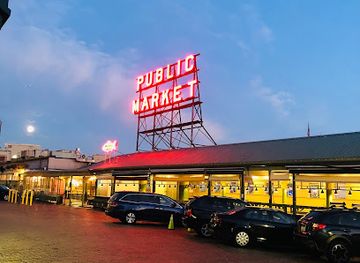
Pike Place Market
Explore the vibrant Pike Place Market, Seattle's iconic waterfront marketplace filled with fresh produce, artisanal goods, and local charm.
-
 Tourist attraction
Mount Rainier National Park
Explore the breathtaking landscapes and diverse wildlife of Mount Rainier National Park, a majestic destination for outdoor enthusiasts in Washington State.
-
Tourist attraction
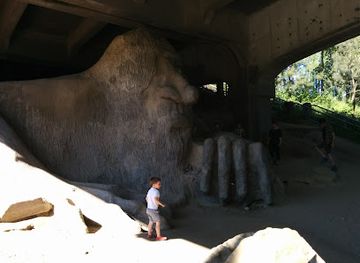
Fremont Troll
Explore the whimsical Fremont Troll in Seattle, an iconic sculpture that captures the creativity and charm of the Fremont neighborhood.
-
Tourist attraction
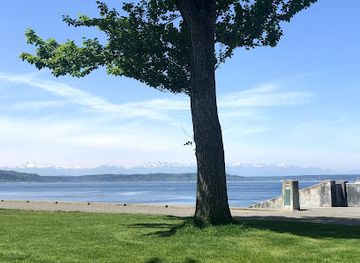
Alki Beach Park
Explore the stunning Alki Beach Park in Seattle, a perfect coastal retreat with breathtaking views and diverse recreational activities.
Best landmarks in The Blue Mountains
The most recognisable landmarks of the Blue Mountains are often geological or topographical rather than monumental. The long forested ridgelines visible above the Walla Walla Valley and the steep canyon country around the Wenaha and Tucannon rivers define the region’s distinctive profile. The Wenaha–Tucannon Wilderness is especially significant as a protected landscape of deep ravines, remote uplands and extensive conifer forest, while the Umatilla National Forest represents the wider managed mountain environment. To the east, the routes approaching Asotin and Anatone reveal the dramatic transition from the Snake River country to the higher Blue Mountain escarpment. Blue Mountain summit areas along the regional highways are important visual markers, though road conditions and seasonal access vary. Dayton’s historic townscape, including its preserved civic and commercial buildings, provides an architectural counterpoint to the open country and helps explain the region’s agricultural development. The landscape’s Indigenous significance is equally important, even where there is no single built monument: rivers, passes, hunting grounds and seasonal routes form part of a much older cultural geography than the modern roads and public-land boundaries suggest.
-
Historical landmark
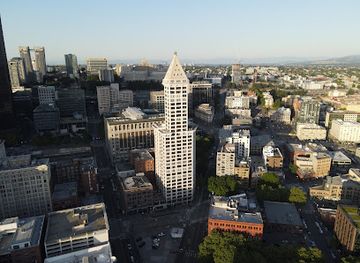
Smith Tower
Discover the rich history and breathtaking views at Smith Tower, Seattle's iconic historical landmark and observation deck.
-
Tourist attraction
Franklin Ghost Town
Explore the hauntingly beautiful Franklin Ghost Town, a captivating blend of history and nature in Black Diamond, Washington, perfect for hiking and photography.
-
Historical place
Whitman Mission National Historic Site
Experience the rich history of the Whitman Mission National Historic Site in Walla Walla, Washington, where past and nature beautifully intertwine.
-
Tourist attraction
Shafer Historical Museum
Discover the captivating history of the Methow Valley at the Shafer Historical Museum in Winthrop, Washington, where stories from the past come to life.
Explore The Blue Mountains on the map
Plan your trip on one map. See where the top cities, national parks and sights are, and book hotels and experiences in a few clicks.
Best hotels in The Blue Mountains
Best restaurants in The Blue Mountains
Dining in and around the Blue Mountains reflects the region’s agricultural setting and its small-town scale. In Dayton, Pomeroy, Asotin and nearby valley communities, visitors will find cafés, family-run restaurants, bakeries and traditional American diners suited to travellers using the towns as bases. Menus commonly draw on beef, wheat, seasonal fruit and other produce from southeastern Washington, while trout and other inland Northwest ingredients may appear where locally available. The adjacent Walla Walla Valley, outside the mountain interior, provides the broadest choice of restaurants and is known for wine-led dining, contemporary Pacific Northwest cooking and produce from surrounding farms. Rural inns, pub-style establishments and picnic supplies are particularly practical for road trips, as there are few dependable food outlets once visitors enter forest country. Farmers’ markets and farm stands are seasonal rather than guaranteed, so check local arrangements before planning a meal around one. Anyone camping should shop and fill water containers before leaving the valley or a principal town.
-
American
Sharps RoastHouse
Discover Sharps RoastHouse in SeaTac: where mouthwatering American cuisine meets a vibrant bar atmosphere for unforgettable dining experiences.
-
Italian
The Pink Door
Discover the enchanting flavors of Italy at The Pink Door in Seattle - where culinary excellence meets captivating live entertainment.
-
Seafood
Salty's on Alki Beach
Discover Salty's on Alki Beach: where exceptional seafood meets breathtaking views of Seattle’s skyline in a vibrant setting.
-
Steak
STK Steakhouse
Experience the perfect blend of fine dining and vibrant atmosphere at STK Steakhouse in Bellevue - where every meal is a celebration.
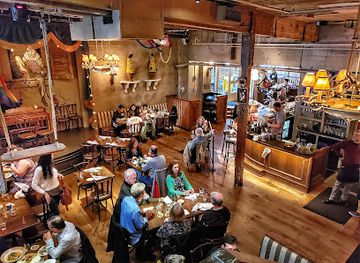


Best bars in The Blue Mountains
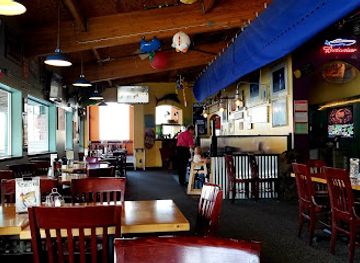
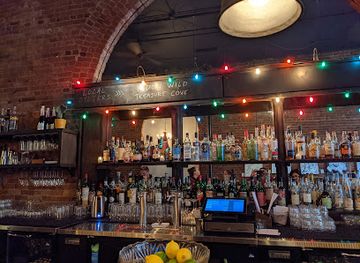
Evening life in the Blue Mountains is quiet and community-oriented, with traditional pubs, taverns, casual restaurants and small-town bars providing the main social settings rather than a concentrated nightclub scene. Dayton, Pomeroy, Asotin and the surrounding valley towns offer the greatest choice, though opening patterns and entertainment schedules can change. Live music, local events and seasonal gatherings appear intermittently, while the wider Walla Walla Valley has a more developed wine-bar and restaurant culture just beyond the mountain foothills. Breweries, tasting rooms and distilleries are part of the broader southeastern Washington scene, but designated drivers are essential because venues are widely separated and roads can be dark, winding or affected by winter weather. In remote areas, the evening experience is more likely to be a campfire where permitted, star-filled skies and early starts for hiking than late-night entertainment.
-
Bar
Unicorn
Discover Unicorn, Seattle's whimsical bar blending quirky decor and imaginative cocktails for a truly unique dining experience.
-
American
Roosters Waterfront Restaurant
Experience vibrant American cuisine with stunning waterfront views at Roosters Waterfront Restaurant, a must-visit for any traveler.
-
Bar
Radiator Whiskey
Discover Radiator Whiskey, Seattle's premier bar for whiskey lovers and fans of American cuisine, where every sip and bite tells a story.
-
New American
Damn the Weather
Explore the vibrant flavors of Seattle at Damn the Weather, a New American gastropub known for its innovative cocktails and local ingredients.


Best nightclubs in The Blue Mountains
Evening life in the Blue Mountains is quiet and community-oriented, with traditional pubs, taverns, casual restaurants and small-town bars providing the main social settings rather than a concentrated nightclub scene. Dayton, Pomeroy, Asotin and the surrounding valley towns offer the greatest choice, though opening patterns and entertainment schedules can change. Live music, local events and seasonal gatherings appear intermittently, while the wider Walla Walla Valley has a more developed wine-bar and restaurant culture just beyond the mountain foothills. Breweries, tasting rooms and distilleries are part of the broader southeastern Washington scene, but designated drivers are essential because venues are widely separated and roads can be dark, winding or affected by winter weather. In remote areas, the evening experience is more likely to be a campfire where permitted, star-filled skies and early starts for hiking than late-night entertainment.
-
Lounge
Monkey Loft
Immerse yourself in Seattle's nightlife at Monkey Loft, a vibrant lounge and club offering an eclectic atmosphere and unforgettable entertainment.
-
Night club
Sarajevo Nightclub
Unleash the rhythm of the night at Sarajevo Nightclub, Seattle's premier destination for unforgettable nightlife and electrifying dance beats.
-
Night club
Big Whisky Saloon
Discover the vibrant nightlife at Big Whisky Saloon in Puyallup, where dancing and drinks come together for an unforgettable evening.
-
Night club
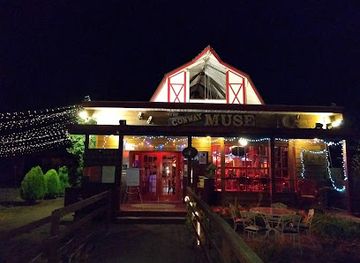
Conway Muse
Experience the vibrant nightlife at Conway Muse, a top night club and live music venue in Conway, Washington, perfect for entertainment and socializing.


Best shops in The Blue Mountains
Shopping in the Blue Mountains is concentrated in small agricultural towns rather than dedicated retail districts. Dayton and Pomeroy have independent shops, practical outdoor supplies, cafés and historic town-centre businesses, while Asotin and nearby communities serve travellers approaching from the east. Local galleries, bookshops, craft outlets and small food retailers may offer artwork, preserves, baked goods and products connected with southeastern Washington, although ranges are seasonal and limited. The adjacent Walla Walla Valley, outside the mountain interior, provides a larger selection of wine merchants, tasting rooms, speciality food shops, galleries and farmers’ markets. Useful purchases before entering the forest include fuel, groceries, water, maps and camping supplies; do not rely on finding a full-service shop near remote trailheads. Regional gifts are best chosen for their connection with local farms, vineyards, landscapes and makers rather than generic mountain merchandise.
-
Gift shop
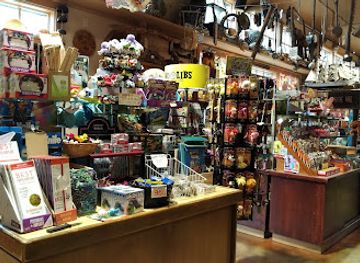
Ye Olde Curiosity Shop
Explore Ye Olde Curiosity Shop in Seattle for unique gifts, local art, and an unforgettable experience filled with curiosities and treasures.
-
Discount store
Bi-Mart Membership Discount Stores
Discover unbeatable savings at Bi-Mart Membership Discount Stores in Walla Walla, where quality meets affordability for all your shopping needs.
-
Gift shop
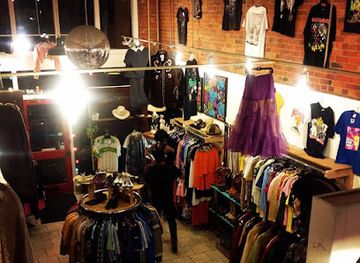
Bon Voyage Vintage
Explore the charm of Bon Voyage Vintage, a unique gift shop and vintage clothing store in Seattle's historic Pioneer Square, filled with timeless treasures.
-
Gift shop
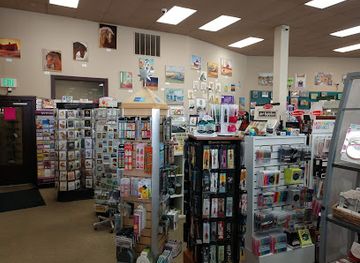
Book & Game Co
Explore a unique gift shop in Walla Walla featuring books, educational supplies, and games, offering a delightful experience for all ages.

Get your free copy of our complete guide to The Blue Mountains, delivered straight to you.
Everything on this page, from attractions and restaurants to essentials and local phrases, in one PDF you can read offline, print or share.
Already have an account? Sign in
Your The Blue Mountains guide is ready.
We'll send it to · Not you? Sign out

Getting your guide ready…
We are putting together a fresh copy of the The Blue Mountains guide. This can take up to a minute.
This can take a few moments. If your browser asks, choose Allow so the download can start. You'll find the guide in your Downloads folder.
Nothing happened? Download it again
Sorry, the guide is taking longer than usual. Please try again in a minute, or get it by email instead.
The Blue Mountains essentials
Currency and Payment
Safety
Emergency Situations
Do's and Don'ts
Local Tips
From Eve
Local phrases worth knowing
You don't need to get them perfect. A few words go a long way, and locals appreciate the effort.
Basics
| English | Local | Say it |
|---|---|---|
| Hello | Hi there | [Hai thair] |
| Goodbye | See ya | [See yah] |
| Yes | Yep | [Yep] |
| No | Nah | [Nah] |
| Please/You're welcome | Sure thing | [Shur thing] |
| Thank you | Thanks a lot | [Thangs a lot] |
| Excuse me/Sorry | My bad | [My bad] |
| How are you? | How's it going? | [How's it goin'?] |
| Fine. And you? | Good! And you? | [Gooood! And you?] |
| Do you speak English? | Can you speak English? | [Kan you speak English?] |
| I don't understand | I don't get it | [I don't get it] |
Eating & Drinking
| English | Local | Say it |
|---|---|---|
| I'd like to see the menu, please | Can I see the menu? | [Kan I see the menu?] |
| I don't eat meat | I'm a vegetarian | [I'm a vege-tair-ian] |
| Cheers! | Cheers! | [Cheers!] |
| I would like to pay, please | Can I get the check? | [Kan I get the chek?] |
Emergencies
| English | Local | Say it |
|---|---|---|
| Help! | Help! | [Help!] |
| Go away! | Leave me alone! | [Leev me alone!] |
| Call the Police! | Call 911! | [Call nine-one-one!] |
| Call a doctor! | Get a doctor! | [Get a doktor!] |
| I'm lost | I'm turned around | [I'm turned around] |
| I'm ill | I'm not feeling well | [I'm not feelin' well] |
Shopping
| English | Local | Say it |
|---|---|---|
| I'd like to buy... | I want to buy... | [I want to buy...] |
| I'm just looking | Just browsing | [Just brow-zing] |
| How much is it? | What's the price? | [What's the price?] |
| That's too expensive | That's a bit pricey | [That's a bit pricy] |
| Can you lower the price? | Can you give me a deal? | [Can you give me a deel?] |
Time & Numbers
| English | Local | Say it |
|---|---|---|
| What time is it? | What time ya got? | [What time ya got?] |
| It's one o'clock | It's one | [It's one] |
| Half past (10) | Half past ten | [Half past ten] |
| Morning | Morning | [Morning] |
| Afternoon | Afternoon | [Afternoon] |
| Evening | Evening | [Evening] |
| Yesterday | Yesterday | [Yesterday] |
| Today | Today | [Today] |
| Tomorrow | Tomorrow | [Tomorrow] |
| 1 | One | [One] |
| 2 | Two | [Two] |
| 3 | Three | [Three] |
| 4 | Four | [Four] |
| 5 | Five | [Five] |
| 6 | Six | [Six] |
| 7 | Seven | [Seven] |
| 8 | Eight | [Eight] |
| 9 | Nine | [Nine] |
| 10 | Ten | [Ten] |
Transport & Directions
| English | Local | Say it |
|---|---|---|
| Where's a/the...? | Where's the nearest...? | [Where's the nearest...?] |
| What's the address? | What's the address? | [What's the address?] |
| Can you show me (on the map)? | Can you point it out? | [Can you point it out?] |
| When's the next (bus)? | When's the next bus? | [When's the next bus?] |
| A ticket (to ....) | A ticket to... | [A tiket to...] |
History of The Blue Mountains
Cayuse, Walla Walla and Nez Perce Homelands
The Blue Mountains and their surrounding valleys lie within the traditional homelands and travelling landscapes of the Cayuse, Walla Walla and Nez Perce peoples. Rivers, upland meadows, forests and seasonal routes supported hunting, fishing, gathering and trade long before the creation of modern state boundaries. Place names and community histories across southeastern Washington reflect this enduring Indigenous presence. The arrival of outsiders brought disease, competition for resources and profound disruption, but tribal communities remain active cultural and political forces in the wider region.
Exploration and the Fur Trade
The early nineteenth century brought Euro-American explorers and fur traders into the inland Northwest. The Lewis and Clark expedition travelled through the wider Columbia and Snake river country in 1805–06, creating records of landscapes and communities that were already well known to Indigenous peoples. Traders, missionaries and later emigrants followed established river corridors and passes rather than treating the mountains as an isolated wilderness. Their journeys helped connect the Blue Mountain country to the expanding networks of the Pacific Northwest.
Treaties, Missionaries and Conflict in the 1850s
Treaty negotiations in 1855 attempted to establish reservations and open large areas of Indigenous land to United States settlement, but the agreements were made amid intense pressure and conflicting understandings of sovereignty and land use. Missionary activity, settler migration and competition over grazing increased tensions. The 1855–58 conflicts in the inland Northwest, including fighting in and around the Walla Walla country, marked a violent turning point. Their consequences reshaped land ownership, movement and political authority throughout southeastern Washington.
Agricultural Settlement and Regional Towns
From the later nineteenth century, settlers transformed the valleys and lower slopes around the Blue Mountains through wheat farming, cattle raising and orchard cultivation. Towns including Dayton and Pomeroy developed as commercial and administrative centres linked to farms, stage routes and later improved roads. The contrast between dry grain country below and timbered uplands above became a defining feature of the regional economy. Historic buildings in the small towns preserve elements of this agricultural and transport history, although the surrounding rural economy has continued to evolve.
Timber, Mining and Public Forests
Forestry and smaller-scale mineral activity contributed to the modern economic history of the mountains, alongside ranching and agriculture. As roads and settlement expanded, concerns about watershed protection, timber management and access to public lands became increasingly important. The Umatilla National Forest, established in 1908 across parts of Washington and Oregon, placed large areas under federal management. This created a long-term framework for recreation, habitat conservation, roads, grazing and timber use, while also generating continuing debates about how public forests should be managed.
The Wenaha–Tucannon Wilderness and Modern Conservation
The designation of the Wenaha–Tucannon Wilderness in 1978 protected a substantial area of rugged forest, canyon and high-country habitat in Washington’s Blue Mountains. Wilderness status limits road building and mechanised access, preserving the remote character that attracts hikers, hunters, anglers and wildlife observers. The designation forms part of a broader modern history in which recreation, ecological protection and working-land interests coexist. Visitors encounter not an untouched landscape, but a place shaped by Indigenous stewardship, settlement, forestry, fire and changing conservation priorities.
The Blue Mountains in Photos
Browse through our photo collection highlighting the charm and character of the destination.
Neighbouring regions of The Blue Mountains
The closest regions to The Blue Mountains, if you have time for more than one.
-

-

-

-

-


Swipe for more regions
Explore more

Explore more of Washington
Explore Washington State: From the vibrant streets of Seattle to the tranquil beauty of the Olympic Peninsula, discover the diverse landscapes, culture, and adventures awaiting you.
Explore Washington