

Free The Tri-Cities Travel Guide & Mobile App
Explore The Tri-Cities with free travel guides. Discover regional history, expert tips, proposed trips, and audio guides on web or mobile app.


Explore the Tri-Cities of Washington for river trails, Columbia Valley wine, desert landscapes and the layered history of Hanford.
Read more about The Tri-Cities
Getting to and around The Tri-Cities
How to get there
Transportation
Top city travel guides in The Tri-Cities
The cities of The Tri-Cities, and the easiest places to base yourself.
-

-


Swipe for more cities
Best attractions in The Tri-Cities
The Tri-Cities offer an unusual blend of river recreation, scientific history, agriculture and open-country landscapes. The REACH Museum in Richland introduces the area's geology, Indigenous heritage, irrigation, Hanford story and natural environment, while scheduled visits associated with the Manhattan Project National Historical Park provide access to the historic B Reactor when tours are operating. Sacajawea State Park in Pasco combines Lewis and Clark interpretation with shoreline, trails, boating and birdwatching at the Columbia–Snake confluence. Columbia Park, stretching through Kennewick and Richland, is the region's principal urban outdoor space, with paths, beaches, boat facilities and broad river views. Beyond the cities, the Hanford Reach National Monument offers shrub-steppe scenery, wildlife habitat and one of the Columbia's last free-flowing sections, though access and road conditions require planning. Wineries and tasting rooms add a strong agricultural dimension, while Badger Mountain, local golf courses, museums and seasonal river activities provide further ways to experience the dry interior landscape.
-
Park
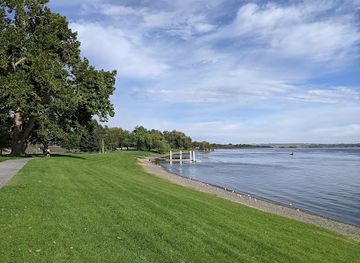
Howard Amon Park
Discover the natural beauty and recreational charm of Howard Amon Park, a must-visit destination in Richland, Washington.
-
Park
Columbia Point Marina Park
Explore the natural beauty and recreational wonders of Columbia Point Marina Park, a perfect escape for tourists in Richland, Washington.
-
Park
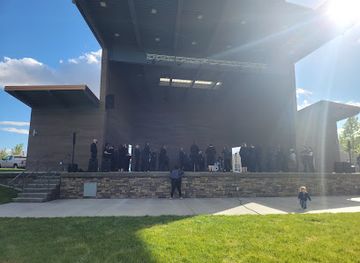
John Dam Plaza
Explore John Dam Plaza, a scenic park in Richland, WA, perfect for outdoor recreation, community events, and stunning river views.
-
Playground
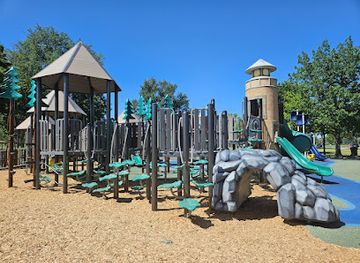
Playground Of Dreams
Discover fun and adventure at the Playground of Dreams in Kennewick, WA, where imagination and outdoor play come to life.

Best landmarks in The Tri-Cities
The Tri-Cities' most recognisable landmarks are closely linked to rivers, science and the region's planned modern history. The B Reactor at Hanford is an internationally significant industrial landmark: completed during the Manhattan Project, it was the first full-scale reactor built to produce plutonium and now forms part of a nationally interpreted historic site. In Pasco, the confluence landscape at Sacajawea State Park marks the meeting of the Columbia and Snake rivers and commemorates the Lewis and Clark expedition's passage through the area. The Cable Bridge, carrying US 395 across the Columbia between Pasco and Kennewick, is a prominent contemporary feature of the urban skyline. Columbia Park's riverfront paths and shoreline provide a more accessible civic landmark, while Badger Mountain south of Richland forms a visible natural backdrop of basalt, dry grassland and open viewpoints. The Hanford Reach, with its relatively undammed Columbia channel and broad shrub-steppe setting, is the region's defining geographical landmark, though some surrounding land remains restricted or difficult to access.
-
Nature preserve
Badger Mountain Centennial Preserve
Discover the stunning beauty of Badger Mountain Centennial Preserve, a top destination for hiking and nature exploration near Richland, Washington.
-
State park
Sacajawea Historical State Park
Explore Sacajawea Historical State Park, a serene oasis in Pasco, WA, blending stunning landscapes with rich Native American history.
-
Bar
Power Up Arcade Bar
Experience the ultimate gaming adventure at Power Up Arcade Bar in Kennewick, WA, where nostalgia meets fun and great drinks.
-
Historical landmark
First Federal Road Marker
Discover the First Federal Road Marker in Kennewick, WA, and delve into the history of America's early transportation and infrastructure development.


Explore The Tri-Cities on the map
Plan your trip on one map. See where the top cities, national parks and sights are, and book hotels and experiences in a few clicks.
Best hotels in The Tri-Cities
Best restaurants in The Tri-Cities
Tri-Cities dining reflects both the agricultural economy and the region's diverse population. Irrigated farms supply cherries, apples, asparagus, grapes and other produce, while Columbia Valley wines appear on menus across Kennewick, Pasco and Richland. Mexican and other Latin American cooking is especially visible in the local food scene, alongside Pacific Northwest restaurants, steakhouses, cafés, bakeries, breweries and casual family dining. Riverfront areas provide settings for relaxed meals, while Pasco's commercial districts and the other cities' suburban centres offer a broad range of independent and national establishments. Farmers' markets and specialist food shops are useful for finding seasonal produce and locally made goods. Wineries may offer tastings or small plates, but visitors should check current arrangements rather than assume every vineyard has a full restaurant. Tipping for table service follows standard US practice, and sales tax is added to displayed prices.
-
Steak
Texas Roadhouse
Experience authentic American dining at Texas Roadhouse in Kennewick - home of hand-cut steaks and warm hospitality.
-
Italian
Olive Garden Italian Restaurant
Savor authentic Italian cuisine at Olive Garden in Kennewick—perfect for families and food lovers alike.
-
American
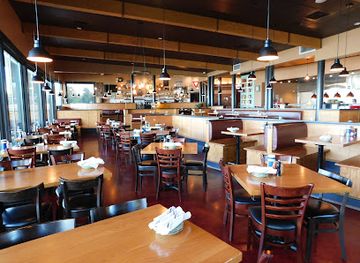
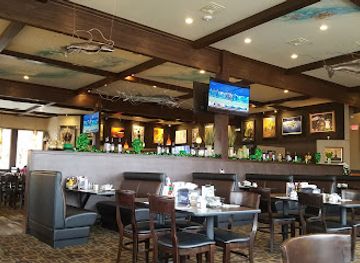
LU LU Craft Bar + Kitchen
Savor innovative American cuisine at LU LU Craft Bar + Kitchen, where every dish tells a delicious story.
-
American
Sterling's Famous Steak Seafood & Salad Bar - On The River
Experience the best of American cuisine at Sterling's Famous Steak Seafood & Salad Bar while enjoying breathtaking river views.

Best bars in The Tri-Cities
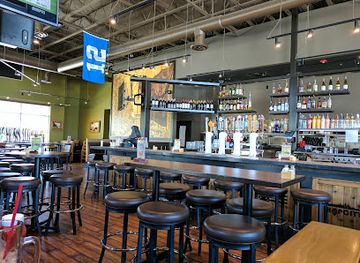
Evening life in the Tri-Cities is centred more on restaurants, breweries, wine tasting and pubs than on a large nightclub circuit. Kennewick, Pasco and Richland each have casual bars and dining venues, while Richland's riverfront and central districts often provide the strongest concentration of places for an evening out. Local breweries and wine-focused venues reflect the surrounding agricultural economy, and live music or community events may add variety depending on the season. Traditional bars, sports venues and lounges generally attract a local clientele, while larger hotels and event spaces sometimes host performances. Nightlife is spread across the metropolitan area, so arranging a designated driver or ride in advance is sensible when combining venues or visiting wineries outside the cities. Opening arrangements and entertainment schedules change, particularly outside peak periods.
-
American
LU LU Craft Bar + Kitchen
Experience the best of American cuisine at LU LU Craft Bar + Kitchen in Richland, WA, where flavor meets creativity in a vibrant atmosphere.
-
Bar
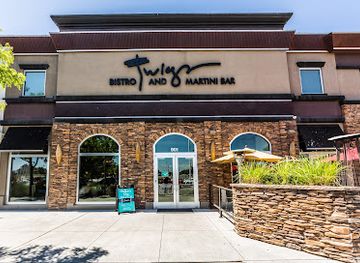
Twigs Bistro and Martini Bar
Experience the best of American cuisine and craft cocktails at Twigs Bistro and Martini Bar in Kennewick, where every meal is a celebration.
-
Grill
Hops n Drops
Savor the best grilled dishes and gourmet burgers at Hops n Drops, the ultimate grill destination in Kennewick, WA for food lovers.
-
Brewpub
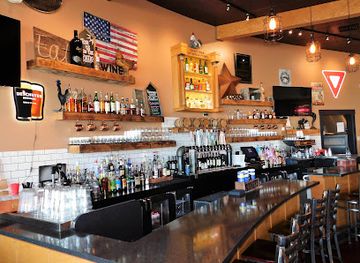
Atomic Ale Brewpub & Eatery
Discover the vibrant atmosphere and unique flavors of Atomic Ale Brewpub & Eatery in Richland, WA – a top destination for craft beer enthusiasts and food lovers.

Best nightclubs in The Tri-Cities
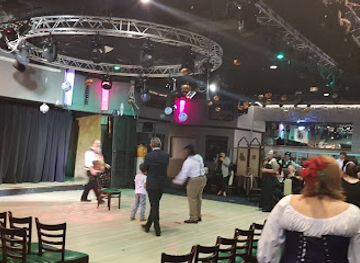
Evening life in the Tri-Cities is centred more on restaurants, breweries, wine tasting and pubs than on a large nightclub circuit. Kennewick, Pasco and Richland each have casual bars and dining venues, while Richland's riverfront and central districts often provide the strongest concentration of places for an evening out. Local breweries and wine-focused venues reflect the surrounding agricultural economy, and live music or community events may add variety depending on the season. Traditional bars, sports venues and lounges generally attract a local clientele, while larger hotels and event spaces sometimes host performances. Nightlife is spread across the metropolitan area, so arranging a designated driver or ride in advance is sensible when combining venues or visiting wineries outside the cities. Opening arrangements and entertainment schedules change, particularly outside peak periods.
-
Comedy club
Jokers Comedy Club
Experience side-splitting laughter at Jokers Comedy Club, Richland's premier comedy destination featuring a lively bar and top-notch performances.
-
Night club
Sam’s Saloon
Enjoy an unforgettable night at Sam's Saloon, the ultimate combination of vibrant nightlife, delicious American cuisine, and a welcoming atmosphere in Kennewick, WA.
-
Bar
Power Up Arcade Bar
Experience the thrill of gaming and a vibrant bar atmosphere at Power Up Arcade Bar in Kennewick, WA, a unique destination for fun and relaxation.
-
Night club
Out And About
Discover the electrifying nightlife at Out And About, Pasco's premier night club and bar, offering great music, drinks, and a vibrant atmosphere.


Best shops in The Tri-Cities
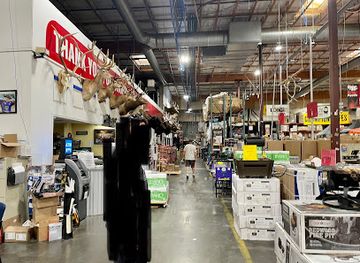
Shopping in the Tri-Cities is distributed among the commercial centres and high streets of Kennewick, Pasco and Richland rather than concentrated in a single historic retail quarter. Kennewick has the largest range of mainstream shops and services, while Pasco's markets, food businesses and agricultural connections give its retail scene a distinct local character. Richland combines everyday shopping with cafés, galleries, wine-related businesses and riverfront-oriented venues. Farmers' markets, when in season, are good places to look for fruit, vegetables, baked goods, preserves and locally produced specialities, while winery tasting rooms sell Columbia Valley bottles and gift items. Specialist shops and galleries may stock regional art, books, crafts and products inspired by the river or desert landscape. Visitors seeking souvenirs should favour locally made food, wine, artwork or small craft pieces over generic merchandise, and should check seasonal market dates before making a special journey.
-
Shopping mall
Columbia Center
Experience the best shopping and dining at Columbia Center in Kennewick, WA—where fashion meets flavor in a vibrant atmosphere.
-
Department store
Ranch & Home
Discover the heart of rural shopping at Ranch & Home in Kennewick, where unique treasures and western charm await every visitor.
-
Shopping mall
Uptown Shopping Center
Explore the vibrant Uptown Shopping Center in Richland, WA, a lively shopping destination with diverse retail and dining options.
-
Shopping mall
Vintner Square
Discover a vibrant shopping experience at Vintner Square in Richland, WA, featuring diverse stores, delightful dining, and lively community events.


Get your free copy of our complete guide to The Tri-Cities, delivered straight to you.
Everything on this page, from attractions and restaurants to essentials and local phrases, in one PDF you can read offline, print or share.
Already have an account? Sign in
Your The Tri-Cities guide is ready.
We'll send it to · Not you? Sign out

Getting your guide ready…
We are putting together a fresh copy of the The Tri-Cities guide. This can take up to a minute.
This can take a few moments. If your browser asks, choose Allow so the download can start. You'll find the guide in your Downloads folder.
Nothing happened? Download it again
Sorry, the guide is taking longer than usual. Please try again in a minute, or get it by email instead.
The Tri-Cities essentials
Currency and Payment
Safety
Emergency Situations
Do's and Don'ts
Local Tips
From Eve
Local phrases worth knowing
You don't need to get them perfect. A few words go a long way, and locals appreciate the effort.
Basics
| English | Local | Say it |
|---|---|---|
| Hello | Hi | [Hai] |
| Goodbye | See ya | [See yah] |
| Yes | Yep | [Yep] |
| No | Nah | [Nah] |
| Please/You're welcome | Sure thing | [Shur thing] |
| Thank you | Thanks | [Thangs] |
| Excuse me/Sorry | Sorry 'bout that | [Sorry 'bout that] |
| How are you? | How’s it going? | [How's it goin'?] |
| Fine. And you? | Good, you? | [Good, you?] |
| Do you speak English? | Do you speak English? | [Do you speak English?] |
| I don't understand | I don’t get it | [I don’t get it] |
Eating & Drinking
| English | Local | Say it |
|---|---|---|
| I'd like to see the menu, please | Can I see the menu? | [Can I see the menu?] |
| I don't eat meat | I'm vegetarian | [I'm vegetarian] |
| Cheers! | Cheers! | [Cheers!] |
| I would like to pay, please | Can I get the check? | [Can I get the check?] |
Emergencies
| English | Local | Say it |
|---|---|---|
| Help! | Help! | [Help!] |
| Go away! | Leave me alone! | [Leave me alone!] |
| Call the Police! | Call the cops! | [Call the cops!] |
| Call a doctor! | I need a doctor! | [I need a doctor!] |
| I'm lost | I’m lost | [I’m lost] |
| I'm ill | I’m not feeling well | [I’m not feelin' well] |
Shopping
| English | Local | Say it |
|---|---|---|
| I'd like to buy... | I want to buy... | [I want to buy...] |
| I'm just looking | Just browsing | [Just browsing] |
| How much is it? | What’s the price? | [What’s the price?] |
| That's too expensive | That’s a bit much | [That’s a bit much] |
| Can you lower the price? | Can you do better on the price? | [Can you do better on the price?] |
Time & Numbers
| English | Local | Say it |
|---|---|---|
| What time is it? | What time is it? | [What time is it?] |
| It's one o'clock | It’s one | [It’s one] |
| Half past (10) | Half past ten | [Half past ten] |
| Morning | Morning | [Morning] |
| Afternoon | Afternoon | [Afternoon] |
| Evening | Evening | [Evening] |
| Yesterday | Yesterday | [Yesterday] |
| Today | Today | [Today] |
| Tomorrow | Tomorrow | [Tomorrow] |
| 1 | One | [One] |
| 2 | Two | [Two] |
| 3 | Three | [Three] |
| 4 | Four | [Four] |
| 5 | Five | [Five] |
| 6 | Six | [Six] |
| 7 | Seven | [Seven] |
| 8 | Eight | [Eight] |
| 9 | Nine | [Nine] |
| 10 | Ten | [Ten] |
Transport & Directions
| English | Local | Say it |
|---|---|---|
| Where's a/the...? | Where’s the nearest...? | [Where’s the nearest...?] |
| What's the address? | What’s the address? | [What’s the address?] |
| Can you show me (on the map)? | Can you point it out? | [Can you point it out?] |
| When's the next (bus)? | When’s the next bus? | [When’s the next bus?] |
| A ticket (to ....) | A ticket to... | [A ticket to...] |
History of The Tri-Cities
Indigenous River Communities and Ancient Landscapes
The Columbia, Snake and Yakima river confluence has supported Indigenous communities for thousands of years. Peoples including the Wanapum, Umatilla, Nez Perce and Yakama maintained seasonal fishing, hunting, gathering and trading relationships with the rivers and surrounding shrub-steppe. Salmon were central to the region's economy and culture, while the Columbia connected communities across a large part of the interior Northwest. Archaeological evidence and continuing cultural connections remain important to understanding the Tri-Cities, even though dams, industrial development and restricted access have altered many traditional river places.
Lewis and Clark at the Confluence, 1805–1806
The Corps of Discovery travelled through the Tri-Cities area during its journey to the Pacific in 1805 and its return in 1806. The expedition followed the Columbia and Snake rivers and recorded encounters with Indigenous communities, unfamiliar landscapes and the practical challenges of river travel. Sacajawea State Park in Pasco commemorates the location and provides interpretation of the expedition's route. Lewis and Clark did not create the region's history, but their journals became an influential written record of a landscape already shaped by Indigenous societies.
Irrigation, Railways and Agricultural Settlement
From the late nineteenth century, railways, river transport and irrigation transformed the dry interior around the confluence. Projects that diverted Columbia Basin water made large-scale orchards, vineyards and field agriculture possible, while rail connections helped move produce and supplies. Kennewick, Pasco and Richland developed distinct roles within this changing economy: Pasco became an important railway and agricultural centre, Kennewick grew around farming and commerce, and Richland remained smaller until its dramatic wartime expansion. Irrigated agriculture continues to define much of the surrounding landscape.
The Manhattan Project and Wartime Richland
In 1943, the federal government selected the Hanford area for a major Manhattan Project site because of its relative isolation, abundant Columbia River water and access to hydroelectric power. The town of Richland was rapidly expanded to house scientists, engineers and workers involved in producing plutonium for the wartime programme. Existing communities and Indigenous access to parts of the area were heavily disrupted by land acquisition and secrecy. The B Reactor at Hanford produced plutonium used in the Trinity test and the atomic bomb dropped on Nagasaki in 1945.
Cold War Production and a Scientific Economy
After the Second World War, Hanford continued producing plutonium during the Cold War, making the Tri-Cities a major centre of federal research, engineering and nuclear technology. Richland's planned streets, government-built housing and scientific workforce reflected that role, while Kennewick and Pasco expanded alongside it. The area also became associated with national laboratories, contractors and research institutions. This scientific economy brought specialist employment and infrastructure, but it also left a difficult legacy of contamination, secrecy and long-term questions about health, land use and environmental responsibility.
Hanford Clean-up and Public Interpretation
Nuclear production ended at Hanford after the Cold War, and the site entered a prolonged clean-up programme involving contaminated soil, groundwater, buildings and stored waste. The work remains technically complex and has shaped the region's present identity as both an industrial landscape and a place of scientific expertise. Parts of the site are interpreted through the Manhattan Project National Historical Park, while the REACH Museum and public tours help explain the human, environmental and technological dimensions. Hanford's history is therefore presented as a story of achievement, displacement, danger and continuing responsibility.
The Modern Wine and River Recreation Economy
Late twentieth- and early twenty-first-century investment helped strengthen the Tri-Cities as a wine, food, recreation and research destination. Irrigated vineyards expanded across the surrounding Columbia Valley, with the nearby Red Mountain appellation gaining particular recognition for red wines. Riverfront parks, trails, boating facilities and wildlife areas added another layer to the local visitor economy. The result is a region whose contemporary character combines agriculture, outdoor leisure, scientific employment and an unusually visible nuclear-industrial history.
The Tri-Cities in Photos
Browse through our photo collection highlighting the charm and character of the destination.
Neighbouring regions of The Tri-Cities
The closest regions to The Tri-Cities, if you have time for more than one.
-

-

-

-

-
 Central Washington
Explore Central Washington for mountain towns, orchard valleys, Columbia Plateau landscapes, river recreation, wine and farm-to-table flavours.


Swipe for more regions
Explore more

Explore more of Washington
Explore Washington State: From the vibrant streets of Seattle to the tranquil beauty of the Olympic Peninsula, discover the diverse landscapes, culture, and adventures awaiting you.
Explore Washington