

Madeline Island Travel Guide - Free Web & App
Your ultimate guide to Madeline Island. Discover top landmarks, proposed trips, and local tips. Free on the web or via the Evendo companion app.


Discover the tranquil beauty and rich history of Madeline Island, the largest of the Apostle Islands in Lake Superior, offering outdoor adventures and cultural charm.
Read more about Madeline Island
When is the best time to visit Madeline Island?
Best: June–August · 21–23°C| Month | High (°C) | Rainfall (mm) |
|---|---|---|
| January | -5 | 31 |
| February | -4 | 28 |
| March | 1 | 36 |
| April | 10 | 51 |
| May | 16 | 66 |
| June (best) | 21 | 91 |
| July (best) | 23 | 102 |
| August (best) | 23 | 97 |
| September | 18 | 81 |
| October | 12 | 61 |
| November | 3 | 46 |
| December | -2 | 38 |
Getting to and around Madeline Island
How to get there
Transportation
Best attractions in Madeline Island
Madeline Island offers a unique blend of natural beauty, rich history, and cultural experiences. Visitors can explore the scenic Big Bay State Park with its sandy beaches and pristine forests, visit the historic La Pointe Indian Cemetery, and learn about the island's Native American heritage at the Madeline Island Museum. Outdoor enthusiasts can enjoy kayaking, biking, and hiking, while history buffs can tour the 200-year-old St. Joseph's Mission Church and the renowned Madeline Island Historical Museum. The island also boasts charming shops, galleries, and restaurants, making it a perfect destination for a relaxing and enriching getaway.
-
Tour operator
Apostle Islands Cruises Boat Tour
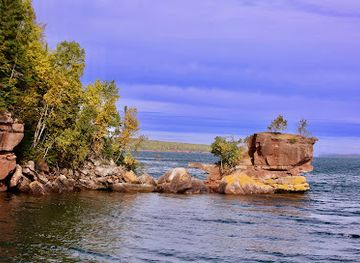
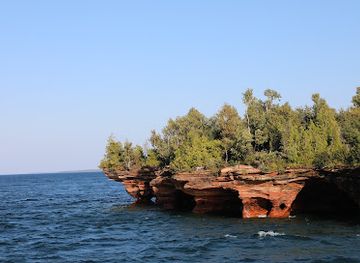
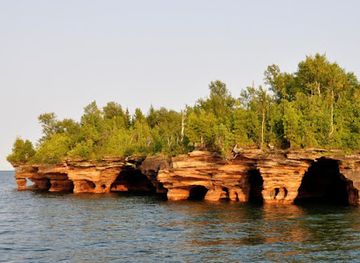
Explore the stunning Apostle Islands on a scenic boat tour, discovering hidden sea caves and unique wildlife on Lake Superior's pristine waters.
-
Tourist attraction
Apostle Islands National Lakeshore
Discover the breathtaking scenery, wildlife, and history of Apostle Islands National Lakeshore in Wisconsin, a must-visit destination for nature lovers.
-
Casino
Legendary Waters Resort & Casino
Discover Legendary Waters Resort & Casino in Bayfield, Wisconsin: A vibrant blend of gaming excitement, entertainment, and breathtaking Lake Superior views.
-
Bar
Tom's Burned Down Cafe
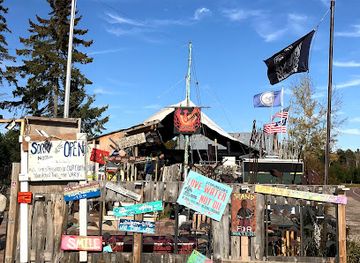
Experience the unique charm of Tom's Burned Down Cafe in La Pointe, Wisconsin, a lively bar known for its eclectic decor and welcoming atmosphere.
Best landmarks in Madeline Island
Madeline Island offers visitors a unique blend of natural beauty and historical significance. From the stunning Big Bay State Park with its pristine beaches and hiking trails, to the iconic Madeline Island Historical Museum showcasing the island's rich past, there is something for everyone to explore. Don't miss the breathtaking views from the Madeline Island Ferry as you journey to the island, or the charming downtown area with its quaint shops and restaurants. Whether you're a nature enthusiast, history buff, or simply looking for a peaceful getaway, Madeline Island has it all.
-
Ferry service
Madeline Island Ferry Line
Experience the breathtaking views and seamless travel of Madeline Island Ferry Line, connecting you to Wisconsin's scenic gem on Lake Superior.
-
State park
Big Bay State Park
Discover the breathtaking landscapes and outdoor adventures at Big Bay State Park on Lake Superior, a must-visit destination for nature lovers.
-
Tour operator
Apostle Islands Cruises Boat Tour
Experience the stunning Apostle Islands with unforgettable boat tours showcasing breathtaking views, rich wildlife, and historical insights.
-
Tourist attraction
Apostle Islands National Lakeshore
Explore the breathtaking beauty of Apostle Islands National Lakeshore, where stunning landscapes and rich history await every adventurer.
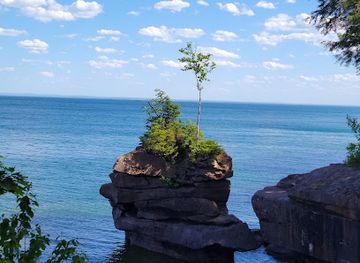
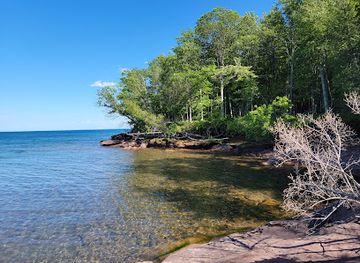
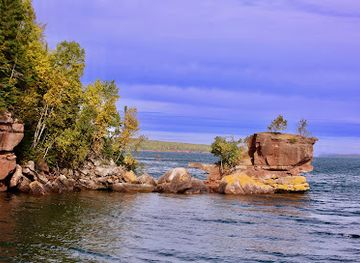

Explore Madeline Island on the map
Plan your trip on one map. See where the top attractions, landmarks, restaurants and hotels are, and book hotels and experiences in a few clicks.
Best hotels in Madeline Island
Best restaurants in Madeline Island
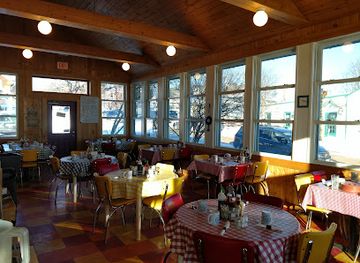
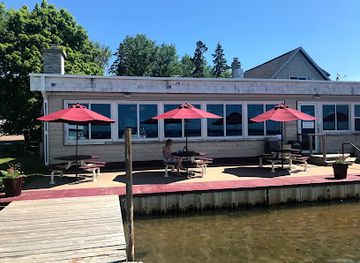
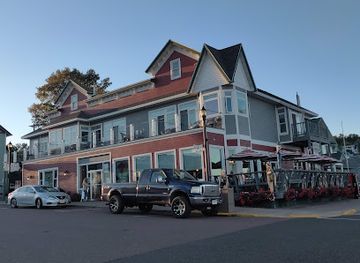
Madeline Island offers a diverse dining scene that caters to all tastes and preferences. From waterfront seafood restaurants serving freshly caught fish to cozy cafes offering homemade pastries and locally sourced ingredients, visitors can indulge in a culinary adventure unlike any other. Enjoy a sunset dinner overlooking Lake Superior, savor the flavors of traditional Wisconsin cuisine, or try unique fusion dishes that blend regional influences with modern twists. Whether you're craving a casual meal or a fine dining experience, Madeline Island's restaurants are sure to impress even the most discerning palates.
-
Bar
Manypenny Bistro
Discover Manypenny Bistro in Bayfield: A charming eatery offering delicious breakfast options and fresh bakery treats in a cozy atmosphere.
-
Hotel
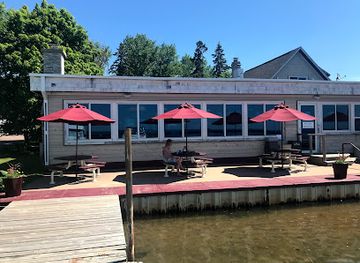
The Bayfield Inn
Discover unparalleled hospitality at The Bayfield Inn – your gateway to Lake Superior's stunning landscapes and rich local culture.
-
Inn
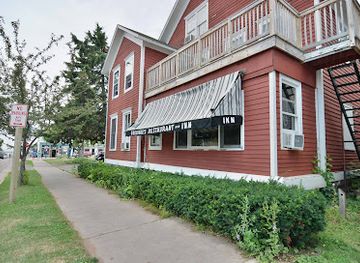
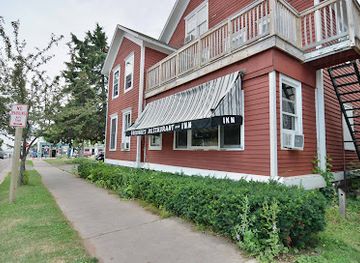
Greunke's First Street Inn & Dining
Experience comfort and culinary delights at Greunke's First Street Inn & Dining in beautiful Bayfield, Wisconsin.
-
Grill
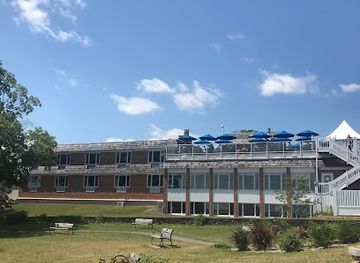
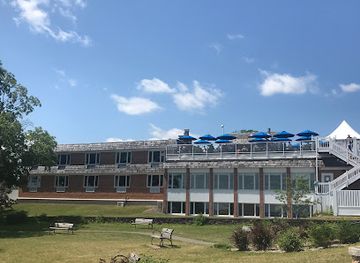
Beach Club on Madeline Island
Discover delicious grilled cuisine at Beach Club on Madeline Island with breathtaking views of Lake Superior.
Best bars in Madeline Island
Madeline Island offers a unique and lively nightlife scene, with a variety of bars and nightclubs to choose from. Whether you're looking for a cozy pub with live music or a trendy cocktail lounge with waterfront views, this island has it all. Enjoy local craft beers, delicious cocktails, and friendly atmospheres as you mingle with locals and fellow travelers. With themed nights, outdoor patios, and special events happening regularly, the nightlife on Madeline Island is sure to keep you entertained until the early hours of the morning.
-
Bar
Manypenny Bistro
Experience the flavors of Bayfield at Manypenny Bistro, where locally-sourced ingredients meet bistro charm for unforgettable meals.
-
Bar
The Bayfield Inn
Experience the charm of The Bayfield Inn, a lakeside retreat in Wisconsin offering cozy accommodations, a delightful bar, and stunning views of Lake Superior.
-
Bar
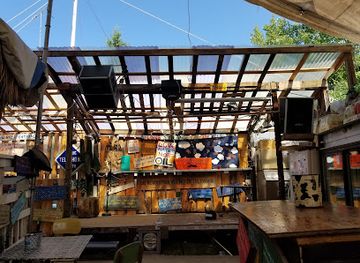
Tom's Burned Down Cafe
Experience the quirky charm of Tom's Burned Down Cafe, a beloved local bar in La Pointe, Wisconsin, known for its welcoming atmosphere and live music.
-
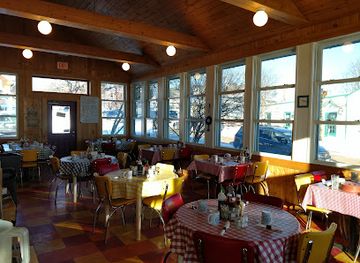
Restaurant
Greunke's First Street Inn & Dining
Experience delightful American cuisine and cozy accommodations at Greunke's First Street Inn & Dining in beautiful Bayfield, Wisconsin.
Best nightclubs in Madeline Island
Madeline Island offers a unique and lively nightlife scene, with a variety of bars and nightclubs to choose from. Whether you're looking for a cozy pub with live music or a trendy cocktail lounge with waterfront views, this island has it all. Enjoy local craft beers, delicious cocktails, and friendly atmospheres as you mingle with locals and fellow travelers. With themed nights, outdoor patios, and special events happening regularly, the nightlife on Madeline Island is sure to keep you entertained until the early hours of the morning.
-
Bar
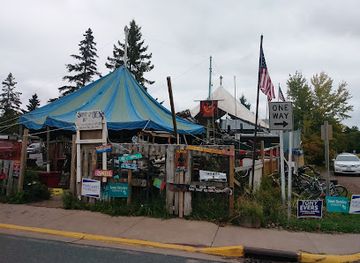
Tom's Burned Down Cafe
Discover the quirky charm of Tom's Burned Down Cafe, a unique bar in La Pointe, WI, where good drinks and great atmosphere await.
-
Grill
Beach Club on Madeline Island
Experience the best of lakeside dining at the Beach Club on Madeline Island, where fresh local cuisine meets stunning views.
-
Pub
Morty's Pub
Discover the vibrant atmosphere and delicious fare at Morty's Pub, the heart of Bayfield's social scene and a must-visit for all tourists.
-
Grill
The Pickled Herring
Experience the flavors of Wisconsin at The Pickled Herring, where fresh ingredients and stunning views come together for an unforgettable dining experience.

Best shops in Madeline Island
The shopping scene on Madeline Island offers a unique and charming experience for visitors. From quaint boutiques featuring local artisan crafts to shops filled with nautical-themed decor and clothing, there is something for everyone to enjoy. Stroll through the downtown area to discover one-of-a-kind gifts, jewelry, and souvenirs that capture the essence of the island. Don't miss the opportunity to browse through galleries showcasing beautiful artwork inspired by the natural beauty of the surroundings. With a mix of trendy shops and traditional stores, shopping on Madeline Island is a delightful adventure waiting to be explored.
-
Restaurant
Grampa Tony's on Madeline Island
Experience the charm of Grampa Tony's on Madeline Island, where American classics meet warm hospitality in a beautiful setting.
-
Ice Cream
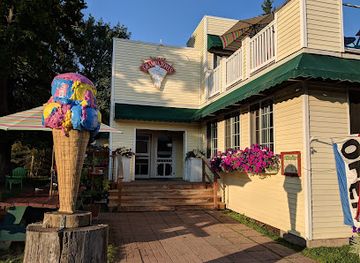
Sweet & Salty
Discover the sweet escape at Sweet & Salty in Bayfield, where gourmet ice creams, candies, and popcorn create delightful memories.
-
Book store
Honest Dog Books
Explore Honest Dog Books in Bayfield, WI – a cozy bookstore that offers a curated selection of literature and local art for every book lover.
-
Coffee shop
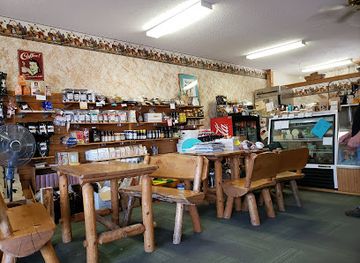
Mission Hill Coffee House
Discover the cozy charm of Mission Hill Coffee House, where exceptional coffee meets a warm, inviting atmosphere in La Pointe, Wisconsin.


Get your free copy of our complete guide to Madeline Island, delivered straight to you.
Everything on this page, from attractions and restaurants to essentials and local phrases, in one PDF you can read offline, print or share.
Already have an account? Sign in
Your Madeline Island guide is ready.
We'll send it to · Not you? Sign out

Getting your guide ready…
We are putting together a fresh copy of the Madeline Island guide. This can take up to a minute.
This can take a few moments. If your browser asks, choose Allow so the download can start. You'll find the guide in your Downloads folder.
Nothing happened? Download it again
Sorry, the guide is taking longer than usual. Please try again in a minute, or get it by email instead.
Madeline Island essentials
Currency and Payment
Safety
Emergency Situations
Do's and Don'ts
Local Tips
From Eve
Local phrases worth knowing
You don't need to get them perfect. A few words go a long way, and locals appreciate the effort.
Basics
| English | Local | Say it |
|---|---|---|
| Hello | Bozhoo | [Boh-zhoo] |
| Goodbye | Biindigen | [Been-dee-gen] |
| Yes | Aaniin | [Ah-nee] |
| No | Aaniish | [Ah-nee-shh] |
| Please/You're welcome | Baamaapii | [Bah-mah-pee] |
| Thank you | Miigwech | [Mee-gwetch] |
| Excuse me/Sorry | Miigwech | [Mee-gwetch] |
| How are you? | Aaniin ezhi-ayaayan? | [Ah-nee ee-zhee-ah-yah-yahn] |
| Fine. And you? | Miigwech. Aanii. | [Mee-gwetch. Ah-nee] |
| Do you speak English? | Gakina gaa-izhi-ayaad? | [Gah-kee-nah gah-ee-zhee-ah-yahd] |
| I don't understand | Aapiji | [Ah-pi-jee] |
Eating & Drinking
| English | Local | Say it |
|---|---|---|
| I'd like to see the menu, please | Gichigamiin nindana ebiidaan | [Gee-chee-gah-meen neen-dah-nah eh-bee-dahn] |
| I don't eat meat | Maanda gwiinzii niwiikwenim | [Mah-ahn-dah gwee-in-zee nee-wee-kweh-neem] |
| Cheers! | Boozhoo! | [Boh-zhoo] |
| I would like to pay, please | Pezhiweba | [Pay-zhee-way-bah] |
Emergencies
| English | Local | Say it |
|---|---|---|
| Help! | Niij | [Neeg] |
| Go away! | Aabawi | [Ah-bah-wee] |
| Call the Police! | Bakade | [Bah-kah-day] |
| Call a doctor! | Mashkiki | [Mah-shkee-kee] |
| I'm lost | Niimiingan | [Nee-mee-ming-gahn] |
| I'm ill | Wiiyaas | [Wee-yahs] |
Shopping
| English | Local | Say it |
|---|---|---|
| I'd like to buy... | Wiidookawin | [Wee-doo-kah-win] |
| I'm just looking | Niizhwaaswi | [Nee-zhwah-swee] |
| How much is it? | Gaawiin wiindam? | [Gah-wee-win ween-dahm] |
| That's too expensive | Giiwenh | [Gee-wenh] |
| Can you lower the price? | Giiwenh wiindamaagen | [Gee-wenh ween-dah-mah-gun] |
Time & Numbers
| English | Local | Say it |
|---|---|---|
| What time is it? | Ezhi-ayaayan? | [Eh-zhee-ah-yah-yahn] |
| It's one o'clock | Bezhig bimoseya | [Beh-zheeg bee-moh-say-yah] |
| Half past (10) | Niizhwaaswi | [Nee-zhwah-swee] |
| Morning | Zhigaag | [Zhee-gahg] |
| Afternoon | Biishaa | [Bee-shah] |
| Evening | Giizhig | [Gee-zheeg] |
| Yesterday | Niiwizen | [Nee-wee-zen] |
| Today | Biindaswi | [Been-dah-swee] |
| Tomorrow | Bamaapii | [Bah-mah-pee] |
| 1 | Bemidji | [Bay-mid-jee] |
| 2 | Niiwin | [Nee-win] |
| 3 | Niswi | [Nee-swee] |
| 4 | Niiyo | [Nee-yoh] |
| 5 | Naanan | [Nah-nahn] |
| 6 | Ningodwaaswi | [Neen-goh-dwah-swee] |
| 7 | Zhaganaashi | [Zha-gah-nah-shee] |
| 8 | Niiwinzh | [Nee-winzh] |
| 9 | Zhaangaswi | [Zhaan-gah-swee] |
| 10 | Midaaswi | [Mee-dah-swee] |
Transport & Directions
| English | Local | Say it |
|---|---|---|
| Where's a/the...? | Aaniin ezhi-ayaayan? | [Ah-nee ee-zhee-ah-yah-yahn] |
| What's the address? | Aaniin ezhi-ayaayan? | [Ah-nee ee-zhee-ah-yah-yahn] |
| Can you show me (on the map)? | Gakina gaa-izhi-ayaad? | [Gah-kee-nah gah-ee-zhee-ah-yahd] |
| When's the next (bus)? | Gakina gaa-izhi-ayaad? | [Gah-kee-nah gah-ee-zhee-ah-yahd] |
| A ticket (to ....) | Gakina gaa-izhi-ayaad? | [Gah-kee-nah gah-ee-zhee-ah-yahd] |
History of Madeline Island
The Anishinaabe People and Early Settlement
Madeline Island, originally known as Moningwunakauning by the Anishinaabe people, has been an important cultural and spiritual center for the Ojibwe (Chippewa) nation for centuries. The island served as a hub for trade, fishing, and seasonal gatherings. Rich in natural resources, it provided sustenance and a place for cultural rites and ceremonies.
The French Fur Trade Era
In the 17th century, French fur traders arrived on Madeline Island, establishing it as a critical point in the fur trade network. The interaction between the French and the Anishinaabe people led to a flourishing trade in beaver pelts, which were highly sought after in Europe. French trader Pierre-Esprit Radisson is one of the notable figures during this period.
The Jesuit Missionaries
In 1665, French Jesuit missionaries, including Father Claude Allouez, arrived on Madeline Island and established a mission. Their aim was to convert the indigenous population to Christianity. The mission, known as La Pointe, became a focal point for European settlement and religious efforts on the island.
British and American Influence
Following the French and Indian War, control of the island passed to the British, and then to the Americans after the War of 1812. Throughout these transitions, Madeline Island remained a trading hub, but the indigenous populations faced increasing pressure and displacement.
The Founding of the Town of La Pointe
In the early 19th century, the modern town of La Pointe was established on Madeline Island. It served as a center for trade, and later, tourism. The town's historical significance is evident in its buildings and landmarks, many of which date back to the 1800s.
Modern-Day Cultural Significance
Today, Madeline Island is a vibrant community that honors its rich history. The island features the Madeline Island Museum, which showcases artifacts and exhibits related to its diverse heritage. Cultural events, such as the annual Pow Wow, celebrate the island's enduring connection to the Anishinaabe people and their traditions.
Madeline Island in Photos
Browse through our photo collection highlighting the charm and character of the destination.
Neighbouring destination travel guides
The closest destinations to Madeline Island, if you have time for more than one.
-
 Bayfield
Explore Bayfield, Wisconsin: A scenic lakeside town offering outdoor adventures, historic charm, and a vibrant arts scene on the shores of Lake Superior.
Bayfield
Explore Bayfield, Wisconsin: A scenic lakeside town offering outdoor adventures, historic charm, and a vibrant arts scene on the shores of Lake Superior.
-
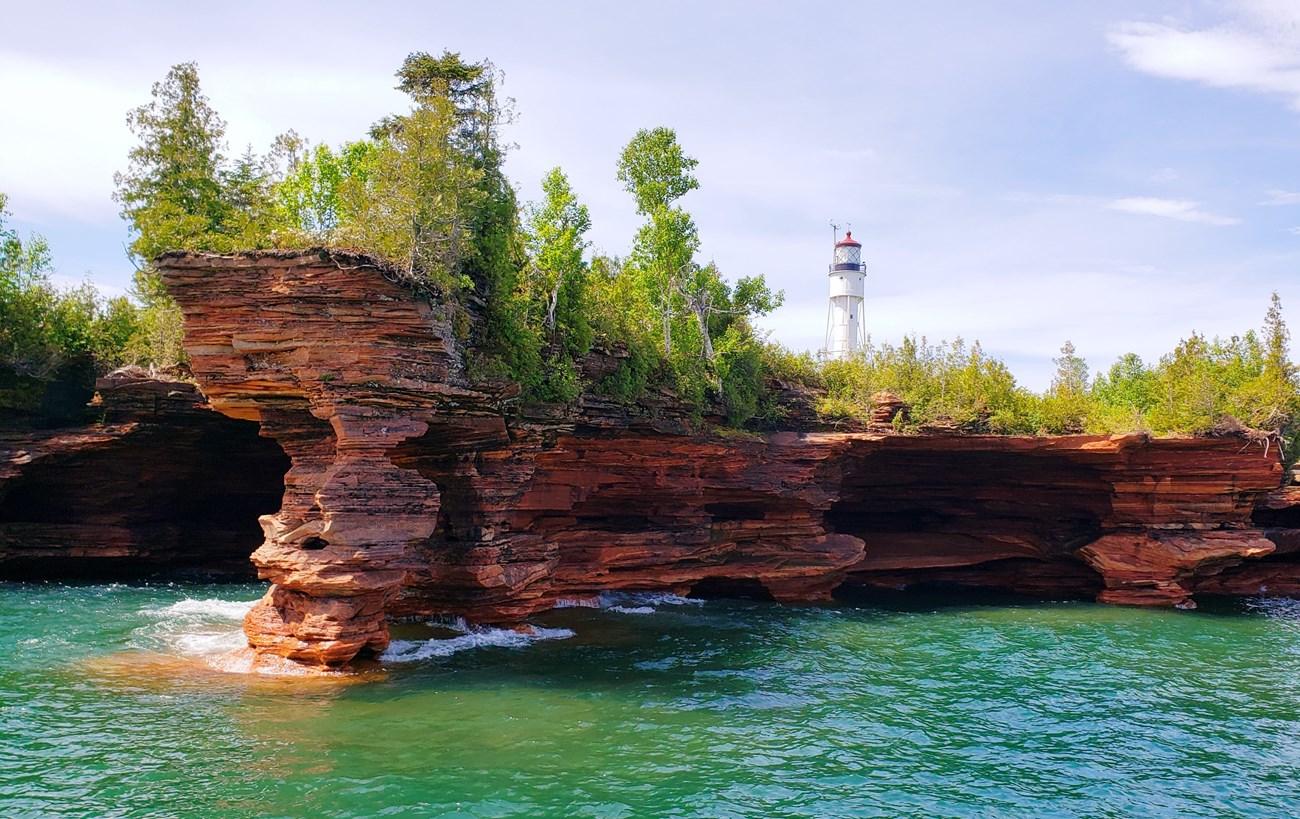
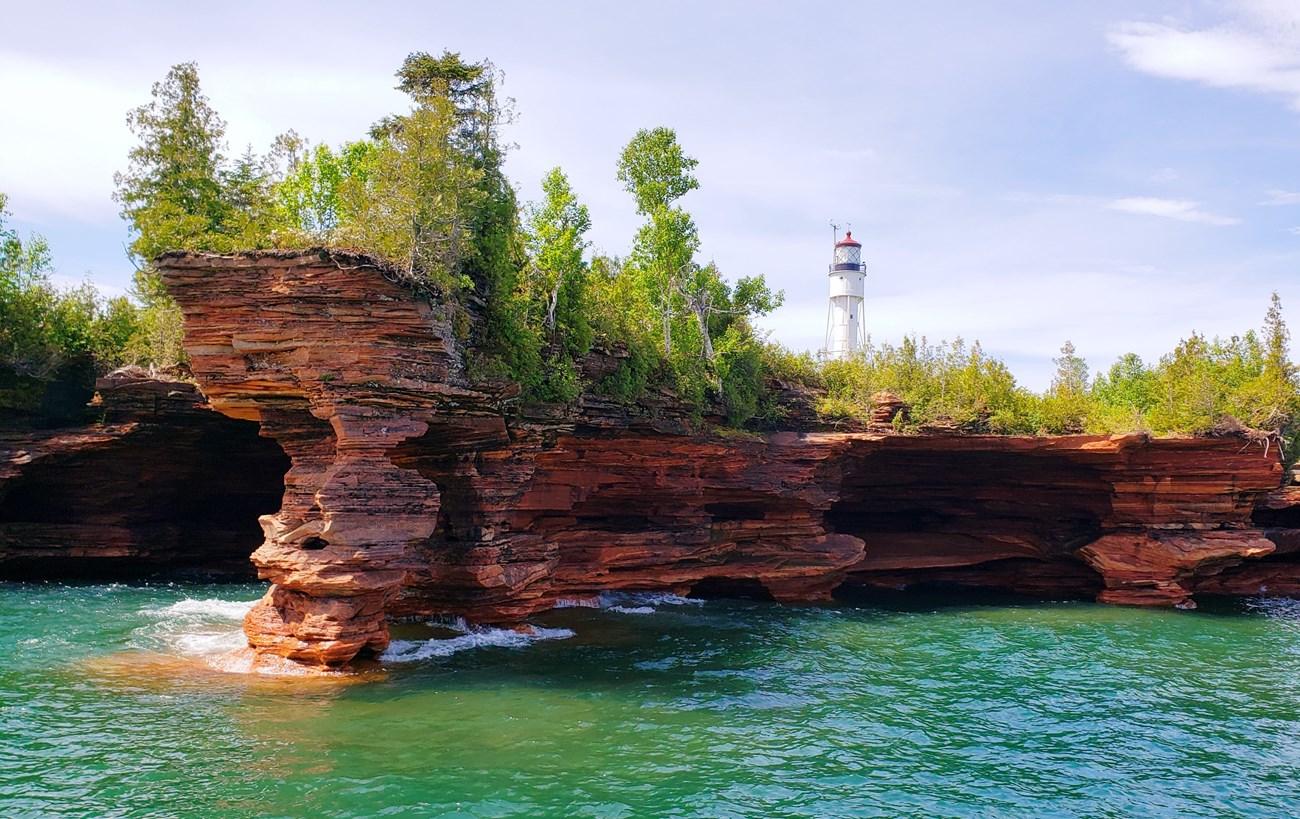 Apostle Islands National Lakeshore
 in Wisconsin offers Lake Superior sea caves, historic lighthouses, island camping, kayaking and winter ice formations.
Apostle Islands National Lakeshore
Apostle Islands National Lakeshore in Wisconsin offers Lake Superior sea caves, historic lighthouses, island camping, kayaking and winter ice formations.
-
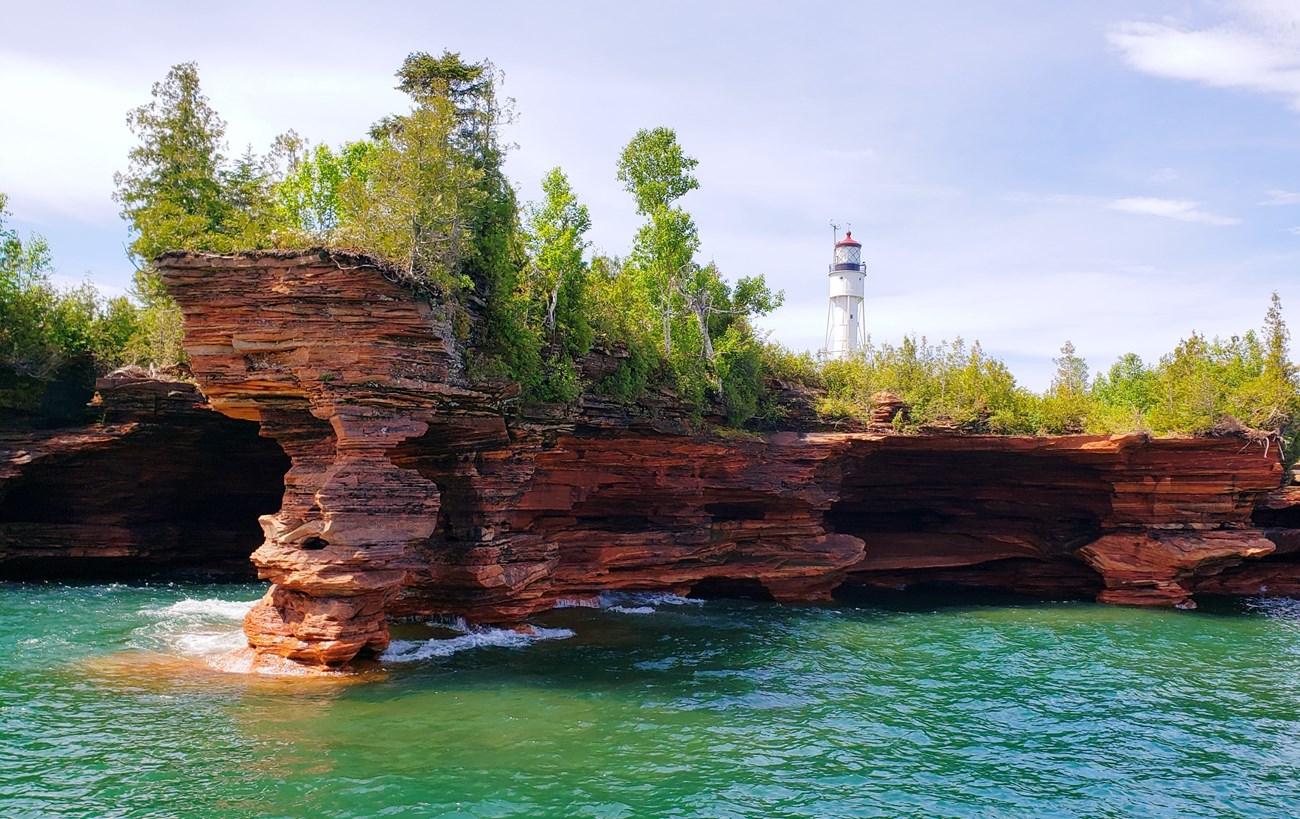 Apostle Islands
 in Wisconsin’s Lake Superior offer sea caves, lighthouses, kayaking, sailing, islands, wildlife and memorable coastal walks.
Apostle Islands
Apostle Islands in Wisconsin’s Lake Superior offer sea caves, lighthouses, kayaking, sailing, islands, wildlife and memorable coastal walks.
-

-


Swipe for more destinations
Explore more

Explore more of Lake Superior Lowland
Explore Wisconsin’s Lake Superior Lowland for Ojibwe heritage, working harbours, sandstone shores, orchards, forests and the Apostle Islands.
Explore Lake Superior Lowland
Explore more of Wisconsin
Discover Wisconsin: A Midwestern gem offering stunning natural landscapes, rich cultural experiences, and a taste of America's finest dairy products.
Explore Wisconsin