

Free Northern Highland Travel Guide & Mobile App
Explore Northern Highland with free travel guides. Discover regional history, expert tips, proposed trips, and audio guides on web or mobile app.


Explore Northern Highland Wisconsin for clear lakes, pine forests, Indigenous and logging heritage, paddling, cycling, fishing and winter trails.
Read more about Northern Highland
Getting to and around Northern Highland
How to get there
Transportation
Best attractions in Northern Highland
Northern Highland’s attractions are defined less by one monumental sight than by the range of experiences within its forest-and-lake landscape. The Northern Highland-American Legion State Forest provides public access to woodland, lakes, campgrounds, trails and water-based recreation, while the extensive local lake networks support canoeing, kayaking, sailing, swimming and fishing. Around Boulder Junction, Manitowish Waters and St Germain, visitors find routes suited to hiking and cycling, with winter trails for cross-country skiing and snowshoeing when conditions allow. Minocqua and Woodruff combine resort-town services with access to nearby water and forest, while Eagle River is a major base for boating, fishing and snowmobile travel. Rhinelander offers museums, civic attractions and a useful perspective on the area’s timber history. Wildlife watching, autumn woodland colour and quiet paddling routes appeal to visitors seeking a slower pace, while family-oriented activities, campgrounds and boat rentals make the lake district accessible to a wide range of travellers. The Lac du Flambeau area adds an important Indigenous dimension to the region’s cultural understanding, and local historical societies help explain how logging, railways, conservation and tourism reshaped the Northwoods.
-
Tourist attraction
The House on the Rock
Explore The House on the Rock, an artistic wonderland in Spring Green, WI, where architecture meets imagination and nature's beauty unfolds.
-
State park
Adeline Jay Geo Karis Illinois Beach State Park
Explore Adeline Jay Geo Karis Illinois Beach State Park, a serene state park along Lake Michigan, perfect for hiking, swimming, and wildlife observation.
-
Nature preserve
Independence Grove Forest Preserve
Discover the natural beauty and recreational opportunities at Independence Grove Forest Preserve in Libertyville, Illinois, a perfect retreat for nature lovers.
-
Botanical garden
Boerner Botanical Gardens
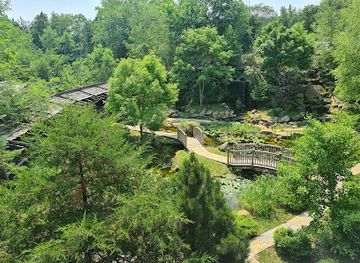
Explore the vibrant beauty of Boerner Botanical Gardens, a stunning botanical paradise perfect for relaxation, events, and nature lovers in Hales Corners, Wisconsin.


Best landmarks in Northern Highland
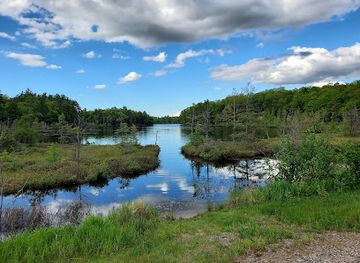
The most recognisable landmarks of Northern Highland are closely tied to its environment and working history. The chain of lakes around Eagle River, including the waters associated with the Eagle River–Three Lakes area, represents the interconnected waterways that define the region’s geography and recreational identity. The Northern Highland-American Legion State Forest is a major landscape landmark, with its extensive public woods and numerous lakes demonstrating the scale of the Northwoods beyond individual resort communities. In Rhinelander, the Hodag has become a distinctive civic symbol: the mythical woodland creature is linked to local boosterism and appears in public imagery, although it is folklore rather than wildlife. Minocqua’s Island community, connected to the mainland by a bridge, is another recognisable expression of the region’s lake-town geography. Historic commercial buildings, former railway associations and local museums in Rhinelander and other communities preserve the material memory of logging and settlement. The region’s most powerful visual landmarks remain its shorelines, pine and mixed hardwood forests, glacial lakes and winter ice landscapes, which change markedly with season and weather.
-
Historical place museum
Old World Wisconsin
Discover the rich heritage of 19th-century America at Old World Wisconsin, an outdoor museum that brings history to life with engaging exhibits and demonstrations.
-
State park
Northern Highland–American Legion State Forest
Experience the breathtaking landscapes and rich biodiversity of Northern Highland–American Legion State Forest, a perfect retreat for nature lovers and outdoor enthusiasts.
-
Historical landmark
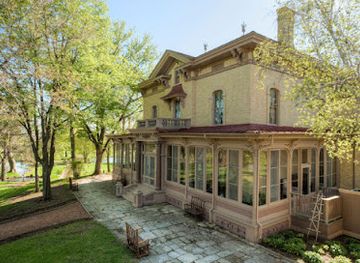
Villa Louis Historic Site
Experience the grandeur of 19th-century life at Villa Louis Historic Site, a historic landmark offering exquisite architecture and rich cultural history.
-
Historical landmark
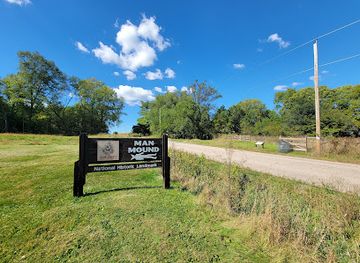
Man Mound Park
Explore Man Mound Park, a historical landmark in Baraboo, Wisconsin, featuring the largest effigy mound in North America amidst serene landscapes.
Explore Northern Highland on the map
Plan your trip on one map. See where the top cities, national parks and sights are, and book hotels and experiences in a few clicks.
Best hotels in Northern Highland
Best restaurants in Northern Highland
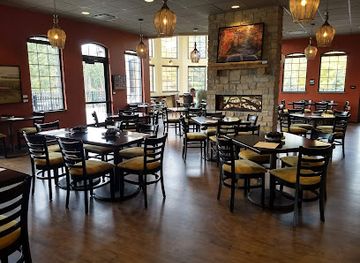
Dining in Northern Highland Wisconsin reflects a rural, seasonal economy and the region’s long tradition of lakeside holidays. Supper clubs, family restaurants, cafés, taverns and resort dining rooms commonly provide hearty Wisconsin fare, including fried fish, burgers, sandwiches, salads and comfort food, while bakeries and coffee shops serve breakfast to visitors setting out on the trails or water. Friday fish fries are part of the wider Wisconsin dining tradition and are widely encountered, though individual menus and schedules vary. Local restaurants also make use of regional produce, meats and cheeses without claiming that every dish is exclusive to the Northwoods. In lake communities, casual waterfront meals and ice-cream stops are especially associated with summer, while Rhinelander offers the broadest choice of everyday dining. Visitors staying in cabins often shop for provisions in larger towns and prepare meals themselves, making farmers’ markets, delis, bakeries and independent food shops useful parts of the regional food experience.
-
Swedish
Al Johnson’s Swedish Restaurant & Butik
Discover authentic Swedish flavors at Al Johnson's Restaurant & Butik in Sister Bay—where tradition meets taste in every bite.
-
Restaurant
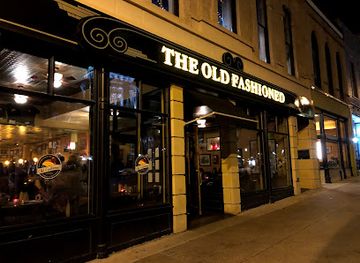
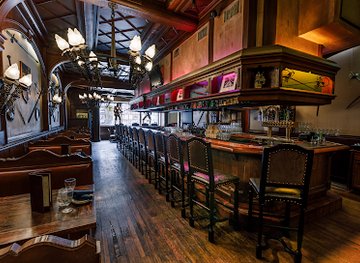
The Old Fashioned
Discover authentic American cuisine at The Old Fashioned in Madison, where local flavors meet classic hospitality.
-
German
Mader's Restaurant
Experience authentic German cuisine at Mader's Restaurant in Milwaukee – where tradition meets flavor in a warm and inviting atmosphere.
-
Seafood
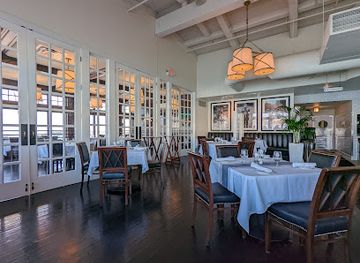
Harbor House
Experience exquisite seafood dining with stunning lake views at Harbor House in Milwaukee.
Best bars in Northern Highland
Evening life in Northern Highland is generally relaxed and community-sized rather than centred on large nightclubs. Traditional taverns, supper-club bars, brewery rooms, resort lounges and casual restaurants provide the main social settings in Minocqua, Woodruff, Rhinelander, Eagle River and the smaller lake communities. Live music, quiz nights and seasonal entertainment may appear at individual establishments, but schedules change and should be checked locally. Rhinelander has the region’s broadest concentration of evening venues, while resort areas often become quieter outside the summer season. Visitors can also find locally produced beer and a growing interest in craft beverages, although the region is not principally a nightlife destination. In rural areas, driving distances and dark roads make planning important: arrange a designated driver or taxi where available rather than assuming that late-night transport will be easy to find.
-
Restaurant
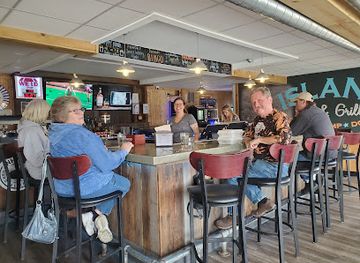
Island Bar & Grill
Experience the vibrant flavors and lively atmosphere of the Island Bar & Grill in Fort Atkinson, Wisconsin - a true tiki bar and grill experience.
-
Steak
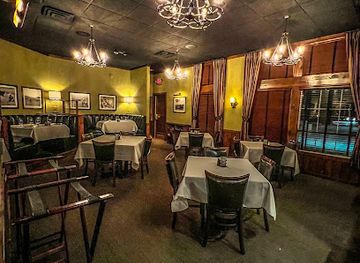
Mr. B's - A Bartolotta Steakhouse - Mequon
Discover the exquisite flavors of Mr. B's - A Bartolotta Steakhouse, where every meal is a celebration of fine dining in Mequon, Wisconsin.
-
Bar
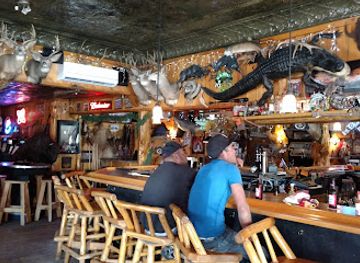
Iron Buffalo Saloon
Discover the cozy atmosphere and delicious offerings at Iron Buffalo Saloon, your go-to bar in Reedsville, Wisconsin for great food and drinks.
-
Grill
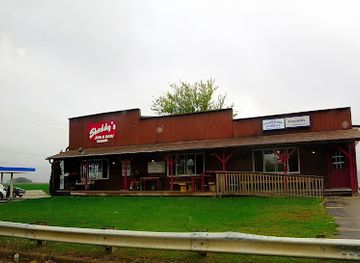
Sheddy's Bar & Grill
Discover the heart of American cuisine at Sheddy's Bar & Grill in Montfort, where every meal is a celebration of flavor and community.
Best nightclubs in Northern Highland
Evening life in Northern Highland is generally relaxed and community-sized rather than centred on large nightclubs. Traditional taverns, supper-club bars, brewery rooms, resort lounges and casual restaurants provide the main social settings in Minocqua, Woodruff, Rhinelander, Eagle River and the smaller lake communities. Live music, quiz nights and seasonal entertainment may appear at individual establishments, but schedules change and should be checked locally. Rhinelander has the region’s broadest concentration of evening venues, while resort areas often become quieter outside the summer season. Visitors can also find locally produced beer and a growing interest in craft beverages, although the region is not principally a nightlife destination. In rural areas, driving distances and dark roads make planning important: arrange a designated driver or taxi where available rather than assuming that late-night transport will be easy to find.
-
Bar
The Reef
Experience the Pulse of Lake Delton's Nightlife at The Reef – A Bar, Dance Club & Live Music Venue.
-
Night club
Room Seven
Discover the electrifying nightlife at Room Seven in Milwaukee, a must-visit nightclub with great music and a lively atmosphere.
-
Gay night club
FIVE Nightclub
Discover the energetic atmosphere of FIVE Nightclub in Madison, WI, where inclusivity and nightlife converge for an unforgettable experience.
-
Night club
Mad Planet
Discover the heart of Milwaukee's nightlife at Mad Planet, a vibrant nightclub and bar where music, dance, and fun collide in an electrifying atmosphere.

Best shops in Northern Highland
Shopping in Northern Highland is concentrated in small town centres and roadside commercial areas rather than large urban retail districts. Minocqua and Woodruff offer visitor-oriented shops, clothing, outdoor equipment, books, gifts, galleries and Northwoods-themed merchandise, while Eagle River and Rhinelander provide a broader range of practical retail and services. Boulder Junction, St Germain and Manitowish Waters combine independent shops with businesses aimed at paddlers, cyclists, anglers and winter-trail users. Farmers’ markets and seasonal produce stalls are useful places to look for local food, baked goods, preserves and handmade items, although market locations and operating days vary by season. Regional souvenirs commonly include cabin and lake imagery, locally made crafts, artwork, pottery, wood products and outdoor clothing. For a more practical shopping stop, Rhinelander is the strongest choice; for distinctive gifts, the smaller lake communities tend to offer more independent specialist shops. Visitors should not expect metropolitan designer retail, and some businesses operate shorter hours outside the summer season.
-
Outlet mall
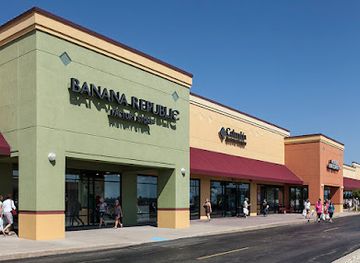
Pleasant Prairie Premium Outlets
Explore a shopping haven at Pleasant Prairie Premium Outlets, with unbeatable deals on top brands in a picturesque outdoor setting.
-
Shopping mall
Mayfair
Explore Mayfair Shopping Mall: A Premier Retail Destination in Wauwatosa, Wisconsin, Offering Unique Shops, Dining, and Family-Friendly Activities.
-
Outlet mall
Johnson Creek Premium Outlets
Experience unbeatable savings and a diverse selection of brand-name shops at Johnson Creek Premium Outlets, the ultimate shopping destination in Wisconsin.
-
Clothing store
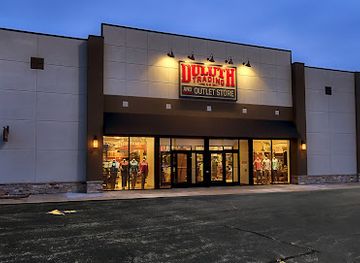
Duluth Trading Company
Discover quality clothing for every adventure at Duluth Trading Company in Belleville, where comfort meets durability in style.


Get your free copy of our complete guide to Northern Highland, delivered straight to you.
Everything on this page, from attractions and restaurants to essentials and local phrases, in one PDF you can read offline, print or share.
Already have an account? Sign in
Your Northern Highland guide is ready.
We'll send it to · Not you? Sign out

Getting your guide ready…
We are putting together a fresh copy of the Northern Highland guide. This can take up to a minute.
This can take a few moments. If your browser asks, choose Allow so the download can start. You'll find the guide in your Downloads folder.
Nothing happened? Download it again
Sorry, the guide is taking longer than usual. Please try again in a minute, or get it by email instead.
Northern Highland essentials
Currency and Payment
Safety
Emergency Situations
Do's and Don'ts
Local Tips
From Eve
Local phrases worth knowing
You don't need to get them perfect. A few words go a long way, and locals appreciate the effort.
Basics
| English | Local | Say it |
|---|---|---|
| Hello | Hi | [Hai] |
| Goodbye | See ya | [See yah] |
| Yes | Yep | [Yep] |
| No | Nope | [Nope] |
| Please/You're welcome | Sure thing | [Shur thing] |
| Thank you | Thanks | [Thanks] |
| Excuse me/Sorry | Excuse me | [Ex-cuze me] |
| How are you? | How's it going? | [How's it goin'?] |
| Fine. And you? | Good. You? | [Good. You?] |
| Do you speak English? | Do ya speak English? | [Doo yah speak English?] |
| I don't understand | I don't get it | [I don't get it] |
Eating & Drinking
| English | Local | Say it |
|---|---|---|
| I'd like to see the menu, please | Can I see the menu? | [Can I see the menu?] |
| I don't eat meat | I don't eat meat | [I don't eat meat] |
| Cheers! | Cheers! | [Cheers!] |
| I would like to pay, please | Can I get the check? | [Can I get the check?] |
Emergencies
| English | Local | Say it |
|---|---|---|
| Help! | Help! | [Help!] |
| Go away! | Leave me alone! | [Leave me alone!] |
| Call the Police! | Call the cops! | [Call the cops!] |
| Call a doctor! | Get a doctor! | [Get a doctor!] |
| I'm lost | I'm lost | [I'm lost] |
| I'm ill | I'm not feeling well | [I'm not feelin' well] |
Shopping
| English | Local | Say it |
|---|---|---|
| I'd like to buy... | I'd like to buy... | [I'd like to buy...] |
| I'm just looking | Just browsing | [Just browsing] |
| How much is it? | What’s the price? | [What's the price?] |
| That's too expensive | That's too pricey | [That's too pricey] |
| Can you lower the price? | Can you make it cheaper? | [Can you make it cheaper?] |
Time & Numbers
| English | Local | Say it |
|---|---|---|
| What time is it? | What time is it? | [What time is it?] |
| It's one o'clock | It's one o'clock | [It's one o'clock] |
| Half past (10) | Half past ten | [Half past ten] |
| Morning | Morning | [Morning] |
| Afternoon | Afternoon | [Afternoon] |
| Evening | Evening | [Evening] |
| Yesterday | Yesterday | [Yesterday] |
| Today | Today | [Today] |
| Tomorrow | Tomorrow | [Tomorrow] |
| 1 | One | [One] |
| 2 | Two | [Two] |
| 3 | Three | [Three] |
| 4 | Four | [Four] |
| 5 | Five | [Five] |
| 6 | Six | [Six] |
| 7 | Seven | [Seven] |
| 8 | Eight | [Eight] |
| 9 | Nine | [Nine] |
| 10 | Ten | [Ten] |
Transport & Directions
| English | Local | Say it |
|---|---|---|
| Where's a/the...? | Where's the...? | [Where's the...?] |
| What's the address? | What’s the address? | [What’s the address?] |
| Can you show me (on the map)? | Can you show me on the map? | [Can you show me on the map?] |
| When's the next (bus)? | When’s the next bus? | [When's the next bus?] |
| A ticket (to ....) | A ticket to ... | [A ticket to ...] |
History of Northern Highland
Ojibwe Homelands and Treaty History
Northern Highland lies within the historic homeland of the Ojibwe, also known as the Anishinaabe, whose communities developed extensive knowledge of the lakes, rivers, wetlands and forests. The Lac du Flambeau Band of Lake Superior Chippewa remains an important Indigenous community in the wider region. Treaties made with the United States in the nineteenth century reshaped land ownership while preserving certain hunting, fishing and gathering rights for Ojibwe nations. These rights and the continuing presence of Indigenous communities are central to understanding the region’s history, rather than treating its story as beginning with logging or resort development.
The Fur Trade and Early American Settlement
Before large-scale American settlement, trade routes connected northern Wisconsin’s waterways with wider networks around Lake Superior and the Great Lakes. French, British and later American traders interacted with Indigenous communities, although the Northwoods remained sparsely settled by newcomers for much of the early nineteenth century. Small trading posts, missions and farms appeared gradually, followed by government surveys and roads. The lakes that now attract holiday visitors were practical routes for travel and exchange, while the forest and wetland environment strongly influenced where permanent settlement was possible.
Logging and the Timber Boom
The nineteenth-century timber boom transformed Northern Highland Wisconsin. White pine and other commercially valuable trees were cut and floated or hauled towards sawmills and markets, while railways made it easier to move timber, workers and supplies. Camps, logging roads and short-lived settlements spread through the forest, and towns such as Rhinelander developed as commercial and transport centres. Logging brought employment and investment but also severe forest clearance, soil disturbance and economic instability. The regenerated woods seen today are therefore not untouched primeval forest; they are part of a landscape shaped by extraction, abandonment, fire, conservation and renewed growth.
Railways and the Growth of Regional Towns
Railway expansion in the late nineteenth and early twentieth centuries connected the Northwoods to larger Wisconsin markets and encouraged the growth of towns including Rhinelander and communities around the lake districts. Rail transport carried timber out and brought manufactured goods, settlers and visitors in. It also helped establish the region’s later recreational economy by making long summer stays more practical for people from southern Wisconsin and neighbouring states. Although many original rail routes have disappeared or changed function, the pattern of compact town centres, former depots and road corridors still reflects the period when railways determined the region’s commercial geography.
Forest Recovery and Conservation
After intensive logging, parts of northern Wisconsin faced degraded soils, abandoned farms and serious wildfire risk. Public agencies and private owners gradually promoted reforestation, fire control and more systematic forest management. The Northern Highland-American Legion State Forest, established in the twentieth century, became one of the region’s important examples of public conservation and recreational planning. Its lakes, woods and trails illustrate a changing relationship with the land: forests remained economically useful, but water quality, wildlife habitat, recreation and long-term management became increasingly important alongside timber production.
The Civilian Conservation Corps
During the 1930s, the Civilian Conservation Corps employed young men on conservation projects across the United States, including northern Wisconsin. Crews worked on roads, trails, fire protection, tree planting and recreational facilities, leaving a practical legacy in the development of public forest infrastructure. The programme formed part of the New Deal response to the Great Depression and helped turn conservation into visible public work. In Northern Highland landscapes, the broader effects can still be understood through the planned campsites, access routes and forest-management projects associated with the period.
From Timber Economy to Four-Season Tourism
As the timber industry declined in importance and forests regenerated, the region increasingly promoted its lakes, fishing, boating and woodland setting to visitors. Roads and improved vehicles widened access, while resorts, cabins, campgrounds and marinas created a seasonal tourism economy. Winter recreation later expanded the visitor year through snowmobiling, cross-country skiing and ice fishing. Tourism did not replace forestry completely, and many communities still depend on a mixture of public services, small businesses, construction, forest work and hospitality. The contemporary Northwoods is consequently both a recreational destination and a lived rural region.
Northern Highland in Photos
Browse through our photo collection highlighting the charm and character of the destination.
Neighbouring regions of Northern Highland
The closest regions to Northern Highland, if you have time for more than one.
-

-

-

-

-


Swipe for more regions
Explore more

Explore more of Wisconsin
Discover Wisconsin: A Midwestern gem offering stunning natural landscapes, rich cultural experiences, and a taste of America's finest dairy products.
Explore Wisconsin