

Lake Winnebago Region, Wisconsin Travel Guide
Discover the serene beauty and adventure of Wisconsin's largest inland lake, Lake Winnebago, where outdoor fun meets charming small-town vibes.
Nestled in the heart of Wisconsin, Lake Winnebago is the largest inland lake in the state and a cherished destination for those seeking a blend of natural beauty and outdoor adventure. The lake spans 30 miles long and 10 miles wide, offering ample opportunities for boating, fishing, and water sports. Whether you're an avid angler looking to catch walleye and sturgeon or a boating enthusiast eager to explore the waters, Lake Winnebago promises a memorable experience. The surrounding region is equally captivating, with quaint towns and vibrant communities dotting the shoreline. Fond du Lac, Oshkosh, and Neenah each offer unique charms, from historic sites and museums to bustling local markets and eateries. The area is also renowned for its annual events, such as the EAA AirVenture Oshkosh, which draws aviation enthusiasts from around the globe. Nature lovers will find plenty to explore beyond the lake itself. The nearby High Cliff State Park features stunning limestone cliffs, scenic hiking trails, and panoramic views of the lake. Birdwatching is a popular pastime in the region, with numerous species making their home in the wetlands and forests around the lake. For those who prefer a more leisurely pace, the many parks and picnic areas provide perfect spots to relax and take in the serene surroundings.

Know before you go
Hi, I'm Eve. Here are a few practical things to know before exploring Lake Winnebago Region.
- Visit during the summer months for the best weather and outdoor activities.
- Check out the local fish fries, a Wisconsin tradition.
- Rent a boat or kayak to fully experience the lake's vastness.
- Explore local farmers' markets for fresh produce and handmade goods.
- Don't miss the EAA AirVenture in Oshkosh if visiting in late July.
- Bring binoculars for birdwatching at High Cliff State Park.
Top City Travel Guides in Lake Winnebago Region
The cities of Lake Winnebago Region, and the easiest places to base yourself.
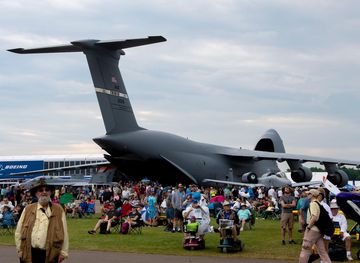

Explore Lake Winnebago Region: Things to Do, Places to Eat, Hotels & More
Handpicked recommendations for top attractions, local dining, accommodations, and more

Top Attractions & Sightseeing in Lake Winnebago Region
Top-rated picks
Best Attractions

EAA Aviation Museum
Explore the EAA Aviation Museum in Oshkosh, a treasure trove of aviation history featuring iconic aircraft and engaging exhibits for all ages.

Lakeside Park
Explore Lakeside Park in Fond du Lac, WI - a scenic destination for relaxation, recreation, and family fun by the lake.

High Cliff State Park
Experience the breathtaking beauty and outdoor adventure at High Cliff State Park, Wisconsin's premier natural oasis on Lake Winnebago.

Menominee Park Zoo
Explore Menominee Park Zoo: A delightful family-friendly destination in Oshkosh, Wisconsin, showcasing a variety of wildlife and interactive experiences.

Best landmarks in Lake Winnebago Region
Top-rated picks
Best Landmarks

Kimberly Point Lighthouse
Explore the historic Kimberly Point Lighthouse and its scenic park, a perfect destination for history lovers and nature enthusiasts in Neenah, Wisconsin.

Asylum Point Lighthouse
Discover the charm of Asylum Point Lighthouse, a historical landmark in Oshkosh, Wisconsin, where scenic beauty meets maritime heritage.

Lime Kiln Ruins
Discover the captivating history and serene beauty of the Lime Kiln Ruins in Sherwood, Wisconsin, a hidden gem for history lovers and nature enthusiasts alike.

Wisconsin State Historical Marker 339: Edward S. Bragg Historical Marker
Explore the Edward S. Bragg Historical Marker 339 in Fond du Lac, Wisconsin, and dive into the rich tapestry of American history.

Best restaurants in Lake Winnebago Region
Top-rated picks
Best Restaurants

The Fox & Hounds Restaurant & Tavern
Experience the best of American cuisine at The Fox & Hounds Restaurant & Tavern - where every meal is a celebration.

Mineshaft Oshkosh
Discover Mineshaft Oshkosh: where delightful American cuisine meets endless family fun in a vibrant arcade setting.

Kurtev's Backyard Bar and Grill
Experience the perfect blend of delicious cuisine and warm hospitality at Kurtev's Backyard Bar and Grill in Fond du Lac.

Ala Roma Pizzeria & Pub
Experience authentic Italian cuisine at Ala Roma Pizzeria & Pub – where delicious pizza and wings meet warm hospitality in Fond du Lac.

Best bars in Lake Winnebago Region
Top-rated picks
Best Bars

TJ's Harbor Restaurant
Discover a delightful American dining experience at TJ's Harbor Restaurant in Oshkosh, featuring lakeside views, a welcoming atmosphere, and a diverse menu.

Waverly Beach Bar & Grille
Experience the perfect blend of American cuisine, stunning lake views, and live music at Waverly Beach Bar & Grille in Menasha, Wisconsin.

Sunset On The Water
Experience exquisite dining at Sunset On The Water, where delectable dishes meet breathtaking lakeside views in Fond du Lac, Wisconsin.

Harbor Bar
Experience the perfect blend of relaxation and vibrant atmosphere at Harbor Bar, a lakeside pub offering delicious food and local brews in Chilton, Wisconsin.

Best nightclubs in Lake Winnebago Region
Top-rated picks
Best Nightclubs

Wendt's On the Lake
Discover Wendt's On the Lake, where delicious American cuisine meets breathtaking lakeside views in Wisconsin.

Sunset On The Water
Experience exquisite grill cuisine with breathtaking waterfront views at Sunset On The Water in Fond du Lac, a culinary gem in Wisconsin.

End Zone Sports Bar
Experience the thrill of sports at End Zone Sports Bar, Fond du Lac's top destination for food, drinks, and game-day excitement.

The ReMixx, Your NightLife Destination
Discover the electrifying nightlife of Neenah at The ReMixx, your ultimate destination for live music, dancing, and unforgettable memories.

Best shops in Lake Winnebago Region
Top-rated picks
Best Shops

Walmart Supercenter
Explore Walmart Supercenter in Fond du Lac, your ultimate shopping destination for groceries, clothing, and more, offering convenience and variety for every traveler.

Hobby Lobby
Discover endless crafting possibilities at Hobby Lobby, the ultimate destination for creative enthusiasts in Oshkosh, Wisconsin.

Kohl's
Explore Kohl's in Fond du Lac for unbeatable prices on fashion, home goods, and more, making it a must-visit for savvy shoppers.

Target
Discover the ultimate shopping experience at Target in Fond du Lac, offering a vast selection of clothing, electronics, home goods, and more for every traveler.

Explore Lake Winnebago Region on the Map
A handpicked selection of must-see spots in Lake Winnebago Region, mapped for you.
Lake Winnebago Region Essentials
-
Lake Winnebago Region in Wisconsin is accessible by various means. The closest major airports are Appleton International Airport (ATW) and Green Bay's Austin Straubel International Airport (GRB), both within an hour’s drive. From Milwaukee's General Mitchell International Airport (MKE), it’s about a two-hour drive. You can rent a car at any of these airports or use shuttle services. Amtrak trains and Greyhound buses also serve the region, with stops in nearby cities like Oshkosh and Fond du Lac.
-
Once in the Lake Winnebago Region, getting around is relatively easy. Renting a car is the most convenient option, given the spread-out nature of attractions. Local taxis and rideshare services like Uber and Lyft are available in cities like Oshkosh and Fond du Lac. Public transport options include local bus services like GO Transit in Oshkosh. Bicycling is also popular, with numerous trails and bike-friendly roads.
-
The official currency in the Lake Winnebago Region is the US Dollar (USD). Credit and debit cards are widely accepted in hotels, restaurants, and shops. ATMs are readily available in urban areas. However, it’s advisable to carry some cash, especially if you plan to visit rural areas or local markets where card payments may not be accepted.
-
The Lake Winnebago Region is generally a safe destination for tourists. Standard safety precautions should be taken, such as not leaving valuables in your car and being aware of your surroundings, especially at night. While the region does not have high-crime areas specifically targeting tourists, it’s wise to exercise caution in less populated areas after dark. Always lock your accommodation when leaving.
-
In case of emergency, dial 911 for immediate assistance. Hospitals and urgent care centers are available in major cities like Oshkosh and Fond du Lac. It’s recommended to have travel insurance that covers medical emergencies. Pharmacies are widely available for minor health issues, and many stores have extended hours.
-
Fashion: Do dress in layers, as Wisconsin weather can be unpredictable. Casual and comfortable clothing is generally acceptable. Religion: Do be respectful when visiting religious sites, even if they are not your own. Public Transport: Do respect local etiquette, such as offering seats to elderly passengers. Don't be loud or disruptive. Greetings: Do greet people with a friendly 'hello' or handshake. Eating & Drinking: Do try local delicacies and be polite when offered food. Don't be overly critical of local dishes.
-
To experience Lake Winnebago Region like a local, visit the farmers' markets in Oshkosh and Fond du Lac. Engage in local events like the EAA AirVenture Oshkosh, the world's largest aviation event, or the Sturgeon Spectacular in Fond du Lac. Don’t miss out on trying local favorites like cheese curds and bratwurst. For a unique experience, rent a boat or take a fishing trip on Lake Winnebago. The region’s parks and trails are perfect for hiking and exploring the natural landscape.
When is the best time to visit Lake Winnebago Region?
Useful Local Phrases for Lake Winnebago Region
You don't need to speak the language perfectly. Even learning a few simple words can make conversations warmer—and locals usually appreciate the effort.
— Eve

Here are the phrases I use most often in Lake Winnebago Region. Try a few—you'll be surprised how far they go! 😊
❤️
-
- HelloHi there
[Hai thair] - GoodbyeSee ya later
[See yah lay-ter] - YesYep
[Yep] - NoNope
[Nope] - Please/You're welcomeSure thing
[Shur thing] - Thank youThanks a lot
[Thangs a lot] - Excuse me/SorryPardon me
[Pardon me] - How are you?How ya doin'?
[How yah doin'?] - Fine. And you?Good. And you?
[Good. And you?] - Do you speak English?Do ya speak English?
[Doo yah speak English?] - I don't understandI don't get it
[I don't get it]
- HelloHi there
-
- I'd like to see the menu, pleaseCan I see the menu?
[Can I see the menu?] - I don't eat meatI'm not a meat eater
[I'm not a meat eater] - Cheers!Bottoms up!
[Bottoms up!] - I would like to pay, pleaseCan I get the check?
[Can I get the check?]
- I'd like to see the menu, pleaseCan I see the menu?
-
- Help!Help!
[Help!] - Go away!Leave me alone!
[Leave me alone!] - Call the Police!Call the cops!
[Call the cops!] - Call a doctor!Get a doctor!
[Get a doctor!] - I'm lostI'm turned around
[I'm turned around] - I'm illI'm not feeling well
[I'm not feeling well]
- Help!Help!
-
- I'd like to buy...I want to buy...
[I want to buy...] - I'm just lookingJust browsing
[Just browsing] - How much is it?What’s it cost?
[What’s it cost?] - That's too expensiveThat's pricey
[That's pricey] - Can you lower the price?Can you make it cheaper?
[Can you make it cheaper?]
- I'd like to buy...I want to buy...
-
- What time is it?What time ya got?
[What time yah got?] - It's one o'clockIt's one
[It's one] - Half past (10)Half past ten
[Half past ten] - MorningMorning
[Morning] - AfternoonAfternoon
[Afternoon] - EveningEvening
[Evening] - YesterdayYesterday
[Yesterday] - TodayToday
[Today] - TomorrowTomorrow
[Tomorrow] - 1One
[One] - 2Two
[Two] - 3Three
[Three] - 4Four
[Four] - 5Five
[Five] - 6Six
[Six] - 7Seven
[Seven] - 8Eight
[Eight] - 9Nine
[Nine] - 10Ten
[Ten]
- What time is it?What time ya got?
-
- Where's a/the...?Where's a...?
[Where's a...?] - What's the address?What's the address?
[What's the address?] - Can you show me (on the map)?Can ya point it out?
[Can yah point it out?] - When's the next (bus)?When's the next bus?
[When's the next bus?] - A ticket (to ....)A ticket to...
[A ticket to...]
- Where's a/the...?Where's a...?
History of Lake Winnebago Region
-
Long before European settlers arrived, the Lake Winnebago region was home to various Native American tribes, including the Menominee, Ho-Chunk, and Potawatomi. These tribes utilized the lake and its surrounding resources for fishing, hunting, and agriculture. The name 'Winnebago' itself is derived from the Ho-Chunk word 'Winnepego,' meaning 'people of the dirty water.'
-
In the 17th century, French explorers and fur traders began to venture into the Lake Winnebago region. Notably, Jean Nicolet is believed to have been the first European to reach the area in 1634. The French established trading relationships with the local tribes, exchanging goods such as metal tools, weapons, and blankets for furs, which were highly valued in Europe.
-
The Lake Winnebago region played a role in the Black Hawk War of 1832, a conflict between the United States and Native American tribes led by the Sauk leader Black Hawk. Although most of the fighting occurred in Illinois and southern Wisconsin, the tension and subsequent treaties significantly affected the Native American population in the Lake Winnebago area, leading to their displacement.
-
As settlers moved into the area in the mid-19th century, towns began to form around Lake Winnebago. Fond du Lac, meaning 'bottom of the lake' in French, was established in 1836 and quickly became a bustling community. Meanwhile, Oshkosh, named after the Menominee Chief Oshkosh, was incorporated as a city in 1853. Both towns grew rapidly due to their strategic locations and access to waterways.
-
In the late 19th century, the Lake Winnebago region experienced a boom in the lumber industry. Oshkosh, in particular, became known as 'Sawdust City' due to its numerous sawmills and woodworking factories. Timber from the surrounding forests was processed and shipped via the lake and connecting rivers, contributing to the area's economic growth.
-
The Fox-Wisconsin Waterway, a system of rivers and canals connecting the Great Lakes to the Mississippi River, was crucial for transportation and trade in the 19th century. Efforts to improve and maintain this waterway included the construction of locks and dams, which facilitated the movement of goods and people through the Lake Winnebago region.
-
In the 20th century, Lake Winnebago became a popular destination for tourism and recreation. Activities such as fishing, boating, and ice fishing draw visitors year-round. The lake's natural beauty and rich history continue to attract tourists, contributing to the local economy and preserving the cultural heritage of the region.
-
The Experimental Aircraft Association (EAA) AirVenture Oshkosh, an annual air show and gathering of aviation enthusiasts, has been held in Oshkosh since 1970. Known as the world's largest aviation event, it attracts hundreds of thousands of visitors each year. The event showcases aircraft from all eras and provides educational workshops, making it a significant cultural event for the Lake Winnebago region.
Neighbouring Regions of Lake Winnebago Region
The closest regions to Lake Winnebago Region, if you have time for more than one.


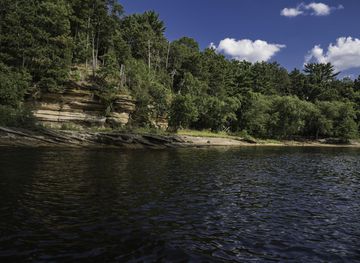
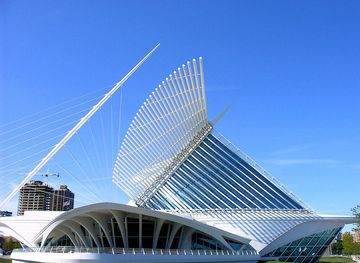


Your all‑in‑one travel companion app
Explore expert travel guides, compare and book tours, experiences, hotels, and more—all from the palm of your hand. Download now for seamless trip planning wherever your wanderlust takes you.


Explore More of Wisconsin

Looking beyond Lake Winnebago Region? Discover Wisconsin for broader travel guides, local hot-spots, and regional highlights.
Explore WisconsinLake Winnebago Region in Photos
Browse through our photo collection highlighting the charm and character of the destination.


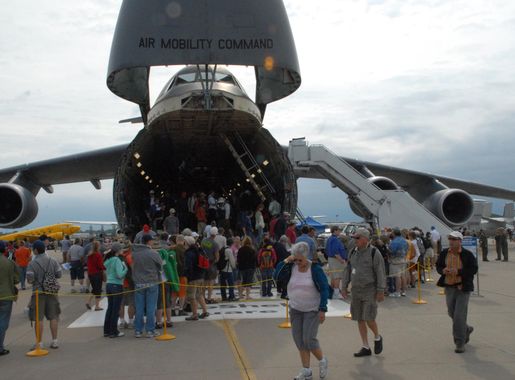


Tranquil Escapes at Lake Winnebago
Nestled in the heart of Wisconsin, Lake Winnebago is the largest inland lake in the state and a cherished destination for those seeking a blend of natural beauty and outdoor adventure. The lake spans 30 miles long and 10 miles wide, offering ample opportunities for boating, fishing, and water sports. Whether you're an avid angler looking to catch walleye and sturgeon or a boating enthusiast eager to explore the waters, Lake Winnebago promises a memorable experience. The surrounding region is equally captivating, with quaint towns and vibrant communities dotting the shoreline. Fond du Lac, Oshkosh, and Neenah each offer unique charms, from historic sites and museums to bustling local markets and eateries. The area is also renowned for its annual events, such as the EAA AirVenture Oshkosh, which draws aviation enthusiasts from around the globe. Nature lovers will find plenty to explore beyond the lake itself. The nearby High Cliff State Park features stunning limestone cliffs, scenic hiking trails, and panoramic views of the lake. Birdwatching is a popular pastime in the region, with numerous species making their home in the wetlands and forests around the lake. For those who prefer a more leisurely pace, the many parks and picnic areas provide perfect spots to relax and take in the serene surroundings.