

Free Eastern Ridges and Lowlands Travel Guide & Mobile App
Explore Eastern Ridges and Lowlands with free travel guides. Discover regional history, expert tips, proposed trips, and audio guides on web or mobile app.


Explore Eastern Ridges and Lowlands for Milwaukee culture, Madison history, Lake Michigan shores, glacial trails, lake towns and Wisconsin food.
Read more about Eastern Ridges and Lowlands
Getting to and around Eastern Ridges and Lowlands
How to get there
Transportation
Top city travel guides in Eastern Ridges and Lowlands
The cities of Eastern Ridges and Lowlands, and the easiest places to base yourself.
-

-

-

-

-

-


Swipe for more cities
Destinations in Eastern Ridges and Lowlands
Resorts, valleys and scenic spots worth a trip of their own.
-

-

-


Swipe for more destinations
Best attractions in Eastern Ridges and Lowlands
The region’s attractions range from major urban museums to glacial landscapes and small-town heritage. Milwaukee’s lakefront brings together the Milwaukee Art Museum, Discovery World and public paths, while the Historic Third Ward and former industrial districts offer galleries, markets and renovated warehouses. Madison centres on the Wisconsin State Capitol, university collections, lakeside recreation and a strong calendar of civic and cultural events. Away from the cities, the Kettle Moraine State Forest provides hiking, cycling, paddling, camping and access to classic kettle lakes and moraines. The Ice Age National Scenic Trail is one of the region’s defining outdoor experiences, though it is best understood as a network of sections rather than a single short walk. Aztalan State Park preserves an important archaeological landscape near Lake Mills, and Old World Wisconsin near Eagle presents historic farmsteads and rural buildings. Lake Geneva, Delavan and Whitewater add boating, beaches, historic streets and nature areas, while Cedarburg and other established communities reward visits focused on architecture, local museums and independent shops.
-
Stadium
Lambeau Field
Discover the rich history and vibrant culture of football at Lambeau Field, home of the Green Bay Packers, a must-visit for sports enthusiasts.
-
Tourist attraction
The House on the Rock
Explore the surreal world of The House on the Rock in Spring Green, Wisconsin – an architectural marvel filled with whimsical collections and breathtaking views.
-
Amusement park
Bay Beach Amusement Park
Experience the thrill of rides, games, and delicious treats at Bay Beach Amusement Park, a family-friendly destination in Green Bay, Wisconsin.
-
Natural history museum
Milwaukee Public Museum
Explore the Milwaukee Public Museum: A captivating journey through natural history and cultural heritage awaits you!


Best landmarks in Eastern Ridges and Lowlands
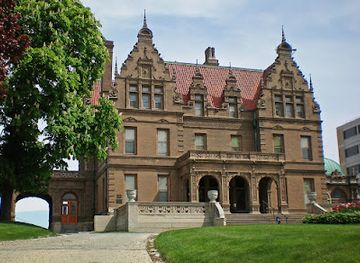
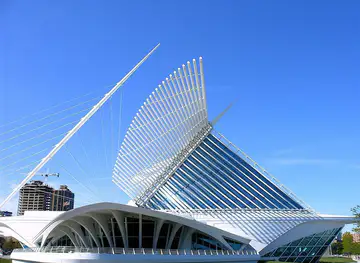
The Wisconsin State Capitol in Madison is the region’s most important civic landmark, its dome and Beaux-Arts architecture dominating the central square and expressing the capital’s political role. Milwaukee’s lakefront is marked by the Milwaukee Art Museum’s movable-wing Quadracci Pavilion, while the Pabst Mansion records the wealth created by the city’s nineteenth-century brewing industry. The Basilica of Saint Josaphat, built in the former Polish district, demonstrates the scale and craftsmanship of immigrant religious architecture. In the countryside, the glacial hills and kettle depressions of the Kettle Moraine are geographical landmarks rather than individual monuments, with forest roads and trails revealing the region’s Ice Age formation. Aztalan’s earthworks provide a tangible link to pre-European settlement, and the historic commercial streets of Cedarburg and Lake Geneva retain nineteenth-century townscapes shaped by trade, tourism and regional agriculture. Lake Michigan’s bluffs, beaches and harbour structures complete a landmark landscape in which natural formations and built heritage are closely connected.
-
Tourist attraction
The House on the Rock
Discover the extraordinary at The House on the Rock, a unique blend of art, architecture, and imagination in Spring Green, Wisconsin.
-
Zoo
NEW Zoo & Adventure Park
Experience the vibrant wildlife and thrilling adventure at NEW Zoo & Adventure Park in Green Bay, Wisconsin. Fun for all ages awaits!
-
Historical place museum
Pabst Mansion
Explore the opulent Pabst Mansion, an architectural masterpiece and historical museum reflecting Milwaukee's rich brewing heritage.
-
State park
Kohler-Andrae State Park
Explore the breathtaking landscapes and diverse wildlife of Kohler-Andrae State Park, a must-visit destination for nature lovers in Wisconsin.


Explore Eastern Ridges and Lowlands on the map
Plan your trip on one map. See where the top cities, national parks and sights are, and book hotels and experiences in a few clicks.
Best hotels in Eastern Ridges and Lowlands
Best restaurants in Eastern Ridges and Lowlands
Dining in Eastern Ridges and Lowlands reflects both Wisconsin’s agricultural background and the diverse communities of its cities. Cheese, dairy products, sausages, apples, cranberries, farm vegetables and freshwater fish appear across menus and markets, while bakeries and delis preserve German, Polish and other European influences. Milwaukee is known for long-established taverns, beer-friendly food, modern restaurants and neighbourhood dining shaped by Mexican, Hmong and other immigrant communities. Madison’s restaurants draw on university and farm-to-table culture, with concentrated choices around the Capitol, campus and lakes. Smaller towns offer cafés, supper clubs, bakeries, pizzerias and rural inns rather than a uniform regional cuisine. Farmers’ markets are particularly useful for encountering local produce, preserves and prepared foods, and seasonal menus change with the growing calendar. Visitors should distinguish Wisconsin staples such as cheese curds and custard from more locally specific dishes, while recognising that contemporary dining is as important to the region as its brewing and dairy traditions.
-
Swedish
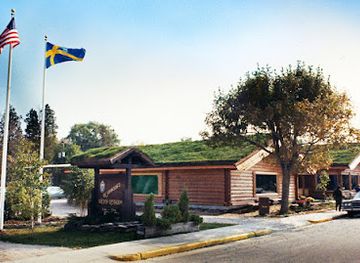
Al Johnson’s Swedish Restaurant & Butik
Discover authentic Swedish cuisine at Al Johnson's Restaurant & Butik in Sister Bay - where culture meets comfort food!
-
American
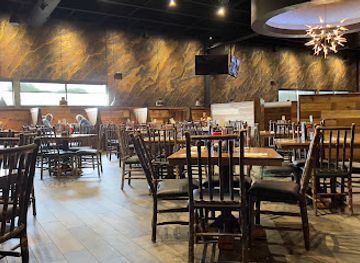
Mineshaft Oshkosh
Discover Mineshaft Oshkosh: An engaging family restaurant serving delicious American food alongside an exciting video arcade experience.
-
Seafood
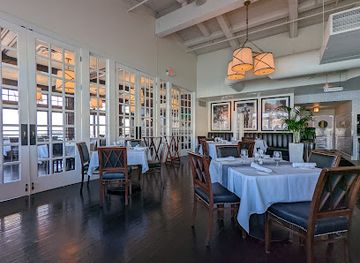
Harbor House
Experience exquisite seafood dining with breathtaking lake views at Harbor House in Milwaukee – a true culinary treasure.
-
Grill
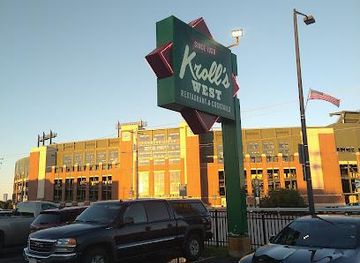
Kroll's West
Green Bay's iconic butter burger destination with vintage charm, just steps from Lambeau Field.
Best bars in Eastern Ridges and Lowlands
Evening life is strongest in Milwaukee and Madison, where historic taverns, breweries, cocktail bars, live-music rooms, theatres and late-opening restaurants serve different audiences. Milwaukee’s nightlife spreads through the downtown, Historic Third Ward, East Side and other established neighbourhoods, with a long association with brewing as well as an increasingly varied bar and restaurant culture. Madison’s student population supports busy evening streets around State Street and the Capitol, alongside quieter wine bars, music venues and cultural performances. In lake towns such as Lake Geneva, evening activity is more seasonal and often centres on restaurants, hotels and waterfront establishments. Rural communities generally offer traditional pubs, supper clubs and occasional live music rather than large nightclub districts. Drinking is not necessary to experience the region’s evening culture; concerts, galleries, theatre, night markets and waterfront events provide alternatives, and transport should be planned carefully outside the larger cities.
-
Irish pub
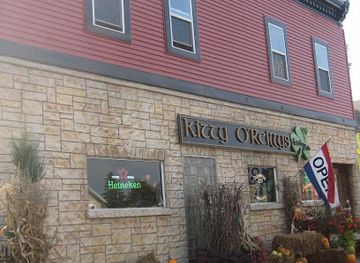
Kitty O'Reillys Irish Pub
Discover the charm of Ireland at Kitty O'Reillys Irish Pub, where great food, drinks, and live music create unforgettable moments in Sturgeon Bay.
-
Cocktail bar
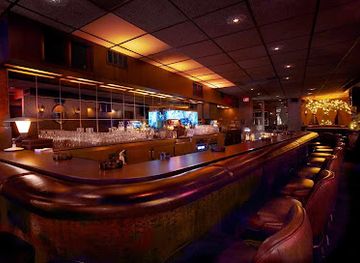
Bryant's Cocktail Lounge
Experience the charm and mixology mastery at Bryant's Cocktail Lounge, Milwaukee's iconic cocktail bar and historical landmark.
-
Grill
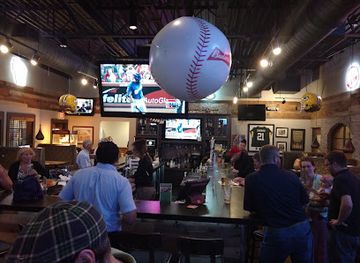
Batley's Grill & Bar
Discover Batley's Grill & Bar in Neenah, where delicious burgers and a lively atmosphere await for an unforgettable dining experience.
-
Grill
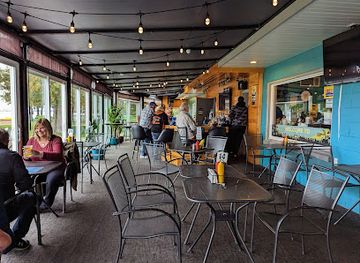
Waterfront Mary's
Experience great food and stunning waterfront views at Waterfront Mary's, the perfect spot for dining in Sturgeon Bay, Wisconsin.
Best nightclubs in Eastern Ridges and Lowlands
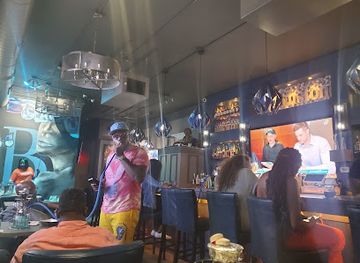
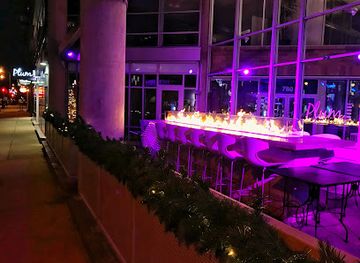
Evening life is strongest in Milwaukee and Madison, where historic taverns, breweries, cocktail bars, live-music rooms, theatres and late-opening restaurants serve different audiences. Milwaukee’s nightlife spreads through the downtown, Historic Third Ward, East Side and other established neighbourhoods, with a long association with brewing as well as an increasingly varied bar and restaurant culture. Madison’s student population supports busy evening streets around State Street and the Capitol, alongside quieter wine bars, music venues and cultural performances. In lake towns such as Lake Geneva, evening activity is more seasonal and often centres on restaurants, hotels and waterfront establishments. Rural communities generally offer traditional pubs, supper clubs and occasional live music rather than large nightclub districts. Drinking is not necessary to experience the region’s evening culture; concerts, galleries, theatre, night markets and waterfront events provide alternatives, and transport should be planned carefully outside the larger cities.
-
Lounge
BrownStone Social Lounge
Discover the vibrant nightlife of Milwaukee at BrownStone Social Lounge, where great drinks and live music create unforgettable experiences.
-
Bar
The Reef
Discover the pulse of Lake Delton's nightlife at The Reef, where live music and dancing create unforgettable experiences.
-
Night club
Room Seven
Discover Room Seven, a lively night club and bar in Milwaukee, where unforgettable nightlife and great music come together.
-
Bar
Stir-Ups Parlor & Saloon
Discover the lively spirit of Green Bay at Stir-Ups Parlor & Saloon, your go-to bar and night club for unforgettable nights filled with music and fun.

Best shops in Eastern Ridges and Lowlands
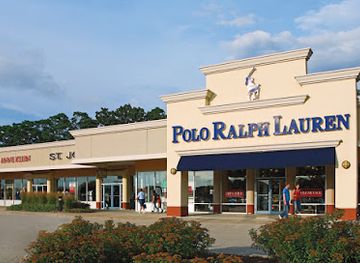
Shopping varies substantially between the region’s metropolitan centres, historic towns and rural districts. Milwaukee’s Historic Third Ward is the principal concentration of independent boutiques, galleries, design shops and food retailers, while downtown and established neighbourhoods provide further choices in books, fashion, antiques and locally made goods. Madison’s Capitol Square, State Street and nearby districts combine independent shops, art galleries, specialist food stores and university-oriented retail. Cedarburg, Lake Geneva and other lake and market towns are suited to browsing small boutiques, antiques, crafts and confectionery rather than large shopping complexes. Farmers’ markets offer seasonal produce, preserves, baked goods, flowers and prepared foods, with Madison’s market tradition particularly prominent. Useful regional purchases include Wisconsin cheese, maple products, beer, cranberry goods, pottery, prints and locally produced crafts. In rural areas, opening arrangements can be limited outside peak visitor periods, so plan shopping stops around town centres and regular market days rather than expecting continuous retail along country roads.
-
Outlet mall
Pleasant Prairie Premium Outlets
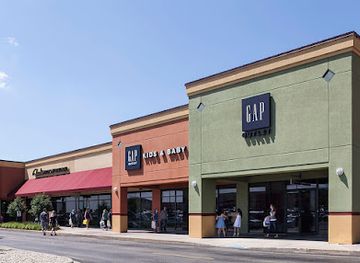
Discover incredible savings and a vibrant shopping experience at Pleasant Prairie Premium Outlets, where brand-name stores meet unbeatable prices.
-
Outlet mall
Johnson Creek Premium Outlets
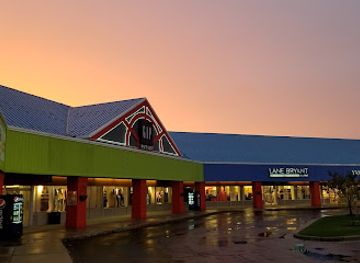
Discover unbeatable deals at Johnson Creek Premium Outlets, a premier shopping destination in Wisconsin with over 60 brand-name stores.
-
Outlet mall
The Outlet Shoppes at Oshkosh
Experience unbeatable deals and a vibrant shopping atmosphere at The Outlet Shoppes at Oshkosh, Wisconsin's premier outlet mall.
-
Antique store
Columbus Antique Mall
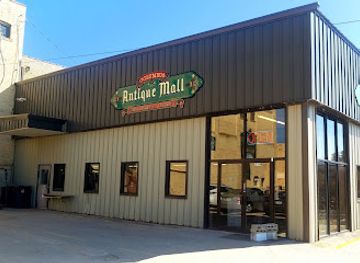
Explore the charm of the past at Columbus Antique Mall, Wisconsin's treasure trove of vintage finds and historical artifacts.
Get your free copy of our complete guide to Eastern Ridges and Lowlands, delivered straight to you.
Everything on this page, from attractions and restaurants to essentials and local phrases, in one PDF you can read offline, print or share.
Already have an account? Sign in
Your Eastern Ridges and Lowlands guide is ready.
We'll send it to · Not you? Sign out

Getting your guide ready…
We are putting together a fresh copy of the Eastern Ridges and Lowlands guide. This can take up to a minute.
This can take a few moments. If your browser asks, choose Allow so the download can start. You'll find the guide in your Downloads folder.
Nothing happened? Download it again
Sorry, the guide is taking longer than usual. Please try again in a minute, or get it by email instead.
Eastern Ridges and Lowlands essentials
Currency and Payment
Safety
Emergency Situations
Do's and Don'ts
Local Tips
From Eve
Local phrases worth knowing
You don't need to get them perfect. A few words go a long way, and locals appreciate the effort.
Basics
| English | Local | Say it |
|---|---|---|
| Hello | Hiya | [Hii-yah] |
| Goodbye | See ya | [See yah] |
| Yes | Yup | [Yup] |
| No | Nah | [Nah] |
| Please/You're welcome | Sure thing | [Shur thing] |
| Thank you | Thanks a lot | [Thanks a lot] |
| Excuse me/Sorry | Pardon me | [Pardon me] |
| How are you? | How's it going? | [How's it goin'?] |
| Fine. And you? | Good, and you? | [Good, 'n you?] |
| Do you speak English? | Do ya speak English? | [Doo ya speak English?] |
| I don't understand | I don't get it | [I don't get it] |
Eating & Drinking
| English | Local | Say it |
|---|---|---|
| I'd like to see the menu, please | Can I see the menu? | [Can I see the menu?] |
| I don't eat meat | I’m a vegetarian | [I'm a vege-tair-ian] |
| Cheers! | Cheers! | [Cheers!] |
| I would like to pay, please | Can I get the check? | [Can I get the check?] |
Emergencies
| English | Local | Say it |
|---|---|---|
| Help! | Help! | [Help!] |
| Go away! | Leave me alone! | [Leave me alone!] |
| Call the Police! | Call the cops! | [Call the cops!] |
| Call a doctor! | Get a doctor! | [Get a doctor!] |
| I'm lost | I’m turned around | [I'm turned around] |
| I'm ill | I’m not feeling well | [I'm not feelin' well] |
Shopping
| English | Local | Say it |
|---|---|---|
| I'd like to buy... | I wanna buy... | [I wanna buy...] |
| I'm just looking | Just browsing | [Just browsing] |
| How much is it? | What’s the price? | [What's the price?] |
| That's too expensive | That's way too pricey | [That's way too pricey] |
| Can you lower the price? | Can you cut the price? | [Can you cut the price?] |
Time & Numbers
| English | Local | Say it |
|---|---|---|
| What time is it? | What time ya got? | [What time ya got?] |
| It's one o'clock | It's one o'clock | [It's one o'clock] |
| Half past (10) | Half past ten | [Half past ten] |
| Morning | Morning | [Morning] |
| Afternoon | Afternoon | [Afternoon] |
| Evening | Evening | [Evening] |
| Yesterday | Yesterday | [Yesterday] |
| Today | Today | [Today] |
| Tomorrow | Tomorrow | [Tomorrow] |
| 1 | One | [One] |
| 2 | Two | [Two] |
| 3 | Three | [Three] |
| 4 | Four | [Four] |
| 5 | Five | [Five] |
| 6 | Six | [Six] |
| 7 | Seven | [Seven] |
| 8 | Eight | [Eight] |
| 9 | Nine | [Nine] |
| 10 | Ten | [Ten] |
Transport & Directions
| English | Local | Say it |
|---|---|---|
| Where's a/the...? | Where’s the...? | [Where's the...?] |
| What's the address? | What's the address? | [What's the address?] |
| Can you show me (on the map)? | Can ya show me on the map? | [Can ya show me on the map?] |
| When's the next (bus)? | When’s the next bus? | [When's the next bus?] |
| A ticket (to ....) | A ticket to... | [A ticket to...] |
History of Eastern Ridges and Lowlands
Indigenous Landscapes and Aztalan
Southeastern Wisconsin has been inhabited by Indigenous peoples for thousands of years, and the region’s waterways, wetlands and glacial soils supported varied economies long before European settlement. Aztalan State Park near Lake Mills protects the remains of a large settlement associated with the Middle Mississippian tradition, occupied roughly between the eleventh and thirteenth centuries. Its platform mounds and reconstructed stockade illustrate long-distance cultural connections and organised community life. Ho-Chunk, Menominee, Potawatomi, Ojibwe and other Indigenous peoples later maintained deep relationships with the area, despite the disruption caused by colonial expansion and United States treaty-making.
French, British and American Frontier
The region entered sustained European colonial networks through the fur trade and waterways connecting the Great Lakes and Mississippi basin. French influence was followed by British control after the Seven Years’ War, and the area became part of the United States after the American Revolution. Forts, trading posts and military routes were less dominant here than in some frontier districts, but land surveys, treaties and increasing migration transformed Indigenous territories during the nineteenth century. Wisconsin’s statehood in 1848 formalised a political framework that accelerated settlement, farming and town development across the eastern lowlands.
Milwaukee and the Rise of Industry
Milwaukee grew rapidly during the nineteenth century at the meeting point of the Milwaukee, Menomonee and Kinnickinnic rivers and the Lake Michigan shipping network. Grain handling, meatpacking, machinery, leather, flour milling and other industries drew workers and investment, while railways linked the port to inland farms and markets. The city’s breweries became especially prominent, supported by German immigration, local water and commercial distribution. Historic warehouses, industrial buildings and grand residences still reveal the wealth and social divisions created by this period of urban expansion.
Immigration, Farming and Small Towns
German, Irish, Norwegian, Polish, Czech, Swiss and other immigrant communities helped shape the farms, churches, businesses and civic institutions of southeastern Wisconsin. Many rural families combined dairy farming with market production, while towns developed around mills, railway stations, county government and local trade. In Milwaukee, Polish settlement left a particularly visible architectural and religious legacy, including the city’s historic churches and neighbourhoods. Old World Wisconsin near Eagle interprets representative immigrant farmsteads, offering context for the buildings, tools and agricultural practices that formed the region’s rural identity.
Madison and the Progressive Tradition
Madison’s prominence grew after it became Wisconsin’s capital and later the home of the University of Wisconsin. The city became associated with public education, scientific research, reform politics and civic debate, while the university influenced agriculture, medicine and the wider state economy. The Wisconsin State Capitol and surrounding civic district express the capital’s political role, whereas the lakeside campus and student neighbourhoods reflect its educational character. Across the region, county seats and courthouse towns similarly preserve the governmental network that accompanied nineteenth-century settlement.
Railways, Highways and Modern Conservation
Railways first connected the region’s farms and factories to Great Lakes commerce; twentieth-century highways later encouraged commuting, suburban growth and lake-country tourism. Industrial decline and environmental damage affected parts of Milwaukee and other older manufacturing communities, prompting waterfront restoration and adaptive reuse. At the same time, Wisconsin’s conservation movement protected glacial landscapes, including the Kettle Moraine, and helped establish the Ice Age National Scenic Trail. Today the region combines metropolitan redevelopment, working farms, university life, heritage tourism and extensive public recreation areas.
Eastern Ridges and Lowlands in Photos
Browse through our photo collection highlighting the charm and character of the destination.
Neighbouring regions of Eastern Ridges and Lowlands
The closest regions to Eastern Ridges and Lowlands, if you have time for more than one.
-

-

-
-

-


Swipe for more regions
Explore more

Explore more of Wisconsin
Discover Wisconsin: A Midwestern gem offering stunning natural landscapes, rich cultural experiences, and a taste of America's finest dairy products.
Explore Wisconsin