
Southeast Wisconsin, Wisconsin Travel Guide
Discover the allure of Southeast Wisconsin - where vibrant cities meet serene landscapes, and cultural treasures blend with outdoor adventures.
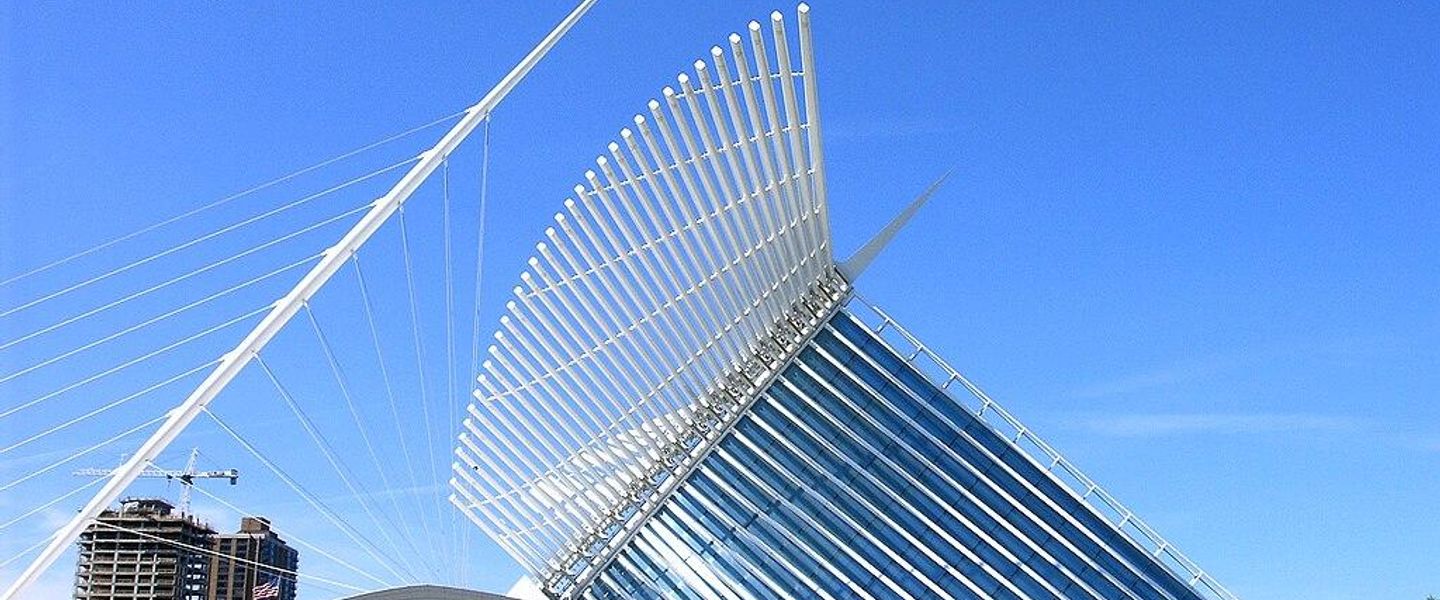
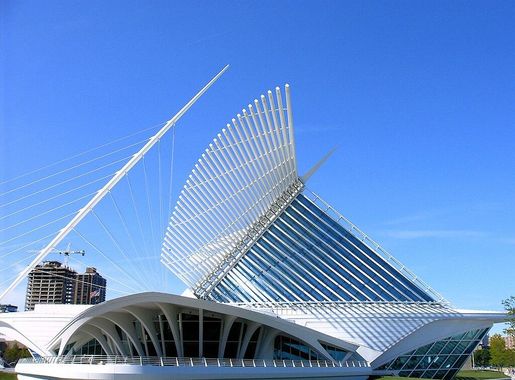
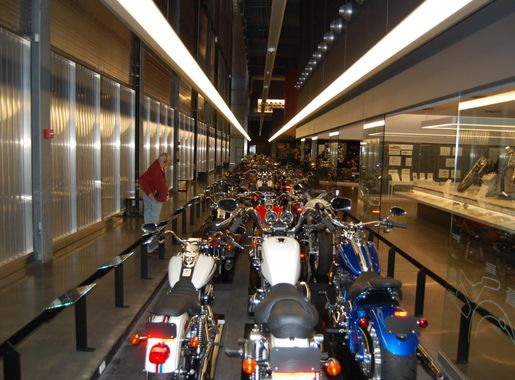
Southeast Wisconsin is a delightful region that offers something for everyone. Known for its picturesque landscapes, charming small towns, and vibrant cities, this area is a treasure trove of experiences waiting to be discovered. From the bustling streets of Milwaukee to the serene lakes and parks, Southeast Wisconsin is a perfect mix of urban excitement and natural beauty. Milwaukee, the largest city in the region, is famous for its breweries, cultural festivals, and rich history. Visit the Milwaukee Art Museum with its stunning architecture and vast collection of artworks. Don’t miss the Harley-Davidson Museum, which showcases the iconic motorcycle brand's history and culture. Stroll along the RiverWalk or enjoy a boat tour on Lake Michigan for a different perspective of the city. Beyond Milwaukee, explore the charming small towns like Cedarburg and Lake Geneva. Cedarburg is known for its historic downtown, filled with quaint shops, art galleries, and delicious eateries. Lake Geneva, a popular resort city, offers beautiful lake views, water activities, and luxurious resorts. Enjoy a leisurely hike in the Kettle Moraine State Forest or a bike ride along the scenic trails. Southeast Wisconsin's natural beauty and cultural richness make it a must-visit destination for any traveler.

Know before you go
Hi, I'm Eve. Here are a few practical things to know before exploring Southeast Wisconsin.
- Visit in summer or fall for the best weather and outdoor activities.
- Try the local cheese and craft beers for an authentic Wisconsin experience.
- Book tours and accommodations in advance, especially during peak seasons.
- Explore the local festivals and events for a taste of the region's culture.
Top City Travel Guides in Southeast Wisconsin
The cities of Southeast Wisconsin, and the easiest places to base yourself.


Destinations in Southeast Wisconsin
Resorts, valleys and scenic spots worth a trip of their own.

Explore Southeast Wisconsin: Things to Do, Places to Eat, Hotels & More
Handpicked recommendations for top attractions, local dining, accommodations, and more

Top Attractions & Sightseeing in Southeast Wisconsin
Top-rated picks
Best Attractions

American Family Field
Experience the excitement of baseball and live events at American Family Field, a premier destination in Milwaukee with modern amenities and vibrant atmosphere.

Devil's Lake State Park
Explore the stunning landscapes, diverse wildlife, and thrilling outdoor activities at Devil's Lake State Park in Wisconsin, a must-visit for nature lovers.

Milwaukee Public Market
Discover the flavors of Milwaukee at the Milwaukee Public Market, a vibrant hub of local delicacies, artisanal goods, and community spirit.

Harley-Davidson Museum
Discover the iconic legacy of Harley-Davidson at Milwaukee's premier heritage museum, where history, culture, and passion for motorcycles unite.

Best landmarks in Southeast Wisconsin
Top-rated picks
Best Landmarks

Pabst Mansion
Discover the Pabst Mansion in Milwaukee, a historical museum that showcases the opulence of a brewing dynasty and exquisite architectural beauty.

Boundless Adventures - Kenosha Zipline & Aerial Park
Unleash your inner adventurer at Boundless Adventures - Kenosha Zipline & Aerial Park, where excitement meets nature in thrilling aerial experiences.

Safari Lake Geneva (online reservations required)
Discover the wonders of wildlife at Safari Lake Geneva, where adventure meets conservation in the heart of Wisconsin.

Kettle Moraine State Forest - Lapham Peak Unit
Discover the breathtaking landscapes and outdoor adventures at Kettle Moraine State Forest - Lapham Peak Unit, a premier state park in Wisconsin.

Best restaurants in Southeast Wisconsin
Top-rated picks
Best Restaurants

The Mineshaft
Discover The Mineshaft: A family-friendly restaurant in Hartford offering American cuisine, Mexican delights, and an exciting arcade experience.

The Old Fashioned
Experience the heart of Madison's dining scene at The Old Fashioned, where classic American dishes meet local charm.

The Melting Pot
Discover a unique fondue dining experience at The Melting Pot in Madison - where flavors come alive in an interactive setting.

The Fox & Hounds Restaurant & Tavern
Experience fine American dining with seafood specialties at The Fox & Hounds Restaurant & Tavern in Hubertus, Wisconsin.

Best bars in Southeast Wisconsin
Top-rated picks
Best Bars

SafeHouse
Discover SafeHouse, Milwaukee's unique bar and restaurant blending culinary delights with a lively, spy-themed atmosphere for an unforgettable experience.

Delafield Brewhaus
Experience the best of Wisconsin's craft beer and delicious pub food at Delafield Brewhaus, a lively brewpub with a welcoming atmosphere.

The Wicked Hop
Discover The Wicked Hop, a lively grill and bar in Milwaukee's Historic Third Ward, offering delicious brunch, craft cocktails, and a vibrant atmosphere.

Steny's Tavern & Grill
Experience the lively atmosphere at Steny's Tavern & Grill, a top sports bar in Milwaukee, offering great food, drinks, and entertainment.

Best nightclubs in Southeast Wisconsin
Top-rated picks
Best Nightclubs

Sheryl's Club 175
Discover the lively atmosphere of Sheryl's Club 175, where delicious grill cuisine meets electrifying live music in Slinger, Wisconsin.

Savoy's Night Club
Discover Milwaukee's lively nightlife at Savoy's Night Club, where great drinks, live music, and vibrant energy await you.

Room Seven
Discover the electrifying nightlife of Room Seven, Milwaukee's hotspot for dancing, cocktails, and unforgettable memories.

Victor's
Experience the vibrant nightlife of Milwaukee at Victor's, where dining meets dancing in a lively atmosphere.

Best shops in Southeast Wisconsin
Top-rated picks
Best Shops

Pleasant Prairie Premium Outlets
Discover unbeatable savings and a delightful shopping experience at Pleasant Prairie Premium Outlets, your ultimate retail destination in Wisconsin.

Mayfair
Explore Mayfair Mall in Wauwatosa, Wisconsin—your ultimate shopping destination with diverse stores, dining, and entertainment for the whole family.

Johnson Creek Premium Outlets
Discover incredible deals and a wide variety of brand-name stores at Johnson Creek Premium Outlets, Wisconsin's premier shopping destination.

The Outlet Shoppes at Oshkosh
Discover incredible savings and a wide array of brand-name stores at The Outlet Shoppes at Oshkosh, the ultimate shopping destination in Wisconsin.

Explore Southeast Wisconsin on the Map
A handpicked selection of must-see spots in Southeast Wisconsin, mapped for you.
Southeast Wisconsin Essentials
-
Southeast Wisconsin is well-connected and accessible by various means of transportation. The nearest major airport is General Mitchell International Airport (MKE) in Milwaukee, which offers flights from numerous domestic and international destinations. Alternatively, Chicago's O'Hare International Airport (ORD) is approximately 90 miles away and provides additional flight options. For those driving, Southeast Wisconsin is easily reachable via Interstates 94 and 43. Amtrak's Hiawatha Service offers train routes from Chicago to Milwaukee, while several bus companies like Greyhound and Megabus provide services to the region.
-
Public transportation in Southeast Wisconsin includes the Milwaukee County Transit System (MCTS) which operates an extensive bus network within Milwaukee and its surrounding areas. For exploring beyond Milwaukee, renting a car is highly recommended to reach attractions outside the city, such as Lake Geneva or the Kettle Moraine State Forest. Rideshare services like Uber and Lyft, as well as traditional taxis, are readily available. Additionally, bike-sharing programs and scenic walking paths offer alternative and eco-friendly ways to explore the region.
-
The official currency in Southeast Wisconsin is the United States Dollar (USD). Credit and debit cards are widely accepted in hotels, restaurants, and shops. ATMs are plentiful and can be found in banks, shopping centers, and convenience stores. It's advisable to carry some cash for small purchases, especially in rural areas or at local markets where card payment might not be available.
-
Southeast Wisconsin is generally safe for tourists. However, as with any travel destination, it is important to take standard precautions. Avoid walking alone at night in unfamiliar or poorly-lit areas. Some neighborhoods in Milwaukee, such as those around the north side, have higher crime rates, so stay vigilant and avoid these areas at night. Always keep an eye on your belongings in crowded places and be cautious when using ATMs.
-
In case of an emergency, dial 911 for immediate assistance. This number connects you to fire, police, and medical emergency services. Major hospitals in the area include Froedtert Hospital and Aurora St. Luke's Medical Center in Milwaukee. It's advisable to have travel insurance that covers medical emergencies. For minor health issues, there are numerous pharmacies and urgent care centers throughout Southeast Wisconsin.
-
Fashion: Do dress comfortably and according to the season. Winters can be very cold, so warm clothing is essential. Don't wear overly revealing clothing in conservative areas or formal settings. Religion: Do respect all places of worship, including churches and synagogues. Dress modestly and be quiet when inside. Public Transport: Do be courteous and offer seats to the elderly and disabled. Don't eat or drink on public buses. Greetings: Do greet people with a friendly 'hello' or handshake. Don't be overly forward or intrusive. Eating & Drinking: Do try local specialties like cheese curds and bratwurst. Don't leave a small tip in restaurants; standard tipping is 15-20%.
-
To experience Southeast Wisconsin like a local, visit the Milwaukee Public Market for fresh, local produce and artisan goods. Attend a Milwaukee Brewers baseball game at American Family Field for a true local experience. Explore the numerous breweries in the area, as Wisconsin is known for its craft beer. Don't miss the chance to visit local festivals, especially during summer, such as Summerfest, the world's largest music festival. For a unique experience, take a scenic drive along the Lake Michigan shoreline or hike in the Kettle Moraine State Forest.
When is the best time to visit Southeast Wisconsin?
Useful Local Phrases for Southeast Wisconsin
You don't need to speak the language perfectly. Even learning a few simple words can make conversations warmer—and locals usually appreciate the effort.
— Eve

Here are the phrases I use most often in Southeast Wisconsin. Try a few—you'll be surprised how far they go! 😊
❤️
-
- HelloHi
[Hahy] - GoodbyeSee ya
[See yah] - YesYeah
[Yah] - NoNope
[Nohp] - Please/You're welcomePlease
[Pleez] - Thank youThanks
[Thangs] - Excuse me/SorryExcuse me
[Exkyooz mee] - How are you?How's it going?
[Hows it goin?] - Fine. And you?Good. And you?
[Good. And yah?] - Do you speak English?Do you speak English?
[Doo yah speek English?] - I don't understandI don't get it
[I dont get it]
- HelloHi
-
- I'd like to see the menu, pleaseCan I see the menu, please?
[Kan I see the menoo, pleez?] - I don't eat meatI'm a vegetarian
[Im a vege-tair-ee-an] - Cheers!Cheers!
[Cheers!] - I would like to pay, pleaseCan I get the check, please?
[Kan I get the chek, pleez?]
- I'd like to see the menu, pleaseCan I see the menu, please?
-
- Help!Help!
[Help!] - Go away!Get lost!
[Get lost!] - Call the Police!Call the cops!
[Call the cops!] - Call a doctor!Get a doctor!
[Get a doctor!] - I'm lostI'm lost
[Im lost] - I'm illI'm not feeling well
[Im not feeling well]
- Help!Help!
-
- I'd like to buy...I want to buy...
[I want to buy...] - I'm just lookingJust browsing
[Just browsing] - How much is it?What's the price?
[Whats the price?] - That's too expensiveThat's way too high
[Thats way too high] - Can you lower the price?Can you bring down the price?
[Kan you bring down the price?]
- I'd like to buy...I want to buy...
-
- What time is it?What time is it?
[What time is it?] - It's one o'clockIt's one o'clock
[Its one o'clock] - Half past (10)Half past ten
[Half past ten] - MorningMorning
[Morning] - AfternoonAfternoon
[Afternoon] - EveningEvening
[Evening] - YesterdayYesterday
[Yesterday] - TodayToday
[Today] - TomorrowTomorrow
[Tomorrow] - 1One
[Wun] - 2Two
[Too] - 3Three
[Three] - 4Four
[For] - 5Five
[Fyv] - 6Six
[Siks] - 7Seven
[Sev-en] - 8Eight
[Ayt] - 9Nine
[Nyn] - 10Ten
[Ten]
- What time is it?What time is it?
-
- Where's a/the...?Where's the...?
[Wheres the...?] - What's the address?What's the address?
[Whats the address?] - Can you show me (on the map)?Can you show me on the map?
[Kan you show me on the map?] - When's the next (bus)?When's the next bus?
[Wens the next bus?] - A ticket (to ....)A ticket to ...
[A tiket to ...]
- Where's a/the...?Where's the...?
History of Southeast Wisconsin
-
Long before European settlers arrived, Southeast Wisconsin was home to various indigenous tribes, including the Potawatomi, Menominee, and Ho-Chunk. These tribes thrived in the region, utilizing the abundant natural resources for hunting, fishing, and agriculture. Their rich cultural heritage can still be observed in the area through preserved sites and ongoing cultural practices.
-
The early 19th century saw the arrival of European settlers, primarily French fur traders and missionaries. They established trading posts and missions, forging alliances with the local indigenous tribes. This period marked the beginning of significant cultural exchange and the gradual transformation of the region's social and economic landscape.
-
Milwaukee, the largest city in Southeast Wisconsin, was founded in 1846 through the collaboration of three key figures: Solomon Juneau, Byron Kilbourn, and George H. Walker. Each man established his own settlement, which eventually merged to form the city of Milwaukee. Their legacies are commemorated throughout the city with numerous landmarks and historical sites.
-
In the mid-19th century, Southeast Wisconsin experienced a significant influx of German immigrants. They brought with them their customs, traditions, and industrious spirit, which greatly influenced the region's culture and economy. Milwaukee, in particular, became known for its German heritage, evidenced by its breweries, festivals, and architectural styles.
-
The late 19th and early 20th centuries saw an industrial boom in Southeast Wisconsin. Milwaukee emerged as a manufacturing powerhouse, with industries ranging from machinery to brewing. The city became synonymous with beer production, home to iconic breweries such as Pabst, Schlitz, and Miller. The legacy of this brewing heritage is celebrated today through brewery tours and beer festivals.
-
Southeast Wisconsin played a notable role in the Civil Rights Movement. During the 1960s, activists in Milwaukee organized numerous protests and marches to combat racial segregation and discrimination. Figures like Father James Groppi and Vel Phillips were instrumental in advocating for equal rights and social justice, leaving an indelible mark on the region's history.
-
In recent decades, Southeast Wisconsin has experienced a cultural renaissance, embracing its diverse heritage while fostering innovation and creativity. Milwaukee's revitalized downtown, thriving arts scene, and culinary offerings reflect a dynamic blend of tradition and modernity. The region continues to celebrate its rich history through museums, festivals, and community events, making it a vibrant destination for travelers.
Neighbouring Regions of Southeast Wisconsin
The closest regions to Southeast Wisconsin, if you have time for more than one.


Your all‑in‑one travel companion app
Explore expert travel guides, compare and book tours, experiences, hotels, and more—all from the palm of your hand. Download now for seamless trip planning wherever your wanderlust takes you.


Explore More of Wisconsin

Looking beyond Southeast Wisconsin? Discover Wisconsin for broader travel guides, local hot-spots, and regional highlights.
Explore WisconsinSoutheast Wisconsin in Photos
Browse through our photo collection highlighting the charm and character of the destination.




Charming Southeast Wisconsin: A Blend of Nature and Culture
Southeast Wisconsin is a delightful region that offers something for everyone. Known for its picturesque landscapes, charming small towns, and vibrant cities, this area is a treasure trove of experiences waiting to be discovered. From the bustling streets of Milwaukee to the serene lakes and parks, Southeast Wisconsin is a perfect mix of urban excitement and natural beauty. Milwaukee, the largest city in the region, is famous for its breweries, cultural festivals, and rich history. Visit the Milwaukee Art Museum with its stunning architecture and vast collection of artworks. Don’t miss the Harley-Davidson Museum, which showcases the iconic motorcycle brand's history and culture. Stroll along the RiverWalk or enjoy a boat tour on Lake Michigan for a different perspective of the city. Beyond Milwaukee, explore the charming small towns like Cedarburg and Lake Geneva. Cedarburg is known for its historic downtown, filled with quaint shops, art galleries, and delicious eateries. Lake Geneva, a popular resort city, offers beautiful lake views, water activities, and luxurious resorts. Enjoy a leisurely hike in the Kettle Moraine State Forest or a bike ride along the scenic trails. Southeast Wisconsin's natural beauty and cultural richness make it a must-visit destination for any traveler.