

Free Menominee Reservation Travel Guide & Mobile App
Explore Menominee Reservation with free travel guides. Discover regional history, expert tips, proposed trips, and audio guides on web or mobile app.


Menominee Reservation in Wisconsin offers forest landscapes, Wolf River recreation and an important living heritage of Menominee sovereignty and stewardship.
Read more about Menominee Reservation
Getting to and around Menominee Reservation
How to get there
Transportation
Best attractions in Menominee Reservation
The reservation's attractions are primarily cultural, environmental and community-based rather than a large collection of commercial visitor sites. The Menominee Forest is the defining experience, with roads and authorised outdoor areas revealing a carefully managed woodland of hardwoods, conifers, wetlands and glades. The Wolf River and nearby lakes support fishing, paddling and wildlife observation where local regulations permit, while winter brings opportunities for snow-based recreation. Keshena provides the clearest starting point for learning about Menominee government and contemporary life, and Neopit is closely associated with the reservation's logging heritage. Educational institutions and locally organised cultural programmes can offer deeper context on language, history, land stewardship and the effects of federal termination and restoration. Visitors should not assume that every attractive riverbank, forest track or community facility is open for unrestricted recreation: tribal lands may be private, culturally sensitive or managed under specific rules. The most meaningful visits combine a planned cultural or educational encounter with time outdoors, allowing the reservation's landscape and living history to be understood together rather than treating the area as a checklist of isolated sights.
-
Museum
Menominee Logging Camp Museum
Explore the Menominee Logging Camp Museum to uncover the fascinating history of logging and the Menominee Nation in Wisconsin.
-
Historical landmark
Woodland Bowl
Explore Woodland Bowl, a historical landmark that embodies the cultural heritage of the Menominee Tribe amidst Wisconsin's natural beauty.
-
Heritage museum
Menominee Historic Preservation Cultural And Logging Museum
Discover the Menominee Nation's rich heritage through art, history, and logging at this unique cultural museum in Wisconsin.


Best landmarks in Menominee Reservation
The Menominee Forest is the reservation's most important landscape landmark, not because of a single viewpoint but because it embodies a distinctive history of Indigenous landholding, logging and sustained forest management. The Wolf River is another defining geographical feature, linking the communities and woodland with a wider north-eastern Wisconsin river system; its banks and waters are valued for recreation but remain subject to local access and safety rules. Keshena is significant as the principal community and seat of Menominee public life, while Neopit carries particular importance in the story of reservation lumbering and forest-based employment. The College of Menominee Nation is a contemporary landmark of educational development and tribal self-determination, although it should be visited only in accordance with campus arrangements and public access. More broadly, the reservation's roads, managed forest stands, waterways and community institutions form a connected cultural landscape. These places matter less as picturesque backdrops than as evidence of Menominee sovereignty, resilience and continuing responsibility for homeland.
-
Historical landmark
Woodland Bowl
Explore Woodland Bowl, a historical landmark on the Menominee Reservation, where culture and nature unite in a serene Wisconsin setting.
-
Heritage museum
Menominee Historic Preservation Cultural And Logging Museum
Discover the Menominee Nation's rich history at the Menominee Historic Preservation Cultural and Logging Museum in Neopit, Wisconsin.
-
Historical landmark
Wisconsin State Historical Marker 69: Menominee Reservation
Explore the Menominee Reservation Historical Marker to delve into Wisconsin's rich Native American heritage and culture.


Explore Menominee Reservation on the map
Plan your trip on one map. See where the top cities, national parks and sights are, and book hotels and experiences in a few clicks.
Best hotels in Menominee Reservation
Best restaurants in Menominee Reservation
Dining on Menominee Reservation is modest and locally oriented, with choices concentrated around the main communities rather than a formal restaurant district. Visitors will find the practical food of rural Wisconsin and the wider Upper Midwest alongside opportunities to encounter Indigenous foodways through community events or organised cultural programmes when available. Wild rice, game, fish, berries, corn and maple are important ingredients in regional Indigenous traditions, although preparation and availability vary and no single menu represents all Menominee cuisine. Small local businesses, cafés, convenience stores and community gatherings may be more relevant than destination fine dining, so travellers should plan meals and supplies before leaving larger nearby towns. Green Bay, Appleton and other off-reservation centres provide a broader range of restaurants, but they are outside the reservation. Tipping follows customary United States practice in full-service restaurants, and visitors should ask about payment methods at smaller establishments. Food-related events can be valuable cultural opportunities, but should be approached as community occasions rather than assumed to be public tourist performances.
-
Bar
War Bonnet Bar, Grill and Native Gifts
Discover Keshena's rich heritage at War Bonnet Bar, Grill and Native Gifts—where great food meets authentic native craftsmanship.
-
Grill
Thunderbird
Experience delicious grill cuisine paired with thrilling gaming at Thunderbird in Keshena, Wisconsin—a perfect spot for food lovers and gamers alike.


Best bars in Menominee Reservation
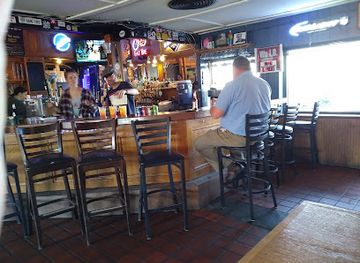
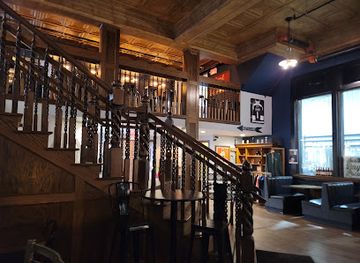
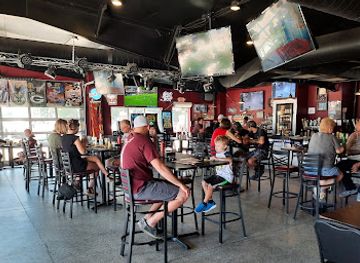
Evening life on Menominee Reservation is quiet and community-based, with limited nightlife compared with Green Bay, Appleton or larger Wisconsin cities outside the reservation. Local taverns and casual gathering places are more characteristic than dedicated nightclubs, while restaurants, community events and seasonal activities may provide the main alternatives after dark. Cultural or educational programmes, when scheduled for visitors, can offer a more meaningful evening connection than commercial entertainment, but dates and access vary. The reservation's forested setting also means that many outdoor areas become very dark and quiet after sunset; plan transport rather than expecting late public services. Anyone drinking should arrange a sober driver, since distances are rural and taxi availability may be limited. For a wider choice of live music, bars and clubs, visitors generally travel to larger neighbouring communities outside Menominee Reservation, while keeping in mind that returning by road requires advance planning.
-
Resort hotel
Menominee Casino & Resort
Experience the ultimate blend of excitement and relaxation at Menominee Casino & Resort, your premier destination in Wisconsin for gaming and entertainment.
-
Grill
The Waterfront Bar & Grill
Experience the charm of The Waterfront Bar & Grill in Menomonie, where delicious food meets stunning riverside views for an unforgettable dining experience.
-
Brewpub
Stubborn Brothers Brewery
Discover the unique flavors of craft beer and delightful cuisine at Stubborn Brothers Brewery in Shawano, a vibrant brewpub and live music venue.
-
Grill
Brothers' Pub
Experience the flavors of Shawano at Brothers' Pub, a cozy grill where delicious food and a friendly atmosphere come together.

Best nightclubs in Menominee Reservation
Evening life on Menominee Reservation is quiet and community-based, with limited nightlife compared with Green Bay, Appleton or larger Wisconsin cities outside the reservation. Local taverns and casual gathering places are more characteristic than dedicated nightclubs, while restaurants, community events and seasonal activities may provide the main alternatives after dark. Cultural or educational programmes, when scheduled for visitors, can offer a more meaningful evening connection than commercial entertainment, but dates and access vary. The reservation's forested setting also means that many outdoor areas become very dark and quiet after sunset; plan transport rather than expecting late public services. Anyone drinking should arrange a sober driver, since distances are rural and taxi availability may be limited. For a wider choice of live music, bars and clubs, visitors generally travel to larger neighbouring communities outside Menominee Reservation, while keeping in mind that returning by road requires advance planning.
-
Bar
Hops & Graines
Experience the vibrant nightlife of Keshena at Hops & Graines, a lively bar offering a great selection of drinks in a welcoming atmosphere.
Best shops in Menominee Reservation
Shopping on Menominee Reservation is small-scale and practical rather than centred on a major retail district. Keshena and other communities may offer everyday supplies, while local events and community gatherings can provide opportunities to find food products, artwork or handmade items when vendors are present. Menominee and wider Great Lakes Indigenous artistic traditions may be represented through beadwork, crafts, clothing, prints or other cultural products, but visitors should buy directly from recognised artists or reputable sellers and avoid purchasing objects described vaguely as Native-made. Ask before photographing or handling artwork, and respect any restrictions on cultural designs or materials. Regional forest products and locally produced foods may also appear through changing outlets, although availability is seasonal. For a broader selection of shops, galleries, supermarkets and antique businesses, visitors usually travel to towns outside the reservation. Shopping here is best approached as an opportunity to support local makers and enterprises rather than as a conventional souvenir hunt.
-
Shopping mall
Pine Tree Mall
Explore Pine Tree Mall in Marinette, WI - a shopping paradise with diverse stores, delightful dining, and local charm for every visitor.
-
Gourmet grocery store
The Stock Market
Discover local flavors and unique gifts at The Stock Market in Shawano, a gourmet grocery store offering artisanal foods and home goods.
-
Sporting goods store
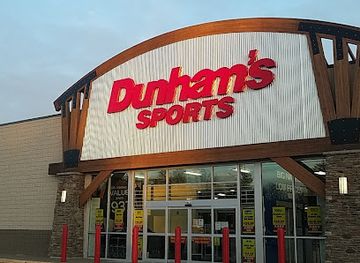
Dunham's Sports
Explore Dunham's Sports in Shawano for top-notch sporting goods, fitness equipment, and stylish sportswear at competitive prices.
-
Gift shop
The Living Room Coffee Shop & Vintage Decor, LLC
Discover a cozy haven in Clintonville with The Living Room Coffee Shop, where vintage decor meets delightful coffee and local treasures.


Get your free copy of our complete guide to Menominee Reservation, delivered straight to you.
Everything on this page, from attractions and restaurants to essentials and local phrases, in one PDF you can read offline, print or share.
Already have an account? Sign in
Your Menominee Reservation guide is ready.
We'll send it to · Not you? Sign out

Getting your guide ready…
We are putting together a fresh copy of the Menominee Reservation guide. This can take up to a minute.
This can take a few moments. If your browser asks, choose Allow so the download can start. You'll find the guide in your Downloads folder.
Nothing happened? Download it again
Sorry, the guide is taking longer than usual. Please try again in a minute, or get it by email instead.
Menominee Reservation essentials
Currency and Payment
Safety
Emergency Situations
Do's and Don'ts
Local Tips
From Eve
Local phrases worth knowing
You don't need to get them perfect. A few words go a long way, and locals appreciate the effort.
Basics
| English | Local | Say it |
|---|---|---|
| Hello | Tāku | [Tah-koo] |
| Goodbye | Wābā | [Wah-bah] |
| Yes | Eey | [Eh-yee] |
| No | Nē | [Nay] |
| Please/You're welcome | Mīkwā | [Meek-wah] |
| Thank you | Wābān | [Wah-bahn] |
| Excuse me/Sorry | Gīkhī | [Gee-kee] |
| How are you? | Nīzīka? | [Nee-zee-kah] |
| Fine. And you? | Nīzīka. Wābā nī? | [Nee-zee-kah. Wah-bah nee?] |
| Do you speak English? | Nīzīka English? | [Nee-zee-kah English?] |
| I don't understand | Nīzīka nīzī | [Nee-zee-kah nee-zee] |
Eating & Drinking
| English | Local | Say it |
|---|---|---|
| I'd like to see the menu, please | Mīkwā, nīzīka nīgīzā | [Meek-wah, nee-zee-kah nee-gee-zah] |
| I don't eat meat | Nīzīka kīkwēkā | [Nee-zee-kah kee-kweh-kah] |
| Cheers! | Wābāzī | [Wah-bah-zee] |
| I would like to pay, please | Mīkwā, nīzīka gīzī | [Meek-wah, nee-zee-kah gee-zee] |
Emergencies
| English | Local | Say it |
|---|---|---|
| Help! | Nīzīka! | [Nee-zee-kah!] |
| Go away! | Nīzīka gīzī! | [Nee-zee-kah gee-zee!] |
| Call the Police! | Nīzīka gīzī Police! | [Nee-zee-kah gee-zee Police!] |
| Call a doctor! | Nīzīka gīzī nīgīzā! | [Nee-zee-kah gee-zee nee-gee-zah!] |
| I'm lost | Nīzīka kīzī | [Nee-zee-kah kee-zee] |
| I'm ill | Nīzīka gīzīkī | [Nee-zee-kah gee-zee-kee] |
Shopping
| English | Local | Say it |
|---|---|---|
| I'd like to buy... | Mīkwā, nīzīka gīzī... | [Meek-wah, nee-zee-kah gee-zee...] |
| I'm just looking | Nīzīka kīshkī | [Nee-zee-kah keesh-kee] |
| How much is it? | Nīzīka nīwī? | [Nee-zee-kah nee-wee?] |
| That's too expensive | Nīzīka nēnēgīzī | [Nee-zee-kah nay-nay-gee-zee] |
| Can you lower the price? | Nīzīka gīzī nēnēgīzī? | [Nee-zee-kah gee-zee nay-nay-gee-zee?] |
Time & Numbers
| English | Local | Say it |
|---|---|---|
| What time is it? | Nīzīka nīwī ka? | [Nee-zee-kah nee-wee kah?] |
| It's one o'clock | Nīzīka mīnīnī | [Nee-zee-kah mee-nee-nee] |
| Half past (10) | Nīzīka nīzī nīgīzā | [Nee-zee-kah nee-zee nee-gee-zah] |
| Morning | Nīgīzā | [Nee-gee-zah] |
| Afternoon | Nīzīka nīgīzā | [Nee-zee-kah nee-gee-zah] |
| Evening | Nīsīgā | [Nee-see-gah] |
| Yesterday | Nīgīzāsī | [Nee-gee-zah-see] |
| Today | Nīgīzā | [Nee-gee-zah] |
| Tomorrow | Nīgīzāgī | [Nee-gee-zah-gee] |
| 1 | Nī | [Nee] |
| 2 | Nīgī | [Nee-gee] |
| 3 | Nīgīzā | [Nee-gee-zah] |
| 4 | Nīgīzān | [Nee-gee-zahn] |
| 5 | Nīgīzāgī | [Nee-gee-zah-gee] |
| 6 | Nīgīzāgīzī | [Nee-gee-zah-gee-zee] |
| 7 | Nīgīzāgīzān | [Nee-gee-zah-gee-zahn] |
| 8 | Nīgīzāgīzīzī | [Nee-gee-zah-gee-zee-zee] |
| 9 | Nīgīzāgīzā | [Nee-gee-zah-gee-zah] |
| 10 | Nīgīzāgīzān | [Nee-gee-zah-gee-zahn] |
Transport & Directions
| English | Local | Say it |
|---|---|---|
| Where's a/the...? | Nīzīka gīzī...? | [Nee-zee-kah gee-zee...?] |
| What's the address? | Nīzīka nīgīzā? | [Nee-zee-kah nee-gee-zah?] |
| Can you show me (on the map)? | Nīzīka nīgīzā (nīgīzā)? | [Nee-zee-kah nee-gee-zah (nee-gee-zah)?] |
| When's the next (bus)? | Nīzīka nīgīzā (bus)? | [Nee-zee-kah nee-gee-zah (bus)?] |
| A ticket (to ....) | Nīzīka nīgīzā (to....) | [Nee-zee-kah nee-gee-zah (to....)] |
History of Menominee Reservation
Ancient Menominee Homelands
The Menominee are an Algonquian-speaking people whose homeland has long extended through the forests and waterways of north-eastern Wisconsin and the western Great Lakes. Archaeological evidence in the wider region records Indigenous settlement and land use over thousands of years, while Menominee oral history preserves a much deeper understanding of place, kinship and responsibility. Hunting, fishing, gathering, agriculture and the use of woodland resources shaped a culture adapted to the area's rivers, lakes and forests. The reservation is therefore not an isolated later settlement but part of a continuing homeland.
Treaties and the Reservation, 1831–1854
During the nineteenth century, United States treaty-making and pressure from non-Indigenous settlement transformed Menominee territory. Treaties in 1831, 1832 and 1848 ceded extensive lands, while the 1854 treaty established the reservation that forms the basis of the modern Menominee Reservation. The agreement preserved a smaller homeland in Wisconsin at a time when federal policy often sought to remove Native nations farther west. Its boundaries, subsequent federal decisions and the Tribe's efforts to protect its land remain important to understanding the region's political geography.
Missionaries, Schools and Federal Administration
Christian missions, federal agencies and schools brought outside institutions into Menominee life during the nineteenth and early twentieth centuries. These systems often attempted to replace Indigenous languages, beliefs and social practices, causing lasting harm, while Menominee families and leaders maintained cultural knowledge and community relationships. The period also saw increasing pressure over land management and economic development. Buildings and institutional histories connected with this era should be approached with care, since they form part of a broader story of colonial control as well as adaptation and survival.
The Menominee Forest and the Lumber Economy
Commercial forestry became a major economic force on the reservation in the late nineteenth and twentieth centuries. Menominee leaders and foresters developed management practices intended to produce timber while retaining a productive forest for future generations, an approach frequently associated with sustained-yield forestry. Neopit became particularly connected with logging and sawmilling. The forest remains both an economic resource and a cultural landscape, and its managed character distinguishes Menominee territory from areas where intensive extraction left more abrupt environmental change.
Allotment and Pressure on Tribal Land
Federal allotment policies divided collectively held reservations into individual parcels and opened the way for non-Indigenous acquisition of land. On the Menominee Reservation, allotment altered tenure, administration and economic security, weakening collective control even though a substantial Menominee land base survived. The policy formed part of a wider national effort to assimilate Native peoples and dissolve tribal landholding. Its effects continued into the twentieth century, contributing to legal, economic and social pressures that shaped later struggles over federal policy.
Termination and the Menominee Restoration Movement
In 1961 the United States terminated the federal recognition of the Menominee Tribe, dissolving its federal administrative relationship and converting the former reservation into Menominee County. The change brought severe economic and institutional disruption, including uncertainty over land, health services and local governance. Menominee people organised a sustained restoration movement, supported by community activism and national Indigenous rights networks. Congress passed the Menominee Restoration Act in 1973, restoring federal recognition and the reservation; the process remains a defining chapter in modern Menominee history.
Contemporary Sovereignty and Cultural Renewal
Since restoration, the Menominee Indian Tribe of Wisconsin has continued rebuilding governmental, educational, cultural and economic institutions while managing its forest and other resources. The College of Menominee Nation, language and cultural initiatives, tribal enterprises and community programmes express this continuing work. Contemporary Menominee identity is not confined to historical interpretation: it is lived through governance, family, education, environmental stewardship and cultural practice. Visitors encounter a sovereign Indigenous community addressing present-day challenges while maintaining a strong connection to its ancestral homeland.
Menominee Reservation in Photos
Browse through our photo collection highlighting the charm and character of the destination.
Neighbouring regions of Menominee Reservation
The closest regions to Menominee Reservation, if you have time for more than one.
-

-

-

-

-


Swipe for more regions
Explore more

Explore more of Wisconsin
Discover Wisconsin: A Midwestern gem offering stunning natural landscapes, rich cultural experiences, and a taste of America's finest dairy products.
Explore Wisconsin