

Free Door Peninsula Travel Guide & Mobile App
Explore Door Peninsula with free travel guides. Discover regional history, expert tips, proposed trips, and audio guides on web or mobile app.


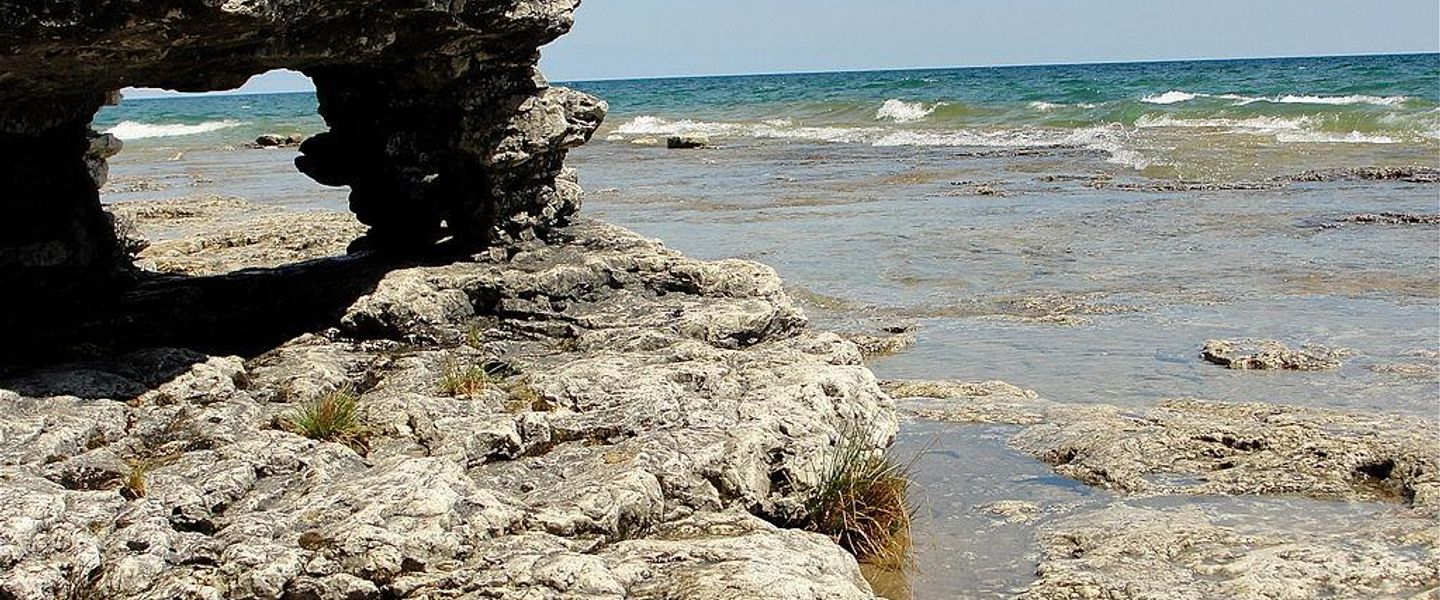


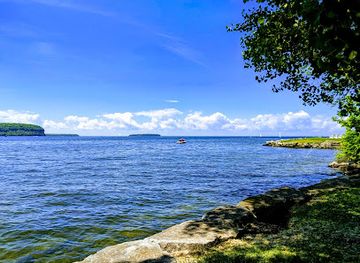
Explore Wisconsin’s Door Peninsula for limestone shores, lighthouses, orchards, state parks, maritime villages and Lake Michigan views.
Read more about Door Peninsula
Getting to and around Door Peninsula
How to get there
Transportation
Top city travel guides in Door Peninsula
The cities of Door Peninsula, and the easiest places to base yourself.
-

-


Swipe for more cities
Best attractions in Door Peninsula
The Door Peninsula’s attractions range from protected natural landscapes to working maritime sites and small-town cultural venues. Peninsula State Park is the most extensive recreation area, with forest roads, hiking and cycling routes, beaches, camping and Eagle Bluff overlooking Green Bay. Newport State Park offers a quieter Lake Michigan setting and dark skies, while Whitefish Dunes State Park combines tall dunes, woodland and beach. Cave Point County Park is valued for wave-cut limestone formations and water-level geological features, though its exposed edges require care. Sturgeon Bay provides maritime museums, harbour views, shipbuilding history and access to the Sturgeon Bay Ship Canal. Northern villages such as Fish Creek, Ephraim, Sister Bay and Ellison Bay add galleries, performing arts, cafés and historic buildings, while orchards, farm stands and scenic roads reveal the peninsula’s agricultural character. Boating, kayaking, fishing, birdwatching, hiking and cycling are central activities, but conditions and facilities change with the seasons.
-
State park
Peninsula State Park
Discover the breathtaking landscapes and diverse activities at Peninsula State Park, a nature lover's paradise in Wisconsin's Door County.
-
Park
Cave Point County Park
Explore the stunning limestone cliffs and serene trails of Cave Point County Park in Sturgeon Bay, a perfect escape for nature lovers and outdoor adventurers.
-
Tour agency
Door County Trolley
Discover the scenic beauty and rich heritage of Door County with Door County Trolley's guided tours and local insights.
-
Local history museum
Cana Island Lighthouse
Explore the enchanting Cana Island Lighthouse, a historical gem in Baileys Harbor, Wisconsin, offering stunning views and rich maritime history.

Best landmarks in Door Peninsula
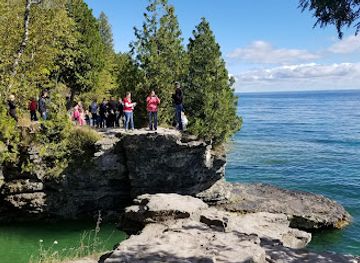
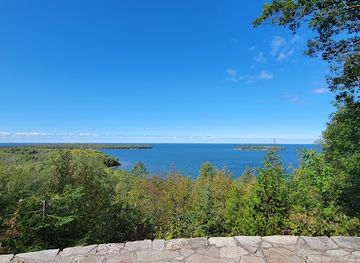
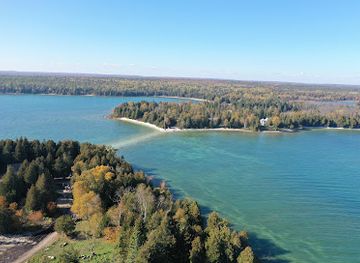
The Door Peninsula is marked by a sequence of maritime, geological and architectural landmarks. Sturgeon Bay’s ship canal and lighthouse stations represent the engineered link between Green Bay and Lake Michigan, while the city’s working waterfront recalls the peninsula’s shipbuilding economy. Eagle Bluff Lighthouse, within Peninsula State Park, stands above the western shoreline and interprets nineteenth-century navigation and settlement. Cana Island Lighthouse, reached from the Baileys Harbor area by a causeway or seasonal access arrangements, is an offshore landmark closely associated with the peninsula’s eastern maritime landscape, though Cana Island itself is separate from the mainland. The limestone coast at Cave Point and the dune formations at Whitefish Dunes express the region’s glacial and lake-shaped geology. Ephraim’s historic waterfront and church buildings provide a visual link to its Moravian origins, while orchards and low wooded ridges form a broader cultural landscape that distinguishes the peninsula from more urbanised parts of Wisconsin.
-
State park
Peninsula State Park
Explore the stunning landscapes and outdoor adventures at Peninsula State Park, a must-visit natural gem in Door County, Wisconsin.
-
Park
Cave Point County Park
Explore Cave Point County Park: A Natural Treasure of Wisconsin with Cliffs, Caves, and Scenic Trails Perfect for Nature Lovers.
-
Local history museum
Cana Island Lighthouse
Discover the majestic Cana Island Lighthouse, a historic maritime beacon offering breathtaking views and rich local history in Baileys Harbor, Wisconsin.
-
State park
Potawatomi State Park
Explore the scenic trails and rich wildlife at Potawatomi State Park, a natural paradise in Sturgeon Bay, Wisconsin, perfect for outdoor adventures.


Explore Door Peninsula on the map
Plan your trip on one map. See where the top cities, national parks and sights are, and book hotels and experiences in a few clicks.
Best hotels in Door Peninsula
Best restaurants in Door Peninsula
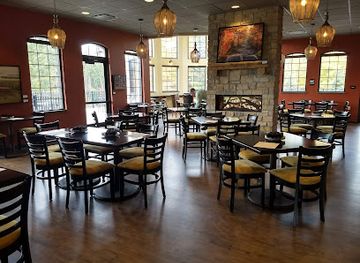
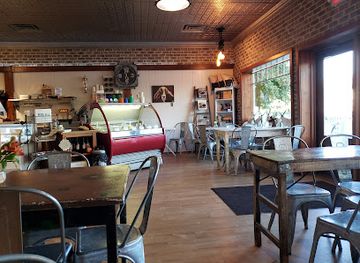
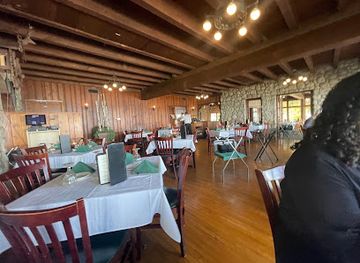
Dining on the Door Peninsula reflects its Great Lakes setting, orchard agriculture and Wisconsin food traditions. Menus commonly include freshwater fish, burgers, soups, salads, bakery goods, cheese and locally grown fruit, while cherry and apple products appear in pies, preserves, drinks and seasonal dishes. Sturgeon Bay and the larger northern villages offer the broadest choice, from cafés and bakeries to casual waterfront restaurants, supper-club-influenced dining rooms and more contemporary kitchens. Rural inns, farm shops and roadside stands provide a more seasonal experience, particularly during the fruit harvest. Fish boils are strongly associated with Door County’s visitor culture and are generally presented as communal, organised meals rather than an everyday staple of every household. Wisconsin beer, cider, wine and dairy products are widely represented, but the peninsula’s culinary identity is best understood through the combination of working orchards, lake produce, local hospitality and changing seasonal availability.
-
Swedish
Al Johnson’s Swedish Restaurant & Butik
Discover the flavors of Sweden at Al Johnson's Swedish Restaurant & Butik in Sister Bay - where tradition meets taste!
-
Breakfast
The Old Post Office Restaurant
Discover delightful breakfasts and fresh seafood at The Old Post Office Restaurant in Ephraim - a true Door County culinary treasure.
-
American
Door County Creamery
Experience the best local flavors at Door County Creamery—your go-to spot for artisanal cheese, gourmet sandwiches, and delightful ice cream in Sister Bay.
-
American
Donny's Glidden Lodge Restaurant
Experience exquisite American cuisine at Donny's Glidden Lodge Restaurant - where fresh seafood meets premium steaks in stunning Sturgeon Bay.

Best bars in Door Peninsula
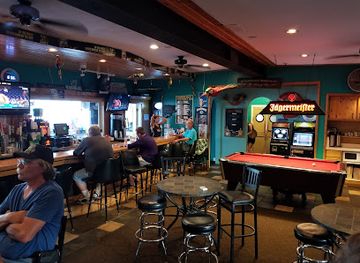
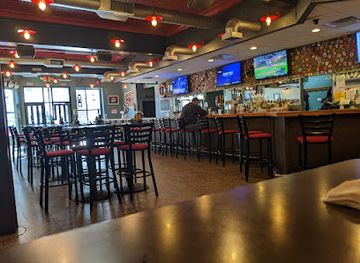
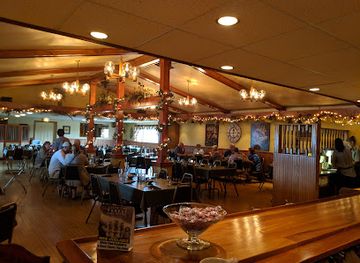
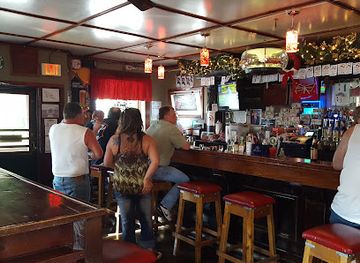
Evenings on the Door Peninsula generally centre on pubs, supper clubs, breweries, wine-focused venues, restaurant bars and live performances rather than a dense nightclub scene. Sturgeon Bay has the broadest year-round choice, with a local maritime town atmosphere and venues linked to dining and music. Fish Creek, Ephraim, Sister Bay and Egg Harbor become busier in summer, when outdoor seating, live music and waterfront views extend the evening, although opening patterns are seasonal and should be checked locally. Craft beer, Wisconsin spirits and regional wines are common features, while some establishments focus on cocktails or cider. In smaller villages and rural areas, nightlife may finish earlier and depend on a handful of restaurants or inns. The peninsula’s evening appeal is often the combination of a meal, a performance, a harbour walk or a dark-sky setting rather than late-night clubbing.
-
Irish pub
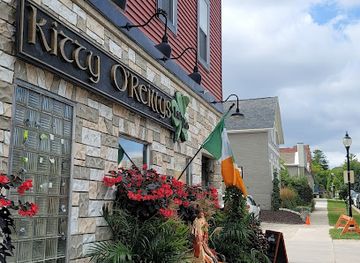
Kitty O'Reillys Irish Pub
Discover the charm of Irish culture at Kitty O'Reilly's Irish Pub in Sturgeon Bay, offering delightful cuisine and a vibrant selection of drinks.
-
Grill
Husby's Food & Spirits
Discover Husby's Food & Spirits in Sister Bay, where great food, refreshing drinks, and a lively atmosphere await every visitor.
-
Grill
Waterfront Mary's
Discover Waterfront Mary's in Sturgeon Bay, where delicious grills meet breathtaking waterfront views for a memorable dining experience.
-
Grill
Door County Fire Company
Discover the unique firehouse-themed dining at Door County Fire Company in Sturgeon Bay, where delicious grilled meals meet local charm.

Best nightclubs in Door Peninsula
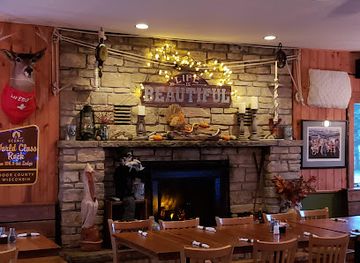
Evenings on the Door Peninsula generally centre on pubs, supper clubs, breweries, wine-focused venues, restaurant bars and live performances rather than a dense nightclub scene. Sturgeon Bay has the broadest year-round choice, with a local maritime town atmosphere and venues linked to dining and music. Fish Creek, Ephraim, Sister Bay and Egg Harbor become busier in summer, when outdoor seating, live music and waterfront views extend the evening, although opening patterns are seasonal and should be checked locally. Craft beer, Wisconsin spirits and regional wines are common features, while some establishments focus on cocktails or cider. In smaller villages and rural areas, nightlife may finish earlier and depend on a handful of restaurants or inns. The peninsula’s evening appeal is often the combination of a meal, a performance, a harbour walk or a dark-sky setting rather than late-night clubbing.
-
Grill
Island Fever Rum Bar & Grill
Experience the vibrant flavors of Island Fever Rum Bar & Grill, where American, Mexican, and seafood dishes meet a tropical paradise vibe in Sturgeon Bay.
-
American
The Mill Supper Club
Discover the exquisite flavors of American and German cuisine at The Mill Supper Club, a fine dining treasure in Sturgeon Bay, Wisconsin.
-
Bar
Blue Ox
Discover the Blue Ox Bar in Baileys Harbor - a lively destination for great food, local beers, and a warm, welcoming atmosphere.
-
Grill
Rouers Roadhouse
Experience the vibrant flavors and friendly atmosphere at Rouers Roadhouse, a top grill and bar in Sturgeon Bay, Wisconsin.

Best shops in Door Peninsula
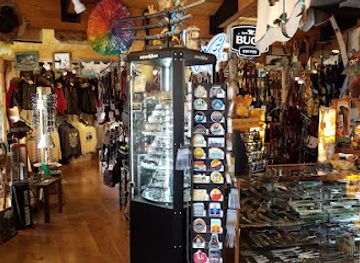
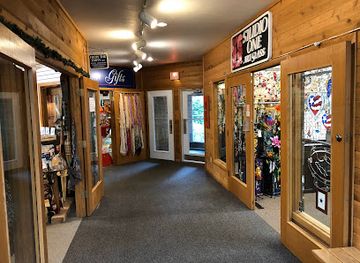
Shopping on the Door Peninsula is concentrated in the historic centres and main streets of Sturgeon Bay, Egg Harbor, Fish Creek, Ephraim, Sister Bay and Ellison Bay. Independent galleries and studios sell paintings, photography, ceramics, jewellery, textiles and woodwork inspired by the surrounding shoreline and countryside, while bookshops, homeware stores and seasonal boutiques provide practical browsing between meals and park visits. Farm stands and orchard shops are important for cherries, apples, preserves, baked goods, syrups and other regional produce, with availability changing through the growing season. Sturgeon Bay offers the widest range of everyday shops and maritime-related goods, whereas the northern villages lean more heavily towards galleries, crafts and visitor-oriented retail. Farmers’ markets and temporary summer stalls can be useful for meeting local producers, but opening days and seasonal stock vary. Avoid collecting stones, plants or archaeological objects from protected shores and parks.
-
Leather goods store
Hide Side Corner Store
Explore the artistic fusion of handcrafted leather goods and local art at Hide Side Corner Store in Fish Creek, Wisconsin.
-
Shopping mall
Main Street Shops
Explore unique boutiques and local art at Main Street Shops, a cherished shopping destination in Egg Harbor, Wisconsin.
-
Gift shop
Bliss
Discover unique gifts and local art at Bliss in Sturgeon Bay, where every piece tells a story and inspires creativity.
-
Gift shop
Beach People Ephraim
Explore Beach People Ephraim for unique gifts and souvenirs that capture the beauty of Door County's charming village atmosphere.

Get your free copy of our complete guide to Door Peninsula, delivered straight to you.
Everything on this page, from attractions and restaurants to essentials and local phrases, in one PDF you can read offline, print or share.
Already have an account? Sign in
Your Door Peninsula guide is ready.
We'll send it to · Not you? Sign out

Getting your guide ready…
We are putting together a fresh copy of the Door Peninsula guide. This can take up to a minute.
This can take a few moments. If your browser asks, choose Allow so the download can start. You'll find the guide in your Downloads folder.
Nothing happened? Download it again
Sorry, the guide is taking longer than usual. Please try again in a minute, or get it by email instead.
Door Peninsula essentials
Currency and Payment
Safety
Emergency Situations
Do's and Don'ts
Local Tips
From Eve
Local phrases worth knowing
You don't need to get them perfect. A few words go a long way, and locals appreciate the effort.
Basics
| English | Local | Say it |
|---|---|---|
| Hello | Hi | [Hye] |
| Goodbye | See ya | [See yah] |
| Yes | Yep | [Yep] |
| No | Nope | [Nope] |
| Please/You're welcome | Please/No problem | [Please/No prob] |
| Thank you | Thanks | [Thanks] |
| Excuse me/Sorry | Excuse me/Sorry | [Excuse me/Sorry] |
| How are you? | How ya doin'? | [How yah doin'?] |
| Fine. And you? | Good. You? | [Good. You?] |
| Do you speak English? | Do ya speak English? | [Doo yah speak English?] |
| I don't understand | I don't get it | [I don't get it] |
Eating & Drinking
| English | Local | Say it |
|---|---|---|
| I'd like to see the menu, please | Can I see the menu? | [Can I see the menu?] |
| I don't eat meat | I’m a vegetarian | [I'm a vegetarian] |
| Cheers! | Cheers! | [Cheers!] |
| I would like to pay, please | Can I get the check? | [Can I get the check?] |
Emergencies
| English | Local | Say it |
|---|---|---|
| Help! | Help! | [Help!] |
| Go away! | Leave me alone! | [Leave me alone!] |
| Call the Police! | Call the cops! | [Call the cops!] |
| Call a doctor! | Get a doctor! | [Get a doctor!] |
| I'm lost | I’m lost | [I'm lost] |
| I'm ill | I’m not feeling well | [I'm not feeling well] |
Shopping
| English | Local | Say it |
|---|---|---|
| I'd like to buy... | I want to buy... | [I want to buy...] |
| I'm just looking | Just browsing | [Just browsing] |
| How much is it? | What’s the price? | [What's the price?] |
| That's too expensive | That costs too much | [That costs too much] |
| Can you lower the price? | Can you make it cheaper? | [Can you make it cheaper?] |
Time & Numbers
| English | Local | Say it |
|---|---|---|
| What time is it? | What time is it? | [What time is it?] |
| It's one o'clock | It's one o'clock | [It's one o'clock] |
| Half past (10) | Half past ten | [Half past ten] |
| Morning | Morning | [Morning] |
| Afternoon | Afternoon | [Afternoon] |
| Evening | Evening | [Evening] |
| Yesterday | Yesterday | [Yesterday] |
| Today | Today | [Today] |
| Tomorrow | Tomorrow | [Tomorrow] |
| 1 | One | [One] |
| 2 | Two | [Two] |
| 3 | Three | [Three] |
| 4 | Four | [Four] |
| 5 | Five | [Five] |
| 6 | Six | [Six] |
| 7 | Seven | [Seven] |
| 8 | Eight | [Eight] |
| 9 | Nine | [Nine] |
| 10 | Ten | [Ten] |
Transport & Directions
| English | Local | Say it |
|---|---|---|
| Where's a/the...? | Where's the...? | [Where's the...?] |
| What's the address? | What’s the address? | [What's the address?] |
| Can you show me (on the map)? | Can you point it out? | [Can you point it out?] |
| When's the next (bus)? | When's the next bus? | [When's the next bus?] |
| A ticket (to ....) | A ticket to... | [A ticket to...] |
History of Door Peninsula
Indigenous Homelands and Early Trade
The Door Peninsula lies within the longstanding homelands and wider trading networks of Indigenous peoples, including the Ho-Chunk, Menominee, Ojibwe and Potawatomi. The waters of Green Bay and Lake Michigan supported travel, fishing and exchange, while the peninsula’s forests and wetlands provided important resources. European names and later settlement patterns do not erase this earlier history. Visitors encounter Indigenous history through the region’s place names, archaeological evidence and continuing Indigenous presence, although many sites are protected and are not interpreted as public attractions.
French, British and American Control
French traders and missionaries entered the Great Lakes region during the seventeenth century, followed by British influence and, after the American Revolution, the expansion of the United States. Door, Green Bay and nearby passages were important to regional movement because they connected the interior Great Lakes with Lake Michigan. Control of the wider waterway shifted through imperial rivalry and treaty-making, while Indigenous nations faced the loss of land and political power. The peninsula’s later communities developed within this changing North American frontier.
Moravian Ephraim and Nineteenth-Century Settlement
Ephraim was founded in 1853 by members of the Moravian Church, giving the village a distinctive religious and architectural history on the western shore. Other settlements grew as immigrants from Scandinavia, Germany and elsewhere established farms, businesses and maritime trades. Churches, farmsteads, cemeteries and village buildings still reflect this period, although the peninsula’s population was never culturally uniform. Agriculture developed alongside fishing, timber cutting and commerce, linking local communities to larger Great Lakes markets.
Lumber, Fishing and Shipbuilding
During the nineteenth and early twentieth centuries, the peninsula’s economy depended heavily on timber, commercial fishing, boatbuilding and lake transport. Sturgeon Bay became especially important for shipbuilding because its protected waters provided access to Green Bay and Lake Michigan. Sawmills, docks and repair yards supported communities beyond the city itself. The decline of some extractive industries transformed the shoreline, but working boatyards, maritime museums and harbour infrastructure continue to show how closely everyday life was tied to the Great Lakes.
Lighthouses and Great Lakes Navigation
The peninsula’s narrow channels, exposed shoreline and busy shipping routes led to the construction of lighthouses and navigational aids. Eagle Bluff Lighthouse, Cana Island Lighthouse and the Sturgeon Bay Canal stations helped vessels approach harbours and navigate the passage between Green Bay and Lake Michigan. These buildings were part of a wider federal system rather than isolated curiosities. Their survival reflects the importance of safe navigation to fishing, lumber transport, commercial shipping and the peninsula’s maritime identity.
Orchards and the Door County Cherry Economy
Commercial fruit growing expanded during the late nineteenth and twentieth centuries, aided by the moderating influence of the surrounding waters and the peninsula’s suitable soils and slopes. Cherries became particularly associated with Door County, while apples and other crops also contributed to the agricultural economy. Orchards brought seasonal labour, processing businesses and a recognisable rural landscape. Today, fruit farms and farm shops remain part of the visitor economy, though agriculture continues to be a working industry rather than merely a scenic backdrop.
Parks, Conservation and Tourism
The twentieth century brought a growing recognition that the peninsula’s forests, dunes, wetlands and shoreline required protection. Peninsula State Park, Whitefish Dunes State Park and Newport State Park preserve different parts of the landscape, while county parks and nature preserves protect areas of ecological and geological importance. Tourism expanded around camping, boating, scenic driving, the arts and village hospitality. Conservation has therefore shaped the modern destination as much as commercial development has, with visitor access balanced against fragile shorelines and habitats.
Door Peninsula in Photos
Browse through our photo collection highlighting the charm and character of the destination.
Neighbouring regions of Door Peninsula
The closest regions to Door Peninsula, if you have time for more than one.
-

-

-

-

-


Swipe for more regions
Explore more

Explore more of Wisconsin
Discover Wisconsin: A Midwestern gem offering stunning natural landscapes, rich cultural experiences, and a taste of America's finest dairy products.
Explore Wisconsin