

Free Big Horn County Travel Guide & Mobile App
Explore Big Horn County with free travel guides. Discover regional history, expert tips, proposed trips, and audio guides on web or mobile app.


Explore Big Horn County, Wyoming, for Bighorn Canyon, river valleys, archaeological heritage, mountain drives and wide-open basin landscapes.
Read more about Big Horn County
Getting to and around Big Horn County
How to get there
Transportation
Top city travel guides in Big Horn County
The cities of Big Horn County, and the easiest places to base yourself.
-

-


Swipe for more cities
Destinations in Big Horn County
Resorts, valleys and scenic spots worth a trip of their own.
-
-
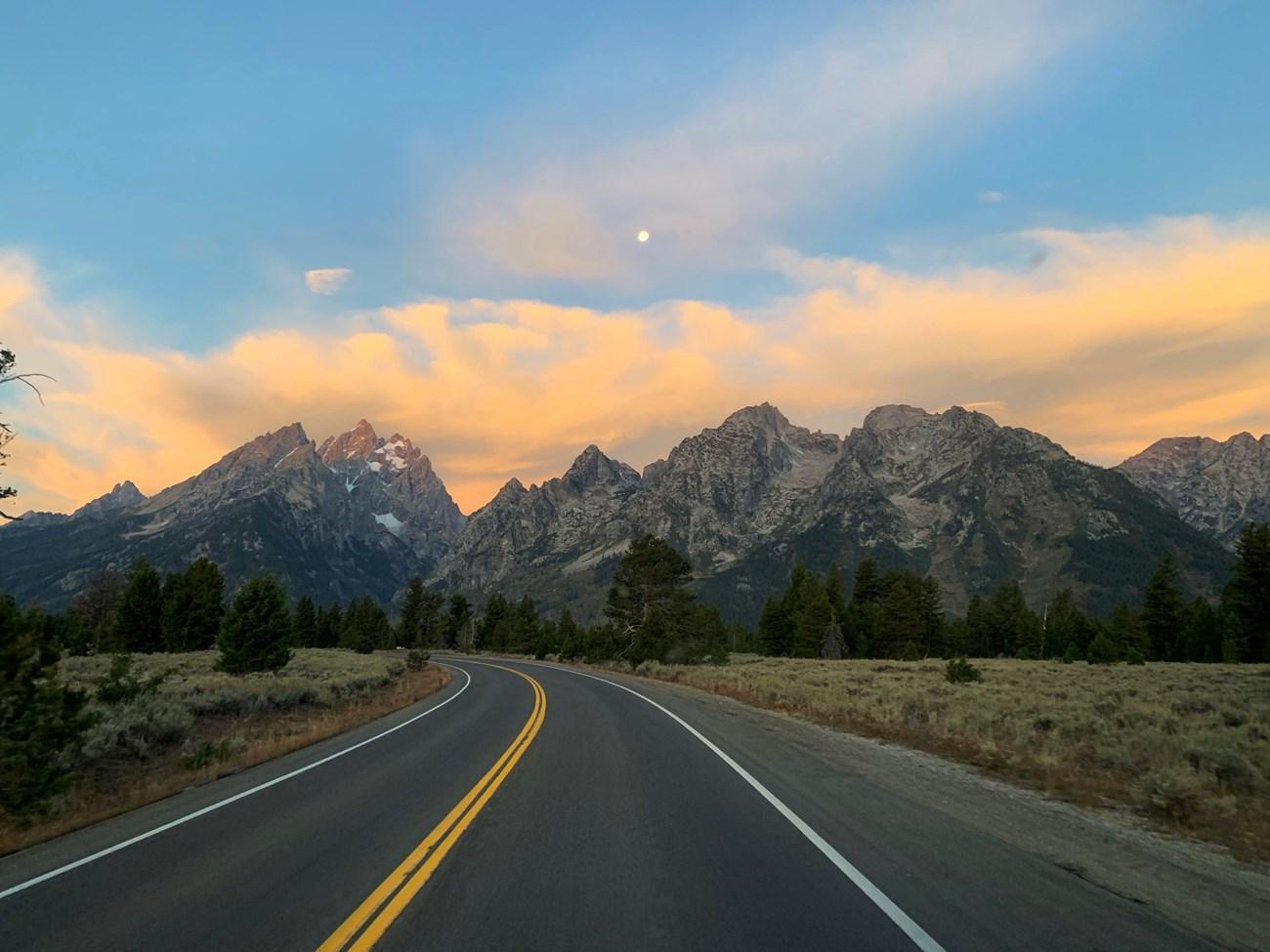 Buffalo Bill State Park
, Wyoming, pairs a mountain reservoir with boating, fishing, camping and Cody’s Old West heritage near Yellowstone’s east gateway.

Swipe for more destinations
Best attractions in Big Horn County
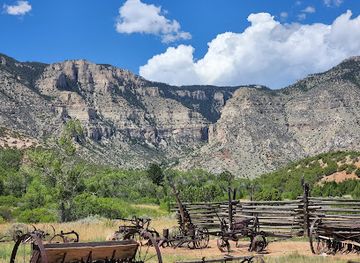
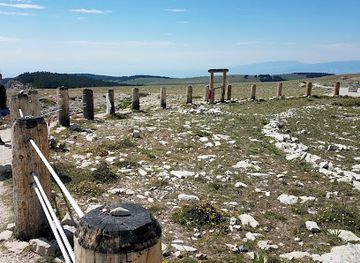
Big Horn County’s attractions are defined by scale and landscape rather than a dense concentration of commercial sights. Bighorn Canyon National Recreation Area is the headline destination, offering viewpoints, boating, fishing, wildlife observation and access to a canyon system that crosses the Wyoming–Montana border. Around Lovell and the southern end of Bighorn Lake, the contrast between water, pale cliffs and dry uplands is particularly pronounced. The Wyoming side also contains historic ranch landscapes and roads leading towards the Pryor Mountain and Bighorn country. Medicine Lodge Archaeological Site near Hyattville provides a different experience, combining rock shelters, interpretive information and a sense of the basin’s long human history. The Bighorn River corridor, agricultural valleys and mountain foothills support scenic drives, birdwatching, angling and hiking, although facilities become more limited away from the towns. Basin, Greybull and Lovell offer small museums, local history displays and heritage buildings rather than large-scale attractions. Visitors seeking a full mountain itinerary should distinguish Big Horn County from nearby Sheridan and Park counties, where other well-known Bighorn and Yellowstone-region sights are located.
-
Park
Bighorn Canyon National Recreation Area
Explore the stunning landscapes and diverse wildlife at Bighorn Canyon National Recreation Area, a haven for outdoor adventures in Montana.
-
Cultural landmark
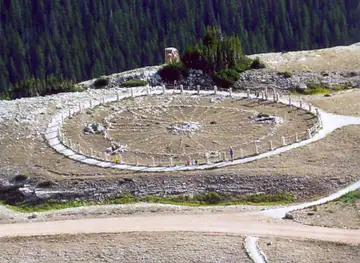
Bighorn Medicine Wheel
Explore the Bighorn Medicine Wheel, a sacred cultural landmark in Wyoming, where history, spirituality, and stunning landscapes converge.
-
Museum
Washakie Museum & Cultural Center
Explore the vibrant heritage of Wyoming at the Washakie Museum & Cultural Center, where history and culture come together in an engaging experience.
-
Museum
Trail End State Historic Site
Explore the elegance and history of Trail End State Historic Site, a captivating museum in Sheridan, Wyoming, showcasing the grandeur of early 20th-century life.

Best landmarks in Big Horn County
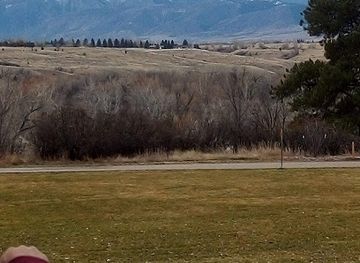
Bighorn Canyon is Big Horn County’s most recognisable natural landmark, with high limestone walls and river-cut scenery extending around Bighorn Lake. The Wyoming portion is especially associated with the Lovell area and provides viewpoints that show how the Bighorn River has carved through the basin’s edge. Yellowtail Dam, associated with the creation of the reservoir, is an important piece of modern water-management and recreation history, although the broader recreation area continues across the state line into Montana. Medicine Lodge Archaeological Site near Hyattville is a landmark of a different kind: its rock shelters and archaeological record connect the present landscape with thousands of years of human use. The Bighorn River itself is a defining geographical feature, passing through irrigated farmland and communities before entering more dramatic canyon country. In Basin, Greybull and Lovell, older commercial buildings, civic structures and railway-era town layouts provide quieter reminders of settlement and trade. Together these places show the county’s essential contrasts—water and desert, working towns and public land, Indigenous history and modern infrastructure—without reducing the region to a single scenic viewpoint.
-
Historical landmark
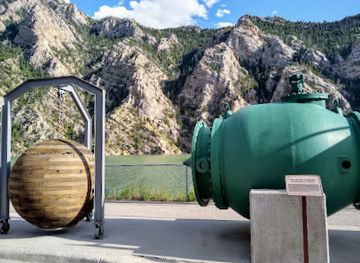
Buffalo Bill Dam & Visitor Center
Explore the historic Buffalo Bill Dam & Visitor Center for a unique blend of history, stunning landscapes, and educational exhibits in beautiful Cody, Wyoming.
-
Park
Bighorn Canyon National Recreation Area
Explore the stunning landscapes and rich wildlife of Bighorn Canyon National Recreation Area, a must-visit destination for outdoor enthusiasts in Montana.
-
Historical place museum
South Pass City State Historic Site
Discover the rich history of the Gold Rush era at South Pass City State Historic Site, where 19th-century Wyoming comes to life.
-
Art museum
The Brinton Museum
Discover art, history, and nature at The Brinton Museum in Big Horn, Wyoming—where cultural heritage meets breathtaking landscapes.


Explore Big Horn County on the map
Plan your trip on one map. See where the top cities, national parks and sights are, and book hotels and experiences in a few clicks.
Best hotels in Big Horn County
Best restaurants in Big Horn County
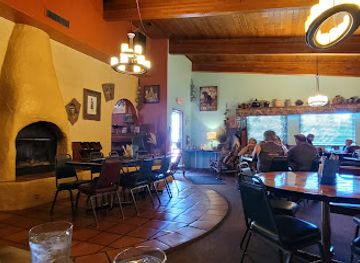
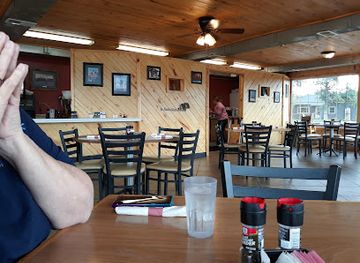
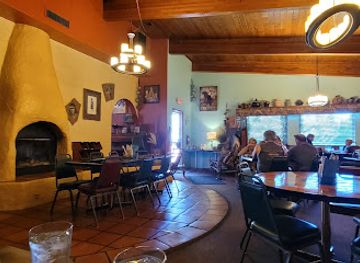
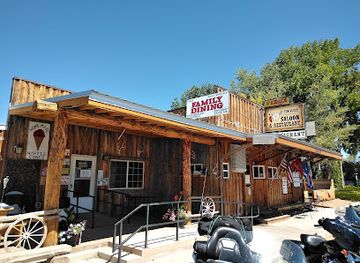
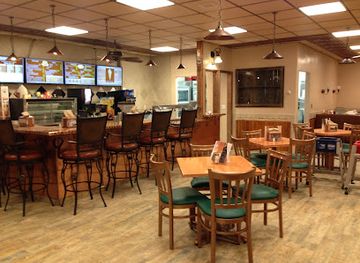
Dining in Big Horn County is closely tied to its working communities and long distances. Basin, Greybull and Lovell provide the broadest choice, with cafés, family restaurants, diners, bakeries and public-house-style venues serving breakfasts, burgers, sandwiches, steaks and everyday American dishes. Mexican-influenced cooking is also common in the wider Wyoming food scene. Irrigated farming and ranching shape the local food economy, although menus vary by season and establishment rather than following a single formal county cuisine. Visitors can expect hearty portions and practical meals suited to road travel, with occasional emphasis on beef, local produce and baked goods. Grocery shops and convenience stores are important for assembling lunches before visiting Bighorn Canyon or Medicine Lodge, where dining options are sparse. Tipping is customary in table-service restaurants, and travellers should not assume that remote recreation sites will have cafés or food concessions. The most distinctive culinary experience often comes from combining a simple local meal with produce purchased in a market town or from a regional farm stand when available.
-
Hotel
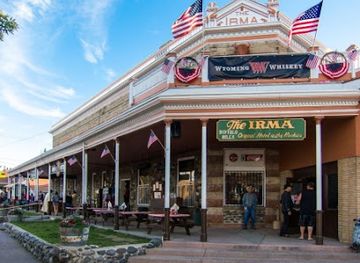
Buffalo Bill's Irma Hotel & Restaurant
Discover the historic charm and culinary delights at Buffalo Bill's Irma Hotel & Restaurant in Cody, Wyoming - a true taste of the Wild West.
-
Restaurant
Hungry Bear Restaurant
Savor delicious breakfast classics and gourmet pizzas at Cody's favorite dining spot - Hungry Bear Restaurant.
-
American
Lisa's Western Cuisine & Spirits
Experience hearty American cuisine at Lisa's Western Cuisine & Spirits in Greybull - where flavor meets hospitality.
-
American
Wyoming 310
Experience authentic American flavors at Wyoming 310 in Deaver, WY - where great food meets warm hospitality.

Best bars in Big Horn County
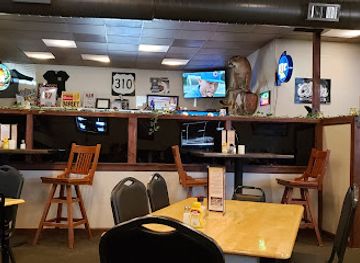
Evening life in Big Horn County is modest and community-oriented rather than built around nightclubs. Basin, Greybull and Lovell have bars, traditional pubs and casual restaurants where residents and visitors can eat, talk and follow local or national sports. Some venues may offer live music or informal events, but programmes and opening arrangements change, so current local information is more reliable than assuming a regular schedule. Craft beer and spirits from elsewhere in Wyoming and the wider United States may appear on drinks lists, though the county is not primarily a brewery or distillery destination. After dark, the main attraction outside town is the quiet landscape: canyon overlooks, open roads and exceptionally dark skies, approached only where access and safety conditions permit. Alcohol should never be combined with long rural drives, boating or mountain travel, and visitors should arrange transport responsibly because taxis and late-night services are limited.
-
Restaurant
Mustang Cafe & BBQ
Experience the best of BBQ and hospitality at Mustang Cafe & BBQ in Lovell, Wyoming - a culinary gem for travelers seeking delicious flavors.
-
American
Lisa's Western Cuisine & Spirits
Experience authentic American cuisine in a cozy setting at Lisa's Western Cuisine & Spirits in Greybull, Wyoming.
-
American
Ten Sleep Saloon & Steakhouse
Discover the charm of the Old West while savoring delicious American cuisine at Ten Sleep Saloon & Steakhouse, a true Wyoming gem.
-
Cafe
Copper Corner Cafe
Discover the charm of Copper Corner Cafe in Basin, Wyoming, a cozy spot for delicious breakfasts and local hospitality.
Best nightclubs in Big Horn County
-
Grill
Silver Dollar Bar
Discover the authentic flavors of Wyoming at Silver Dollar Bar, where hearty grill cuisine meets a lively bar atmosphere in Cody.
-
Bar
Cassie's Steakhouse
Experience the best of Cody, Wyoming at Cassie's Steakhouse, where delicious steaks and live music create unforgettable moments.
-
Bar
Pony Bar & Grill
Discover the lively vibe of Pony Bar & Grill in Sheridan, WY - where delicious food meets great company in a relaxed atmosphere.
-
Liquor store
Libations
Discover the finest selection of wines and spirits at Libations, Cody's premier liquor store and wine bar, perfect for all your celebratory needs.


Best shops in Big Horn County
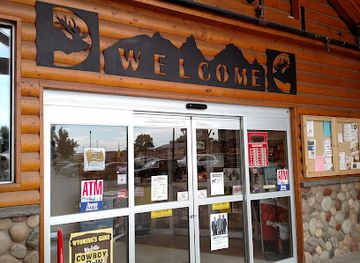
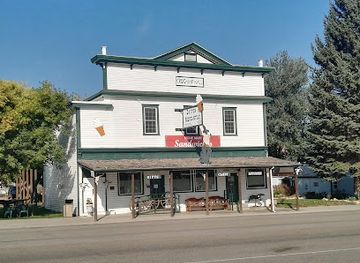
Shopping in Big Horn County is concentrated in the main towns and is primarily practical, local and independent. Basin, Greybull and Lovell have everyday high-street businesses, grocery shops, galleries, small gift outlets and services for surrounding ranching and farming communities rather than large shopping centres or luxury retail districts. Visitors may find Wyoming-themed clothing, books, artwork, antiques, western-style goods and locally produced food, although stock and opening arrangements vary. Farm stands and seasonal roadside sellers can offer a more direct connection to the irrigated agricultural areas, particularly when fruit and vegetables are in season. Local museums and heritage attractions may carry books and educational material about Indigenous history, archaeology, ranching and the Bighorn Basin. For reliable supplies before visiting Bighorn Canyon or Medicine Lodge, shop in town rather than expecting substantial retail facilities near remote sites. Regional souvenirs are best chosen for their connection to the landscape or working culture—such as locally made crafts, art or food products—rather than generic claims that an item originated specifically in the county.
-
Cultural landmark
Bighorn Medicine Wheel
Discover the enchanting Bighorn Medicine Wheel in Wyoming, a sacred site that beautifully blends Native American heritage with stunning mountain landscapes.
-
Grocery store
Lynn's Superfoods Greybull
Experience the essence of Wyoming at Lynn's Superfoods, where fresh, local produce meets friendly service in Greybull.
-
Restaurant
Dayton Mercantile
Discover the delightful Dayton Mercantile, a unique blend of restaurant and souvenir shop in scenic Wyoming, offering local cuisine and treasures.
-
Hardware store
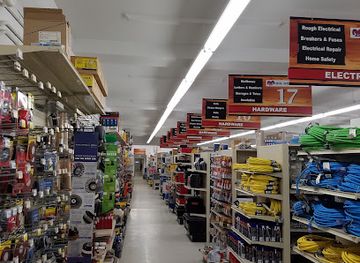
Big Horn Co-op- Home Center & Building Supply
Big Horn Co-op in Greybull, Wyoming: Your go-to destination for hardware, building supplies and convenience items while exploring the scenic West.

Get your free copy of our complete guide to Big Horn County, delivered straight to you.
Everything on this page, from attractions and restaurants to essentials and local phrases, in one PDF you can read offline, print or share.
Already have an account? Sign in
Your Big Horn County guide is ready.
We'll send it to · Not you? Sign out

Getting your guide ready…
We are putting together a fresh copy of the Big Horn County guide. This can take up to a minute.
This can take a few moments. If your browser asks, choose Allow so the download can start. You'll find the guide in your Downloads folder.
Nothing happened? Download it again
Sorry, the guide is taking longer than usual. Please try again in a minute, or get it by email instead.
Big Horn County essentials
Currency and Payment
Safety
Emergency Situations
Do's and Don'ts
Local Tips
From Eve
Local phrases worth knowing
You don't need to get them perfect. A few words go a long way, and locals appreciate the effort.
Basics
| English | Local | Say it |
|---|---|---|
| Hello | Howdy | [Haudee] |
| Goodbye | See ya | [See yah] |
| Yes | Yep | [Yep] |
| No | Nope | [Nope] |
| Please/You're welcome | Please/No problem | [Pleez/No prob] |
| Thank you | Thanks | [Thangs] |
| Excuse me/Sorry | Excuse me/Sorry | [Excuse me/Sorry] |
| How are you? | How ya doin'? | [How ya doin'?] |
| Fine. And you? | Good. And you? | [Good. An' you?] |
| Do you speak English? | You speakin' English? | [You speakin' English?] |
| I don't understand | I ain't followin' | [I ain't followin'] |
Eating & Drinking
| English | Local | Say it |
|---|---|---|
| I'd like to see the menu, please | Can I see the menu, please? | [Can I see th' menu, please?] |
| I don't eat meat | I don't eat meat | [I don't eat meat] |
| Cheers! | Cheers! | [Cheers!] |
| I would like to pay, please | Can I pay, please? | [Can I pay, please?] |
Emergencies
| English | Local | Say it |
|---|---|---|
| Help! | Help! | [Help!] |
| Go away! | Get lost! | [Get lost!] |
| Call the Police! | Call the cops! | [Call th' cops!] |
| Call a doctor! | Get a doc! | [Get a doc!] |
| I'm lost | I'm lost | [I'm lost] |
| I'm ill | I'm sick | [I'm sick] |
Shopping
| English | Local | Say it |
|---|---|---|
| I'd like to buy... | I wanna buy... | [I wanna buy...] |
| I'm just looking | Just lookin' | [Just lookin'] |
| How much is it? | How much's this? | [How much's this?] |
| That's too expensive | That's way too pricey | [That's way too pricey] |
| Can you lower the price? | Can ya bring down the price? | [Can ya bring down th' price?] |
Time & Numbers
| English | Local | Say it |
|---|---|---|
| What time is it? | What time is it? | [What time is it?] |
| It's one o'clock | It's one o'clock | [It's one o'clock] |
| Half past (10) | Half past ten | [Half past ten] |
| Morning | Mornin' | [Mornin'] |
| Afternoon | Afternoon | [Afternoon] |
| Evening | Evenin' | [Evenin'] |
| Yesterday | Yesterday | [Yesterday] |
| Today | Today | [Today] |
| Tomorrow | Tomorrow | [Tomorrow] |
| 1 | One | [One] |
| 2 | Two | [Two] |
| 3 | Three | [Three] |
| 4 | Four | [Four] |
| 5 | Five | [Five] |
| 6 | Six | [Six] |
| 7 | Seven | [Seven] |
| 8 | Eight | [Eight] |
| 9 | Nine | [Nine] |
| 10 | Ten | [Ten] |
Transport & Directions
| English | Local | Say it |
|---|---|---|
| Where's a/the...? | Where's a...? | [Where's a...?] |
| What's the address? | What's the address? | [What's th' address?] |
| Can you show me (on the map)? | Can ya show me on the map? | [Can ya show me on th' map?] |
| When's the next (bus)? | When's the next bus? | [When's th' next bus?] |
| A ticket (to ....) | A ticket to ... | [A ticket to ...] |
History of Big Horn County
Ancient occupation and Medicine Lodge
Big Horn County contains an important record of long-term human presence, most clearly preserved at Medicine Lodge Archaeological Site near Hyattville. Rock shelters and associated remains indicate repeated occupation over many centuries, reflecting changing patterns of hunting, gathering and movement through the Bighorn Basin. The site is also associated with later Indigenous use and traditional travel across the region. Its value lies in demonstrating that the basin was not an empty frontier before Euro-American settlement, but a lived landscape with deep archaeological and cultural connections.
Indigenous homelands and regional exchange
The Bighorn Basin and surrounding mountains formed part of a wider cultural landscape used by Indigenous peoples, including Crow, Shoshone and other Native communities whose territories and movements extended beyond modern county and state lines. Rivers, passes and upland hunting grounds connected the area to neighbouring parts of Wyoming and Montana. Contact, trade, disease, military pressure and the expansion of the United States disrupted established lifeways during the nineteenth century. Visitors should understand present county boundaries as modern administrative divisions imposed on a much older Indigenous geography.
Exploration, forts and the nineteenth-century frontier
During the nineteenth century, the Bighorn Basin became increasingly connected to fur trading, exploration and military movement through the northern Rocky Mountain region. Routes followed rivers and passes, while the surrounding mountains remained difficult terrain for travellers and freight. The eventual establishment of United States authority and the opening of lands to non-Indigenous settlement altered the region’s population and economy. Although Big Horn County has relatively few large frontier monuments, its roads, settlement pattern and enduring relationship with public land reflect this period.
Irrigation and agricultural settlement
Permanent non-Indigenous settlement expanded as irrigation made farming possible across parts of the otherwise dry basin. Canals and diversion works transformed river water into fields, orchards and pasture, helping communities such as Basin, Greybull and Lovell develop as service and agricultural centres. Agriculture remains central to the county’s identity, with the contrast between cultivated river bottoms and surrounding sagebrush country especially clear from the road. Irrigation also shaped local politics, land use and the practical need for cooperative management of scarce water.
Railways, livestock and town formation
Railway development and improved roads gave the basin stronger links with markets elsewhere in Wyoming and the American West. Greybull, Basin and Lovell grew as places where ranching, farming, freight, retail and public services converged. Livestock production and dryland as well as irrigated agriculture continued alongside small-scale manufacturing and resource activity. The county’s historic town centres and older commercial buildings are modest in scale, but they reveal how transport infrastructure and agricultural trade turned scattered settlement into durable communities.
Energy and the modern basin economy
Oil and other resource industries contributed to the economic history of the Bighorn Basin, particularly during the twentieth century, alongside agriculture and public-sector employment. Their influence can be seen in working landscapes, transport networks and the economic cycles experienced by local communities. Big Horn County has never depended on a single activity alone: farming, ranching, energy, tourism, recreation and services have each played a role. This mixed economy helps explain the practical, non-resort character of its towns.
Bighorn Canyon and public-land recreation
The construction of Yellowtail Dam on the Bighorn River in the 1960s created Bighorn Lake and helped establish the surrounding area as a major public recreation landscape. Bighorn Canyon National Recreation Area, administered by the National Park Service, now protects a long canyon system extending across Wyoming and Montana. The reservoir brought boating, fishing and scenic tourism, while the canyon’s geological walls and historic ranch landscapes added a broader cultural dimension. It remains one of the county’s most important modern visitor developments.
Big Horn County in Photos
Browse through our photo collection highlighting the charm and character of the destination.
Neighbouring regions of Big Horn County
The closest regions to Big Horn County, if you have time for more than one.
-

-

-

-

-


Swipe for more regions
Explore more

Explore more of Wyoming
Discover Wyoming: A Land of Unspoiled Beauty, Rich History, and Boundless Outdoor Adventures in the Heart of the American West.
Explore Wyoming