

Absaroka Range, Wyoming Travel Guide
Explore the rugged beauty of Wyoming's Absaroka Range, where outdoor adventures, diverse wildlife, and rich cultural history await in this unspoiled mountain paradise.
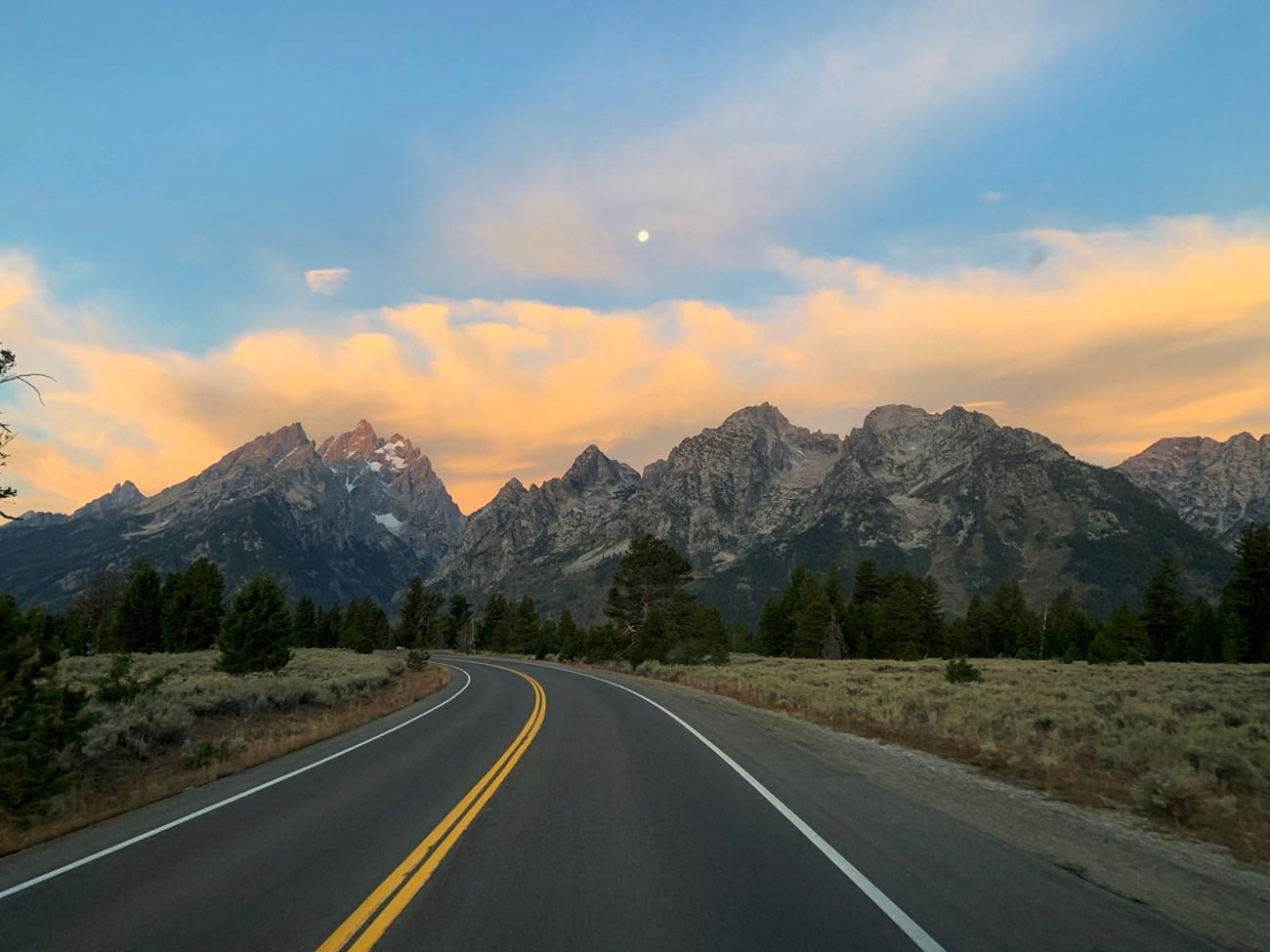
The Absaroka Range, located in the heart of Wyoming, is a breathtaking mountain range that offers an unspoiled natural beauty. Stretching across the northwestern part of the state, it is part of the greater Rocky Mountains and serves as a natural boundary between Yellowstone National Park and the Shoshone National Forest. The range is named after the Absaroka Native American tribe and is known for its rugged peaks, deep valleys, and diverse wildlife habitats. One of the highlights of visiting the Absaroka Range is the opportunity for outdoor adventures. Hiking trails such as the Beartooth Loop Trail and the Buffalo Plateau Trail offer stunning views of the mountain scenery. These paths lead you through alpine meadows, dense forests, and along crystal-clear streams. For those who enjoy climbing, the range features challenging peaks like Francs Peak, the highest in the Absarokas, which provides panoramic vistas that are well worth the effort. Wildlife enthusiasts will be thrilled by the abundance of animals that call this area home. The Absaroka Range is a prime location for spotting grizzly bears, elk, moose, and bighorn sheep. Birdwatchers can also delight in the variety of species found here, including the majestic golden eagle. Remember to bring your camera to capture the moments, but always maintain a safe distance from the wildlife. Fishing is another popular activity in the Absaroka Range, with numerous pristine lakes and rivers teeming with trout. Whether you're an experienced angler or a novice, the serene environment provides the perfect backdrop for a day of fishing. In winter, the area transforms into a snowy wonderland, offering excellent opportunities for snowshoeing and cross-country skiing. The Absaroka Range is not just about the natural beauty; it also holds cultural significance. The region is rich in Native American history, and visitors can explore ancient petroglyphs and archaeological sites that tell the story of the area's original inhabitants. Additionally, the small towns surrounding the range, such as Cody and Dubois, offer a glimpse into the Old West with their historic buildings and cowboy culture.

Know before you go
Hi, I'm Eve. Here are a few practical things to know before exploring Absaroka Range.
- Best time to visit is from late spring to early fall for hiking and wildlife viewing.
- Bring bear spray and know how to use it; the area is home to grizzly bears.
- Wear layered clothing; weather can change rapidly in the mountains.
- Check trail conditions and weather forecasts before heading out.
- Respect wildlife and maintain a safe distance at all times.
- Consider hiring a local guide for an enriched experience and better navigation.
Top City Travel Guides in Absaroka Range
The cities of Absaroka Range, and the easiest places to base yourself.


Destinations in Absaroka Range
Resorts, valleys and scenic spots worth a trip of their own.


Explore Absaroka Range: Things to Do, Places to Eat, Hotels & More
Handpicked recommendations for top attractions, local dining, accommodations, and more

Top Attractions & Sightseeing in Absaroka Range
Top-rated picks
Best Attractions
Buffalo Bill Dam & Visitor Center
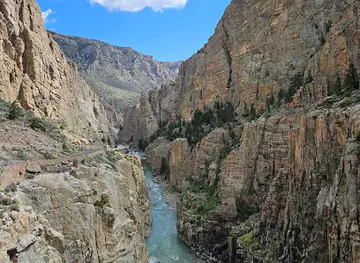
Explore the Buffalo Bill Dam & Visitor Center, a historical landmark offering scenic views, engaging exhibits, and a charming souvenir store in beautiful Cody, Wyoming.

Buffalo Bill State Park
Explore the breathtaking landscapes of Buffalo Bill State Park in Wyoming, a haven for outdoor adventures and rich cultural history.

State of Wyoming Veterans Memorial Park
Explore the State of Wyoming Veterans Memorial Park in Cody, a serene tribute to those who served, surrounded by stunning landscapes and rich history.

Buffalo Bill Reservoir Scenic View
Discover the stunning natural beauty of Buffalo Bill Reservoir in Cody, Wyoming, where breathtaking views and outdoor adventures await.

Best landmarks in Absaroka Range
Top-rated picks
Best Landmarks

Buffalo Bill Dam & Visitor Center
Explore the Buffalo Bill Dam & Visitor Center – a historical landmark that unveils the rich history and stunning beauty of Cody, Wyoming.

Old Trail Town
Explore the authentic Wild West at Old Trail Town, a captivating historical museum featuring restored buildings and artifacts from the frontier era.

Fort Laramie National Historic Site
Discover the rich history and scenic beauty at Fort Laramie National Historic Site, a captivating landmark from America's westward expansion.

Petrified Tree
Explore the Petrified Tree in Yellowstone National Park, a stunning geological wonder that tells the story of Earth's ancient history.

Best restaurants in Absaroka Range
Top-rated picks
Best Restaurants

The Buffalo Bar
Discover The Buffalo Bar in West Yellowstone - where delicious American cuisine meets lively atmosphere amidst stunning natural beauty.

Running Bear Pancake House
Experience delightful breakfasts at Running Bear Pancake House in West Yellowstone – home of fluffy pancakes and warm hospitality.

Gun Barrel Steak and Game House
Experience authentic Western cuisine at Gun Barrel Steak and Game House—where steak lovers unite with nature's finest flavors.

Buffalo Bill's Irma Hotel & Restaurant
Discover Buffalo Bill's Irma Hotel & Restaurant: A Historic Retreat in Cody, Wyoming Offering Comfort and Western Hospitality.

Best bars in Absaroka Range
Top-rated picks
Best Bars

Million Dollar Cowboy Bar
Discover the iconic Million Dollar Cowboy Bar in Jackson, Wyoming, where Western charm meets lively entertainment and great drinks.

Silver Dollar Bar
Discover the welcoming atmosphere and delicious grill offerings at Silver Dollar Bar, a Cody gem perfect for any traveler seeking a taste of the Old West.

Bull Moose Lodge & Saloon
Experience authentic Wyoming hospitality at Bull Moose Lodge & Saloon, where delicious American cuisine meets rustic charm.

Hungry Bear Restaurant
Discover the taste of Cody at Hungry Bear Restaurant, where hearty breakfasts and delicious pizzas await in a cozy atmosphere.

Best nightclubs in Absaroka Range
Top-rated picks
Best Nightclubs

Beacon Club
Experience the vibrant nightlife and warm atmosphere at Beacon Club in Mills, Wyoming, where good times and great drinks await.

Cadillac Ranch Bar
Cadillac Ranch Bar in Cheyenne, Wyoming, offers a lively atmosphere with great drinks, local entertainment, and a warm, welcoming vibe perfect for nightlife enthusiasts.

Sundance Lounge
Experience the vibrant nightlife of Gillette at Sundance Lounge, a cocktail bar offering great drinks, karaoke, and a lively atmosphere for all.

The Cowboy Saloon & Dance Hall
Immerse yourself in the vibrant cowboy culture of Laramie at The Cowboy Saloon & Dance Hall, where dancing and fun come together in an unforgettable experience.

Best shops in Absaroka Range
Top-rated picks
Best Shops

Fishing Bridge - General Store
Discover unique gifts and essential gear at Fishing Bridge General Store in Yellowstone National Park, your one-stop shop for adventure essentials.

Aladdin General Store
Shop local and discover unique gifts at Aladdin General Store, Wyoming's charming grocery destination with a treasure trove of artisanal delights.

Yellowstone Gift Shop
Explore the Yellowstone Gift Shop in Cody, WY for unique souvenirs, local crafts, and delightful treats that celebrate the spirit of the American West.

Rocky Mountain Discount Sports
Explore Rocky Mountain Discount Sports in Cody, Wyoming - your one-stop shop for all outdoor sporting goods and gear to enhance your adventures.

Explore Absaroka Range on the Map
A handpicked selection of must-see spots in Absaroka Range, mapped for you.
Absaroka Range Essentials
-
The Absaroka Range is located in northwestern Wyoming and extends into Montana. The closest major airport is Yellowstone Regional Airport in Cody, Wyoming, approximately 50 miles away. For international travelers, Jackson Hole Airport, around 150 miles to the south, is another option. From either airport, you can rent a car or take a shuttle service to reach the Absaroka Range. Alternatively, for those driving from other parts of the United States, Interstate 90 and U.S. Route 14 provide accessible routes to the area.
-
The Absaroka Range is best explored by car due to its vast and rugged terrain. Car rentals are available at nearby airports and in larger towns like Cody and Jackson. Be prepared for a mix of paved and unpaved roads, and consider renting a four-wheel-drive vehicle if you plan to venture into more remote areas. Limited public transportation options are available, so having your own vehicle is highly recommended for convenience and flexibility.
-
The official currency is the United States Dollar (USD). Credit cards are widely accepted in hotels, restaurants, and shops in nearby towns. However, it's advisable to carry some cash, especially if you plan to visit more remote areas or small establishments that may not accept cards. ATMs are available in Cody, Jackson, and other larger towns, but may be scarce in rural areas.
-
The Absaroka Range is generally safe for tourists, but it is important to take standard precautions. Wildlife encounters are common, so keep a safe distance from animals and store food properly to avoid attracting bears. Crime rates are low, but always lock your vehicle and keep valuables out of sight. Be cautious of weather conditions, as they can change rapidly in mountainous areas. There are no high-crime areas specifically targeting tourists, but always stay vigilant and aware of your surroundings.
-
In case of emergency, dial 911 for immediate assistance. It is advisable to have travel insurance that covers medical emergencies, as the nearest hospital may be some distance away. For non-life-threatening situations, first aid kits and over-the-counter medications can be purchased at local pharmacies in Cody or Jackson. Always inform someone of your travel plans and expected return time if you are venturing into remote areas.
-
Fashion: Do wear appropriate outdoor clothing, including sturdy hiking boots and layers to adapt to changing weather. Avoid wearing flashy or overly revealing clothing. Religion: Do respect local customs, especially when visiting Native American cultural sites. Public Transport: Do plan ahead as public transportation options are limited. Renting a car is the most practical option. Greetings: Do greet people with a friendly 'hello' or a handshake. Wyoming locals are generally welcoming and polite. Eating & Drinking: Do try local dishes and regional specialties. Don't leave trash behind; always follow Leave No Trace principles.
-
To experience the Absaroka Range like a local, visit during the shoulder seasons (spring and fall) to avoid crowds and enjoy milder weather. Engage with locals in nearby towns; they often have the best advice on hidden gems and less touristy areas. Consider joining a guided tour for a deeper understanding of the area's history and geology. Don't miss out on local events and festivals, which can provide a unique cultural experience. Always be prepared for outdoor adventures with proper gear and knowledge of the terrain.
When is the best time to visit Absaroka Range?
Useful Local Phrases for Absaroka Range
You don't need to speak the language perfectly. Even learning a few simple words can make conversations warmer—and locals usually appreciate the effort.
— Eve

Here are the phrases I use most often in Absaroka Range. Try a few—you'll be surprised how far they go! 😊
❤️
-
- HelloHowdy
[haʊdi] - GoodbyeSee ya
[si jə] - YesYep
[jɛp] - NoNah
[nɑ] - Please/You're welcomeSure thing
[ʃʊr θɪŋ] - Thank youThanks a lot
[θæŋks ə lɑt] - Excuse me/SorryPardon me
[ˈpɑrdən mi] - How are you?How ya doin'?
[haʊ jə ˈduɪŋ] - Fine. And you?Good. You?
[ɡʊd. jə?] - Do you speak English?Can ya talk English?
[kæn jə tɔk ˈɪŋɡlɪʃ] - I don't understandI ain't gettin' it
[aɪ eɪnt ˈɡɛtɪn ɪt]
- HelloHowdy
-
- I'd like to see the menu, pleaseCan I see the menu?
[kæn aɪ si ðə ˈmɛnju] - I don't eat meatI ain't eatin' meat
[aɪ eɪnt ˈitɪn mit] - Cheers!Cheers!
[ʧɪrz] - I would like to pay, pleaseCan I pay up?
[kæn aɪ peɪ ʌp]
- I'd like to see the menu, pleaseCan I see the menu?
-
- Help!Help!
[hɛlp] - Go away!Get lost!
[ɡɛt lɔst] - Call the Police!Call the cops!
[kɔl ðə kɑps] - Call a doctor!Get a doc!
[ɡɛt ə dɑk] - I'm lostI’m lost
[aɪm lɔst] - I'm illI ain't feelin' well
[aɪ eɪnt ˈfilɪn wɛl]
- Help!Help!
-
- I'd like to buy...I wanna buy...
[aɪ ˈwɑnə baɪ] - I'm just lookingJust browsin'
[dʒʌst ˈbraʊzɪn] - How much is it?What’s it gonna cost?
[wʌts ɪt ˈɡʌnə kɔst] - That's too expensiveThat’s way too pricey
[ðæts weɪ tu ˈpraɪsi] - Can you lower the price?Can ya knock the price down?
[kæn jə nɑk ðə praɪs daʊn]
- I'd like to buy...I wanna buy...
-
- What time is it?What time ya got?
[wʌt taɪm jə ɡɑt] - It's one o'clockIt's one
[ɪts wʌn] - Half past (10)Half past ten
[hæf pæst tɛn] - MorningMornin'
[ˈmɔrnɪn] - AfternoonAfternoon
[ˌæftərˈnun] - EveningEvenin'
[ˈivnɪn] - YesterdayYesterday
[ˈjɛstərdeɪ] - TodayToday
[təˈdeɪ] - TomorrowTomorrow
[təˈmɔroʊ] - 1One
[wʌn] - 2Two
[tu] - 3Three
[θri] - 4Four
[fɔr] - 5Five
[faɪv] - 6Six
[sɪks] - 7Seven
[ˈsɛvən] - 8Eight
[eɪt] - 9Nine
[naɪn] - 10Ten
[tɛn]
- What time is it?What time ya got?
-
- Where's a/the...?Where’s a...?
[wɛrz ə] - What's the address?What’s the address?
[wʌts ði əˈdrɛs] - Can you show me (on the map)?Can ya show me on the map?
[kæn jə ʃoʊ mi ɑn ðə mæp] - When's the next (bus)?When's the next bus?
[wɛnʌs ðə nɛkst bʌs] - A ticket (to ....)One ticket to...
[wʌn ˈtɪkɪt tu]
- Where's a/the...?Where’s a...?
History of Absaroka Range
-
For centuries, the Absaroka Range was home to various Native American tribes, including the Crow (Absaroka) people, who named the range. These tribes utilized the abundant natural resources of the range for hunting, gathering, and spiritual practices. The region's rugged terrain and diverse ecosystems provided a sanctuary for wildlife, which was integral to the tribes' way of life.
-
In the early 19th century, European explorers and fur trappers began to venture into the Absaroka Range. Notable explorers such as John Colter, a member of the Lewis and Clark Expedition, traversed the area in search of new routes and resources. Colter’s reports of geothermal features and unique landscapes piqued the interest of further explorations and eventually contributed to the establishment of Yellowstone National Park.
-
The Absaroka Range played a crucial role in the formation of Yellowstone National Park in 1872. As the first national park in the United States, Yellowstone's creation was driven by the need to preserve the unique geothermal features, wildlife, and landscapes of the region, which included parts of the Absaroka Range. This event marked the beginning of a conservation movement that would spread worldwide.
-
In the late 19th and early 20th centuries, the Absaroka Range became the site of extensive mining operations. Prospectors flocked to the area in search of precious metals such as gold, silver, and copper. The mining boom led to the establishment of several mining towns, some of which became ghost towns as resources were depleted. The remnants of this era can still be seen today in the form of abandoned mines and equipment scattered throughout the range.
-
Throughout the 20th century, concerted conservation efforts were made to protect the Absaroka Range's pristine environment. Organizations like the U.S. Forest Service and various conservation groups worked to preserve the natural beauty and ecological integrity of the range. These efforts included the establishment of wilderness areas and regulations to manage recreational activities and resource extraction.
-
Today, the Absaroka Range is a popular destination for outdoor enthusiasts. Activities such as hiking, camping, fishing, and wildlife watching draw visitors from around the world. The range's challenging terrain and breathtaking scenery offer a unique experience for adventurers. Additionally, the range is a vital part of the Greater Yellowstone Ecosystem, supporting a wide variety of flora and fauna.
Neighbouring Regions of Absaroka Range
The closest regions to Absaroka Range, if you have time for more than one.




Your all‑in‑one travel companion app
Explore expert travel guides, compare and book tours, experiences, hotels, and more—all from the palm of your hand. Download now for seamless trip planning wherever your wanderlust takes you.


Explore More of Wyoming

Looking beyond Absaroka Range? Discover Wyoming for broader travel guides, local hot-spots, and regional highlights.
Explore WyomingAbsaroka Range in Photos
Browse through our photo collection highlighting the charm and character of the destination.


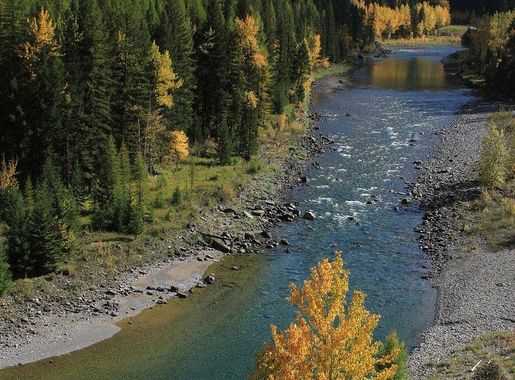


The Majestic Absaroka Range: Wyoming's Untamed Wilderness
The Absaroka Range, located in the heart of Wyoming, is a breathtaking mountain range that offers an unspoiled natural beauty. Stretching across the northwestern part of the state, it is part of the greater Rocky Mountains and serves as a natural boundary between Yellowstone National Park and the Shoshone National Forest. The range is named after the Absaroka Native American tribe and is known for its rugged peaks, deep valleys, and diverse wildlife habitats. One of the highlights of visiting the Absaroka Range is the opportunity for outdoor adventures. Hiking trails such as the Beartooth Loop Trail and the Buffalo Plateau Trail offer stunning views of the mountain scenery. These paths lead you through alpine meadows, dense forests, and along crystal-clear streams. For those who enjoy climbing, the range features challenging peaks like Francs Peak, the highest in the Absarokas, which provides panoramic vistas that are well worth the effort. Wildlife enthusiasts will be thrilled by the abundance of animals that call this area home. The Absaroka Range is a prime location for spotting grizzly bears, elk, moose, and bighorn sheep. Birdwatchers can also delight in the variety of species found here, including the majestic golden eagle. Remember to bring your camera to capture the moments, but always maintain a safe distance from the wildlife. Fishing is another popular activity in the Absaroka Range, with numerous pristine lakes and rivers teeming with trout. Whether you're an experienced angler or a novice, the serene environment provides the perfect backdrop for a day of fishing. In winter, the area transforms into a snowy wonderland, offering excellent opportunities for snowshoeing and cross-country skiing. The Absaroka Range is not just about the natural beauty; it also holds cultural significance. The region is rich in Native American history, and visitors can explore ancient petroglyphs and archaeological sites that tell the story of the area's original inhabitants. Additionally, the small towns surrounding the range, such as Cody and Dubois, offer a glimpse into the Old West with their historic buildings and cowboy culture.