

Free Bighorn Basin Travel Guide & Mobile App
Explore Bighorn Basin with free travel guides. Discover regional history, expert tips, proposed trips, and audio guides on web or mobile app.


Explore Bighorn Basin for Wyoming history, dinosaur fossils, hot springs, canyon country and wide-open towns between rugged mountain ranges.
Read more about Bighorn Basin
Getting to and around Bighorn Basin
How to get there
Transportation
Top city travel guides in Bighorn Basin
The cities of Bighorn Basin, and the easiest places to base yourself.
-

-

-


Swipe for more cities
Destinations in Bighorn Basin
Resorts, valleys and scenic spots worth a trip of their own.
-
-
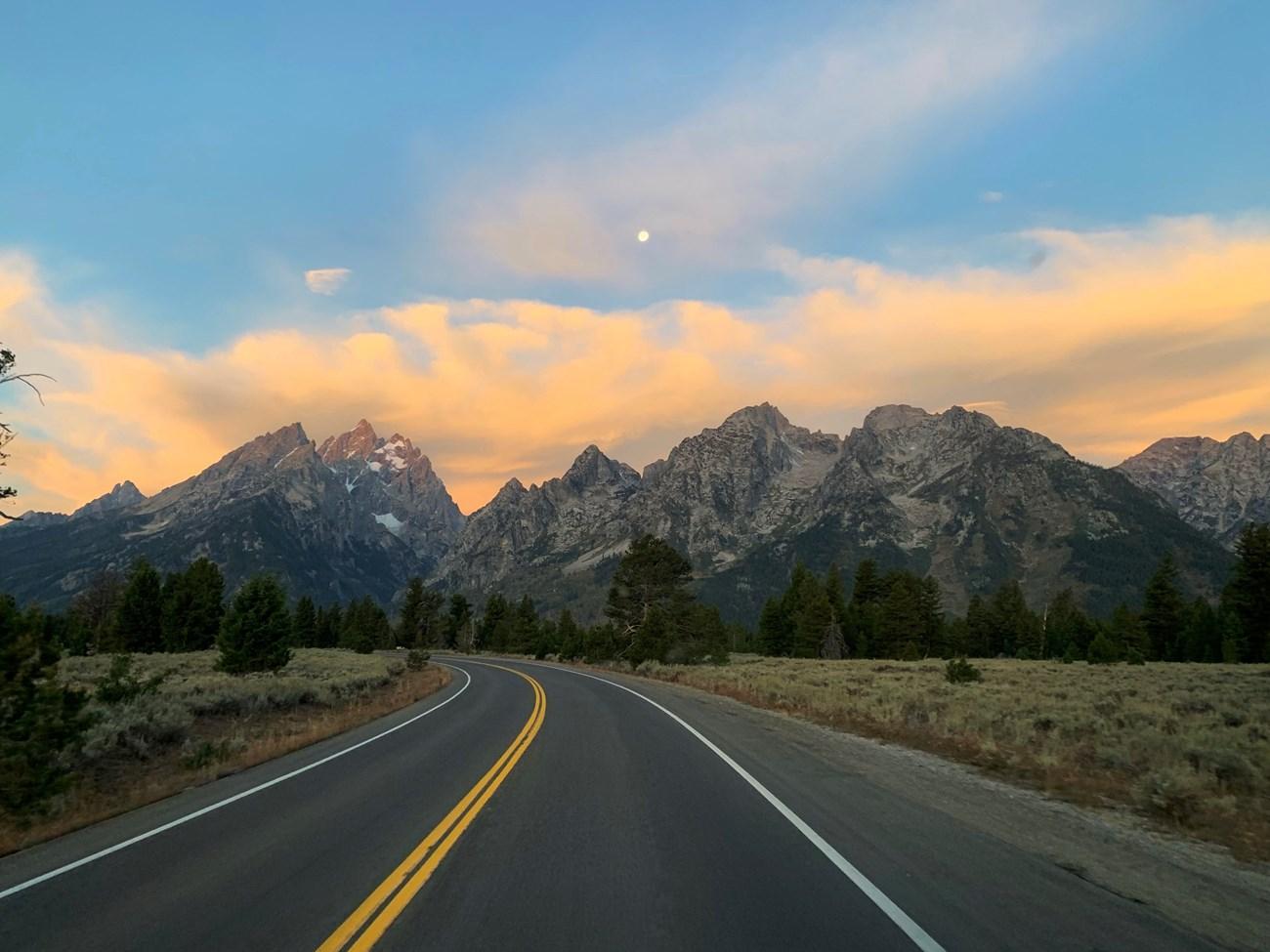 Buffalo Bill State Park
, Wyoming, pairs a mountain reservoir with boating, fishing, camping and Cody’s Old West heritage near Yellowstone’s east gateway.
Buffalo Bill State Park
Buffalo Bill State Park, Wyoming, pairs a mountain reservoir with boating, fishing, camping and Cody’s Old West heritage near Yellowstone’s east gateway.

Swipe for more destinations
Best attractions in Bighorn Basin
The Bighorn Basin’s attractions range from substantial museums to open landscapes that require a car and a little preparation. Cody is home to the Buffalo Bill Center of the West, a group of major galleries examining Western art, firearms, natural history and the legacy of William F. Cody. Nearby, the Heart Mountain Interpretive Center presents the history of Japanese American incarceration during the Second World War. Thermopolis combines Hot Springs State Park, public thermal landscapes and the Wyoming Dinosaur Center, where the basin’s fossil heritage is interpreted for visitors. In the north, Bighorn Canyon National Recreation Area offers boating, fishing, wildlife watching, viewpoints and steep river scenery around the Wyoming community of Lovell; the recreation area also extends into Montana. The basin’s irrigated valleys, badlands and mountain roads provide opportunities for hiking, photography, birdwatching and scenic driving, although distances and weather make planning important. Rodeo and Western performance traditions are particularly associated with Cody, while smaller museums and historic districts in other towns reveal the agricultural and ranching history that remains part of everyday life.
-
State park
Hot Springs State Park
Experience the healing waters and stunning landscapes of Hot Springs State Park, a serene retreat in Thermopolis, Wyoming.
-
Tourist attraction
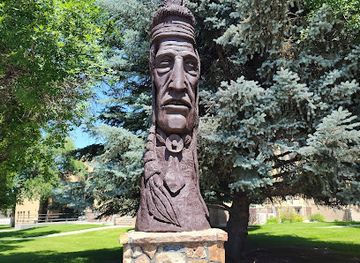
Trail of the Whispering Giants - Peter "Wolf" Toth
Explore the enchanting Trail of the Whispering Giants in Wyoming, where nature meets art in a breathtaking outdoor journey.
-
 Tourist attraction
Bighorn National Recreation Area
Discover the breathtaking beauty and outdoor adventures of Bighorn National Recreation Area in Wyoming, a true gem for nature lovers and adventurers alike.
Best landmarks in Bighorn Basin
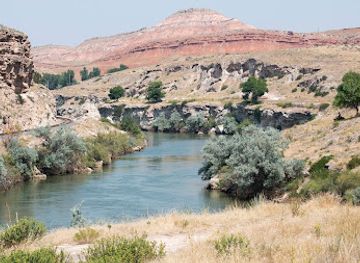
The Bighorn Basin’s most recognisable landmarks often express the relationship between geology, water and settlement. The Bighorn Mountains form a powerful eastern wall, while the Absaroka Range rises to the west and frames views around Cody and Meeteetse. At Thermopolis, the terraces and mineral formations of Hot Springs State Park are the region’s most distinctive natural and civic landmark, created by geothermal water rising through the basin’s rocks. Bighorn Canyon, reached from the Lovell area, cuts through high cliffs and creates a dramatic transition from open agricultural country to deeply incised river scenery. Heart Mountain, north-east of Cody, is both a prominent isolated peak and the site of the former wartime incarceration camp, making it a place of national historical significance. The Buffalo Bill Center of the West is an important cultural landmark in Cody, while historic main streets, courthouse buildings, irrigation structures and cottonwood-lined river corridors in towns such as Worland, Basin and Greybull represent the region’s continuing agricultural and civic heritage.
-
National park
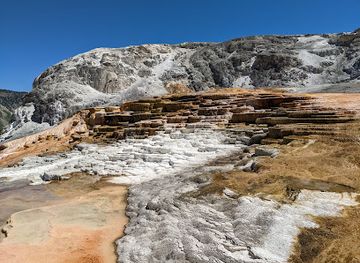
Yellowstone National Park
Explore the breathtaking landscapes and geothermal wonders of Yellowstone National Park, America's first national park, rich in natural beauty and wildlife.
-
National park
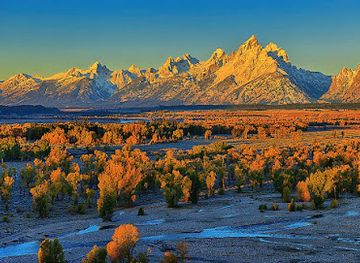
Grand Teton National Park
Explore the breathtaking landscapes and abundant wildlife of Grand Teton National Park, a paradise for adventurers and nature enthusiasts in Wyoming.
-
National reserve
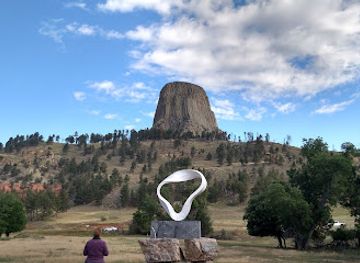
Devils Tower National Monument
Discover the awe-inspiring beauty and cultural significance of Devils Tower National Monument, a breathtaking natural wonder in Wyoming.
-
Museum
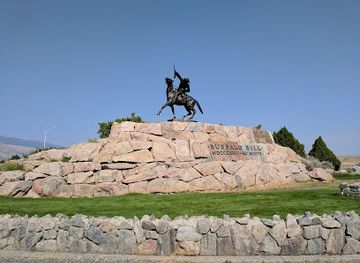
Buffalo Bill Center of the West
Discover the Buffalo Bill Center of the West, where art, history, and the spirit of the American West converge in a captivating museum experience.
Explore Bighorn Basin on the map
Plan your trip on one map. See where the top cities, national parks and sights are, and book hotels and experiences in a few clicks.
Best hotels in Bighorn Basin
Best restaurants in Bighorn Basin
Dining in the Bighorn Basin reflects its ranching, agricultural and frontier setting rather than a single regional cuisine. Cody and Thermopolis offer the widest choice, including cafés, family restaurants, steakhouses, bakeries, diners and establishments aimed at visitors travelling towards Yellowstone. Beef, lamb, trout and other familiar Western ingredients appear frequently, while irrigated farming supports local production of hay, beans, sugar beet and other crops. In smaller towns, independent cafés, casual restaurants and traditional bars may be more useful than formal dining rooms, with opening days and evening hours varying by season. Farm stands and local markets, where operating, can provide fruit, vegetables and regional produce during the growing season. Visitors may also encounter Wyoming-made beer and spirits, though these belong to the state’s wider food and drink culture rather than being exclusive to the basin. Reservations are sensible for busy summer evenings in Cody, while rural travellers should not assume that food is available late at night.
-
Steak
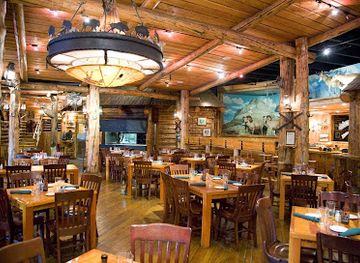
Gun Barrel Steak and Game House
Experience the best of Jackson's culinary scene at Gun Barrel Steak and Game House - where fine dining meets rustic charm.
-
Hotel
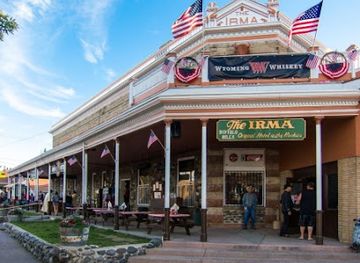
Buffalo Bill's Irma Hotel & Restaurant
Discover Western heritage at Buffalo Bill's Irma Hotel & Restaurant - where history meets hospitality in Cody, Wyoming.
-
Restaurant
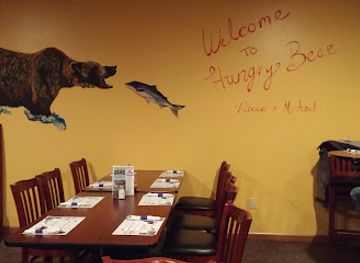
Hungry Bear Restaurant
Experience hearty breakfasts and delightful pizzas at Hungry Bear Restaurant in Cody, Wyoming—a local favorite among travelers.
-
American
Lisa's Western Cuisine & Spirits
Experience authentic American dining at Lisa's Western Cuisine & Spirits in Greybull, Wyoming—where every meal tells a story.
Best bars in Bighorn Basin
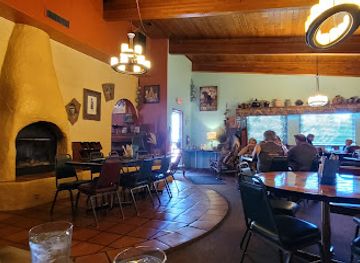
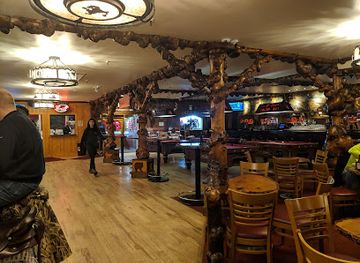
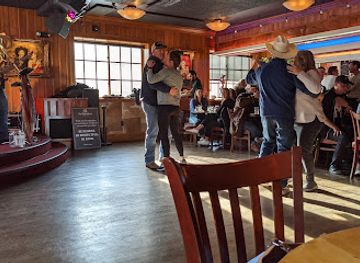
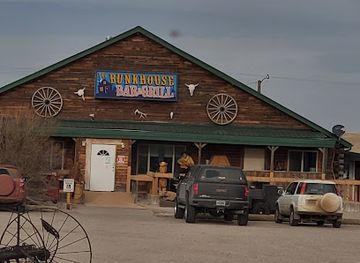
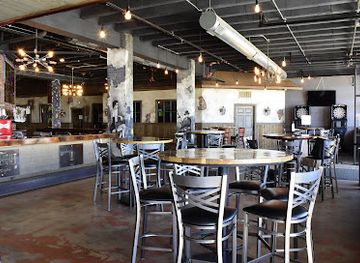
Evening life in the Bighorn Basin is concentrated in Cody, Thermopolis and the larger county-seat communities, and is generally more relaxed than club-oriented. Cody has the broadest selection of traditional saloons, hotel bars, restaurants with evening service and venues connected with Western entertainment, while Thermopolis and towns such as Worland and Powell rely more on local bars, cafés and community events. Historic-style inns and modern breweries or taprooms may appear alongside straightforward neighbourhood establishments, but the availability of particular venues can change. Nightclubs are limited compared with Wyoming’s larger cities, and rural communities often become quiet early. Live music, rodeo-related events and seasonal performances can provide a livelier evening when scheduled. Visitors should plan transport in advance, particularly outside town centres, and remember that alcohol-service rules and closing arrangements are governed by Wyoming law rather than by a distinctive Bighorn Basin custom.
-
Bar
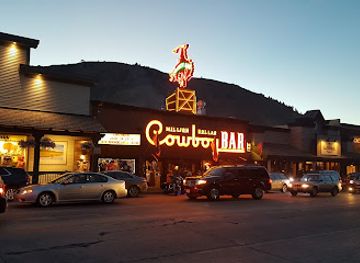
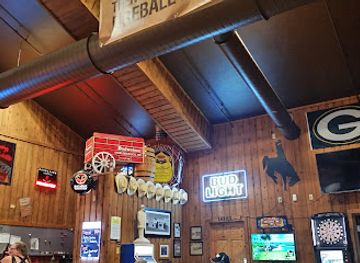
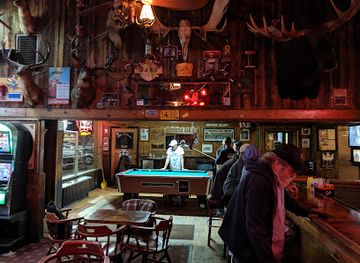
Million Dollar Cowboy Bar
Discover the iconic Million Dollar Cowboy Bar in Jackson, Wyoming, where cowboy culture meets lively entertainment and unforgettable experiences.
-
Grill
Silver Dollar Bar
Silver Dollar Bar in Jackson, WY: Enjoy American cuisine, local brews, and live music in a vibrant, rustic atmosphere.
-
Bar
Outlaw Saloon
Discover the lively Outlaw Saloon in Cheyenne, WY, a bar and grill with delicious food, strong drinks, and vibrant live music entertainment.
-
Bar
The Gaslight Social
Discover The Gaslight Social in Casper, WY - a lively bar and restaurant offering American and Mexican cuisine, indoor golf, and arcade fun.
Best nightclubs in Bighorn Basin
Evening life in the Bighorn Basin is concentrated in Cody, Thermopolis and the larger county-seat communities, and is generally more relaxed than club-oriented. Cody has the broadest selection of traditional saloons, hotel bars, restaurants with evening service and venues connected with Western entertainment, while Thermopolis and towns such as Worland and Powell rely more on local bars, cafés and community events. Historic-style inns and modern breweries or taprooms may appear alongside straightforward neighbourhood establishments, but the availability of particular venues can change. Nightclubs are limited compared with Wyoming’s larger cities, and rural communities often become quiet early. Live music, rodeo-related events and seasonal performances can provide a livelier evening when scheduled. Visitors should plan transport in advance, particularly outside town centres, and remember that alcohol-service rules and closing arrangements are governed by Wyoming law rather than by a distinctive Bighorn Basin custom.
-
Bar
Million Dollar Cowboy Bar
Discover the vibrant charm of the Million Dollar Cowboy Bar, the ultimate destination for live music and rustic Western atmosphere in Jackson, Wyoming.
-
Bar
Beacon Club
Experience the lively atmosphere at Beacon Club in Mills, Wyoming, a perfect blend of delicious drinks and vibrant nightlife for every traveler.
-
Bar
Stagecoach Bar
Discover the vibrant nightlife at Stagecoach Bar in Wilson, WY, where friendly faces and great drinks await amidst stunning mountain views.
-
Bar
Buckhorn Bar & Parlor
Experience the heart of Laramie at Buckhorn Bar & Parlor, where local flavors and friendly vibes create unforgettable moments.

Best shops in Bighorn Basin
Shopping in the Bighorn Basin is centred on practical main streets, independent businesses, galleries, Western wear and locally produced food rather than large retail districts. Cody has the broadest visitor-oriented selection, including art galleries, books, craftwork, leather goods, Native-inspired and Western-themed merchandise, outdoor equipment and cowboy clothing; shoppers should distinguish respectful, properly sourced Indigenous art from generic souvenir goods. Thermopolis, Worland, Powell, Greybull and Lovell offer smaller collections of local shops, antiques, clothing, gifts and everyday supplies. Farmers’ markets and seasonal produce stands may offer fruit, vegetables, honey and other products from the irrigated basin, but their timing varies. Useful regional purchases include Wyoming-made food and drink, locally created ceramics, photography, paintings, books on Western and Indigenous history, and practical outdoor clothing. Retail hours can be limited outside the main towns, so buy fuel, provisions and specialist equipment before setting out on a long rural drive.
-
Grocery store
Lynn's Superfoods Greybull
Explore Lynn's Superfoods in Greybull - Your one-stop destination for fresh produce, local flavors, and a taste of Wyoming's finest.
-
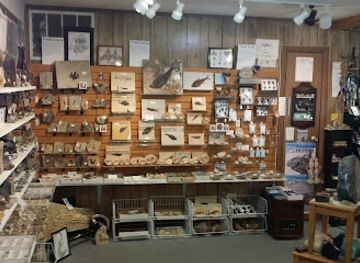
Rock shop
Avas Silver & Rock Shop
Discover unique minerals and handcrafted jewelry at Avas Silver & Rock Shop in Thermopolis, Wyoming – a must-visit for rock enthusiasts and casual shoppers.
-
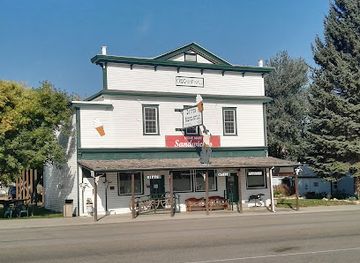
Restaurant
Dayton Mercantile
Discover Dayton Mercantile, where delicious dining meets unique souvenirs in the heart of Wyoming, creating unforgettable memories.
-
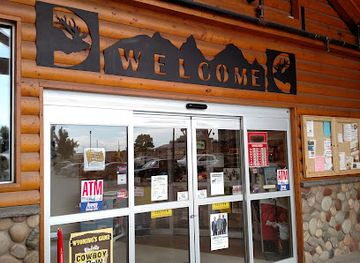
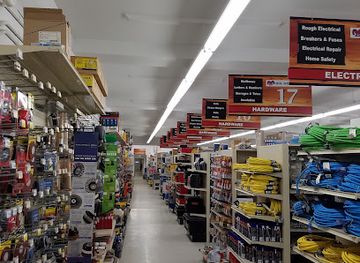
Hardware store
Big Horn Co-op- Home Center & Building Supply
Discover Big Horn Co-op in Greybull, Wyoming: Your trusted source for hardware, building supplies, and convenience essentials.
Get your free copy of our complete guide to Bighorn Basin, delivered straight to you.
Everything on this page, from attractions and restaurants to essentials and local phrases, in one PDF you can read offline, print or share.
Already have an account? Sign in
Your Bighorn Basin guide is ready.
We'll send it to · Not you? Sign out

Getting your guide ready…
We are putting together a fresh copy of the Bighorn Basin guide. This can take up to a minute.
This can take a few moments. If your browser asks, choose Allow so the download can start. You'll find the guide in your Downloads folder.
Nothing happened? Download it again
Sorry, the guide is taking longer than usual. Please try again in a minute, or get it by email instead.
Bighorn Basin essentials
Currency and Payment
Safety
Emergency Situations
Do's and Don'ts
Local Tips
From Eve
Local phrases worth knowing
You don't need to get them perfect. A few words go a long way, and locals appreciate the effort.
Basics
| English | Local | Say it |
|---|---|---|
| Hello | Howdy | [How-dee] |
| Goodbye | See ya | [See ya] |
| Yes | Yep | [Yep] |
| No | Nah | [Nah] |
| Please/You're welcome | Sure thing | [Shur thing] |
| Thank you | Thanks a lot | [Thangs a lot] |
| Excuse me/Sorry | Pardon me | [Pardon me] |
| How are you? | How's it going? | [How's it goin'?] |
| Fine. And you? | Good. You? | [Good. You?] |
| Do you speak English? | Do ya speak English? | [Do ya speek English?] |
| I don't understand | I ain't following you | [I ain't followin' ya] |
Eating & Drinking
| English | Local | Say it |
|---|---|---|
| I'd like to see the menu, please | Can I see the menu? | [Can I see the menu?] |
| I don't eat meat | I don't do meat | [I don't do meat] |
| Cheers! | Cheers! | [Cheers!] |
| I would like to pay, please | Can I get the check? | [Can I get the check?] |
Emergencies
| English | Local | Say it |
|---|---|---|
| Help! | Help! | [Help!] |
| Go away! | Leave me alone! | [Leave me alone!] |
| Call the Police! | Call the cops! | [Call the cops!] |
| Call a doctor! | Get a doctor! | [Get a doctor!] |
| I'm lost | I can’t find my way | [I can’t find my way] |
| I'm ill | I ain't feelin' good | [I ain't feelin' good] |
Shopping
| English | Local | Say it |
|---|---|---|
| I'd like to buy... | I wanna buy... | [I wanna buy...] |
| I'm just looking | Just browsing | [Just browsing] |
| How much is it? | What’s the price? | [What’s the price?] |
| That's too expensive | That’s kinda pricey | [That’s kinda pricey] |
| Can you lower the price? | Can you cut me a deal? | [Can you cut me a deal?] |
Time & Numbers
| English | Local | Say it |
|---|---|---|
| What time is it? | What time ya got? | [What time ya got?] |
| It's one o'clock | It's one | [It's one] |
| Half past (10) | Half past ten | [Half past ten] |
| Morning | Mornin' | [Mornin'] |
| Afternoon | Afternoon | [Afternoon] |
| Evening | Evening | [Evening] |
| Yesterday | Yesterday | [Yesterday] |
| Today | Today | [Today] |
| Tomorrow | Tomorrow | [Tomorrow] |
| 1 | One | [One] |
| 2 | Two | [Two] |
| 3 | Three | [Three] |
| 4 | Four | [Four] |
| 5 | Five | [Five] |
| 6 | Six | [Six] |
| 7 | Seven | [Seven] |
| 8 | Eight | [Eight] |
| 9 | Nine | [Nine] |
| 10 | Ten | [Ten] |
Transport & Directions
| English | Local | Say it |
|---|---|---|
| Where's a/the...? | Where's the...? | [Where's the...?] |
| What's the address? | What's the address? | [What's the address?] |
| Can you show me (on the map)? | Can you point it out? | [Can you point it out?] |
| When's the next (bus)? | When's the next bus? | [When's the next bus?] |
| A ticket (to ....) | A ticket to... | [A ticket to...] |
History of Bighorn Basin
Ancient seas, fossils and geological uplift
The Bighorn Basin preserves a long geological record, including sedimentary layers deposited when inland seas covered parts of what is now Wyoming. Later uplift of the Bighorn and Absaroka ranges helped create the enclosed basin, while erosion exposed fossil-bearing formations and striking bands of rock. Around Thermopolis, fossil discoveries and educational institutions have made prehistoric life an important part of the region’s identity. These formations also explain the basin’s distinctive combination of badlands, terraces, cliffs and broad agricultural flats.
Indigenous homelands and changing frontiers
The basin has long been used by Indigenous peoples, including communities associated with the Crow, Shoshone and Northern Arapaho. Rivers, mountain passes and seasonal hunting grounds connected the basin with surrounding regions rather than isolating it. The arrival of the fur trade, military expeditions, emigrant routes and later settlers altered these patterns profoundly. Indigenous history remains central to understanding the region, even though many popular accounts of the nineteenth-century West once focused almost exclusively on explorers, soldiers and ranchers.
The expansion of the American West
During the nineteenth century, the basin became increasingly connected to the expanding United States through exploration, military activity, trading networks and settlement. Fort Laramie agreements and later federal policies reshaped Indigenous territories, while wagon roads and stage routes linked emerging communities. The town of Cody reflects this era’s mythology, particularly through the international fame of William F. Cody, known as Buffalo Bill. The frontier story was never simply a tale of isolated pioneers: it involved displacement, commercial development, transport and competing claims over land and water.
Irrigation and the agricultural basin
The Bighorn Basin is naturally dry, but irrigation transformed selected river valleys into productive farmland. Canals and diversion works made it possible to grow crops including sugar beet, beans, hay and grain, while towns such as Worland, Powell and Lovell developed around agricultural services and processing. This transformation depended on substantial engineering and cooperation, but also on contested water rights and the reorganisation of earlier landscapes. Today, irrigated fields form a strong visual contrast with the surrounding sagebrush and desert-like slopes.
Cody, tourism and the performance of the West
Cody was founded in the late nineteenth century with the involvement of William F. Cody, whose stage performances helped define international images of the American frontier. Tourism grew through the town’s position near Yellowstone’s East Entrance and through the continuing appeal of Western history, art and horsemanship. The Buffalo Bill Center of the West later gave this legacy a major scholarly and cultural home. Cody’s identity therefore combines a real regional town with a carefully developed public interpretation of the West, rather than representing a preserved nineteenth-century settlement unchanged by modern tourism.
Heart Mountain and wartime incarceration
In 1942, the United States government established the Heart Mountain Relocation Center north-east of Cody, where more than 14,000 Japanese Americans were incarcerated during the Second World War. Many had been removed from homes and communities on the West Coast without individual charges. The camp operated for several years under harsh conditions, and its history includes resistance, military service by incarcerated men, family separation and difficult post-war resettlement. The Heart Mountain Interpretive Center preserves this history and places the basin within a wider national discussion about civil rights and wartime power.
Modern conservation and heritage tourism
During the twentieth century, parts of the basin’s rivers, hot springs, canyonlands and fossil landscapes gained protection or developed as public attractions. Hot Springs State Park placed Thermopolis’s thermal features within a managed public landscape, while Bighorn Canyon National Recreation Area protected a major river corridor shared by Wyoming and Montana. Museums, interpretive centres and heritage programmes have diversified the region’s economy beyond agriculture and ranching. Contemporary visitors encounter a landscape shaped by both working communities and the preservation of geological, cultural and ecological resources.
Bighorn Basin in Photos
Browse through our photo collection highlighting the charm and character of the destination.
Neighbouring regions of Bighorn Basin
The closest regions to Bighorn Basin, if you have time for more than one.
-

-

-

-

-


Swipe for more regions
Explore more

Explore more of Wyoming
Discover Wyoming: A Land of Unspoiled Beauty, Rich History, and Boundless Outdoor Adventures in the Heart of the American West.
Explore Wyoming