

Free Hot Springs County Travel Guide & Mobile App
Explore Hot Springs County with free travel guides. Discover regional history, expert tips, proposed trips, and audio guides on web or mobile app.


Hot Springs County pairs mineral pools, dinosaur fossils, canyon scenery and wide-open Wyoming landscapes around welcoming Thermopolis.
Read more about Hot Springs County
Getting to and around Hot Springs County
How to get there
Transportation
Top city travel guides in Hot Springs County
The cities of Hot Springs County, and the easiest places to base yourself.

Swipe for more cities
Best attractions in Hot Springs County
Hot Springs County’s attractions are concentrated around Thermopolis but extend into a broad landscape of river corridors, exposed geology and public land. Hot Springs State Park is the essential starting point, combining mineral terraces, walking areas, public bathing and a managed bison herd beside the Bighorn River. The Wyoming Dinosaur Center, near Thermopolis, gives the county a strong palaeontological focus, with fossil displays and an explanation of excavation and preparation. Legend Rock Petroglyph Site offers a quieter and more contemplative encounter with Indigenous rock art, reached by a rural drive and best visited with respect for its fragile setting. Wind River Canyon provides a scenic geological journey of layered cliffs and changing river scenery, while the Bighorn River supports fishing, boating and wildlife observation. Around town, small museums, galleries and local heritage displays add context to ranching, settlement and the springs. The appeal is less about a dense cluster of attractions than about linking scientific, cultural and outdoor experiences across the county’s open Wyoming landscape.
-
State park
Hot Springs State Park
Experience the natural beauty and rejuvenating warmth of Hot Springs State Park in Thermopolis, Wyoming — a perfect retreat for relaxation and adventure.
-
State park
Hot Springs State Park Bath House
Discover serenity and natural healing at Hot Springs State Park Bath House in Thermopolis, Wyoming. A perfect retreat for relaxation and exploration.
-
Tourist attraction
Swinging Bridge
Discover the breathtaking views and tranquility at Thermopolis' iconic Swinging Bridge, a perfect blend of adventure and nature's beauty.
-
Local history museum
Hot Springs County Museum
Explore the captivating history of Thermopolis at the Hot Springs County Museum, where local heritage comes alive through engaging exhibits and artifacts.


Best landmarks in Hot Springs County
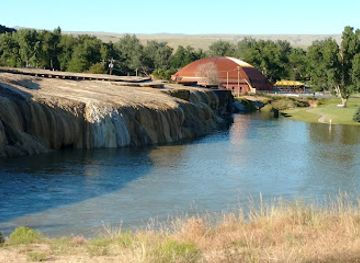
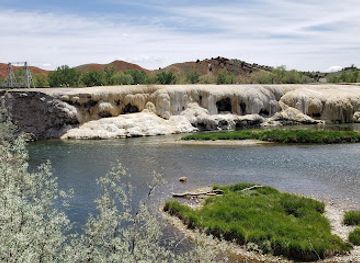
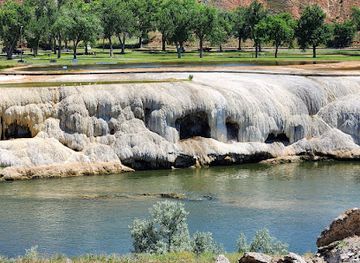
The most recognisable landmark in Hot Springs County is the mineral terrace at Hot Springs State Park, where warm water has built pale, sculpted deposits above the Bighorn River. It is both a geological formation and a public symbol of Thermopolis, reflecting the 1896 transfer of the springs to Wyoming for public use. The Bighorn River itself is another defining feature, shaping the settlement’s setting and providing a green corridor through otherwise dry country. Wind River Canyon, reached along the route south of Thermopolis, is a major natural landmark whose steep, layered walls reveal the region’s complex geological history; the canyon extends beyond the county, so its wider route should be understood as a regional drive rather than a single county site. Legend Rock’s inscribed surfaces are important cultural landmarks, preserving Indigenous rock art in an open setting. The Wyoming Dinosaur Center and its fossil displays are modern landmarks of scientific identity, while Thermopolis’s courthouse, town streets and modest historic buildings express the county’s civic history rather than monumental architecture.
-
Historical landmark
Buffalo Bill Dam & Visitor Center
Discover the legacy of Buffalo Bill and the engineering marvel of the dam at this captivating visitor center in Cody, Wyoming.
-
State park
Independence Rock State Historic Site
Explore Independence Rock State Historic Site, a historical landmark in Wyoming, rich with pioneer inscriptions and surrounded by beautiful hiking trails.
-
Historical place museum
South Pass City State Historic Site
Explore the fascinating history of the Gold Rush at South Pass City State Historic Site, where the past comes alive amidst stunning Wyoming scenery.
-
Historical landmark
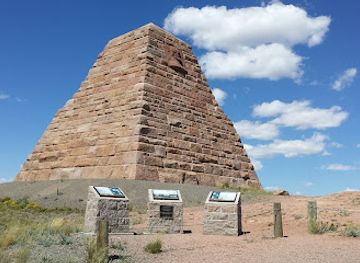
Ames Monument State Historic Site
Explore the Ames Monument State Historic Site in Wyoming - a captivating blend of history and nature celebrating the transcontinental railroad.

Explore Hot Springs County on the map
Plan your trip on one map. See where the top cities, national parks and sights are, and book hotels and experiences in a few clicks.
Best hotels in Hot Springs County
Best restaurants in Hot Springs County
Dining in Hot Springs County is informal and closely tied to Thermopolis’s role as a small regional service centre. Visitors will find cafés, diners, family restaurants and casual evening establishments rather than a large restaurant district. Menus commonly draw on wider Wyoming and American traditions, including beef, burgers, sandwiches, hearty breakfasts and seasonal salads, with trout and other river-associated dishes appearing where local supply and restaurant style allow. Coffee shops and bakeries are useful for early starts to canyon drives or fossil visits, while accommodation kitchens and local food shops can help visitors prepare for longer rural outings. Regional ranching gives beef a natural place in the local food culture, though genuinely local provenance varies by business. In summer, farmers’ markets and seasonal produce may broaden the choice, but schedules change. A relaxed pace, early planning and checking current service arrangements are sensible in a county where kitchens and shops may close earlier than visitors expect.
-
Pizza
Pizza Hut
Discover delectable pizza and wings at Pizza Hut in Thermopolis – perfect for family meals or quick takeout.

Best bars in Hot Springs County
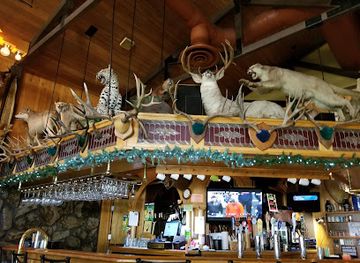
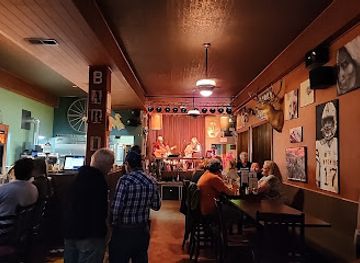
Nightlife in Hot Springs County is modest and centred on Thermopolis rather than on a dedicated club scene. Traditional bars, casual restaurants and local gathering places provide the main evening options, with conversation, televised sport and occasional live entertainment more characteristic than late-night dancing. Some accommodation and dining establishments serve drinks, and the town’s visitor economy can create a busier atmosphere during the warmer months, but opening arrangements and entertainment vary. Rural communities such as Kirby and Lucerne have fewer evening services, so visitors staying outside Thermopolis should plan transport and avoid assuming that a late meal or taxi will be available. The most distinctive evening experience is often non-commercial: watching the light change over the Bighorn River, attending a community event when one is scheduled, or relaxing after a day in the pools. Drink-driving laws are strictly enforced, making a planned journey particularly important in a dispersed county.
-
State park
Hot Springs State Park
Experience the healing powers of nature at Hot Springs State Park, home to the world's largest mineral hot springs and breathtaking scenery.
-
Brewpub
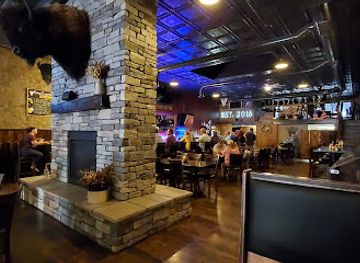
One Eyed Buffalo Brewing Company
Discover the essence of Wyoming craft brewing at One Eyed Buffalo Brewing Company, where local flavors meet a welcoming atmosphere.
-
Swimming pool
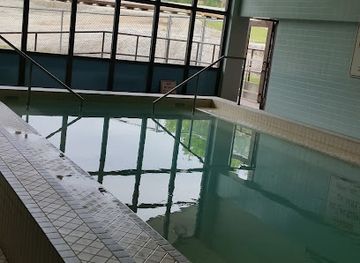
Hot Springs State Park Bath House
Experience the soothing thermal waters and natural beauty of Hot Springs State Park Bath House in Thermopolis, Wyoming.
-
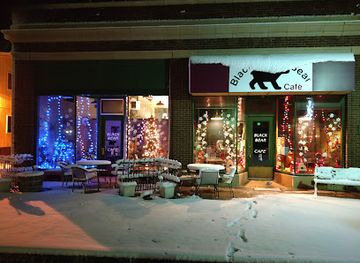
Cafe
Black Bear Cafe
Indulge in delicious breakfast offerings at Black Bear Cafe, the cozy spot in Thermopolis, Wyoming, perfect for starting your day right.
Best nightclubs in Hot Springs County
-
Bar
Bar Ten
Discover the vibrant atmosphere and delicious American cuisine at Bar Ten in Riverton, Wyoming - a perfect spot for food and fun.
-
 Motel
Sundowner Station
Discover the inviting charm of Sundowner Station in Riverton, Wyoming, a perfect blend of motel comfort and local dining delight.
-
Bar
Cedar Bar
Experience the vibrant atmosphere and friendly service at Cedar Bar in Riverton, Wyoming, your ultimate destination for a great night out.
-
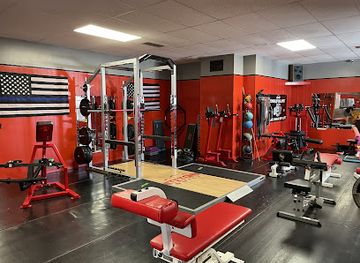
Athletic club
Teton Athletic Club
Discover wellness and community at Teton Athletic Club, Riverton's premier fitness destination surrounded by Wyoming's stunning landscapes.

Best shops in Hot Springs County
Shopping in Hot Springs County is concentrated in Thermopolis and serves both local residents and visitors passing through. The town’s independent shops, galleries, souvenir stores and practical outfitters are the best places to look for books on Wyoming history, fossils, locally themed artwork, western clothing, outdoor supplies and gifts connected with the hot springs or dinosaur heritage. Food shopping is useful for rural excursions, with items such as Wyoming beef, preserves, baked goods and other regional products appearing according to season and individual stock. Small markets and community sales may offer handmade crafts or local produce, but schedules are variable and should be checked locally. The county is not a major centre for designer retail or large shopping complexes; its appeal lies in modest independent businesses and products that reflect geology, ranching and the surrounding landscape. Visitors should shop in Thermopolis before setting out for remote sites, where retail options are sparse and mobile payment or card coverage may be unreliable.
-
State park
Hot Springs State Park
Experience the natural wonders of Hot Springs State Park, where relaxation meets adventure in the heart of Wyoming.
-
Swimming pool
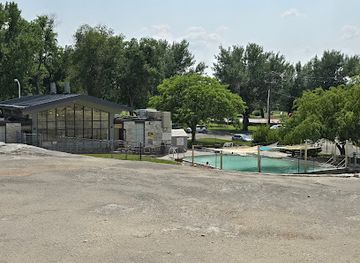
Hot Springs State Park Bath House
Discover relaxation and rejuvenation at Hot Springs State Park Bath House, a natural wonder in Thermopolis, Wyoming, rich in history and healing waters.
-
American
Dairyland & Hot City Coffee
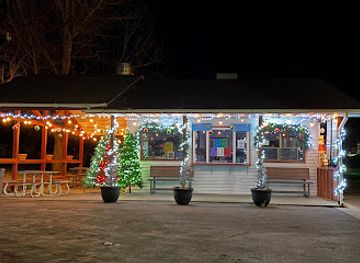
Experience the best of American comfort food and artisanal coffee at Dairyland & Hot City Coffee in Thermopolis, Wyoming.
-
Gift shop
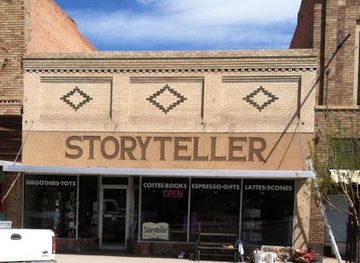
Storyteller and Jackrabbit Java
Discover unique gifts, freshly roasted coffee, and captivating books at Storyteller and Jackrabbit Java, a must-visit gem in Thermopolis.
Get your free copy of our complete guide to Hot Springs County, delivered straight to you.
Everything on this page, from attractions and restaurants to essentials and local phrases, in one PDF you can read offline, print or share.
Already have an account? Sign in
Your Hot Springs County guide is ready.
We'll send it to · Not you? Sign out

Getting your guide ready…
We are putting together a fresh copy of the Hot Springs County guide. This can take up to a minute.
This can take a few moments. If your browser asks, choose Allow so the download can start. You'll find the guide in your Downloads folder.
Nothing happened? Download it again
Sorry, the guide is taking longer than usual. Please try again in a minute, or get it by email instead.
Hot Springs County essentials
Currency and Payment
Safety
Emergency Situations
Do's and Don'ts
Local Tips
From Eve
Local phrases worth knowing
You don't need to get them perfect. A few words go a long way, and locals appreciate the effort.
Basics
| English | Local | Say it |
|---|---|---|
| Hello | Howdy | [Ha-dee] |
| Goodbye | See ya | [See ya] |
| Yes | Yep | [Yep] |
| No | Nope | [Nope] |
| Please/You're welcome | Please/No problem | [Pleez/No prob-lum] |
| Thank you | Thanks | [Thanks] |
| Excuse me/Sorry | Pardon me/Sorry | [Par-don me/Sor-ree] |
| How are you? | How ya doin'? | [How ya doin'] |
| Fine. And you? | Good. And you? | [Good. And you?] |
| Do you speak English? | You speakin' English? | [You speak-in' English?] |
| I don't understand | I ain't followin' | [I ain't follow-in'] |
Eating & Drinking
| English | Local | Say it |
|---|---|---|
| I'd like to see the menu, please | Can I see the menu, please? | [Can I see the men-you, pleez?] |
| I don't eat meat | I don’t do meat | [I don’t do meet] |
| Cheers! | Cheers! | [Cheers!] |
| I would like to pay, please | Can I get the check, please? | [Can I get the chek, pleez?] |
Emergencies
| English | Local | Say it |
|---|---|---|
| Help! | Help! | [Help!] |
| Go away! | Get lost! | [Get lost!] |
| Call the Police! | Call the cops! | [Call the cops!] |
| Call a doctor! | Get a doc! | [Get a doc!] |
| I'm lost | I'm turned around | [I'm turned around] |
| I'm ill | I'm not feelin' well | [I'm not feel-in' well] |
Shopping
| English | Local | Say it |
|---|---|---|
| I'd like to buy... | I want to buy... | [I want to buy...] |
| I'm just looking | Just lookin' | [Just look-in'] |
| How much is it? | What's it cost? | [What's it cost?] |
| That's too expensive | That's a bit pricey | [That's a bit pry-see] |
| Can you lower the price? | Can ya drop the price? | [Can ya drop the pryce?] |
Time & Numbers
| English | Local | Say it |
|---|---|---|
| What time is it? | What time ya got? | [What time ya got?] |
| It's one o'clock | It's one | [It's one] |
| Half past (10) | Half past ten | [Half past ten] |
| Morning | Mornin' | [Morn-in'] |
| Afternoon | Afternoon | [Afternoon] |
| Evening | Evenin' | [Even-in'] |
| Yesterday | Yest'day | [Yest-day] |
| Today | Today | [Today] |
| Tomorrow | Tomorrah | [Tomor-rah] |
| 1 | One | [One] |
| 2 | Two | [Two] |
| 3 | Three | [Three] |
| 4 | Four | [Four] |
| 5 | Five | [Five] |
| 6 | Six | [Six] |
| 7 | Seven | [Seven] |
| 8 | Eight | [Eight] |
| 9 | Nine | [Nine] |
| 10 | Ten | [Ten] |
Transport & Directions
| English | Local | Say it |
|---|---|---|
| Where's a/the...? | Where's the...? | [Where's the...?] |
| What's the address? | What's the address? | [What's the ad-dress?] |
| Can you show me (on the map)? | Can ya show me on the map? | [Can ya show me on the map?] |
| When's the next (bus)? | When's the next bus? | [When's the next bus?] |
| A ticket (to ....) | A ticket to... | [A tick-it to...] |
History of Hot Springs County
Ancient Indigenous Landscapes
People have travelled through and lived in the Bighorn Basin and surrounding river valleys for thousands of years, following seasonal resources across a landscape shaped by water, game and exposed stone. Legend Rock, west of Thermopolis, preserves a substantial collection of petroglyphs associated with Indigenous communities and provides visible evidence of long cultural connections with the area. The region lies within the broader homeland and historical sphere of the Eastern Shoshone and Northern Arapaho, whose present-day reservation is centred farther south in Wyoming. Indigenous history is therefore a living regional context, not merely an archaeological chapter.
Fossils of the Jurassic Basin
The rocks around Thermopolis preserve important evidence of the Jurassic past, when the region formed part of a very different environment inhabited by large dinosaurs and other prehistoric animals. Fossil-bearing formations have made the county an important place for palaeontological research, excavation and public education. The Wyoming Dinosaur Center grew from this scientific interest and now interprets both the fossils and the methods used to recover them. The area’s geological story extends beyond dinosaurs: uplift, erosion and ancient seas helped create the cliffs, terraces and exposed strata visible across the county today.
The Name Thermopolis and Settlement
Thermopolis takes its name from the Greek words for heat and city, reflecting the mineral springs around which the modern settlement developed. Ranching, transport routes and the arrival of non-Indigenous settlers gradually established a permanent town in the late nineteenth century. The springs were not simply a curiosity; they offered water, warmth and a potential basis for commercial development in an otherwise dry environment. The town’s streets, modest civic buildings and continuing reliance on visitor services reflect this transition from frontier settlement to a small regional centre.
The Hot Springs Gift of 1896
In 1896, the Shoshone and Arapaho tribes transferred the Thermopolis hot springs to the State of Wyoming, with the condition that the waters would remain available to the public without charge. This agreement became the foundation of Hot Springs State Park and remains central to the county’s identity. The park represents an unusual intersection of Indigenous history, public stewardship and tourism. Its soaking facilities, mineral terraces and landscaped river setting continue to express the long-standing importance of the springs, while the original gift is commemorated in local interpretation.
County Government and the Railroad Era
Hot Springs County was created in 1911 from part of Fremont County, formalising Thermopolis’s role as the administrative centre of a sparsely populated district. During the early twentieth century, roads and rail connections helped link the town with markets and larger Wyoming settlements, supporting ranching, public administration and the growth of hot-springs tourism. Transport did not erase the county’s distances, but it made Thermopolis more accessible as a service centre. The resulting pattern—one principal town surrounded by ranches, public land and small communities—still defines local geography.
Hot Springs Tourism and Public Recreation
During the twentieth century, bathing facilities and therapeutic interest turned Thermopolis into one of Wyoming’s recognised hot-springs destinations. Public pools and private bathing establishments developed alongside Hot Springs State Park, while improved highways made the town a practical stop between central Wyoming communities and the Bighorn Basin. Recreation later broadened beyond soaking to include fishing, boating, hiking, scenic driving and fossil tourism. This evolution gave Hot Springs County a mixed economy in which ranching, government, geology and visitor services remain closely connected.
Modern Palaeontology and Heritage Interpretation
Late twentieth- and early twenty-first-century investment in museums, excavation and public interpretation strengthened Thermopolis’s role as a destination for palaeontology. The Wyoming Dinosaur Center presents fossils within a wider scientific narrative, showing how fieldwork, preparation and research contribute to knowledge of prehistoric life. At the same time, archaeological places such as Legend Rock have encouraged greater attention to preservation and responsible visitation. Modern Hot Springs County is consequently shaped not only by its natural springs, but also by efforts to explain and protect the deep human and geological history of the basin.
Hot Springs County in Photos
Browse through our photo collection highlighting the charm and character of the destination.
Neighbouring regions of Hot Springs County
The closest regions to Hot Springs County, if you have time for more than one.
-

-

-

-

-


Swipe for more regions
Explore more

Explore more of Wyoming
Discover Wyoming: A Land of Unspoiled Beauty, Rich History, and Boundless Outdoor Adventures in the Heart of the American West.
Explore Wyoming