

Free Washakie County Travel Guide & Mobile App
Explore Washakie County with free travel guides. Discover regional history, expert tips, proposed trips, and audio guides on web or mobile app.


Explore Washakie County, Wyoming - where the Big Horn Mountains meet rich Native American history for an unforgettable outdoor and cultural adventure.
Read more about Washakie County
Getting to and around Washakie County
How to get there
Transportation
Destinations in Washakie County
Resorts, valleys and scenic spots worth a trip of their own.
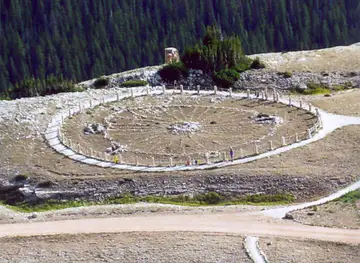
Swipe for more destinations
Best attractions in Washakie County
Nestled in the heart of Wyoming, Washakie County offers a captivating blend of natural beauty and historical intrigue that beckons travelers to explore its wonders. Visitors can immerse themselves in the majestic landscapes of the Bighorn Mountains, where hiking trails reveal panoramic vistas and the chance to spot wildlife in their natural habitat. A journey to the Washakie Museum and Cultural Center offers a fascinating glimpse into the history and culture of the region, with exhibits that span from prehistoric times to the present, showcasing Native American heritage and the tales of early settlers. For a unique outdoor adventure, Hot Springs State Park, located just a short drive away, invites guests to relax in its naturally heated mineral waters amidst breathtaking scenery. As you traverse the county, the serene beauty of the Nowood River and the vibrant charm of small towns like Ten Sleep, known for its annual music festival and welcoming community, create an unforgettable experience for every visitor.
-
State park
Hot Springs State Park
Experience the healing waters and breathtaking landscapes of Hot Springs State Park in Thermopolis, Wyoming – a natural retreat for relaxation and adventure.
-
Tourist attraction
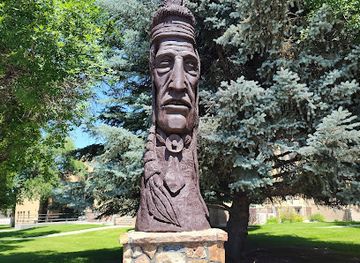
Trail of the Whispering Giants - Peter "Wolf" Toth
Explore the Trail of the Whispering Giants in Wyoming, where art meets nature through stunning wooden sculptures celebrating Native American heritage.
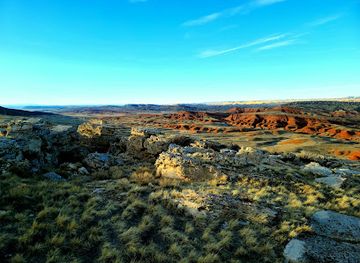
Best landmarks in Washakie County
Nestled in the heart of Wyoming, Washakie County is a hidden gem for history enthusiasts and nature lovers alike, offering a captivating blend of natural beauty and rich heritage. Visitors can explore the awe-inspiring Ten Sleep Canyon, where stunning limestone cliffs create a dramatic backdrop for hiking and rock climbing adventures. History buffs will find delight in the Washakie Museum and Cultural Center, where engaging exhibits tell the stories of the region's Native American and pioneer past. The county's charming towns, like Worland, offer a glimpse into the Old West with their historic architecture and local festivals. Outdoor enthusiasts can venture into the Bighorn Mountains for breathtaking vistas and wildlife encounters, or enjoy a serene day of fishing or boating on the scenic Big Horn River. Whether you're exploring ancient geological wonders or immersing yourself in the vibrant local culture, Washakie County promises an unforgettable journey through time and nature.
-
Museum
Buffalo Bill Center of the West
Explore the Buffalo Bill Center of the West in Cody, Wyoming, where history, art, and nature intertwine to celebrate the legacy of the American West.
-
State park
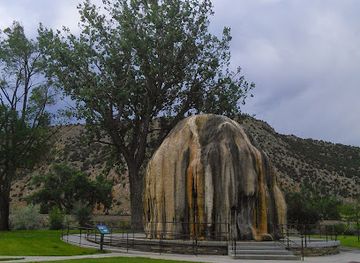
Hot Springs State Park
Experience the healing waters and scenic beauty of Hot Springs State Park in Thermopolis, Wyoming, a perfect escape for relaxation and adventure.
-
Historical landmark
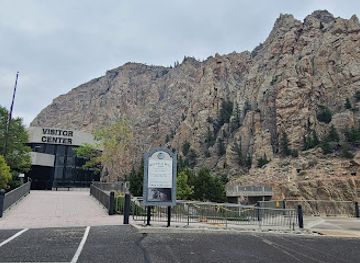
Buffalo Bill Dam & Visitor Center
Explore the historic Buffalo Bill Dam & Visitor Center in Cody, Wyoming, where history, stunning views, and engaging exhibits come together.
-
Historical place museum
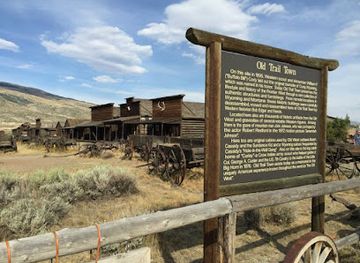
Old Trail Town
Explore the authentic history of the American West at Old Trail Town, a captivating museum in Cody, Wyoming featuring original buildings and artifacts.
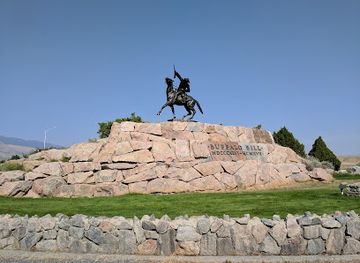
Explore Washakie County on the map
Plan your trip on one map. See where the top cities, national parks and sights are, and book hotels and experiences in a few clicks.
Best hotels in Washakie County
Best restaurants in Washakie County
Nestled in the heart of Wyoming, Washakie County offers a surprisingly diverse dining scene that captures the spirit of the American West. Visitors can savor hearty, ranch-style meals in rustic cowboy steakhouses, where locally sourced beef and bison are grilled to perfection. For those craving a taste of the old frontier, there are charming diners serving up classic comfort foods with a Wyoming twist, featuring homemade pies and freshly brewed coffee. Adventurous eaters will find hidden gems serving authentic Native American cuisine, with dishes that pay homage to the region's indigenous roots, such as savory fry bread tacos and bison stew. Additionally, international flavors can be discovered in the county's quaint eateries, where chefs blend local ingredients with global culinary techniques. In Washakie County, dining is not just a meal but a cultural experience that invites visitors to explore the rich tapestry of flavors that define this unique corner of the American West.
-
Cafe
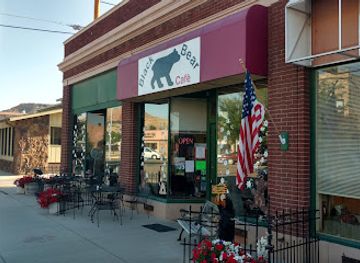
Black Bear Cafe
Experience delightful breakfast dishes at Black Bear Cafe in Thermopolis - where every meal is made with love and local flavors.
-
Casino
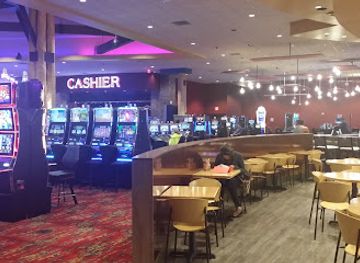
Shoshone Rose Casino & Hotel
Discover gaming excitement and relaxing comfort at Shoshone Rose Casino & Hotel in beautiful Wyoming.
-
Restaurant
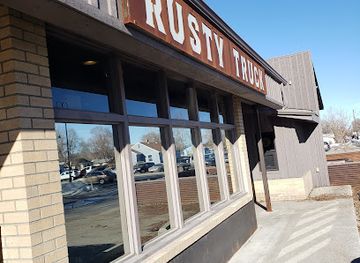
Rusty Truck
Experience the flavors of Wyoming at Rusty Truck – your go-to spot for burgers, pizza & local brews in Riverton.
-
American
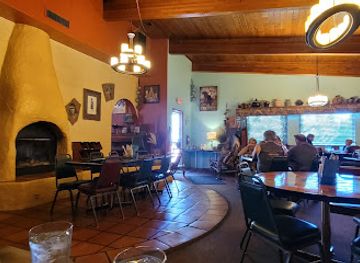
Lisa's Western Cuisine & Spirits
Experience authentic American flavors at Lisa's Western Cuisine & Spirits in Greybull, Wyoming - a true taste of the West.
Best bars in Washakie County
Washakie County, nestled amidst the rugged beauty of Wyoming, offers a unique and intimate nightlife experience, perfect for those seeking a blend of local charm and rustic allure. Begin your evening at one of the county's quaint bars, where the atmosphere is warm and welcoming, and you'll find locals eager to share stories of the county's rich history over locally brewed craft beers. The live music scene, though modest, is vibrant and features talented local musicians who bring the spirit of the West to life with traditional country tunes and folk melodies. For a more laid-back evening, cozy up in one of the county's historic saloons, where the walls whisper tales of the Old West, and you can enjoy a nightcap under the star-studded Wyoming sky. While Washakie County may not boast the bustling nightlife of a big city, its unique offerings provide a memorable and authentic experience that captures the essence of small-town America.
-
Bar
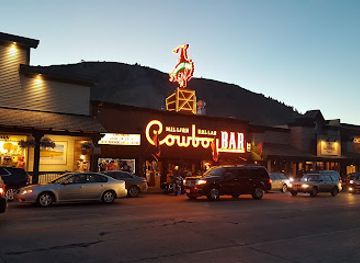
Million Dollar Cowboy Bar
Discover the iconic Million Dollar Cowboy Bar in Jackson, Wyoming, where cowboy culture meets vibrant nightlife and live music.
-
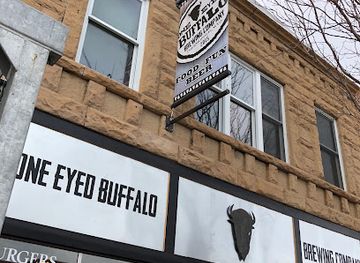
Brewpub
One Eyed Buffalo Brewing Company
Experience the essence of Wyoming craft brewing at One Eyed Buffalo Brewing Company, a brewpub in Thermopolis offering unique flavors and great atmosphere.
-
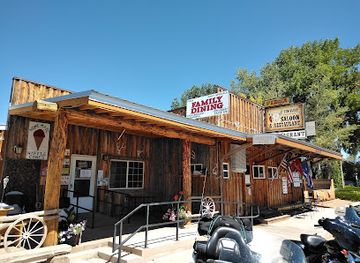
American
Ten Sleep Saloon & Steakhouse
Experience the charm of the Old West at Ten Sleep Saloon & Steakhouse, where hearty American cuisine meets warm hospitality in Ten Sleep, Wyoming.
-
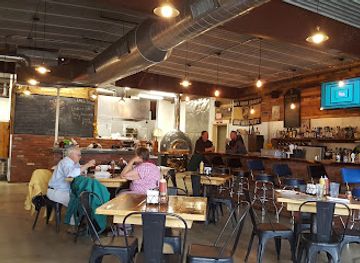
Grill
Stogie Joe's
Discover the ultimate dining experience at Stogie Joe's, Worland's premier grill and sports bar, where delicious food meets a lively atmosphere.
Best nightclubs in Washakie County
Best shops in Washakie County
Nestled in the heart of Wyoming, Washakie County offers a unique shopping experience that perfectly blends rustic charm with modern flair, captivating visitors seeking an authentic taste of the American West. Local boutiques and artisan shops line the quaint streets of Worland, the county's vibrant hub, where handcrafted goods and locally sourced products beckon travelers to explore. Visitors can discover a rich tapestry of Native American crafts, including intricately woven blankets and stunning beadwork that tell the stories of the region's storied past. The aroma of freshly brewed coffee and homemade pastries lures shoppers into cozy cafes, where friendly chatter fills the air. Antique enthusiasts will delight in treasure hunting at eclectic stores overflowing with vintage finds and Western memorabilia. With its welcoming atmosphere and distinctive offerings, the shopping scene in Washakie County promises a memorable journey through the culture and heritage of Wyoming.
-
Gift shop
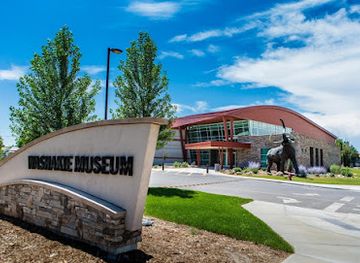
Washakie Museum & Cultural Center
Discover Wyoming's cultural heritage at the Washakie Museum & Cultural Center, a vibrant blend of local history, art, and community events.
-
Variety store
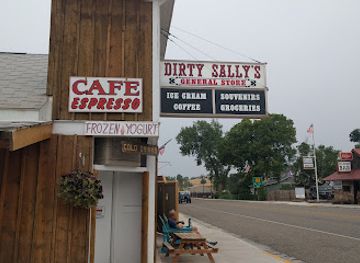
Dirty Sally's
Explore Dirty Sally's, a charming variety store in Ten Sleep, WY, offering fresh produce, unique souvenirs, and a welcoming local atmosphere.
-
Supermarket
Blair's Market
Explore fresh produce, local delicacies, and community spirit at Blair's Market, your go-to supermarket in Worland, Wyoming.
-
Rock shop
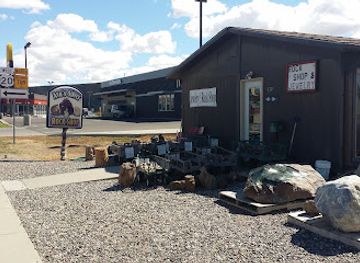
Avas Silver & Rock Shop
Explore Avas Silver & Rock Shop in Thermopolis for unique stones, handcrafted jewelry, and a warm local atmosphere.

Get your free copy of our complete guide to Washakie County, delivered straight to you.
Everything on this page, from attractions and restaurants to essentials and local phrases, in one PDF you can read offline, print or share.
Already have an account? Sign in
Your Washakie County guide is ready.
We'll send it to · Not you? Sign out

Getting your guide ready…
We are putting together a fresh copy of the Washakie County guide. This can take up to a minute.
This can take a few moments. If your browser asks, choose Allow so the download can start. You'll find the guide in your Downloads folder.
Nothing happened? Download it again
Sorry, the guide is taking longer than usual. Please try again in a minute, or get it by email instead.
Washakie County essentials
Currency and Payment
Safety
Emergency Situations
Do's and Don'ts
Local Tips
From Eve
Local phrases worth knowing
You don't need to get them perfect. A few words go a long way, and locals appreciate the effort.
Basics
| English | Local | Say it |
|---|---|---|
| Hello | Howdy | [haʊdi] |
| Goodbye | See ya | [si jə] |
| Yes | Yup | [jʌp] |
| No | Nah | [nɑ] |
| Please/You're welcome | Sure thing | [ʃʊr θɪŋ] |
| Thank you | Thanks a lot | [θæŋks ə lɑt] |
| Excuse me/Sorry | Pardon me | [ˈpɑrdən mi] |
| How are you? | How's it going? | [haʊz ɪt ˈgoʊɪŋ] |
| Fine. And you? | Good. You? | [ɡʊd ju] |
| Do you speak English? | You speakin' English? | [ju ˈspikɪn ˈɪŋɡlɪʃ] |
| I don't understand | I ain't got it | [aɪ eɪnt ɡɑt ɪt] |
Eating & Drinking
| English | Local | Say it |
|---|---|---|
| I'd like to see the menu, please | Can I see the menu? | [kæn aɪ si ðə ˈmɛnju] |
| I don't eat meat | I'm a vegetarian | [aɪm ə ˌvɛdʒəˈtɛriən] |
| Cheers! | Cheers! | [ʧɪrz] |
| I would like to pay, please | Can I get the check? | [kæn aɪ ɡɛt ðə ʧɛk] |
Emergencies
| English | Local | Say it |
|---|---|---|
| Help! | Help! | [hɛlp] |
| Go away! | Leave me be! | [liːv mi bi] |
| Call the Police! | Call the cops! | [kɔl ðə kɑps] |
| Call a doctor! | Get a doctor! | [ɡɛt ə ˈdɑktər] |
| I'm lost | I'm turned around | [aɪm tɜrnd əˈraʊnd] |
| I'm ill | I ain't feelin' well | [aɪ eɪnt ˈfiːlɪn wɛl] |
Shopping
| English | Local | Say it |
|---|---|---|
| I'd like to buy... | I wanna buy... | [aɪ ˈwɑnə baɪ] |
| I'm just looking | Just browsin' | [dʒʌst ˈbraʊzɪn] |
| How much is it? | What’s the price? | [wʌts ðə praɪs] |
| That's too expensive | That's a bit pricey | [ðæts ə bɪt ˈpraɪsi] |
| Can you lower the price? | Can you bring it down? | [kæn ju brɪŋ ɪt daʊn] |
Time & Numbers
| English | Local | Say it |
|---|---|---|
| What time is it? | What's the time? | [wʌts ðə taɪm] |
| It's one o'clock | It's one | [ɪts wʌn] |
| Half past (10) | Half past ten | [hæf pæst tɛn] |
| Morning | Mornin' | [ˈmɔrnɪn] |
| Afternoon | Afternoon | [ˌɑf.tərˈnun] |
| Evening | Evenin' | [ˈivnɪn] |
| Yesterday | Yesterday | [ˈjɛstərdeɪ] |
| Today | Today | [təˈdeɪ] |
| Tomorrow | Tomorrow | [təˈmɔroʊ] |
| 1 | One | [wʌn] |
| 2 | Two | [tu] |
| 3 | Three | [θri] |
| 4 | Four | [fɔr] |
| 5 | Five | [faɪv] |
| 6 | Six | [sɪks] |
| 7 | Seven | [ˈsɛvən] |
| 8 | Eight | [eɪt] |
| 9 | Nine | [naɪn] |
| 10 | Ten | [tɛn] |
Transport & Directions
| English | Local | Say it |
|---|---|---|
| Where's a/the...? | Where's the...? | [wɛrz ðə] |
| What's the address? | What's the address? | [wʌts ði ˈædrɛs] |
| Can you show me (on the map)? | Can you point it out? | [kæn ju pɔɪnt ɪt aʊt] |
| When's the next (bus)? | When's the next bus? | [wɛnʔs ðə nɛkst bʌs] |
| A ticket (to ....) | A ticket to ... | [ə ˈtɪkɪt tə] |
History of Washakie County
Early Native American Inhabitants
Washakie County was originally inhabited by Native American tribes, including the Shoshone, who called the region home for centuries. The county is named after Chief Washakie, a prominent leader of the Eastern Shoshone tribe known for his leadership and efforts to secure the future of his people through negotiation and diplomacy.
Exploration and Fur Trapping Era
In the early 19th century, European-American explorers and fur trappers began to traverse the region. Notable figures such as Jim Bridger and John Colter explored the area, which became a part of the larger fur trading networks. Their interactions with the Native tribes were crucial in mapping and understanding the landscape of what would become Washakie County.
Establishment of Fort Washakie
Fort Washakie, located on the Wind River Reservation, was established in 1869 as Camp Brown and later renamed in honor of Chief Washakie. The fort served as a military post to protect settlers and facilitate peaceful relations with the Shoshone and Arapaho tribes. It played a significant role during the Indian Wars and was a center for trade and diplomacy.
The Arrival of the Railroads
The late 19th century saw the arrival of the railroad, which transformed Washakie County. The expansion of the railroads facilitated the movement of goods and people, contributing to the growth of towns such as Worland and Ten Sleep. Railroads provided a boost to local agriculture and industries, helping to integrate the county into the broader economic landscape of Wyoming.
Agricultural Development
Agriculture has been a cornerstone of Washakie County's economy since its early settlement. The fertile soils and favorable climate conditions have supported a variety of crops, including sugar beets, alfalfa, and grains. The county also developed a strong livestock industry, with cattle and sheep ranching becoming significant contributors to the local economy.
Discovery of Hot Springs
One of the notable natural features of Washakie County is its hot springs. The discovery and development of these hot springs have been a draw for both locals and tourists seeking the therapeutic benefits of the mineral-rich waters. The town of Thermopolis, just outside the county, is renowned for its Hot Springs State Park, which attracts visitors from across the region.
Cultural Heritage and Annual Festivals
Washakie County celebrates its rich cultural heritage through various annual festivals and events. The Ten Sleep Fourth of July Rodeo, one of the oldest rodeos in the state, is a highlight, showcasing the county's deep-rooted cowboy traditions. Other events, such as the Washakie County Fair and the Worland Brewfest, highlight local agriculture, crafts, and community spirit.
Washakie County in Photos
Browse through our photo collection highlighting the charm and character of the destination.
Neighbouring regions of Washakie County
The closest regions to Washakie County, if you have time for more than one.
-
 Hot Springs County
Discover the healing waters and stunning landscapes of Hot Springs County, Wyoming—a perfect blend of relaxation, adventure, and cultural history.
Hot Springs County
Discover the healing waters and stunning landscapes of Hot Springs County, Wyoming—a perfect blend of relaxation, adventure, and cultural history.
-
 Big Horn County
Explore the breathtaking landscapes of Big Horn County, Wyoming, where adventure, history, and natural beauty await around every corner.
Big Horn County
Explore the breathtaking landscapes of Big Horn County, Wyoming, where adventure, history, and natural beauty await around every corner.
-
 Bighorn Basin
Discover the Bighorn Basin in Wyoming: A treasure trove of natural wonders, prehistoric fossils, and outdoor adventures amidst stunning landscapes.
Bighorn Basin
Discover the Bighorn Basin in Wyoming: A treasure trove of natural wonders, prehistoric fossils, and outdoor adventures amidst stunning landscapes.
-
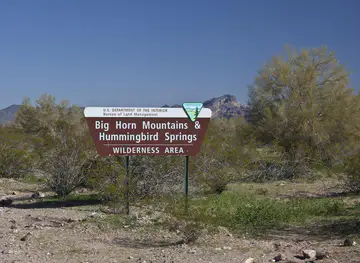 Johnson County
Discover the rugged charm and historical treasures of Johnson County, Wyoming, where outdoor adventures and rich heritage await in the heart of the American West.
Johnson County
Discover the rugged charm and historical treasures of Johnson County, Wyoming, where outdoor adventures and rich heritage await in the heart of the American West.
-
 Sheridan County
Discover Sheridan County in Wyoming: Where the Bighorn Mountains meet rich history and vibrant culture, offering a perfect blend of outdoor adventure and Western charm.
Sheridan County
Discover Sheridan County in Wyoming: Where the Bighorn Mountains meet rich history and vibrant culture, offering a perfect blend of outdoor adventure and Western charm.
Swipe for more regions

