

Powder River Basin, Wyoming Travel Guide
Explore the Powder River Basin in Wyoming, a hidden gem offering breathtaking landscapes, rich wildlife, and a deep historical heritage waiting to be discovered.
The Powder River Basin in Wyoming is a captivating destination that offers an intriguing blend of natural beauty and historical significance. Nestled in the heart of the Northern Great Plains, this region is renowned for its vast landscapes, rolling hills, and stunning vistas that stretch as far as the eye can see. The basin is rich in geological wonders, making it a paradise for outdoor enthusiasts and nature lovers alike. Visitors to the Powder River Basin can explore a variety of activities, from hiking and wildlife watching to fossil hunting and learning about the area's coal mining history. The region's unique terrain and diverse ecosystems provide ample opportunities to witness the beauty of nature up close. Keep an eye out for the local wildlife, including pronghorn antelope, mule deer, and a variety of bird species that call this area home. In addition to its natural allure, the Powder River Basin holds a deep historical and cultural significance. The area is dotted with historical landmarks and sites that offer a glimpse into the lives of the Native American tribes and early settlers who once roamed these lands. The local museums and visitor centers provide fascinating insights into the region's past, making it a perfect destination for history buffs and curious travelers alike.

Know before you go
Hi, I'm Eve. Here are a few practical things to know before exploring Powder River Basin.
- Pack layers of clothing as weather can vary greatly throughout the day.
- Bring a good pair of hiking boots to explore the rugged terrain.
- Visit local museums and historical sites to gain a deeper understanding of the area's heritage.
- Wildlife viewing is best in the early morning or late afternoon.
- Make sure to carry sufficient water and snacks, as amenities can be sparse in remote areas.
Top City Travel Guides in Powder River Basin
The cities of Powder River Basin, and the easiest places to base yourself.


Destinations in Powder River Basin
Resorts, valleys and scenic spots worth a trip of their own.

Explore Powder River Basin: Things to Do, Places to Eat, Hotels & More
Handpicked recommendations for top attractions, local dining, accommodations, and more

Top Attractions & Sightseeing in Powder River Basin
Top-rated picks
Best Attractions

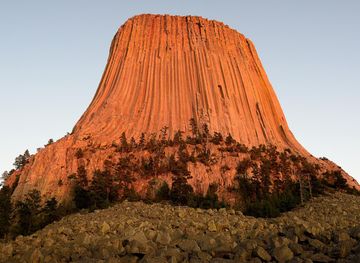
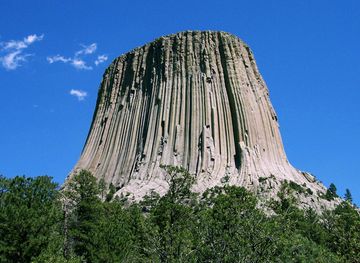
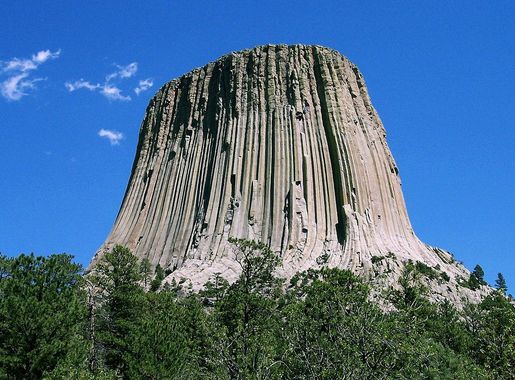
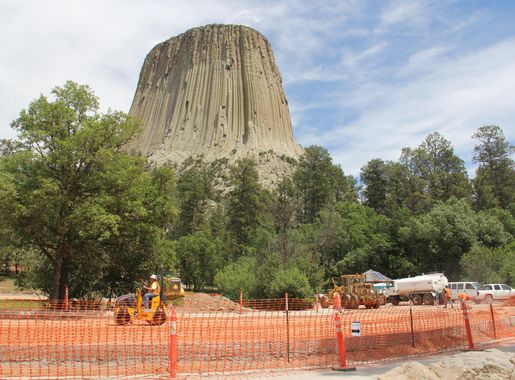
Devils Tower National Monument
Discover the iconic Devils Tower National Monument, an awe-inspiring geological marvel and a historic site rich in Native American culture.

Medicine Bow-Routt National Forest
Discover the breathtaking landscapes and diverse wildlife of Medicine Bow-Routt National Forest, a paradise for outdoor enthusiasts in Wyoming.
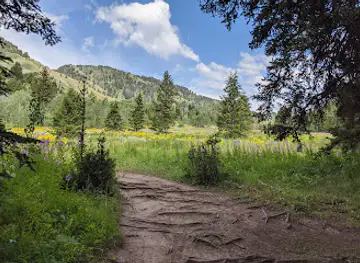
Bridger-Teton National Forest
Explore the breathtaking landscapes and diverse wildlife at Bridger-Teton National Forest, a must-see destination for nature lovers and adventure seekers.

Hot Springs State Park
Experience the healing benefits of natural hot springs and explore the scenic beauty of Hot Springs State Park in Thermopolis, Wyoming.

Best landmarks in Powder River Basin
Top-rated picks
Best Landmarks

Fort Laramie National Historic Site
Discover the legacy of the American frontier at Fort Laramie National Historic Site, a historical treasure in Wyoming.

National Historic Trails Interpretive Center
Discover the stories of America's pioneers at the National Historic Trails Interpretive Center, an engaging museum in Casper, Wyoming, celebrating the trails that shaped the nation.

Wyoming Frontier Prison Museum
Discover the captivating history of the Wild West at Wyoming Frontier Prison Museum, a fascinating museum in Rawlins, Wyoming.

Thunder Basin National Grassland
Discover the natural wonders and wildlife of Thunder Basin National Grassland, a picturesque national reserve in Wyoming perfect for outdoor adventures.

Best restaurants in Powder River Basin
Top-rated picks
Best Restaurants

HQ Southern BBQ
Discover authentic Southern barbecue at HQ Southern BBQ in Evansville - a culinary delight for every meat lover!

Jackson Hole Aerial Tram and Gondola Rides
Discover breathtaking views from above at Jackson Hole Aerial Tram & Gondola Rides – where adventure meets stunning scenery.

Best Western Pioneer
Experience comfort and hospitality at Best Western Pioneer in Lusk, WY – your perfect getaway in scenic Wyoming.

Powder River Pizza
Discover the best pizza and vibrant bar experience at Powder River Pizza in Sheridan, Wyoming - where flavor meets fun!

Best bars in Powder River Basin
Top-rated picks
Best Bars

Green River Bar
Experience the charm of Wyoming at Green River Bar, where local brews and cozy ambiance await every traveler.

Spotted Horse Bar
Discover the cozy charm of the Spotted Horse Bar in Gillette, Wyoming - a must-visit for a taste of local hospitality and great drinks.

Best nightclubs in Powder River Basin
Top-rated picks
Best Nightclubs

Million Dollar Cowboy Bar
Discover the iconic Million Dollar Cowboy Bar in Jackson, WY, where live music, handcrafted cocktails, and cowboy charm come together for an unforgettable experience.

Beacon Club
Experience the lively nightlife at Beacon Club in Mills, WY, where great drinks, music, and fun come together for an unforgettable evening.

Stagecoach Bar
Discover Stagecoach Bar in Wilson, WY – a lively bar and grill offering delicious food, great drinks, and a vibrant atmosphere in the heart of the Tetons.

Love's Travel Stop
Explore Love's Travel Stop in Green River, Wyoming, where convenience meets comfort on your journey.

Best shops in Powder River Basin
Top-rated picks
Best Shops

Powder Basin Shopping Center
Explore the vibrant Powder Basin Shopping Center in Gillette, a retail paradise blending local charm with diverse shopping options.

Aspens Market
Explore Aspens Market in Wilson, WY for gourmet groceries, fresh deli delights, and a taste of local flavor amidst stunning mountain scenery.

Avas Silver & Rock Shop
Explore Avas Silver & Rock Shop in Thermopolis for stunning gemstones, unique jewelry, and a friendly shopping experience in Wyoming.

Dayton Mercantile
Experience the unique blend of dining and shopping at Dayton Mercantile, where local flavors meet charming souvenirs in the heart of Wyoming.

Explore Powder River Basin on the Map
A handpicked selection of must-see spots in Powder River Basin, mapped for you.
Powder River Basin Essentials
-
Powder River Basin is located in northeastern Wyoming. The nearest major airport is Casper-Natrona County International Airport (CPR), approximately 150 miles away. From Casper, you can rent a car or take a regional flight to Gillette-Campbell County Airport (GCC), which is closer to the basin. Driving is the most convenient way to reach Powder River Basin, with well-maintained highways connecting the area to major cities like Casper, Cheyenne, and Rapid City, South Dakota.
-
The Powder River Basin is best explored by car. Renting a vehicle provides flexibility and access to remote areas. There are limited public transportation options, so having your own car is essential. Local taxis and ride-sharing services like Uber and Lyft are available in larger towns such as Gillette and Casper, but may not be reliable for exploring the more rural parts of the basin.
-
The currency used is the United States Dollar (USD). Credit and debit cards are widely accepted in most businesses, including hotels, restaurants, and gas stations. However, it's advisable to carry some cash for small towns and rural areas where card payment options might be limited. ATMs are available in larger towns like Gillette and Casper.
-
The Powder River Basin is generally a safe area for tourists. However, standard safety precautions should still be observed. Be aware of your surroundings, especially in remote areas. There are no specific high-crime areas targeting tourists, but it's always best to stay vigilant. Wildlife encounters are possible, so be cautious and follow local guidelines for wildlife safety.
-
In case of emergency, dial 911 for immediate assistance. Emergency services, including police, fire, and medical aid, are available in larger towns like Gillette and Casper. It is recommended to have travel insurance that covers medical emergencies. For minor health issues, there are pharmacies in these towns where you can purchase over-the-counter medications.
-
Fashion: Do dress in layers and wear sturdy footwear, as weather can change rapidly and terrain can be rugged. Avoid overly casual or revealing clothing in more formal settings. Religion: Do respect local customs and traditions. There are no specific religious dress codes, but modesty is appreciated. Public Transport: Do plan ahead if you need to use public transportation, as options are limited. Don't rely solely on public transport for getting around. Greetings: Do greet people with a friendly nod or handshake. Wyomingites are generally friendly and welcoming. Eating & Drinking: Do try local cuisine and be respectful of dining etiquette. Don't waste food, as it is considered disrespectful.
-
To experience Powder River Basin like a local, explore the small towns and meet the locals. Visit local diners and cafes to get a taste of regional cuisine. Don't miss the coal mines, which are a significant part of the area's economy and history. If you're interested in outdoor activities, take advantage of the vast public lands for hiking, wildlife viewing, and fishing. The annual Campbell County Fair in Gillette is a great way to experience local culture and traditions.
When is the best time to visit Powder River Basin?
Useful Local Phrases for Powder River Basin
You don't need to speak the language perfectly. Even learning a few simple words can make conversations warmer—and locals usually appreciate the effort.
— Eve

Here are the phrases I use most often in Powder River Basin. Try a few—you'll be surprised how far they go! 😊
❤️
-
- HelloHowdy
[Hau-dee] - GoodbyeSee ya
[See yah] - YesYep
[Yep] - NoNope
[Nope] - Please/You're welcomePlease/No problem
[Pleeze/No prob-lem] - Thank youThanks a lot
[Thanks a lot] - Excuse me/SorryPardon me/Sorry
[Par-don mee/Sor-ree] - How are you?How ya doin'?
[How ya doin'?] - Fine. And you?Good. And you?
[Good. And you?] - Do you speak English?You speakin' English?
[You speakin' English?] - I don't understandI ain't gettin' it
[I ain't gettin' it]
- HelloHowdy
-
- I'd like to see the menu, pleaseCan I see the menu, please?
[Can I see the menu, pleeze?] - I don't eat meatI ain't eatin' meat
[I ain't eatin' meat] - Cheers!Cheers!
[Cheers!] - I would like to pay, pleaseI wanna pay, please
[I wanna pay, pleeze]
- I'd like to see the menu, pleaseCan I see the menu, please?
-
- Help!Help!
[Help!] - Go away!Get outta here!
[Get outta here!] - Call the Police!Call the cops!
[Call the cops!] - Call a doctor!Get a doctor!
[Get a doctor!] - I'm lostI'm turned around
[I'm turned around] - I'm illI'm feelin' sick
[I'm feelin' sick]
- Help!Help!
-
- I'd like to buy...I wanna buy...
[I wanna buy...] - I'm just lookingJust lookin'
[Just lookin'] - How much is it?How much?
[How much?] - That's too expensiveThat's mighty pricey
[That's mighty pricey] - Can you lower the price?Can ya bring down the price?
[Can ya bring down the price?]
- I'd like to buy...I wanna buy...
-
- What time is it?What time ya got?
[What time ya got?] - It's one o'clockIt's one
[It's one] - Half past (10)Half past ten
[Half past ten] - MorningMornin'
[Mornin'] - AfternoonAfternoon
[Afternoon] - EveningEvenin'
[Evenin'] - YesterdayYesterday
[Yesterday] - TodayToday
[Today] - TomorrowTomorrow
[Tomorrow] - 1One
[One] - 2Two
[Two] - 3Three
[Three] - 4Four
[Four] - 5Five
[Five] - 6Six
[Six] - 7Seven
[Seven] - 8Eight
[Eight] - 9Nine
[Nine] - 10Ten
[Ten]
- What time is it?What time ya got?
-
- Where's a/the...?Where's a...?
[Where's a...?] - What's the address?What's the address?
[What's the address?] - Can you show me (on the map)?Can ya show me on the map?
[Can ya show me on the map?] - When's the next (bus)?When's the next bus?
[When's the next bus?] - A ticket (to ....)A ticket to...
[A ticket to...]
- Where's a/the...?Where's a...?
History of Powder River Basin
-
Long before European settlers arrived, the Powder River Basin was home to various Native American tribes, including the Cheyenne, Arapaho, Crow, and Lakota Sioux. They lived in harmony with the land, relying on the region's rich wildlife for sustenance. The Powder River, which meanders through the basin, was a focal point for these tribes, providing water and fertile hunting grounds.
-
In response to increasing tensions with Native American tribes, the United States launched the Powder River Expedition in 1865. Led by General Patrick Connor, this military campaign aimed to subdue the Sioux, Cheyenne, and Arapaho tribes. The expedition resulted in several skirmishes, including the Battle of the Tongue River, which significantly impacted the region's native population and their way of life.
-
The Bozeman Trail, a route connecting the Oregon Trail to the gold fields of Montana, cut through the Powder River Basin. This trail brought an influx of settlers and miners, leading to conflicts with the Native American tribes. To protect travelers, the U.S. Army established Fort Phil Kearny in 1866. The fort became the site of several significant battles, including the Fetterman Fight and the Wagon Box Fight, which were part of Red Cloud's War.
-
Following the Fort Laramie Treaty of 1868, which temporarily halted hostilities, the Powder River Basin saw an influx of homesteaders. These settlers were drawn by the promise of fertile land and opportunities for cattle ranching. The Homestead Act of 1862 facilitated this movement, allowing settlers to claim and cultivate land in the region. This era marked the beginning of significant agricultural development in the basin.
-
In the 20th century, the Powder River Basin became a major center for coal mining. The discovery of vast coal reserves transformed the region into one of the largest coal-producing areas in the United States. The development of large-scale surface mining operations, particularly in the cities of Gillette and Wright, brought economic prosperity and population growth. The coal industry continues to play a pivotal role in the area's economy and culture.
-
The rapid development of the coal mining industry has had significant environmental and cultural impacts on the Powder River Basin. The extraction process has altered landscapes, affected water resources, and raised concerns about air quality. Additionally, the influx of workers and their families has influenced the cultural fabric of the region, creating a diverse community that balances traditional lifestyles with modern industry.
Neighbouring Regions of Powder River Basin
The closest regions to Powder River Basin, if you have time for more than one.




Your all‑in‑one travel companion app
Explore expert travel guides, compare and book tours, experiences, hotels, and more—all from the palm of your hand. Download now for seamless trip planning wherever your wanderlust takes you.


Explore More of Wyoming

Looking beyond Powder River Basin? Discover Wyoming for broader travel guides, local hot-spots, and regional highlights.
Explore WyomingPowder River Basin in Photos
Browse through our photo collection highlighting the charm and character of the destination.




The Majestic Powder River Basin: Wyoming's Hidden Gem
The Powder River Basin in Wyoming is a captivating destination that offers an intriguing blend of natural beauty and historical significance. Nestled in the heart of the Northern Great Plains, this region is renowned for its vast landscapes, rolling hills, and stunning vistas that stretch as far as the eye can see. The basin is rich in geological wonders, making it a paradise for outdoor enthusiasts and nature lovers alike. Visitors to the Powder River Basin can explore a variety of activities, from hiking and wildlife watching to fossil hunting and learning about the area's coal mining history. The region's unique terrain and diverse ecosystems provide ample opportunities to witness the beauty of nature up close. Keep an eye out for the local wildlife, including pronghorn antelope, mule deer, and a variety of bird species that call this area home. In addition to its natural allure, the Powder River Basin holds a deep historical and cultural significance. The area is dotted with historical landmarks and sites that offer a glimpse into the lives of the Native American tribes and early settlers who once roamed these lands. The local museums and visitor centers provide fascinating insights into the region's past, making it a perfect destination for history buffs and curious travelers alike.