

Free Park County Travel Guide & Mobile App
Explore Park County with free travel guides. Discover regional history, expert tips, proposed trips, and audio guides on web or mobile app.


Explore Park County, Wyoming, from Cody’s western heritage and Yellowstone gateway to Bighorn Basin farms, mountain forests and high-country roads.
Read more about Park County
Getting to and around Park County
How to get there
Transportation
Top city travel guides in Park County
The cities of Park County, and the easiest places to base yourself.

Swipe for more cities
Destinations in Park County
Resorts, valleys and scenic spots worth a trip of their own.
-
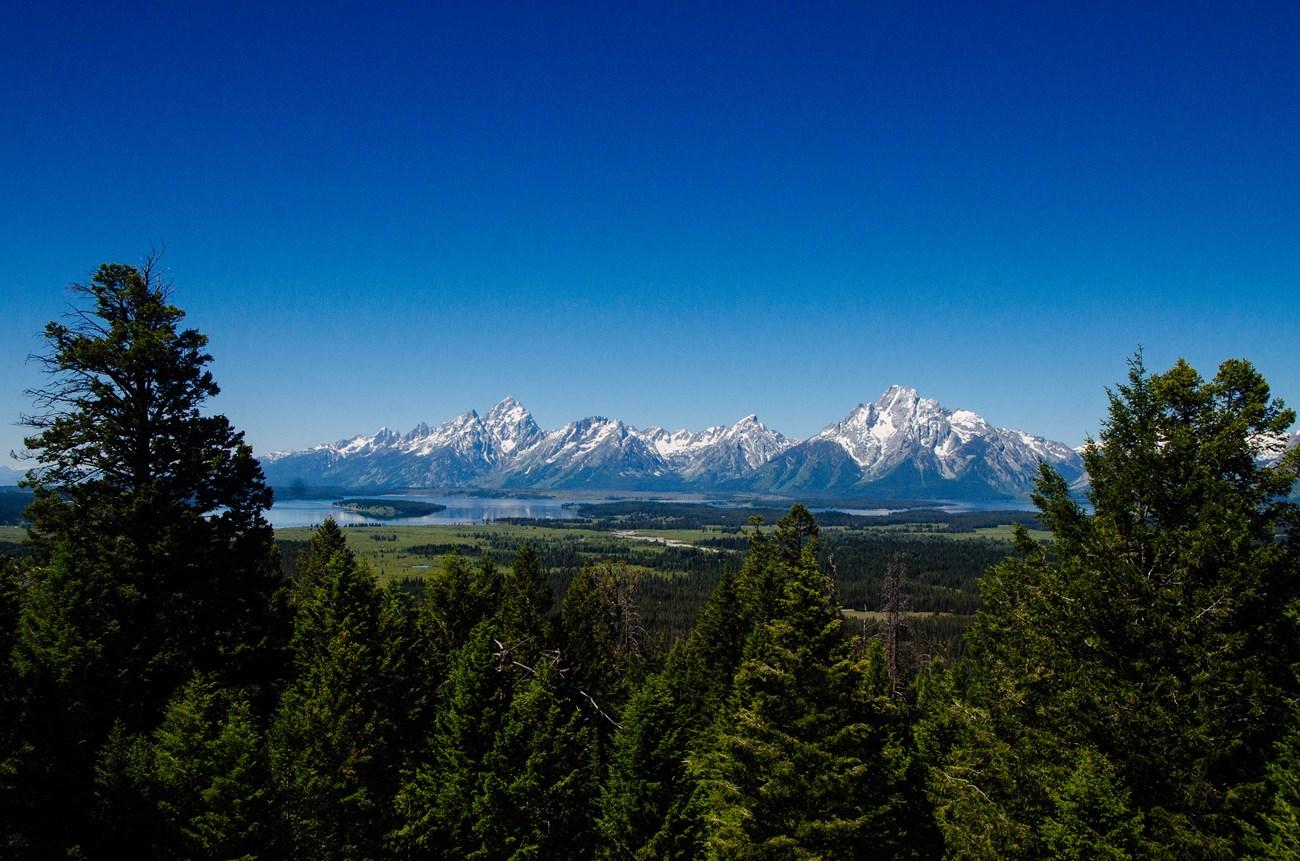 Grand Teton National Park
, Wyoming, pairs jagged peaks, alpine lakes, wildlife-rich valleys, scenic drives and western heritage near Jackson.
-
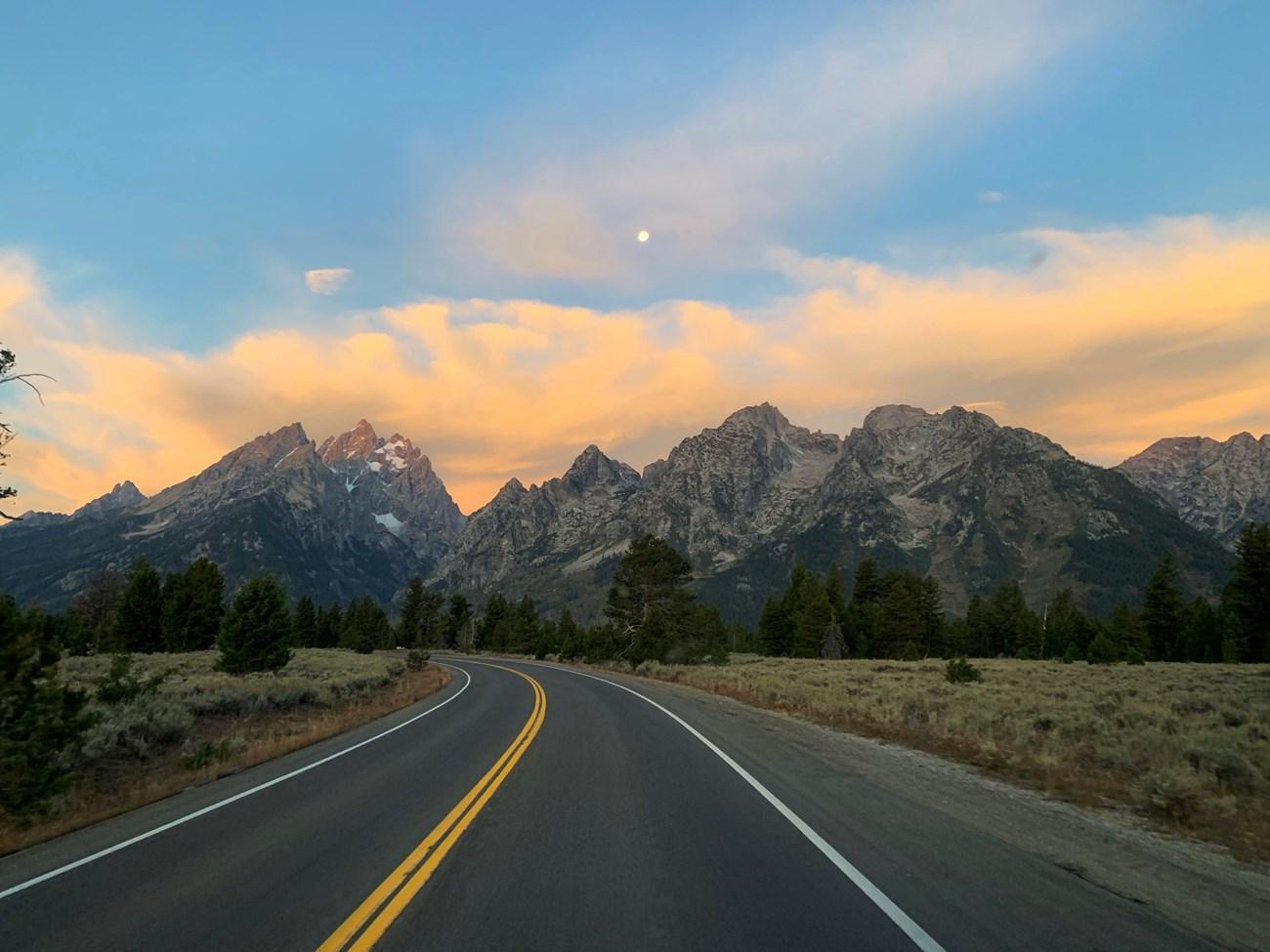 Buffalo Bill State Park
, Wyoming, pairs a mountain reservoir with boating, fishing, camping and Cody’s Old West heritage near Yellowstone’s east gateway.
Swipe for more destinations
Best attractions in Park County
Park County’s attractions range from internationally recognised landscapes to museums and working communities. Yellowstone National Park provides geothermal features, wildlife viewing, waterfalls, canyon scenery and extensive walking opportunities in the county’s western and north-eastern areas, although the park continues well beyond Park County. Cody’s Buffalo Bill Center of the West is the county’s major cultural institution, with galleries exploring western art, firearms, natural history, Plains Indian cultures and Buffalo Bill’s life. The Buffalo Bill Dam and Reservoir introduce the engineering and irrigation story of the Shoshone Basin. Powell and the surrounding farmland offer a different experience of the county, while the Heart Mountain Interpretive Center provides essential historical interpretation. Shoshone National Forest opens access to fishing, hiking, camping, wildlife watching, climbing and scenic drives, with the North and South Forks of the Shoshone River leading towards high mountain country. Meeteetse contributes historic streets, ranching heritage and access to quieter valley landscapes. Activities are highly seasonal: summer suits sightseeing and hiking, whereas winter conditions bring snow sports, wildlife considerations and road restrictions.
-
Park
Jackson Town Square
Explore Jackson Town Square, a picturesque park in Wyoming, featuring iconic elk antler arches and a vibrant local culture amidst stunning mountain views.
-
State park
Hot Springs State Park
Experience the healing powers of nature at Hot Springs State Park, a hidden gem in Thermopolis, Wyoming, with stunning landscapes and rejuvenating hot springs.
-
Tourist attraction
Mud Volcano
Experience the breathtaking geothermal activity of Mud Volcano in Yellowstone National Park—where nature's power and beauty come alive in mesmerizing displays.
-
Scenic spot
Lamar Valley
Explore Lamar Valley, a stunning natural wonder in Yellowstone National Park, known for its abundant wildlife and breathtaking landscapes.


Best landmarks in Park County
The Buffalo Bill Center of the West is Park County’s defining cultural landmark, its substantial Cody campus interpreting the art, peoples, wildlife and stories of the American West. Nearby, the Buffalo Bill Dam spans the Shoshone River and remains a prominent engineering and irrigation landmark at the entrance to the canyon west of Cody. Cody’s historic townscape and associations with William F. Cody give its streets a clear western identity, while Meeteetse’s main street preserves the scale and character of an older ranching settlement. The Heart Mountain site near Powell is marked by the interpretive centre and remnants of the former incarceration camp, a significant place of conscience rather than merely a scenic stop. In the west, the county’s most recognisable landmarks are natural: the Shoshone canyon, the Absaroka peaks and Yellowstone’s thermal basins, waterfalls and canyon country. Their importance lies in both visual presence and the national conservation history attached to them.
-
National park
Yellowstone National Park
Discover Yellowstone National Park, a treasure trove of geothermal wonders, stunning landscapes, and diverse wildlife in the heart of nature's paradise.
-
Tourist attraction
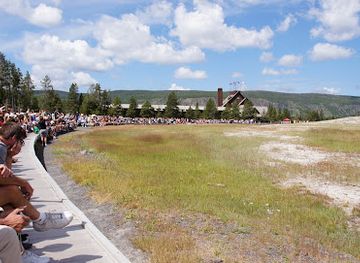
Old Faithful
Experience the awe-inspiring eruptions of Old Faithful, the iconic geyser in Yellowstone National Park, surrounded by stunning natural beauty.
-
National park
Grand Teton National Park
Discover the awe-inspiring beauty of Grand Teton National Park, where majestic mountains and pristine lakes create a breathtaking outdoor paradise.
-
National reserve
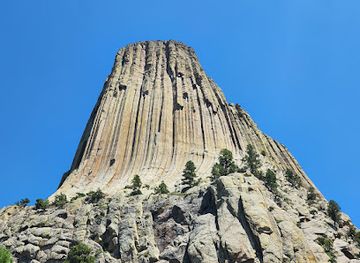
Devils Tower National Monument
Uncover the breathtaking beauty and cultural significance of Devils Tower National Monument, a natural wonder in Wyoming that's perfect for outdoor adventures and exploration.

Explore Park County on the map
Plan your trip on one map. See where the top cities, national parks and sights are, and book hotels and experiences in a few clicks.
Best hotels in Park County
Best restaurants in Park County
Dining in Park County reflects both the agricultural Bighorn Basin and the western gateway economy of Cody. Restaurants, cafés, bakeries and hotel dining rooms in Cody provide familiar American fare alongside steaks, burgers, sandwiches, salads and locally sourced ingredients when available. Traditional ranch and western influences are most evident in meat-based dishes and hearty portions, while Powell and Meeteetse offer smaller-town cafés, diners and community-oriented eating places. Farmers’ markets and local food outlets can be useful for fruit, vegetables, baked goods and other basin produce during the growing season. In Yellowstone, food options are concentrated at developed visitor areas and are shaped by park logistics rather than a separate Park County cuisine. Independent restaurants and historic-style inns are more varied in Cody than in the county’s rural districts, so visitors travelling into the mountains should carry provisions and avoid assuming that a meal will be available along every scenic road.
-
Restaurant
The Buffalo Bar
Discover The Buffalo Bar: A vibrant restaurant-bar offering hearty American cuisine and lively entertainment in scenic West Yellowstone.
-
Barbecue
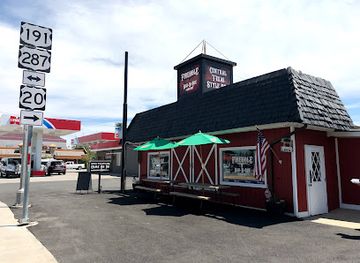
Firehole Bar-B-Que Co.
Discover mouthwatering barbecue delights at Firehole Bar-B-Que Co., where every bite tells a story of flavor and tradition in West Yellowstone.
-
Family-friendly
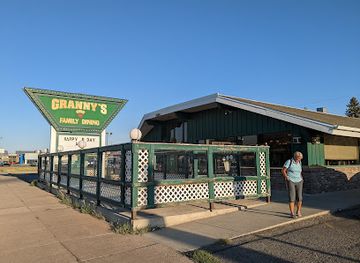
Granny's Restaurant
Experience warm hospitality and hearty American cuisine at Granny's Restaurant in Cody, Wyoming - where every meal feels like home.
-
Hotel
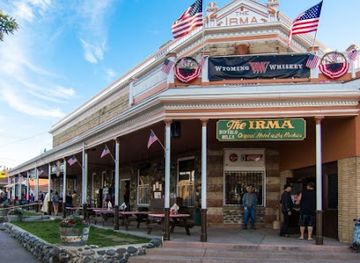
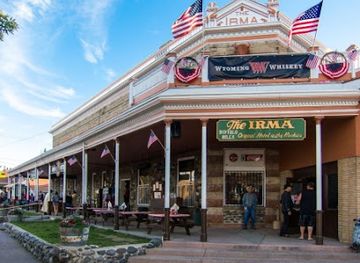
Buffalo Bill's Irma Hotel & Restaurant
Discover the historic Buffalo Bill's Irma Hotel & Restaurant in Cody, Wyoming - where Old West charm meets modern comfort.
Best bars in Park County
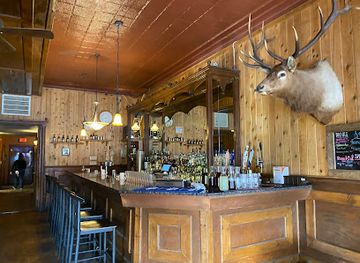
Cody has the county’s broadest evening scene, centred on traditional western bars, hotel lounges, restaurants, breweries and live entertainment rather than a large nightclub district. Rodeo season and summer tourism bring additional evening activity, but programmes and opening arrangements vary. Powell and Meeteetse have a smaller selection of local bars, diners and community venues, where nightlife is generally relaxed and centred on conversation, food and occasional live music. In rural areas and around Yellowstone, evenings are more likely to involve an early meal, a lodge or campground gathering, stargazing or preparation for the next day outdoors. Drink-driving distances are long, mobile coverage can be poor and wildlife may be active on roads after dark, so visitors should plan a safe return and should not treat nightlife as the only way to experience the county after sunset.
-
Restaurant
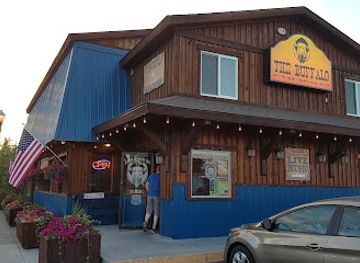
The Buffalo Bar
Experience the vibrant flavors of Montana at The Buffalo Bar, a lively restaurant and bar perfect for tourists visiting West Yellowstone.
-
American
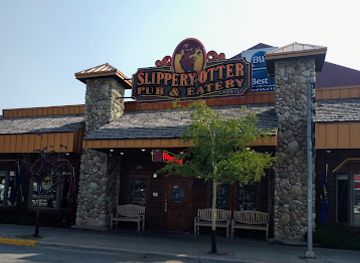
Slippery Otter Pub
Discover the Slippery Otter Pub in West Yellowstone, a family-friendly American eatery serving delicious burgers, pizzas, and local brews in a cozy atmosphere.
-
Bar
Buffalo Bill's Irma Hotel & Restaurant
Discover the historic charm of Buffalo Bill's Irma Hotel & Restaurant, where the Wild West meets modern comfort in Cody, Wyoming.
-
Steak
Proud Cut Saloon
Discover the best steakhouse experience in Cody, Wyoming, at Proud Cut Saloon, featuring local ingredients and a warm, inviting atmosphere.
Best nightclubs in Park County
-
Grill
Silver Dollar Bar
Discover the authentic flavors of Wyoming at Silver Dollar Bar, where hearty grill cuisine meets a lively bar atmosphere in Cody.
-
Bar
Cassie's Steakhouse
Experience the best of Cody, Wyoming at Cassie's Steakhouse, where delicious steaks and live music create unforgettable moments.
-
Liquor store
Libations
Discover the finest selection of wines and spirits at Libations, Cody's premier liquor store and wine bar, perfect for all your celebratory needs.
-
Fine Dining
Trailhead Bar - Grill - Wood Fired Pizza
Experience the best of Italian cuisine and wood-fired pizzas at Trailhead Bar - Grill - Wood Fired Pizza in Cody, Wyoming.


Best shops in Park County
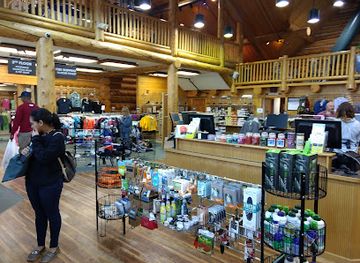
Cody is Park County’s main shopping centre for western clothing, boots, hats, saddlery-inspired goods, art, books, jewellery, Native-made artwork and souvenirs connected with Yellowstone and the American West. Visitors should distinguish genuinely locally made work from mass-produced items and buy Indigenous art from reputable sellers who identify artists and cultural affiliations clearly. Cody’s galleries and independent shops are more characteristic than a large enclosed shopping centre. Powell and Meeteetse offer practical high-street businesses, small galleries, antiques and locally oriented shops, while seasonal farmers’ markets can provide regional produce, preserves, baking and crafts. Outdoor equipment and provisions are useful purchases before travelling into the mountains or Yellowstone. Rural shopping is limited outside the main communities, and many smaller businesses operate seasonally or keep shorter hours, so do not postpone essential supplies until reaching a remote scenic area.
-
Department store
Sierra
Discover Sierra in Cody, Wyoming – your ultimate destination for clothing, outdoor gear, and unique finds for the whole family.
-
Gift shop
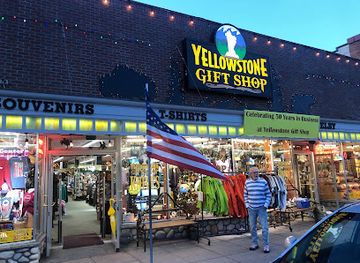
Yellowstone Gift Shop
Discover unique gifts and local treasures at the Yellowstone Gift Shop in Cody, Wyoming, perfect for capturing memories of your Yellowstone adventure.
-
Sporting goods store
Rocky Mountain Discount Sports
Rocky Mountain Discount Sports: Your ultimate hub for outdoor gear and adventure in Cody, Wyoming.
-
Outdoor sports store
Sunlight Sports
Explore the great outdoors with top-notch gear from Sunlight Sports in Cody, Wyoming. Your adventure starts here!

Get your free copy of our complete guide to Park County, delivered straight to you.
Everything on this page, from attractions and restaurants to essentials and local phrases, in one PDF you can read offline, print or share.
Already have an account? Sign in
Your Park County guide is ready.
We'll send it to · Not you? Sign out

Getting your guide ready…
We are putting together a fresh copy of the Park County guide. This can take up to a minute.
This can take a few moments. If your browser asks, choose Allow so the download can start. You'll find the guide in your Downloads folder.
Nothing happened? Download it again
Sorry, the guide is taking longer than usual. Please try again in a minute, or get it by email instead.
Park County essentials
Currency and Payment
Safety
Emergency Situations
Do's and Don'ts
Local Tips
From Eve
Local phrases worth knowing
You don't need to get them perfect. A few words go a long way, and locals appreciate the effort.
Basics
| English | Local | Say it |
|---|---|---|
| Hello | Howdy | [haʊdi] |
| Goodbye | See ya | [si jə] |
| Yes | Yep | [jɛp] |
| No | Nah | [nɑ] |
| Please/You're welcome | Sure thing | [ʃʊr θɪŋ] |
| Thank you | Thanks | [θæŋks] |
| Excuse me/Sorry | Pardon me | [ˈpɑrdən mi] |
| How are you? | How's it going? | [haʊz ɪt ˈɡoʊɪŋ] |
| Fine. And you? | Good. And you? | [ɡʊd. ənd ju] |
| Do you speak English? | You speakin' English? | [ju ˈspiːkɪn ˈɪŋɡlɪʃ] |
| I don't understand | I ain't followin' | [aɪ eɪnt ˈfɑloʊɪn] |
Eating & Drinking
| English | Local | Say it |
|---|---|---|
| I'd like to see the menu, please | Can I see the menu? | [kæn aɪ si ðə ˈmɛnju] |
| I don't eat meat | I don't eat meat | [aɪ doʊnt it miːt] |
| Cheers! | Cheers! | [ʧɪrz] |
| I would like to pay, please | Can I settle up? | [kæn aɪ ˈsɛtəl ʌp] |
Emergencies
| English | Local | Say it |
|---|---|---|
| Help! | Help! | [hɛlp] |
| Go away! | Get lost! | [ɡɛt lɔst] |
| Call the Police! | Call the cops! | [kɔl ðə kɑps] |
| Call a doctor! | Get a doctor! | [ɡɛt ə ˈdɑktər] |
| I'm lost | I'm turned around | [aɪm tɜrnd əˈraʊnd] |
| I'm ill | I'm not feelin' well | [aɪm nɑt ˈfiːlɪn wɛl] |
Shopping
| English | Local | Say it |
|---|---|---|
| I'd like to buy... | I want to buy... | [aɪ wɑnt tu baɪ] |
| I'm just looking | Just browsing | [dʒʌst ˈbraʊzɪŋ] |
| How much is it? | What's the price? | [wʌts ðə praɪs] |
| That's too expensive | That's a bit steep | [ðæts ə bɪt stip] |
| Can you lower the price? | Can you bring down the price? | [kæn ju brɪŋ daʊn ðə praɪs] |
Time & Numbers
| English | Local | Say it |
|---|---|---|
| What time is it? | What time ya got? | [wʌt taɪm jə ɡɑt] |
| It's one o'clock | It's one | [ɪts wʌn] |
| Half past (10) | Half past ten | [hæf pæst tɛn] |
| Morning | Morning | [ˈmɔrnɪŋ] |
| Afternoon | Afternoon | [ˌæftərˈnun] |
| Evening | Evening | [ˈivnɪŋ] |
| Yesterday | Yesterday | [ˈjɛstərdeɪ] |
| Today | Today | [təˈdeɪ] |
| Tomorrow | Tomorrow | [təˈmɔroʊ] |
| 1 | One | [wʌn] |
| 2 | Two | [tu] |
| 3 | Three | [θri] |
| 4 | Four | [fɔr] |
| 5 | Five | [faɪv] |
| 6 | Six | [sɪks] |
| 7 | Seven | [ˈsɛvən] |
| 8 | Eight | [eɪt] |
| 9 | Nine | [naɪn] |
| 10 | Ten | [tɛn] |
Transport & Directions
| English | Local | Say it |
|---|---|---|
| Where's a/the...? | Where's the...? | [wɛrz ðə] |
| What's the address? | What's the address? | [wʌts ði əˈdrɛs] |
| Can you show me (on the map)? | Can you point it out? | [kæn ju pɔɪnt ɪt aʊt] |
| When's the next (bus)? | When's the next bus? | [wɛn'z ðə nɛkst bʌs] |
| A ticket (to ....) | A ticket to... | [ə ˈtɪkɪt tu] |
History of Park County
Indigenous homelands and regional trade
Park County lies within a region long used by Indigenous peoples, including the Apsáalooke, often called the Crow, as well as Northern Arapaho, Eastern Shoshone and other communities whose movements, hunting grounds and trading networks extended across the Bighorn Basin and surrounding mountains. Archaeological evidence records much older human presence. The landscape’s rivers, game corridors and mountain passes shaped travel before Euro-American settlement, while Indigenous knowledge remains important to understanding the region’s cultural and environmental history.
Exploration and the creation of Yellowstone
Expeditions and surveys by Euro-American explorers entered the Yellowstone region during the nineteenth century, following earlier travel by trappers and traders. In 1872, the United States established Yellowstone National Park, the world’s first national park, protecting a vast landscape that includes areas of present-day Park County. This decision changed the region’s future by placing conservation and tourism alongside older patterns of Indigenous use, hunting, ranching and exploration.
Settlement, ranching and irrigation
After the later nineteenth century, homesteaders, ranchers and town builders expanded into the Bighorn Basin. Water was crucial in a dry environment, and irrigation projects transformed parts of the basin into productive farmland. Powell developed as an agricultural community associated with reclamation and irrigated settlement, while Meeteetse and other settlements grew through ranching, trade and access to the surrounding valleys. These industries remain visible in the county’s working landscapes and community identity.
William F. Cody and the founding of Cody
William F. Cody, the showman known as Buffalo Bill, helped establish Cody in the 1890s and promoted the town as a gateway to Yellowstone. His name became closely associated with the region’s western image, although the town’s development also depended on ranching, irrigation, transport and local enterprise. The Buffalo Bill Center of the West and Cody’s continuing rodeo traditions preserve and interpret this history while also placing it within the more complicated story of Indigenous peoples, settlement and the making of the American West.
Railways, roads and tourism
Transport connections helped link Park County’s agricultural settlements and western gateway communities with markets and visitors. Roads into Yellowstone and the Shoshone canyon made scenic tourism increasingly practical, while automobiles changed the scale and rhythm of travel through the mountains. Cody’s position east of Yellowstone strengthened its role as a base for national-park journeys, and the county’s economy came to combine ranching, farming, public-land recreation, heritage tourism and hospitality.
Heart Mountain incarceration, 1942–1945
During the Second World War, the United States government forcibly removed thousands of Japanese Americans from the West Coast and incarcerated them at the Heart Mountain Relocation Center near Powell. The camp operated from 1942 until 1945 and held more than 14,000 people over its lifetime. The Heart Mountain Interpretive Center documents the incarceration, resistance, education, family life and lasting legacy of this injustice, making it one of the region’s most important modern historical sites.
Modern conservation and public lands
Twentieth-century developments strengthened the protection and public use of Park County’s mountains, forests and geothermal landscapes. Yellowstone’s international importance, the management of Shoshone National Forest and the growth of wildlife-based tourism have made conservation central to the local economy and public debate. At the same time, agriculture, ranching and communities such as Cody, Powell and Meeteetse continue to shape the county. Contemporary Park County is therefore a meeting point of working land, protected wilderness and visitor access.
Park County in Photos
Browse through our photo collection highlighting the charm and character of the destination.
Neighbouring regions of Park County
The closest regions to Park County, if you have time for more than one.
-

-

-

-
 Teton County
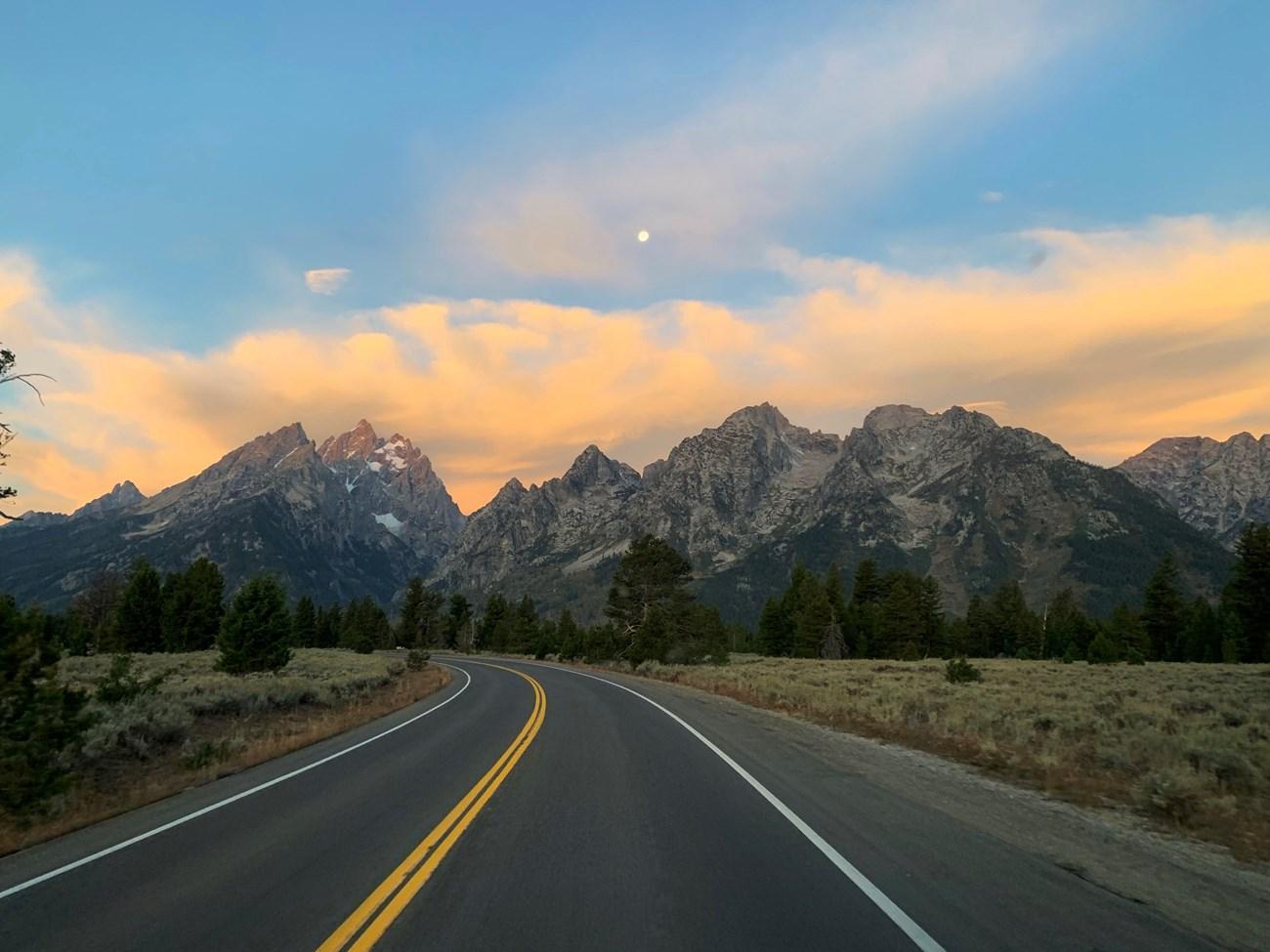
Explore Teton County's Jackson Hole valley, Grand Teton peaks, wildlife-rich plains, alpine lakes, winter sport and Western heritage.
-


Swipe for more regions
Explore more

Explore more of Wyoming
Discover Wyoming: A Land of Unspoiled Beauty, Rich History, and Boundless Outdoor Adventures in the Heart of the American West.
Explore Wyoming